
AI洗稿

Search documents
上海警方:雷某某、刘某某被行拘,梁某、郭某被采取刑事强制措施
券商中国· 2026-03-25 08:06
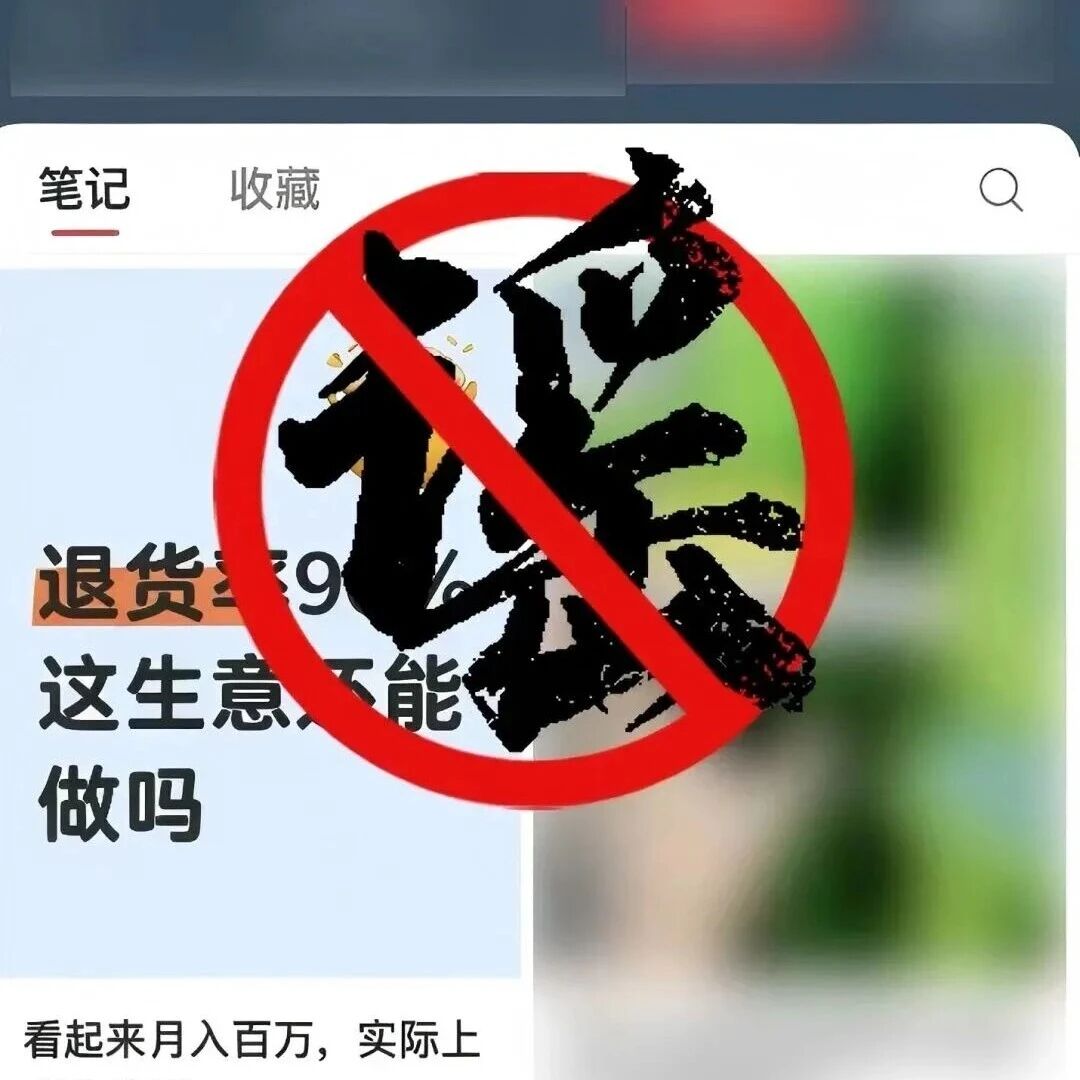
Core Viewpoint - The article highlights the increasing issue of online rumors and misinformation affecting various industries, particularly focusing on the actions taken by law enforcement to combat these false narratives and their impact on businesses [1][2]. Group 1: Online Rumors and Law Enforcement Actions - In 2023, law enforcement has handled 50 cases related to online rumors affecting enterprises, resulting in the administrative detention of 69 individuals and the removal of over 4,600 pieces of misinformation [1]. - A specific case involved a video claiming that a delivery worker repackaged fallen noodles, which was later revealed to be manipulated content by an individual seeking attention [7][8]. - Another case involved a rumor about a high return rate for women's clothing on an e-commerce platform, which negatively impacted the platform's business [4][5]. Group 2: Use of AI in Spreading Misinformation - A case was reported where individuals used AI to create false narratives about multiple automotive companies, leading to the publication of over 700,000 misleading articles and illegal profits exceeding 80,000 yuan [12][13]. - Additionally, there was an incident where AI-generated false medical articles were used to mislead patients and damage the reputation of a hospital [16][17].

理想、小米、比亚迪,谁被“黑”得更惨?
虎嗅APP· 2026-02-05 10:17
Core Viewpoint - The article discusses the impact of black public relations and online water armies on major automotive companies like Li Auto, Xiaomi, and BYD, highlighting the ongoing battles in public perception and reputation management within the industry [4][6]. Group 1: Li Auto's Challenges - Li Auto has faced significant online attacks, particularly against its electric vehicles, with claims of quality issues surfacing before product launches [7][9]. - The use of AI tools has increased the efficiency of black public relations, allowing for rapid generation of negative content about Li Auto's products [9]. - Li Auto's CEO has suggested that these attacks are orchestrated by competitors, indicating a broader issue of distrust among automotive brands [10][12]. Group 2: Xiaomi's Perception Management - Xiaomi's leadership has adopted a victim narrative, claiming to be targeted by malicious online campaigns, particularly regarding the performance of its vehicles [15][16]. - Despite the claims of being unfairly attacked, Xiaomi's issues with vehicle performance and safety have contributed to public scrutiny, which has been amplified by online criticism [16][17]. - The company has been criticized for not addressing significant safety concerns directly, which may undermine its credibility in the face of allegations [17]. Group 3: BYD's Legal Actions - BYD has actively pursued legal action against various accounts and media outlets for defamation, with over 40 accounts currently under litigation [20][21]. - The company has successfully won multiple lawsuits, resulting in compensation exceeding 10 million yuan, although these actions are seen as insufficient to fully address the reputational damage incurred [20][21]. - BYD's management has indicated that the root of these attacks often lies with competitors, suggesting a systemic issue within the industry [23]. Group 4: Industry Dynamics - The article emphasizes that black public relations are a byproduct of competitive dynamics within the automotive sector, with companies often using third-party water armies to undermine rivals [25][26]. - The blurred lines between criticism and defamation create challenges for companies, as any misstep can be exploited by competitors [27]. - The ongoing presence of black public relations in the industry is expected to persist, complicating the landscape for all automotive brands [25][28].


车没上市AI黑稿就已刷屏,《焦点访谈》起底新能源车圈黑水军产业链
Yang Shi Xin Wen· 2026-01-30 06:39
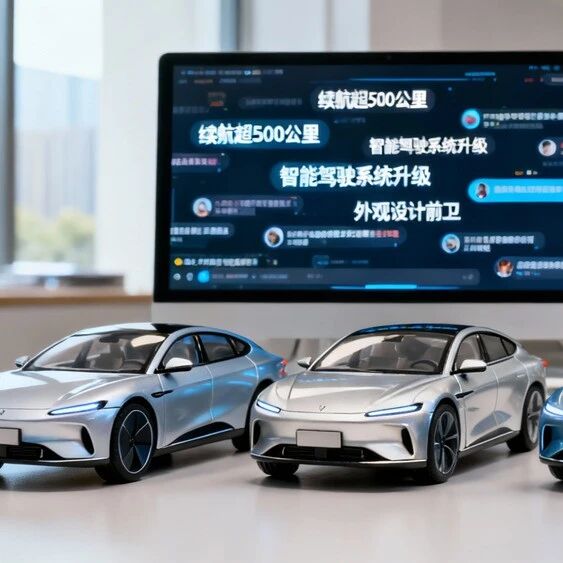
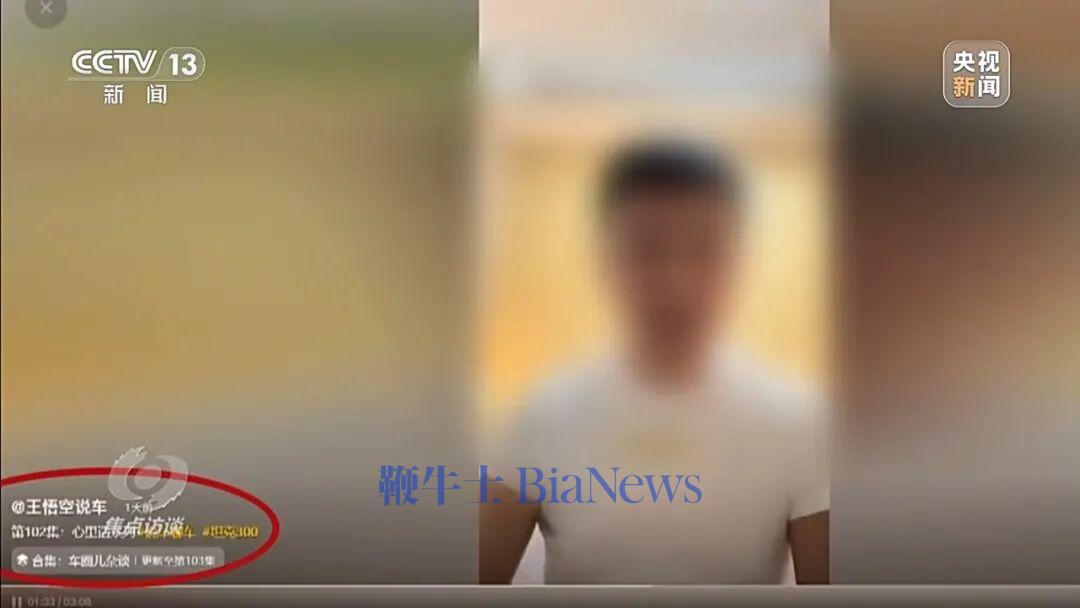
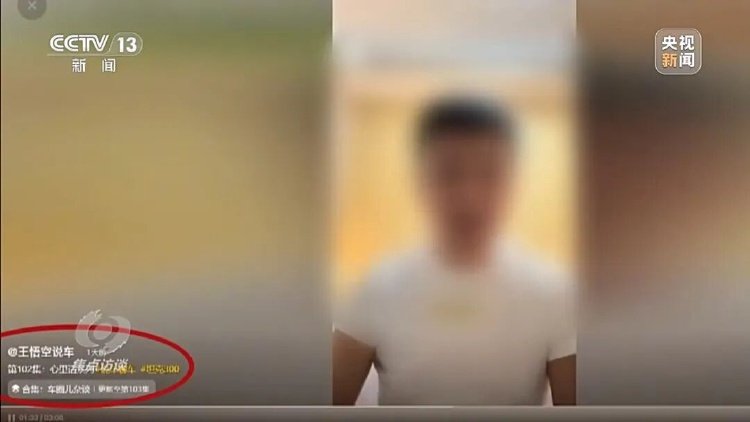
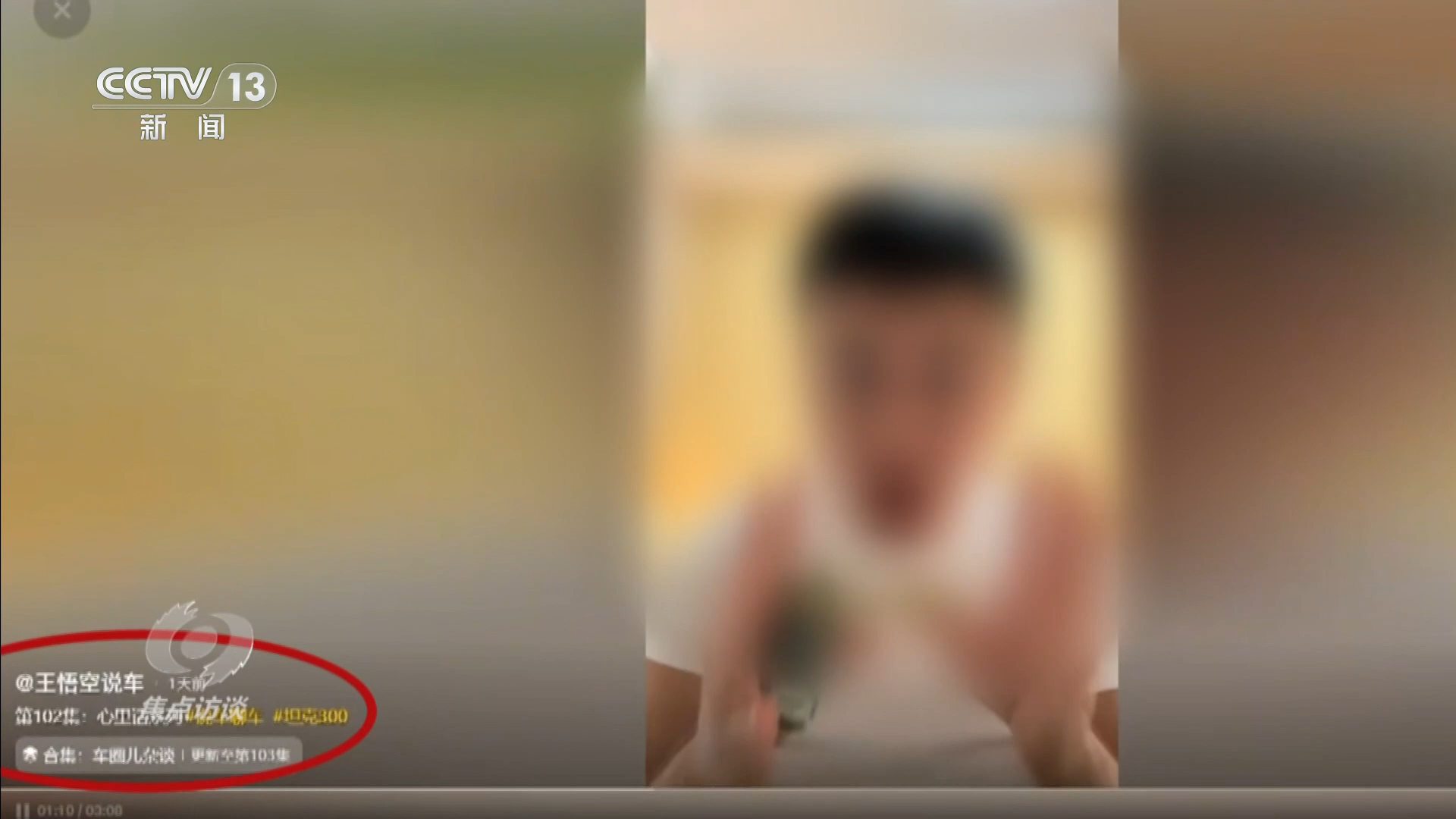
Core Viewpoint - The rapid growth of the new energy vehicle (NEV) industry in China is accompanied by malicious competition and misinformation, which hinders healthy industry development. The government has initiated actions to combat these issues, particularly focusing on online reputation attacks and the emergence of a "black water army" in the industry [1][21]. Group 1: Industry Growth and Challenges - By 2025, China's NEV production and sales are expected to exceed 16 million units, with NEVs accounting for over 50% of new car sales [1]. - Malicious competition has led to the spread of false information by some influencers, misleading consumers and damaging the industry's reputation [1][21]. - The government has launched a crackdown on these issues, revealing the existence of organized reputation attacks within the NEV sector [1][21]. Group 2: Online Reputation Attacks - Influencers with significant followings, such as "Wang Wukong Says Car," have been penalized for defamatory remarks against certain car brands, acknowledging that their statements contained false descriptions and damaging evaluations [3][4]. - The National Internet Information Office has identified multiple influencers engaging in long-term malicious defamation of car companies, with some attempting to evade regulation by changing their account names [4][6]. - Experts indicate that these influencers exploit their large fan bases and monetization capabilities, creating significant disruptions in market order and damaging the normal image of products [6]. Group 3: AI and Misinformation - The use of AI to generate large-scale defamatory content has emerged, with instances of false claims about vehicle sales and quality issues being spread online [7][10]. - AI-generated content can easily bypass platform content checks, making it easier to disseminate misleading information rapidly [10]. - The NEV sector has become a primary target for such misinformation, particularly during high-visibility events like new car launches or accidents [10]. Group 4: Impact of Malicious Competition - The negative impact of online attacks extends beyond companies to individual car owners, who may face unwarranted criticism based on their vehicle choices [16][18]. - The spread of rumors and the time lag in platform content moderation have exacerbated the situation, allowing misinformation to proliferate [18]. - Legal actions against defamatory accounts can be lengthy, as demonstrated by the case of "Wang Wukong Says Car," which took a year to resolve [19]. Group 5: Regulatory Response - The government has recognized that the underlying issue of these online attacks stems from unhealthy competition among car manufacturers [21][24]. - A joint effort by multiple government departments has led to the identification and removal of over 111,300 pieces of defamatory content and the suspension of 3,612 accounts [25]. - The ongoing regulatory actions have improved the online environment for automotive companies, enhancing their confidence in innovation and development [25].
起底汽车行业网络黑产:新车还没上市 AI黑稿就已刷屏
Yang Shi Xin Wen· 2026-01-30 05:30
Core Viewpoint - The rapid growth of the new energy vehicle (NEV) industry in China is accompanied by malicious competition and misinformation, leading to a significant impact on consumer perception and market health [2][4][22]. Group 1: Industry Growth and Challenges - By 2025, China's NEV production and sales are expected to exceed 16 million units, with NEVs accounting for over 50% of new car sales [2]. - The industry is facing challenges from malicious competition, including the spread of false information by influencers and competitors, which misleads consumers and hinders healthy industry development [2][4]. Group 2: Malicious Activities by Influencers - Influencers with large followings, such as "Wang Wukong Says Car," have been found guilty of defaming car brands, leading to legal consequences including public apologies and compensation [4][6]. - The National Internet Information Office has identified multiple influencers engaging in long-term malicious defamation of car companies, with some attempting to evade regulation by changing their account names [4][6]. Group 3: AI-Driven Misinformation - There is a rise in the use of AI to generate large volumes of misleading content about car brands, making it easier to spread false information while avoiding platform detection [7][9]. - A test demonstrated that AI can quickly produce numerous variations of negative reviews, indicating a low barrier to creating deceptive content [9][11]. Group 4: Impact on Consumer Perception - Misleading automotive reviews and tests have been used as tools to misinform consumers, with some videos going viral despite being based on false premises [12][13]. - The automotive industry is experiencing a significant impact from these deceptive practices, which can lead to consumer distrust and affect sales [12][15]. Group 5: Regulatory Response - In response to the rampant misinformation, multiple government departments have initiated a crackdown on illegal activities in the automotive sector, resulting in the closure of over 3,600 accounts and the removal of more than 111,300 pieces of defamatory content [26]. - The ongoing efforts aim to improve the online environment for automotive companies and restore consumer confidence in the industry [26].
央视焦点访谈定调网络黑产是新能源汽车行业毒瘤, 理想公关人员出镜
理想TOP2· 2026-01-30 03:59
Core Viewpoint - The article emphasizes that the online black market has become a malignant tumor in the electric vehicle industry, harming corporate reputation, misleading consumers, and undermining fair competition, thus polluting the environment for innovation and sustainable development in the industry [40]. Group 1: Industry Overview - In 2025, China's new energy vehicle production and sales exceeded 16 million units, with new energy vehicles accounting for over 50% of domestic new car sales [2]. - The rapid growth of the industry has been accompanied by dissonant phenomena, including malicious competition and the dissemination of false information by some automotive bloggers [2][40]. - The electric vehicle sector has become a major target for large-scale online rumors, especially during high-attention periods such as new car launches and traffic accidents [13]. Group 2: Online Malpractices - The article discusses the emergence of organized attacks on corporate reputation, with some automotive influencers engaging in defamation and malicious commentary [6][12]. - A notable case involved an influencer who was fined for defaming a car brand, highlighting the legal consequences of such actions [4][28]. - The use of AI technology to generate misleading content has lowered the barrier for creating large volumes of false information, making it easier for malicious actors to spread rumors [11][12]. Group 3: Impact on Consumers and Companies - Consumers have reported significant distress due to online attacks, with over 1,700 complaint calls received by a company in less than a month regarding harassment and vandalism against car owners [22]. - The negative impact of these online attacks extends beyond companies to individual car owners, who face labeling and harassment due to their vehicle choices [21][22]. - The article notes that the spread of false information has led to a sharp decline in consumer trust and recognition of technological innovation in the industry [14][30]. Group 4: Regulatory Response - In response to these issues, multiple government departments have initiated a joint crackdown on online malpractices, resulting in the handling of over 28,000 reports and the removal of more than 111,000 pieces of defamatory content [38][39]. - The regulatory efforts aim to restore a healthy competitive environment and enhance the confidence of companies in innovation and development [39][40]. - The article concludes that ongoing high-pressure measures are necessary to combat illegal profiteering, exaggeration, and malicious defamation in the automotive sector [35][39].
焦点访谈|恶意诋毁、虚假测评……记者调查汽车行业网络乱象
Yang Shi Wang· 2026-01-29 13:33
Core Viewpoint - The rapid growth of the new energy vehicle (NEV) industry in China is accompanied by significant challenges, including malicious competition and misinformation campaigns that harm consumer trust and industry health [1][19]. Industry Overview - By 2025, China's NEV production and sales are expected to exceed 16 million units, with NEVs accounting for over 50% of new car sales [1]. - The NEV sector is experiencing a surge in popularity, but it is also facing issues related to false information and competitive sabotage among companies [1][19]. Malicious Competition - Some influencers and automotive bloggers are engaging in reputation damage through the dissemination of false information about competing brands, which misleads consumers and disrupts market order [3][4]. - The National Internet Information Office has identified several accounts, including "Big Eye Brother Says Car" and "Electricity Plus Electricity," for their long-term malicious attacks on car companies [4]. Use of AI in Misinformation - The emergence of AI-generated content has made it easier to produce and spread false reviews and negative comments about NEVs, complicating regulatory efforts [7][9]. - AI technology allows for the rapid generation of misleading content, which can flood the internet and create significant challenges for companies to respond effectively [9]. Impact of False Reviews - Some automotive reviews that appear objective are actually misleading and can be linked to financial incentives from competing companies [11][13]. - The spread of misinformation not only affects brands but also ordinary consumers, who may face backlash for their vehicle choices [13][15]. Regulatory Response - The Chinese government has initiated a crackdown on these malicious practices, with over 28,000 reports of infringement received and more than 111,300 pieces of harmful content removed [20]. - The joint efforts of multiple government departments aim to restore a healthy competitive environment in the NEV sector and enhance consumer confidence [19][20]. Conclusion - The ongoing issues of misinformation and malicious competition in the NEV industry highlight the need for sustained regulatory oversight and industry cooperation to foster a fair and innovative market environment [19][20].
一门“洗稿”生意:AI抄袭“神韵”,爆款文章遭批量魔改
Xin Jing Bao· 2025-12-30 04:52
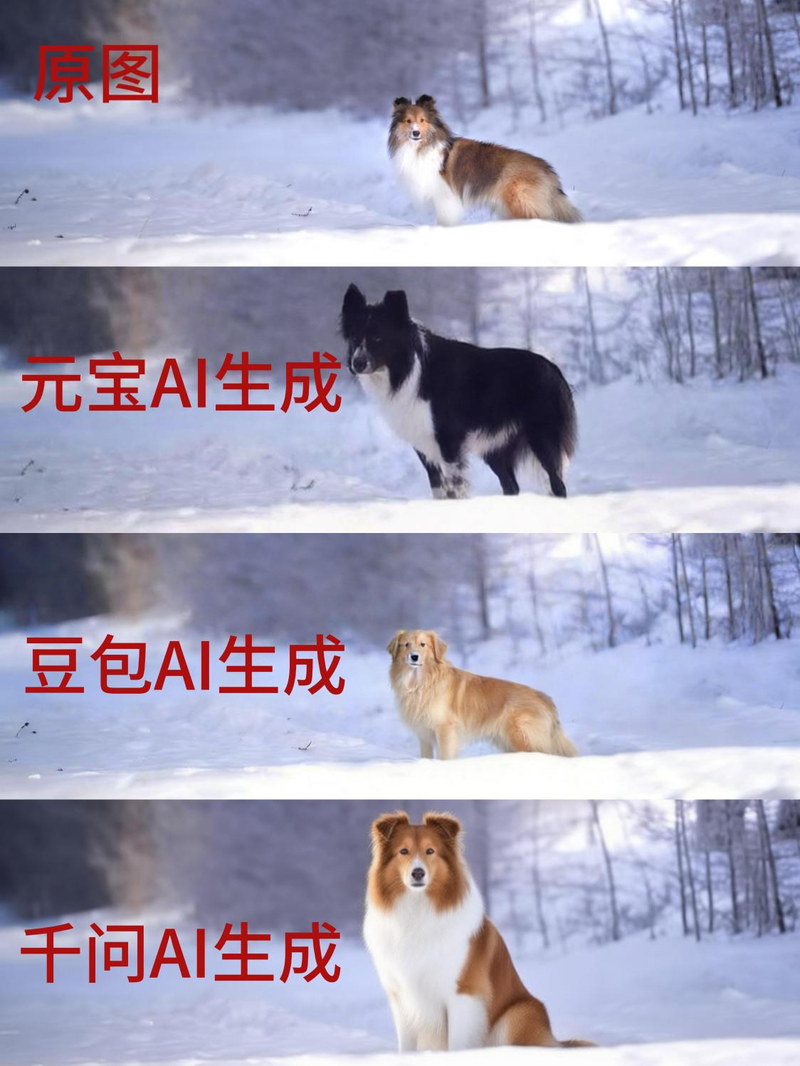
Group 1: AI and Copyright Issues - The emergence of AI tools has lowered the barrier for image plagiarism, allowing individuals to generate new images with minimal skills using original images and prompts [1][5] - AI-generated content can closely mimic the original work's essence, making it difficult to distinguish between original and AI-modified images [1][12] - Legal frameworks are struggling to keep pace with the rapid development of AI, leading to challenges in protecting original creators' rights [7][20] Group 2: AI in Writing and Content Creation - The rise of "AI washing" has created a new business model where individuals can earn money by modifying existing articles using AI tools, often without any writing skills [4][14] - Various platforms have limited capabilities in detecting AI-generated content, allowing such articles to bypass original content checks [16][18] - The detection of AI-generated content requires advanced techniques, including language feature analysis and model fingerprint detection, which are currently challenging to implement effectively [18][19] Group 3: Case Studies and Examples - Illustrators and content creators have reported instances of their work being replicated or modified using AI, leading to significant concerns about copyright infringement [6][10] - Specific examples include a running blogger discovering their photo used in an advertisement with an AI-generated face swap, highlighting the potential for misuse of personal images [7][8] - The case of an illustrator finding a nearly identical entry in an art competition raises questions about the ethical use of AI in creative fields [10][12] Group 4: Industry Responses and Recommendations - Legal experts suggest that original creators should document evidence of infringement and report unauthorized use to platforms to mitigate the impact of copyright violations [20] - Content platforms are encouraged to enhance their detection algorithms to better identify AI-generated content and prevent copyright infringement [17][19] - The collaboration between technology, legal standards, and platform governance is essential for effectively managing AI-generated content and protecting original works [19][20]
调查|一门“洗稿”生意:AI抄袭“神韵” 爆款文章遭批量魔改
Xin Jing Bao· 2025-12-30 04:40
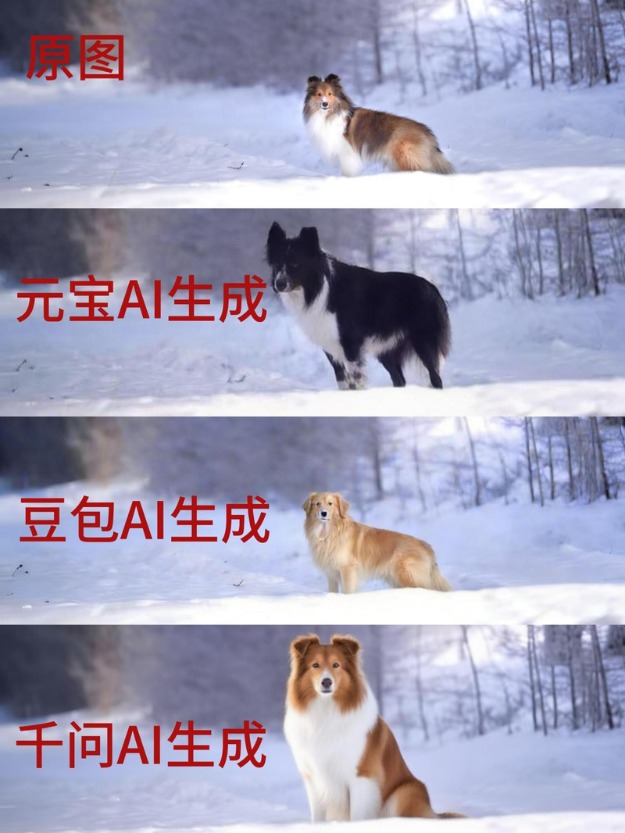
Group 1: AI and Copyright Issues - The emergence of AI tools has lowered the barriers for image plagiarism, allowing users to generate new images with minimal skills by using original images and prompts [1][3] - AI-generated content can closely mimic the original work's essence, raising concerns about copyright infringement as modified works may still exhibit substantial similarity to the originals [3][5] - Many creators are facing challenges in protecting their intellectual property rights due to the rapid advancement of AI technology and the lagging legal framework [5][6] Group 2: AI in Creative Industries - Illustrators and content creators are increasingly encountering issues with their works being replicated or modified by AI, leading to significant overlaps in artistic expression [4][7] - The use of AI in art competitions has sparked debates about originality, as some entries may closely resemble existing works, raising questions about the ethical use of AI tools [7][9] - There is a growing acceptance of AI as a creative tool, but it necessitates a stronger awareness of originality and the risks of plagiarism among creators [9][10] Group 3: AI Writing and Content Generation - The rise of "AI washing" has led to the emergence of a business model where individuals claim to earn money by rewriting existing articles using AI tools, often without proper attribution [11][12] - Various platforms are struggling to effectively detect AI-generated content, which complicates the enforcement of copyright and originality standards [14][15] - The detection of AI-generated articles remains challenging, requiring advanced techniques to differentiate between human and AI-generated content [15][16]
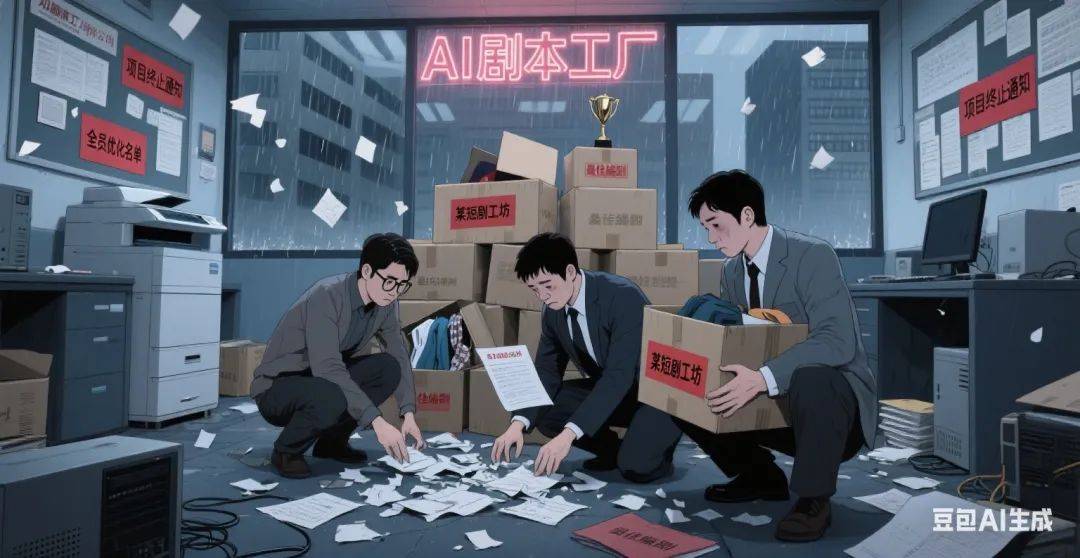
AI批量洗稿、8天拍3部,我还要不要干短剧了?
Hu Xiu· 2025-07-29 04:30
Group 1 - The short drama industry has experienced rapid growth, reaching a market size of 600 billion in just five years, surpassing the 23 years of marketization in Chinese cinema [7] - The industry is undergoing significant transformation, with many companies shutting down, employees leaving, and entrepreneurs seeking new directions [4][9] - The business model and content types within the short drama industry are changing dramatically, leading to a shift in the roles and expectations of industry participants [8][9] Group 2 - Many industry professionals report challenges such as layoffs, legal disputes, and financial losses, indicating a turbulent environment [3] - The rise of AI-generated scripts and the dominance of platforms are reshaping the creative landscape, often prioritizing quantity over quality [57] - The competition within the industry is intense, with a focus on rapid production and market adaptation, leading to a dichotomy between profit-making and artistic integrity [56][59] Group 3 - The platforms have gained significant power, dictating terms and conditions for production companies, which has led to a decrease in creative freedom [29][33] - The financial dynamics have shifted, with platforms increasing their revenue share from creators, impacting the profitability of production companies [30][48] - The industry is at a crossroads, where the future may depend on the ability of creators to navigate these changes and determine their priorities between financial success and meaningful work [59][60]
说说“洗稿”(金台随感)
Ren Min Ri Bao· 2025-06-22 22:10
Group 1 - The core issue of plagiarism and "washing" is the infringement of intellectual property rights, which is considered a person's intellectual achievement and should not be violated [1][2] - "Washing" is described as a more sophisticated form of plagiarism, where original works are altered without permission, leading to substantial similarities in core facts and arguments [1][2] - The phenomenon of "washing" is often linked to self-media practices, where individuals seek to profit from minimal effort, leading to a waste of editorial resources and potential issues for media outlets [2] Group 2 - Platforms related to "washing" should take responsibility by enhancing management awareness and establishing mechanisms to address complaints effectively [3] - Legal actions should be taken against severe cases of "washing," as demonstrated by a recent court ruling in Shanghai where individuals were sentenced for illegal operations involving AI software for "washing" [3] - "Washing" violates journalistic ethics and infringes on intellectual property rights, highlighting the need for stricter enforcement in the digital age [4]