
新能源转型

Search documents
重仓新能源的车厂,1月大多数都很惨
3 6 Ke· 2026-02-04 01:48
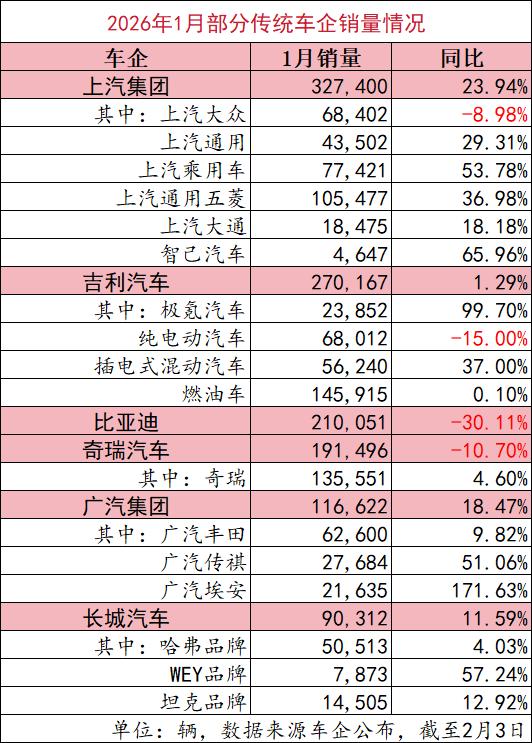
Core Viewpoint - The Chinese automotive market in January 2026 is characterized by a stark division, with traditional fuel vehicle manufacturers showing resilience while pure electric vehicle brands face significant challenges due to market fluctuations and policy changes [1][10]. Sales Performance - Total retail sales of passenger cars in January are expected to reach 1.8 million units, a month-on-month decline of 20.4% and a slight year-on-year increase [1]. - New energy vehicle (NEV) retail sales may reach around 800,000 units, with a penetration rate dropping to 44.4%, nearly 10 percentage points lower than the peak at the end of 2025 [1]. Traditional Automakers - Traditional automakers like Geely, SAIC, and GAC Toyota, which maintain a dual strategy of fuel and new energy vehicles, reported stable sales. For instance, SAIC's total sales reached 327,400 units in January, a year-on-year increase of 23.94% [2][3]. - Geely's total sales were 270,167 units, with fuel vehicle sales contributing significantly to its performance, achieving a year-on-year growth of 1.29% [4]. - GAC's sales reached 116,622 units, with GAC Toyota's sales growing by 9.82% [6]. New Energy Vehicle Brands - New energy vehicle brands are experiencing a downturn, with BYD's sales dropping by 30.11% year-on-year, and domestic sales plummeting by 53.22% [7]. - New entrants like Hongmeng Zhixing and Xiaomi saw significant growth, but others like Li Auto and Xpeng faced declines due to high previous bases and insufficient new product launches [9][17]. Export Market - Exports have become a crucial support for many leading automakers, with Chery exporting 119,600 units in January, accounting for nearly 60% of its sales [9]. - SAIC's exports reached 105,000 units, a year-on-year increase of 51.7%, while BYD and Geely also reported substantial export growth [9]. Market Dynamics - The market's division is attributed to a combination of policy shifts and the seasonal demand associated with the Chinese New Year, which has favored fuel vehicles [10][12]. - Fuel vehicles are perceived as a necessity for family gatherings during the holiday season, leading to increased sales of traditional models [12]. Strategic Insights - The current market scenario emphasizes the importance of maintaining a fuel vehicle base while pursuing new energy strategies. Companies that can balance both will likely fare better in market fluctuations [14][15]. - Future competition will hinge on the ability to innovate and meet mainstream market demands in the new energy sector, as evidenced by the performance of traditional automakers [15][17].





中国石化入股一家风电材料公司!
Xin Lang Cai Jing· 2026-02-03 12:53
Core Viewpoint - Sinopec's strategic investment in Zhejiang Zhenstone New Materials Co., Ltd. is not merely a financial stake but part of a broader strategy to establish a complete supply chain from crude oil to wind energy, focusing on "material sovereignty" [3][23]. Group 1: Investment Details - Zhenstone successfully listed on the Shanghai Stock Exchange on January 29, with an opening price of 11.18 CNY per share, closing with a 121.65% increase, resulting in a market capitalization of 43.1 billion CNY and a price-to-earnings ratio of 55.4, significantly higher than the traditional fiberglass industry average [3][22]. - Sinopec's involvement is seen as a long-term strategic move to integrate its carbon fiber technology with Zhenstone's expertise in wind energy materials, creating a complete industrial chain [3][23]. Group 2: Technology and Market Position - Carbon fiber is essential for wind turbine blades, which often exceed 130 meters in length, as it is lighter and stronger than fiberglass, with a density less than one-fourth that of steel and a strength 7 to 9 times greater [5][25]. - Zhenstone holds over 35% of the global market share for wind energy materials, making it a leader in the field, with clients including major domestic and international companies [8][28]. Group 3: Supply Chain and Cost Optimization - Sinopec's investment is expected to enhance Zhenstone's supply chain by providing not only carbon fiber but also key materials like epoxy resin and special polyolefins, which can stabilize costs and improve production efficiency [9][30]. - The collaboration allows for a more stable supply of raw materials, enabling Zhenstone to focus on optimizing processes and expanding capacity [9][30]. Group 4: Strategic Synergies - The partnership is characterized by a "multiplicative effect" in supply chain security, market expansion, and cost optimization, leveraging Sinopec's extensive resources and Zhenstone's market agility [9][34]. - Sinopec's extensive international trade network and brand strength can significantly enhance Zhenstone's market access, particularly in emerging markets [12][31]. Group 5: Broader Industry Implications - Sinopec's investments align with its "One Base, Two Wings, Three New" strategy, focusing on new energy and materials, indicating a proactive approach to transforming its business model [18][37]. - The shift towards high-performance materials is crucial for the development of the renewable energy sector, as reliance on imported materials poses risks to national energy security [36][38].

长城汽车财报出炉:营收超2227亿元 单车收入为历史最佳
Zhong Guo Jing Ying Bao· 2026-02-02 23:14
Core Viewpoint - In 2025, the Chinese automotive industry transitions from "price competition" to "value competition," leading to a high-quality development phase, with increased market differentiation and revenue pressure on most automakers. However, Great Wall Motors achieves significant revenue growth through a clear strategic focus on high-end and new energy vehicles, reaching a record revenue of 222.79 billion yuan, a 10.19% year-on-year increase [2][3]. Industry Background - The automotive market in China is undergoing a critical adjustment phase, with lingering effects from previous price wars and accelerated transitions to new energy vehicles, resulting in many automakers facing profitability challenges [3][4]. Revenue Growth Drivers - Great Wall Motors' revenue growth is attributed to a shift from "scale competition" to a "value-driven" business model, enhancing the quality and sustainability of revenue growth. The average vehicle price reached 201,300 yuan in 2025, reflecting a significant increase in product premium capabilities [4][6]. High-End and New Energy Vehicle Growth - In 2025, sales of high-end and new energy vehicles at Great Wall Motors both saw substantial growth, validating the company's strategic focus on brand elevation and energy transition. The high-end brand sales, particularly from the WEY and Tank brands, significantly contributed to revenue growth [5][7]. Product Structure Optimization - Great Wall Motors has established a clear multi-brand matrix, covering price ranges from 100,000 to 450,000 yuan, allowing for differentiated competition and avoiding internal competition. This structure supports the company's transition to high-value and high-quality products [10][11]. Technological Investment - The company has invested heavily in technology and innovation, with a team of 23,000 engineers and significant investments in testing facilities. This focus on technology is expected to enhance product quality and brand value, positioning Great Wall Motors for future growth [12].

北京越野BJ40家族三款车型同步推出 中国大环线项目启动
Zhong Zheng Wang· 2026-02-02 14:10
中证报中证网讯(记者龚梦泽)日前,北京越野在嘉兴举办相关活动,同步推出BJ40家族三款车型,并启 动相关越野项目及官方俱乐部,开启"中国大环线",进一步完善其越野产品与服务生态。此次推出的三 款车型涵盖增程、燃油等动力类型,进一步丰富企业产品矩阵。 北京越野本次活动同步启动的越野线路项目,配套建设官方服务与应急保障体系,呼应企业用户共创的 发展方向。北京越野董事长王昊此前在接受中国证券报采访时曾表示,企业焕新核心在于产品创新,将 通过全体系变革,实现从产品供给到用户需求的精准对接,巩固越野赛道核心竞争力。 北汽集团董事长张建勇在近期相关会议中提及,北京越野将持续以创新与用户共创为驱动,依托集团战 略支撑,优化越野产品及服务体系,推动越野品类高质量发展。据悉,北京越野2025年批发与终端销量 双双突破14.1万辆,同比实现增长,核心战略聚焦新能源转型与全细分市场布局,深耕越野领域技术突 破与用户需求挖掘。 ...
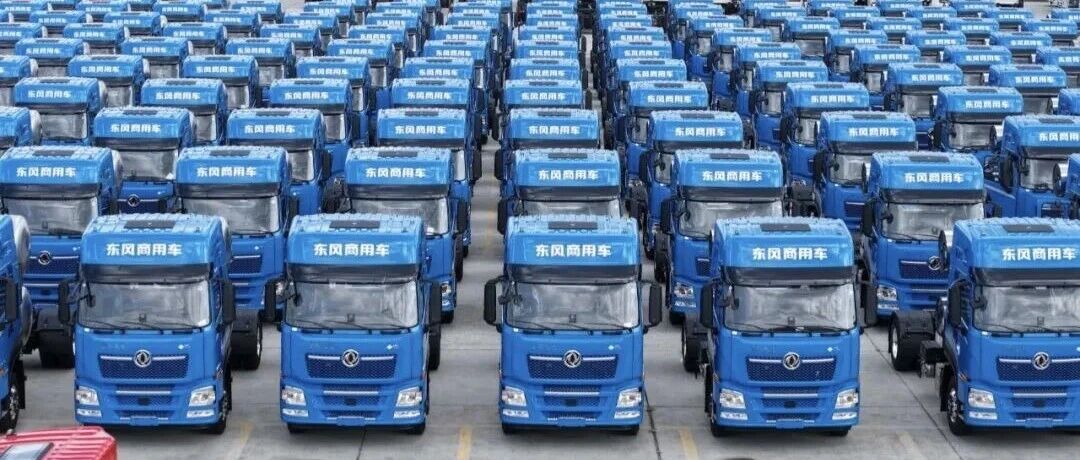
解读东风商用车的“可靠”答卷
Zhong Guo Qi Che Bao Wang· 2026-02-02 09:01
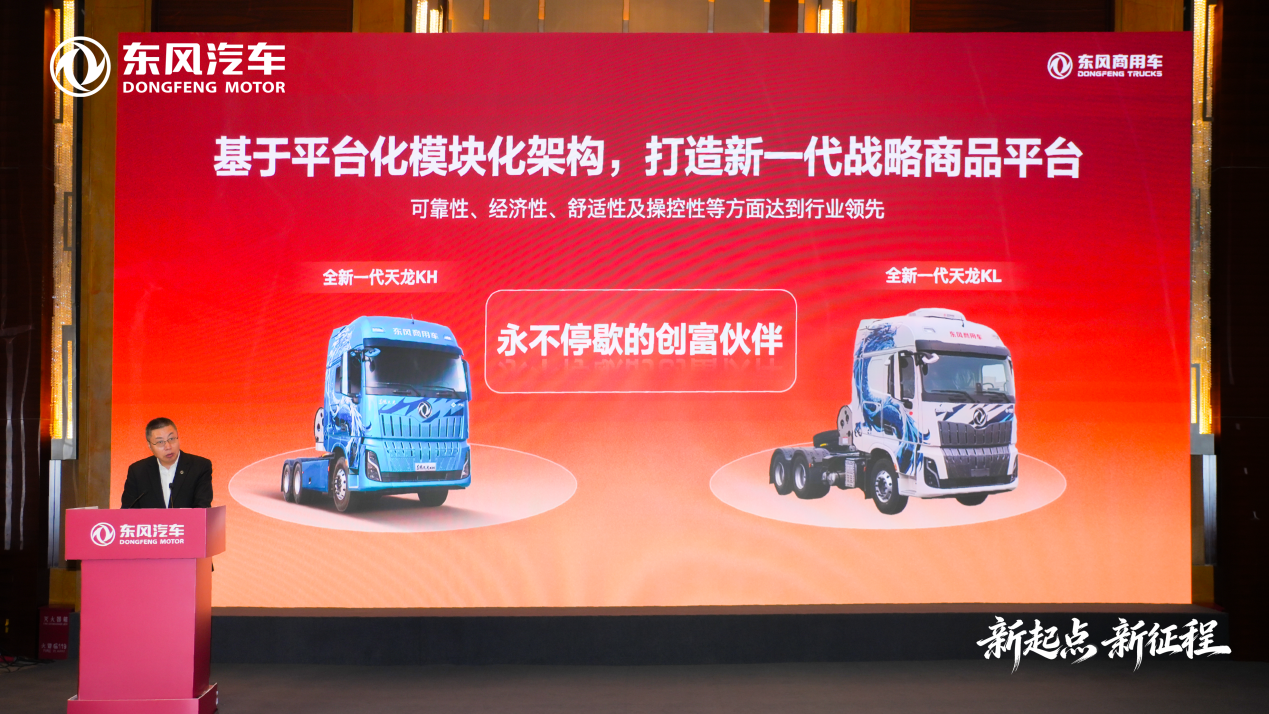
Core Viewpoint - Dongfeng Commercial Vehicle is committed to reliability as a foundation for growth and transformation in the face of energy transition and technological revolution, aiming for a future driven by innovation and new strategies [1] Group 1: Performance and Achievements - In 2025, Dongfeng Commercial Vehicle achieved a sales volume of 131,000 units, representing a 24% year-on-year increase, and expanded its market share [3] - The company accelerated its growth in the new energy sector, launching over 70 models including hydrogen fuel and hybrid vehicles, with sales exceeding 10,000 units, doubling from the previous year [3] - Dongfeng's traditional advantages in the conventional energy sector remain strong, with the self-developed Dragon Power chain achieving over 51% efficiency and overseas exports reaching 20,000 units [4] Group 2: Strategic Initiatives - Dongfeng aims to exceed 176,000 units in sales by 2026, targeting a 34% year-on-year growth [5] - The company plans to transition towards a comprehensive ecosystem in new energy, focusing on electric, hydrogen fuel, and hybrid vehicles, while providing full value chain services [6] - In international markets, Dongfeng intends to deepen its presence in 18 key markets, shifting from "product export" to "system export" to enhance local operations and service [6] Group 3: Future Outlook - The company anticipates significant industry restructuring, with a projected increase in the domestic new energy market penetration rate to over 35% [7] - Dongfeng expects a long-term shift towards localized operations in overseas markets, maintaining a 1/3 market share [7] - The focus of competition is expected to shift from low-price competition to lifecycle value services, aligning with the industry's "anti-involution" advocacy [7]
宝马中国换帅
Zhong Guo Qi Che Bao Wang· 2026-02-02 02:48
Core Viewpoint - BMW Group announced that Christian Ach will succeed Sean Green as President and CEO of BMW Group Greater China starting April 1, 2026, overseeing all operations in the region, including joint ventures in China. Sean Green will conclude his over ten-year management tenure in China [1]. Group 1: Leadership Transition - Christian Ach has a strong background within BMW, having joined the company in 1998 and held various management positions in sales, including leading MINI's operations in Germany and overseeing BMW's sales in Northern Europe [4]. - Sean Green has been instrumental in establishing BMW as the largest single market globally since 2013, witnessing the luxury car market's evolution in China [6]. - The transition reflects a strategic move as the Chinese automotive market shifts from rapid growth to more competitive dynamics, with local brands increasingly penetrating the luxury segment [6][7]. Group 2: Strategic Context - BMW is currently undergoing a significant strategic transformation, with the "New Generation" initiative being the largest investment in the company's history. The first mass-produced model, iX3, will debut in September 2025, with a long-wheelbase version set to launch in China in 2026 [7]. - Ach will lead the entire process of mass production, brand promotion, and market launch of the new generation models from the Shenyang base [7]. - BMW plans to introduce over 20 new models in China within 2026 and 2027, including new generation vehicles, as part of a large-scale product offensive [7]. Group 3: Future Outlook - The leadership change is seen as a continuation of BMW's strategic foundation laid by Sean Green, with Ach expected to leverage his sales management skills and international experience to navigate the company through a new phase of development in the Chinese market [9]. - Additionally, Milan Nedeljković will assume the role of Chairman of BMW Group starting May 14, 2026, as the current chairman, Oliver Zipse, will complete his term [9].


支撑东风集团商用车业务重回行业第一,东风商用车2026怎么干?| 头条
第一商用车网· 2026-02-01 12:51
Core Viewpoint - Dongfeng Commercial Vehicle aims to reclaim its position as the industry leader by focusing on innovation, customer-centric strategies, and significant technological advancements in the commercial vehicle market [1][11]. Group 1: 2025 Performance and Achievements - In 2025, Dongfeng Commercial Vehicle achieved a sales volume of 131,000 units, representing a year-on-year growth of 24%, outperforming the market [1]. - The company successfully launched over 70 models, including hydrogen fuel and hybrid vehicles, with sales exceeding 10,000 units, doubling compared to the previous year [2]. Group 2: Technological Innovations - Dongfeng Commercial Vehicle has made significant strides in technology innovation, focusing on modular battery systems, efficient electric drive bridges, and advanced thermal management, enhancing product competitiveness [2]. - The company has developed a new generation strategic product platform, D600, which includes 50 basic models and over 200 extended models, set to launch in Q1 2026 [7]. Group 3: Strategic Goals for 2026 - The company aims to achieve sales of over 176,000 units in 2026, a 34% increase from 2025, as part of its vision to become a world-class commercial vehicle enterprise [11]. - Dongfeng Commercial Vehicle plans to enhance its product offerings in the areas of new energy, intelligence, and internationalization, focusing on customer needs and technological advancements [11][13]. Group 4: Market Trends and Industry Changes - The commercial vehicle industry is expected to undergo significant transformations, with a projected increase in the penetration rate of new energy vehicles to over 35% in the domestic market [11]. - The company anticipates a shift in competition from price wars to lifecycle value services, driven by the "anti-involution" initiative [11]. Group 5: Future Strategies - Dongfeng Commercial Vehicle will focus on building a differentiated competitive advantage in new energy products, including electric, hydrogen fuel, and hybrid vehicles, while enhancing customer responsiveness [13]. - The company aims to double its overseas sales by optimizing product quality, service, and localized operations in 18 key global markets [14]. - The integration of digitalization and intelligence in product development will be prioritized to enhance efficiency and safety in commercial vehicles [16].
广汽集团:预计2025年归母净亏损80亿至90亿元
Guan Cha Zhe Wang· 2026-01-31 07:18
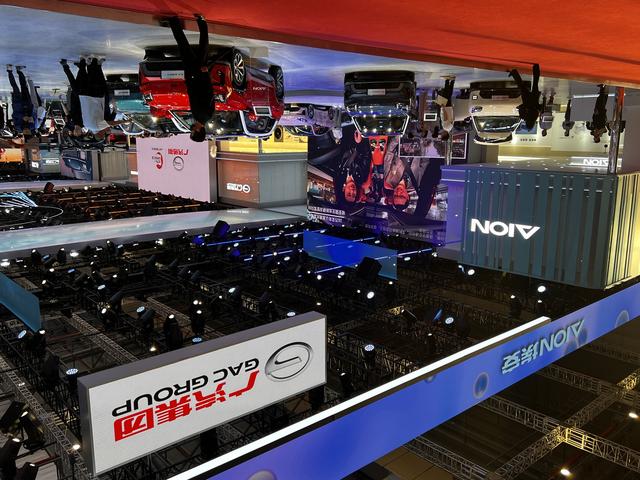
Core Viewpoint - GAC Group is forecasting a significant net loss for 2025, projecting a loss of between 8 billion to 9 billion yuan, indicating a deterioration in financial performance compared to the previous year [1] Financial Performance - In 2024, GAC Group reported a net profit of 82.4 million yuan, while the net profit excluding non-recurring gains and losses was -4.35 billion yuan [1] - For 2025, the expected net profit attributable to the parent company is projected to be -8 billion to -9 billion yuan, with the net profit excluding non-recurring items estimated at -8.9 billion to -9.9 billion yuan [1][3] Sales and Market Conditions - GAC Group's total sales for 2025 are expected to be 1.7215 million units, a year-on-year decrease of 14.06%, with brands such as GAC Honda, GAC Trumpchi, and GAC Aion experiencing sales declines exceeding 20% [4] - The company has faced intense competition in the automotive industry and rapid restructuring of the industrial ecosystem, leading to a failure to meet annual sales expectations despite a sequential increase in sales from the second quarter [3][4] Impacts on Profitability - The anticipated loss is attributed to increased impairment provisions for intangible assets and inventory, as well as reduced investment income due to asset impairments in joint ventures [3] - GAC Group's revenue for the first three quarters of 2025 was 66.272 billion yuan, reflecting a year-on-year decline of 10.49%, with a net profit attributable to the parent company of -4.312 billion yuan, a staggering year-on-year drop of 3691.33% [4] Corporate Governance and Management Changes - There have been rumors regarding the investigation of several former senior executives, including the former deputy general manager Zheng Heng, but the company has not made any official comments on these matters [4][5] - Zheng Heng had previously resigned due to health reasons but was reappointed as deputy general manager in mid-November, indicating potential instability in management [5]

广汽集团2025年预计亏损80亿~90亿元
Di Yi Cai Jing· 2026-01-30 16:04
Core Viewpoint - The automotive industry is facing intense competition and rapid restructuring of its ecosystem, leading to significant profit declines for companies like GAC Group in their 2025 forecasts [1] Group 1: Financial Performance - GAC Group forecasts a net profit attributable to shareholders of the parent company for 2025 to be between -8 billion to -9 billion yuan, with a net profit excluding non-recurring gains and losses expected to be between -8.9 billion to -9.9 billion yuan [1] - In 2024, GAC Group reported a net profit of approximately 0.824 billion yuan, while the net profit excluding non-recurring gains and losses was about -4.351 billion yuan [1] Group 2: Market Conditions - The company indicated that the automotive industry's fierce competition and rapid restructuring contributed to its failure to meet annual sales expectations [1] - GAC Group's cumulative sales for 2025 were reported at 1.7215 million units, representing a year-on-year decline of 14.06%, with significant drops in sales for GAC Honda, GAC Trumpchi, and GAC Aion, all exceeding 20% [2] Group 3: Strategic Adjustments - In response to market changes, GAC Group has increased its sales investments and adjusted its product structure, particularly in the new energy vehicle segment [1] - The company anticipates an increase in asset impairment provisions for intangible assets and inventory compared to the previous year due to sales performance and adjustments in its product offerings [1]
广汽集团:销量未达预期,预计去年净亏损至少80亿元
Xin Lang Cai Jing· 2026-01-30 14:29
Group 1 - GAC Group expects a net profit of -8 billion to -9 billion yuan for the current period, marking a shift from profit to loss year-on-year [1] - The company's revenue for 2024 is projected at 106.798 billion yuan, a decrease of 17.05% year-on-year, with a net profit decline of 81.4% [1] - GAC Group's total vehicle sales for 2025 are estimated at 1.7215 million units, down 14.06% year-on-year, with new energy vehicle sales at 433,600 units, a decline of 4.64% [1][2] Group 2 - GAC Toyota is the only brand within GAC Group to show sales growth in 2025, with a total of 756,000 units sold, up 2.44% year-on-year [2] - GAC Honda, GAC Trumpchi, and GAC Aion experienced significant sales declines of 25.22%, 23.02%, and 22.62% respectively in 2025 [2] Group 3 - GAC Group has initiated a Business Unit reform at the end of 2025, integrating its two self-owned brands, Haobo and Aion, into a single unit [3] - The establishment of the Trumpchi Business Unit was announced on January 16, indicating ongoing internal restructuring efforts [3] Group 4 - GAC Group's stock price fell by 1.86% to 7.92 yuan per share on the closing day [4]