理性消费

Search documents
今年的钱怎么那么难攒,看完你就明白了
Sou Hu Cai Jing· 2025-11-27 08:10
Group 1 - The article highlights the pervasive feeling of financial strain among individuals, regardless of their income levels, due to various consumption traps and rising living costs [1][2] - It discusses the impact of impulsive spending driven by social media and promotional tactics, which can lead to significant unplanned expenses [1][2] - The article points out that while government subsidies exist, they often lead to hidden price increases in essential goods, negating any financial relief [1][2] Group 2 - The text emphasizes the challenge of unavoidable expenses, such as rising costs for social obligations and healthcare, which further strain personal finances [2] - It notes the difficulty of supplementing income through side jobs, especially with the rise of AI affecting freelance opportunities and the prevalence of scams in certification programs [2] - The article concludes that the key to saving money lies in being aware of spending traps and focusing on genuine needs rather than following trends [3]


“质价比”时代崛起,折扣零售重塑消费版图
Jing Ji Guan Cha Wang· 2025-11-27 03:38
Core Insights - The era where shopping at discount stores equated to "spending less" has ended, as more Chinese consumers embrace a lifestyle focused on quality and brand value, rather than just low prices [1] - The Chinese consumer market is transitioning into a "value-for-money" era, where consumers are increasingly sensitive to real value, seeking quality and brand alongside reasonable pricing [1] Group 1: Discount Retail Trends - The discount retail sector is experiencing a structural transformation, driven by a growing consumer preference for quality and brand over mere low prices [1][5] - According to the "2025 China Outlets Industry Deep Dive Report," 205 quality outlets in China are projected to achieve a total sales volume of 180 billion yuan, with a year-on-year growth of 8.9% from July 2024 to June 2025 [2] - The customer traffic for these outlets is expected to reach nearly 900 million visits, reflecting a year-on-year increase of 12.5% [2] Group 2: Consumer Behavior Changes - The Nielsen IQ report indicates a significant rise in price sensitivity across various retail channels in China, with online shopping at 80% and supermarkets at 72% [4] - Despite the increase in price sensitivity, only 17% of consumers would choose the lowest-priced product solely for savings, indicating a strong preference for quality and brand reputation [4] - The rise of the "value-for-money" mindset emphasizes that consumers are looking for a balance between price, quality, and brand, rather than just the lowest price [5] Group 3: Competitive Landscape - The success of international discount retailers like Costco and Don Quijote highlights the importance of supply chain efficiency and unique shopping experiences in meeting consumer demands for high-quality, cost-effective products [7] - Companies like Vipshop are enhancing their brand credibility by investing in product authenticity verification, which addresses consumer trust issues, particularly in the luxury goods sector [7][8] - The future of discount retail is promising but competitive, as more players enter the market, necessitating a focus on maintaining unique value propositions and supply chain advantages [8][9]

弥勒家有老人的注意!理性消费…
Sou Hu Cai Jing· 2025-11-26 06:42
案件回顾 一名外地老年游客到弥勒旅居,在外出游玩时,遇到一名热心的销售员,声称所销售的保健食品能有效针对老年人预防心梗、脑梗以及心血管等各种疾 病,在销售员的极力游说下,参加了他们举办的健康知识讲座,在连续几日领取了各类免费的牙膏、洗发水、鸡蛋等小礼品后,老人怦然心动,想着自 己逐年老去,购买一点保健食品保障身体营养供给平衡,只有自己保持身体健康,才能不成为子女的负担,随即花了上万元购买了三份保健食品;在服 用了一段时间后,发现效果并不明显,在与商家多次沟通协商退货、退款无果后,便来到弥勒市市场监管局进行投诉,经过弥勒市市场监管局食品安全 监督管理科执法人员实地调查后,耐心细致的跟商家摆事实、讲道理、说法律,最后帮助老人同商家达成退货、退款协议,商家当场退赔了老人7700元 钱。 温馨提示 老年人在购物时需注意以下要点,以保障自身权益和消费安全: 1 ▽以下是正文 11月25日,一名外地游客将一面印有"护佑平安 主持正义"的锦旗送到弥勒市市场监管局食品安全监督管理科副科长高荣贵手中,并连连道谢。 健康消费,注重安全 谨慎购买保健品:保健品不能替代药品治疗疾病,购买前咨询医生或专业人士意见,认准"蓝帽子"标志和 ...

对近期重要经济金融新闻、行业事件、公司公告等进行点评:晨会纪要-20251125
Xiangcai Securities· 2025-11-24 23:30
Industry and Company Overview - The e-commerce sales during the 2025 Double Eleven shopping festival reached 1,695 billion yuan, marking a year-on-year growth of 14.2% [2] - Comprehensive e-commerce sales totaled 1,619.1 billion yuan, with a year-on-year increase of 12.3%, while instant retail sales surged by 138.4% to 67 billion yuan [2] - Community group buying sales decreased by 35.3% to 9 billion yuan, indicating a shift in consumer preferences [2] - The top five categories in comprehensive e-commerce sales were home appliances (16.5%), mobile digital (14.6%), clothing (14.0%), personal care and beauty (8.2%), and footwear/bags (6.5%) [2] Consumer Trends - Consumers are becoming more rational, willing to pay for genuine value, reflecting a trend of "demand-based segmentation" [2] - The importance of brand resonance with consumers is increasing, with domestic and emerging original brands gaining favor through innovative design and content [2] Home Appliance and Beauty Industry Insights - The home appliance sector continues to show strong potential, supported by subsidy policies, but competition is evolving towards AI empowerment, green intelligence, and comprehensive solutions [4] - The beauty industry demonstrates resilience and structural upgrades, driven by rational consumer behavior, with a focus on high-end products and effectiveness [4] - High-end markets and fragrance categories are experiencing rapid growth, suggesting a need to focus on leading companies with strong R&D capabilities [4] Retail Data and Market Dynamics - In October, the total retail sales of consumer goods reached 46,291 billion yuan, growing by 2.9% year-on-year, with non-automotive retail sales increasing by 4.0% [5] - Online retail sales for the first ten months reached 127,916 billion yuan, up 9.6%, with physical goods online retail sales accounting for 25.2% of total retail sales [5] - The consumption market is showing stable growth, with significant structural characteristics, particularly in upgraded goods and new consumption trends [5] Investment Recommendations - The Z generation is driving a shift from physical to service and experience-oriented consumption, suggesting a focus on companies with strong IP, quality service, and user engagement capabilities [6][7] - The domestic beauty market is seeing increased recognition for high-quality domestic brands, particularly in the high-end segment, indicating potential for further market penetration [7] - Continued domestic demand stimulation policies are expected to enhance offline consumption capabilities and willingness [7]
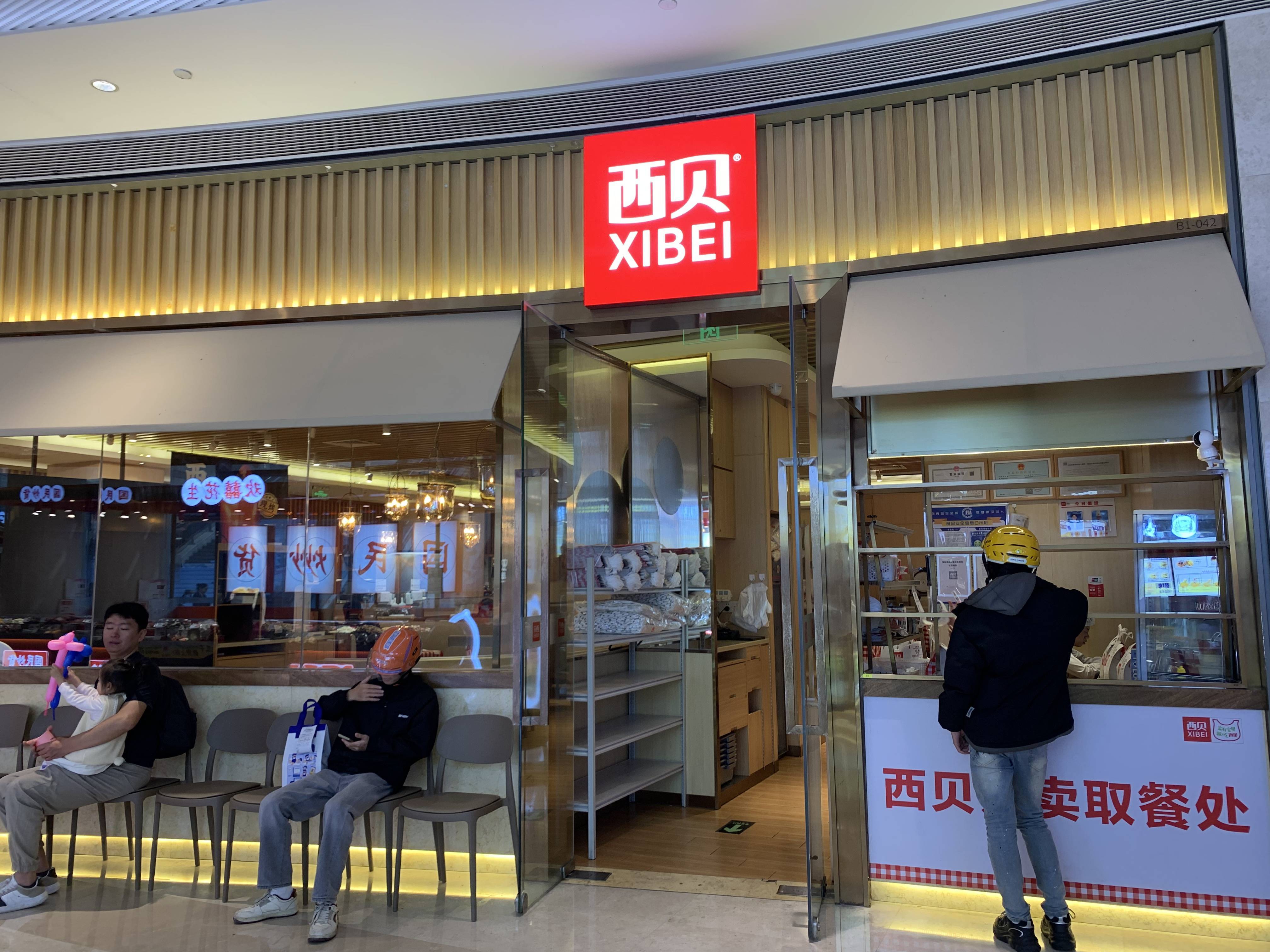
西贝产品降价,全员涨薪? 记者实探深圳门店……
Sou Hu Cai Jing· 2025-11-24 12:12
Core Viewpoint - The restaurant chain Xibei has recently made headlines for its nationwide price adjustments and employee salary increases, indicating a strategic response to market feedback and consumer sentiment [1][9]. Group 1: Price Adjustments - Xibei has reduced prices on nearly 40 menu items, with discounts ranging from 5% to 20%, aiming to attract price-sensitive customers [9]. - Specific examples of price changes include: Mongolian beef steak reduced from 139 yuan to 128 yuan, small pot beef brisket from 79 yuan to 76 yuan, and lamb skewers from 9 yuan to 7 yuan [6][9]. - The average customer spending has decreased to around 80 yuan following the price cuts, which is a significant shift in their pricing strategy [11]. Group 2: Employee Salary Increases - Reports confirm that Xibei has increased employee salaries by an average of 500 yuan since last month, as part of its efforts to support staff amid negative publicity [9]. - The company has also introduced a "compensation award" for employees affected by online harassment, demonstrating a commitment to employee welfare [9]. Group 3: Customer Sentiment and Market Response - Despite the price reductions, approximately 83% of consumers still perceive Xibei's prices as expensive, indicating a challenge in rebuilding consumer trust [10]. - A survey revealed that only about 16% of consumers find the new prices reasonable, suggesting that price adjustments alone may not suffice to regain customer loyalty [10]. - The company aims to break down price barriers and reshape value perception through operational efficiency and supply chain optimization [10]. Group 4: Industry Context - Xibei's revenue reached 6.2 billion yuan in 2023, with a customer base of 37.66 million, but is facing a significant decline in performance starting in 2024, with some stores reporting daily revenue drops of 1 to 3 million yuan [11]. - The restaurant industry is currently undergoing a significant adjustment period, with nearly 3 million restaurant closures reported this year, marking a historical high [11].
新疆乌苏市市场监管局发布选购长绒棉絮用纤维制品消费提示
Zhong Guo Shi Pin Wang· 2025-11-24 10:28
关注材质工艺,提升使用体验。一是材质辨别。长绒棉纤维长度在33毫米以上。消费者选购时可抽取少 量填充物,用手扯法简单判断纤维长度。同时,将棉被轻轻揉搓,优质长绒棉被揉搓后能迅速恢复原状 且无明显褶皱,劣质棉花或掺杂其他纤维的棉被揉搓后恢复较慢且褶皱明显。二是工艺细节。消费者选 购时可以借助手电筒从侧面照射棉被,若光影分布均匀,说明工艺较好。同时,针距均匀且较小的棉被 缝线更牢固,一般更能有效固定棉花。三是警惕过度漂白。消费者可将棉被的一角放在白色纸巾上轻轻 摩擦,若纸巾上有明显的白色粉末残留,且棉被颜色过于白亮,则可能经过漂白处理,对身体健康构成 潜在威胁。 综合考量特性,避免盲目消费。一是平衡价格与品质。消费者在选择棉被时,可将棉被靠近口鼻,感受 其透气性,若能明显感觉到空气流通,说明透气性较好。同时,高价并不必然意味着高品质,但过于廉 价的产品可能使用了劣质棉花或掺杂其他纤维,会导致舒适度和保暖性大打折扣。二是留意洗涤存放。 建议定期晾晒,保持干燥,避免频繁水洗。若需局部清洁,可干洗或轻柔手洗。存放时,应放置在干 燥、通风处,避免受潮发霉。三是适配使用场景。消费者在选择长绒棉被厚度时,可根据室内温度和自 ...
品牌“旧爱”失宠,产业链“新欢”受捧,汽车消费脱虚向实
Zhong Guo Qi Che Bao Wang· 2025-11-24 06:47
Core Insights - The automotive consumption landscape is shifting from brand-centric to a focus on core components like electric motors and batteries, reflecting a fundamental change in consumer logic [1][5][10] - The rise of the internet has empowered consumers to access extensive information about vehicle specifications and industry supply chains, leading to more informed purchasing decisions [2][4][11] - The transition towards rational consumption is reshaping the automotive market, with consumers prioritizing safety, reliability, and long-term value over brand prestige [10][11][12] Changing Consumer Logic - Consumers are increasingly evaluating electric vehicles based on technical specifications rather than brand reputation, emphasizing the importance of understanding the supply chain [2][5][10] - The younger generation, particularly those from the "Z generation," is leveraging the internet to gather information, leading to a shift in purchasing behavior that values personal satisfaction over brand identity [4][5][11] - The focus on core technologies such as battery types and charging capabilities is becoming more pronounced, as consumers seek to avoid being misled by marketing [2][5][10] Industry Transformation - The automotive industry is undergoing a restructuring of its value system, moving from a traditional focus on mechanical performance to a broader understanding of vehicles as complex, intelligent systems [6][7][13] - The integration of advanced technologies like AI and big data is accelerating the shift towards smart, connected vehicles, which are perceived as mobile intelligent terminals rather than mere transportation tools [7][8][13] - The emergence of a new value system based on "hardware embedded + software defined" models is attracting consumers and enhancing the appeal of smart vehicles [8][9][16] Rational Consumption Trends - The trend of rational consumption is characterized by consumers' increased scrutiny of vehicle performance and technology, leading to a decline in brand loyalty [10][11][12] - Economic factors and the availability of alternative transportation options, such as ride-sharing services, are contributing to a more cautious approach to vehicle purchases [12][14] - Consumers are now more likely to consider the total cost of ownership, including maintenance and depreciation, when making purchasing decisions [11][12] Implications for the Automotive Industry - The shift towards a technology-driven market is prompting automotive companies to focus on core technology development and user value creation, moving away from reliance on subsidies and traditional marketing [14][15] - Companies are increasingly adopting a "user operation" strategy, emphasizing customer experience and satisfaction to build brand loyalty [14][15] - The automotive industry is experiencing a historical transition from scale expansion to value creation, necessitating a focus on technological innovation and a deep understanding of consumer needs [15][16]

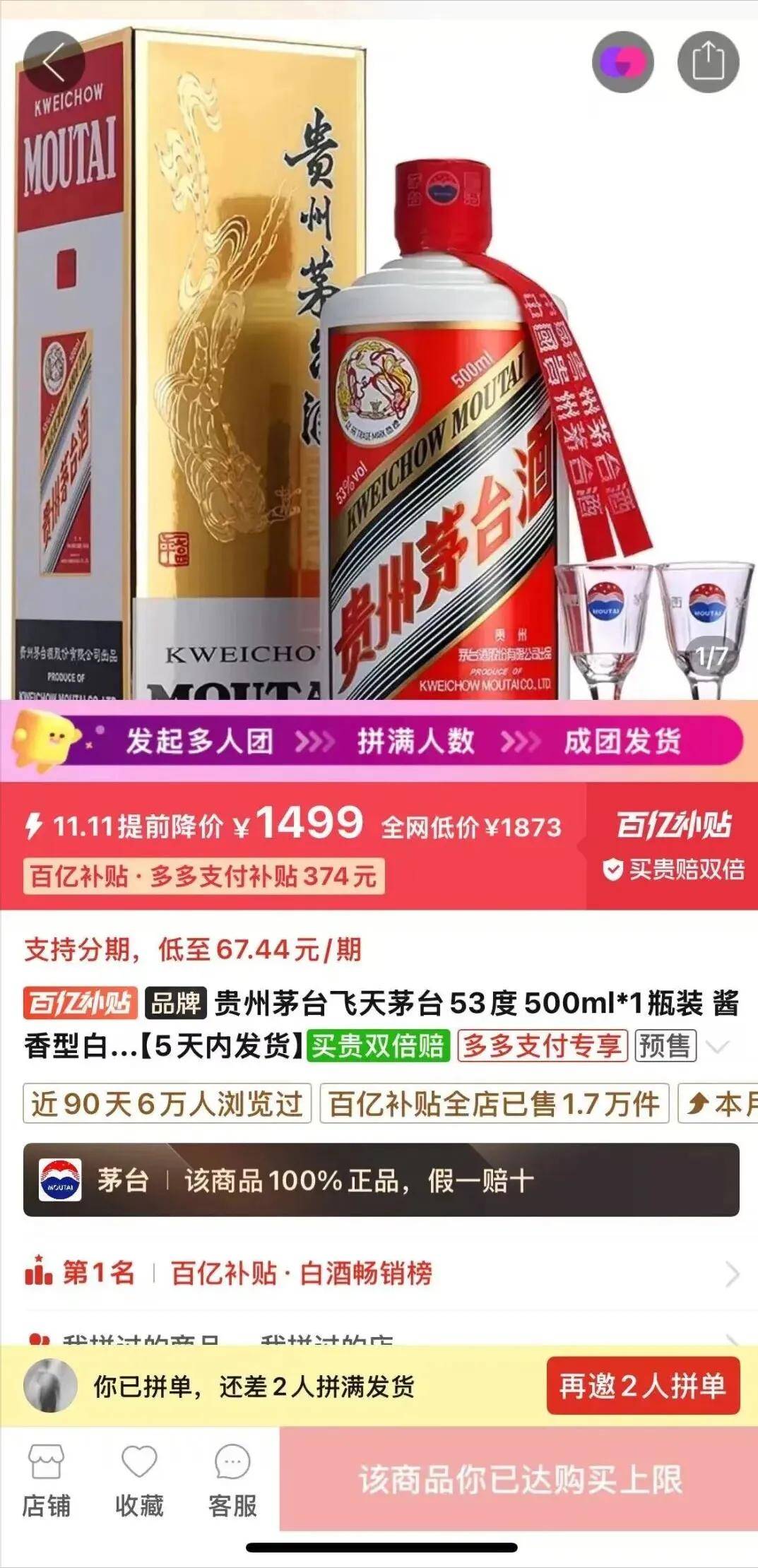
太狠了!电商暴打茅台:从3000跌到1499,批发商1640拿货都得亏!
Sou Hu Cai Jing· 2025-11-20 17:18
Core Viewpoint - The main focus of this year's Double Eleven shopping festival is not on electronics but on Moutai, indicating a significant shift in consumer behavior and attitudes towards luxury goods and "face consumption" [4][12][19] Group 1: Price Dynamics - Moutai is being sold at a promotional price of 1499 yuan, which is lower than the wholesale price, marking a departure from its previous inflated market value [1][5] - The price drop signifies a collapse of the "face consumption" culture that previously surrounded Moutai, as its high price was more about social status than actual scarcity [4][10] Group 2: Market Impact - The introduction of low-priced Moutai by e-commerce platforms is disrupting traditional distribution channels, eliminating middlemen and directly connecting producers with consumers [10][17] - This shift poses a significant threat to middlemen who previously profited from the high margins on Moutai sales, leading to a potential collapse of their business model [10][12] Group 3: Changing Consumer Behavior - There is a noticeable transition from "show-off consumption" to "rational consumption," with consumers now prioritizing value for money over status symbols [13][19] - The younger generation is increasingly favoring healthier lifestyle choices and is less inclined to engage in traditional drinking culture, further diminishing the appeal of Moutai [11][12] Group 4: Broader Implications - The decline in Moutai's price reflects a broader societal change where consumers are becoming more discerning and less influenced by scarcity and luxury branding [19] - The phenomenon of Moutai being sold at a lower price is not an isolated incident but part of a structural transformation in consumer attitudes and market dynamics [13][19]

张小泉2025“双十一”全渠道销售破1.4亿元 百年品牌焕新领跑生活五金赛道
Quan Jing Wang· 2025-11-19 03:19
Group 1 - Company Zhang Xiaoqin achieved over 140 million yuan in total sales during the 2025 "Double Eleven" shopping festival, ranking top in multiple platforms within the industry [1] - The company maintained its leading position in the knife category on Tmall, with several products topping the sales charts, including the Huayao knife set and the Damascus steel knife [1] - High-end products saw significant growth, with the Huayao knife set increasing by 121% compared to the 618 shopping festival [1] Group 2 - Consumer participation in the 2025 "Double Eleven" event reached 66.5%, driven by the need for daily essentials and genuine discounts [2] - The company is expanding its product matrix around kitchen and home scenarios, leveraging its century-old brand heritage to enhance user engagement through activities like free sharpening and product trials [2] - The shift in consumer demand towards high quality, smart, and emotional value products is pushing brands to innovate and upgrade their offerings [3] Group 3 - The company has optimized its SKU structure and engaged in influencer collaborations and live streaming to boost online sales [3] - The company has established a smart factory IoT project and holds 144 patents, including 8 invention patents, showcasing its technological advancements [3] - Zhang Xiaoqin's differentiated competitive advantage is reflected in its strong market presence across major platforms like Tmall, JD, and Douyin [3]
双十一卖不动了?23年销售额1.13万亿,24年1.44万亿,25年太意外
Sou Hu Cai Jing· 2025-11-18 15:42
Core Insights - The 2025 Double Eleven shopping festival experienced a significant increase in total transaction volume, reaching 1.6 trillion yuan, up from 1.44 trillion yuan the previous year, despite a noticeable decline in consumer engagement and enthusiasm [1][19]. Group 1: Consumer Behavior Changes - The current consumer mindset reflects a shift towards rational consumption, with 72% of consumers prioritizing practical value over price discounts during this year's event [3][5]. - Consumers are increasingly willing to invest in durable and high-quality products rather than opting for cheaper, low-quality items, indicating a growing preference for long-term value [5][15]. - The complexity of promotional rules and the extended duration of sales events have led to consumer fatigue, with over 60% of respondents opting out due to cumbersome processes [7][9]. Group 2: Platform Strategies - E-commerce platforms are evolving their strategies from "invitation-based purchasing" to "intelligent guidance," utilizing AI for personalized shopping experiences [9][15]. - The integration of online and offline shopping experiences has become more pronounced, with physical stores promoting online discounts, contributing to over 20% of sales during the event [11][15]. - Platforms are investing significantly in service enhancements, with a 40% increase in service-related expenditures compared to the previous year, marking a transition from price competition to value competition [15][17]. Group 3: Market Evolution - The regulatory environment has improved, with measures against unfair practices like "price inflation" and "data discrimination," ensuring a more transparent market [17]. - The transformation of the Double Eleven event from a simple promotional activity to a foundational element of the commercial ecosystem reflects its maturation, with sales growing from tens of millions in 2009 to trillions today [17][19]. - The case of Sangpo Village illustrates the challenges faced by traditional e-commerce models in adapting to the current consumer landscape, highlighting the need for businesses to evolve [13][15].