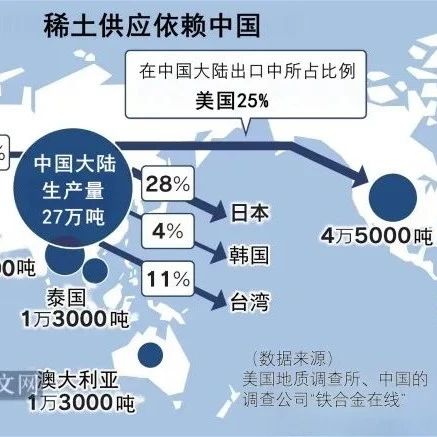
稀土供应链

Search documents
大摩:绘制中国之外可能的稀土供应链,增持这几只股票
Zhi Tong Cai Jing· 2025-06-27 12:26
Core Insights - China's export controls on certain rare earth elements have put pressure on the supply chain, making rare earths a focal point for Western countries seeking alternative sources [2][3][5] - The U.S. has significant upstream project reserves outside of China, but most are in engineering and permitting stages, with few under construction [2][3] - The EU is also facing similar challenges and is seeking to initiate projects both within and outside the EU to diversify its supply [4] Industry Overview - The U.S. has seen a significant increase in its reliance on imported minerals over the past 35 years, with the number of minerals fully reliant on imports rising from 9 in 1990 to 15 by 2024 [3] - The U.S. Department of Defense considers rare earths critical for national security applications, despite only accounting for about 5% of total demand [7] - Rare earths are essential for various applications, including electric vehicles, electronics, and military equipment, with the automotive sector alone accounting for 40% of demand [7] Supply Chain Dynamics - China dominates the global rare earth market, controlling approximately 88% of refined neodymium-praseodymium (NdPr) supply and over 90% of downstream neodymium-iron-boron (NdFeB) permanent magnet supply [5][9] - The dominance of Chinese supply has led to price distortions in markets outside of China, as companies scramble to secure supply [6] - The recent export controls by China on heavy rare earth elements and processing technologies have further tightened the global supply chain [15] Future Demand and Investment - The demand for rare earths is expected to grow significantly due to the rise of humanoid robots, with projections indicating a potential $800 billion increase in demand by 2050 [15] - Companies like MP Materials and Lynas are positioned to benefit from the shift away from Chinese supply, with MP Materials having a target price of $34 and Lynas at $10 [2][17][18] - The U.S. government is likely to continue supporting domestic rare earth initiatives through policies and funding, aiming to strengthen the supply chain [13][16] Project Developments - Several key projects are underway to develop rare earth resources outside of China, including the Round Top project in Texas and the Goschen project in Australia, with expected production timelines extending to 2026 and beyond [10][11] - Lynas is set to produce heavy rare earth products in Malaysia, while MP Materials is expected to scale up production by 2026 [11][12]
事关稀土,中国亮出最后“王牌”,没有中方同意,美休想卷土重来
Sou Hu Cai Jing· 2025-06-23 06:46
Core Viewpoint - The global rare earth market is facing significant challenges due to supply shortages, primarily driven by China's export controls, which have led to soaring prices and potential stagnation in the automotive industry in Europe, the US, and India [1][3]. Supply Chain Challenges - China produces nearly 70% of the world's rare earth elements, which are critical for various technologies, from advanced military applications to everyday electronics [3]. - The US has been attempting to reduce its dependence on Chinese rare earths by developing its supply chain, but faces significant obstacles, including a lack of commercially viable natural reserves and a shortage of skilled engineers [3]. - The US is approximately 20 years behind China in rare earth separation and purification technology, making it difficult to establish a stable supply chain in the short term [3]. Regulatory Environment - China's export control policy on rare earths has tightened approval processes rather than imposing a complete ban, affecting the participation of non-state entities in the sector [4]. - The 2024 quota for rare earth mining has significantly slowed to a growth rate of 5.88%, down from over 20% in previous years, indicating a continued tightening of supply [4]. Demand Dynamics - There is an explosive growth in demand for rare earth permanent magnet materials, particularly from humanoid robots and the new energy sector [6]. - High demand projections include 3115 tons of rare earth materials needed for humanoid robots by 2030, with a potential market of 20-40 million tons if 100 million units are sold [6]. - The demand for rare earth materials in electric vehicles is expected to reach 58,000 tons by 2025, with China accounting for 34,000 tons [6]. Price Trends - Overseas rare earth prices have begun to rise, with significant increases reported for dysprosium and terbium oxides in Europe [6]. - The ongoing impact of China's export controls is expected to sustain the upward trend in rare earth prices [6]. Opportunities for Domestic Companies - Domestic rare earth companies are positioned to benefit from the combination of supply constraints and strong demand, leading to a clear upward trend in prices [8]. - Industry leaders like Northern Rare Earth and China Rare Earth Group are expected to gain market share and profit margins due to their resource advantages and favorable policies [8]. - Increased funding for research and development will drive innovation in rare earth applications, further solidifying China's dominant position in the global rare earth supply chain [9].

不止是稀土!特朗普才发现:“天平”已倾向北京,美国想挽回晚了
Sou Hu Cai Jing· 2025-06-13 01:31
Group 1 - The report from Harvard's Belfer Center indicates that the U.S. continues to lead China in key technology sectors such as artificial intelligence, biotechnology, semiconductors, space, and quantum technology [1] - The report emphasizes the significant weight of private and public funding resources in the U.S., contrasting with other indices that show China leading in many research areas [1] - Michael Spence, a Nobel laureate, noted at the Tsinghua Wudaokou Global Financial Forum that the gap between the U.S. and China in AI is rapidly closing, with China making significant advancements in AI model training efficiency and research [1] Group 2 - China's economic performance in Q1 2025 showed a GDP of 31.8758 trillion yuan, growing 5.4% year-on-year, while the U.S. reported a GDP contraction of 0.3% on a seasonally adjusted annual rate [3] - Analysts highlighted that China's success in the rare earth supply chain has shifted the balance of power in trade negotiations, especially following U.S. tariffs [3] - The article discusses how the U.S. is dependent on Chinese supply chains despite its "America First" rhetoric, indicating a potential vulnerability in U.S. trade policy [5] Group 3 - A report tracking global sentiment towards China and the U.S. revealed that China's net favorability score reached 8.8, surpassing the U.S. score of -1.5, marking a significant shift in global perception [7] - The report suggests that this change in sentiment represents a blow to U.S. soft power, particularly among its key economic and military partners [7]
稀土的力量
投资界· 2025-06-11 03:06
Core Viewpoint - The article discusses the strategic importance of rare earth elements in the context of US-China trade relations, highlighting China's dominant position in the rare earth supply chain and the implications for global technology industries [4][13][22]. Group 1: US-China Trade Relations - Following a conversation between the US and Chinese leaders, President Trump announced that China agreed to resume rare earth exports to the US [4]. - The ongoing trade tensions have led to a focus on rare earths and technology, with both countries leveraging their respective strengths: the US in chips and China in rare earths [5][8]. - China's cautious approach to export controls contrasts with the US's aggressive sanctions, indicating a strategic shift in response to US actions [5][24]. Group 2: Importance of Rare Earths - Rare earth elements are crucial for various high-tech applications, including automotive, semiconductors, and military technologies [7][20]. - The supply of rare earths is currently tight, leading to significant price increases; for instance, the price of dysprosium oxide in Europe rose by 167.8% since early April [15]. - Major automotive manufacturers are facing production challenges due to rare earth shortages, with some factories temporarily shutting down [18][16]. Group 3: China's Dominance in Rare Earths - China controls over 60% of global rare earth production and 92% of processing, giving it a near-monopoly in the sector [13][14]. - The US heavily relies on China for rare earth imports, with over 90% of its rare earth compounds and metals coming from China as of 2023 [22]. - Historical context shows that China's dominance in rare earths is a result of decades of strategic investment and policy decisions [24][25]. Group 4: US Efforts to Diversify Supply - The US is exploring alternative sources for rare earths, including partnerships with countries like Australia and Ukraine, and projects like the Round Top project in Texas [39][38]. - Despite these efforts, the US faces significant challenges in establishing a self-sufficient rare earth supply chain, with estimates suggesting it could take at least 10 years and $10-15 billion to develop [44][42]. - The historical challenges faced by US rare earth production, particularly the closure of the Mountain Pass mine, highlight the difficulties in competing with China's established supply chain [35][45].

土耳其稀土资源引关注,中国如何应对全球供应链变化?
Sou Hu Cai Jing· 2025-06-03 08:12
Core Viewpoint - Turkey possesses the second-largest theoretical rare earth resources in the world, following China, but lacks the necessary technology and a complete industrial chain to realize this potential [1][5][7]. Group 1: Rare Earth Resources - Turkey's northwest province of Eskişehir discovered nearly 700 million tons of rare earth minerals, containing 10 out of 17 rare earth elements, positioning Turkey theoretically as the second-largest rare earth country globally [7]. - Despite the significant discovery, Turkey's rare earth mining plans remain in the planning stage, with intentions to build a processing plant capable of handling 570,000 tons of rare earth minerals annually, but these plans have not yet materialized [7][8]. - Turkish media claims that these rare earth resources could meet global demand for 1,000 years and potentially generate billions of dollars in revenue for the country, reflecting Turkey's need to boost its economy amid a severe economic crisis [8]. Group 2: Geopolitical Strategy - Turkey aims to balance its diplomatic relations by seeking support from the West while also leveraging China's technology in rare earth development [3][12][16]. - The country joined a U.S.-led mineral security partnership to enhance the production and supply of critical materials, including rare earths, amid increasing competition between the U.S. and China [11]. - Turkey's dual diplomatic strategy involves attracting rare earth companies while simultaneously expressing interest in collaborating with both Western nations and China, indicating a complex geopolitical maneuvering [16][17]. Group 3: Economic Context - Turkey faces significant economic pressure, with soaring prices and rising living costs, prompting a desire to lower borrowing costs and achieve economic growth through rare earth resource development [18]. - The country is increasingly interested in joining the BRICS nations, which could provide new economic growth opportunities and enhance ties with Eastern countries, particularly China [18]. - Turkey's approach to rare earth technology needs to align with its broader economic recovery strategy, but its current balancing act may hinder genuine support from Eastern nations [18][24]. Group 4: Future Cooperation Challenges - The future of Turkey's rare earth mining and utilization remains uncertain, with potential shifts in Turkey's stance and China's cautious approach to agreements [22]. - China currently dominates the rare earth sector, and the U.S. is likely to seek new supply sources globally, which could impact Turkey's role in the rare earth market [22]. - For Turkey to successfully collaborate with China, it must demonstrate genuine intent, particularly regarding technology sharing, to avoid undermining China's interests [24].
中国稀土出口遭遇阻力,澳大利亚莱纳斯公司高调出击,西方能自给自足吗?
Sou Hu Cai Jing· 2025-05-20 11:12
Core Viewpoint - The ongoing geopolitical and economic competition surrounding rare earth elements highlights the challenges faced by Western countries in reducing their dependence on China for these critical materials [1][3]. Group 1: Market Dynamics - Approximately 80% of the global supply of rare earth elements comes from China, creating anxiety among countries amid trade tensions [1]. - Lynas Corporation aims to challenge China's dominance in the rare earth sector, recently announcing successful production of heavy rare earth oxide dysprosium in Malaysia [3]. - Despite Lynas's technological advancements, its extraction costs and efficiency lag significantly behind China's, with dysprosium prices at $10 to $15 per kilogram for Lynas compared to $4 to $7 for China [3]. Group 2: Production Capacity - Lynas's future production target is only 1,500 tons, while China’s annual separation capacity for heavy rare earths is between 10,000 to 15,000 tons, raising doubts about Lynas's ability to meet Western demand [3][5]. - The global rare earth market is projected to reach $20 billion in 2022, with most supply chains still under China's control [5][6]. Group 3: Social and Environmental Challenges - Lynas faces strong local opposition in Malaysia due to environmental concerns and unmet commitments, which could hinder its operations [5]. - The increasing global awareness of environmental issues necessitates that companies address social responsibilities to avoid amplifying their developmental shortcomings [5]. Group 4: Long-term Outlook - The competition for rare earths reflects broader East-West geopolitical tensions, with historical evidence suggesting that no single country or company can fully dominate this market [5][6]. - Significant investment and coordinated efforts over a long period will be required for Western countries to establish an independent rare earth supply chain [6].

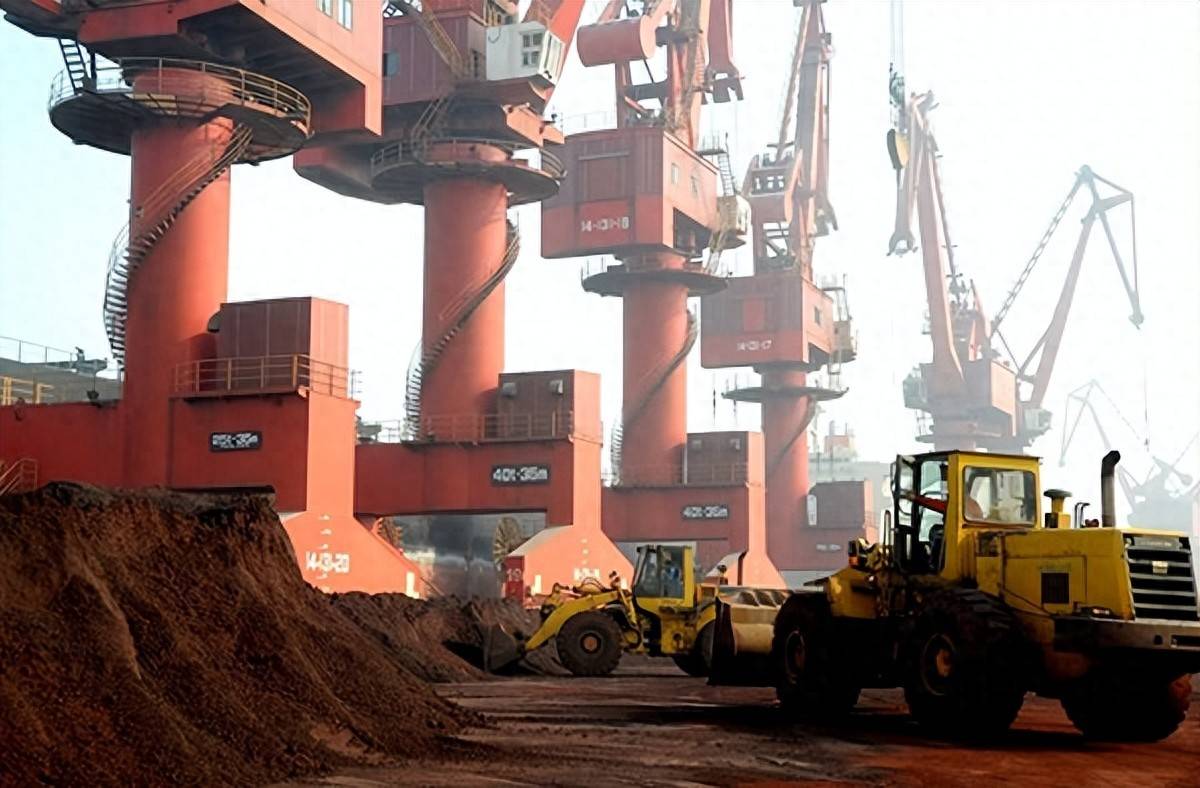
美国下令:全球“封杀”华为芯片,要求解除稀土管控?中方回20字
Sou Hu Cai Jing· 2025-05-19 06:37
彭博社认为,美国不应该总靠封锁来解决问题,因为这样只会让中国科技发展更快,从中国在高科技领域取得的进步就 能看出。对此彭博社表示:美国需要借鉴中国工业化的成功经验。比如中国制造业崛起,彭博社认为和关税无关,从上 世纪90年代开始,中国降低进口壁垒,采取一系列政策刺激制造业。而这恰好和美方一直以来实施的加关税政策背道而 驰,从而给美国制造业带来反噬。 当地时间5月13日,美国商务部工业与安全局宣布正式启动程序,撤销拜登政府时期制定的《人工智能扩散规则》,并发 布三份重要文件,进一步加强对先进计算芯片和相关技术的出口管制。拜登执政末期发布的《人工智能扩散规则》原定 于5月15日生效,但特朗普政府认为其严重扼杀了美国企业创新,并带来繁重监管要求,多次公开宣称计划废除该政策。 美国商务部负责工业与安全事务的副部长杰弗里·凯斯勒表示,拜登时期的AI管制政策不仅未能达到预期效果,反而产生 负面作用"。 知情人士透露,美国商务部正在起草新的方案,可能转而与各国磋商单独协议。报道称,美国政府未来几个月与各国可 能磋商的双边芯片协议条款将是关键所在,但达成这类协议是一项艰巨的任务,而且可能导致企业须遵守数十项不同的 政策规定。 ...
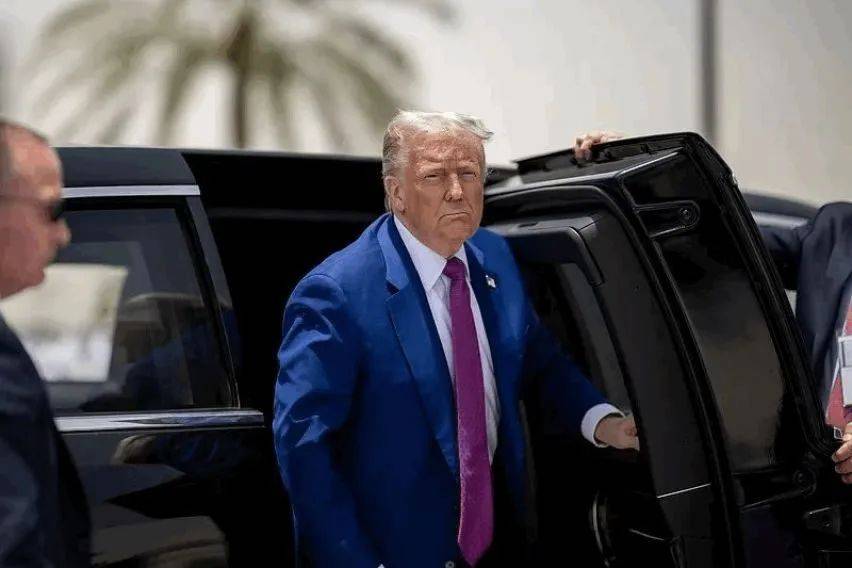
特朗普政府真的急了!美国稀土供应告急,请求中国高抬贵手!
Sou Hu Cai Jing· 2025-05-14 08:09
Core Viewpoint - The impact of China's rare earth export controls is becoming increasingly evident, forcing the U.S. to consider either supply chain disruptions or negotiations with China [1][4]. Group 1: China's Export Controls - In response to the U.S. implementing "reciprocal tariffs," China has imposed export controls on seven categories of heavy rare earth elements, including samarium, gadolinium, and dysprosium [3]. - China holds approximately 44 million tons of rare earth reserves, accounting for about 40% of the global total, and produces over 240,000 tons annually, representing more than 65% of global production [3]. - Following the implementation of these export controls, global rare earth prices have surged, with dysprosium prices in Europe doubling to $850 per kilogram by May 1 [3]. Group 2: U.S. Industry Impact - The surge in rare earth prices has led to significant financial losses for U.S. defense contractors, with Northrop Grumman reporting a $477 million loss on the B-21 stealth bomber project due to rising costs [4]. - The automotive industry is also feeling the strain, with executives indicating that restrictions on critical minerals could have a "major" impact, rating the severity of the situation as a 7 or 8 on a scale of 1 to 10 [4]. - The U.S. military and high-tech sectors are facing potential production interruptions due to their heavy reliance on Chinese rare earth supplies, exacerbated by the recent price increases [7]. Group 3: U.S. Response and Challenges - Despite efforts to establish an independent rare earth supply chain, experts suggest that it will take at least 10 years for the U.S. to reduce its dependence on China [7]. - The U.S. has attempted to negotiate rare earth agreements with other countries, such as Ukraine, but these efforts are unlikely to yield immediate results [7]. - China's recent actions against smuggling and export evasion highlight the strategic importance of rare earths, indicating that the issue may not be a primary topic in upcoming U.S.-China negotiations [9].


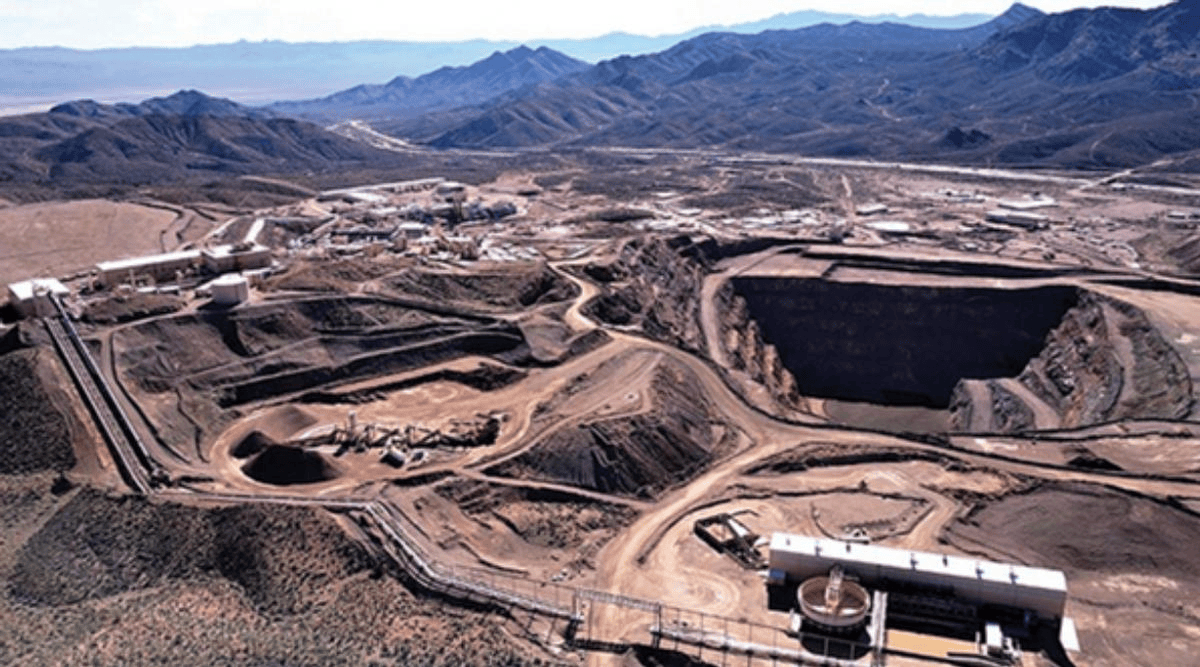
美国不该低估中国实力!中方突然作出重大决定,消息迅速传遍全球
Sou Hu Cai Jing· 2025-05-10 21:41
特朗普宣布对所有贸易伙伴征收10%的"基准关税",该关税于美国东部时间4月5日凌晨0时01分生效。此外,特 朗普对与美国贸易逆差最大的国家和地区征收不同的、更高的"对等关税",该关税于美国东部时间4月9日凌晨0 时01分生效。根据美国白宫在社交媒体上发布的税率表,新关税政策覆盖185个国家和地区。在主要贸易逆差国 家和地区中,中国大陆面临34%的新税率。 据环球时报报道,美国选择不多。政府试图获取其他关键矿产所采取的一些策略——这些做法无法营造出那种为 促成国际合作以找到中国供应替代品所需的友好氛围。在这种情形下,美政府的关税措施似乎特别适得其反。眼 下紧迫的问题是,在那之前该如何应对。考虑到当前的情况,对中国挑起贸易战、排除合作与共存的可能性,不 是一个明智之举。单从稀土和磁体这方面来说,就足以促使白宫缓和与中国的敌对关系,并立即开启对话。 这一次,中国通过稀土管制,可以抬高美国车企获取永磁电机的成本,削弱其电动车成本竞争力。据市场调研机 构Benchmark Mineral Intelligence测算,此举可能使美国电动车电池成本增加5-8%。通过管制,还可以倒逼海外 企业将稀土加工环节转移至中国境内, ...
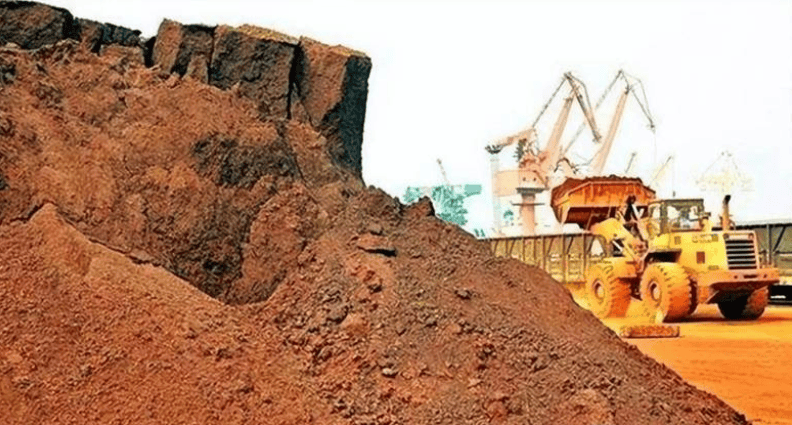
中美对立波及全球稀土供应链
日经中文网· 2025-05-06 06:31
Core Viewpoint - The article discusses the increasing geopolitical tensions between the US and China regarding rare earth elements, highlighting the potential impact on global supply chains and the strategic importance of these materials in various industries, including electric vehicles and high-tech products [1][2][4]. Group 1: Geopolitical Tensions - The US has initiated an investigation into the import of critical minerals, including rare earths, citing security risks associated with reliance on China [1]. - China's export control measures on rare earths, particularly in response to US tariffs, are expected to disrupt global supply chains [2][4]. - The US Geological Survey indicates that China accounts for approximately 70% of global rare earth mining, despite a decrease from over 90% in 2010 [2]. Group 2: Domestic Regulations in China - The Chinese government is tightening control over rare earth mining and processing, limiting these activities to state-owned enterprises [3]. - New regulations aim to strengthen oversight of rare earths imported from countries like the US for processing [3]. Group 3: Applications and Market Impact - Rare earths are essential in various applications, including electric vehicles, wind turbines, high-performance magnets, and medical fields, earning the nickname "industrial vitamins" [4]. - Japan and the US together account for 53% of China's rare earth exports, indicating a significant dependency on these materials [4]. - The potential disruption in rare earth supply due to US-China tensions could have major implications for the global high-tech product supply chain [4].