
量化紧缩(QT)

Search documents
国泰君安期货所长早读-20251030
Guo Tai Jun An Qi Huo· 2025-10-30 01:28
1. Report Industry Investment Rating - No information provided in the document 2. Core Viewpoints of the Report - On October 29, Eastern Time, the Fed cut the federal funds rate target range by 25 basis points to 3.75%-4.00%, and decided to end the balance - sheet reduction plan in December. However, Powell poured cold water on the year - end rate - cut expectation [7]. - The domestic Fourth Plenary Session and the draft of the "15th Five - Year Plan" have a positive attitude towards economic growth in the next five years, which is conducive to the stability of macro - expectations. The upcoming meeting between Chinese and US presidents at the APEC meeting and the easing of the geopolitical environment have improved risk appetite [9]. 3. Summary by Relevant Catalogs 3.1 Fed Interest Rate Decision - The Fed cut the federal funds rate by 25 basis points from 4.00% - 4.25% to 3.75% - 4.00% on October 29, 2025, and will end balance - sheet reduction in December. Powell said that a December rate cut is not a certainty, and the government shutdown poses challenges due to missing economic data [7]. 3.2 Sector Recommendations by the Director 3.2.1 Index Futures - With the gradual landing of positive factors, the index futures may oscillate and wait for new drivers. Domestic policies and the upcoming Sino - US summit have boosted market sentiment, but the Fed's hawkish remarks led to a decline in US stocks. Future upward movement of the index will depend on new positive news, and there may be oscillations around the 4000 - point mark [9][10]. 3.2.2 Coking Coal - Supported by the tightening upstream fundamentals and the expected third - round price increase of coke, the coking coal spot price is strong. Macro expectations and anti - involution themes also boost the market. However, the shrinking profit of downstream steel mills and the price of thermal coal may limit its upward space [12][14]. 3.2.3 Container Freight Index (European Line) - There is a risk of a pull - back after a surge. The market is optimistic due to Maersk's surcharge announcement and the expectation of the US softening its stance on China's tariffs. Attention should be paid to the impact of port congestion on supply and the support of December's shipping capacity on prices [13][15]. 3.2.4 Live Pigs - In the short - term, the spot price may oscillate and adjust. But from the perspective of the production cycle, the pressure will increase in the future as the profit recovers, and the far - end hedging willingness will increase [16]. 3.3 Commodity Research Morning Report 3.3.1 Precious Metals - Gold continues to decline, and silver rebounds oscillatingly. The trend intensity of both is - 1, indicating a relatively bearish view [19][22][24]. 3.3.2 Base Metals - Copper: The hawkish outlook on rate cuts restricts price increases. The trend intensity is 0 [26]. - Zinc: It rebounds slightly, with a trend intensity of 0 [29]. - Lead: The continuous reduction of inventory supports the price, and the trend intensity is 0 [32]. - Tin: Attention should be paid to macro - impacts, and the trend intensity is 0 [35]. - Aluminum: It oscillates within a range. Alumina rebounds slightly, and cast aluminum alloy follows electrolytic aluminum. The trend intensity of all three is 0 [39][41]. - Nickel: The accumulation of smelting inventory and concerns about nickel ore lead to a narrow - range oscillation of nickel prices. Stainless steel has limited downward space but lacks upward drivers. The trend intensity of both is 0 [42]. 3.3.3 Energy and Chemicals - Lithium Carbonate: The basis is stable, and it runs strongly. The trend intensity is 1 [45][47]. - Industrial Silicon: The sentiment is boosted, and the price on the disk rises. The trend intensity is 1 [49][51]. - Polysilicon: Attention should be paid to the policy fermentation this week. The trend intensity is 0 [49][51]. - Iron Ore: It oscillates strongly, with a trend intensity of 0 [52]. - Rebar and Hot - Rolled Coil: Driven by macro - sentiment, the steel prices oscillate strongly. The trend intensity of both is 1 [54][56]. - Ferrosilicon and Silicomanganese: Driven by anti - involution sentiment, they oscillate strongly. The trend intensity of both is 0 [58][61]. - Coke and Coking Coal: They oscillate strongly, and the trend intensity of both is 0 [62][64]. - Logs: They oscillate repeatedly [65].
10月降息恐为年内最后一次 美债收益率上涨逾10BP
Xin Hua Cai Jing· 2025-10-30 00:59
Core Viewpoint - The Federal Reserve announced a 25 basis point cut in the federal funds rate target range to 3.75% to 4.00%, but Chairman Powell's comments weakened market confidence in a December rate cut, leading to a rise in U.S. Treasury yields [1][2]. Summary by Sections Federal Reserve Decision - The Federal Open Market Committee (FOMC) decided to lower the federal funds rate target range by 25 basis points, marking the second cut since September 17 [1]. - The FOMC noted that economic activity is expanding at a moderate pace, with employment growth slowing and a slight increase in the unemployment rate, while inflation remains high [1]. Diverging Opinions within the Fed - There are significant divisions within the Federal Reserve, with some members concerned that premature or excessive rate cuts could reignite inflation, while others argue for more aggressive easing to prevent deeper economic recession [2]. - Powell indicated that further rate cuts in December are not guaranteed, emphasizing the uncertainty due to a lack of government data during the shutdown [2]. Market Reactions - Following Powell's statements, U.S. Treasury yields rose significantly, with the 10-year yield increasing by 10.01 basis points to 4.0757% and the 2-year yield rising by 10.82 basis points to 3.5980% [2]. - The probability of a 25 basis point cut in December has dropped from over 90% to below 70% according to CME FedWatch [4]. Asset and Balance Sheet Management - The FOMC announced the end of balance sheet reduction operations starting December 1, which had involved monthly reductions of $50 billion in U.S. Treasuries and $35 billion in mortgage-backed securities [4]. - The Fed's balance sheet has decreased from nearly $9 trillion to approximately $7.2 trillion since the start of the balance sheet reduction in 2022, which is expected to alleviate liquidity pressures in the interbank market [4].
美联储结束缩表并再度降息 12月政策路径存重大分歧
Xin Hua Cai Jing· 2025-10-30 00:49
Core Points - The Federal Open Market Committee (FOMC) has lowered the federal funds rate target range by 25 basis points to 3.75%–4.00%, marking the second consecutive rate cut since September, aligning with market expectations [1] - The decision received majority support, but two members opposed it, indicating a division in policy stance [1] Economic Assessment - The FOMC noted that economic activity is expanding at a moderate pace, with employment growth slowing and a slight increase in the unemployment rate, although it remains low [2] - Inflation has risen compared to earlier in the year and remains relatively high, which is a key factor in the decision to cut rates [2] Balance Sheet Management - The FOMC announced the end of balance sheet reduction operations starting December 1, with a monthly reduction of $50 billion in U.S. Treasuries and $35 billion in mortgage-backed securities (MBS) [3] - MBS principal repayments will be reinvested into short-term U.S. Treasuries, marking the end of a three-year quantitative tightening phase [3] Policy Outlook - There is uncertainty regarding further rate cuts in December, as the FOMC emphasized a data-dependent approach to future monetary policy adjustments [4] - The availability of key economic data may be impacted by the partial government shutdown, which could influence the decision-making process for the December meeting [4] Internal Divergence - FOMC Chairman Jerome Powell highlighted significant internal disagreement regarding the next steps in policy, with some members advocating for a pause to assess economic conditions, while others support further rate cuts [5][11] - The committee's decision-making will be based on the latest data and changes in economic outlook and risk balance [11]
中金:美联储降息节奏可能放缓 不宜抱过度乐观预期
Xin Hua Cai Jing· 2025-10-30 00:48
Core Viewpoint - The Federal Reserve is expected to lower interest rates by 25 basis points in October, but Chairman Powell's comments indicate a hawkish stance, suggesting that a rate cut in December is not guaranteed. This reflects a growing internal consensus within the Fed to pause rate cuts [1]. Group 1: Interest Rate Outlook - The Fed has the potential for further easing, but the pace of rate cuts may slow down, and overly optimistic expectations should be avoided [1]. - The current round of rate cuts may have a weaker stimulative effect compared to previous cycles, primarily due to a diminished refinancing effect [1]. - The Fed plans to end quantitative tightening (QT) in December, which is viewed as a technical decision rather than a significant policy shift [1]. Group 2: Future Rate Cut Projections - Under normal circumstances, the Fed has room for three more rate cuts, which would correspond to long-term interest rates of 3.8-4.0% [1]. - The current difference between actual rates and natural rates is 0.8%, and three additional cuts of 25 basis points could align financing costs with investment returns, leading to a nominal neutral rate of 3.5% [1]. - Assuming a term premium of 30-50 basis points, the 10-year U.S. Treasury yield would be projected at 3.8-4.0% [1]. Group 3: Influencing Factors - The short-term path for rate cuts will depend on factors such as the resolution of government shutdowns and the release of new employment data, as well as inflation trends [1]. - The independence of the new Federal Reserve Chair and the Fed's autonomy will be significant variables affecting the rate cut trajectory in 2026, potentially increasing policy uncertainty [1].
中金:美联储如期降息25个基点 本轮降息的刺激效应或将弱于以往周期
智通财经网· 2025-10-30 00:17
Core Viewpoint - The Federal Reserve's decision to cut interest rates by 25 basis points in October aligns with market expectations, but Chairman Powell's hawkish comments suggest that a December rate cut is not guaranteed, indicating a growing internal division within the Fed [1][2] Group 1: Federal Reserve's Actions and Statements - The Federal Reserve cut rates by 25 basis points in October, with two dissenting votes: one for a 50 basis point cut and another for no change, highlighting increasing internal disagreements [1] - Powell emphasized that a further reduction in December is not a foregone conclusion, indicating significant internal divisions among Fed officials regarding future actions [2] - The Fed's monetary policy statement showed little change from September, noting a slowdown in job growth and a rise in unemployment, while inflation remains elevated [1] Group 2: Economic Indicators and Implications - The labor market is slowing but not deteriorating rapidly, with indicators showing a gradual decline in job growth, suggesting that further rate cuts depend on worsening employment conditions [2] - Inflation remains significantly above the Fed's target, with the PCE inflation rate estimated at 2.8% in September, reflecting persistent upward pressure on prices [3] Group 3: Future Monetary Policy Outlook - The Fed has room for further policy easing, but the pace of rate cuts may slow, transitioning from "cutting at every meeting" to "quarterly cuts" as the policy rate approaches neutral levels [3] - The expected impact of rate cuts on the economy may be limited due to a weakened refinancing effect, as many homeowners locked in low rates previously, reducing the incentive for refinancing [4] Group 4: Quantitative Tightening and Asset Management - The Fed plans to end quantitative tightening (QT) on December 1, stopping the reduction of U.S. Treasury holdings while continuing to reinvest maturing securities [4][5] - This decision is seen as a technical adjustment to address liquidity concerns and manage the average duration of the Fed's asset portfolio, shifting from long-term MBS to short-term T-bills [5]
重磅!美联储降息25基点,12月结束缩表
华尔街见闻· 2025-10-29 23:55
美联储如市场所料继续降息行动,降息25基点,同时决定放弃量化紧缩(QT),一个月后结束缩减资产负债表(缩表)的计划。 美联储主席鲍威尔在会后的记者会上表示,通胀短期仍有上行压力,就业面临下行风险,目前面临的局面颇具挑战,委员会对12月是否再次降息仍存较大 分歧,降息并非板上钉钉。 FOMC某些成员认为,是时候暂停一下了。鲍威尔说,较高的关税正推动某些商品类别的价格上涨,从而导致整体通胀上升。 美联储祭出组合拳:继续降息25基点+12月结束缩表 美东时间10月29日周三,美联储在货币政策委员会FOMC会后公布,将联邦基金利率的目标区间从4.00%至4.25%下调至3.75%至4.00%,降幅25个基点。在 上次会议今年内首次降息后,本次是联储一年来首次连续第二次FOMC会议降息。 本次降息决定完全在投资者意料之中。到本周二收盘,芝商所(CME)工具显示,期货市场预计联储本周降息25个基点的概率达99.9%,12月下次会议继续降 息25基点的概率为91%。 这显示,市场已几乎完全消化今年内合计降息三次的预期。9月上次FOMC会后公布的利率展望显示,多数联储决策者预计的今年降息次数由6月公布的两次提 高到三次。 美 ...


美联储祭出组合拳:继续降息25基点+12月结束缩表,两票委反对利率决议
美股IPO· 2025-10-29 22:58
Core Viewpoint - The Federal Reserve has ended its balance sheet reduction after three and a half years, replacing maturing MBS holdings with short-term Treasury securities starting in December [4][10]. Group 1: Interest Rate Decisions - The Federal Reserve has lowered the federal funds rate target range from 4.00%-4.25% to 3.75%-4.00%, marking the second consecutive 25 basis point cut [5][6]. - The decision to cut rates was widely anticipated by the market, with a 99.9% probability of a 25 basis point cut prior to the announcement [6]. - There remains a division within the FOMC regarding the rate cuts, with two dissenting votes; one member advocated for a 50 basis point cut while another preferred to maintain the current rate [11][12]. Group 2: Balance Sheet Reduction - The Fed's balance sheet reduction, which began on June 1, 2022, will conclude on December 1, 2023, with a shift to reinvesting MBS principal payments into short-term Treasury securities [9][10]. - The Fed had previously reduced its monthly balance sheet reduction pace, indicating a cautious approach to liquidity in the market [7][9]. Group 3: Economic Indicators - Recent labor market indicators align with trends observed before the government shutdown, with an acknowledgment of increased risks to employment in recent months [13][14]. - The statement reflects a shift in language regarding economic activity, indicating a slowdown in growth and a slight increase in unemployment, while inflation remains elevated [14][15].
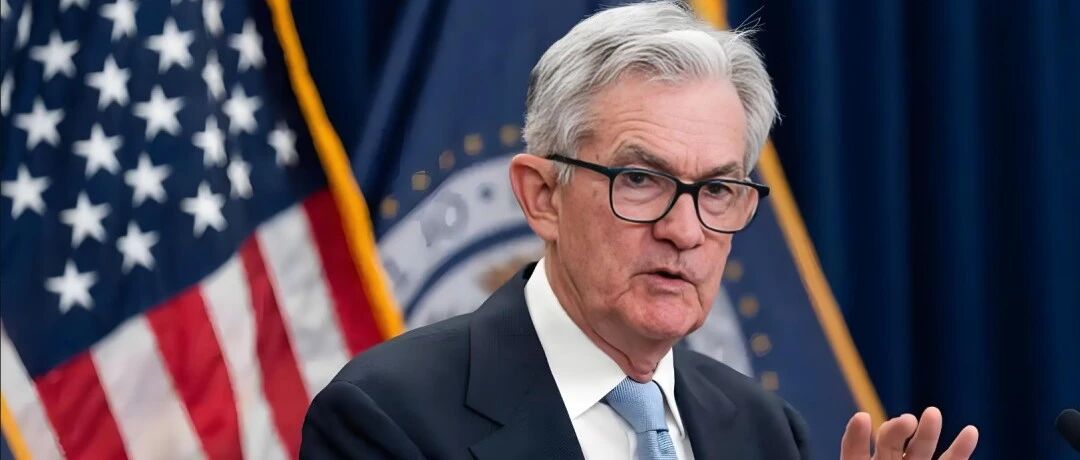
‘STOP IT': Market strategist calls for Fed to be put in ‘PENALTY BOX'
Youtube· 2025-10-29 22:45
Core Viewpoint - The Federal Reserve's current monetary policies, including quantitative easing (QE) and quantitative tightening (QT), are criticized for failing to effectively inject liquidity into the economy and instead altering the quality of collateral in the financial system [2][3][5]. Group 1: Federal Reserve Policies - The Federal Reserve should cease both QE and QT, returning to a more traditional approach to monetary policy as seen post-World War II [3][5]. - There is concern that the Fed is incentivizing banks not to lend by paying interest on excess reserves, which could be better utilized in the economy [3][4]. - The reverse repo program is viewed as a confusing mechanism that does not effectively control short-term interest rates [4][5]. Group 2: Market Signals and Trends - Credit markets are currently stable, with no immediate concerns about price-to-earnings (PE) implosion [6]. - The yield curve is flattening, indicating a healthy demand for U.S. Treasuries [6]. - Foreign investment in U.S. assets is at a high, countering fears about the dollar's decline [7]. Group 3: Economic Outlook - There is a belief that productivity and a resurgence in the U.S. economy will strengthen the dollar [8]. - Current market conditions are not comparable to the irrational exuberance of the 1990s, as earnings are moving in tandem with share prices [9]. - The potential for capital expenditures (capex) to be 100% tax-deductible until January 2031 is seen as a catalyst for market growth [10]. Group 4: Leadership and Legacy - The current leadership of the Federal Reserve, particularly Jerome Powell, is viewed as disappointing, raising questions about the constitutionality of the Fed's actions [11].
Fed winding down balance sheet contraction amid tightening money markets
Yahoo Finance· 2025-10-29 21:06
Core Points - The Federal Reserve is ending the drawdown of its balance sheet due to tightening money market liquidity conditions and declining bank reserve levels [1][4] - Starting December 1, the Fed will roll over maturing Treasury securities instead of allowing up to $5 billion to mature each month without replacement, while continuing to allow up to $35 billion in mortgage-backed securities to expire monthly but reinvesting proceeds into Treasury bills [2][3] - The Fed's decision to halt balance sheet runoff was anticipated due to rising borrowing costs in short-term lending markets [5][6] Group 1 - The Federal Open Market Committee reduced the fed funds rate by a quarter percentage point, bringing it to a range of 3.75% to 4.00% [3] - Federal Reserve Chair Jerome Powell indicated that the Fed has reached a level of reserves consistent with ample conditions in money markets [4] - Recent developments suggest that the Fed has sufficient liquidity in the financial system to maintain control over interest rate targets while allowing for normal volatility in money market rates [7] Group 2 - The end of the balance sheet runoff occurred sooner than many market participants expected, with a prior survey indicating a first-quarter stopping date for quantitative tightening (QT) [8] - The Fed is cautious about removing too much liquidity from the system to avoid losing control of the fed funds rate, as experienced during the previous QT six years ago [9]
英镑回购利率飙升,英国央行正从系统中抽走现金
Sou Hu Cai Jing· 2025-10-29 17:31
Core Insights - A key indicator measuring secured overnight borrowing costs has surged, exceeding the Bank of England's deposit rate by 25 basis points, marking the widest premium since March 2020, excluding quarter-end data [1] - This volatility reflects cash scarcity due to the Bank of England's quantitative tightening (QT) efforts, reversing years of bond purchases and gradually ending a program that provided cheap loans to banks during the pandemic [1] - The Bank of England aims to eliminate the excess liquidity from years of quantitative easing (QE) and shift to providing cash through regular repurchase operations, increasing the risk of market turbulence [1]