冰雪经济

Search documents
精细化贴心服务上“新” “冰雪经济”火热文旅市场“热气”升腾
Yang Shi Wang· 2025-11-20 06:04
Group 1 - The direct train service from Beijing to Zhangjiakou Chongli has officially commenced, providing a convenient transportation solution for skiing enthusiasts [1] - The direct train operates from Beijing Capital Airport, Daxing Airport, and Beijing South Station, with two specially planned routes connecting major ski resorts [3] - The buses are designed with larger storage space to accommodate ski equipment, enhancing convenience for travelers [5] Group 2 - In Jilin City, multiple ski resorts have opened for the new snow season, with local departments enhancing services to attract visitors [9] - Jilin City has launched customized transportation services, including dedicated shuttle buses from Changchun Airport to major ski resorts starting November 15 [9] - A fleet of 180 new energy ride-hailing vehicles has been deployed in Jilin City, equipped with specialized ski racks to facilitate the transport of ski gear [11] Group 3 - In Altay, Xinjiang, middle school students will enjoy their first "snow holiday" from December 1 to 5, potentially extending their break to nine days [14] - The "snow holiday" initiative encourages students to participate in various activities, promoting physical and mental well-being [14] - Local tourism departments in Altay are collaborating with ski resorts and hotels to offer discounts and benefits for students during the "snow holiday" [16]

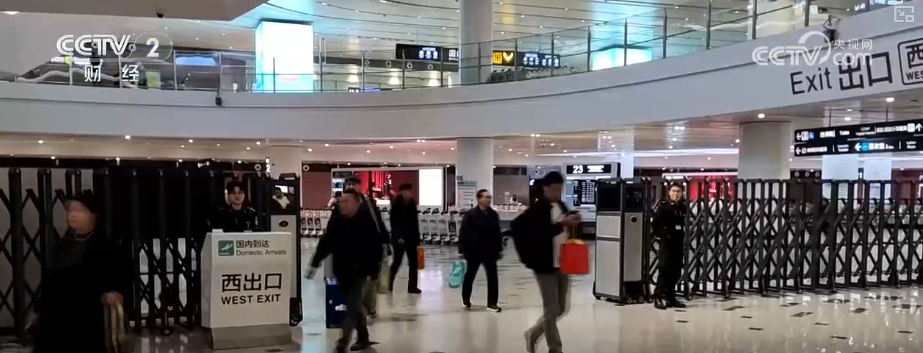
沈阳冰雪游热度跻身全国前十
Liao Ning Ri Bao· 2025-11-20 01:08
旅游业内人士指出,冰雪游热度不仅源于人们对北方雪景的向往,更得益于辽宁日益完善的交通基 础设施。特别是今年9月沈白高铁开通后,一个以沈阳为中心,覆盖北京、长春、大连等主要城市的4.5 小时"冰雪交通圈"已然成型。 冰雪季虽尚未全面开启,辽宁冰雪旅游热度却在悄然升温。近日,美团旅行平台大数据显示,沈阳 跻身全国冰雪游热度前十大目的地,展现强劲的市场吸引力。与此同时,以沈阳为重要枢纽的高铁网络 持续发力,正逐步将过境"流量"转化为本地消费"留量",为辽宁冰雪经济发展注入新动能。 美团旅行近日发布的出行趋势报告显示,11月以来,"冰雪航线"搜索热度持续攀升,相关消费意愿 持续增强。其中,沈阳作为冰雪游的热门目的地,吸引力获得市场认可。 交通格局的升级,激发了本地市民"走出去"的热情,同时带来的庞大过境客流,也为沈阳、大连等 城市创造了绝佳的承接条件。 面对市场机遇,辽宁商家迅速行动,沈阳多家星级酒店与温泉景区正联手打造"滑雪+温泉"的定制 套餐,让游客在体验速度与激情后,享受冬日温暖的舒缓松弛;各大文博场馆和商业综合体也纷纷推出 冰雪主题的夜间展览和民俗市集,以"冰雪+文化"的魅力延长游客的驻足时间;一些本地旅行社 ...
为什么滑雪的人很多,雪场还不赚钱?
Xin Jing Bao· 2025-11-20 00:11
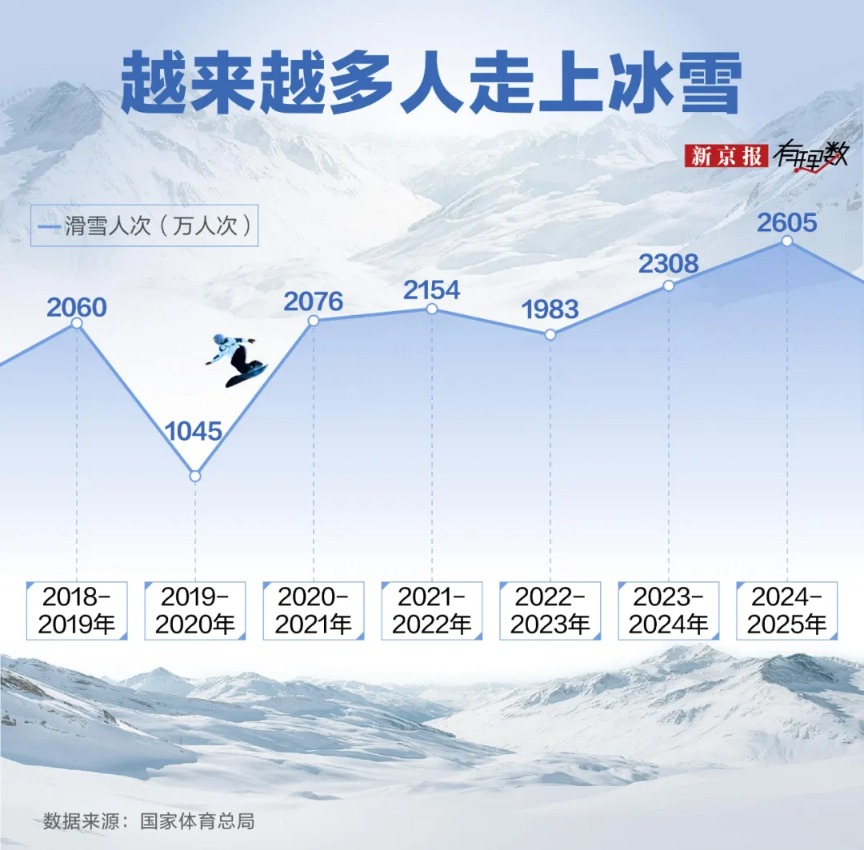
Core Insights - The skiing market in China is experiencing significant growth, with the number of ski visits expected to reach a historical high of 26.05 million in the 2024-2025 season, driven by increased interest post the Beijing Winter Olympics [8][12] - Despite the growth in participation, the skiing market has not yet developed a stable consumer base, with a penetration rate of only 0.85%, compared to over 10% in countries like the US and Japan [12][14] - The ski industry is currently characterized by a price war among ski resorts, leading to significant price reductions for lift tickets, with some prices dropping to as low as 19.9 yuan [15][18] Market Dynamics - The majority of skiers in China are casual participants, primarily seeking a tourism experience rather than developing a long-term skiing habit [10][12] - The ski resorts are facing challenges in positioning themselves, with some targeting high-end consumers while others aim for budget-friendly options, leading to operational difficulties [14][28] - The rapid increase in the number of ski resorts, from 524 in 2018 to 914 in 2024, has intensified competition, with an annual compound growth rate of 9.8% [26][28] Consumer Spending - A significant portion of new skiers start with low-cost options, with nearly one-third spending less than 1,000 yuan annually on skiing [18][20] - However, the total cost of skiing can be substantial when considering additional expenses such as equipment, clothing, transportation, and lessons, with many enthusiasts spending over 10,000 yuan annually [25][23] - The average cost for a single skiing trip, including transportation and accommodation, is estimated to exceed 1,000 yuan, especially for those opting for premium resorts or hiring instructors [20][25] Industry Challenges - Ski resorts face high operational costs, often exceeding 100 million yuan annually, with a limited operational window of 3 to 5 months each year [26][28] - The current trend of aggressive pricing strategies is leading to a "low price, low quality" cycle, making it difficult for resorts to maintain profitability [29] - There is a concern that the rapid expansion of ski resorts may lead to many smaller resorts becoming unsustainable, similar to trends observed in Japan's ski industry [28][29]
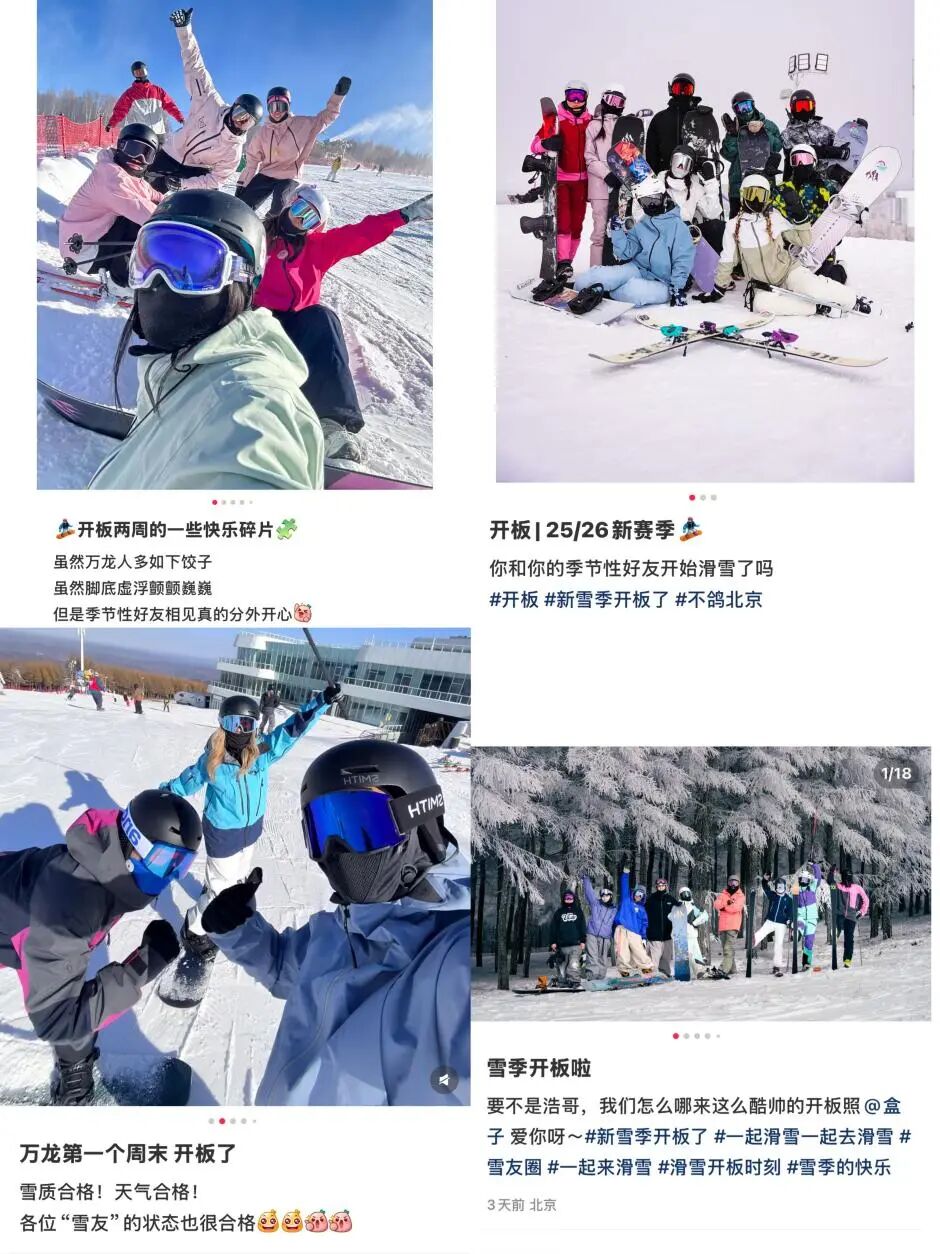
为什么滑雪的人很多 雪场还不赚钱?
Xin Jing Bao· 2025-11-19 23:59
Core Insights - The skiing market in China is experiencing a surge in popularity, with the number of ski visits expected to reach a record high of 26.05 million in the 2024-2025 season, driven by the enthusiasm generated post the Beijing Winter Olympics [2][6] - Despite the growth in skier numbers, the majority are casual tourists or beginners, leading to a low penetration rate of only 0.85% in China compared to over 10% in countries like the US and Japan [6][8] - The skiing industry in China is currently characterized by a price war among ski resorts, with ticket prices dropping significantly, making skiing appear affordable for many [10][13] Market Dynamics - The number of ski resorts in China has increased from 524 in 2018 to 914 in 2024, with an annual compound growth rate of 9.8%, intensifying competition in the market [21][23] - Many ski resorts are struggling to maintain profitability due to high operational costs, which can exceed 100 million yuan annually, and a short operational season of 3 to 5 months [21][23] - The current market is divided between high-end and budget ski resorts, with many resorts failing to find a clear positioning, leading to operational challenges [8][21] Consumer Behavior - A significant portion of new skiers start with low-cost options, with nearly one-third spending less than 1,000 yuan annually on skiing, primarily judging the sport's affordability based on ticket prices [13][15] - Hidden costs associated with skiing, such as equipment, clothing, transportation, and lessons, often lead to a much higher total expenditure, with many enthusiasts spending over 10,000 yuan annually [15][17] - The trend of "cheap skiing" is prevalent, but many consumers overlook the cumulative costs that can make skiing an expensive hobby [15][19] Industry Challenges - The rapid expansion of ski resorts has led to concerns about quality and sustainability, with many resorts facing the risk of closure or underutilization due to poor planning and excessive competition [23] - The industry is currently experiencing a "low price, low quality" cycle, where resorts attract customers with low prices but struggle to provide adequate services, leading to dissatisfaction among skiers [23][24] - The long-term success of the skiing market in China hinges on transforming casual visitors into dedicated enthusiasts, fostering a culture of sustained participation in the sport [24]
【明日主题前瞻】内需消费的重要增长点,冰雪产业市场规模快速增长
Xin Lang Cai Jing· 2025-11-19 12:01
Group 1: Ice and Snow Industry Growth - The ice and snow industry in China is expected to reach a market size of 980 billion yuan in 2024, with a year-on-year growth of 10.8%, and is projected to exceed 1 trillion yuan in 2025 [2] - The industry is transitioning from niche sports consumption to mainstream consumption, with travel combined with skiing becoming a new leisure and vacation trend [2] - Companies like Xue Ren Group are leading in manufacturing ice and snow equipment, while Changbai Mountain is upgrading its tourism offerings to include more diverse recreational experiences [2] Group 2: Baidu's AI Business Performance - Baidu reported a total revenue of 31.2 billion yuan for Q3 2025, with core revenue at 24.7 billion yuan, and for the first time disclosed AI business revenue, which grew over 50% year-on-year [3] - AI cloud revenue increased by 33%, while AI application revenue reached 2.6 billion yuan, and AI native marketing service revenue surged by 262% to 2.8 billion yuan [3] - The domestic AI industry is expected to enter a sustainable growth cycle, driven by the demand for self-sufficient technology and advancements in AI chips [3] Group 3: Semiconductor and Memory Market Trends - Xiaomi indicated that the current rise in memory prices is a long-term trend driven by increased demand for HBM due to AI, rather than traditional market fluctuations [4] - The storage industry has entered an accelerated upward cycle, with expectations of significant profit growth for domestic storage module companies by the second half of 2025 [4] - Companies like Shikong Technology are focusing on semiconductor memory products, including memory bars and solid-state drives, with advanced testing capabilities [5] Group 4: Commercial Space and Rocket Technology - Tianbing Technology successfully completed key tests for its "one rocket, 36 satellites" capability, marking a significant milestone in China's commercial space sector [6] - The year 2025 is seen as a pivotal year for validating reusable rocket technology, with several private companies planning their first flights [6] - Companies like Shanghai Port Bay are supporting satellite launches and contributing to satellite internet constellation development [7] Group 5: Lithium Carbonate Supply and Demand - Strong demand has led to a monthly shortage of lithium carbonate, with supply at approximately 115,000 tons and demand at 128,000 tons, resulting in a shortfall of about 13,000 tons [8] - The market outlook for energy storage is optimistic, with significant agreements indicating a sustained growth cycle for China's energy storage industry over the next 3-5 years [8] - Companies like Jiangte Electric have developed an integrated industry chain for lithium salt production, with significant production capacity planned for the coming years [9] Group 6: Liquid Cooling Industry Potential - The liquid cooling industry is expected to experience explosive growth driven by AI demand and supportive policies, with new data centers required to meet specific energy efficiency standards [10] - The penetration rate of liquid cooling technology in global data centers is projected to rise from 10% in 2024 to over 30% by 2025 [10] - Companies like Invid and Keda are positioned to benefit from the growing demand for liquid cooling solutions in data centers [11] Group 7: Solid-State Battery Development - CATL is committed to investing in all-solid-state batteries, with expectations for small-scale production by 2027 [12] - The solid-state battery industry is experiencing rapid advancements, supported by national policies and emerging application demands [12] - Companies like Xian Dao Intelligent are leading in providing comprehensive solutions for solid-state battery production, with increasing orders and customer engagement [12]


华发股份:冰雪世界目前运营状况良好,试营业首月累计接待游客超40万人次
Mei Ri Jing Ji Xin Wen· 2025-11-19 10:31
Core Viewpoint - The operational status of Shenzhen Qianhai Huafa Ice and Snow World is positive, with significant visitor numbers reported during its trial operation phase [1] Group 1: Operational Performance - The ice and snow world received over 400,000 visitors in its first month of trial operation [1] - The highest single-day visitor count reached over 40,000 [1] Group 2: Market Potential - The location near Hong Kong is expected to attract a large number of visitors from Hong Kong and Macau, contributing to stable revenue from the ice and snow economy [1]

机构称服务消费与线上消费延续强韧增长,政策驱动下文旅等领域或具备更高景气弹性
Mei Ri Jing Ji Xin Wen· 2025-11-19 06:35
Group 1 - The Hang Seng Index fell by 0.45% and the Hang Seng Tech Index dropped by 0.98% during the midday close on November 19, with personal care products and industrial group sectors showing gains, while water and life sciences tool sectors experienced declines [1] - The Global Express Development Report (2025) indicates that the global express parcel business volume is expected to reach approximately 26.79 billion pieces in 2024, representing a year-on-year growth of 17.49%, with business revenue projected at 4.6037 trillion yuan, a 14.05% increase [1] - The Asia-Pacific region maintains a significant advantage in the express parcel business, with a volume exceeding 21 billion pieces, accounting for 78.9% of the global total, and nearly 40% of the business revenue [1] - China's express parcel business volume reached 1.758 billion pieces in 2024, marking a year-on-year growth of 21.5%, with business revenue of 1.40335 trillion yuan, reflecting a 13.8% increase [1] - China's express market has maintained its position as the largest globally for eleven consecutive years, achieving a remarkable average of 10 billion pieces per month, showcasing the industry's strong vitality and potential [1] Group 2 - Under the backdrop of ongoing growth stabilization policies, the service consumption and tourism duty-free policies are intensifying, leading to structural opportunities in the consumption chain [2] - Service consumption and online consumption continue to show resilient growth, with policy-driven sectors like tourism and education exhibiting higher elasticity [2] - The reform of duty-free channels, combined with the facilitation of inbound travel, is expected to become a core engine for the next phase of consumption recovery [2] Group 3 - Related popular ETFs include: Tourism ETF (562510) benefiting from holiday catalysts and the ice and snow economy, Food and Beverage ETF (515170) aimed at boosting domestic demand and undervalued sectors, and Hong Kong Consumption ETF (513230) focusing on e-commerce leaders and new consumption trends [3]
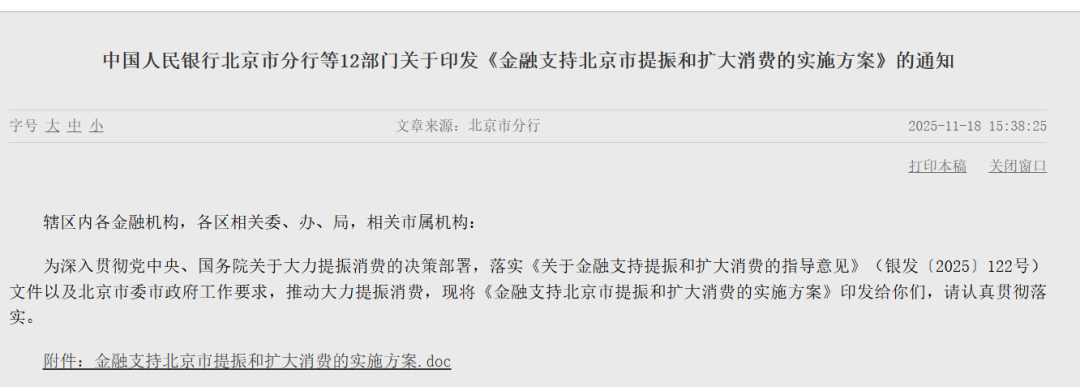
北京出“组合拳”提振消费,力挺产业链企业上市
Huan Qiu Wang· 2025-11-19 02:34
Core Insights - The People's Bank of China and 12 departments issued a plan to enhance consumer finance in Beijing, aiming to establish a diversified consumer financial service system by 2030, injecting strong financial momentum into the consumer market [1][5] Group 1: Consumer Financing Support - The plan emphasizes increased credit support for goods consumption, directly benefiting large purchases like automobiles and home appliances [3] - Financial institutions are encouraged to optimize loan issuance ratios, terms, and interest rates for automotive purchases, including waiving penalties for early loan settlements during trade-ins [3] - There will be enhanced financial support for new energy vehicle purchases and favorable loan rates for home appliances and smart home products [3] Group 2: Cultural and Sports Consumption - The plan supports financial innovation in cultural, sports, and hospitality sectors, leveraging Beijing's "Double Olympic City" status [3] - Financial products will be developed around events and the ice and snow economy, including ticket revenue rights pledging and various promotional activities in dining and tourism [3] Group 3: Employment and Small Business Support - The plan highlights the importance of job creation and income growth, continuing to implement interest subsidies for first-time loans to small and micro enterprises [4] - It aims to support entrepreneurship through guaranteed loans and seek central government funding for eligible individuals and businesses [4] Group 4: Financing Structure and Investment - The plan aims to create a diversified financing system combining credit, bonds, and equity, supporting quality enterprises in the consumer industry to raise funds through listings and other means [4] - It encourages social capital investment in key service consumption areas and supports financial companies in issuing bonds to expand consumer credit [4] Group 5: Long-term Market Impact - The plan is designed to boost short-term consumption while focusing on long-term system construction, expected to lower financing costs and stimulate market activity [5] - As initiatives are implemented, consumers will benefit from more convenient financial services, and businesses will receive increased funding support [5]
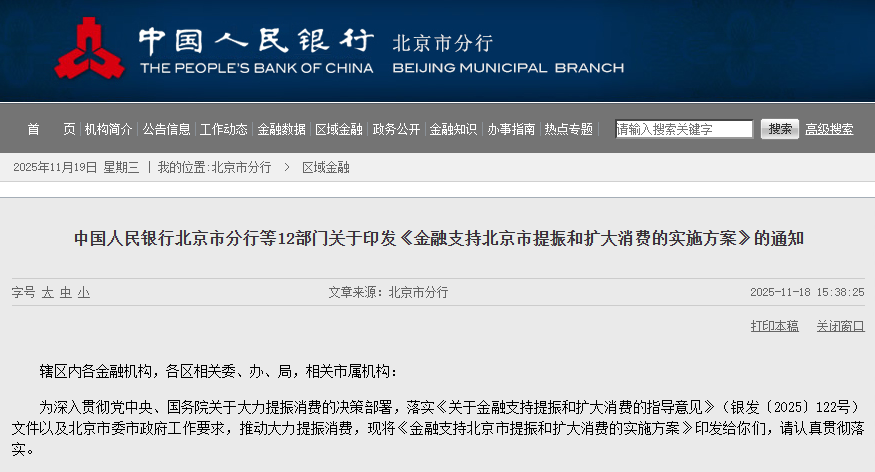
刚刚!利好,来了!
Zhong Guo Ji Jin Bao· 2025-11-18 11:23
Core Viewpoint - The People's Bank of China and 12 other departments have issued a plan to enhance and expand consumption in Beijing, aiming to improve financial services in various sectors by 2030, thereby supporting the city's development as an international consumption center [2][18]. Group 1: Overall Goals - The plan aims to enhance financial service levels in Beijing's consumption sector by 2030, focusing on increasing loan balances and credit support in areas such as accommodation, dining, cultural tourism, education, and elder care [4][18]. Group 2: Financial Support for Key Areas - Increased credit support for consumer goods, particularly in automotive loans, with incentives for new energy vehicles and reduced penalties for early loan settlements [5][19]. - Promotion of cultural tourism and sports consumption by leveraging Beijing's status as a "Double Olympic City," encouraging financial institutions to innovate financing models [7][19]. - Expansion of financial services in the accommodation and dining sectors, supporting the development of local brands and themed consumption districts [8][20]. - Support for the growth of domestic services such as housekeeping and elder care, including innovative financial solutions for service providers [9][20]. - Encouragement of infrastructure development and trade circulation systems to enhance consumption [10][21]. Group 3: Support for Employment and Specific Demographics - Continued support for small and micro enterprises through interest subsidies on initial loans, aimed at boosting employment [11][22]. - Optimization of financial services for the elderly, including the issuance of dedicated cards to facilitate their consumption [12][22]. - Improvement of consumption services for foreign visitors, focusing on payment service enhancements in key areas [13][22]. Group 4: Enhancing Financial Institution Services - Financial institutions are encouraged to provide differentiated and convenient services to meet diverse consumer needs, including collaboration with e-commerce platforms [14][23]. - Increased support for bond market financing for cultural, tourism, and educational enterprises, promoting quality upgrades in consumer products [15][24]. - Development of equity financing options for quality enterprises in the consumption industry through various market mechanisms [16][24]. Group 5: Policy Coordination and Consumer Environment - Strengthening the role of monetary policy to encourage financial institutions to increase credit in key consumption sectors [25][26]. - Implementation of fiscal policies to reduce consumer credit costs and support small businesses [26][27]. - Enhancing the payment environment to stimulate consumption, including promoting digital currency initiatives [27][28]. Group 6: Organizational Support - Emphasis on coordination among financial departments and relevant authorities to ensure effective implementation of the consumption support plan [28][29]. - Financial institutions are urged to promote policies and products related to consumption support to ensure widespread access to financial services [28][29].
刚刚!利好,来了!
中国基金报· 2025-11-18 11:12
Core Viewpoint - The article discusses the implementation plan by the People's Bank of China and 12 other departments to boost and expand consumption in Beijing, aiming for significant improvements in financial services for various sectors by 2030 [1][18]. Group 1: Overall Goals - The plan aims to enhance financial service levels in Beijing's consumption sectors, including accommodation, dining, cultural tourism, education, and elder care, with a focus on increasing loan balances and credit investments [2][19]. Group 2: Financial Support for Key Areas - Increased credit support for consumer goods, particularly in automotive loans, with measures to reduce penalties for early loan settlements during trade-ins [3][20]. - Enhanced financial backing for the purchase of new energy vehicles and other consumer goods, encouraging financial institutions to participate in promotional activities [4][5][20]. - Promotion of cultural, tourism, and sports consumption by leveraging Beijing's status as a cultural center, with innovative financing models for events and activities [6][20]. - Development of financial services for the accommodation and dining sectors, supporting the creation of unique cultural and culinary brands [7][21]. - Support for the growth of domestic services like housekeeping and elder care, with financial solutions tailored to meet the needs of service providers [8][22]. Group 3: Infrastructure and Employment Support - Support for the construction of consumer infrastructure and trade circulation systems, optimizing financial products for major projects [9][22]. - Continued financial support for small and micro enterprises in Beijing, including interest subsidies for first-time loans [11][24]. - Initiatives to enhance financial services for the elderly, including specialized banking products and payment solutions [12][24]. - Improvement of services for foreign visitors, focusing on payment solutions in key commercial areas [13][24]. Group 4: Financial Institution Engagement - Encouragement for financial institutions to provide differentiated and convenient services in the consumer sector, enhancing risk management capabilities [14][25]. - Support for bond market financing for cultural, tourism, and educational enterprises, promoting the issuance of bonds to enhance funding [15][26]. - Promotion of equity financing for quality enterprises in the consumer industry through various market mechanisms [16][26]. Group 5: Policy Coordination and Consumer Environment - Strengthening monetary policy to incentivize financial institutions to increase credit in key consumption sectors [27][30]. - Implementation of fiscal policies to lower consumer credit costs and support service sector financing [27][30]. - Development of insurance products tailored to the needs of the elderly and other specific groups, enhancing financial security [28][30]. - Continuous improvement of the payment environment to facilitate consumption, including the promotion of digital currency [29][30]. Group 6: Organizational Support - Emphasis on coordination among financial departments and other relevant authorities to ensure effective implementation of the consumption support plan [30][31]. - Encouragement for financial institutions to promote their consumption-related policies and products to increase awareness and access [32][31].