
并购重组

Search documents
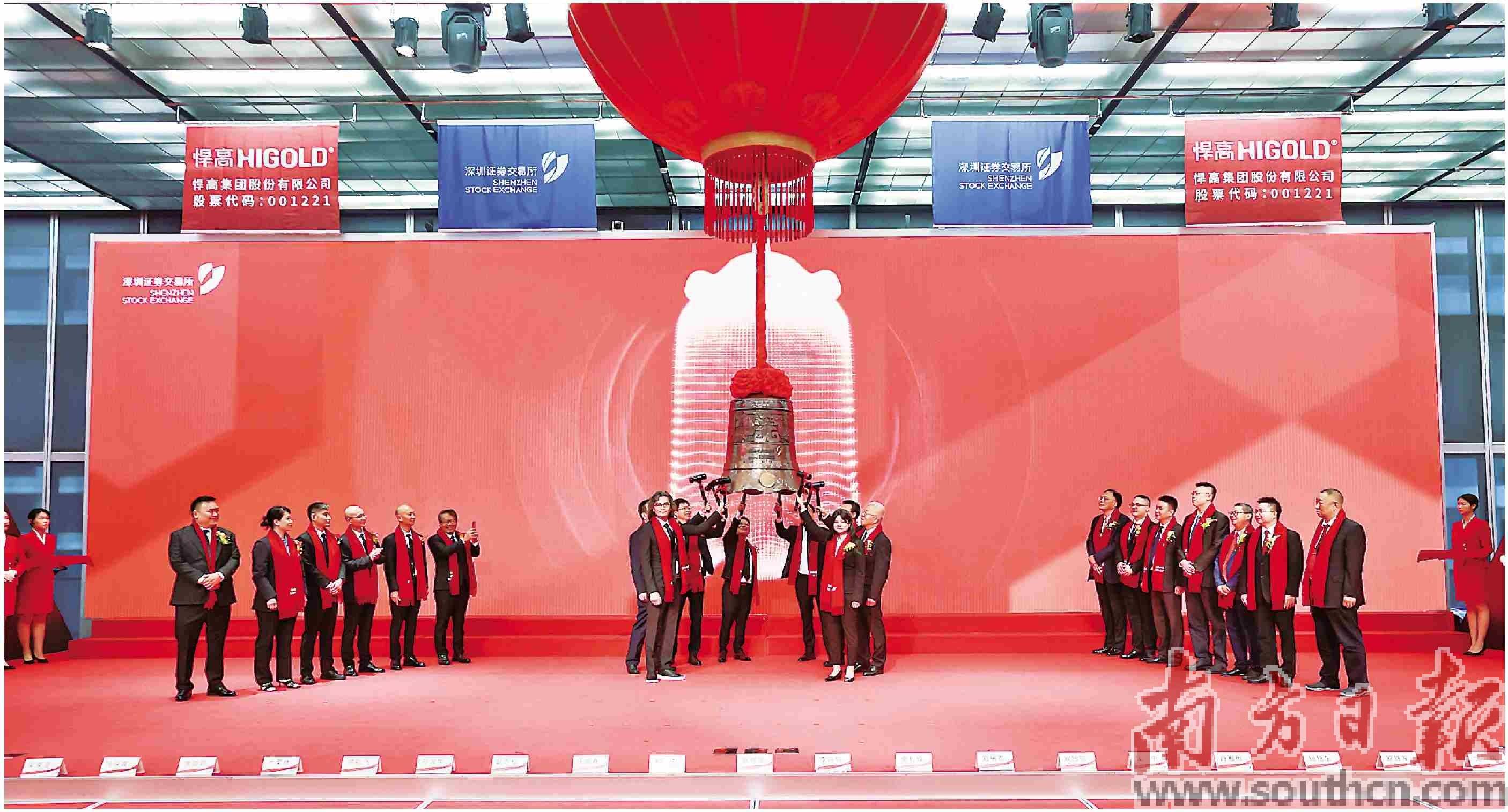
五年来佛山新增十八家A股上市公司
Sou Hu Cai Jing· 2025-08-15 00:16
Core Viewpoint - The recent listing of Hanga Group, known as the "first stock of functional hardware," marks an increase in the total number of listed companies in Foshan to 84, with 21 new companies added since the start of the 14th Five-Year Plan, including 18 A-share listings [7][16]. Group 1: Listing Statistics - Foshan has surpassed its historical record for new listings during the 14th Five-Year Plan, with 21 new companies compared to 20 during the entire 13th Five-Year Plan [7]. - The number of new A-share listed companies in Foshan is lower than in comparable cities, with an average of 19 new A-share listings in cities with GDP between 1.2 trillion and 1.4 trillion yuan, while Foshan has only 18 [8]. - Among the 21 new companies, 6 are listed on the main board, 6 on the ChiNext, 3 on the Sci-Tech Innovation Board, and 3 on the Beijing Stock Exchange [7][8]. Group 2: Comparison with Other Cities - Foshan's performance in new A-share listings is lagging behind cities like Hefei, Dongguan, and Xi'an, which have seen higher numbers of new listings during the same period [8][9]. - The average number of new A-share listings in comparable cities is 25.6, with a significant number on the ChiNext and Sci-Tech Innovation Board, indicating a gap in Foshan's growth in these areas [8][9]. Group 3: Industry Structure and Challenges - The slowdown in new listings in Foshan is attributed to its traditional industrial structure, which lacks core technology breakthroughs, making it less competitive in the current IPO environment [10][12]. - The tightening of IPO regulations has favored innovative companies, putting Foshan's traditional manufacturing sector at a disadvantage [10][12]. Group 4: Opportunities for Growth - The Beijing Stock Exchange presents a new opportunity for Foshan, particularly for innovative small and medium-sized enterprises, with a significant number of specialized and innovative companies already established in the region [11][12]. - Foshan's total market capitalization exceeds 1 trillion yuan, providing a strong foundation for potential mergers and acquisitions to enhance the number of listed companies [12][16]. - Recent policies aim to support mergers and acquisitions, as well as the establishment of investment funds for listed companies, which could help bolster Foshan's listing numbers [16].

收购扩张藏“暗礁” 千金药业上会迎考
Bei Jing Shang Bao· 2025-08-14 16:38
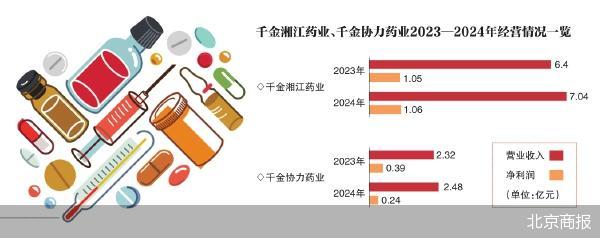
Core Viewpoint - Qianjin Pharmaceutical (600479) is set to undergo a significant asset acquisition review on August 18, aiming to enhance its Western medicine segment through the purchase of stakes in Qianjin Xiangjiang Pharmaceutical and Qianjin Xieli Pharmaceutical, despite facing challenges such as declining profits and sales prices in its target companies [1][3][5]. Group 1: Acquisition Details - Qianjin Pharmaceutical plans to acquire 28.92% of Qianjin Xiangjiang Pharmaceutical and 68% of Qianjin Xieli Pharmaceutical, with a total transaction value of 623 million yuan [3][8]. - Post-acquisition, Qianjin Pharmaceutical's stake in Qianjin Xiangjiang will increase to 79.92%, achieving 100% control over Qianjin Xieli [3][4]. - The acquisition aims to address the mismatch between capital investment and returns from the target companies, thereby improving profitability [3][6]. Group 2: Financial Performance of Target Companies - Qianjin Xiangjiang Pharmaceutical reported revenues of 640 million yuan and 704 million yuan for 2023 and 2024, with net profits of 105 million yuan and 106 million yuan respectively [6]. - Qianjin Xieli Pharmaceutical's revenues for the same period were 232 million yuan and 248 million yuan, with net profits declining from 39.16 million yuan to 23.84 million yuan [6]. - The decline in Qianjin Xieli's net profit is attributed to increased R&D investments in new heart and liver drugs [6][7]. Group 3: Market Challenges - Qianjin Xiangjiang's key product, Valsartan capsules, experienced price drops of 14.65% and 18.52% in 2023 and 2024, respectively, alongside declines in other major products [7][8]. - The pharmaceutical market is facing overall price reductions due to various factors, including national drug price negotiations and the expiration of patents [7][8]. - Experts suggest that the acquisition committee will focus on the ongoing profitability of the target assets during the review [7][8]. Group 4: Valuation and Payment Structure - The acquisition involves a mix of cash and stock payments, with the share issuance price set at 8.41 yuan per share, representing a discount compared to the market price of 10.9 yuan [8][9]. - The valuation of Qianjin Xiangjiang and Qianjin Xieli shows significant premiums, with respective increases of 87.77% and 73.28% over their book values [10].

石基信息: 北京中长石基信息技术股份有限公司发行股份购买资产报告书(草案)摘要
Zheng Quan Zhi Xing· 2025-08-14 13:18
Core Viewpoint - The company, Beijing Zhongchang Shiji Information Technology Co., Ltd., plans to acquire 13.50% equity in Shenzhen Sihon Software Co., Ltd. through a share issuance, enhancing its control over the subsidiary and strengthening its position in the retail digital solutions market [10][12][13]. Group 1: Transaction Overview - The transaction involves issuing shares to Shanghai Yunxin Venture Capital Co., Ltd., Zhang Yuhong, and Zhang Wei for acquiring 14,312,500 shares of Sihon Software, valued at approximately 216.08 million yuan [10][11]. - The transaction is expected to increase the company's total share capital from 2,729,193,841 shares to 2,762,283,611 shares post-transaction [13][14]. Group 2: Financial Impact - The acquisition is projected to enhance the company's net profit and equity, with an increase in earnings per share and return on equity, without diluting the current earnings per share [15][20]. - The company's total assets are expected to rise from 934,508.72 million yuan to 944,704.08 million yuan post-transaction, while total liabilities will decrease from 156,618.28 million yuan to 148,875.29 million yuan [15][16]. Group 3: Regulatory Compliance - The company has committed to adhering to all relevant laws and regulations, ensuring timely and accurate disclosure of information related to the transaction [3][18]. - The transaction requires approval from regulatory authorities and will not proceed until all necessary approvals are obtained [16][19]. Group 4: Shareholder Commitments - Major shareholders, including the controlling shareholder Li Zhongchu, have committed not to reduce their holdings during the transaction process, ensuring stability in the company's share structure [17][22]. - The company has established measures to protect investor rights, including separate voting arrangements for minority shareholders [19][21].

超1300只,创新高
Zhong Guo Ji Jin Bao· 2025-08-14 11:51
Core Insights - Over 1300 active equity funds have reached new net asset value highs, significantly outperforming the market index and achieving excess returns [1][2] - The recent profitability of active equity funds is attributed to structural market opportunities, the active management capabilities of fund managers, and an improved policy environment [1][3] Fund Performance - As of August 13, the average net asset value growth rate for active equity funds this year is 16.03%, with 1332 funds achieving new highs, representing over 25% of all active equity funds [2] - The performance of equity mixed funds and ordinary stock funds has outpaced the CSI 300 index by over 12 percentage points, with respective increases of 19.67% and 19.83% [2] Market Dynamics - The continuous rise of the Shanghai Composite Index has driven up stock prices, closely linking the net asset values of active equity funds to the performance of their underlying stocks [2] - Fund strategies that align with current market trends have contributed to the increase in fund net values [3] Managerial Expertise - Skilled fund managers leverage their investment research capabilities and market experience to identify trends and opportunities, enhancing fund performance through strategic asset allocation and stock selection [3] Capital Inflows - Increased risk appetite and favorable market conditions have attracted significant capital inflows into equity funds, providing ample support for investment operations and driving net asset values higher [3] Future Outlook - The market is expected to enter a positive feedback loop of capital inflows and rising prices, supported by improved investor confidence and favorable valuations compared to the bond market [4] - Investment recommendations include focusing on high-growth sectors such as AI, innovative pharmaceuticals, non-ferrous metals, and military industries, as well as key themes and reform areas [4] Short-term Strategy - The market may continue to experience oscillations, with a focus on low-valuation blue-chip stocks and sectors like pharmaceuticals and technology that have seen limited prior gains [5] - Investors are advised to prioritize companies and industries with expected earnings that exceed market expectations or show signs of recovery [5]
什么情况?A股并购重组热度持续攀升,年内披露数量同比飙升近300%
Hua Xia Shi Bao· 2025-08-14 09:28
Core Viewpoint - The A-share merger and acquisition (M&A) market has seen significant activity in 2023, with 229 listed companies disclosing M&A progress as of August 14, a 294.83% increase compared to 58 companies in the same period last year, indicating a strong demand for resource integration to enhance efficiency in the context of economic restructuring and industrial upgrading [1][4]. Group 1: M&A Activity Overview - From August 1 to 14, 67 listed companies disclosed M&A progress, including five companies making their first disclosures, indicating a new wave of M&A activity entering the market [2]. - Notable transactions include Wanchen Group's announcement to acquire 49% of Nanjing Wanyou for a transaction price of 1.379 billion yuan and *ST Biology's plan to acquire 51% of Huize Pharmaceutical, a CRO company, for cash [2]. - Hailanxin announced its intention to acquire 100% of Hailan Huanyu for a total transaction price of 1.051 billion yuan, focusing on marine monitoring radar products [3]. Group 2: Driving Factors - The surge in M&A activity is driven by two main themes: upstream and downstream integration within industries and cross-industry expansion, as companies seek to enhance resource concentration and explore new growth opportunities [1][4]. - The demand for integration is particularly strong in emerging industries and traditional industry transformations, with many companies looking to fill technological gaps and expand market channels through M&A [4][8]. Group 3: Active Industries - The most active sectors for M&A include new energy and high-end manufacturing, with companies like Sinochem Equipment and Changhong High-Tech making significant acquisitions to enhance their service offerings and technological capabilities [7]. - For instance, Sinochem Equipment's acquisition of Yiyang Rubber Machinery and Bluestar Energy will transform it from a single chemical equipment supplier to a comprehensive service provider in the rubber and high-end equipment sectors [7]. Group 4: Expert Insights - Industry experts highlight three main factors driving the current M&A activity: policy encouragement for optimizing industrial structure through M&A, the facilitation of M&A by the deepening of the registration system reform, and the pressure for capacity integration in certain industries [8]. - The sustainability of M&A activity will depend on continued policy support, the liquidity environment in capital markets, and the recovery of profitability in the real economy [8].
新政策 新热点 新机遇 并购重组助推上市公司“向新向优”
Shang Hai Zheng Quan Bao· 2025-08-13 17:49
Core Viewpoint - The merger and acquisition (M&A) market is experiencing a significant recovery driven by supportive policies and active participation from market players, with over 1800 asset restructuring cases disclosed in the A-share market since September 2024 [2] Group 1: Policy and Market Dynamics - The implementation of the "Six M&A Guidelines" has led to a notable increase in the scale and activity of the M&A market, with more than 200 major asset restructurings reported [2] - The revised "Management Measures for Major Asset Restructuring of Listed Companies" encourages existing listed companies to pursue transformation and expansion through M&A [2] - The Shanghai Municipal Financial Committee aims to establish Shanghai as a leading area for M&A activities, enhancing the ecosystem and collaboration mechanisms [2] Group 2: Financial Support and Innovation - Beijing Bank's Shanghai branch is committed to providing comprehensive financial support for technology enterprises, having launched the first M&A loan under the new policy for innovative companies [2][3] - The Shanghai State-owned Capital Investment Company emphasizes the importance of financial support and resource integration for technological innovation [3] Group 3: Regulatory and Compliance Aspects - New regulations include simplified review processes for restructurings and increased tolerance for financial condition changes and related party transactions, aimed at improving the quality of listed companies [3] - Experts highlight the need for careful evaluation of cross-industry mergers to avoid risks associated with blind expansions and ensure asset quality [3] Group 4: ESG Considerations - ESG factors are becoming central to M&A activities, influencing risk management, valuation, and integration challenges, particularly in cross-border transactions [4] - The future of M&A will increasingly depend on ESG capabilities as global disclosure standards evolve [4] Group 5: Role of Intermediaries - Active participation from intermediary institutions is crucial for a vibrant M&A market, with recommendations for companies to ensure strategic alignment and protect minority investors' rights [5] - Professional intermediaries are advised to conduct thorough due diligence and develop unified development plans for successful integration post-merger [6]
涪陵榨菜:未来发展仍将以榨菜为中心,向“榨菜+”、榨菜亲缘品类方向发展
Mei Ri Jing Ji Xin Wen· 2025-08-13 15:47
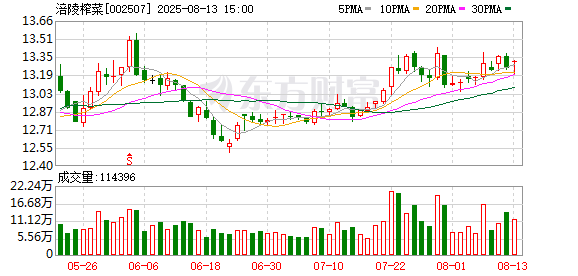
Group 1 - The company will continue to focus on its core business of pickled vegetables, specifically "pickled vegetable+" and related categories, while expanding its product matrix to include various types of pickled vegetables, compound seasonings, and sauces [2] - The company is actively seeking related acquisition targets in the condiment and side dish industry and plans to conduct mergers and acquisitions as appropriate [2]

上市公司"并购重组与做强做大做优"--北京上市公司协会组织上市公司走进中航机载
Zheng Quan Shi Bao· 2025-08-13 14:12
Group 1 - The event organized by the Beijing Listed Companies Association focused on "mergers and acquisitions (M&A) and strengthening, enlarging, and optimizing" as a key theme, with over 50 participants including independent directors, board secretaries, and media representatives [1] - The Secretary-General of the Association emphasized that M&A is crucial for resource optimization, market restructuring, and driving innovation, which can inject momentum into industrial upgrades and enhance market vitality [1] - The event included a visit to the China Aviation Industry History Museum, showcasing the development of China's aviation industry and highlighting technological innovations [1] Group 2 - The General Manager of AVIC Aircraft Systems Co., Ltd. outlined the company's goal to become a world-class supplier of aviation onboard systems, focusing on consolidating its domestic leadership and expanding into the low-altitude economy [2] - Experts shared insights on the low-altitude economy, which is expected to lead a third revolution in the aviation industry, emphasizing the transformative impact on industry and technology [2] - The discussion highlighted the "14th Five-Year Plan" trends in the military industry, indicating a significant scale increase in sectors like military intelligence, military trade, and commercial aerospace [2] Group 3 - Attendees actively shared their experiences in M&A, discussing challenges such as cultural integration and financial consolidation, and strategies to enhance innovation through M&A [3] - The dialogue provided valuable insights for future M&A endeavors, focusing on market conditions, industry trends, and the effective use of M&A tools and policies [3] - The Secretary-General concluded the event by expressing gratitude and emphasizing the Association's commitment to creating more platforms for learning and exchange among listed companies [3]

长盈通:关于发行股份及支付现金购买资产事项获得上海证券交易所并购重组审核委员会审核通过的公告
Zheng Quan Ri Bao· 2025-08-13 13:40
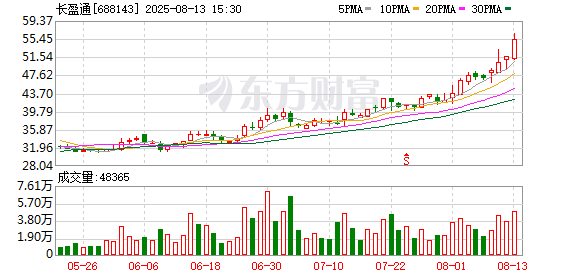
(文章来源:证券日报) 证券日报网讯 8月13日晚间,长盈通发布公告称,公司拟通过发行股份及支付现金方式,向武汉创联智 光科技有限公司、李龙勤、宁波铖丰皓企业管理有限公司等3名交易对方收购武汉生一升光电科技有限 公司100%股权(简称"本次交易")。上海证券交易所并购重组审核委员会(简称"上交所重组委")于 2025年8月13日召开2025年第11次并购重组审核委员会审议会议,对公司本次交易的申请进行了审议。 根据上交所重组委发布的《上海证券交易所并购重组审核委员会2025年第11次审议会议结果公告》,本 次会议的审议结果为:本次交易符合重组条件和信息披露要求。本次交易尚需经中国证券监督管理委员 会同意注册后方可正式实施,能否完成注册,以及最终完成注册的时间均存在不确定性。 ...

永吉股份筹划收购特纳飞控制权;如股价进一步上涨 长城军工可能申请停牌核查|公告精选
Mei Ri Jing Ji Xin Wen· 2025-08-13 13:35
Group 1 - Zhengfan Technology plans to acquire 62.23% equity of Hanjing Semiconductor for a total price of 1.12 billion yuan [1] - Yongji Co. is planning to acquire control of Nanjing Tena Fei Electronic Technology Co. through a combination of issuing shares and cash, with stock suspension expected to last no more than 10 trading days [2] - Aiwai Electronics reported a 71.09% year-on-year increase in net profit attributable to shareholders in the first half of 2025, despite a 13.4% decline in revenue [3] Group 2 - Huabei Pharmaceutical's net profit attributable to shareholders increased by 71.56% year-on-year in the first half of 2025, with a slight revenue growth of 0.84% [4] - Haichuang Pharmaceutical reported a revenue increase of 11,899.08% year-on-year, but incurred a net loss of 61.85 million yuan in the first half of 2025 [5] - Baiwei Storage announced that the National Integrated Circuit Fund II plans to reduce its stake by no more than 2% through block trading [6] Group 3 - Anlu Technology announced that several entities, including the National Integrated Circuit Fund, plan to collectively reduce their stake by no more than 3.25% [7] - Laimu Co.'s controlling shareholder plans to reduce its stake by no more than 3% within three months [8] - Changcheng Military Industry reported significant stock price fluctuations and may apply for a trading suspension if prices continue to rise [9] Group 4 - Beiwai Technology confirmed that its controlling shareholder has not engaged in any stock trading activities during a period of significant price fluctuations [10] - Liangpinpuzi's controlling shareholder is involved in a lawsuit with a disputed amount of 1.023 billion yuan, which may create uncertainties regarding control transfer [11]


