通用人工智能(AGI)

Search documents
阿里巴巴,重磅发布!
中国基金报· 2025-06-26 14:04
Core Viewpoint - Alibaba Group's annual report for fiscal year 2025 highlights significant transformation achievements driven by strong AI demand, with cloud revenue surpassing double-digit growth and AI-related product revenue experiencing triple-digit year-on-year growth for seven consecutive quarters [2][5]. Financial Performance - For fiscal year 2025 (April 1, 2024, to March 31, 2025), Alibaba reported total revenue of 996.347 billion yuan, with net profit increasing by 77% to 125.976 billion yuan [5][4]. Cloud Services and AI Integration - Alibaba Cloud served approximately 63% of China's A-share listed companies, with significant growth in user numbers for its AI model platform "Bailian" [6]. - AI products are rapidly penetrating traditional vertical industries, and the customer management revenue (CMR) for Taotian Group accelerated to a 6% year-on-year growth [6]. User Growth and Membership - The number of 88VIP members exceeded 50 million, maintaining a high retention rate, with active member proportions consistent with the previous fiscal year [6]. - The monthly active user count for Alibaba's flagship AI application, Quark, surpassed 200 million by the end of fiscal year 2025 [6]. Strategic Focus and AI Development - The annual letter to shareholders emphasized a "user-first" strategy and an "AI-driven" approach as key strategic priorities [9]. - Alibaba is focusing on foundational research and innovation in large models, having released over 200 open-source models and more than 100,000 derivative models, positioning itself as a leader in the open-source model space [9][10]. Market Position and Future Outlook - Alibaba is strategically positioned in the cloud computing market, being the largest cloud service provider in the Asia-Pacific region, and is accelerating the internationalization of its AI products [10]. - The company aims to leverage its talent, technology, and resources to capitalize on development opportunities, with a focus on building a second growth curve centered around "AI + Cloud" [10].


通往 AGI 之路的苦涩教训
AI科技大本营· 2025-06-26 11:10
Core Viewpoint - The article discusses the rapid advancement of AI and the potential for achieving Artificial General Intelligence (AGI) within the next 5 to 10 years, as predicted by Google DeepMind CEO Demis Hassabis, who estimates a 50% probability of this achievement [1] Group 1: AI Development and Challenges - The AI wave is accelerating at an unprecedented pace, but there have been numerous missteps along the way, as highlighted by Richard Sutton's 2019 article "The Bitter Lesson," which emphasizes the pitfalls of relying too heavily on human knowledge and intuition [2][4] - Sutton argues that computational power and data are the fundamental engines driving AI forward, rather than human intelligence [3] - The article suggests that many previously held beliefs about the paths to intelligence are becoming obstacles in this new era [4] Group 2: Paths to AGI - The article introduces a discussion on the "bitter lessons" learned on the road to AGI, featuring a dialogue with Liu Jia, a professor at Tsinghua University, who has explored the intersection of AI, brain science, and cognitive science [5][11] - Liu Jia identifies three paths to AGI: reinforcement learning, brain simulation, and natural language processing (NLP), but warns that each path has its own hidden risks [9] - The article emphasizes that language does not equate to cognition, and models do not represent true thought, indicating that while NLP is progressing rapidly, it is not the ultimate destination [9][14] Group 3: Technical Insights - The article discusses the Scaling Law and the illusion of intelligence associated with large models, questioning whether the success of these models is genuine evolution or merely an illusion [15] - It raises concerns about the limitations of brain simulation due to computational bottlenecks and theoretical blind spots, as well as the boundaries of language in relation to understanding the world [14]

坐拥顶刊论文+百万粉丝!哥大博士创业企业「首形科技」,半年拿下Pre A轮融资!
机器人大讲堂· 2025-06-26 08:32
联合创始人兼材料总监朱德航毕业于美国宾夕法尼亚大学,专注于仿生皮肤硅胶材料技术研发,曾荣获中国化 学奥林匹克竞赛一等奖,其在材料科学领域的专业积累为机器人仿生外观的突破提供关键支撑。 机器人大讲堂获悉,超仿生角色人形机器人初创企业「首形科技」近日官宣成功完成 Pre A轮融资。 本轮融 资由招商局创投、深创投共同领投,五源资本、浔商创投跟投,其具体融资金额尚未对外披露。值得注意的 是, 首形科技此前在刚刚成立仅一个月的时候便获得了德迅投资、奇绩创坛、 Taihill、智元机器人的投资支 持。 据机器人大讲堂了解, 首形科技【 全称:首形科技(上海)有限公司 】 成立于 2024年6月, 是一家专注 于高端超仿生人形机器人研发的企业。公司 致力于将尖端人工智能技术与类人机器人技术深度融合至服务机 器人领域,打造兼具高度交互能力与逼真外观的人形机器人产品。 作为类人机器人领域的探索者,首形科技以 "引领世界走向更智能、更和谐的未来"为愿景,持续深耕人工智 能与机器人技术的核心领域,涵盖电机驱动、大型语言模型、机器人运动控制、表示学习、自我监督学习及革 命性仿生皮肤技术等方向。通过技术创新,公司旨在推动机器人智能化 ...

OpenAI与微软陷入AGI定义之争:合同条款触发科技巨头博弈
Sou Hu Cai Jing· 2025-06-26 08:03
Core Viewpoint - The partnership between OpenAI and Microsoft is facing unprecedented challenges as they negotiate the definition of "Artificial General Intelligence" (AGI), which involves significant commercial interests and control over AI technology [1][3]. Group 1: Investment and Agreements - Microsoft invested $1 billion in OpenAI in 2019, followed by an additional $13 billion in subsequent agreements, which included terms that allow OpenAI to restrict Microsoft's access to future technologies once AGI is achieved [3]. - The agreements aim to ensure OpenAI's technological independence and prevent monopolization by a single commercial entity [3]. Group 2: Definition and Standards of AGI - There is currently no clear technical definition of AGI, but it is generally believed to require cross-domain generality, autonomous evolution, consciousness, and self-awareness [3]. - OpenAI favors a "functionalism" definition based on the system's actual capabilities, while Microsoft advocates for a "gradual assessment" approach to avoid premature triggering of technology restriction clauses [3][4]. Group 3: Implications for Microsoft - Microsoft's reliance on OpenAI's technology is deeply integrated into its core business, with Azure providing computational support and OpenAI's API embedded in tools like Microsoft Copilot and GitHub Copilot [4]. - If OpenAI restricts technology sharing upon achieving AGI, Microsoft could face technological obsolescence, strategic disadvantages, and financial losses [4]. Group 4: Negotiation Stalemate - Negotiations between OpenAI and Microsoft have reached an impasse, with Microsoft proposing to transfer AGI determination rights to a third-party organization, which OpenAI has rejected due to concerns over compromising technical confidentiality [4]. - OpenAI is forming an independent committee with academic and ethical experts to establish AGI determination standards and plans to release a technical white paper by 2026 [4].

生物智能、机器智能和人类智能:三种智能驱动人类未来丨《两说》
第一财经· 2025-06-26 06:27
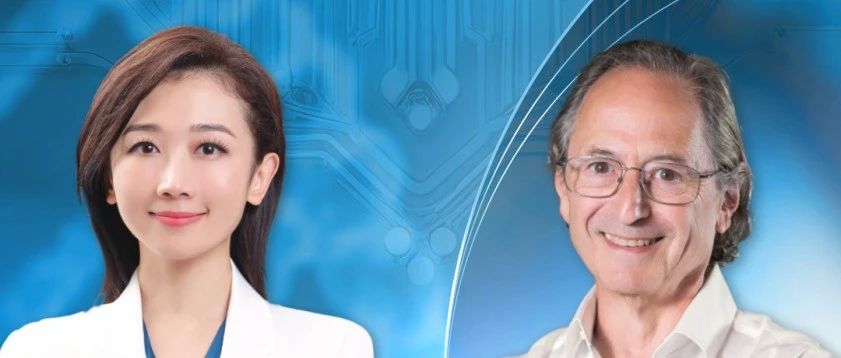
Core Viewpoint - The article discusses the interplay between biological intelligence, human intelligence, and machine intelligence, emphasizing their collective impact on the future of humanity [1][2][4]. Group 1: Biological Intelligence Insights - Michael Levitt highlights that biological intelligence is the most significant form of intelligence on Earth, as it has created all life forms, including humans, who in turn created computers [2][4]. - The principle of diversity in biological evolution suggests that maintaining diversity is crucial for adapting to an unpredictable future, which has important social implications for humanity [4][5][6]. Group 2: Impact of Machine Intelligence - Machine intelligence has been present for a long time, with any use of computers in scientific research being a form of machine intelligence [8][10]. - Levitt views artificial intelligence as an excellent assistant that can inspire new ideas through interaction, emphasizing its role in enhancing research related to human health [10][14]. - He expresses skepticism about the concept of a technological singularity, believing that the future is inherently unpredictable and that human-machine interactions will vary among individuals [12][15]. Group 3: Human Intelligence Reflection - Levitt asserts that human intelligence remains irreplaceable due to its innovative capacity, which allows for unexpected thoughts and ideas to emerge [17][19]. - He envisions a future where humans guide technology towards positive outcomes, with a focus on maintaining curiosity and openness to learning [19][21][22][23].

IP长线运营与技术创新持续释放用户价值,游戏出海韧性凸显,游戏ETF(159869)现涨近1%
Sou Hu Cai Jing· 2025-06-26 05:43
Group 1 - The gaming sector is experiencing a notable rebound, with the gaming ETF (159869) showing a near 1% increase and potentially achieving a four-day winning streak [1] - In May, China's gaming market grew by 9.86% year-on-year, reaching a market size of 280.51 billion yuan, driven by new and mature products [2] - Mobile games saw a year-on-year growth of 11.96%, while self-developed games' overseas revenue increased by 8.3%, indicating robust growth dynamics [2] Group 2 - The release of GPT-5 by OpenAI is expected to enhance industry-leading model performance and improve application sentiment, marking a significant step towards achieving Artificial General Intelligence (AGI) [1] - The gaming sector is catalyzed by multiple factors including AI, content, and commercialization model transformations, suggesting potential investment opportunities in the gaming ETF (159869) [2]

对话出门问问创始人李志飞:AI眼镜没有市场需求,硬件只是大模型载体
Tai Mei Ti A P P· 2025-06-26 03:58
Core Viewpoint - The company, Out of the Door, has launched its new AI hardware product, TicNote, which features advanced AI capabilities and aims to serve as a software carrier for continuous upgrades and iterations [2][7]. Product Launch - Out of the Door released TicNote, the world's first Agentic AI hardware, which is only 3mm thick and can be magnetically attached to smartphones [2]. - TicNote supports over 120 languages for transcription and can record continuously for over 20 hours [2]. - The overseas version was launched at a price of $159.99, while the domestic versions are priced at 999 yuan and 1499 yuan [2]. Company Strategy - The CEO, Li Zhifei, emphasized that the company is not focused on the sales volume of TicNote but rather on using it as a platform for software development and iteration [3][8]. - The company aims to avoid direct competition with major smartphone manufacturers by focusing on niche products that do not attract significant competition [9]. Financial Performance - For the fiscal year 2024, the company reported a revenue of 390 million yuan, a decrease of 23% from the previous year [7]. - The operating loss was 207 million yuan, with a gross margin of 52.1%, down from 64.3% the previous year [7]. - Revenue from AI enterprise solutions plummeted by 92.7% to 16.42 million yuan [7]. Future Outlook - Li Zhifei indicated that the company plans to release additional products, including smartwatches and earbuds, that will also utilize the Shadow AI technology [2]. - The company is currently seeking new narratives to revitalize its market presence, focusing on familiar AI hardware and software applications [7][10].
于超对话深度原理贾皓钧:做实验太苦?AI让科研人员“解放双手”
Xin Lang Cai Jing· 2025-06-25 20:00
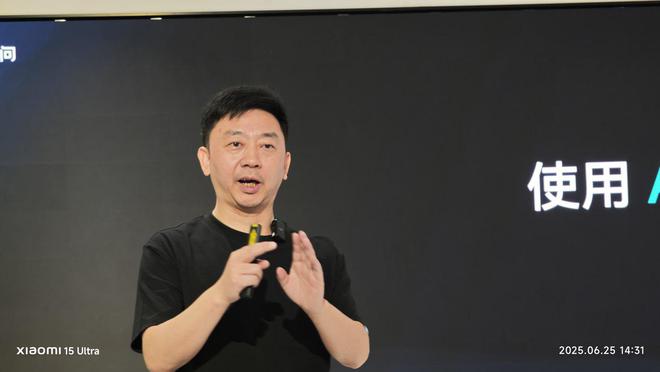
Group 1 - The 2025 New Champions Annual Meeting will be held in Tianjin from June 24-26, focusing on the theme of "Entrepreneurial Spirit in the New Era" [1] - The founder and CEO of Deep Principle, Jia Haojun, discussed the company's origins from a rehabilitation startup project at MIT in 2022, transitioning to AI-enabled chemical and materials research [1] - Jia Haojun outlined three stages of AI for Science: data dimensionality reduction and analysis, intelligent hypothesis generation and experimental validation, and nearing Artificial General Intelligence (AGI) for independent scientific discovery [1] Group 2 - Jia Haojun emphasized that high-quality data is often more critical than the model itself in vertical fields, particularly in science, where precision is paramount [2] - The company aims to empower production directly in the chemical and materials sectors, rather than providing AI tools to large American firms, leveraging China's unique industrial chain advantages [2] - In the competitive landscape of the AI era, Jia Haojun highlighted that reaction speed is a crucial competitive edge, more so than singular technological breakthroughs [2] - Looking ahead, Jia Haojun envisions a future where robots and AI will conduct chemical experiments, freeing researchers from manual tasks [2]
又一笔超1000倍回报的投资诞生了
投中网· 2025-06-25 07:23
Core Viewpoint - Meta's acquisition of Scale AI for $14.8 billion marks a significant move in the tech industry, reflecting the rising value of AI companies and the competitive landscape in AI development [5][15][18]. Group 1: Acquisition Details - Meta will acquire 49% of Scale AI, which will increase Scale AI's valuation from approximately $13.8 billion to $29 billion, effectively doubling its worth [5][3]. - This acquisition is Meta's second-largest deal after the $19 billion purchase of WhatsApp [5]. Group 2: Scale AI's Background and Growth - Scale AI, founded in 2016, specializes in data annotation and has become a key player in the AI industry, serving major clients like Google, Microsoft, and OpenAI [6][11]. - The company achieved an annual revenue of $750 million in 2023, marking a threefold increase year-over-year [12]. Group 3: Founder's Profile - Alexandr Wang, the 28-year-old founder of Scale AI, has a notable background, having dropped out of MIT to pursue his entrepreneurial ambitions [8][10]. - Wang's early investment from Y Combinator of $120,000 has yielded over 1,000 times returns, showcasing the potential of early-stage investments in successful startups [6][22]. Group 4: Strategic Importance for Meta - The acquisition is seen as a strategic move to alleviate Meta's "AI anxiety" and enhance its capabilities in AI development, particularly after facing challenges with its own AI models [15][16]. - By integrating Scale AI, Meta aims to reduce data contamination rates in training and shorten the training cycle for its next-generation AI models [17][18]. Group 5: Investor Returns - Early investors in Scale AI, including Y Combinator and Accel, are set to gain substantial returns from the acquisition, with Accel expected to receive over $2.5 billion [22][20]. - The investment landscape for Scale AI has attracted numerous high-profile venture capital firms, indicating strong confidence in its business model and growth potential [23].


【今晚播出】生物智能 机器智能和人类智能:三种智能驱动人类未来 |《两说》
第一财经· 2025-06-25 05:01
更多精彩内容,敬请关注6月25日晚22:30在 东方卫视 、6月28日晚22:00在 第一财经 频道播出的 《两说》节目。 两说 Business Insights 近年来,人工智能领域每隔一段时间就会出现一个突破性进展。技术层面,通用人工智能(AGI)、 量子计算与脑机接口等领域已无现成经验可循,人类正在踏入一个个科技领域的"无人区"。产业层面,人 工智能在不同场景下,与不同技术的结合,正在为人类的未来带来无穷想象。技术狂飙下,我们应该如何 思考人类与人工智能的关系?在2025年世界人工智能大会即将在上海举行之际,《两说》推出一组系列对 谈,以"探索AI'无人区'"为题,邀请代表性嘉宾,就人工智能发展过程中的热点问题进行深入探讨。 本期节目,由第一财经主持人张媛对话2013年诺贝尔化学奖获得者、斯坦福大学结构生物学系终身教 授、复旦大学复杂体系多尺度研究院荣誉院长迈克尔·莱维特。迈克尔·莱维特教授是当前计算生物学领域 的权威学者,他的研究成果包括DNA和蛋白质的分子动力学模拟,研究领域横跨生物学、物理学、化学、 计算科学等多个学科;他开创性地为复杂的化学系统发展了多尺度模型,因此获得2013年诺贝尔化学奖。 ...