
供应链

Search documents
Meta们的AI眼镜梦,绕不开中国供应链
Di Yi Cai Jing· 2025-10-22 06:53
Core Insights - The AI glasses market is rapidly evolving, with major players like Meta and Apple competing to launch innovative products, indicating a significant shift in consumer technology [1][10] - China is emerging as a key player in the global AI glasses supply chain, with over 80% of manufacturers based in the country, showcasing its competitive advantages in cost, efficiency, and technology [1][5][6] Market Trends - The global AI glasses market is projected to see a shipment volume of 4.065 million units in the first half of 2025, representing a year-on-year growth of 64.2% [4] - By 2029, the market is expected to exceed 40 million units, highlighting the increasing demand for AI glasses [4] Company Performance - Companies like GoerTek, Crystal Optoelectronics, and Sunny Optical Technology have seen significant stock price increases, with GoerTek's stock nearly doubling since April, reflecting investor confidence in the AI glasses sector [4][5] - GoerTek is reportedly securing orders for Meta's next-generation AI glasses, while Crystal Optoelectronics and Sunny Optical are recognized for their expertise in optical core technologies [4][5] Supply Chain Dynamics - China's supply chain capabilities are characterized by a comprehensive integration of components, including cameras, optical waveguides, MEMS, and batteries, with over 50% global market share in key areas [5][6] - The ability of Chinese manufacturers to deliver high-quality products at competitive prices is a crucial factor in the success of AI glasses [6][7] Technological Advancements - The industry is witnessing a shift from OEM (Original Equipment Manufacturer) to JDM (Joint Design Manufacturer) models, allowing Chinese companies to play a more active role in product design and innovation [7][8] - The integration of AI technology is expected to revolutionize user interaction with devices, potentially leading to a significant breakthrough akin to the "iPhone moment" for AI glasses by 2027 [10][14] Future Outlook - Experts predict that by 2027, AI glasses could replace smartphones as the primary device for interaction, contingent on advancements in technology and user experience [10][14][15] - Challenges such as interaction experience, computing power, battery life, and weight remain critical hurdles that need to be addressed for widespread adoption [15]




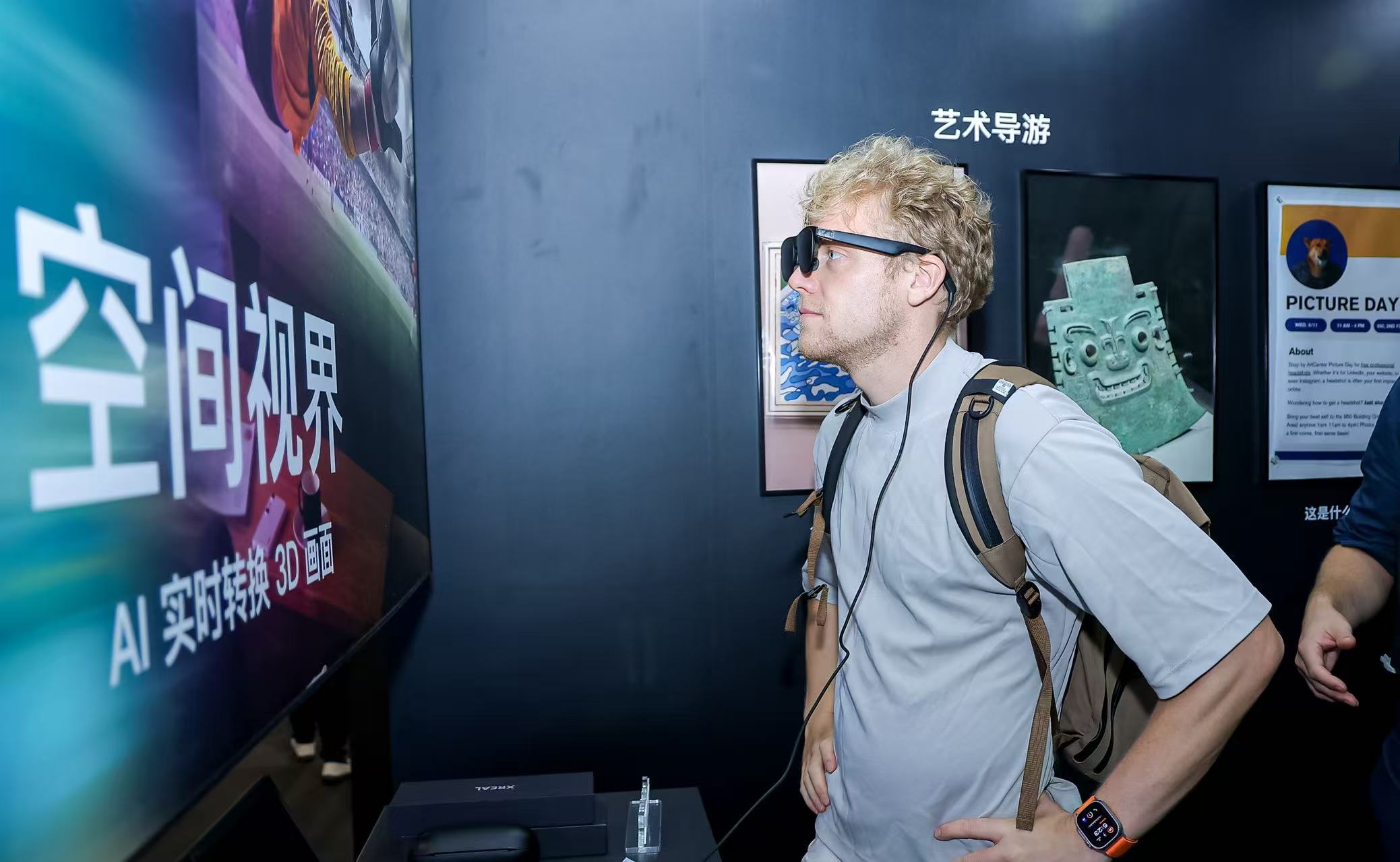
深耕地头 香飘全球:窄门十周年暨全球华人餐饮大会
3 6 Ke· 2025-10-21 06:30
Group 1 - The event features various industry leaders discussing localization strategies for chain restaurants in Southeast Asia, highlighting the importance of adapting to local markets [3][11][21] - Keynote speeches include topics on transformation and growth in the restaurant industry, emphasizing the need for innovation and cultural empowerment in branding [4][24] - The event includes a global report on the restaurant industry, covering insights from multiple regions including China, Taiwan, Singapore, Malaysia, the US, Canada, and Europe [18] Group 2 - Forums focus on high-quality supply chains and the globalization of Chinese cuisine, indicating a trend towards enhancing operational efficiency and quality in food supply [7][11] - Notable participants include founders and executives from leading restaurant brands, showcasing a diverse range of culinary expertise and business models [10][12][28] - The event aims to foster collaboration and knowledge sharing among industry players to drive growth and sustainability in the restaurant sector [30][32]

X @外汇交易员
外汇交易员· 2025-10-21 01:27
Trade Policy Concerns - NFTC urges the Trump administration to immediately suspend the "affiliate rule" [1] - The rule has caused billions of US dollars in US exports to stall [1] - The rule may prompt China and other countries to exclude US companies from their supply chains [1] - The rule contradicts Trump's desire to reduce trade deficits and expand US exports [1] Regulatory Impact - The "affiliate rule" prohibits US companies from exporting goods and technology to companies partially owned by sanctioned entities [1] Government Response - The White House and the US Department of Commerce have not responded to requests for comment [1]
U.S.-China trade relations are more optimistic than people think, says AEI's Derek Scissors
Youtube· 2025-10-20 23:43
Core Viewpoint - The U.S. needs to develop a comprehensive strategy beyond just rare earth mining to effectively counter China's influence in critical minerals and supply chains [1][3][11]. Group 1: Rare Earths and Critical Minerals - Australia is the fourth largest country in terms of rare earth and critical mineral deposits, making it a key player in the U.S. strategy [2]. - The U.S. exports rare earths to China, highlighting the need for a focus on refining capabilities, which Australia possesses through its largest refiner outside of China [3][4]. - Recent reports indicate that China's rare earth exports fell in September, and for the first time in seven years, China did not import soybeans from the U.S. in the previous month [5]. Group 2: Trade Relations and Supply Chains - There is potential for a short-term deal between the U.S. and China, which may involve concessions from the U.S. to resume soybean exports in exchange for a delay in China's rare earth controls [6][7]. - The long-term challenge for the U.S. lies in a broad range of supply chains, as China continues to build its control mechanisms beyond rare earths [8][11]. - The U.S. has significant mineral reserves and can collaborate with allies like Australia and Japan to enhance its supply chain resilience [9][10]. Group 3: China's Long-Term Strategy - China has a long-term strategy to build up its production capacity, particularly in advanced technology, which could exert more pressure on the U.S. regarding geopolitical issues like Taiwan [14][15][16]. - The timeline for China's self-sufficiency and production capabilities is uncertain, but it is a critical factor for the U.S. to consider in its strategic planning [13][15].

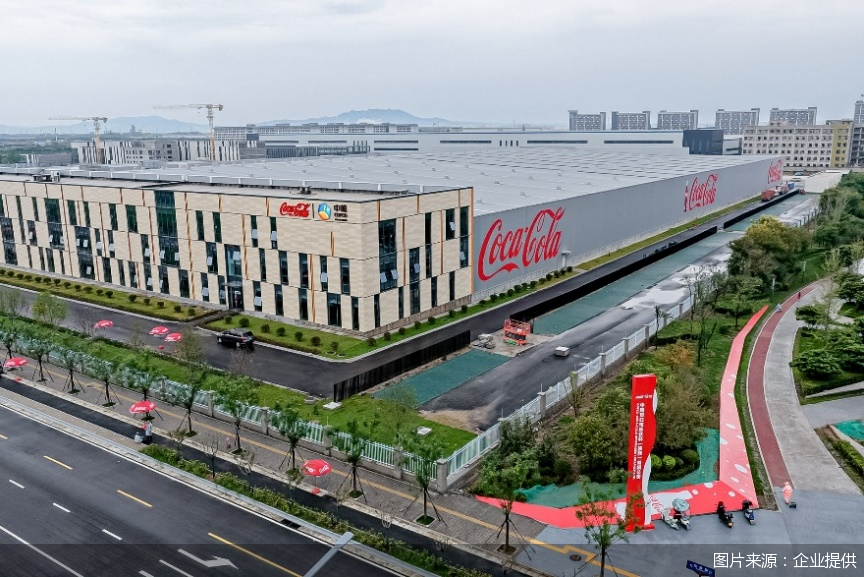
两大新厂投产,可口可乐放不下供应链
Bei Jing Shang Bao· 2025-10-20 11:15
Core Insights - Coca-Cola China has successfully launched two new factories in Shaanxi and Henan, along with the completion of the main structure of the Greater Bay Area smart green production base, as part of its strategic investment to enhance its supply chain resilience and agility in the Chinese market [2][3]. Group 1: Strategic Expansion - The new factories in the western and central regions represent a significant step in Coca-Cola China's strategic layout, aiming to strengthen the regional supply chain network and respond better to market changes [3]. - The Shaanxi factory is designed as a core hub in the west, featuring seven beverage production lines and one syrup production line, which will significantly enhance market supply capacity and service efficiency in the region [2]. - The Henan factory, with an annual production capacity exceeding 1 million tons, is the first world-class factory to emerge from Swire Coca-Cola's 12 billion yuan investment commitment in China [2]. Group 2: Technological and Environmental Initiatives - The Shaanxi factory incorporates multiple digital production lines and advanced management tools, utilizing an intelligent supply chain system that integrates AI technology for comprehensive process optimization [2]. - The Henan factory includes over 30 energy-saving and carbon reduction initiatives, such as a smart hot water center that reduces steam usage by over 60% and solar power generation for clean energy supply [2]. Group 3: Market Position and Competition - Coca-Cola maintains a strong market presence, holding approximately 90% of the market share alongside Pepsi, while facing competition from local brands like Beibingyang and Yuanqi Forest, which are gaining traction in niche markets [4][5]. - The company is adapting to the competitive landscape by enhancing its supply chain resilience and focusing on green production capabilities, aligning with the dual carbon policy and evolving consumer demands [5]. - Coca-Cola's recent investments and upgrades across five production bases over the past three years are aimed at consolidating its market share in China and addressing the growing health-conscious and diversified consumer preferences [5].

记者手记:为啥这么多外国人挤在广州这条地铁上?
Xin Hua Wang· 2025-10-18 14:18
Core Insights - The 138th Canton Fair is attracting over 200,000 foreign buyers, highlighting its significance as a global trade event [2][8] - The event showcases the advancements in Chinese manufacturing, with reports of factories achieving "dark production" through full automation [2][6] - The Canton Fair serves as a vital platform for international business connections, allowing participants to engage in face-to-face discussions and explore new opportunities [7][8] Group 1: Event Overview - The Canton Fair commenced on October 15, 2023, and is expected to draw a large number of international participants [2] - The event has been held continuously since its inception in 1957, demonstrating its enduring relevance in global trade [9] Group 2: Participant Experiences - Participants from various countries, including Italy, Senegal, and Georgia, express their positive experiences and the opportunities presented at the fair [3][4][7] - Many attendees emphasize the importance of personal interactions and the ability to discover new technologies and products at the fair [7][8] Group 3: Industry Insights - The fair reflects the evolution of Chinese manufacturing, with foreign buyers noting the increasing professionalism and innovation within the industry [6][7] - The event is seen as a critical venue for understanding market trends and establishing partnerships in the global supply chain [7][8]

中美关税大战:最大成果不是中国胜了,而是美国再无可能排除中国
Sou Hu Cai Jing· 2025-10-18 01:58
Core Insights - The trade conflict between the US and China has evolved since 2018, with the US attempting to isolate China but ultimately finding itself in a challenging position as China becomes increasingly integral to global trade [1][19] - The US's strategy of imposing tariffs has backfired, leading to increased costs for American consumers and businesses, while failing to significantly reduce China's market presence [3][9] - China's response to US tariffs has included diversifying its trade partnerships and strengthening its position in key industries, such as rare earths, which has further complicated the US's efforts to decouple from China [5][11] Trade War Dynamics - The US reintroduced tariffs on Chinese goods in early 2025, aiming to raise prices and push American consumers and businesses to seek alternatives, but this has resulted in higher costs and reduced profits for US companies [3][9] - Despite the US's attempts to shift supply chains to countries like Vietnam and India, the reality is that these nations lack the technological and efficiency advantages that China possesses, making it difficult to replicate China's industrial capabilities [7][9] - The interconnectedness of global supply chains means that many US companies still rely on Chinese components and materials, undermining the effectiveness of the US's decoupling strategy [9][11] China's Strategic Adjustments - In response to US actions, China has sought alternative markets and reduced reliance on US agricultural imports, while also enhancing its capabilities in critical technology sectors [5][11] - China's push for the internationalization of the yuan and the expansion of its cross-border payment systems indicates a strategic move to mitigate the impact of US financial pressures [11][13] - The trade war has prompted China to diversify its export markets, reducing its dependence on the US and Europe, and strengthening its position in global trade through initiatives like the Belt and Road [15][19] Global Economic Landscape - The trade conflict reflects a broader shift in the global economic order, moving away from a US-centric model to a more multipolar framework where various countries seek to find their own positions [13][19] - The US's unilateral approach to tariffs has faced pushback from allies and trading partners, who are increasingly reluctant to choose sides in the US-China rivalry [11][13] - The future of competition is likely to focus on coexistence rather than exclusion, as both the US and China must adapt to a more complex and interdependent global market [19]
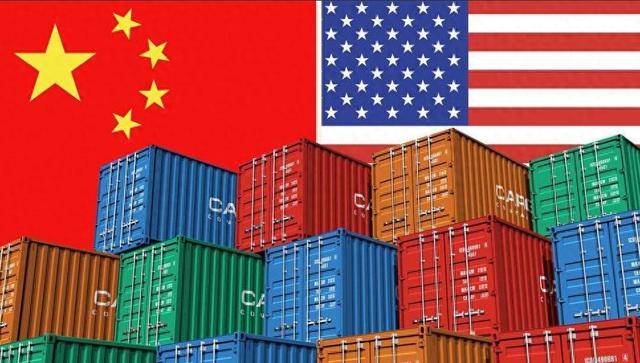
得不到稀土,31国计划对中国出招?还没开始,就被自己人泼了冷水
Sou Hu Cai Jing· 2025-10-17 09:13
Core Viewpoint - The recent discussions among 31 countries regarding potential strong measures against China's rare earths highlight a deeper geopolitical struggle over future technology, industrial security, and international discourse power, rather than mere trade friction [1] Industry Insights - Rare earths, despite their name suggesting scarcity, are not particularly rare in the Earth's crust. The challenge lies in economically and environmentally extracting and purifying them for high-tech applications. They are essential for various modern technologies, including smartphones, electric vehicles, military aircraft, and medical devices [3] - Over the past few decades, China has dominated the global rare earth supply chain due to its complete industrial chain and technological breakthroughs, giving it significant influence in this sector. As some countries attempt to block China's access to high-end technology, rare earths have become a focal point [5][7] Company Dynamics - China's recent actions against ASML, a semiconductor company, demonstrate its willingness to impose direct and precise countermeasures against perceived unfair treatment. By banning ASML from sourcing chips in China, the company faced production halts, impacting major European automotive clients like Volkswagen and BMW [7] - The internal divisions among the 31 countries seeking to unite against China reveal the complexities of their economic interests. Many European companies have deep ties to the Chinese market, making a forced decoupling economically painful [10] Strategic Developments - China is not merely focused on controlling resources for profit but is integrating rare earths into its broader national development strategy. This includes advancing the high-quality development of the rare earth industry, moving towards high-value products, and enhancing technological research [11] - The current rare earth competition reflects a significant shift in international rules and power dynamics. China's decisive countermeasures signal its commitment to protecting its core interests, while the fragmentation within the Western alliance indicates that unilateralism and bullying tactics are losing support [13]
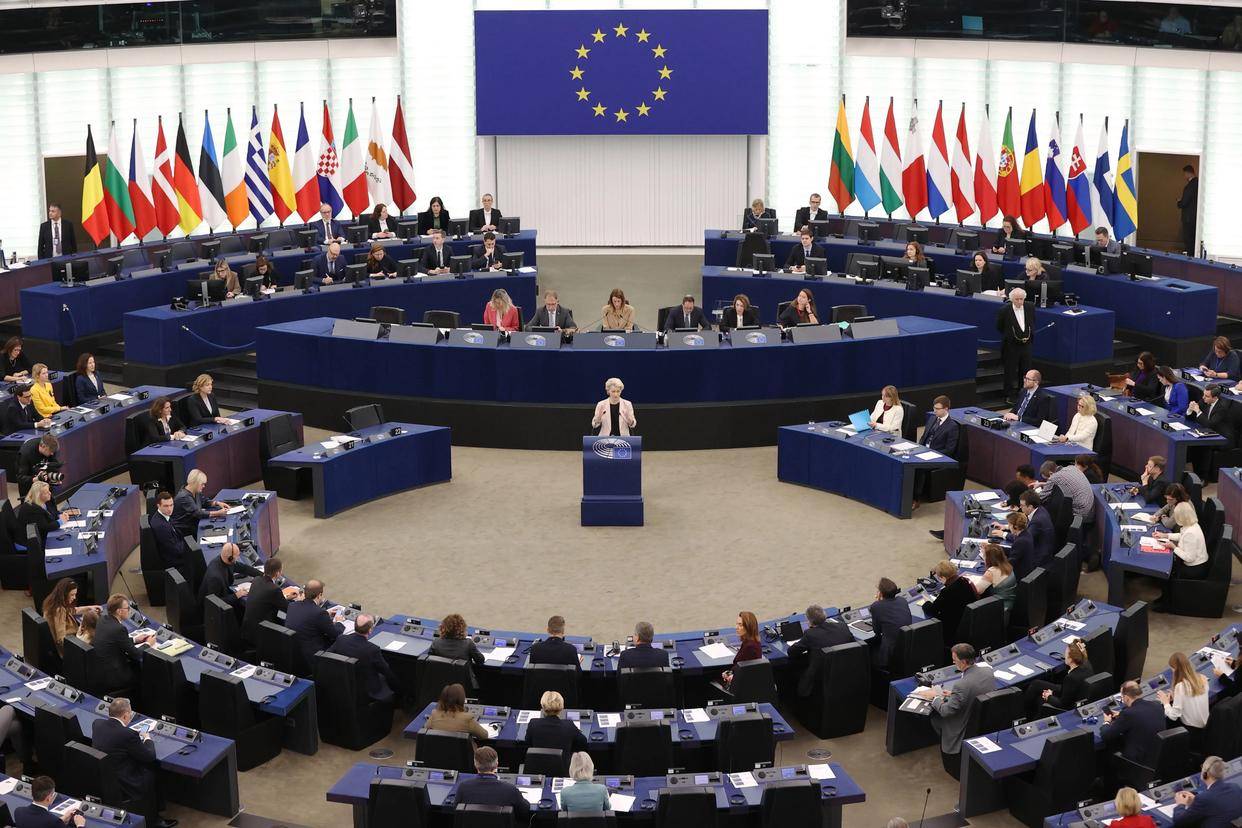
荷兰政府控制安世半导体危害供应链,外交部:有关国家应纠正错误做法
Zheng Quan Shi Bao Wang· 2025-10-17 08:00
Core Viewpoint - The Chinese government opposes the broadening of national security concepts and discriminatory practices against specific national enterprises, emphasizing the need to maintain global supply chains [1] Group 1 - The Dutch government's control over Nexperia, a semiconductor company, has raised concerns about potential supply chain disruptions, as warned by European and American automotive associations [1] - The Chinese government reiterates its commitment to safeguarding its legitimate rights and interests in response to these actions [1] - The Chinese spokesperson calls for countries to correct their erroneous practices and adhere to contractual spirit and market principles [1]
美联储官员沃勒:一旦供应链受到扰乱,可能无法恢复到此前的状态。
Sou Hu Cai Jing· 2025-10-16 13:51
Core Viewpoint - Federal Reserve official Waller stated that once supply chains are disrupted, they may not return to their previous state [1] Group 1 - The statement highlights concerns regarding the resilience of supply chains in the face of disruptions [1]