
全国统一大市场

Search documents
数说1月铁路运输“成绩单” 活力数据勾勒“流动中国”新图景
Yang Shi Wang· 2026-02-14 08:34
重点物资运输保障有力。1月份,国家铁路发送煤炭1.7亿吨,其中电煤1.1亿吨,全国铁路直供电厂存煤保持较高水平。加大春耕 化肥运输保障力度,1月份,国家铁路粮食、化肥运量同比分别增长54.1%、24.4%。 央视网消息:国铁集团的消息,今年1月,国家铁路累计发送货物3.32亿吨,日均装车18.07万车,同比增长3%。 物流服务品质持续提升。今年以来签订物流总包合同662个,锁定合同运量4.73亿吨;1月份,全程物流运量完成3589.4万吨、同 比增长144.7%。 跨境货物运输稳定畅通。1月份,中欧班列开行1842列,同比增长28%;中老铁路跨境货物列车累计发送货物50万吨,同比增长 4%;西部陆海新通道铁海联运班列累计发送集装箱11.5万标箱,同比增长10%,助力高水平对外开放。 物流产品供给优质高效。1月份,货运班列运量同比增长36.9%;集装箱运量同比增长15.2%;铁水联运量完成155.5万标箱,同比 增长15.3%,有力支持建设全国统一大市场。 ...

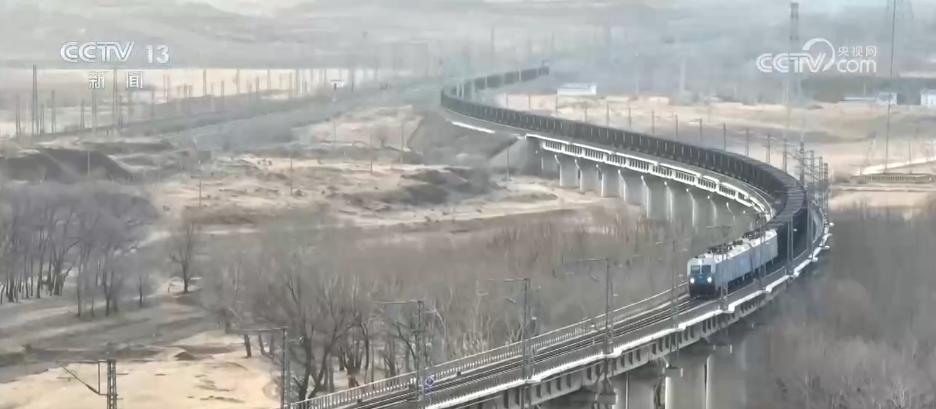
1月份国家铁路发送货物3.32亿吨 同比增长1.6%
Zhong Guo Xin Wen Wang· 2026-02-14 02:32
一是重点物资运输保障有力。充分发挥我国铁路全国一张网、运输集中统一指挥优势,对国计民生重点 物资加强运力保障,确保运输通畅,1月份国家铁路发送煤炭1.7亿吨,其中电煤1.1亿吨,全国铁路直供 电厂存煤保持较高水平,全力保障人民群众温暖过冬,安心过节。对接有关企业做好粮食运输工作,加 大春耕化肥运输保障力度,1月份国家铁路粮食、化肥运量同比分别增长54.1%、24.4%。 二是物流产品供给优质高效。加快发展客车化班列和集装化运输,发挥专业运输优势,拓展专精特新专 业物流、冷链物流和高铁快运市场,1月份货运班列运量同比增长36.9%,集装箱运量同比增长15.2%, 有力支持建设全国统一大市场。加强与社会骨干物流企业战略合作,持续优化全程物流产品,压缩中间 环节,提高运输效率,推动多式联运发展,1月份国家铁路铁水联运量完成155.5万标箱、同比增长 15.3%,其中铁水联运"一单制"物流产品累计订舱7808标箱。 三是物流服务品质持续提升。紧密对接市场需求,全面融入企业供应链,提高物流总包质量,今年以来 签订物流总包合同662个,锁定合同运量4.73亿吨。用好铁路网络货运平台为客户提供铁公联运服务, 入驻社会车辆达 ...
中国1月信贷数据重磅发布,政府债成新增社融主要支撑
Huan Qiu Wang· 2026-02-14 01:03
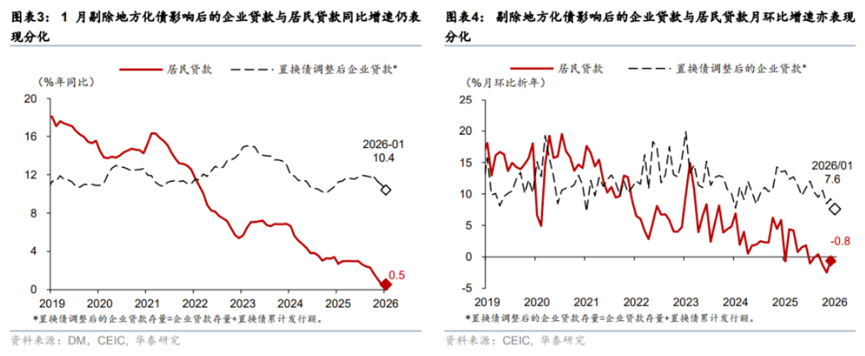
【环球网财经综合报道】据央行初步统计,1月份社会融资规模增量为7.22万亿元,比上年同期多1662亿元;人民币贷款增 加4.71万亿元,月末余额276.62万亿元,同比增6.1%。1月末,M2同比增长9%,M1同比增长4.9%。 与此同时同时,1月份企业新发放贷款加权平均利率约为3.2%,比上年同期低约20个基点;个人住房新发放贷款加权平均 利率为3.1%,与上年同期基本持平。 值得关注的是,2026年开年以来,央行出台了一批支持实体经济的货币金融政策,积 极助力经济结构转型优化。权威专家表示,货币政策调整是一次性的,但调整后对实体经济的影响是持续的,观察政策效 果的重点还在于关注累积效应。 华泰证券还分析认为,信贷开门红、叠加外汇大规模流入,将有助于改善实体经济和市场流动性。高频数据显示,外需维 持较高景气度,春运居民出行活跃,基建及地产成交相关指标边际改善、但仍偏弱,显示开年内外需均边际改善。如果在 全国统一大市场建设推进下、企业供需格局进一步优化,PPI同比降幅将有望继续收窄,核心CPI亦有望改善。 华泰证券撰文点评指出,从社融分项看,政府债净发行、企业短期贷款和居民短期贷款分别同比多增2831、310 ...
要回农村过年了,才猛然感觉到城市化的迅速
虎嗅APP· 2026-02-14 00:28
Core Viewpoint - The article discusses the rapid urbanization process in China, highlighting the unique characteristics and challenges associated with it, particularly in relation to the real estate industry and housing quality [9][10][12]. Group 1: Urbanization Process - China's urbanization rate increased from 30% to 70% in just 40 years, a pace unmatched globally [9][10]. - The urbanization rate is projected to rise from 37.66% in 2001 to 67.89% by 2025, indicating a significant shift in population dynamics [9]. - The gap between the permanent resident urbanization rate and the registered population urbanization rate was 18.49 percentage points in 2020, affecting approximately 261 million people [12]. Group 2: Land Reform and Urbanization - The urbanization process in China is characterized by a "land-driven" model, influenced by three key land reforms: the 1994 tax-sharing reform, the 1998 housing market reform, and the 2003 land auction system [12][15]. - These reforms have created a system where local governments are incentivized to generate revenue through land sales, leading to rapid urban expansion [15]. Group 3: Housing Development Stages - The article outlines the evolution of housing in China, from the initial focus on basic needs in the 1980s to the current emphasis on quality and additional value in housing [18][20]. - The average living space per urban resident increased from 6.7 square meters in 1978 to approximately 40 square meters by 2022, reflecting significant improvements in living conditions [18]. - The transition from welfare housing to market-oriented housing began in the late 1990s, leading to a surge in housing quality and diversity [20][22]. Group 4: Current Trends and Future Directions - The real estate market is undergoing a structural transformation, with a shift from investment-driven demand to a focus on living quality and sustainability [24][30]. - The "fourth generation" of housing emphasizes high-quality living environments, with over 60% of buyers prioritizing comfort over location and investment potential [24]. - Future reforms aim to enhance public services and housing quality, addressing the mismatch between urban resources and population mobility [30].

到一线求解粮安民生答案
Xin Lang Cai Jing· 2026-02-13 22:46
Core Viewpoint - The article emphasizes the importance of food security and the need for efficient grain circulation and agricultural modernization in China, particularly through the efforts of representatives like Zhang Gong who focus on grassroots research and practical solutions [1][2]. Group 1: Food Security and Grain Circulation - Zhang Gong, a representative from Henan, prioritizes food security and addresses challenges in grain circulation, particularly in logistics and infrastructure [1][2]. - Research conducted in key grain-producing areas revealed issues such as unbalanced multi-modal transport development and insufficient infrastructure for grain transfer [2]. - Zhang advocates for a national-level coordination mechanism and a three-tiered transport network to enhance grain circulation efficiency [2]. Group 2: Agricultural Equipment and Technology - The article highlights the need for intelligent upgrades in agricultural equipment, with Zhang conducting multiple surveys to identify barriers in the adoption and use of smart farming machinery [3]. - Issues such as low market share of domestic high-end agricultural machinery and insufficient skills among operators were noted, leading to recommendations for interdisciplinary collaboration and improved service systems [3]. Group 3: Community and Social Services - Zhang's initiatives extend to community services, focusing on improving the quality and transparency of domestic services, which are crucial for enhancing the quality of life for citizens [4]. - Recommendations include establishing a standardized service system for the domestic service industry to address issues like service quality and workforce structure [4]. - The commitment to addressing community needs reflects a broader goal of ensuring social stability and enhancing public welfare [4].
兆讯传媒2025年业绩预告发布,净利润大幅下滑
Jing Ji Guan Cha Wang· 2026-02-13 05:47
Core Viewpoint - Zhaoxun Media (301102) forecasts a significant decline in net profit for 2025, expected to drop over 80% year-on-year, primarily due to pressures on high-speed rail media advertising and the cultivation of new business ventures [1][2]. Business and Financial Performance - The company anticipates a net profit attributable to shareholders of between 10.5 million and 13.5 million yuan for 2025, representing a year-on-year decrease of 82.15% to 86.12% [2]. - The decline is attributed to adjustments in client advertising strategies affecting revenue from high-speed rail media, while the outdoor naked-eye 3D screen business is still in the cultivation phase [2]. Business and Technical Development - The company is accelerating the expansion of its outdoor naked-eye 3D high-definition screen business, having established a presence in key commercial areas such as Guangzhou, Chengdu, and Beijing, and has gained recognition from leading brands [3]. - This business is viewed as a "second growth curve," with limited short-term contributions but long-term growth potential supported by industry digitalization trends [3]. Company Status - On January 16, 2026, the company clarified on its investor relations platform that it has not partnered with Tokai Special Steel Co., Ltd., reflecting its proactive response to market rumors [4]. - Such interactions may influence short-term market sentiment, necessitating attention to future communications [4]. Industry Policy and Environment - By 2025, China's high-speed rail network has surpassed 50,000 kilometers, providing resource scenarios for the company's high-speed rail media business [5]. - The construction of a unified national market may enhance the value of outdoor media traffic, although risks from emerging media diverting attention still exist [5]. Financial and Technical Aspects - On February 2, 2026, the company's stock price fell by 2.02%, with a net outflow of 564,500 yuan in principal funds, despite a cumulative increase of 20.40% this year, indicating intensified market contention [6]. - The financing balance remains high, reaching 67.6664 million yuan on January 22, with changes in fund flow potentially exacerbating short-term volatility [6].
新春走基层·我在,我看,我记录丨年货坐飞机 马上到您家
He Nan Ri Bao· 2026-02-12 23:24
Core Viewpoint - The article highlights the significant increase in postal aviation activities in Henan during the Spring Festival, showcasing the efficiency and effectiveness of the postal service in delivering goods across the country, thereby enhancing local economies and consumer experiences [1][2][3]. Group 1: Postal Aviation Operations - On February 5, a postal cargo flight CF9092 landed at Zhengzhou Xinzheng International Airport, carrying various regional specialties, indicating the busy operations of postal aviation during the Spring Festival [1]. - Henan Postal Service has implemented a "Postal + Civil Aviation" dual-channel coordination model, increasing the frequency of flights on popular routes, with a total of 152 flights daily, an increase of 40 flights compared to normal operations [1]. - The average daily processing volume of postal aviation has reached 33,000 bags (pieces) and approximately 71 tons, reflecting a nearly 50% increase compared to regular days, with a mail load rate exceeding 90% [2]. Group 2: Delivery Efficiency and Consumer Impact - Mail packages from other provinces are sorted and dispatched to various locations in Henan, with deliveries typically completed by noon on the same day the flight lands [2]. - The article mentions specific examples of timely deliveries, such as a fresh package from Inner Mongolia reaching a consumer in Xinxiang within three days, highlighting the efficiency of the service [2]. - The use of advanced packaging methods, including multi-layer protective packaging for fresh goods, has resulted in a low damage rate of under 3%, ensuring product quality during transit [2]. Group 3: Economic and Cultural Significance - The postal aviation network facilitates the distribution of local specialties from Henan to various parts of the country, while also bringing in products from other regions, enhancing the festive atmosphere and supporting local economies [3]. - The efficient logistics services provided by the postal aviation sector contribute to the integration of Henan into the national market, stimulating domestic consumption and economic activity during the Spring Festival [3].
天津五大商协会共筑民企融合发展“生态圈”
Xin Lang Cai Jing· 2026-02-12 22:40
Core Insights - The meeting titled "Gathering Strength for Integration and Coexistence" focused on the integration and development of private enterprises in Tianjin, emphasizing the need for collaboration among various stakeholders to enhance the private economy [2][7] Group 1: Integration and Development Strategies - The private economy in China is at a critical juncture of transformation and global industrial chain restructuring, necessitating a collective response from private entrepreneurs to navigate challenges and seize opportunities [2] - Tianjin's municipal leaders highlighted the importance of promoting industrial, regional, and economic integration to empower local development and support the healthy growth of private enterprises [2][7] - Five major business associations presented a pragmatic action initiative aimed at guiding private enterprises to focus on advanced manufacturing and key integration directions to cultivate new productive forces [2][3] Group 2: Collaborative Ecosystem - The event was co-hosted by several business associations, which outlined a practical path for integration, emphasizing the creation of a large business chain that connects various sectors through innovation, talent, and funding [3] - The concept of transforming leading enterprises from "competitors" to "enablers" was discussed, aiming to create an ecosystem where small and medium enterprises evolve from "suppliers" to "collaborators" [3] - A comprehensive initiative was proposed to establish a "development community, service community, governance community, and spiritual community," marking a shift from conceptual discussions to organized collective actions [5] Group 3: Policy Support and Future Directions - The Tianjin Development and Reform Commission provided insights into the latest policies supporting the private economy, offering clear guidance for enterprises to leverage policy benefits [2] - The meeting underscored the importance of integrating various resources, including technology, capital, and talent, to drive high-quality development in the private sector [6] - The enactment of the "Tianjin Private Economy Promotion Regulations" in 2026 is expected to create a favorable legal and policy environment for the growth of the private economy in Tianjin [7]
首个“万亿区”,让“中国潜力”更具象了
Xin Lang Cai Jing· 2026-02-12 19:36
Group 1 - Nanshan District in Shenzhen has become the first district in China to surpass a GDP of 1 trillion yuan, highlighting the potential of China's economy and the emergence of more districts aiming for similar achievements [1][2] - The economic leap of Nanshan is attributed to Shenzhen's innovative ecosystem, the collaborative opportunities provided by the Guangdong-Hong Kong-Macao Greater Bay Area, and the effective interaction between government and market forces [2][3] - The construction of a unified national market is breaking down regional barriers and reshaping economic geography, creating opportunities for more districts to replicate the "Nanshan miracle" [2][3] Group 2 - The county-level economy in China now accounts for nearly 40% of the national GDP, indicating its significance in the national economy and a narrowing gap in regional development [3] - Various counties are developing unique industrial clusters, such as Jiangyin's listed companies and Yiwu's global trade network, contributing to a multi-faceted economic growth across different regions [3][4] - The acceleration of industrial upgrades in specific sectors, such as electronics and sports goods, is driving China's economy towards higher-end, intelligent, and green transformations [4][5] Group 3 - Nanshan District leads in innovation, with over 860 invention patents per 10,000 people, significantly higher than the national average, indicating a strong capacity for innovation [5] - The rapid development of county clusters is expected to spread quality innovation resources across broader regions, enhancing the overall stability and resilience of China's economy [5] - The breakthrough of Nanshan is seen as a new starting point, with over 2,800 counties in China poised to unleash their potential and contribute to economic growth [5]
江苏服务业发展势头稳健向好
Jiang Nan Shi Bao· 2026-02-12 15:14
Core Insights - The service industry in Jiangsu Province is projected to achieve a value-added of 76,943.7 billion yuan in 2025, reflecting a year-on-year growth of 5.8% and accounting for 54% of the regional GDP, an increase of 0.9 percentage points from the previous year [1] Group 1: Service Industry Growth - The service industry is expected to maintain a steady growth trajectory, with significant contributions from the production-oriented service sector and the continuous empowerment of digital technology and scientific research [1] - The new momentum in the service industry is accelerating development, and the supply of service consumption is becoming increasingly rich [1] Group 2: Consumer Services Performance - From January to November of the previous year, the revenue of large-scale consumer service industries increased by 5.6% year-on-year, which is an improvement of 1.3 percentage points compared to the period from January to August [1] - Specific sectors such as tourism, entertainment services, cultural services, and resident travel services saw year-on-year growth rates of 11.1%, 11.2%, and 15.9% respectively [1] - The revenue from sports event organization increased by 35.7% year-on-year, driven by the long-tail effect of events like "Su Chao" [1] Group 3: Future Directions - The provincial statistics bureau emphasizes the need to focus on enhancing the capacity and quality of production-oriented services, actively integrating into and supporting the construction of a unified national market [1] - There is a push to cultivate and strengthen new productive forces in the service industry to further unleash the potential of service consumption [1]