
技术创新

Search documents
“中国春天” 花开世界
Xin Lang Cai Jing· 2026-02-13 20:37
Core Viewpoint - The article highlights the transformation and success of Tianjin Deyi Technology Co., Ltd. in the silk flower industry, emphasizing its innovative approach and international market expansion, particularly in Europe. Company Overview - Tianjin Deyi Technology Co., Ltd. operates in a 7,000 square meter facility, producing silk flowers, including a significant order of 20,000 simulated orchids destined for Europe [4][9]. - The company is led by General Manager Shang Enxiang, who emphasizes the importance of innovation and quality in their products [4][9]. Industry Context - The silk flower industry is concentrated in the Caozili Town of Wuqing District, Tianjin, which is home to over 600 silk flower enterprises and six specialized villages [5]. - Approximately one-third of all silk flowers in China originate from this region, with the industry having a rich history of over 300 years [5][6]. Market Performance - In the previous year, the company sold 100,000 pots of orchids in Europe, doubling its sales compared to the previous year [5]. - The silk flower industry in Caozili is facing pressures from international market fluctuations, prompting a need for innovation and adaptation [6]. Innovation and Technology - Deyi Technology is embracing advanced technologies such as 3D printing to enhance product design and quality, moving away from traditional price and speed competition [7][9]. - The company has invested nearly one million yuan in developing specialized materials and high-precision molds for their products, resulting in significant revenue generation [9]. Future Direction - The industry is shifting towards a focus on design, technology, and brand differentiation as key competitive factors [7][9]. - Deyi Technology aims to establish itself as a leader in quality and innovation, with various national patents and recognitions as a high-tech enterprise [9].


宇通客车:公司通过持续的技术创新等不断提升品牌影响力
Zheng Quan Ri Bao Wang· 2026-02-13 13:14
Group 1 - The company emphasizes its commitment to continuous technological innovation, high product quality, and comprehensive after-sales service to enhance brand influence [1]

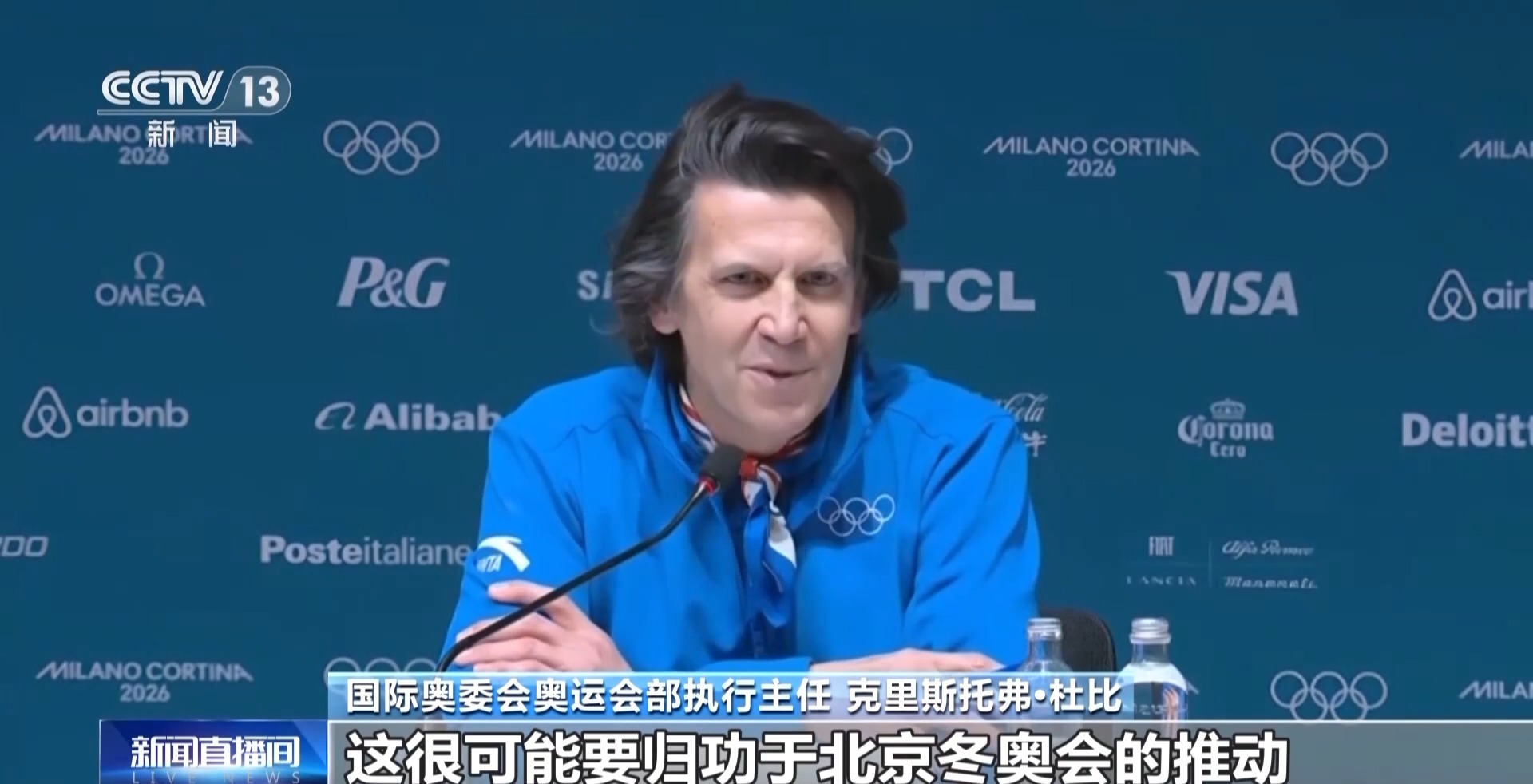
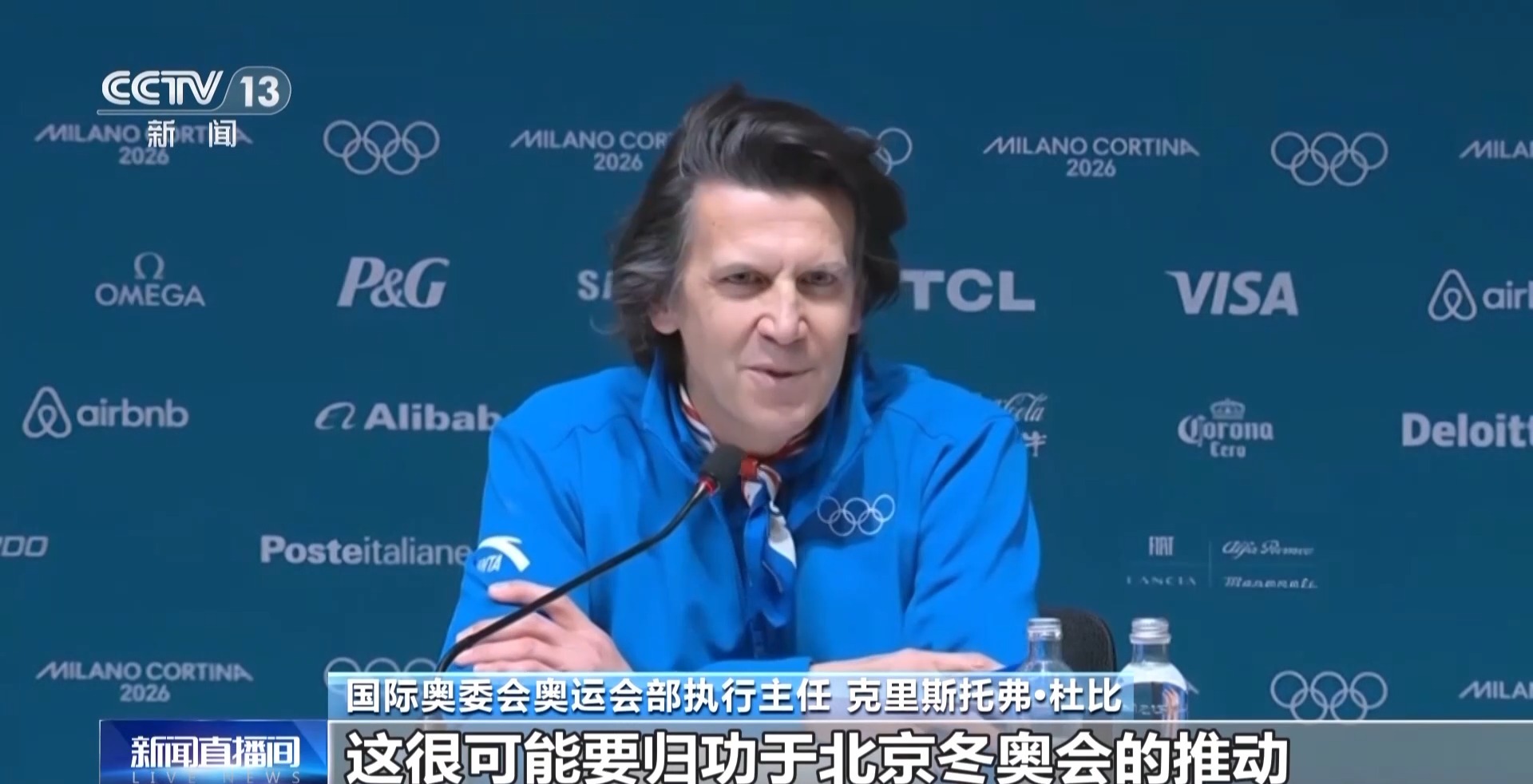
视频丨“我们从中国学到许多经验” 国际奥委会官员高度评价北京冬奥会
Yang Shi Xin Wen Ke Hu Duan· 2026-02-13 13:09
Core Insights - The International Olympic Committee (IOC) Executive Director Christopher Dubi praised the sustainable development and technological innovations of the Beijing Winter Olympics, stating that these achievements provide valuable experience for future Olympic events [1][3]. Group 1: Sustainable Development - All venues of the Beijing Winter Olympics were powered by the city's green power grid, utilizing renewable energy without the need for temporary power facilities [7]. - The event made significant advancements in snow-making and water resource recycling, particularly in the Yanqing competition area [7]. Group 2: Technological Innovations - The Beijing Winter Olympics introduced a new refrigerant technology for ice rinks, which had never been applied before, resulting in high ice quality and significantly reduced environmental impact [7]. - Many Chinese brands showcased innovative technologies at a major winter sports exhibition, including artificial snow technology that could simulate snowfall indoors [3]. Group 3: Growth of Winter Sports - The popularity of winter sports in China has surged, with participation numbers rising from an initial target of 300 million to nearly 400 million, largely attributed to the influence of the Beijing Winter Olympics [5].
“我们从中国学到许多经验” 国际奥委会官员高度评价北京冬奥会
Yang Shi Xin Wen Ke Hu Duan· 2026-02-13 12:27
Core Insights - The International Olympic Committee (IOC) Executive Director Christopher Dubi praised the sustainable development and technological innovations of the Beijing Winter Olympics, stating that these achievements provide valuable experience for future Olympic events [1][5] Group 1: Sustainable Development and Innovations - All venues of the Beijing Winter Olympics were powered by the city's green power grid, utilizing renewable energy without the need for temporary power facilities [5] - The event made significant advancements in snow-making and water resource recycling, particularly in the Yanqing competition area [5] - A notable innovation was the use of a new refrigerant technology for all ice rinks, which had never been applied before, resulting in high ice quality and reduced environmental impact [5] Group 2: Growth of Winter Sports in China - The popularity of winter sports in China has surged, with participation numbers rising from an initial target of 300 million to nearly 400 million, largely attributed to the influence of the Beijing Winter Olympics [3] - The event has led to an increase in the presence of Chinese brands showcasing innovative technologies, including artificial snow technology [1][3]
鱼跃新春 产销两旺 新疆兵团盐碱地养出“致富鱼”
Zhong Guo Xin Wen Wang· 2026-02-13 12:18
Core Insights - The fish farming industry in the Sixteenth Regiment has transformed a previously unproductive saline-alkali land into a thriving aquaculture hub, leveraging local water resources and technological innovations to overcome challenges in fish farming [1][2] - The total fish production in 2024 is projected to reach 6,321 tons, accounting for 54% of the total production in Aral City, with a value exceeding 1.56 billion yuan [2] - By 2025, fish production is expected to increase to 6,780 tons, with an estimated value of 1.9 billion yuan, indicating a robust growth trajectory for the industry [2] Industry Development - The Sixteenth Regiment has established a comprehensive aquaculture ecosystem by nurturing leading enterprises such as Changxin Aquaculture and Jinhong Aquatic Products, fostering a full-chain development model that includes breeding, processing, and branding [2] - The continuous expansion of aquaculture scale is leading to the development of deep processing projects for aquatic products, enhancing the value chain and product offerings [2] - The focus on technological innovation and brand strengthening is aimed at promoting high-quality development in the aquaculture sector, contributing to rural revitalization efforts [2]
优彩资源获发明专利并获机构调研,股价近期波动
Jing Ji Guan Cha Wang· 2026-02-13 11:08
Core Viewpoint - Youcai Resources (002998) has received a patent for a multi-objective optimization method for recycled polyester fibers, which will enhance its intellectual property system and promote technological innovation [1] - The company anticipates a marginal improvement in performance due to expected price increases in PTA driven by national "anti-involution" policies [1] Stock Performance - On February 11, 2026, Youcai Resources' stock price increased by 2.34%, closing at 8.73 yuan, with a net inflow of 4.4148 million yuan and a turnover rate of 3.55% [2] - The stock experienced significant volatility over the past week, reaching a high of 9.00 yuan on February 9 and a low of 8.52 yuan on February 12, with a fluctuation range of 6.33% [2] - As of February 13, the latest price was 8.52 yuan, with a 5-day change of -0.12%, underperforming the chemical fiber sector, which declined by 1.64% [2] - The number of shareholders as of February 10 was approximately 17,200 [2] Institutional Insights - Institutional research indicates a positive outlook for Youcai Resources' 2026 performance, with expectations that the recovery in PTA prices will lead to an improvement in product gross margins [3] - Current institutional ratings are predominantly neutral, with a projected net profit growth of 11.01% year-on-year for 2025 [3] - Market sentiment is generally neutral, with a low proportion of fund holdings, but profit forecasts suggest a potential year-on-year net profit growth of 46.24% for 2026 [3]
2026车企新车规划盘点 这些新车值得关注
Zhong Guo Zhi Liang Xin Wen Wang· 2026-02-13 06:54
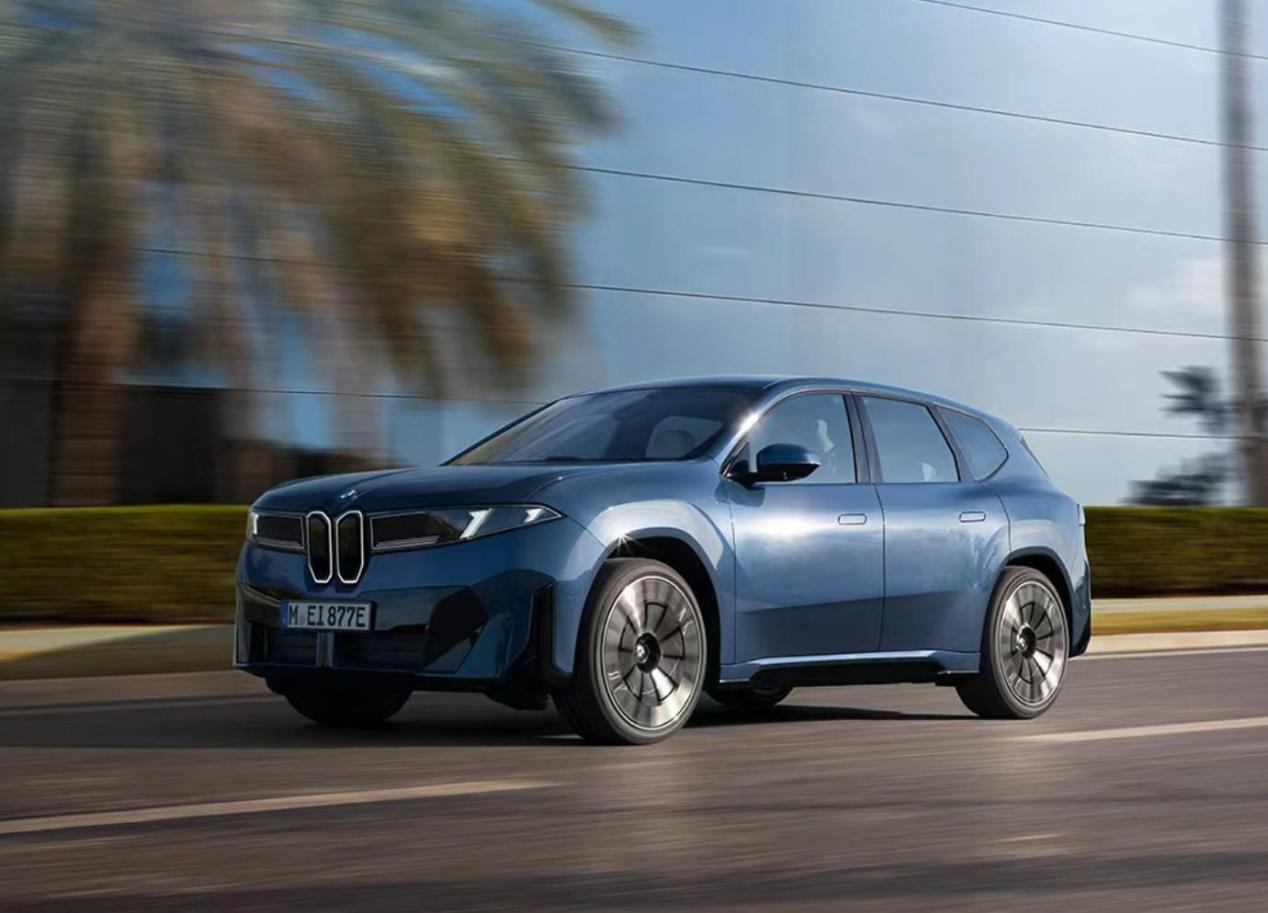
Industry Overview - The domestic automotive industry is entering a new phase focused on quality and efficiency, moving away from price competition to technology innovation and product upgrades to attract consumers [1] - In 2025, domestic passenger car production and sales are expected to reach new highs, with various automakers announcing new vehicle plans across different segments [1] BMW Group - BMW Group plans to launch approximately 20 new models across its three brands by 2026, including the locally produced BMW iX3 long-wheelbase version [2] - The new models will incorporate advanced technologies such as BMW's new generation electric drive technology and AI integration [2][4] Mercedes-Benz - Mercedes-Benz will introduce over 15 new and updated products in 2026, adhering to a strategy of "oil-electric homogeneity" and "oil-electric intelligence" [5] - The lineup will include new models like the long-wheelbase pure electric GLC SUV and the next-generation S-Class sedan [5][7] FAW-Volkswagen - FAW-Volkswagen plans to launch up to 13 new models in 2026, covering fuel, hybrid, and pure electric vehicles [9] - New models will include the all-new Sagitar S, Tayron S, and several Audi models, with a focus on advanced intelligent cockpit and driving assistance systems [9] SAIC Volkswagen - SAIC Volkswagen aims to release at least 7 new energy vehicles in 2026, emphasizing a strategy of "oil-electric co-progression" [11] - The ID.ERA 9X will be the first model in the new ID.ERA series, marking a significant step in the brand's transition to new energy [11] BYD - BYD plans to launch multiple new models across its various brands in 2026, including flagship models in the Dynasty and Ocean series [13] - The company will hold 12 product launch events throughout the year, covering high-end SUVs, performance supercars, and sedans [13] Geely - Geely is expected to introduce over 10 new energy models in 2026, covering various segments such as sedans, SUVs, and MPVs [15] - The Galaxy series will see the addition of new mid-to-large sedans and SUVs, while the Zeekr brand will focus on high-end models [15] Leap Motor - Leap Motor plans to launch 4 new models targeting the mainstream and high-end markets, including a small pure electric SUV and a flagship MPV [17] NIO - NIO will introduce several new models across its three brands, including the flagship ES9 SUV and the L80, a "super five-seat SUV" [18] XPeng Motors - XPeng Motors will launch 7 new "dual-energy" models in 2026, including the new AI luxury SUV [20] - The company emphasizes the integration of self-developed technologies in its new models [20] Hongmeng Zhixing - Hongmeng Zhixing plans to launch 12 new models in 2026, covering a wide price range from family cars to ultra-luxury vehicles [22] - The lineup will include new SUVs and MPVs, with a focus on differentiating market segments [22]


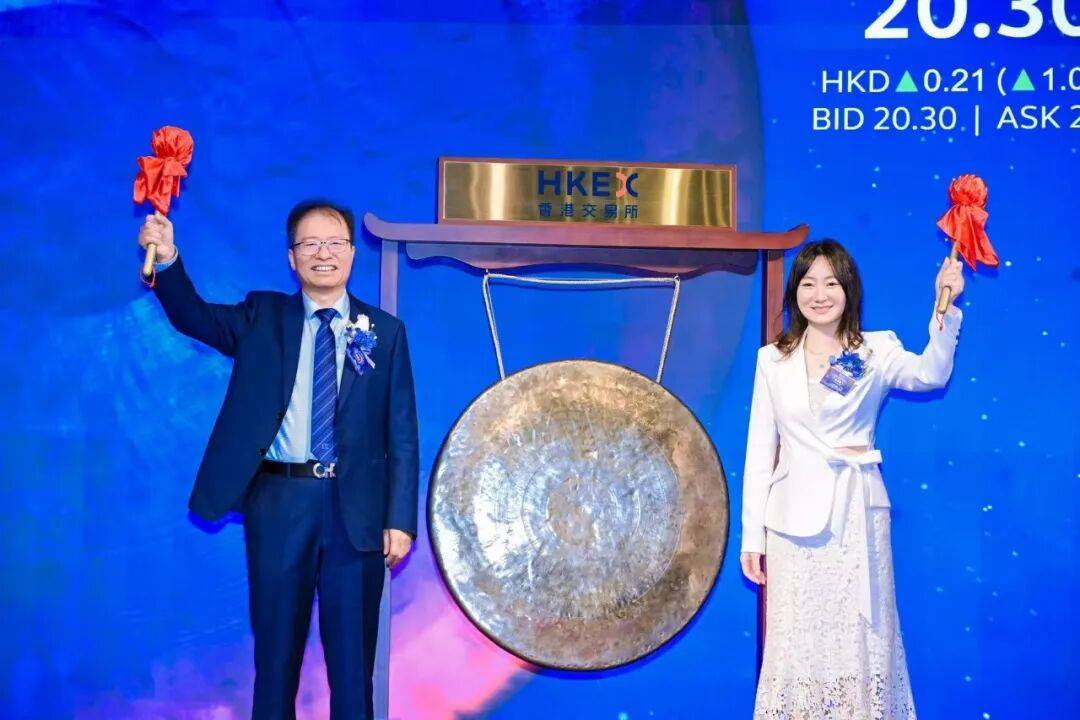
“A+H”双重上市!坪山这家企业今天香港联交所鸣锣
Sou Hu Cai Jing· 2026-02-13 05:04
Group 1 - The core viewpoint of the article highlights that Shenzhen Wole Material Co., Ltd. has successfully listed on the Hong Kong Stock Exchange, achieving a dual listing ("A+H") which marks a significant milestone for the company and reflects the internationalization of China's new materials industry [1][9] - The company has a strong focus on high polymer radiation-modified materials, targeting five core business areas: communication cables, electronic materials, new energy vehicles, electricity, and wind power generation, while establishing a global production and marketing network [2] Group 2 - Wole Material has built over ten production bases across key regions in China, with efficient operations that meet regional market demands. Internationally, the company is expanding its production capacity in Vietnam, progressing in Malaysia, and has established operations in Singapore, enhancing its global operational system [5] - The company has shown steady performance with a revenue of 6.082 billion yuan and a net profit of 822 million yuan for the first three quarters of 2025, both representing over 25% year-on-year growth. The projected net profit for the full year is expected to be between 1.1 billion and 1.18 billion yuan, indicating a year-on-year increase of 29.79% to 39.22% [7] - Wole Material holds a significant number of intellectual property rights, including 540 invention patents and 1,490 utility model patents, which bolster its core competitiveness through continuous investment in research and development [7] - The company aims to leverage its "A+H" dual capital platform to broaden financing channels, increase R&D investment, and accelerate overseas expansion, positioning itself as a representative of international new materials enterprises [9]
5亿家庭,1个选择:美的空调的人文商业进化论
Mei Ri Jing Ji Xin Wen· 2026-02-13 04:34
Core Insights - Midea's air conditioning products are addressing specific consumer needs, such as quiet operation and even heating, which sets them apart from competitors focused on technical specifications [1][4][5] - The company emphasizes understanding human needs and providing innovative solutions, which is seen as a key driver of its competitive advantage [2][15] Product Innovation - Midea's "No Wind" air conditioning technology has received over 343 patents and has sold over 10 million units, effectively addressing consumer pain points related to direct airflow [5][14] - The "Fresh Air Machine T6" combines multiple functions such as air conditioning, purification, and humidification, making it highly valued among families, especially during flu seasons [6][14] Market Position - Midea has achieved the status of the world's largest air conditioner manufacturer for two consecutive years, with significant market share in various segments, including inverter air conditioners and eco-friendly models [13][11] - The company has consistently led the industry in technological innovation, starting from the introduction of inverter technology in the early 2000s to the recent advancements in "No Wind" technology [13][14] Consumer-Centric Approach - Midea's user research center has gathered extensive consumer feedback, which has directly influenced product development and innovation, ensuring that products meet real-life needs [14][15] - The company's focus on human-centered design and user experience is seen as a critical factor in its sustained growth and market leadership [8][15]


储能“第九名”闯关港股,鹏辉能源寻增量、更求质量
Zhi Tong Cai Jing· 2026-02-13 02:46
Core Viewpoint - The energy storage battery industry is experiencing unprecedented growth amid the global transition to green energy, with Penghui Energy (300438) aiming to complete its international capital layout by applying for a listing on the Hong Kong Stock Exchange, seeking to establish an "A+H" dual financing platform [1] Group 1: Company Performance - In 2023, 2024, and the first nine months of 2025, the company achieved revenues of approximately RMB 6.932 billion, RMB 7.961 billion, and RMB 7.581 billion respectively, indicating a significant year-on-year growth trend as the company emerges from an industry downturn [2] - The company's gross profit was RMB 880 million in 2023, with a gross margin of 12.7%, which fell to RMB 600 million and 7.5% in 2024 due to inventory destocking and intensified competition, but rebounded to RMB 955 million and 12.6% by the end of September 2025, nearly restoring to industry cycle levels [3] Group 2: Market Position and Strategy - Penghui Energy ranks ninth globally in energy storage battery shipments for 2024, holding the first position in portable energy storage batteries and third in household energy storage batteries, showcasing its significant market leadership [1] - The company operates nine major production bases globally and plans to utilize funds from the Hong Kong listing to implement a capacity roadmap, particularly for the mass production of next-generation large-capacity energy storage cells [4] Group 3: Technological Innovation - The company has established a research and development framework consisting of five research institutes and four centralized testing centers, ensuring collaboration from material research to mass production process development [5] - Penghui Energy focuses on lithium iron phosphate (LFP) technology while also strategically positioning itself in next-generation battery technologies such as solid-state batteries and sodium-ion batteries [6] Group 4: Global Expansion and Challenges - The global energy storage battery market is expected to reach 1,461.9 GWh by 2029, with Penghui Energy serving over 50 countries and regions, achieving a 47.5% increase in overseas revenue to RMB 1.136 billion in the first nine months of 2025 [7] - The company faces systemic risks in its internationalization process, including legal compliance, exchange rate fluctuations, and potential tariff restrictions, prompting it to localize its overseas service network [7]
