
数字化转型

Search documents
Build-A-Bear Workshop(BBW) - 2026 Q4 - Earnings Call Transcript
2026-03-12 14:02
Financial Data and Key Metrics Changes - Total revenues for fiscal 2025 reached approximately $529.8 million, representing a 6.7% year-over-year increase, marking the highest revenue in the company's history [24][31] - Pre-tax income for the year was $67.2 million, slightly impacted by approximately $11 million in tariff-related costs, with earnings per share at $3.99, reflecting a 5% growth [25][31] - For the fourth quarter, total revenues were $154.5 million, a 2.7% increase year-over-year, while net retail sales were essentially flat at $139.5 million [21][22] Business Line Data and Key Metrics Changes - The direct-to-consumer business saw a 13.6% decrease in e-commerce demand for the fourth quarter, primarily due to traffic declines and tough comparisons from previous strong product launches [23] - Commercial revenue, which includes wholesale sales, increased by 42.2% for the quarter and 23.4% for the year, indicating strong growth in this segment [23] Market Data and Key Metrics Changes - The company expanded its international footprint significantly, entering eight new countries in 2025, doubling its international presence to 36 countries over two years [7][64] - The U.S. market remains a stronghold, with the company continuing to expand its corporate store footprint, including new experiential locations [9][10] Company Strategy and Development Direction - The company is focused on three strategic initiatives: expanding experiential retail locations, advancing digital transformation, and leveraging brand equity to create new revenue streams [6][11] - The new CEO, Chris Hurt, plans to continue the company's growth strategy, emphasizing organic growth, location expansion, wholesale and outbound licensing, and enhancing gifting and personalization opportunities [36][39] Management's Comments on Operating Environment and Future Outlook - Management acknowledged challenges from tariffs and supply chain disruptions but expressed confidence in the company's resilience and ability to navigate these issues [4][16] - The outlook for 2026 anticipates mid-single-digit revenue growth, driven by the addition of at least 50 new experience locations, primarily in international markets [26][28] Other Important Information - The company has successfully launched a new line of pre-stuffed branded Mini Beans, achieving over 3 million units sold and securing a multi-million dollar wholesale order with Walmart [15][16] - The transition of leadership from Sharon John to Chris Hurt is part of a planned succession process, with expectations for continued growth under Hurt's leadership [3][30] Q&A Session Summary Question: Discussion on personalization and in-store experiences - Management highlighted the importance of expanding personalization options in-store, including embroidery and customization, as a key growth area [48][50] Question: Inventory management and tariff impacts - The CFO discussed elevated inventory levels due to tariffs and ongoing investments to support growth, emphasizing proactive management strategies [52][54] Question: Long-term investments in digital and operations - Management confirmed ongoing strategic investments, particularly in digital capabilities and international expansion, with a focus on long-term growth [59][61] Question: Momentum in commercial and franchise businesses - The company is exploring new partners and countries for expansion, with significant opportunities identified in existing markets like Italy and Germany [63][64] Question: Pre-tax margin guidance and influencing factors - The CFO explained the expected impact of tariffs and investments on pre-tax margins, indicating a range of mid-single-digit decline to low single-digit growth for the upcoming year [68][70]

未来5年移动技术对全球GDP贡献将达11.3万亿美元
第一财经· 2026-03-12 13:14
Core Viewpoint - The global mobile internet industry is entering a critical year, with 5G technology, artificial intelligence, and rising digital threats reshaping the economic, industrial, and social landscape. The GSMA's report indicates that the mobile technology and services industry generated $7.6 trillion in economic value in 2025, projected to grow to $11.3 trillion by 2030, with 57% of mobile connections based on 5G networks by 2030 [3][4]. Group 1 - The mobile communication industry is the cornerstone of global connectivity, supporting 8.8 billion wireless connections, including 5.8 billion unique users, which accounts for approximately 70% of the global population [4]. - The industry is transitioning from a connection-centric model to a new model driven by advanced digital platforms, 5G standalone networks, artificial intelligence, and open APIs, significantly reshaping the global economy [5]. - The contribution of the mobile technology and services industry to global GDP is expected to increase from 6.4% in 2025 to 8.4% in 2030, with the industry supporting 50 million jobs globally in 2025 [5][12]. Group 2 - High-income countries are leveraging technology investment as a necessary condition for long-term economic growth, with major companies like Microsoft, Alphabet, Amazon, and Meta increasing capital expenditures by over $300 billion in 2025 [6]. - The report highlights that only 58% of the global population (approximately 4.7 billion people) access the internet via mobile devices, with over 3 billion people (nearly 40% of the world population) still unconnected [12]. - The global financial losses from cybercrime, including fraud, are projected to rise from $9.22 trillion in 2024 to $15.63 trillion by 2029, emphasizing the need for cross-sector collaboration to combat digital threats [12]. Group 3 - By 2030, mobile technology and digital transformation are expected to contribute $2 trillion to China's economy, accounting for about 8.3% of its GDP, with manufacturing contributing 40% [15]. - The "14th Five-Year Plan" has led to China building the world's largest 5G network, with over 60% of global 5G base stations, and emphasizes the construction of new infrastructure, including integrated computing networks and satellite internet [15][16]. - The "15th Five-Year Plan" outlines the need for a modern infrastructure system, including major technological infrastructure and information communication networks, to support industrial upgrades and digital development [16].


大数据解码,建言献策10大高频词来了!近200位财经领域代表委员最关注啥?
证券时报· 2026-03-12 12:27
Core Viewpoint - The article highlights the key recommendations from nearly 200 representatives at the 2026 National Two Sessions, focusing on ten high-frequency terms in the finance sector, including artificial intelligence, green/low-carbon initiatives, and industrial transformation [3][4]. Group 1: Artificial Intelligence - The integration of AI with traditional industries is emphasized, with calls for enhancing data governance and promoting AI in manufacturing [7][8]. - Representatives suggest that AI should align with human values and encourage its adoption in various sectors, including healthcare [9]. Group 2: Green and Low-Carbon Initiatives - Recommendations include the promotion of photovoltaic co-prosperity models and the establishment of a national carbon-neutral technology innovation center for the steel industry [10]. - There is a push for upgrading the zinc-manganese battery industry and enhancing green computing capabilities in western regions [11]. Group 3: Industrial Transformation - The need for humanoid robots to transition from apprentices to formal workers in smart manufacturing is highlighted [12]. - The automotive industry is encouraged to evolve from "going out" to "going in" and "going up" in global markets [12]. - Suggestions include improving mechanisms for distributed photovoltaic systems and establishing a recycling system for lithium iron phosphate batteries [12].

《未来研报》创刊词|100家企业,与美妆产业的长期主义
FBeauty未来迹· 2026-03-12 11:50
Core Viewpoint - The article emphasizes the evolution of the Chinese cosmetics industry over the past 47 years, highlighting the importance of sustainability and digital transformation as key drivers for future growth [5][6][30]. Group 1: Historical Context - The first National Tree Planting Day was established on March 12, 1979, marking a significant moment in China's environmental awareness [5]. - In the same year, the foundation for the Shenzhen Special Economic Zone was laid, symbolizing the start of China's economic reform [5]. - The Chinese cosmetics market has transformed from having no notable domestic products to becoming the world's largest cosmetics consumer market, with companies like L'Oréal generating over 50 billion yuan in revenue [6]. Group 2: Recent Developments - The past five years have seen significant changes in the cosmetics industry, particularly accelerated by the COVID-19 pandemic, which forced companies to recognize the necessity of digital transformation [8][9]. - In 2022, 56 companies participated in the first "Digital Future Forest" planting event, emphasizing the industry's commitment to digitalization [8]. - By 2023, the number of participating companies increased to 85, with a notable revenue growth disparity between digital leaders and laggards, highlighting digitalization as essential for survival [9][12]. Group 3: Sustainability Initiatives - In 2024, the "Beauty Sustainability Coalition" (BSC) was formed, with 85 companies releasing the first sustainability declaration for the Chinese cosmetics industry, aiming to create a responsible beauty ecosystem [12][14]. - The coalition's mission focuses on integrating sustainable development principles within the industry, promoting a collective approach to environmental responsibility [12][27]. Group 4: Technological Advancements - By 2025, the industry had progressed to an AI-driven phase, with companies like L'Oréal and Estée Lauder implementing AI in research and production processes, significantly reducing development cycles [14]. - The integration of AI and digital tools has transformed decision-making processes, shifting from intuition-based to data-driven approaches [14]. Group 5: Future Outlook - As of March 12, 2026, the BSC has reached 100 member companies, indicating a growing commitment to sustainability and collaboration within the industry [16][18]. - The article introduces the "Future Report" as a new initiative aimed at providing deep insights and trend analysis for industry decision-makers, addressing the need for clarity amidst information overload [20][21]. - The report will focus on macro trends, brand dynamics, retail channels, consumer insights, and supply chain innovations, aiming to guide the industry towards sustainable growth [23][30].





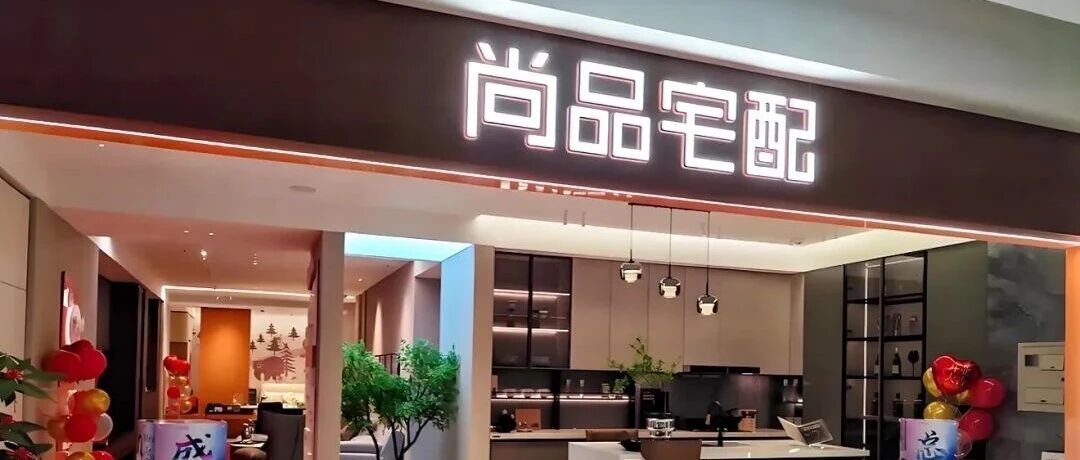
“交了钱,店没了,人跑了”,尚品宅配多门店关张,客户血本无归,总部称“我们不担责”
新浪财经· 2026-03-11 10:45
Core Viewpoint - The article highlights the growing consumer dissatisfaction with Shangpin Home, a once-prominent brand in the custom home furnishing industry, due to issues such as store closures, unfulfilled orders, and lack of accountability from the headquarters [2][5][12]. Group 1: Consumer Complaints - Multiple consumers have reported similar experiences of losing money and receiving no products after paying in full for custom furniture [3][12]. - Complaints on the Black Cat Complaint platform regarding Shangpin Home have exceeded 600, with issues including substandard quality, false advertising, delayed delivery, and poor after-sales service [15][19]. - A consumer recounted a specific incident where a store manager disappeared, leaving customers without recourse, and the headquarters claimed no responsibility for the actions of independent dealers [10][11]. Group 2: Business Operations and Accountability - Shangpin Home's official response indicates that they do not take responsibility for the actions of independent dealers, stating that these dealers operate as separate entities [5][14]. - The company has faced significant operational challenges, with a drastic reduction in the number of stores from 2,235 in 2020 to 1,349 by 2025, representing a decline of over 40% [18][19]. - Financially, Shangpin Home has reported continuous revenue declines, with revenues dropping from 53.14 billion to 37.89 billion over three years, a cumulative decrease of nearly 30% [19]. Group 3: Quality and Safety Concerns - Consumers have raised serious concerns about product quality, citing instances of severe safety hazards in furniture design and construction, indicating a trend of cost-cutting measures [17][20]. - Reports of discrepancies in product specifications, such as incorrect colors and significant gaps in installations, have further fueled consumer dissatisfaction [17][20]. Group 4: Company Response and Future Outlook - In response to the ongoing issues, Shangpin Home has emphasized initiatives like digital transformation and supply chain upgrades, aiming to improve customer satisfaction [19][20]. - However, the effectiveness of these measures in addressing the underlying management issues and restoring consumer trust remains uncertain [20].
宝胜国际(03813) - 2025 Q4 - 电话会议演示
2026-03-11 09:00
11 Mar 2026 Pou Sheng International 2025 Annual Results Disclaimer Yue Yuen and Pou Sheng have taken every reasonable care in preparing this presentation. However, please be reminded that the information, materials, opinions and statements contained or referred to in this presentation are all provided on an "as is" basis. None of the aforesaid information, materials, opinions and statements constitutes or will be viewed as investment advice or an offer, or a solicitation, recommendation or suggestion by Yue ...
中东危机引发市场恐慌,半导体为何能扛住冲击?
是说芯语· 2026-03-10 09:29
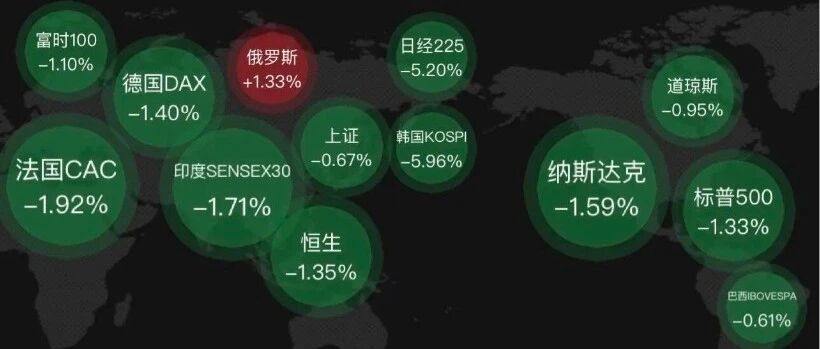
Core Viewpoint - The article discusses the impact of geopolitical tensions, specifically the Iran conflict, on the semiconductor industry and its supply chain, highlighting the resilience of the industry despite rising material costs and energy prices [4][11][31]. Group 1: Geopolitical Impact on Energy and Markets - The Iran conflict has led to a significant spike in global oil prices, with prices soaring from around $75 to over $110 per barrel, marking a rise of over 20% in just two trading days [5][4]. - The Asian stock markets experienced severe declines, with the Korean market dropping over 8% and the Japanese Nikkei 225 index falling more than 7% [8]. - The semiconductor sector faced substantial sell-offs, with the Philadelphia Semiconductor Index dropping 7.21% in one week, and major companies like TSMC and NVIDIA seeing significant stock price declines [10]. Group 2: Semiconductor Supply Chain Analysis - The article emphasizes the importance of key raw materials in the semiconductor supply chain, particularly neon, helium, and natural gas, which are affected by the Iran conflict [12][26]. - Iran is the fourth-largest supplier of neon gas, and its supply disruption could impact prices, although the overall effect is expected to be limited compared to the previous Ukraine conflict [13][15]. - The price of neon gas surged from $400 to $3,500 per cubic meter during the Ukraine war, but the current increase due to the Iran conflict is less severe, with prices rising from $300 to around $400 per cubic meter [16][17]. Group 3: Energy Supply and Semiconductor Production - Natural gas is a critical issue for TSMC, as it accounts for 43% of Taiwan's energy supply, with Qatar being a significant supplier now facing disruptions due to the conflict [21][24]. - Taiwan is increasing its natural gas supply from Australia and the U.S. to mitigate the impact of the conflict, although there are concerns about rising electricity costs [25][26]. - TSMC has robust supply chain management practices, including multi-source backup plans and safety stock for critical materials, which should help mitigate short-term production impacts [28][26]. Group 4: Investment Perspective Amidst Crisis - The article suggests that the current market panic presents an opportunity to reassess the semiconductor industry's fundamentals, as demand remains strong despite rising costs [31][32]. - Historical patterns indicate that market downturns caused by geopolitical events often provide valuable buying opportunities for long-term investors [33][34]. - The semiconductor industry is expected to maintain its growth trajectory, driven by ongoing demand for advanced technologies, despite the current geopolitical uncertainties [32][37].
消费品零售业下半年度报告:中国宏观经济、行业趋势、投资交易及税务快讯
KPMG· 2026-03-10 08:56
Investment Rating - The report indicates a positive outlook for the consumer goods retail industry, with a focus on long-term value and stable returns for investors [8]. Core Insights - In 2025, China's GDP is projected to grow by 5.0%, supported by proactive macroeconomic policies aimed at stabilizing development and expanding domestic consumption [7][10]. - The consumer market is expected to continue expanding, with significant growth in various sub-sectors such as luxury goods, fashion, health and beauty, food and beverages, and dining [8][10]. - The luxury goods and fashion sector is entering a stable growth phase, while the health and beauty industry is experiencing a surge in IPO activities, indicating strong investor interest [8][38]. - The report highlights the importance of digital transformation and service-oriented consumption in driving market growth, particularly in the context of recent government initiatives [35]. Summary by Sections Macroeconomic Situation - China's GDP reached 140 trillion yuan in 2025, with a contribution rate of over 50% from final consumption expenditure [10][12]. - The retail sales of social consumer goods exceeded 50 trillion yuan, growing by 3.7% year-on-year, with service retail sales increasing by 5.5% [17][10]. Recent Dynamics Impacting the Industry - The consumer market is shifting towards service-oriented and digital consumption, with significant growth in the duty-free market and online shopping events [35][36]. - The luxury goods market has shown resilience, with notable sales increases during major shopping festivals [36]. Sub-Industry Trends - **Luxury Goods and Fashion**: The sector is experiencing a rebound in investment, driven by rising precious metal prices and strong consumer demand [8][36]. - **Health and Beauty**: The retail sales of cosmetics grew by 5.1% in 2025, reversing the previous year's decline, with a notable trend towards IPOs among beauty companies [38]. - **Food and Beverages**: The sector is benefiting from new consumption trends, with a focus on low-alcohol beverages and health-oriented products [8]. - **Dining**: The restaurant industry is expanding into lower-tier markets and adopting digital operations, supported by government policies [8]. Investment Transactions - The investment landscape in the consumer goods retail sector is improving, with a focus on long-term value and lower-risk projects [8]. - The luxury goods and fashion sector is seeing a strong rebound in financing activities, indicating investor confidence [8]. Tax and Policy Updates - The report outlines various government initiatives aimed at boosting consumption and stabilizing the economy, which are expected to enhance market vitality [8][36].
两会热点·一图看懂丨十四届全国人大四次会议第二场“部长通道”要点速览
证券时报· 2026-03-09 08:37
Group 1: Transportation Sector - The Ministry of Transport aims to increase the proportion of the population commuting within one hour in urban agglomerations significantly [5] - The goal is to raise the completion rate of the national comprehensive transportation network framework from 90% to over 95% [5] - The "14th Five-Year Plan" will focus on the implementation of "Artificial Intelligence +" initiatives, including the development of senior-friendly trains and domestic air express lines [5] Group 2: Agriculture and Rural Development - The Ministry of Agriculture and Rural Affairs emphasizes the acceleration of agricultural intelligence and digital transformation, ensuring the safety and stability of important agricultural products [6] - There is a recommendation for consumers to reduce oil consumption, increase bean intake, and add milk to their diets [6] - A monitoring and support system to prevent poverty has been established, with 832 poverty alleviation counties cultivating distinctive and strong industries [6] Group 3: Sports and Fitness - The National Sports Administration plans to create a "15-minute fitness circle" to enhance community well-being and address issues in the sports fan culture [7] - By 2025, the average sports consumption per resident aged 19-59 is expected to reach nearly 2500 yuan, a 38% increase from 2020 [7] - The ice and snow economy is projected to exceed 1 trillion yuan for the first time by 2025, with efforts to introduce more international high-level events [7]

2026年全球保险业展望:驾驭结构性变革与持续不确定性时代的关键制胜举措
EY· 2026-03-08 06:39
Core Insights - The insurance industry is undergoing significant structural changes and facing persistent uncertainties, driven by geopolitical conflicts, economic fluctuations, and evolving consumer demands [2][3] - Companies must focus on customer-centric strategies, leveraging data-driven decision-making and innovative growth tactics to maintain market leadership [3] Market Volatility Overview - Uncertainty and volatility are expected to persist in the insurance sector, with indicators of economic and geopolitical uncertainty reaching historical highs [10] - The trend of de-globalization is accelerating, prompting companies to regionalize their strategies and reassess their market presence [10][11] - 56% of insurance company chief risk officers identify geopolitical risks as a top concern for the next three years [11] Strategic and Tactical Priorities for 2026-2027 - Companies are urged to optimize costs due to softening premium growth and rising operational pressures, with a focus on enhancing efficiency through technology and process automation [13][14] - Private equity and alternative capital are reshaping the competitive landscape, with significant investments in various insurance lines and regions [15][16] - There is a pressing need for companies to reassess their AI strategies, aiming for broader applications beyond simple automation to drive value creation [17][18] Growth Pathways - Insurers are exploring diverse growth avenues, including mergers and acquisitions, entering politically stable markets with low penetration, and forming partnerships [20][21] - The industry is witnessing a surge in M&A activity as companies seek to achieve economies of scale amid challenging market conditions [20][21] - Companies are encouraged to identify their competitive strengths and strategically allocate capital to seize opportunities [20] Operational Transformation - The need for a streamlined, flexible, and low-cost operational model is critical to enhance resilience and support growth investments [14][40] - Companies should focus on creating value through advanced technology and data management, ensuring alignment with customer needs and regulatory requirements [41][43] - Continuous transformation in talent, workforce, and corporate culture is essential for long-term success in a volatile environment [44][46]