行为金融学

Search documents
投资致胜密码:心态为王,知识为翼
Sou Hu Cai Jing· 2025-06-20 12:24
Group 1 - The core argument emphasizes that knowledge alone does not guarantee investment success, as many professionals fail to convert their expertise into consistent profits due to an imbalance between mindset and knowledge [1][2] - The Efficient Market Hypothesis suggests that asset prices reflect all available information, making it difficult for investors to achieve excess returns solely based on knowledge [2][3] - Historical events, such as the 2008 financial crisis, illustrate that even top financial institutions with advanced models could not avoid systemic risks, highlighting the impact of irrational behavior among individual investors [3][4] Group 2 - The investment philosophy of successful investors like Warren Buffett demonstrates that psychological factors play a crucial role, with a significant portion of investment success attributed to mindset rather than just technical knowledge [4][5] - Developing a professional investment mindset requires systematic training, including establishing a risk recognition framework and adhering to strict investment discipline [5][6] - The future of investing will favor those who can balance in-depth research with emotional control, as the ability to navigate market psychology is essential for long-term success [6]


学者:可持续金融成全球金融创新焦点领域
Zhong Guo Xin Wen Wang· 2025-06-19 11:27
Core Viewpoint - The financial sector is undergoing profound changes driven by the dual context of global "dual carbon" goals and the digital technology revolution, with sustainable finance focusing on ESG becoming a focal point for global financial innovation [1] Group 1: Conference Overview - The 2025 Shanghai Business School International Finance Academic Conference (SBSICF) and the sixth International Scholar "Shangshang" Forum were held in Shanghai, attracting over a hundred experts and scholars from universities and research institutions in the US, Australia, and China [1] - The conference centered on the theme of "New Developments in Behavioral Finance and Sustainable Finance," aiming to provide a platform for scholars and industry professionals to exchange ideas and discuss the latest research findings and economic policy implementations [1] Group 2: Key Presentations and Discussions - Dr. Cui Kailong, Senior Vice President of a data technology company, delivered a special presentation on "Data Assets and Industrial Digital Transformation," emphasizing the higher demands of the digital economy on financial system innovation and the new opportunities provided by artificial intelligence technology for fintech [2] - Notable speakers included Professor Brian Bruce, Director of the Investment Research Center in the US, and Professor Paresh Narayan from Monash University, who contributed to discussions on corporate governance and carbon emissions, revealing significant impacts of executive family background on corporate carbon reduction decisions [3] Group 3: Research Findings and Policy Implications - Scholars highlighted that standardized information disclosure can reduce stock price volatility and enhance capital market pricing efficiency, while companies with good ESG performance can lower their suppliers' debt financing costs, providing a basis for policy formulation [3] - Discussions also covered the effects of environmental judicial reforms and bankruptcy enforcement reforms on corporate cross-regional investments and technological entrepreneurship, offering insights into the practical effectiveness of these reforms [3][4] Group 4: Future Directions - The conference facilitated interdisciplinary dialogue, promoting the deep integration of financial theory and Chinese practice, with a focus on behavioral finance, climate risk measurement, green finance innovation, and ESG investment strategies [4] - The Shanghai Business School's Financial Research Institute plans to continue focusing on "dual carbon" strategies and digital finance frontiers, aiming to cultivate innovative talents with social responsibility and professional skills to contribute to global financial sustainability [4]
股市中最重要的器官
Hu Xiu· 2025-06-19 08:54
Group 1 - The core argument emphasizes the importance of emotional resilience in investing, suggesting that even with the right decisions, investors may struggle with market volatility [1][6][19] - A study by Morgan Stanley indicates that the median maximum drawdown for the best-performing stocks from 1985 to 2024 is 72%, with a recovery time of 4.3 years [2][3] - The analysis of the S&P 500 shows a median maximum drawdown of 58% and a recovery time of 4.2 years, highlighting the potential for significant declines in both individual stocks and index funds [4][5] Group 2 - The article discusses the metaphorical roles of the brain, heart, and stomach in investment decision-making, where the stomach represents emotional management and resilience [16][30] - It argues that a strong understanding of investments is crucial to withstand market fluctuations, as cognitive clarity can mitigate emotional distress [24][28] - The relationship between cognitive understanding and emotional response is explored, suggesting that a lack of knowledge can lead to fear and poor decision-making [25][26] Group 3 - The concept of the "circle of competence" is introduced, emphasizing the need for investors to operate within their knowledge boundaries to avoid cognitive dissonance and emotional discomfort [40][45] - The article posits that a healthy "stomach" can help investors reject opportunities that fall outside their expertise, thus maintaining discipline and focus [48][50] - Ultimately, the piece concludes that the most important aspect of investing is the balance and honesty among the brain, heart, and stomach, which together facilitate sound decision-making [55][58]
IPO都要提速了,但对症下药反而出大牛!
Sou Hu Cai Jing· 2025-06-19 06:18
Group 1 - The core point of the article revolves around the recent announcement of accelerated IPOs at the Lujiazui Financial Forum, which has sparked fears reminiscent of the pre-2015 stock market crash, yet historically, such fears have often led to new investment opportunities [1][2] - The root of the "IPO phobia" lies in the pricing mechanism, where the Shenzhen new stock index has plummeted by 44% over four years since the pilot registration system was introduced in 2020, indicating that secondary market investors are paying for the exuberance of the primary market [2][4] - Historical data shows that during the initial phase of IPO resumption, new stocks often experience a "sweet period," where they outperform the market, suggesting that initial losses may lead to future gains [4][10] Group 2 - The current market misconception is that IPOs negatively impact all stocks uniformly, while in reality, major players are strategically shifting focus to new sectors as old hot stocks reach unsustainable valuations [4][10] - Quantitative models can help retail investors identify new investment opportunities by analyzing institutional behavior, which can reveal shifts in market dynamics before they become apparent through traditional methods [5][9] - Recent data indicates that institutional investors are not fleeing the market but rather locking in positions, suggesting that large funds are using market downturns to strengthen their holdings [10][12]
IPO放闸吓退散户!机构却在暗中扫货
Sou Hu Cai Jing· 2025-06-18 16:32
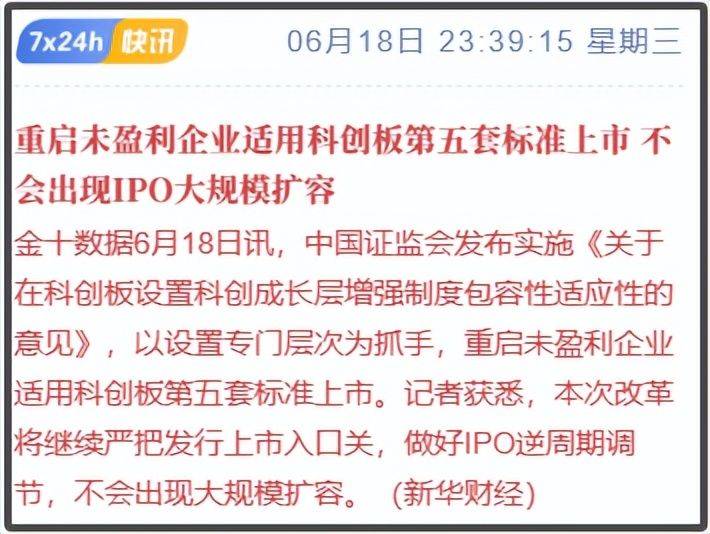
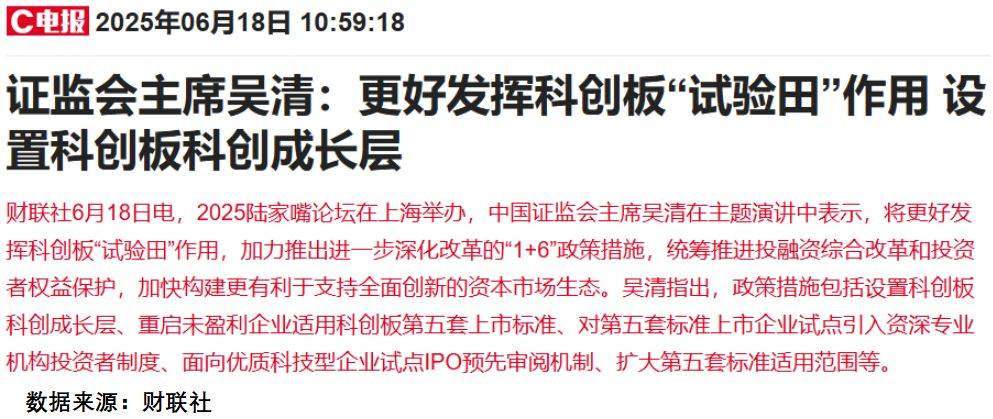
Group 1 - The core viewpoint of the article highlights the volatility of the A-share market, where stock prices fluctuate based on news and trends, leading to a perception of an "external leverage market" [1] - The recent IPO policy adjustments, specifically the introduction of a third listing standard for the ChiNext board and the establishment of a growth tier for the Sci-Tech Innovation Board, did not lead to a market decline but rather a positive closing, indicating a complex market reaction [1][2] - The selective nature of the IPO policy changes allows more technology companies in the R&D phase to access the capital market, which may lead to a reassessment of the long-term impacts of these policies by investors [2] Group 2 - The distinction between low-quality IPOs and high-potential loss-making companies is crucial, particularly in sectors like semiconductors and biomedicine, where initial losses are common due to long R&D cycles and high capital requirements [2] - Observations of trading behavior indicate significant disparities in stock performance, suggesting that relying solely on news can lead to misjudgments [4] - Stocks with sustained institutional interest tend to recover after short-term adjustments, while those experiencing outflows from institutional investors struggle to maintain upward momentum, emphasizing the importance of understanding market dynamics beyond emotional trading [8][10]
从29.2%年化神话看散户逆袭:彼得·林奇的投资铁律
Sou Hu Cai Jing· 2025-06-18 12:50
Core Insights - Peter Lynch is recognized as a prominent figure in financial investment, having led the Fidelity Magellan Fund for 13 years with an annualized compound growth rate of 29.2%, outperforming the S&P 500 index by two times [2] - Lynch's investment philosophy emphasizes deep understanding of a company's fundamentals, including its business model, competitive advantages, and financial health, which aligns with classic value investing theories [2] - The strategy of investing in "boring companies" allows investors to exploit market inefficiencies, as these companies are often undervalued due to low analyst coverage and market attention [3] - Lynch warns against the "diversification trap," where companies fail to achieve synergies during strategic transformations, potentially leading to resource depletion and reduced operational efficiency [4] - The principle of "viewing market downturns as opportunities" reflects a deep understanding of market cycles, suggesting that price declines can provide chances to acquire quality assets at lower prices [5] Investment Strategies - Lynch advocates for a concentrated portfolio of no more than 10-12 stocks, which aligns with the marginal returns theory, allowing investors to focus on quality rather than quantity [4] - The recommendation to delay investment decisions helps mitigate emotional biases, such as fear of missing out and greed, thereby improving decision-making quality [4] - The "bottom-up" investment approach focuses on microeconomic fundamentals rather than macroeconomic trends, which helps reduce uncertainty in investment decisions [5] - Lynch encourages investors to leverage their unique knowledge and experiences to identify investment opportunities, aligning with the theory of comparative advantage [4] Behavioral Insights - The analysis of professional investors' tendency to follow market trends reveals the agency problem in finance, where performance pressures lead to herd behavior [3] - Lynch's principles highlight the importance of independent research and avoiding reliance on insider information, which can lead to poor investment outcomes [3]

陈岱孙经济学纪念讲座报名丨熊伟:结构化信念与基金投资
Sou Hu Cai Jing· 2025-06-17 08:25
Group 1 - The event is a lecture titled "Structured Beliefs and Fund Investment," scheduled for June 20, 2025, at Tsinghua University [2] - The lecture will be presented by Xiong Wei, a professor at Princeton University, with a focus on the intersection of finance and economics [4][6] - The event is organized by the Department of Finance at Tsinghua University's School of Economics and Management and the Global Institute for Common Development [2] Group 2 - Xiong Wei's research interests include capital market imperfections, behavioral finance, digital economy, and the Chinese economy [4][6] - He has received several prestigious awards, including the 2018 China Economics Prize and the 2014 Sun Yefang Financial Innovation Award [4][6] - The lecture will utilize insights from a study analyzing fund managers' perceptions of government policies and their impact on investment decisions and market outcomes [7][9] Group 3 - The study constructs a countercyclical policy beliefs measure (CCP) to capture fund expectations about policies mitigating economic shocks [7][9] - Findings indicate that fund managers' market beliefs positively predict market returns, and CCP beliefs enhance this predictive power, improving fund performance [8][9] - The research emphasizes the significance of structured beliefs in shaping investment decisions and market results [8][9] Group 4 - The event is open to Tsinghua University students, with specific registration instructions for students from different departments [10] - The lecture will be conducted in English with Chinese explanations [11]

财富密码大揭秘:普通人也能践行的8条致富铁律
Sou Hu Cai Jing· 2025-06-15 19:23
Group 1 - The core idea presented by Morgan Housel emphasizes simple investment strategies over complex ones, suggesting that wealth can be achieved through straightforward methods like index funds and dollar-cost averaging [3][4][9] - Index funds are highlighted as a reliable investment vehicle that tracks market performance, providing broad market representation and risk diversification, thus allowing investors to achieve average market returns without the need for active management [3][4] - Dollar-cost averaging (DCA) is described as a strategy that mitigates the impact of market volatility by investing a fixed amount regularly, which can lead to significant asset growth over time through compounding [4][5] Group 2 - The concept of "conspicuous consumption" is discussed, warning that the desire to showcase wealth can detract from effective financial planning and long-term investment growth [4][7] - The importance of patience in investing is underscored, with a focus on the power of compounding and the need to resist the urge to react to short-term market fluctuations [5][7] - The article stresses the significance of understanding and managing risk, advocating for a rational approach to investment decisions based on market knowledge and emotional control [7][9] Group 3 - The pursuit of freedom is presented as a fundamental goal of investing, suggesting that true happiness comes from having control over one's time rather than merely accumulating wealth [7][8][9] - The article encourages investors to recognize when to continue investing and when to step back, emphasizing the personal nature of investment decisions based on individual passion and capacity [8][9] - Overall, Housel's insights provide a comprehensive framework for ordinary investors, focusing on simple principles that can lead to wealth accumulation and personal fulfillment [9]

老美5月CPI低于预期,降息风暴要来了?
Sou Hu Cai Jing· 2025-06-13 14:09
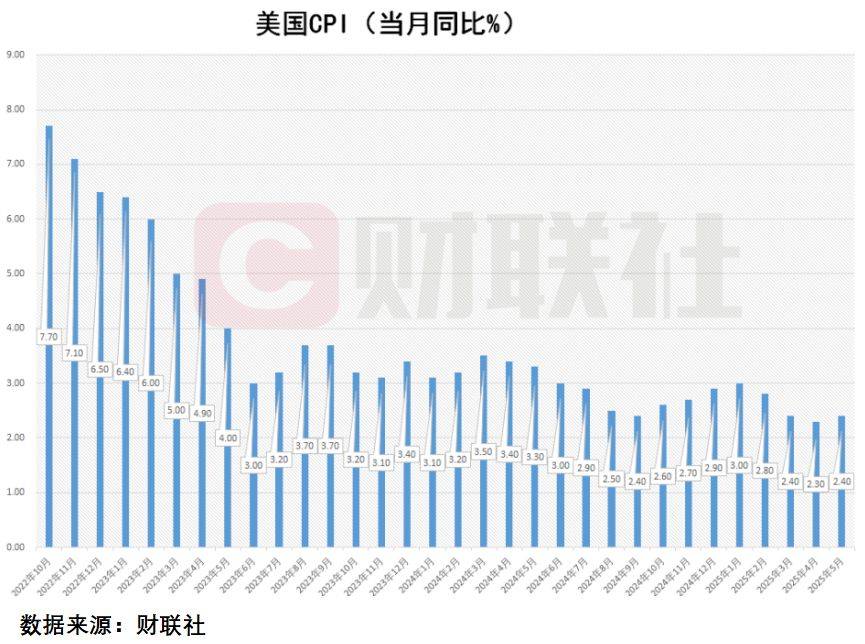
Group 1 - The core point of the article is the unexpected lower-than-expected CPI data for May in the U.S., which has led to significant market reactions and speculation about potential interest rate cuts by the Federal Reserve [1][2][4] - The U.S. CPI year-on-year rate for May is reported at 2.4%, below the expected 2.5%, while the month-on-month CPI is at 0.1%, also lower than the anticipated 0.2% [2] - The core CPI, excluding food and energy, shows a year-on-year increase of 2.8%, which is less than the expected 2.9%, and the month-on-month core CPI is at 0.1%, significantly below the forecast of 0.3% [2] Group 2 - Following the CPI announcement, market speculation surged, with a notable increase in bets on a potential interest rate cut in September, with probabilities nearing 70% for two cuts this year [4] - However, the probability for a rate cut in June remains very low at 2.4%, with a 97.6% chance of maintaining the current rate [5] Group 3 - The anticipation of interest rate cuts is expected to influence global financial markets, including the A-share market, as capital may flow into A-shares seeking opportunities [6] - The article highlights the volatility in the market, suggesting that retail investors may be misled by market fluctuations, akin to a magic show where the real mechanisms are hidden [6][8] Group 4 - The article discusses the behavioral finance concept of herd behavior, where retail investors tend to follow the crowd, leading to poor investment decisions [9] - It emphasizes the importance of understanding institutional movements and data analysis to navigate market volatility effectively [10][17]
谈判后遗症来袭,小散又要被动背锅?
Sou Hu Cai Jing· 2025-06-12 11:06
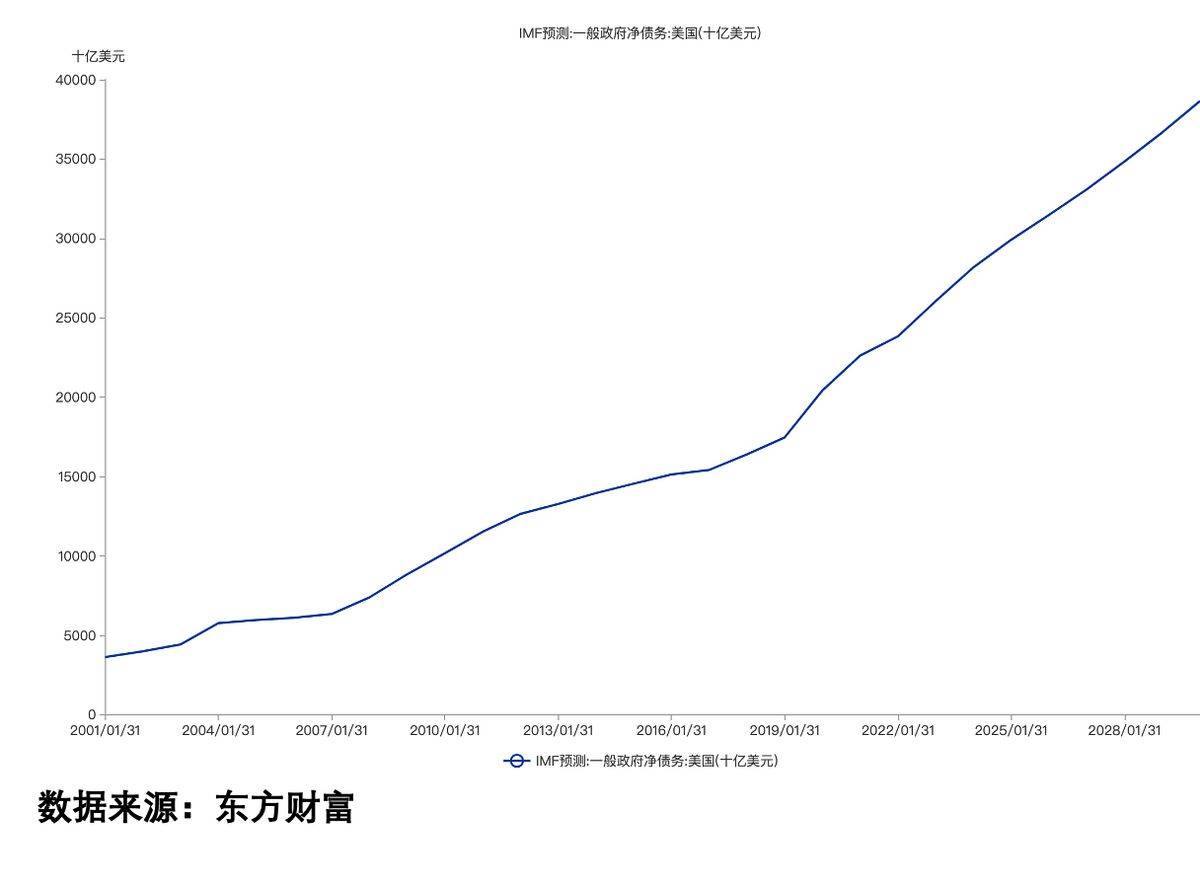
Group 1 - The core viewpoint of the article highlights the disparity between the perceived success of the US-China trade negotiations and the underlying data that suggests otherwise, indicating a manipulation of information by the US administration [1][2] - The article emphasizes that the market's reaction to the trade talks is influenced by selective disclosure of information, which creates a false sense of security among investors [2][4] - It points out that the intervention by GJD is a strategic move to manage market liquidity and prevent potential market disruptions, reflecting a proactive stance by institutional investors [2][4] Group 2 - The article discusses the impending interest rate cuts by the Federal Reserve, driven by lower-than-expected CPI data and the ongoing debt crisis, which presents opportunities for the A-share market [4][10] - It notes that the current market environment is more favorable compared to previous trade conflicts, with ample internal liquidity and reduced external pressures, suggesting a potential for growth in A-shares [4][10] - The article highlights the importance of data-driven decision-making for investors, contrasting the emotional responses of retail investors with the analytical approaches of institutional players [4][6] Group 3 - The article underscores the significance of quantitative data in navigating market volatility, suggesting that retail investors often fall prey to psychological biases such as herd behavior [6][8] - It advocates for the use of quantitative tools to identify institutional footprints, enabling investors to make informed decisions rather than relying on price movements alone [6][8] - The discussion concludes that understanding market dynamics through data can empower investors to withstand psychological pressures and capitalize on opportunities [8][10]