
贸易争端

Search documents
重大调整!外围,突传重磅!
券商中国· 2025-08-08 06:47
Core Viewpoint - The article discusses the impact of external variables on the stock market, highlighting the recent MSCI index adjustments and ongoing trade disputes affecting market sentiment and stock performance [2][4][8]. MSCI Index Adjustments - MSCI announced its August index review, adding 42 stocks and removing 56 stocks globally. In the MSCI China Index, 14 stocks were added and 17 were removed, with 5 A-shares and 9 Hong Kong stocks included [2][4]. - The specific A-shares added include China CITIC Bank, Jingwang Electronics, Giant Network, Zhinan Compass, and Ailis, while 14 A-shares were removed, including Huaneng Water Power and Enjie Co., Ltd. [4]. - The total number of components in the MSCI China Index decreased from 557 to 554, with A-shares accounting for 384 stocks and a weight of 12.8% [4]. Market Reactions and Predictions - The adjustments will take effect after the market closes on August 26, with passive funds expected to rebalance on August 25, potentially leading to significant trading volume in affected stocks [5]. - Estimated passive fund inflows for stocks like WanGuo Data-SW and CITIC Financial Assets are projected between $230 million and $351 million, while outflows for Tencent and Alibaba could range from $13 million to $321 million [5]. - The article notes that the Hong Kong market is under pressure, with the Hang Seng Technology Index dropping over 1%, which also affects A-shares [7]. Trade Dispute Developments - Recent developments in trade disputes include mixed signals from U.S. officials, with President Trump meeting with Putin and the U.S. Commerce Secretary providing positive signals, contrasted by negative comments from the U.S. Treasury Secretary regarding tariffs on India [8]. - Analysts suggest that the likelihood of a significant deterioration in trade relations is low, and there are signs of a mild recovery in the domestic economy, supported by fiscal policies and increased credit supply [9]. Economic Outlook - The article highlights a rebound in social financing and credit growth, with manufacturing investment being a key growth driver. The market is also anticipating a high probability of interest rate cuts by the Federal Reserve in September, which could further influence market dynamics [9].





外围变量扰动股市,后市如何演绎?
Zheng Quan Shi Bao· 2025-08-08 05:30
外围变量扰动股市! 今日早盘,A股盘面上涨个股数量低于杀跌个股,整个市场依然由红利股带动。港股三大指数集体下 跌,恒生科技指数杀跌超1%。A50一度深V反弹,但随后转为震荡。 北京时间8月8日凌晨,MSCI公布了8月份指数审议结果。公告显示,MSCI全球标准(ACWI)指数新 纳入42只股票,剔除56只股票;中信银行和老铺黄金被纳入MSCI新兴市场指数。MSCI中国指数新增14 只成分股,剔除17只标的。其中,A股方面新纳入5只,剔除14只;港股方面新纳入9只,剔除3只。 不过,涉及贸易争端的信息错综复杂。一方面是特朗普与普京会面使得次级关税的预期减弱,同时美国 商务部长卢特尼克亦释放出了积极信号;另一方面,美国财长贝森特在谈及印度的次级关税时,又透露 出一些负面信息。 因此,调整后的成分股数量从557只减少至554只,其中A股384只,权重12.8%;港股158只,权重 81.8%;中概股10只,权重5.3%;B股2只,权重0.1%。除成分股调整外,MSCI还调整了29家公司的自 由流通因子(FIF,Foreign Inclusion Factor),以及139家公司的纳入股本数,也将导致成分股在指数内 权 ...
莫迪强硬回应:面对50%关税永不妥协,已准备好付出沉重代价
Hua Er Jie Jian Wen· 2025-08-07 10:39
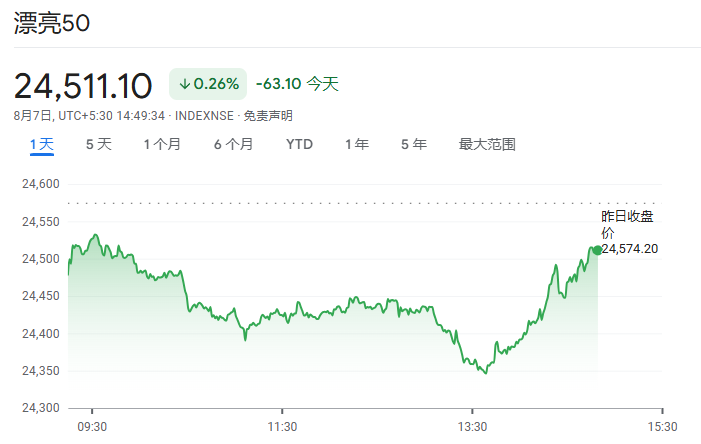
面对美方征收50%的高额关税,印度总理莫迪强硬回应,表示不会在农民利益上妥协,美印贸易争端进 一步升级。 尽管面临贸易压力,印度金融市场表现相对稳定。报道援引两名知情人士称,印度央行自上周特朗普对 印度发出贸易威胁以来一直在市场干预,周四继续抛售美元以支撑卢比汇率。 莫迪周四在新德里农业部门会议上虽未直接回应美国关税,但明确表示"绝不会在农民、畜牧业主和渔 民的利益上妥协"。他强调:"我知道我个人将为此付出沉重代价,但我已准备好承担。" 印度金融市场对此反应相对平静,基准Nifty 50股指周四仅小幅下跌,卢比兑美元汇率基本持平。分析 师认为,这一温和反应反映了市场此前已对特朗普关税威胁有所预期。 美印贸易谈判陷入僵局,农业保护成关键分歧 周四媒体援引消息人士称,印度坚持保护其粮食和乳制品行业成为贸易谈判的关键障碍。印度不愿向美 国竞争开放这些政治敏感市场,因为数以亿计的民众依赖这些行业谋生。 2020-2021年印度北部大规模农民抗议活动曾迫使莫迪在三项农业改革法案上妥协。这一历史教训使得 莫迪政府在农业贸易问题上格外谨慎,不愿冒险触碰这一政治敏感领域。 目前印度与巴西并列成为面临美国最高关税的国家。巴西总 ...
“懂王”震怒,将大幅提高印度关税!美联储新任主席或公布?
Sou Hu Cai Jing· 2025-08-06 05:49
Group 1 - The article discusses the escalation of trade tensions between the US and various countries, particularly India and the EU, due to proposed tariff increases by President Trump [3][4][6]. - Trump announced plans to significantly raise tariffs on Indian goods, currently at 25%, in response to India's purchase of Russian oil [3][4]. - The EU is also facing potential tariff increases, with Trump threatening a rise to 35% if obligations are not met, up from a previous rate of 15% [5][6]. Group 2 - Brazil's President Lula vowed to defend the country's interests against new US tariffs, asserting that the US has no right to impose a 50% tariff on Brazilian goods [7][8]. - Brazil plans to utilize all available resources, including the WTO, to challenge the US's tariff actions [8]. - Despite the recent tariff deadlines, trade disputes continue, with ongoing litigation and negotiations expected [9]. Group 3 - The article highlights concerns from economists regarding the negative impact of tariffs on the US economy, predicting a slowdown in growth and an increase in unemployment rates by 2025 and 2026 [12][13]. - The Yale Budget Lab estimates that tariffs could reduce the US GDP growth rate by 0.5 percentage points annually and increase the unemployment rate by 0.3 to 0.7 percentage points by the end of 2026 [12]. - Tariffs are expected to raise average household spending in the US by $2,400 by 2025, particularly affecting clothing prices [13]. Group 4 - The article mentions the potential announcement of a new Federal Reserve chair by Trump, indicating dissatisfaction with current monetary policy [14]. - Market expectations for a rate cut in September have surged, with a 89% probability of a 25 basis point cut, while some analysts warn against this consensus [14][15]. - The labor market shows signs of cooling, with over 800,000 foreign workers leaving the US, but the unemployment rate remains stable [15].
巴西将美加征关税行为诉至世贸争端解决机制
Yang Shi Xin Wen Ke Hu Duan· 2025-08-05 19:24
Core Viewpoint - Brazil's President Lula asserts that the U.S. President has no authority to impose a 50% tariff on Brazilian goods, and Brazil will initiate an emergency plan to mitigate the impact of this unjust action [1] Group 1: Government Response - Brazil will protect affected workers and businesses by utilizing all available means, starting with a complaint to the World Trade Organization (WTO) to defend national interests [1] - A resolution issued by the Brazilian federal government authorizes the Foreign Ministry to bring the U.S. actions to the WTO dispute resolution mechanism [1] Group 2: Tariff Details - U.S. President Trump signed an executive order on July 30, imposing a 50% tariff on most Brazilian exports to the U.S., effective August 6 [1] - Exemptions from the tariff include Brazilian aircraft, nuts, orange juice, and certain metal products [1] - The products subject to the new tariffs account for approximately 57% of Brazil's total exports to the U.S. [1]
特朗普称将实施额外惩罚!印度扛得住25%关税的经济冲击波吗?
2 1 Shi Ji Jing Ji Bao Dao· 2025-08-05 13:59
一场围绕大豆、石油和地缘政治的交易博弈,正将两个号称"天然盟友"的国家推向经济对抗的边缘。 据新华社报道,美国总统特朗普8月4日在其社交媒体"真实社交"发文表示,印度不仅大量购买俄罗斯石 油,还将其中大部分石油在公开市场上出售,牟取暴利。因此,他将大幅提高印度向美国缴纳的关税。 这是美国宣布对印度加征关税后的进一步表态。据新华社报道,美国总统特朗普7月30日通过社交媒体 宣布,将从8月1日起对印度输美商品征收25%的关税并实施其他"惩罚"。特朗普发帖抱怨印度关税税率 太高,非关税壁垒又比其他任何国家都要"繁重和讨厌",导致美印贸易多年来维持较小规模。他随后发 帖说:"我们与印度之间贸易逆差巨大。" 近期,美国和印度举行多轮贸易谈判,新一轮关税博弈让谈判陷入僵局。特朗普以"惩罚盟友"的关税手 段来实现"美国优先",将为美印双边关系与经贸合作带来诸多不确定性。 谈判陷入僵局 过去几个月,印度和美国一直在就达成公平、平衡和互利的双边贸易协定进行谈判。 今年2月,印度总理莫迪和美国总统特朗普在白宫举行会谈。莫迪表示,两国致力于尽快达成一项互惠 贸易协定,并已确定到2030年将双边贸易额增加一倍以上达到5000亿美元的 ...
ONE下调全年预期
Sou Hu Cai Jing· 2025-08-04 09:28
Core Viewpoint - ONE is facing significant challenges due to declining freight rates and market uncertainty, with a notable drop in net profit for the first quarter of 2025 compared to the previous year [1] Financial Performance - ONE reported a net profit of $86 million for Q1 2025, a substantial decrease from $779 million in the same period last year [1] - Compared to Q1 2025, profits decreased by $223 million [1] - The company has revised its full-year net profit forecast from $1.1 billion to $700 million and revenue expectations from $17.5 billion to $17.1 billion [1] Market Conditions - The overall market environment is not as strong as initially expected, with high uncertainty remaining for the global environment in FY 2025 [1] - Recent trade disputes have complicated market visibility for the second half of the fiscal year [1] - Concerns over the trade tariffs implemented by former President Trump have emerged as a significant worry for the industry [1] Shipping Industry Dynamics - The container shipping industry is expected to continue utilizing the Cape of Good Hope route, which reportedly consumes about 7% of global capacity [1] - Continuous delivery of new ships is anticipated to inject additional capacity into the market [1] - Spot freight rates on the China-US West Coast have plummeted by 59% since June 1, while rates to the US East Coast have dropped by 43% [1] Future Scenarios - The company previously outlined two contrasting market scenarios: one predicting stable business conditions with revenues of $17.5 billion and net profits of $1.1 billion, and another reflecting a challenging year with revenues of $16.5 billion and net profits of only $250 million [2]
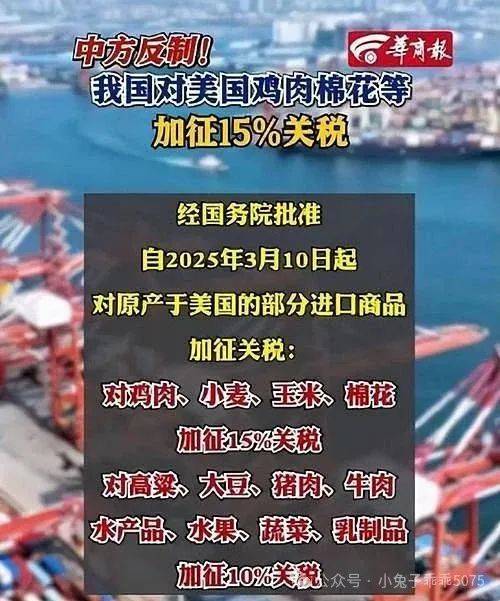
欧盟30天最后通牒失效,苦等半天没稀土,等来了中国5年加税通告
Sou Hu Cai Jing· 2025-08-02 19:43
Core Viewpoint - The article discusses the escalating tensions between the European Union (EU) and China regarding rare earth exports, highlighting China's strategic response to EU's demands and the implications for both parties in the context of global trade dynamics [1][3][11]. Group 1: EU's Position and Strategy - The EU relies heavily on China's rare earth elements for its green transition, particularly in sectors like electric vehicles, semiconductor manufacturing, and military equipment, yet it is reluctant to pay the necessary price for these resources [5][11]. - Despite needing Chinese rare earths, the EU has attempted to impose trade barriers and investigations against Chinese companies, reflecting a contradictory stance [5][9]. Group 2: China's Response - In response to the EU's ultimatum for a 30-day deadline to lift export controls, China announced a five-year tariff increase on certain goods imported from the EU, signaling a calculated long-term strategy rather than a hasty reaction [9][13]. - China's approach emphasizes reciprocity in trade relations, indicating a shift in power dynamics where it will no longer be easily pressured by threats [9][11]. Group 3: Implications for Manufacturing and Trade - The EU's manufacturing sector is facing panic as the lack of rare earths threatens to halt production lines for electric vehicles and renewable energy equipment, showcasing the interdependence between the two economies [13]. - While EU-China trade has seen a decline, China's trade with ASEAN and Belt and Road Initiative countries is on the rise, indicating a diversification of trade partnerships that could lessen reliance on the EU [13]. Group 4: Broader Insights - The current trade dispute is not merely about resources but represents a broader struggle for influence and respect in international relations, with China asserting its newfound strength and negotiating power [11][13]. - The situation serves as a reminder that strength and strategic positioning are crucial in global trade, as those who attempt to use intimidation may find themselves at a disadvantage [11][13].
美国最新关税税率引发多国质疑和反对
Yang Shi Xin Wen Ke Hu Duan· 2025-08-02 02:16
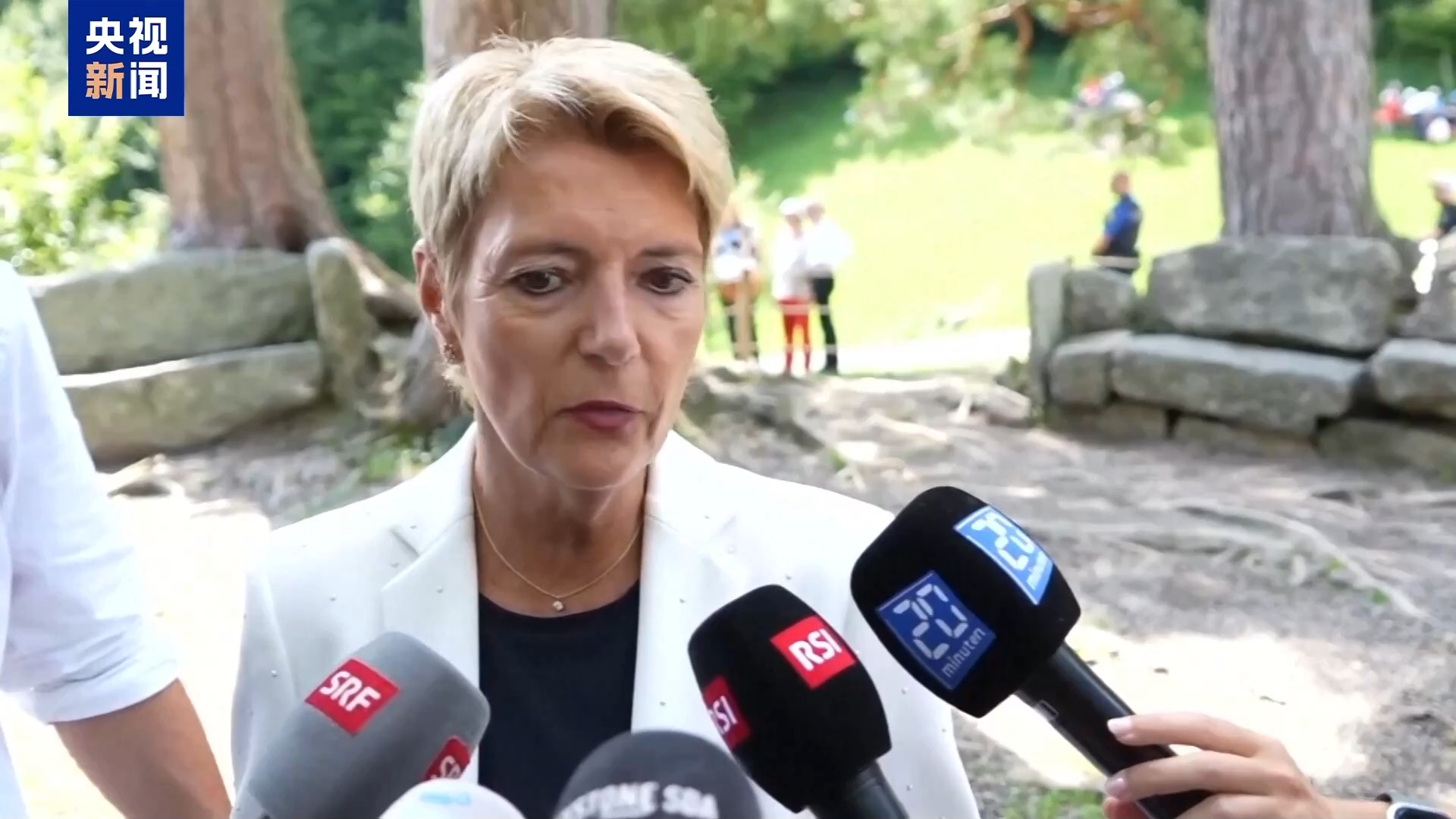
Group 1 - The U.S. President Trump signed an executive order on July 31, announcing new tariff rates for 69 trading partners, effective from August 7, which has raised concerns among multiple governments [1] - German Chancellor Merz stated that the current tariff agreement is "painful" for the entire European industry, and the EU aims to negotiate with the U.S. to avoid a full-blown trade dispute [1] - Swiss Federal President Keller-Zuterl expressed shock at the announced 39% tariff rate, emphasizing that it undermines a trade agreement reached earlier in July and could harm the global economy [3] Group 2 - Brazilian Finance Minister Fernando Haddad mentioned that despite some key export products receiving tariff exemptions, many unreasonable tariff measures remain, prompting Brazil to initiate trade negotiations with the U.S. [4] - South African President Ramaphosa committed to diplomatic efforts to protect national interests and is negotiating with the U.S. regarding a 30% tariff, while also developing support measures for affected businesses [5]
德国总理默茨:将与美国谈判钢铁出口配额
news flash· 2025-08-01 14:01
Core Viewpoint - The German Chancellor Merz announced that the EU will negotiate with the US regarding steel export quotas, focusing on avoiding excessive tariffs [1] Group 1: Trade Agreement Details - A trade agreement was reached last month, setting tariffs at 15% for most products, while certain sectors, including steel and aluminum, are still under negotiation with tariffs at 50% [1] - The current task is to establish the "details" of the negotiations [1] Group 2: Impact on European Industry - Merz described the agreement as "painful" for the entire European industry [1] - He emphasized that the EU does not have the capacity to initiate a full-scale trade dispute, as it would result in losses, particularly for Europeans [1]