
城市更新

Search documents
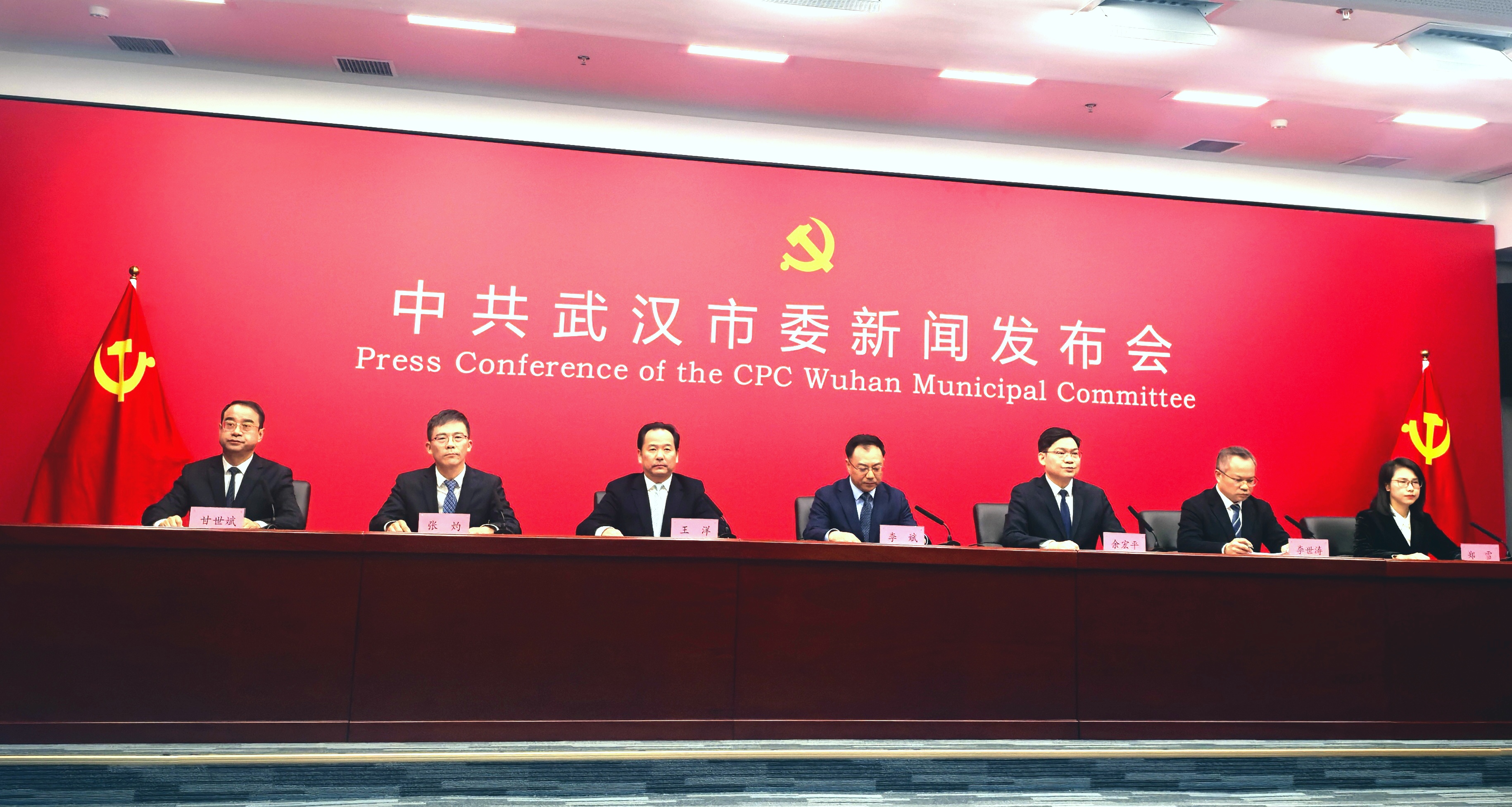
武汉“十五五”目标:GDP总量突破3万亿 基本建成“五个中心”
Di Yi Cai Jing· 2025-12-05 12:21
Core Insights - Wuhan's municipal government has approved the "15th Five-Year Plan" aimed at enhancing the city's economic and social development, with a target GDP exceeding 3 trillion yuan by 2030 [1] - The plan emphasizes the construction of "five centers" and outlines seven major actions to elevate development levels and quality [1] Economic Development - The "15th Five-Year" period marks a critical phase for Wuhan, focusing on economic elevation, technological innovation, modern industrial upgrades, and regional collaboration [1] - The city aims to transform its economic development model through urban renewal initiatives, enhancing living conditions and urban infrastructure [3] Industrial Focus - Wuhan will concentrate on five key industrial sectors: Optics Valley, Automotive Valley, Aerospace Valley, Cybersecurity Valley, and Pharmaceutical Valley, with significant projected industry scales for each [4] - The Optics Valley is expected to reach an industry scale of 850 billion yuan, while the Automotive Valley is projected to hit 500 billion yuan [4] Innovation and Technology - The city plans to enhance its innovation ecosystem through the "One City, Three Corridors, One Belt" strategy, focusing on integrating technology and industry [6] - Major technological infrastructure and high-level laboratories will be developed to foster original innovation [6] Regional Collaboration - Wuhan aims to strengthen its role as a central city in the Midwestern region, enhancing its economic output and collaborative efforts with neighboring cities [7] - The goal is for the Wuhan metropolitan area to contribute over 3% to the national GDP by 2030, up from 2.67% in 2024 [7]

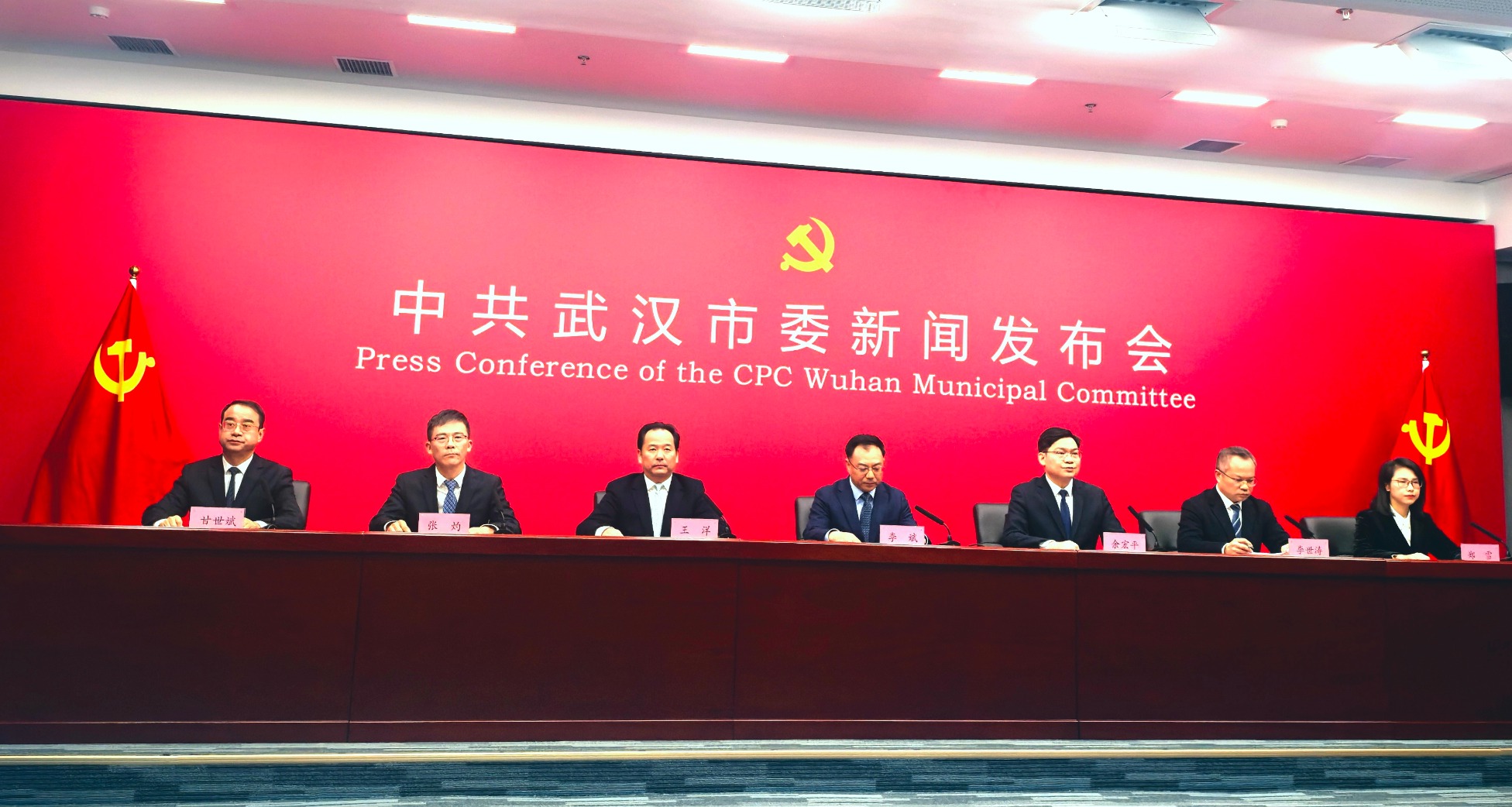
武汉“十五五”目标:GDP总量突破3万亿,基本建成“五个中心”
Di Yi Cai Jing· 2025-12-05 12:09
Core Viewpoint - Wuhan is advancing its "Five Centers" initiative, focusing on industrial development and regional collaboration to enhance economic growth and innovation capabilities by 2030 [1][5]. Group 1: Economic Development Goals - By 2030, Wuhan aims to exceed a GDP of 3 trillion yuan, marking significant progress in the construction of the "Five Centers" [1]. - The city will implement seven major actions, including economic elevation, technological innovation, and modern industrial upgrades to enhance development quality and sustainability [1]. Group 2: Urban Renewal and Infrastructure - Urban renewal will shift from single project construction to overall functional enhancement, improving living environments and urban infrastructure [4]. - The focus will be on revitalizing existing buildings and neighborhoods, creating quality housing and community services [4]. Group 3: Industrial Focus Areas - Wuhan's industrial strategy centers on five key sectors: Optics Valley, Automotive Valley, Aerospace Valley, Cybersecurity Valley, and Pharmaceutical Valley, collectively referred to as the "Five Grains" [5]. - The expected industrial scale for these sectors in 2023 includes: - Optics Valley: 850 billion yuan - Automotive Valley: 500 billion yuan - Aerospace Valley: over 30 billion yuan - Cybersecurity Valley: 25 billion yuan - Pharmaceutical Valley: 660 billion yuan [5]. Group 4: Innovation and Collaboration - The city plans to enhance its innovation ecosystem through the East Lake Science City and three innovation corridors, promoting collaboration between research and industry [7]. - By 2024, the economic output of the Wuhan metropolitan area is projected to reach approximately 3.6 trillion yuan, increasing its share of the Yangtze River Midstream Urban Agglomeration to 29% [7]. Group 5: Regional Cooperation - Wuhan aims to strengthen cooperation with neighboring cities like Changsha and Nanchang to form a high-quality development growth pole in the Yangtze River Midstream Urban Agglomeration [8]. - The city will enhance transportation connectivity and collaborative innovation in sectors such as optoelectronics and high-end equipment manufacturing [8].
北京朝阳将打造世界级“双奥会客厅”
Zhong Guo Jing Ji Wang· 2025-12-05 08:07
Core Insights - Beijing Olympic Center Area is set to enhance its core functions and improve visitor experiences through urban renewal, event empowerment, and service assurance initiatives Group 1: Urban Renewal - The Olympic Center will focus on high-quality project construction to upgrade public areas and venue facilities, including infrastructure improvements in Olympic Forest Park and the renovation of the Olympic Tower [1] - The Olympic Tower renovation will include a comprehensive update of the base, crown, and surrounding greenery, allowing visitors to access a 246.8-meter high observation deck and enjoy various dining and experiential offerings [1] Group 2: Experience Upgrade - The center will implement a series of renovation projects aimed at upgrading public space infrastructure, tourist service facilities, and underground tunnel enhancements, while also adding all-age visitor service amenities [2] - A national humanoid robot training base will be established to promote event outcome transformation and resource aggregation, alongside the development of a smart center to apply AI in data monitoring and management [2] Group 3: International Events and Activities - The Olympic Center will host over 60 top-tier concerts during the "Bird's Nest Starry Performance Season" in 2026, utilizing advanced stage technologies to enhance the audience experience [2] - Seasonal themed activities will be introduced, including the Beijing Chaoyang International Light Consumption Season and the 15th Bird's Nest Happy Ice and Snow Season, creating a vibrant year-round consumption atmosphere [3]
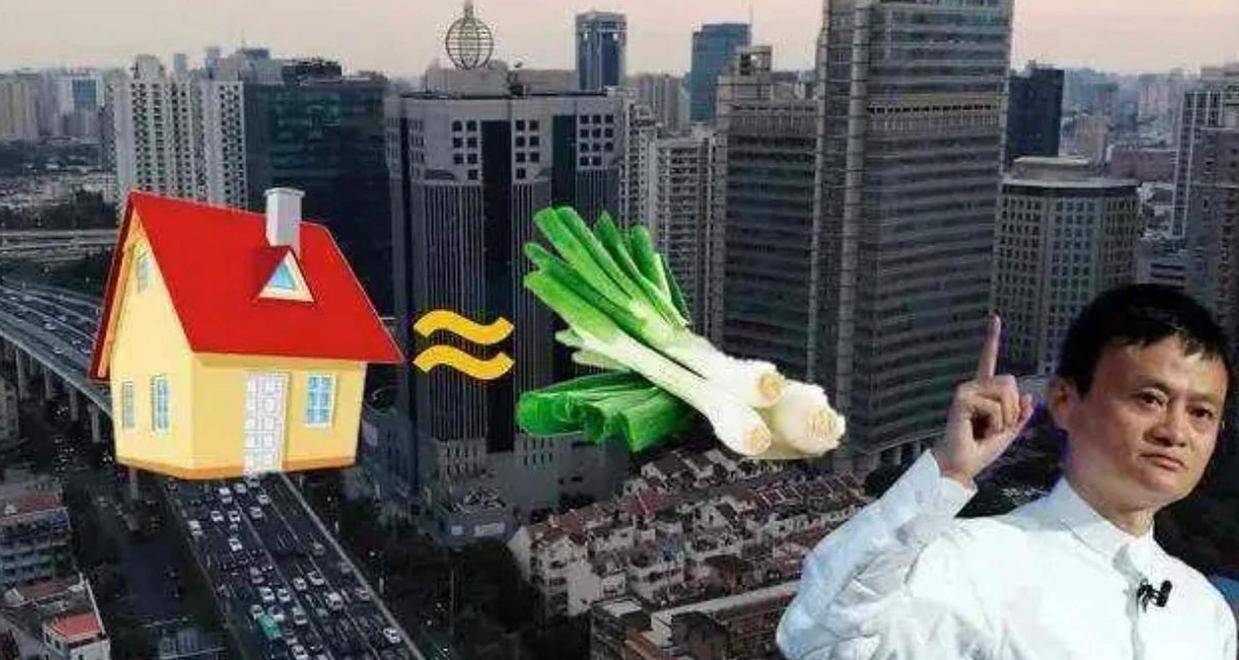
2026年,是尽快买房,还是再等一等,马云李嘉诚不谋而合
Sou Hu Cai Jing· 2025-12-05 02:27
Core Insights - The real estate market is shifting back to its fundamental purpose of providing housing, as emphasized by industry leaders like Jack Ma and Li Ka-shing, indicating a departure from speculative investment trends [1][7][21] Market Differentiation - The differentiation in the real estate market is evident between cities, with first-tier and strong second-tier cities like Shanghai, Hangzhou, and Chengdu maintaining stable housing markets due to solid industries and an influx of young people [4][10] - In contrast, many third and fourth-tier cities are experiencing oversupply and declining demand, leading to significant price drops and difficulty in selling properties [5][9] Investment Strategy - In the current market, making the right choice is more critical than simply buying quickly; purchasing in declining areas can lead to significant financial losses [9][10] - Investors are advised to focus on core locations and properties with strong fundamentals rather than speculative purchases [7][17] Policy Signals and Opportunities - Positive signals from government policies indicate a push for high-quality development in real estate, which may lead to the easing of restrictions on housing consumption [13][15] - The government is investing in urban renewal projects, enhancing the value of older properties and creating opportunities in revitalized areas [15][18] Recommendations for Buyers - Buyers should abandon speculative mindsets and prioritize properties that serve their living needs, focusing on quality and location over size [17][19] - Attention should be given to areas benefiting from policy incentives, such as new urban developments and infrastructure improvements, which can enhance property value [18][19]
环境审计监督如何为高质量城市更新助力?
Zhong Guo Huan Jing Bao· 2025-12-05 00:24
城市更新是高质量发展阶段提升城市功能、改善人居环境、推动可持续发展的重要抓手。城市更新不局 限于旧区改造或单一房地产开发,而是涵盖设施优化、生态改善、品质提升与文化延续的系统工程。这 一过程涉及大量资源重新配置与空间结构重塑,因而也伴随着资源消耗、污染排放与生态干扰等现实挑 战。 环境审计作为专业的监督评价工具,能够对城市更新中的资源使用效率、污染控制成效与生态保护状况 进行独立、客观的评估,为实现城市高质量发展筑牢环境底线。因此,引入并强化环境审计监督,能够 为推动城市更新朝着绿色、集约、可持续方向发展提供制度保障。 当前,我国建设项目管理制度主要围绕新建项目构建,而城市更新既要求对存量资源进行高效利用,又 必须贯彻绿色低碳理念,普遍存在老旧小区综合整治、工业遗存绿色再生、社区生态空间修复等复杂场 景。现有政策规范在城市更新推进过程中常出现标准不一、依据模糊、覆盖不全等问题,难以适应精细 化治理的需要。制度供给不足也直接制约了环境审计的有效实施。一方面,在建筑垃圾资源化、场地污 染防控、低碳施工管理等关键环节,缺乏明确的环境绩效评判标准,审计人员难以开展量化评估与合规 判断。另一方面,多部门协同推进的城市更 ...
多地开展高层住宅消防安全检查
Mei Ri Jing Ji Xin Wen· 2025-12-04 17:00
Core Viewpoint - The Hong Kong government is establishing an independent committee led by a judge to investigate the fire incident at the Hong Fu Garden in Tai Po, which is believed to have been exacerbated by flammable materials and construction practices [1]. Group 1: Fire Safety Measures - The fire at Hong Fu Garden has raised concerns about fire safety standards in high-rise buildings, prompting various cities including Shanghai, Chongqing, and Guangzhou to initiate special fire safety actions [1][2]. - The State Council's Work Safety Committee has mandated inspections focusing on high-rise residential buildings undergoing exterior renovations and internal modifications to identify fire hazards [2][6]. Group 2: Construction Material Regulations - The Guangzhou Housing and Urban-Rural Development Bureau has issued a notice to strengthen fire safety in construction, prohibiting the use of outdated and hazardous materials [4]. - There is a call for stricter regulations on construction materials, particularly regarding the use of non-fire-resistant materials like EPS and XPS, which are still prevalent in older buildings [5][6]. Group 3: Urban Renewal and Safety Management - Urban renewal projects often involve residents living in buildings while renovations occur, which poses significant fire safety risks; thus, there is a need for improved material management and oversight [7]. - Experts suggest establishing a multi-tiered fire safety management system that includes regular inspections by property management and community organizations to enhance overall safety [6][7].
前10个月全国新开工改造城镇老旧小区2.51万个
Zheng Quan Ri Bao· 2025-12-04 16:26
Core Insights - The renovation of old urban residential communities is a significant initiative aimed at enhancing public satisfaction and is a key component of urban renewal efforts [1][2] Group 1: Renovation Plans and Progress - By 2025, a total of 25,000 old urban residential communities are planned for renovation nationwide, with 25,100 already started in the first ten months of this year [1] - During the "14th Five-Year Plan" period, over 240,000 old urban residential communities have been renovated, benefiting more than 110 million residents [2] Group 2: Importance and Impact - The renovation of old urban residential communities is crucial for meeting the public's demand for a better quality of life, promoting economic development, and transforming urban construction methods [2] - Renovations aim to improve urban aesthetics and enhance the living conditions of residents by addressing issues such as aging infrastructure and lack of public services [2] Group 3: Safety and Quality Assurance - The government emphasizes the integration of urban renewal with safety hazard elimination and the promotion of high-quality real estate development [4] - There is a focus on addressing safety hazards in old communities, including structural aging and inadequate fire safety measures [4] Group 4: Local Government Initiatives - Local governments are actively promoting the renovation of old urban residential communities, with specific plans such as Chongqing's three-year action plan and Beijing's comprehensive renovation projects [5] - The emphasis is on updating aging utilities and improving safety features within these communities [5] Group 5: Quality Control and Management - It is essential to establish a comprehensive quality supervision system throughout the renovation process to ensure safety and reliability [6] - Post-renovation, a long-term management mechanism should be developed to maintain the improvements and ensure effective property management [6]
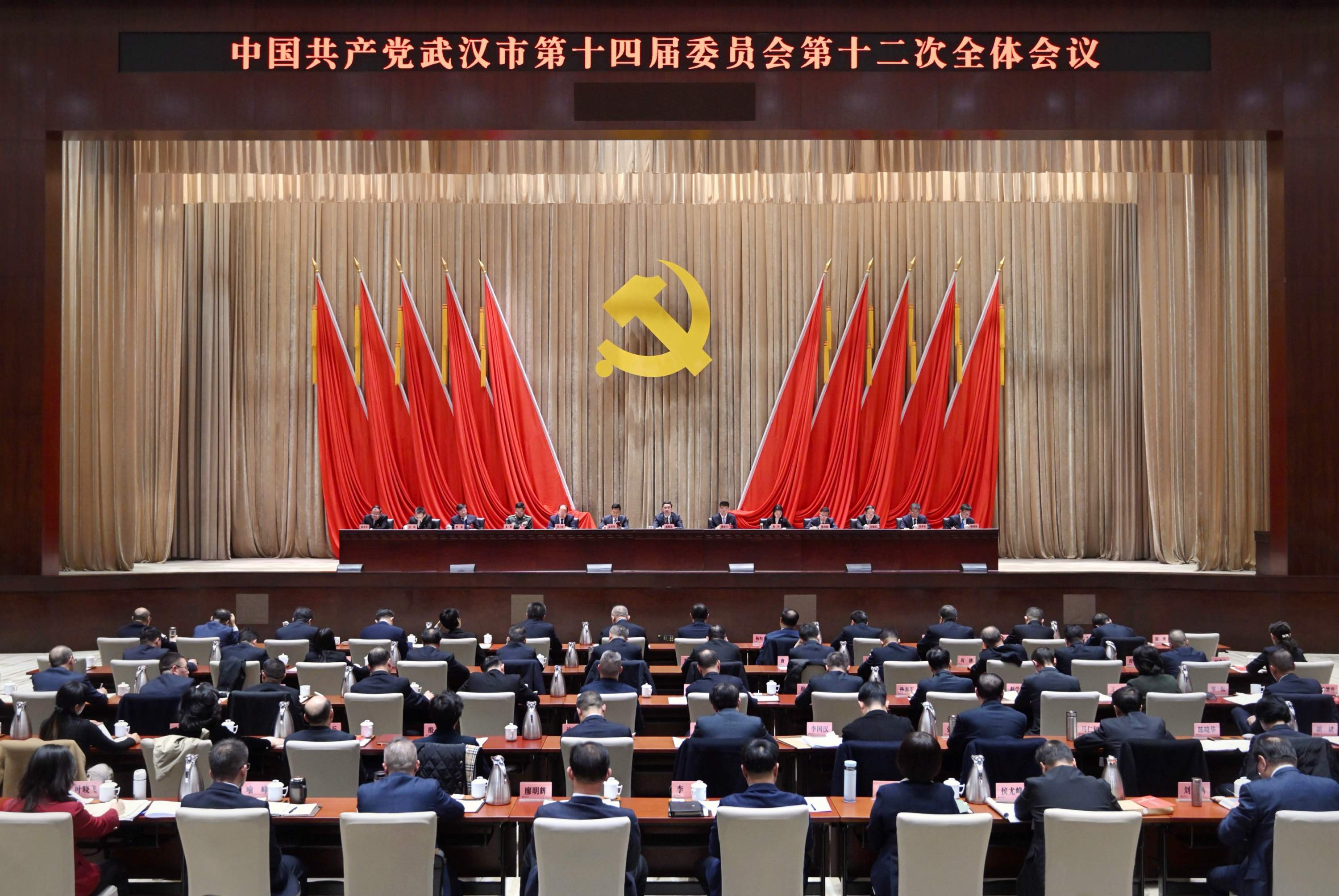
中共武汉市委十四届十二次全体会议举行:牢记殷殷嘱托,勇担历史使命,为全力打造“五个中心”,全面建设现代化大武汉而团结奋斗
Chang Jiang Ri Bao· 2025-12-04 14:16
Core Points - The meeting of the Wuhan Municipal Committee emphasizes the implementation of the spirit of the 20th Central Committee and the important speeches of General Secretary Xi Jinping, aiming to accelerate the construction of a national central city and modernize Wuhan [1][5][6] Group 1: Economic Development - The meeting outlines the goal of achieving significant progress in building the "Five Centers" and modernizing Wuhan during the "14th Five-Year Plan" period [6] - The focus is on elevating the city's economic capabilities to enhance overall strength, with a commitment to stable growth and effective quality improvement [7] - Strategies include expanding domestic demand, boosting consumption, and fostering a favorable investment environment [7] Group 2: Technological Innovation - The meeting highlights the importance of technological innovation as a driver for new productive forces, with plans to establish a nationally influential technology innovation center [8] - Emphasis is placed on integrating traditional industry upgrades, emerging industry growth, and future industry cultivation [8] Group 3: Urban Development - The meeting stresses the need for urban renewal to transform development methods, focusing on high-quality urban development and enhancing urban functions [8] - The approach includes implementing a "Five Reforms and Four Improvements" strategy to drive economic transformation [8] Group 4: Open Economy - The meeting calls for a balanced approach to internal and external openness, aiming to strengthen the internal market while optimizing external interactions [9] - Plans to enhance the city's role as an open hub and expand institutional openness are discussed [9] Group 5: Social Welfare - The meeting emphasizes a people-centered development philosophy, aiming to ensure that modernization benefits all citizens fairly [9] - There is a commitment to improving public services and enhancing the sense of security and happiness among the populace [9] Group 6: Governance and Party Building - The meeting underscores the importance of high-quality party governance to support the development goals of the "Five Centers" and modern Wuhan [10] - It includes plans for strengthening grassroots party organizations and ensuring a positive political environment [10]
创新用地、多元融资,城市更新按下 “加速键”
2 1 Shi Ji Jing Ji Bao Dao· 2025-12-04 13:42
Core Viewpoint - The Chinese government is intensifying urban renewal policies to promote high-quality urban development, integrating these efforts with safety, housing market stability, and real estate quality improvement [1][9]. Group 1: Policy Framework - The State Council emphasized the importance of urban renewal in its recent study, linking it to safety and real estate market stability [1]. - A series of policies have been implemented this year, including the issuance of the "Opinions on Continuing to Promote Urban Renewal Actions," which outlines specific goals and measures for urban renewal [3]. - The Central Urban Work Conference identified high-quality urban renewal as a key task for future urban development [4]. Group 2: Implementation and Support - The Ministry of Housing and Urban-Rural Development has highlighted the need for comprehensive assessments and planning for urban renewal projects [4]. - Local governments are actively introducing supportive policies, such as the Tianjin Urban Renewal Regulations and the Chongqing Three-Year Action Plan for Urban Renewal [5]. - Financial mechanisms are being innovated to address funding challenges, including a competitive selection process for central financial support to 20 cities, with over 20 billion yuan planned for urban renewal actions [6]. Group 3: Financial Innovations - The introduction of REITs for urban renewal projects is expected to provide sustainable financing channels and enhance social capital participation [7]. - The government is exploring various financial support methods, including special bonds and innovative bank loan products tailored for urban renewal [7][8]. Group 4: Future Trends - Urban renewal policies are expected to focus on systemic, coordinated, and sustainable approaches in 2026, addressing challenges such as funding pressures and coordination difficulties [9][10]. - A multi-goal collaborative policy framework is anticipated, integrating urban renewal with safety, livelihood, and economic objectives [10]. - The establishment of a linkage mechanism between urban renewal and the real estate market is expected to drive structural reforms in housing supply [10].
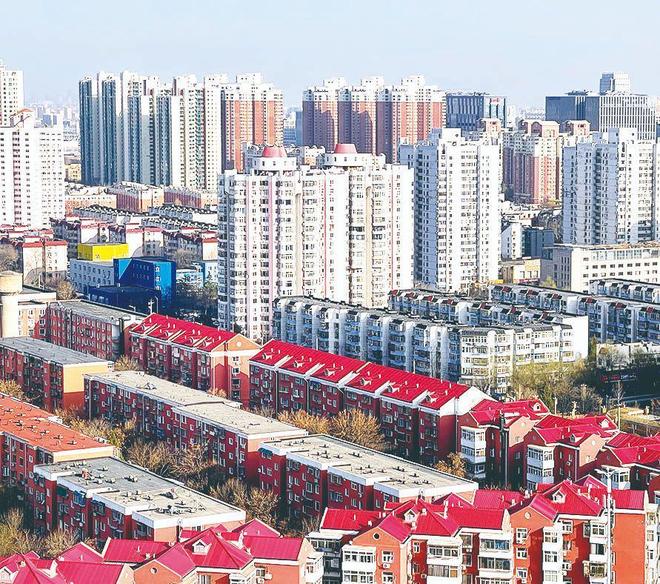
中央定调新型城镇化 城市更新成稳楼市关键抓手
Zhong Guo Jing Ying Bao· 2025-12-04 13:23
中经记者 吴静 卢志坤 北京报道 12月3日,国务院以"深入推进以人为本的新型城镇化,着力构建城乡融合发展新格局"为主题,进行第 十七次专题学习。 会议强调,要认真学习贯彻党中央关于深入实施新型城镇化战略的决策部署,坚持以人为本提高城镇化 质量水平,充分释放城乡融合发展蕴藏的巨大内需潜力,为经济社会发展提供强劲动力。 业内专家指出,此次专题学习释放明确信号:新型城镇化仍是未来推动经济增长、扩大内需的重要战 略,而与之紧密相关的房地产行业也将迎来以"提质"为导向、以"城市更新"为抓手的崭新阶段。 稳楼市需依托城市更新 专题学习会议指出,新型城镇化是扩大内需和促进产业升级、做强国内大循环的重要载体。展望"十五 五"时期,新型城镇化发展空间仍然很大。这一判断为正处于调整期的房地产市场注入了稳定预期和发 展信心。 李宇嘉进一步阐释了城市更新作为稳楼市底层逻辑的角色。他指出,房地产市场正处于从"上半场"(建 房子)到"下半场"(把房子填满人、产业和业态)的转换期,房地产的"价格锚"正从投资属性下的金融 收益率,回归到居住属性下的物业空间使用价值。而当前部分住房价格承压,根本原因在于其使用价值 不足或性价比不高。城市更新 ...