
智能制造

Search documents
从“制造”到“智造”:探访格力金湾智能工厂,解码“领航级”转型路径
Guo Ji Jin Rong Bao· 2025-12-10 11:52
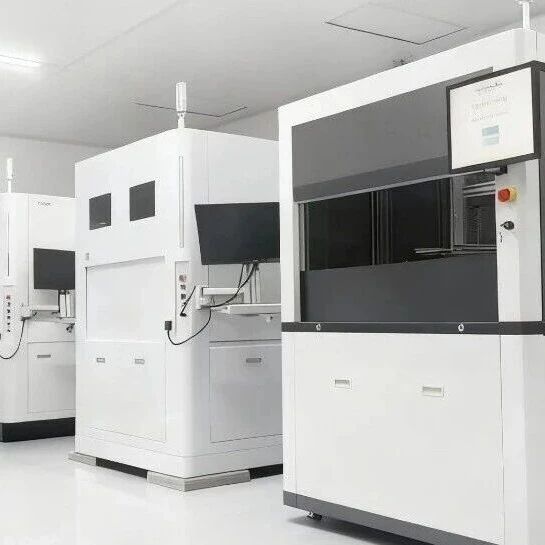
从珠海一家地方空调厂,到成功入选国家最高层级的"领航级"智能工厂培育名单——格力电器(珠海金湾)有限公司(下称"格力金湾智能制造工厂")的升 级之路,正为当下全球产业竞争格局重构中的中国制造业,如何向高端化、智能化转型,提供深刻启示。 此前11月,格力金湾智能制造工厂凭借"全价值链格力协同屋空调智能工厂项目,成功入选最高层级的"领航级"智能工厂培育名单。 12月9日,《国际金融报》记者走进这一智能制造工厂。在这里,记者看到,工厂能够像"智能大脑"一样,自动、精准地指挥生产。总装集成智造车间 内,480米长的外机生产线,103个工序中86个已实现自动化,传统需70多人的产线现仅需约20人。 与此同时,与传统空调工厂流水线主要依赖工人操作不同,在金湾智能工厂的生产线上,工业机器人与智能装备已成为绝对的主角。关键工序中氨检、 焊接、抽空灌注、商检测试、激光打标、外观检测、套袋包装等环节均已实现无人化作业。 以套袋包装环节为例,记者看到现场的工业机器人会先将压平的纸箱铺开,精准撑起四角,随后进入装箱流程。为了让纸箱与空调机身更紧密贴合,搭 载仿生臂的机器人会一边套箱,一边"试探"着有节奏的轻微摇晃动作,从而让包装自然 ...


SiC制造设备,国产新突破
半导体芯闻· 2025-12-10 10:38
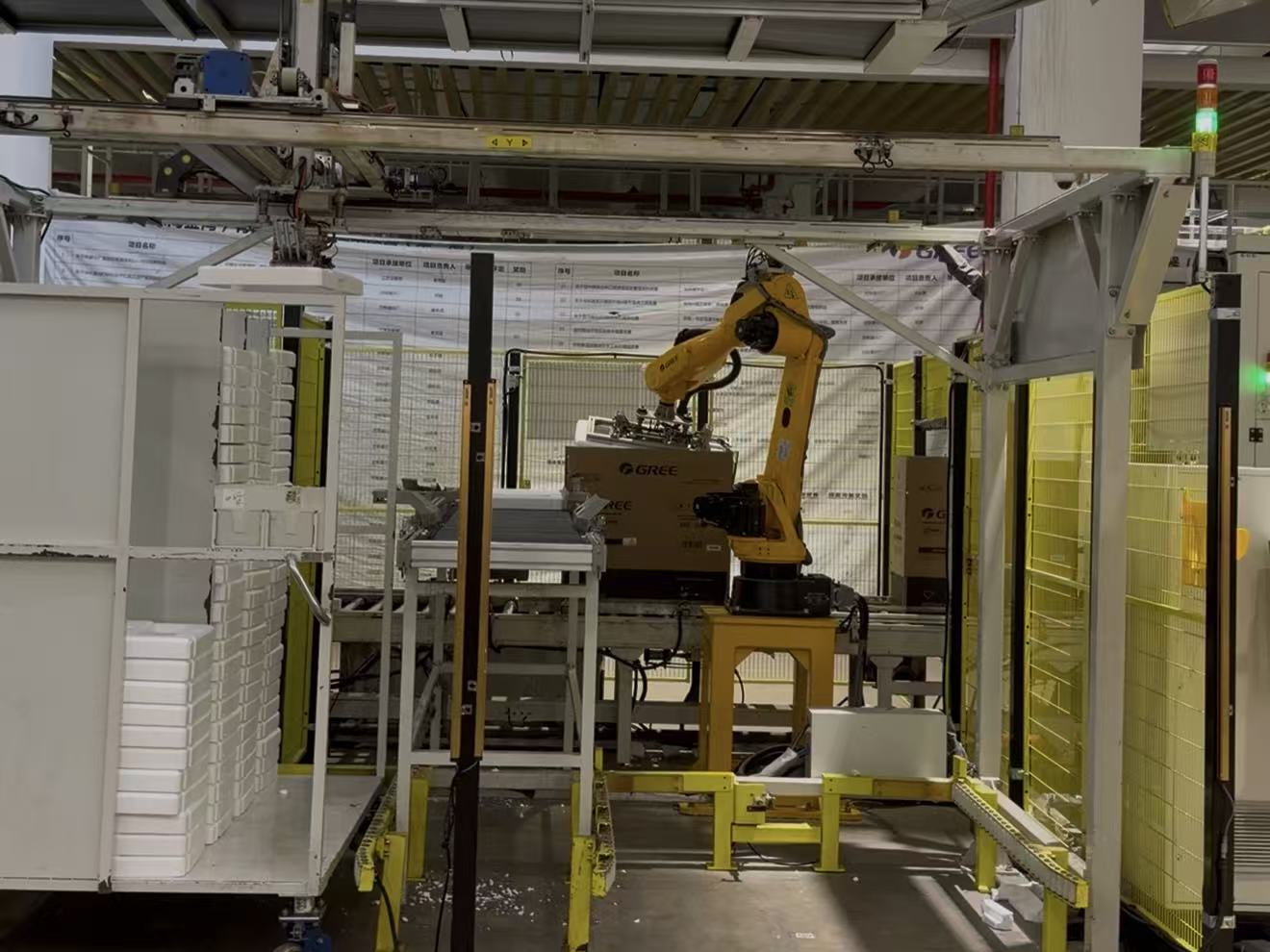
以下文章来源于矽加半导体 ,作者矽加半导体 碳化硅硬度高、脆性大,传统线切割加工方式存在材料损失大、易断线、表面损伤深等问题, 制约了大尺寸衬底的良率与量产进程。为从源头改善加工质量,矽加推出了激光剥离与减薄自 动化产线, 涵盖晶锭减薄机、激光改质设备、超声波剥离设备、AGV搬运系统,并可与后续研 磨抛光产线无缝衔接,形成完整的"晶锭进—衬底出"闭环制程。 激光技术作为新一代高硬脆材料加工手段,通过精准控制激光在晶锭内部进行改质层扫描,实 现材料"预分离",从源头降低切削应力与表面损伤。结合超声波精准剥离,该技术可显著改善晶 片内部应力分布,提升衬底可靠性,为8英寸及未来更大尺寸碳化硅衬底制造提供了明确技术路 径。 产线全程采用AGV与自动化控制系统,实现晶片在不同模块间的自主流转与精准定位, 不仅大 幅减少人工干预、降低操作风险,更通过标准化流程保障工艺一致性与产品良率, 积极响应国 家智能制造与产业自动化升级的政策导向。 矽加半导体 . 传承森松匠心精神,融合日本尖端技术,矽加半导体专注提供碳化硅衬底剥离、减薄、抛光全制程解决 方案。 我们以"精磨每一片晶圆,成就每一颗芯片"为使命,依托产学研协同创新,持 ...
你的下一台空调,可能由机器人制造、装箱
第一财经· 2025-12-10 10:38
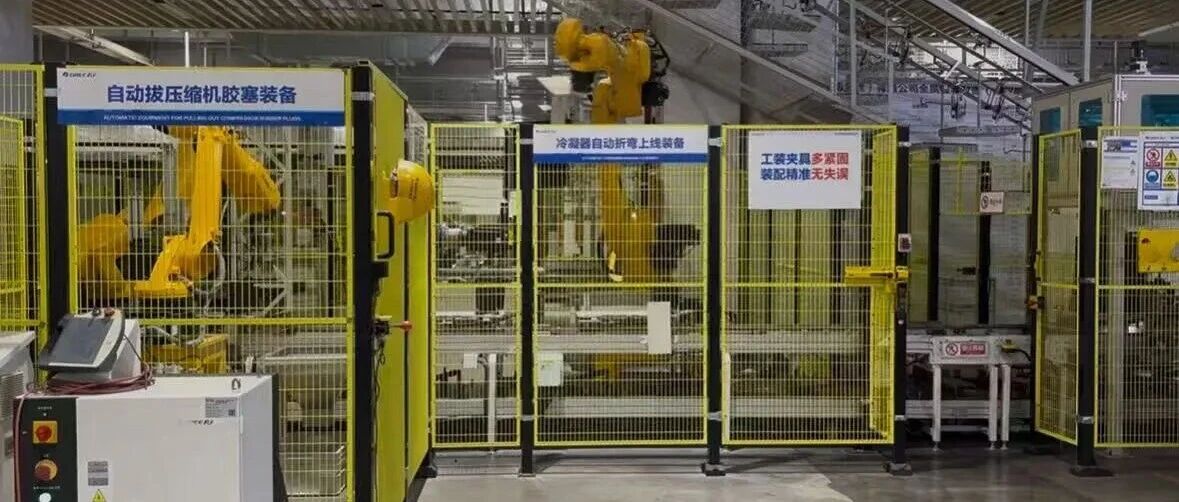
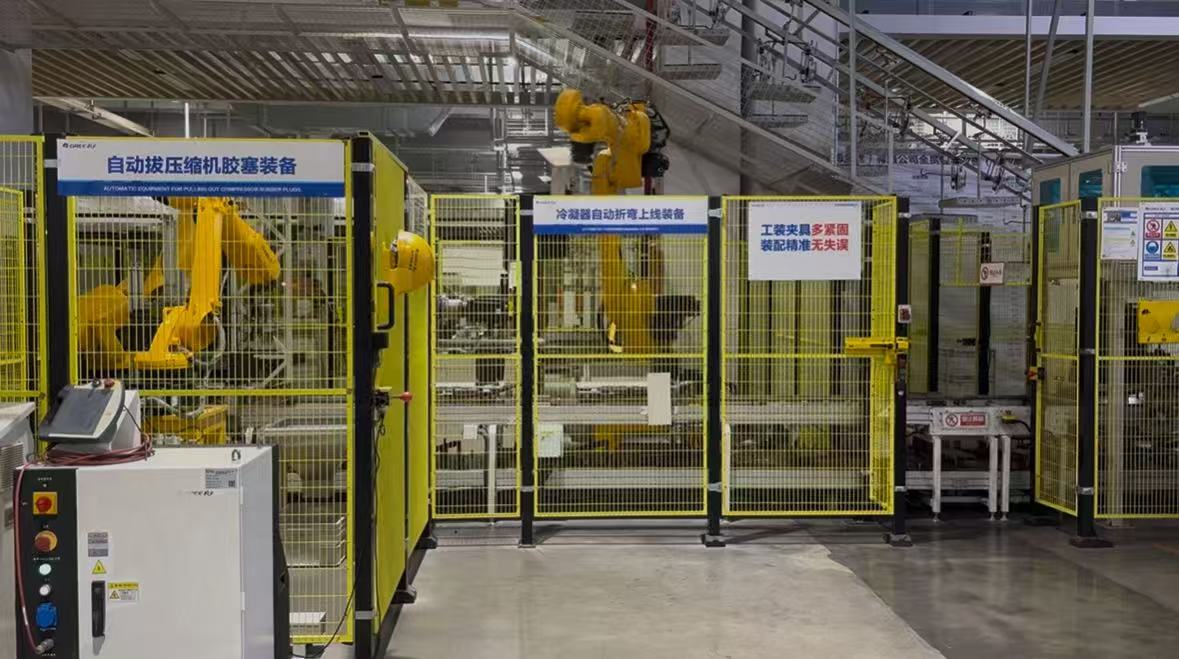
2025.12. 10 机器人具备视觉、听觉 与传统空调工厂流水线上基本由工人操作不同,金湾智能工厂的生产线上,机器人和智能装备成为主 角。在总装集成智造工厂,原来一条生产线要70多个人,现在只需20多个人,生产效率也大幅提 升,每15秒可下线一台空调。 本文字数:2608,阅读时长大约4分钟 作者 | 第一财经 王珍 封图 | 第一财经 王珍 摄 未来进入千家万户的空调不一定由工人生产,也可能是机器人。 近日第一财经记者走进格力电器在珠海金湾的智能空调工厂,这里每15秒下线一台空调,已投产的 两条生产线使用了2000多台工业机器人,自动化率80%,装备自研率80%。 格力电器(珠海金湾)有限公司总经理陈华东透露,他们第三条全自动化生产线今年底、明年初投 产,金湾工厂模式将复制到格力其它空调生产基地。 记者在现场看到,工业机器人已用于多个环节,包括氦检冷凝器自动上线、底盘自动上线、搬运压缩 机、自动拔压缩机胶塞、自动高频焊接、自动装阀芯螺母、自动贴标签、自动装箱等。例如,工业机 器人给空调装箱时,仿生手还会把纸箱先摇晃两下,使其装得更贴合。 该生产线负责人尤奕成说,传统生产线人工操作柔性高,机器人的柔性要求也 ...
贵州轮胎(000589):越南三期顺利推进,拟在摩洛哥建设第二海外生产基地
环球富盛理财· 2025-12-10 08:45
Investment Rating - The report assigns a "Buy" rating to Guizhou Tire, with a target price of 6.60 CNY based on a 12x PE for 2026 [3]. Core Insights - Guizhou Tire's net profit attributable to shareholders increased by 50.55% year-on-year for the first three quarters of 2025, reaching 201 million CNY, while total revenue was 2.763 billion CNY, a 3.54% increase [1]. - The company is advancing its third phase of production in Vietnam and plans to establish a second overseas production base in Morocco to enhance its international competitiveness [1][4]. - A three-year shareholder return plan has been established, committing to distribute at least 30% of the net profit attributable to shareholders as cash dividends annually, provided certain conditions are met [4]. Financial Data and Forecasts - The projected total revenue for Guizhou Tire is expected to grow from 10.691 billion CNY in 2024 to 16.290 billion CNY in 2027, reflecting a compound annual growth rate (CAGR) of approximately 7.9% [4]. - The net profit attributable to shareholders is forecasted to be 612 million CNY in 2025, with a significant increase to 851 million CNY in 2026, representing a 39% growth [4]. - The company anticipates a diluted earnings per share (EPS) of 0.39 CNY in 2025, increasing to 0.55 CNY in 2026 [4][7].

中国船舶工业诞生最大单笔合作 中远海运在中船集团500亿订造87艘新船
Zhong Guo Jing Ying Bao· 2025-12-10 08:10
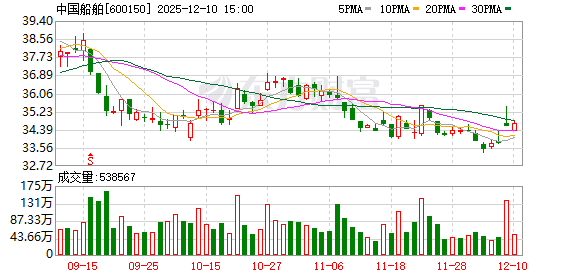
Group 1 - China Shipbuilding Industry Company Limited announced a cooperation agreement with China COSCO Shipping Group for a new shipbuilding project involving 87 vessels, amounting to approximately 50 billion RMB, with cross-border RMB settlements of about 47 billion RMB, setting records for both the highest single cooperation signing amount and the highest cross-border RMB settlement in China's shipbuilding history [2] - The new shipbuilding project aligns with the current trends in the shipping industry towards larger, greener, and smarter vessels, aimed at optimizing fleet structure and ensuring the stability of global trade logistics supply chains [2] - The global shipping and shipbuilding industries are undergoing profound changes, with a focus on the integration of green low-carbon and digital technologies, which are becoming key directions for industry development [2] Group 2 - As of December 9, 2023, the global container shipping capacity ranking shows Mediterranean Shipping Company (MSC) leading with a capacity of 7.0975 million TEUs, holding a market share of 21.3%, followed by Maersk and CMA CGM, while COSCO Shipping ranks fourth with a capacity of approximately 3.5554 million TEUs and a market share of 10.7% [3] - Major global shipping companies have been placing significant orders for new vessels, with MSC being a notable example, having signed contracts for 56 new container ships in 2024, totaling approximately 1.1212 million deadweight tons, making it the largest orderer for that year [3] - The shipping industry is experiencing a trend of capacity expansion, with companies like Hapag-Lloyd and CMA CGM also significantly increasing their fleet sizes, driven by the need to enhance market share and competitiveness following the high profits generated during the pandemic [4]

你的下一台空调,可能由机器人制造、装箱
Di Yi Cai Jing· 2025-12-10 07:23
Core Viewpoint - The future of air conditioning production may rely more on robots than human workers, as demonstrated by Gree Electric's intelligent air conditioning factory in Zhuhai, which has achieved an 80% automation rate and produces one air conditioner every 15 seconds [2][3]. Group 1: Automation and Production Efficiency - Gree's Zhuhai factory utilizes over 2,000 industrial robots, significantly reducing the workforce needed on production lines from over 70 to just 20 [3]. - The factory's production efficiency has improved, with air conditioners being produced every 15 seconds, showcasing the effectiveness of automation [3]. - The introduction of AI technology allows robots to dynamically adjust their operations, enhancing flexibility and precision in manufacturing processes [3][4]. Group 2: AI and Data Integration - AI detection has replaced manual inspection, with smart devices testing 16 performance indicators for each air conditioner before it leaves the production line [4]. - The integration of various smart devices and robots on the production line presents challenges, particularly in coordinating numerous processes and ensuring real-time data connectivity [4][6]. - Gree has established an industrial internet platform to unify data across different departments, facilitating seamless communication and collaboration [6]. Group 3: Intelligent Manufacturing and Business Model Transformation - Gree's operational model is shifting from traditional manual processes to an AI-driven approach that emphasizes real-time data analysis and autonomous decision-making [9]. - The investment in the Zhuhai intelligent factory is substantial, with a total planned investment of 15 billion yuan and an expected annual output of 12.3 million units, generating an annual revenue of 18 billion yuan [9][10]. - The factory has been recognized as one of the first 15 pilot intelligent factories in the country, indicating its advanced manufacturing capabilities [10]. Group 4: Future Expansion and Development - Gree plans to replicate the Zhuhai factory model across 13 other air conditioning production bases in various cities, enhancing its manufacturing footprint [10]. - The company aims to further develop its intelligent equipment and robotics business, with a projected revenue growth of 20.9% in the first half of 2025 [12]. - Gree has developed industrial robots with load capacities ranging from 1 kg to 600 kg, applicable in various manufacturing processes [12].

汽车ETF(516110)涨超1.0%,行业迎双轮驱动
Mei Ri Jing Ji Xin Wen· 2025-12-10 07:07
Core Viewpoint - The automotive and parts industry is expected to benefit from the dual drivers of smart manufacturing and green transformation during the "14th Five-Year Plan" period, with a focus on electric, intelligent, and connected vehicles [1] Industry Trends - The widespread use of data elements is driving the transformation and upgrading of traditional manufacturing, enhancing the resilience and security of supply chains [1] - Key development areas include smart connected vehicles and parts, with the market penetration of new energy vehicles continuously increasing, leading to new demands for charging stations, smart driving, vehicle networking, and battery recycling [1] - The green low-carbon transition is promoting the development of new energy and energy storage systems, with technologies such as electrochemical energy storage and hydrogen energy entering a critical period, providing support for the automotive industry [1] Investment Opportunities - The automotive ETF (516110) tracks the 800 automotive index (H30015), which selects representative listed company securities from the automotive-related industry, covering vehicle manufacturing, parts supply, and automotive services [1] - This index, with its high industry concentration and market representation, offers investors a convenient tool for industry investment [1]
对标“灯塔工厂”,跟着记者探厂中国智造名片
2 1 Shi Ji Jing Ji Bao Dao· 2025-12-10 06:43
南方财经记者彭敏静珠海报道 近日,工业和信息化部等六部门正式公布了首批领航级智能工厂名单,全国仅15家企业入选。格力电器 (珠海金湾)有限公司(简称:格力金湾)凭借"全价值链格力协同屋空调智能工厂"项目,成功入选最高层 级的"领航级"智能工厂培育名单,也是广东省唯一入选该名单的企业。 作为中国智能制造领域的最高层级认证,领航级智能工厂代表着中国制造业的最高水平。在相当长的时 间里,中国智能工厂评价标准采用的是国外的"灯塔工厂"。为了建立属于中国自己的智能工厂评价标 准,2024年,工信部、国家发展改革委等六部门联合启动智能工厂梯度培育行动,构建起"基础级—先 进级—卓越级—领航级"四级递进体系,这是我国迄今为止最全面、最严格的智能制造成熟度评价标 准。 据了解,作为四级体系的顶端,领航级智能工厂并非简单的"自动化升级",而是要求企业在技术创新、 模式突破、行业引领等方面达到全球领先水平:需实现智能制造能力成熟度四级以上,核心产品具有全 球竞争力,能输出新技术、新工艺、新模式,探索未来制造形态。截至2025年,全国已建成3万余家基 础级、1200余家先进级和230余家卓越级智能工厂。作为"金字塔尖"的领航级工厂 ...
行业聚焦:全球环锭纺细纱机市场头部企业份额调研(附Top10 厂商名单)
QYResearch· 2025-12-10 03:21
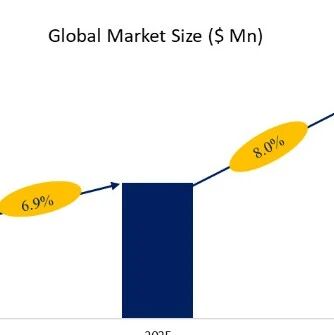
Market Overview - The global ring spinning machine market is expected to grow steadily, reaching a market size of $2.04 billion by 2031, with a compound annual growth rate (CAGR) of approximately 8% over the next five years. This growth is driven by the ongoing demand for high-quality yarn, smart manufacturing upgrades, and green energy-efficient production in the downstream textile and apparel industry [2]. Policy Support - Governments, particularly in major textile-producing countries like China, India, and Vietnam, are promoting the textile machinery industry towards high-end and intelligent development through industrial upgrade plans and technology renovation subsidies. China's "smart manufacturing" and "green manufacturing" strategies support the elimination of outdated, high-energy-consuming equipment and the introduction of intelligent spinning machines with advanced features [4]. Market Expansion - The increasing global population and demand for clothing, along with the transfer of the textile industry to emerging markets (such as South Asia and Southeast Asia), are driving strong demand for new capacity and replacement of outdated capacity. Developed countries are also demanding customized yarns in small batches, requiring spinning machines to have more flexible process parameter adjustments and shorter changeover cycles [4]. Corporate Strategy - Major spinning machine manufacturers are transitioning from "single machine sales" to providing comprehensive solutions that include "spinning system integration + software platforms + preventive maintenance services." This transformation leverages industrial IoT, big data analytics, and AI technology to achieve digital monitoring and optimization throughout the spinning process, significantly improving yarn quality consistency and energy management efficiency [4]. Key Drivers - The demand for ring spinning machines is closely tied to the yarn industry's performance. The persistent demand for clothing and home textiles necessitates regular updates of old machines or capacity expansion by spinning mills. The rising demand for high-quality yarns (such as high-count yarns and compact yarns) ensures long-term resilience in the demand for high-end spinning machines [10]. - Automation and energy-saving upgrades are significant drivers for equipment iteration, as rising labor costs and the need for energy consumption control push spinning mills to invest in automated spinning machines that reduce labor intensity and improve yarn quality [11]. - Continuous advancements in domestic spinning machine technology enhance the domestic substitution rate, with Chinese spinning machines increasingly matching or exceeding the performance of imported equipment, thus promoting market expansion and accelerating the replacement of imported brands [12]. Major Obstacles - The volatility of downstream demand leads to cyclical investment periods, as the spinning industry is significantly affected by external trade environments, cotton price fluctuations, and inventory cycles. This results in spinning mills delaying expansion or investment decisions during downturns, leading to a decline in orders for spinning machines [13]. - The concentration of supply and cost fluctuations for key components, such as steel components and control chips, pose risks to the profitability and delivery timelines of machine manufacturers when supply tightens or costs rise [14]. - Intensified competition in the mid-to-low-end spinning machine market, characterized by frequent price wars and similar performance among devices, compresses profit margins and limits research and development investments [15]. Industry Development Opportunities - The demand for smart manufacturing and digital factory renovations is rapidly growing, with spinning machines becoming key equipment in the digital upgrade process, creating new growth points for spinning machine manufacturers [16]. - The ongoing transfer of textile production capacity to countries like India, Bangladesh, and Vietnam is expanding international market opportunities, with strong demand for cost-effective and stable-performing Chinese spinning machines [17]. - The increasing demand for high-quality and functional yarns is driving the upgrade of high-end equipment, as the growth in high-end yarn demand necessitates continuous iterations of high-end spinning machines [18]. Downstream Industry Focus - The high-end yarn manufacturing sector is one of the most stable and fastest-growing application areas for ring spinning machines, with a significant increase in demand for high-count yarns and high-quality cotton yarns in China and Southeast Asia. By the end of 2023, China's high-count yarn capacity accounted for over 35% of total capacity, up nearly 12 percentage points since 2018 [19]. - The market for functional and differentiated fibers is expanding, driven by the rapid development of sportswear and outdoor fabrics, which require spinning machines with precise control capabilities [20][21]. - The digitalization of spinning factories is becoming a strategic emerging market for ring spinning machines, with projections indicating that over 7,000 smart spinning workshops will be established or renovated globally by 2030, with China accounting for over 45% of this total [22].
密码学知识做成科普游戏
Hang Zhou Ri Bao· 2025-12-10 01:48
Group 1 - The core idea of the news is the innovative project "Secret Delivery Little Agent" developed by a team from Hangzhou University of Electronic Science and Technology, which combines cryptography principles with engaging games for children [1] - The project aims to teach children about security concepts through interactive gameplay, allowing them to learn encryption strategies while having fun [1] - The team has developed six web-based mini-games and two immersive storyline tasks within four months, enabling children to engage in activities like dragging characters and decoding messages [1] Group 2 - The 11th Hangzhou University Student Science and Technology Innovation Competition received 443 projects from over 20 universities, covering various fields such as artificial intelligence and smart manufacturing [2] - The competition emphasizes transforming university students' AI ideas into products, promoting employment through result conversion [2] - The event aims to establish a complete innovation investment chain by collaborating with financial institutions and creating partnerships between academia and industry [2]