智能化

Search documents
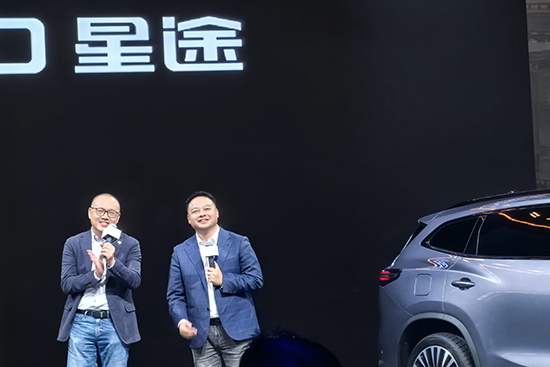
星途坚定高端化决心 ET5搭载多款首发黑科技
Zhong Guo Jing Ji Wang· 2025-12-01 06:47
Core Viewpoint - The launch of the Xpeng ET5 marks a significant step for Chery Automobile in its high-end positioning strategy, aiming to enhance sales and brand reputation amidst challenges in the premium segment [3][8]. Group 1: Product Launch and Features - The Xpeng ET5, a new mid-size SUV, was officially launched on November 28, with a limited-time price range of 134,900 to 149,900 yuan [3]. - The vehicle features advanced technology, including the Horizon HSD and Journey 6P chips, and the Falcon 700 urban NOA, emphasizing Chery's commitment to high-end technology [3][8]. - The ET5 is equipped with a 1.5T range extender engine, achieving a thermal efficiency of 45.79% and a fuel-to-electricity conversion efficiency of 3.71 kWh/L, providing a comprehensive range of over 2000 km [12]. Group 2: Sales Performance and Market Position - Chery's overall sales reached 2.2889 million units in the first ten months of the year, reflecting a 13% year-on-year increase, while the Xpeng brand's sales were only 97,500 units, falling short of the annual target of 300,000 units [5][6]. - The underperformance of the Xpeng brand has led to organizational restructuring, including the integration of Xpeng into Chery's domestic business group and a change in leadership within the marketing center [6]. Group 3: Strategic Vision and Brand Positioning - Chery aims to position the Xpeng brand as a leader in "tech luxury," with a focus on integrating advanced technology into everyday use, as highlighted by the collaboration with Horizon Robotics [8][10]. - The ET5 is designed to set a new benchmark for intelligent configurations in the 150,000 yuan market segment, with a strong emphasis on user experience and product performance [13].

上汽集团纳入上证50透露出什么信号
Zhong Guo Qi Che Bao Wang· 2025-12-01 06:43
Core Viewpoint - The Shanghai Stock Exchange and China Securities Index Co., Ltd. announced adjustments to several indices, including the re-inclusion of SAIC Motor Corporation Limited in the SSE 50 Index, indicating a significant improvement in the company's fundamentals and recognition by the index expert committee [1]. Company Performance - SAIC Motor's core indicators such as revenue and profit margin for the first three quarters of 2025 exceeded those of the same period last year, with R&D expenses reaching 12.61 billion yuan, a year-on-year increase of 9.4% [4]. - The company has focused its investments on electric and intelligent vehicle technologies, achieving a thermal efficiency of 46.3% for its DMH hybrid engine and a low fuel consumption of 2.5 L/100 km for the Roewe M7 DMH [4]. - In the first ten months of 2025, SAIC's cumulative sales of new energy vehicles reached 1.29 million units, a year-on-year increase of 42.5%, outperforming the industry growth rate [4]. Product Strategy - The launch of popular models has significantly supported sales, with the Roewe M7 DMH achieving over threefold sales growth in October compared to the previous month [5]. - The MG4 model has maintained strong sales in both domestic and European markets, while the collaboration with Huawei on the Jiangjie H5 has resulted in rapid sales growth, with over 10,000 units delivered within 43 days of launch [5]. Market Position and Future Outlook - The re-inclusion in the SSE 50 Index is seen as a validation of SAIC's operational quality and profit expectations, which is expected to stabilize its valuation and attract long-term investment [6]. - The competitive landscape in electric and intelligent vehicle sectors remains intense, and the company's ability to maintain its recovery momentum will depend on its continued innovation and product offerings that meet consumer demands [6].


2025商用车产业合作发展大会在京举行
Zhong Guo Qi Che Bao Wang· 2025-12-01 02:00
Core Viewpoint - The "2025 Commercial Vehicle Industry Cooperation Development Conference" held in Beijing emphasizes the achievements and future strategies of China's commercial vehicle industry, highlighting the importance of green transformation, intelligent upgrades, and global expansion [3][4]. Group 1: Industry Achievements and Future Directions - The commercial vehicle industry is a crucial pillar of the national economy, showcasing unprecedented vitality and resilience in green transformation and intelligent upgrades [4]. - During the "14th Five-Year Plan" period, the industry achieved breakthroughs in production and sales scale, technology level, product structure, and international competitiveness, indicating a positive development trend [4]. - The next five years are seen as a critical period for consolidating and innovating the industry, aiming for higher quality, efficiency, and sustainability [4]. Group 2: Green Development and Technological Integration - The "15th Five-Year Plan" will see deep integration of new energy technologies, with continuous cost optimization and comprehensive infrastructure improvement [4]. - A multi-faceted zero-carbon transportation system will be established, with hydrogen, pure electric, and hybrid technologies playing significant roles [4]. - The green transformation of the commercial vehicle industry will closely align with energy, transportation, and urban development, becoming a core force in achieving China's "dual carbon" goals [4]. Group 3: Intelligent Development and Globalization - The industry will transition from "point breakthroughs" to "overall intelligent governance," integrating single vehicle intelligence with smart traffic systems [5]. - The commercialization of autonomous driving technology is expected to transform logistics and business models significantly [5]. - Chinese commercial vehicle enterprises will shift from merely exporting products to promoting technology standards and solutions globally, aiming for a leap from "global sales" to "global operations" [5]. Group 4: Market Trends and Competitive Landscape - Current annual sales of Chinese vehicles are approximately 33 million, with the domestic market expected to reach around 40 million [6]. - It is anticipated that Chinese brands will capture 50% of the global market share, reflecting the industry's competitive mission [6]. - The industry is expected to consolidate into about 15 globally competitive enterprise groups, with others potentially exiting the market through mergers or restructuring [6]. Group 5: Strategic Focus Areas - The future five years will focus on five strategic areas: domestic demand, manufacturing, technology, safety, and green initiatives, with an increased emphasis on domestic demand compared to the "14th Five-Year Plan" [7]. - The balance between supply and demand in transportation is expected to improve, with short to medium-distance transport demand showing better prospects than long-distance [7]. - The implementation of AI in transportation is projected to lead to a golden development period for smart logistics in the next 5 to 10 years [7]. Group 6: International Strategies and Market Position - New energy commercial vehicles are crucial for promoting energy conservation and carbon reduction in transportation, with significant opportunities for coordinated development in technology, market, and policy during the "15th Five-Year Plan" [8]. - Chinese electric buses have established a strong international competitive advantage, particularly in the European zero-emission bus market [8]. - The industry has reached an international leading level in new energy and related technologies, with a robust industrial chain supporting electric bus solutions [8]. Group 7: Industry Events and Networking - The "2026 Shenzhen International Commercial Vehicle Eco-Expo" aims to enhance the commercial vehicle industry's ecosystem and upgrade its development [9]. - The expo will serve as a professional platform covering the entire commercial vehicle industry chain, facilitating market transactions and brand promotion [9]. - A salon discussion on high-quality development paths for the commercial vehicle industry will be held, focusing on technological innovation and application [10].

汽车观察 | 大众汽车任命集团战略新负责人、一汽解放拟增资解放时代
Mei Ri Jing Ji Xin Wen· 2025-12-01 01:54
NO.1长安汽车拟参与设立长安机器人公司 11月28日电,长安汽车发布公告称,公司董事会审议通过了《关于投资设立机器人公司的议案》。长安 天枢智能机器人科技有限公司由中国长安汽车集团有限公司、重庆长安汽车股份有限公司、辰致汽车科 技集团有限公司、重庆长安科技有限责任公司(以下简称长安科技)共同投资设立,注册资本4.5亿 元。其中,公司拟以自有资金出资2.25亿元,持股50%;公司全资子公司长安科技拟以自有资金出资 0.45亿元,持股10%。 点评:长安汽车拟设立新机器人公司,进一步推动其向智能制造和自动化领域的扩展。这一战略性投资 不仅标志着长安积极融入机器人产业的决心,也展现了其在创新产品与业务方案上的潜力。此举也为整 个汽车行业的转型升级提供了参考,激励其他企业加速探索新技术与新业态,推动行业整体的变革。 点评:大众汽车集团任命Ludwig Fazel为新战略负责人,凸显其加速电动化与智能化转型的决心。此举 或提振市场对传统车企转型预期的信心,相关零部件及新能源产业链公司估值有望获得重估。整体来 看,该人事变动强化了行业变革信号,或引导市场进一步聚焦汽车产业升级机遇。 NO.4雷军:小米汽车跨年购置税补贴 ...




理想汽车第三季度财报:营收、净利润双降 全年交付预计40万辆
Xi Niu Cai Jing· 2025-12-01 01:29
Core Viewpoint - Li Auto reported a significant decline in revenue and net profit for Q3 2025, indicating ongoing challenges in vehicle deliveries and financial performance [2][3][4]. Financial Performance - Total revenue for Q3 2025 was 27.4 billion RMB, a decrease of 36.2% year-on-year and 9.5% quarter-on-quarter [2][3]. - Net loss reached 624 million RMB, a stark contrast to a net profit of 2.8 billion RMB in the same period last year [2][3]. - Vehicle sales revenue fell by 37.4% to 25.9 billion RMB, with a vehicle gross margin dropping from 20.9% to 15.5% [3][4]. Delivery and Production - Total vehicle deliveries in Q3 2025 were 93,211 units, down 39.0% year-on-year, marking the second consecutive quarter below 100,000 units [2][4]. - The company anticipates Q4 2025 vehicle deliveries to be between 100,000 and 110,000 units, representing a year-on-year decrease of 30.7% to 37.0% [5]. Cash Flow and Operational Efficiency - Operating cash flow for Q3 2025 was -7.4 billion RMB, compared to 11 billion RMB in the same period last year [4]. - Free cash flow also deteriorated to -8.9 billion RMB from a positive 9.1 billion RMB year-on-year, attributed to reduced cash receipts from customers and increased inventory payments [4]. Product and Market Position - Despite challenges, the company reported over 100,000 orders for the Li i8 and i6 models, with the i6 positioned competitively in the market [4]. - The Li i6, launched in September, features a starting price of 249,800 RMB and offers competitive specifications, including a 720 km range [4]. Future Outlook - For the full year 2025, the expected total vehicle deliveries are projected to be between 397,000 and 407,000 units, a decline of approximately 20% from 2024 [5].

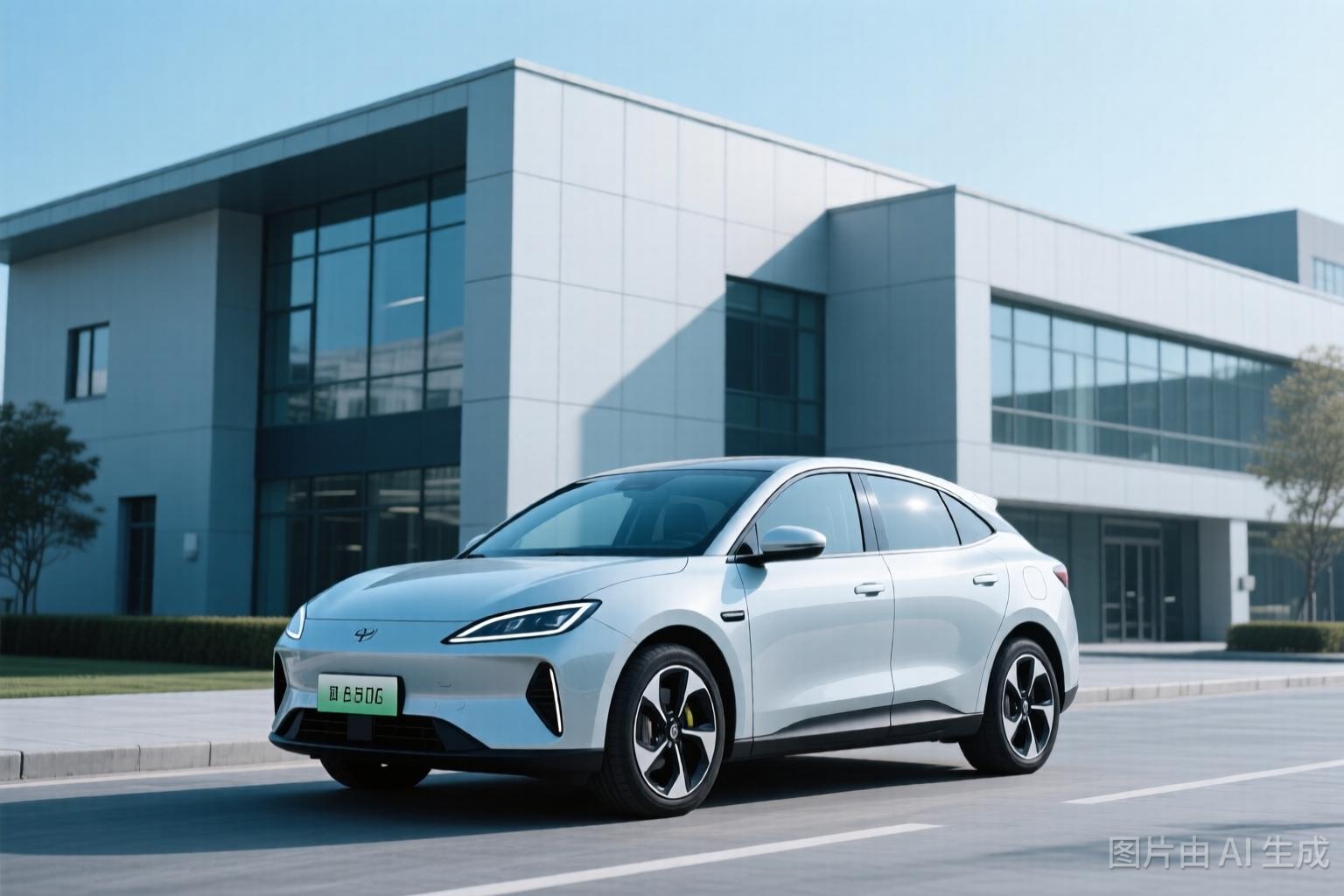
研判2025!中国游艇租赁行业发展背景、产业链、市场规模、竞争格局及发展趋势分析:潜在用户规模不断扩大,行业未来发展潜力不容忽视[图]
Chan Ye Xin Xi Wang· 2025-12-01 01:16
Core Insights - The Chinese yacht rental industry is experiencing significant growth, driven by increasing disposable income and a shift in consumer preferences towards high-quality leisure activities. The market size is projected to reach 3.8 billion yuan in 2024, a 35% year-on-year increase, and is expected to grow to 5 billion yuan by 2025 [1][6]. Industry Overview - Yachts are defined as vessels equipped for leisure, tourism, and business activities, excluding standard passenger ships and smaller boats. Yacht rental is a primary consumption method, involving the leasing of yachts for various activities, with options for shared or exclusive use [3][5]. Market Dynamics - The yacht rental market is expanding beyond coastal cities to inland areas like Wuhan and Chongqing, leveraging local water resources. Internet platforms like Meituan and Didi are lowering entry barriers through shared economy models, broadening the potential user base [1][6]. Economic Indicators - China's per capita disposable income reached 32,509 yuan in the first three quarters of 2025, up 5.2% year-on-year, while per capita consumption expenditure rose to 21,575 yuan, a 4.7% increase. This economic growth enhances consumer capacity for yacht rentals [4][5]. Industry Chain - The yacht rental industry consists of three segments: upstream manufacturers who design and produce yachts, midstream rental service providers who convert yacht resources into consumer services, and downstream end-users [5]. Competitive Landscape - The yacht rental market is competitive, with major players including large rental companies, travel agencies, and individual operators. These entities strive to enhance their market position through brand development, marketing, and customer service [7][8]. Trends in the Industry - The industry is moving towards digitalization and smart technology, improving user experience and operational efficiency through online booking platforms and real-time yacht management systems [9]. - There is a growing preference for luxury yacht experiences and diverse rental options, driven by consumer demand for unique leisure activities [10]. - The promotion of electric yachts is increasing, reflecting a shift towards sustainability and environmental consciousness in the market [11][12].



奇瑞汽车20251128
2025-12-01 00:49
Summary of Chery Automobile Conference Call Company Overview - Chery Automobile has entered a growth phase since 2022, significantly increasing its market share due to technological advancements such as Kunpeng Power and Mars Architecture, as well as export growth [2][4] Core Industry Insights - Chery maintains a dual development strategy for traditional fuel vehicles and new energy vehicles, with steady market share growth in the domestic market [2][4] - Strong sales performance from models like the Tiggo 8 series and Arrizo 7 contribute significantly to revenue [2][4] - The company has expanded its overseas market presence, achieving over 1 million units sold abroad, with Europe, Southeast Asia, and Latin America as key focus areas, particularly strong performance in the Brazilian market [2][4][6] Technological Advancements - Chery has a notable advantage in engine technology, with the Kunpeng engine achieving a thermal efficiency of 48%, placing it at a global leading level, enhancing competitiveness in fuel and hybrid vehicle segments [2][5] - The company is progressing in the smart technology sector through a 2.0 strategic partnership with Huawei, gradually applying Huawei's Intelligent Driving 4.0 solutions to its Zhijie platform, resulting in increased sales of updated Zhijie models [2][5] Future Development Strategy - Chery plans to integrate domestic operations and strengthen brand collaboration, focusing on the Fengyun and Tiggo brands for new energy transformation, with the Fengyun series targeting the Geely Galaxy [6] - The company aims to launch multiple new models based on CCDM 6.0, including the Fengyun T11 and upgraded T9L, while continuing to focus on the Arrizo and Tiggo product lines in the fuel vehicle sector [6] - The overseas market remains a crucial growth point, with plans to achieve a production capacity of 50,000 units in Europe by 2027 and 150,000 units by 2029 [6] Financial Projections and Investment Recommendations - Chery is projected to achieve a net profit of approximately 18 billion RMB in 2025, potentially reaching around 20 billion RMB in 2026, with a current valuation of about 10 times earnings [3][7] - Despite a weak beta in the overall automotive industry, the expected stable growth in overseas business and continuous iteration of the Fengyun brand, along with the potential success of the Zhijie MPV, could drive further valuation increases [7]
人力资源服务业加力促就业
Ren Min Ri Bao Hai Wai Ban· 2025-11-30 22:20
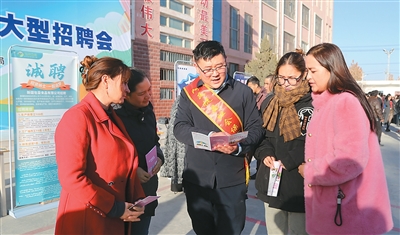
Group 1 - The third National Human Resources Service Industry Development Conference was held in Wuhan, Hubei, from November 28 to 29, focusing on building a supply-demand matching platform and signing a number of human resources service projects [1] - The human resources service industry has provided employment, job selection, and mobility services to an average of 300 million laborers annually and professional support to over 50 million employers since the beginning of the 14th Five-Year Plan [1] - Various regions are exploring ways to expand the human resources service industry, promoting high-quality and full employment through initiatives like skill training and the establishment of human resources service industrial parks [1] Group 2 - Digitalization has injected innovative vitality into human resources services, with companies using big data and AI algorithms to enhance recruitment efficiency significantly [2] - Human resources service agencies are evolving from mere information intermediaries to intelligent advisors, leveraging AI technology to better serve enterprises and promote employment [2] Group 3 - Many human resources service companies are actively expanding into overseas markets, providing comprehensive services such as global personnel outsourcing and international talent selection [3] - The manufacturing sector accounts for nearly 40% of the total service volume in the human resources industry, with pilot cities focusing on the integration of human resources services and manufacturing development [4] Group 4 - Wuhan, as a pilot city, aims to promote the collaboration of human resources services with key industries such as "optical-core-screen-terminal-network," automotive manufacturing, and life health, enhancing innovation capabilities and employment [6] - The local human resources and social security bureau plans to organize over 5,000 recruitment events annually to strengthen supply-demand matching and boost employment [6]
建科智能:不断创新以保持竞争力
Zheng Quan Ri Bao Zhi Sheng· 2025-11-30 16:08
Core Insights - The company, JianKe Intelligent Equipment Manufacturing (Tianjin) Co., Ltd., plays a crucial role in major engineering projects with its intelligent rebar processing robots, contributing to projects like the Hong Kong-Zhuhai-Macao Bridge and the Three Gorges Project [1] Group 1: Innovation and Product Development - JianKe Intelligent has developed a robust technological system in AI, big data, and equipment integration, which accelerates product iteration [2] - The company launched several new robotic products in November, including the GWCAK4000-3 intelligent rebar hole-welding robot, featuring innovations such as a modular structure and precise synchronization of wire feeding speed and rotor speed [2] - The integration of a digital hub allows for maximum utilization of materials and improved inventory management, leading to cost reduction and efficiency enhancement [2] Group 2: Market Expansion and Customer Satisfaction - The company has successfully entered international markets, including Russia, South Korea, Italy, Thailand, Indonesia, and Malaysia, since its initial entry into the Russian market in 2006 [1] - A European client expressed satisfaction with a robot designed to reduce labor costs and enhance efficiency, highlighting the company's ability to provide comprehensive efficiency solutions [1] Group 3: Technological Leadership - JianKe Intelligent maintains a leading position in technology by continuously observing market changes and adapting its R&D direction and product structure [3] - The company’s products fill technological gaps in the industry, leveraging a combination of various technologies such as computer software, mechatronics, intelligent control, and rebar connection technology [3] - The accumulation of proprietary technology and ongoing innovation are key to maintaining the company's core competitiveness, significantly improving processing efficiency and reducing costs [3]
周观点 | 长安汽车投资设立机器人公司 关注机器人板块【国联民生汽车 崔琰团队】
汽车琰究· 2025-11-30 06:45
Market Performance - The A-share automotive sector rose by 3.6% from November 24 to November 30, outperforming the CSI 300 index, which increased by 0.9% [2] - Sub-sectors such as automotive parts, motorcycles, automotive services, passenger cars, commercial passenger vehicles, and commercial freight vehicles saw increases of 4.0%, 4.0%, 3.4%, 3.3%, 3.2%, and 1.4% respectively [2] Investment Recommendations - Recommended core stocks include Geely Automobile, Xpeng Motors, BYD, Xiaomi Group, Li Auto, Bertel, Top Group, Xinquan Co., Hu Guang Co., and Chunfeng Power [3][12] - In the passenger car segment, focus on quality autonomous brands that are accelerating in intelligence and globalization [16] - For automotive parts, recommended stocks include Bertel, Horizon Robotics, and Kobot, with a focus on the new forces in the industry chain [19] Company Developments - Changan Automobile announced plans to invest 225 million yuan to establish a robotics company, holding a 50% stake, while its subsidiary Changan Technology will invest 45 million yuan for a 10% stake [4] - Avita Technology submitted an IPO application to the Hong Kong Stock Exchange, reporting a revenue of 12.21 billion yuan for the first half of 2025, a year-on-year increase of 98.5% [5][14] Policy Impact - The Chinese government is extending the "old-for-new" vehicle replacement policy, which includes subsidies for scrapping vehicles that meet certain emission standards [15][30] - The subsidy for scrapping and replacing eligible vehicles is set at an average of 80,000 yuan for scrapped vehicles and 35,000 yuan for new purchases without scrapping [30] Industry Trends - The demand for high-performance computing driven by AI is expected to boost the liquid cooling market, projected to grow at a CAGR of 27.6% from 2024 to 2030, reaching a market size of 21.3 billion USD [24] - The motorcycle market is experiencing growth in the large-displacement segment, with sales of motorcycles over 250cc reaching 61,000 units in October 2025, a year-on-year decrease of 0.2% [27][29] Competitive Landscape - The tire industry is witnessing a recovery in demand, with the operating rate for passenger car tires at 70.05% and truck tires at 62.25% as of November 22, 2025 [33] - The heavy truck market is expected to benefit from the expanded subsidy policy, with sales in October 2025 reaching approximately 93,000 units, a year-on-year increase of about 40% [30][31]