
AI医疗

Search documents
国联医疗健康混合A:2025年第二季度利润38万元 净值增长率11.81%
Sou Hu Cai Jing· 2025-07-21 04:17
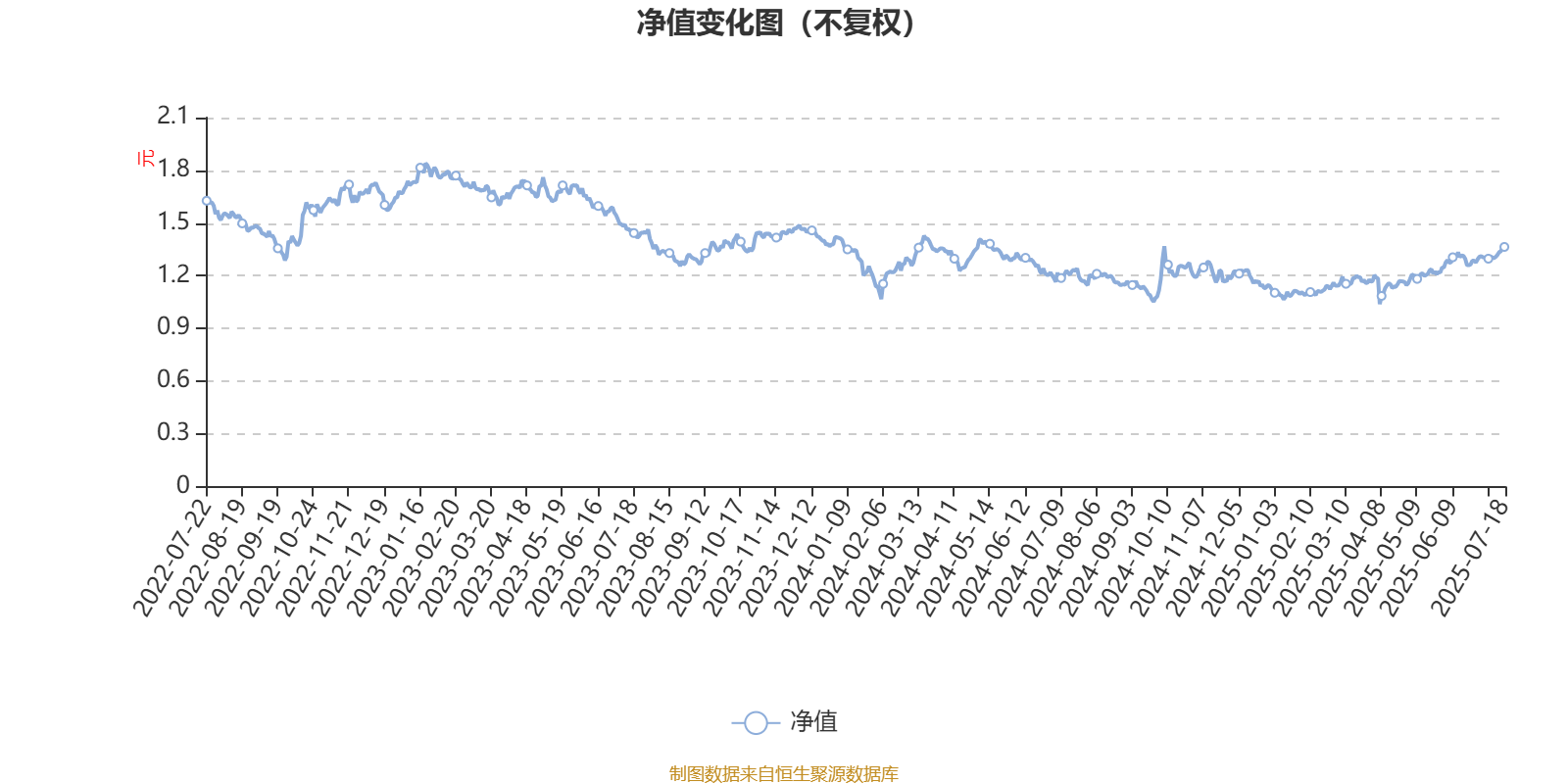
截至7月18日,国联医疗健康混合A近三个月复权单位净值增长率为19.92%,位于同类可比基金98/138;近半年复权单位净值增长率为23.95%,位于同类可 比基金107/138;近一年复权单位净值增长率为10.39%,位于同类可比基金122/133;近三年复权单位净值增长率为-17.26%,位于同类可比基金84/107。 AI基金国联医疗健康混合A(006240)披露2025年二季报,第二季度基金利润38万元,加权平均基金份额本期利润0.1353元。报告期内,基金净值增长率为 11.81%,截至二季度末,基金规模为397.04万元。 该基金属于偏股混合型基金,长期投资于医药医疗股票。截至7月18日,单位净值为1.364元。基金经理是杜伟和刘柏川。 基金管理人在二季报中表示,目前,AI医疗应用尚处0-1的萌芽阶段,新产品、新服务层出不穷。众多上市公司已将AI技术深度融入主营业务,带动业绩增 长与主业升级。基于对技术发展趋势、行业潜力及企业情况的综合研判,本基金坚定看好AI医疗的长期投资价值,未来将持续优化持仓结构,挖掘优质企 业的投资机会。 截至6月30日,基金近三年夏普比率为-0.0923,位于同类可比基金 ...

AI医疗冲刺千亿市场 高质量数据集成破题密钥
2 1 Shi Ji Jing Ji Bao Dao· 2025-07-21 02:08
Core Insights - The AI medical industry in China has reached a scale of 97.3 billion yuan in 2023 and is projected to grow to 159.8 billion yuan by 2028, with a compound annual growth rate (CAGR) of 10.5% from 2022 to 2028 [1][2][6] Industry Overview - AI is widely applied across the entire medical process, including health management, diagnostic assistance, imaging analysis, drug development, and surgical robotics, enhancing efficiency and patient experience [2][3] - The medical field has historically embraced technology, with digital healthcare laying the groundwork for the current AI advancements [2] Challenges and Risks - A significant challenge is the lack of high-quality training data, which increases the risk of errors in large model applications, leading to issues such as "hallucinations" and opaque reasoning processes [3][4] - The inability to effectively process multimodal data limits the application of large models in complex clinical scenarios [4] - The rise of domestic large models introduces security risks, including potential malicious attacks and single-point failures [5] - Local hardware deployment of large models results in wasted computational resources and inefficiencies due to dispersed computing power [5] Solutions and Initiatives - Experts advocate for the collection, anonymization, and annotation of clinical data to build high-quality datasets, which are essential for driving AI development and improving model accuracy [6] - Successful examples include the establishment of high-quality datasets for cardiac diseases, integrating extensive clinical data to ensure accuracy and comprehensiveness [6] - Companies are encouraged to collaborate in building a medical data governance framework and a service system to facilitate the large-scale application of AI in healthcare [7]
医药行业2025年中期投资策略:BD加速创新药重估,后续持续看好创新药及产业链、AI医疗、脑机接口等结构性机会
Southwest Securities· 2025-07-20 12:32
Core Viewpoints - The pharmaceutical and biotechnology sector is experiencing a turning point and structural market trends in the first half of 2025, with a focus on innovative drugs and their supply chain, AI healthcare, and brain-computer interfaces as structural opportunities [3][5] - The A-share pharmaceutical and biotechnology index has increased by 10.10% since the beginning of 2025, outperforming the CSI 300 index by 8.90 percentage points, ranking 4th in industry performance [3][22] - Among 480 listed pharmaceutical and biotechnology companies, 348 have seen their stock prices rise, accounting for 72.5%, with 17 stocks doubling in value [3][40] Investment Logic - The innovative drug sector is accelerating its value reconstruction through business development (BD) overseas, research and commercialization progress, and policy support. In the first half of 2025, over 50 BD transactions for innovative drugs occurred, totaling over $48 billion [5] - Significant clinical data releases and commercialization progress for major drug candidates are expected to drive stock price increases [5] - Policy initiatives, such as the March 2025 government work report emphasizing the support for innovative drugs and medical devices, are providing strong backing for the industry's long-term development [5] Market Performance - The pharmaceutical sector's valuation has seen a short-term recovery but remains at a long-term low, with a PE ratio of 29 times as of mid-2025, slightly above the 50th percentile of the past four years [3][43] - Public fund holdings in the pharmaceutical sector have increased, with the proportion of public funds in A+H shares rising to 9.05% in Q1 2025, a 0.37 percentage point increase [3][58] Sub-industry Performance - The best-performing sub-industries in the pharmaceutical sector include chemical preparations and other biological products, with increases of 25.8% and 24.0%, respectively [3][22] - The pharmaceutical industry is witnessing a structural market trend, with innovative drugs leading the charge, while traditional sectors like vaccines and traditional Chinese medicine have seen slight declines [3][29] Recommended Stocks - A robust portfolio is suggested, including companies such as Heng Rui Medicine, BeiGene, and United Imaging Healthcare, among others [10]



国泰创新医疗混合发起A:2025年第二季度利润149.28万元 净值增长率13.44%
Sou Hu Cai Jing· 2025-07-20 07:54
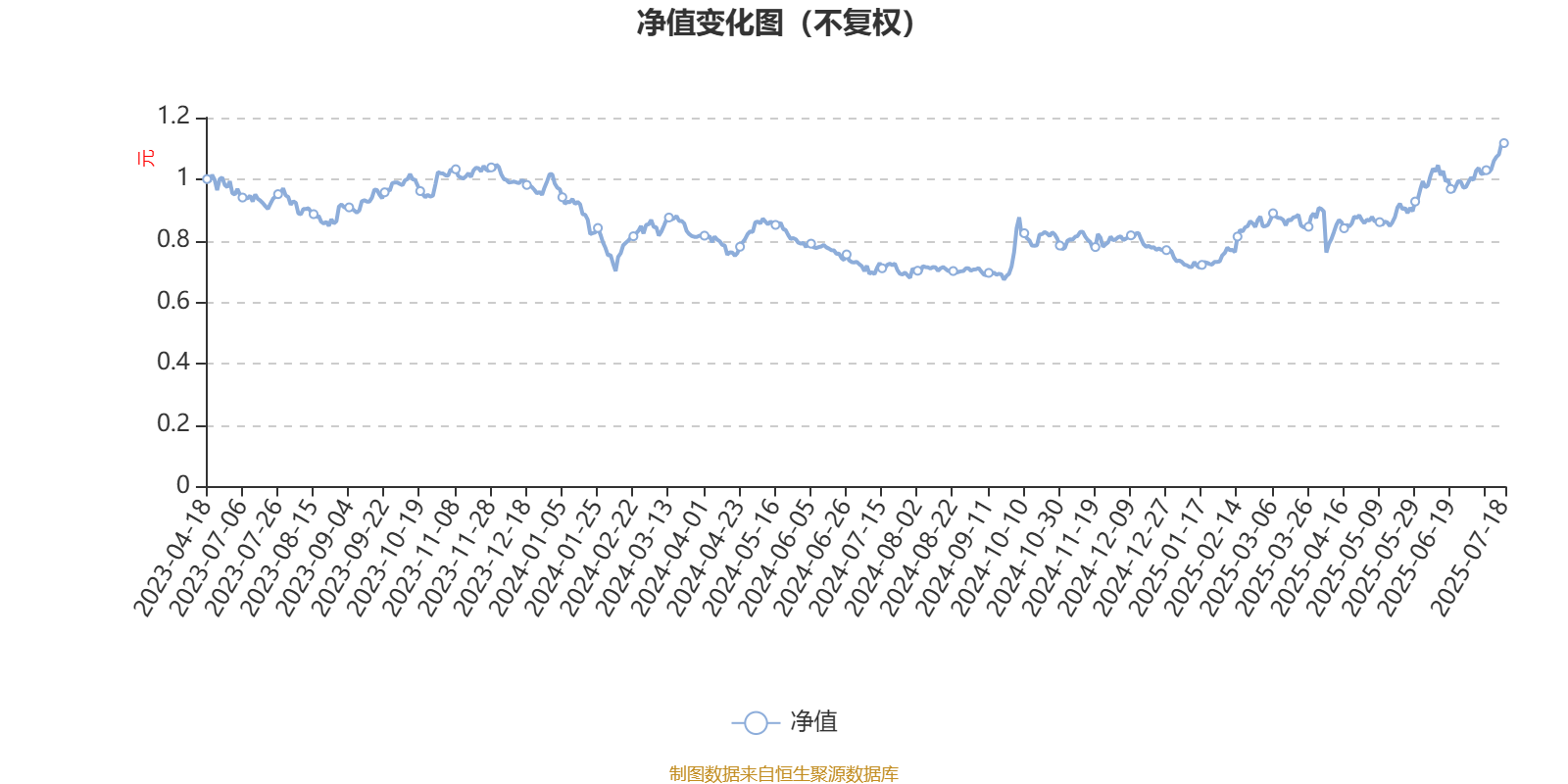
截至7月18日,国泰创新医疗混合发起A近三个月复权单位净值增长率为31.99%,位于同类可比基金53/138;近半年复权单位净值增长率为54.88%,位于同 类可比基金44/138;近一年复权单位净值增长率为54.11%,位于同类可比基金41/133。 通过所选区间该基金净值增长率分位图,可以观察该基金与同类基金业绩比较情况。图为坐标原点到区间内某时点的净值增长率在同类基金中的分位数。 AI基金国泰创新医疗混合发起A(018159)披露2025年二季报,第二季度基金利润149.28万元,加权平均基金份额本期利润0.1153元。报告期内,基金净值 增长率为13.44%,截至二季度末,基金规模为1261.4万元。 该基金属于偏股混合型基金,长期投资于医药医疗股票。截至7月18日,单位净值为1.117元。基金经理是邱晓旭,目前管理3只基金近一年均为正收益。其 中,截至7月18日,国泰创新医疗混合发起A近一年复权单位净值增长率最高,达54.11%;国泰产业精选混合A最低,为13.57%。 基金管理人在二季报中表示,在基金操作上,随着 2024 年 9 月末 A/H 股票市场史诗级反弹,我们力争做好从普涨到主线的切换, ...

长城基金医药投资团队:在市场跌宕中潜心深研 精准捕捉医药产业投资机遇
Sou Hu Cai Jing· 2025-07-20 01:46
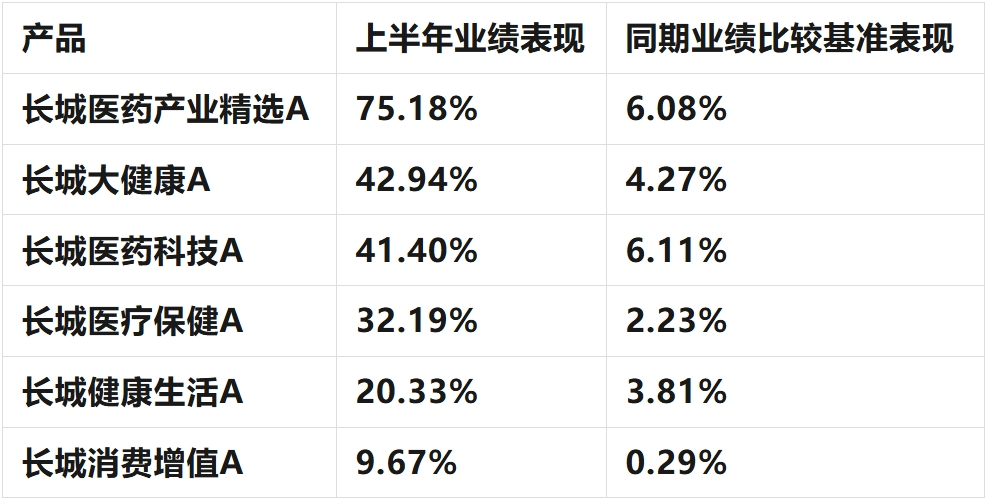
Core Insights - The pharmaceutical investment sector is experiencing a significant resurgence, driven by factors such as aging populations, policy support, technological advancements, and increased capital focus, with a notable performance in 2023 [1][14] - The Changcheng Fund's pharmaceutical investment team has demonstrated exceptional performance, showcasing deep industry insights and professional strength [1][4] Industry Performance - The Wind data indicates that as of July 11, 2023, the Wind Pharmaceutical Index has risen over 30% year-to-date, while the Hang Seng Hong Kong Stock Connect Innovative Drug Index has surged nearly 70% [1][14] - The pharmaceutical sector is characterized by a clear phase of recovery, with significant gains in the first half of 2023, particularly in innovative drugs, supported by favorable policy changes and market conditions [14][15] Fund Performance - Changcheng Fund's pharmaceutical products have shown remarkable performance, with the Changcheng Pharmaceutical Industry Selected A fund achieving a 75.18% return in the first half of 2023, significantly outperforming its benchmark of 6.08% [5][4] - Other funds managed by Changcheng, such as Changcheng Health A and Changcheng Pharmaceutical Technology A, also reported strong returns of 42.94% and 41.40%, respectively, against their benchmarks [6][5] Investment Strategy - The investment strategy of the Changcheng Fund's pharmaceutical team combines top-down industry trend analysis with bottom-up stock selection, focusing on high-potential stocks while managing risks effectively [10][12] - The team emphasizes collaboration and information sharing, allowing for a more agile and informed investment approach [11][12] Future Outlook - The innovative drug sector is expected to continue its strong performance, driven by overseas market openings and the release of clinical data in 2023 and 2024 [15][17] - The long-term demand for innovative drugs is anticipated to grow due to aging populations and increased health awareness, with significant revenue from new overseas licensing agreements expected to support future growth [17][16]
红宝书20250717
2025-07-19 14:02
Summary of Key Points from Conference Call Records Industry or Company Involved - **Semiconductor Packaging Industry**: Focus on TSMC's CoWoS technology and related companies - **RISC-V Architecture**: Development and adoption in high-performance computing - **Micro-Short Drama Industry**: Growth and government support in Shenzhen - **Brain-Computer Interface (BCI) Technology**: Medical applications and market potential - **AI in Healthcare**: Investment trends and technological advancements - **Tourism and Cruise Industry**: Summer tourism trends and company initiatives - **Robotics and AI**: Development in military and healthcare applications Core Insights and Arguments Semiconductor Packaging - TSMC is advancing its CoWoS technology, with expected Q3 sales between $31.8 billion and $33.1 billion, exceeding market estimates [2][3] - The global market for CoWoS technology is projected to exceed $10 billion by 2026, with China leading growth at 71% [2] RISC-V Architecture - The fifth RISC-V China Summit highlighted the acceleration of high-performance computing products [4] - Companies like Aojie Technology and Allwinner Technology are leading in RISC-V CPU subsystem development [5] Micro-Short Drama - Shenzhen's government has introduced measures to support the micro-short drama industry, with a market size expected to reach 68.6 billion yuan in 2025, growing at 36% [6][7] Brain-Computer Interface - The global BCI medical application market is projected to reach $40 billion by 2030, with significant growth in central nervous system disease treatments [8] - Companies like Yanshan Technology and Sanbo Brain Science are pioneering BCI applications [9] AI in Healthcare - The global AI healthcare investment landscape is heating up, with significant advancements in molecular modeling technology [11] - The company is collaborating with Tencent AI Lab to enhance drug discovery processes [11] Tourism and Cruise - The domestic summer tourism consumption is expected to reach 1.8 trillion yuan, with the company launching themed cruise lines [13] Robotics and AI - The military robotics sector is accelerating, with new developments in multifunctional robots for reconnaissance and inspection [16] - Companies are also focusing on healthcare robotics, with applications in rehabilitation and elderly care [15] Other Important but Potentially Overlooked Content - The CoWoS technology's capacity is directly linked to HBM production, indicating a critical supply chain relationship [2] - The RISC-V architecture's integration into data centers could disrupt traditional CPU markets [4] - The micro-short drama market's growth is driven by free content, highlighting a shift in consumer preferences [6] - The BCI technology's commercialization is supported by new pricing regulations in Hubei province [8] - The AI healthcare sector is seeing a convergence of technology and traditional pharmaceutical practices, enhancing drug development efficiency [11] - The cruise tourism initiative is part of a broader strategy to diversify offerings in response to changing consumer demands [13] - The military robotics market is expected to see increased government investment and interest, particularly in AI applications [16]
东财远见成长混合发起式A:2025年第二季度利润65.29万元 净值增长率7.02%
Sou Hu Cai Jing· 2025-07-19 10:36
Group 1 - The core viewpoint of the article highlights the performance and investment strategy of the AI Fund Dongcai Vision Growth Mixed Initiation A (018088), which reported a profit of 652,900 yuan in Q2 2025, with a net value growth rate of 7.02% [2][3] - The fund focuses on long-term investments in pharmaceutical and medical stocks, with a unit net value of 0.866 yuan as of July 18 [2][3] - The fund manager, Sun Chenyang, oversees two funds that have both achieved positive returns over the past year, with the Dongcai Excellence Growth Mixed Initiation A showing the highest growth rate of 51.42% [2][3] Group 2 - The fund's management indicated a strategic shift towards the innovative drug industry chain, emphasizing the potential of AI in drug development, disease diagnosis, and surgical treatment [3] - AI's role in enhancing the accuracy and efficiency of medical diagnoses and treatments is noted, with expectations for increased investment in AI pharmaceuticals and medical applications [3] - The fund's recent performance metrics show a three-month net value growth rate of 23.86%, a six-month growth rate of 36.14%, and a one-year growth rate of 50.53%, positioning it favorably among comparable funds [3] Group 3 - As of June 27, the fund's Sharpe ratio since inception is 0.0874, indicating its risk-adjusted return [7] - The maximum drawdown since inception is reported at 48.55%, with the largest quarterly drawdown occurring in Q1 2024 at 30.58% [11] - The fund has maintained an average stock position of 92.39% since inception, with a peak of 94.38% in H1 2024 [14] Group 4 - As of Q2 2025, the fund's total assets amount to 9.6956 million yuan [16] - The top ten holdings of the fund include companies such as MicroPort Medical, Hongbo Pharmaceutical, and Tigermed, reflecting its focus on the healthcare sector [19]
银华医疗健康混合A:2025年第二季度利润77.26万元 净值增长率2.25%
Sou Hu Cai Jing· 2025-07-18 08:22
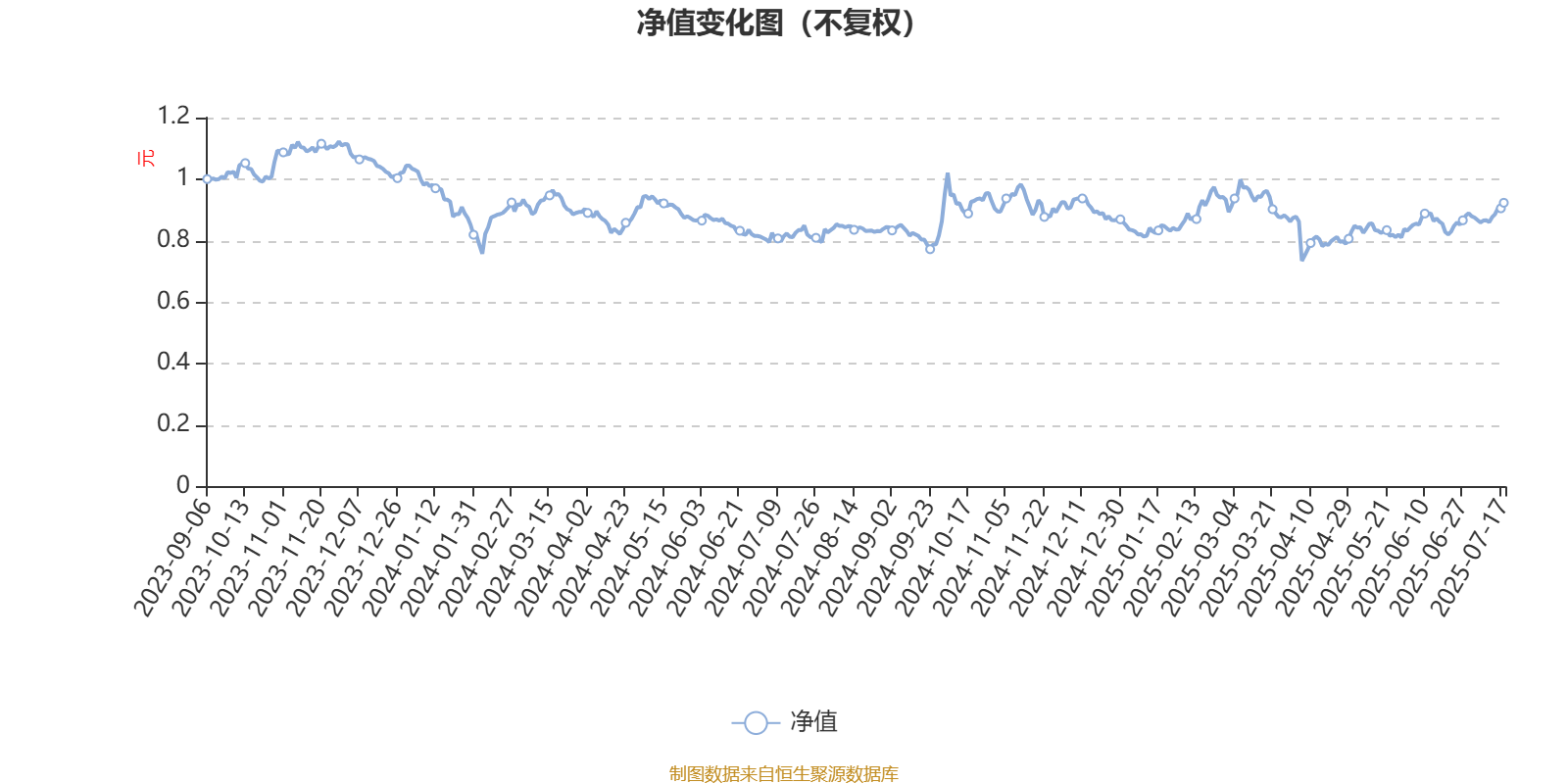
Core Viewpoint - The AI Fund Yinhua Medical Health Mixed A (018364) reported a profit of 772,600 yuan for Q2 2025, with a weighted average profit per fund share of 0.0195 yuan, indicating a net value growth rate of 2.25% during the reporting period [3]. Fund Performance - As of July 17, the fund's unit net value was 0.923 yuan, with a three-month net value growth rate of 16.98%, ranking 104 out of 138 comparable funds [4]. - The fund's six-month net value growth rate was 10.74%, ranking 130 out of 138, and the one-year growth rate was 11.90%, ranking 120 out of 133 [4]. Fund Management Insights - The fund management believes that the risks associated with the significant decline in profitability in the pharmaceutical industry have been largely eliminated due to gradual policy optimization and the expansion of commercial insurance [3]. - The management highlights that technological innovation is the core driving force for the pharmaceutical industry's development, with a focus on innovative drugs and AI medical applications [3]. Investment Strategy - The fund's long-term investment strategy is concentrated on AI drug development and AI medical applications, which are expected to enhance cost efficiency and innovation within the pharmaceutical sector [3]. Fund Metrics - As of June 27, the fund's Sharpe ratio since inception was -0.0151 [8]. - The maximum drawdown since inception was 34.55%, with the largest quarterly drawdown occurring in Q1 2024 at 27.52% [11]. - The average stock position since inception was 88.71%, compared to the industry average of 86.9% [14]. The fund reached a peak stock position of 93.17% by the end of 2024 [14]. Fund Size and Holdings - As of the end of Q2 2025, the fund's size was 35.6523 million yuan [15]. - The top ten holdings of the fund included companies such as Crystal Technology Holdings, Yimaitong, and JD Health, among others [18].
招商前沿医疗保健股票A:2025年第二季度利润4164.49万元 净值增长率7.89%
Sou Hu Cai Jing· 2025-07-18 02:38
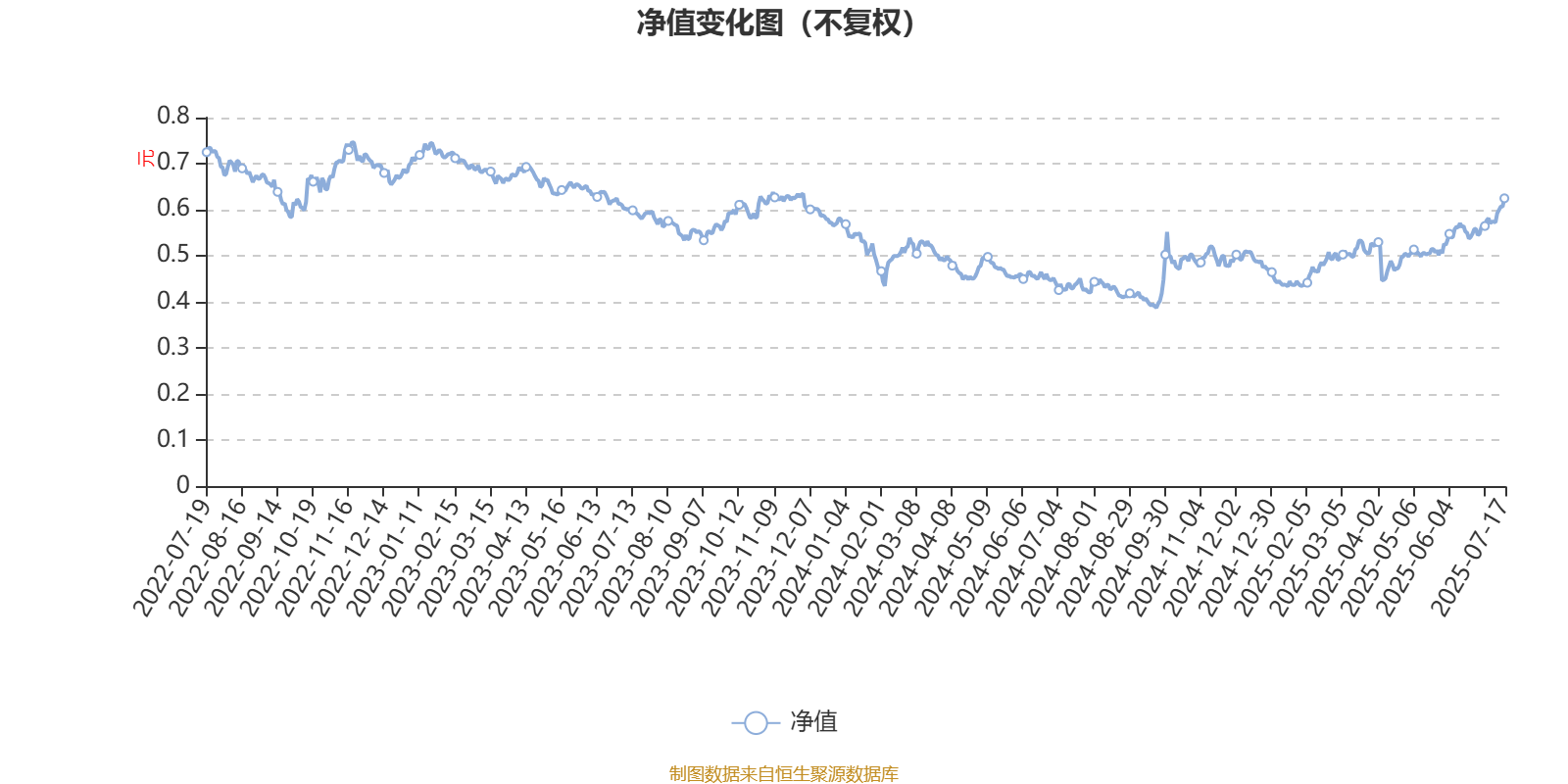
Core Viewpoint - The AI Fund Zhaoshang Frontier Healthcare Stock A (011373) reported a profit of 41.645 million yuan for Q2 2025, with a fund net value growth rate of 7.89% and a total fund size of 570 million yuan as of the end of Q2 2025 [2][12]. Fund Performance - The fund's weighted average profit per share for the reporting period was 0.0404 yuan [2]. - As of July 17, the unit net value was 0.625 yuan [2]. - The fund's performance over various time frames includes a 32.00% growth rate over the last three months, 43.06% over the last six months, and 42.96% over the last year, ranking 22/54 and 21/53 among comparable funds respectively [2]. Fund Management - The fund is managed by Li Jiasun, who oversees four funds, all of which have shown positive returns over the past year [2]. - The fund focuses on sectors with a comparative advantage in certain growth, particularly in innovative drugs, R&D outsourcing, medical devices, and AI healthcare [2]. Risk Metrics - The fund's three-year Sharpe ratio stands at -0.1027, ranking 28/46 among comparable funds [7]. - The maximum drawdown over the last three years was 48.11%, with the largest single-quarter drawdown occurring in Q3 2022 at 26.38% [8]. Investment Strategy - The fund maintains a high stock position, averaging 90.79% over the last three years, with a peak of 94.27% at the end of Q3 2024 [11]. - The fund has a high concentration in its top ten holdings, which have consistently exceeded 60% over the past two years [15].


【明日主题前瞻】全球首个!我国提出的《电力储能用超级电容器》国际标准成功立项
Xin Lang Cai Jing· 2025-07-17 12:51
Group 1: Energy Storage and Capacitors - The international standard for supercapacitors in energy storage, proposed by China, has been successfully established with support from countries like Germany, Japan, and Finland, marking a significant milestone in the industry [1] - The global installed capacity of supercapacitors for energy storage has surpassed 1GW and is expected to reach between 5GW and 10GW by 2030, indicating a clear industry trend [1] - Dongyang Sunshine focuses on the innovation and development of electronic materials, including supercapacitors, with a production capacity of approximately 1.4 billion capacitors annually [2] Group 2: Automotive Industry and Tesla - Tesla has introduced a six-seat version of the Model Y, with analysts optimistic about the core Tier 1 suppliers in the supply chain despite competitive pressures in the domestic market [3] - Tesla aims to reduce production costs of the Model Y by at least 20% by 2026, while also planning a special six-seat version for the Chinese market [3] - Wuzhou Xinchun supplies high-end bearing components to leading manufacturers, including those in the electric vehicle sector, showcasing the interconnectedness of the automotive supply chain [4] Group 3: Pharmaceutical Industry - China National Pharmaceutical has agreed to acquire a 95.09% stake in Lixin Pharmaceutical for up to $950 million, enhancing its position in the innovative drug development sector [6] - The acquisition is expected to bolster the capabilities of China National Pharmaceutical, which is recognized for its efficient R&D team and valuable innovation pipeline [6] - The pharmaceutical sector is witnessing significant advancements in AI-driven drug development, which could accelerate growth and improve valuations for related companies [6] Group 4: Cross-Border Payment Systems - The cross-border payment system has expanded to 17 banks in Hong Kong, enhancing the connectivity between mainland China and Hong Kong for instant payment services [7] - The stablecoin market is experiencing rapid growth, with transaction volumes projected to exceed $27.6 trillion in 2024, surpassing traditional payment systems like Visa and Mastercard [7] - Companies like Kela Software and Yuxin Technology are actively involved in building cross-border payment systems for domestic and international clients, indicating a robust market for payment solutions [8] Group 5: Robotics and Automation - The world's first bipedal robot specialized for cultural and tourism applications has been launched, showcasing advancements in robotics technology [9] - The bipedal robot is set to perform at the 2025 Chengdu World Games, highlighting the growing interest and investment in humanoid robotics [9] - Companies like Xiasha Precision and Double Forest Co. are developing components for humanoid robots, indicating a burgeoning market for robotics applications [10] Group 6: Carbon Fiber Industry - The carbon fiber market in China is projected to reach approximately 17.14 billion yuan in 2024, with an 8.16% year-on-year growth in production [11] - The price of T300-grade carbon fiber has decreased by 70%, making it more accessible for various industries, including aerospace and automotive [11] - Companies like Zhongjian Technology and Jilin Chemical Fiber are enhancing their carbon fiber product offerings, capitalizing on the growing demand in high-end applications [12] Group 7: Solar Energy Industry - The photovoltaic industry is experiencing a recovery phase, driven by policies aimed at high-quality development and a shift away from previous "involution" challenges [13] - Companies like Tongwei Co. and China National Electric are expanding their solar project capacities, with significant orders and production capabilities in place [13] - The collaboration between industry players and government initiatives is expected to foster growth and innovation in the solar energy sector [13]
