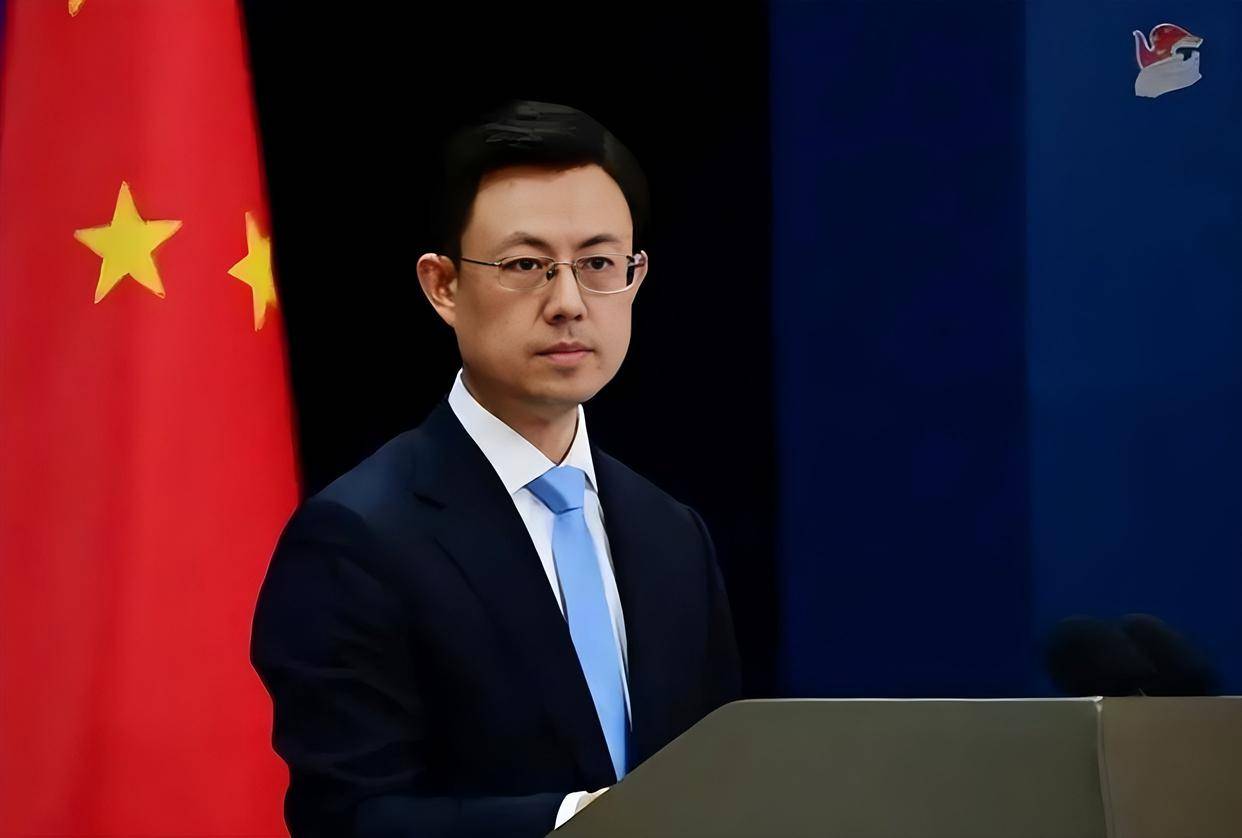
单边主义

Search documents
美国强购格陵兰岛冲击跨大西洋秩序,专家:人们开始质疑美欧关系长期稳定性
Di Yi Cai Jing· 2026-01-19 10:11
Group 1 - The core viewpoint of the article emphasizes that international law based on the purposes and principles of the UN Charter is essential for maintaining the current international order [1] - US Treasury Secretary Bessent criticized Europe for its "weakness" and stated that the US must control Greenland for global stability [2][3] - The US government has imposed economic pressure on Europe, including a 10% tariff on goods from several European countries starting February 1, with a potential increase to 25% if an agreement on Greenland is not reached [2][3] Group 2 - Concerns about the long-term stability of US-Europe relations have intensified, with experts noting a shift in European perceptions of the US under Biden's administration [3][4] - The US National Security Strategy document indicates a desire to help Europe "correct its current trajectory" and support "patriotic parties" in Europe, which is seen as an unusual intervention in European politics [4] - The EU has responded defensively, planning a special meeting of member states to address the situation and emphasizing the protection of Greenland's sovereignty [5] Group 3 - European leaders, including French President Macron, are coordinating responses to the US tariffs and pushing for the activation of the EU's "anti-coercion instrument" to counter economic pressure [5] - There is a growing sentiment among European officials that the tariffs could poison transatlantic relations, with calls for Europe to demonstrate its political and economic strength [5][6] - Some US Republican senators have expressed concerns about the tariffs, labeling them as unnecessary and detrimental to US interests [6]


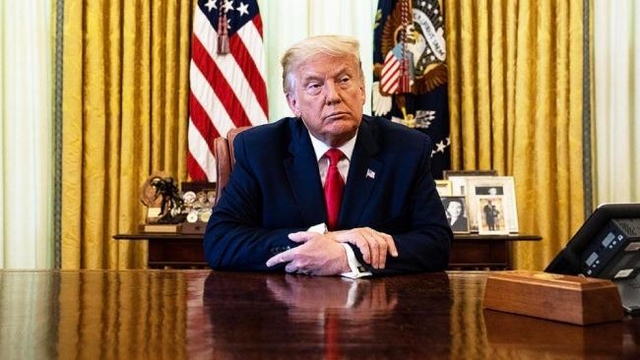
特朗普撕毁协定!加拿大 80% 出口遇阻,紧急访华抱大腿,释放信号强烈
Sou Hu Cai Jing· 2026-01-19 09:11
Group 1 - Canadian Prime Minister Carney's visit to China marks the first such trip since 2017, driven by the need to diversify trade away from the U.S. due to heavy reliance on American markets [1][6] - The U.S. tariffs imposed under Trump's administration have severely impacted Canada's economy, with exports to the U.S. accounting for nearly 80% of Canada's total exports, leading to potential GDP declines of up to 5% [3][4] - The Canadian government has faced significant challenges, including retaliatory tariffs on U.S. goods, which have not effectively countered U.S. measures and have instead increased pressure on Canadian businesses [4][6] Group 2 - The visit resulted in the signing of eight cooperation agreements, including a roadmap for economic and trade cooperation, particularly in energy and finance, highlighting Canada's strategic pivot towards China [7][9] - Canada is the fourth-largest oil producer globally, and the partnership with China aims to enhance energy exports, with daily oil exports to China reaching 20,700 barrels [7] - Public sentiment in Canada shows strong support for reducing dependence on the U.S., with over 70% of Canadians willing to accept slower economic growth in favor of deeper trade relations with China [7][9] Group 3 - Challenges remain in fully normalizing Canada-China relations, such as discriminatory tariffs on Chinese electric vehicles, indicating ongoing trade tensions [9] - The trade conflict initiated by U.S. tariffs has inadvertently pushed Canada to seek broader development opportunities, fostering a shift towards pragmatic cooperation with China [9]
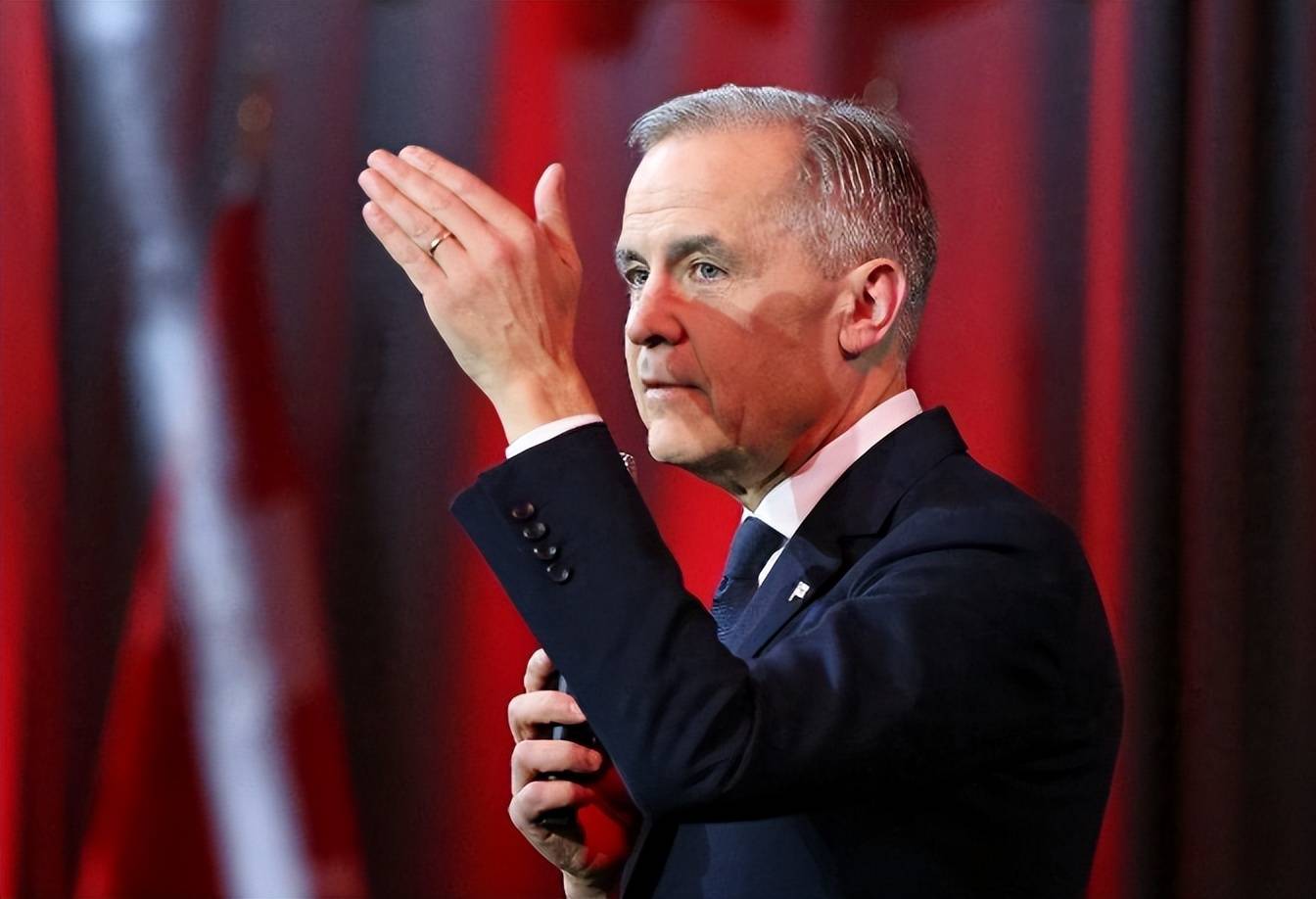
局势恶化,特朗普拉30国反华,中国包机将飞瑞士,美债出现抛售潮
Sou Hu Cai Jing· 2026-01-19 06:24
Core Viewpoint - Trump's recent actions highlight a hardline stance against China, particularly targeting the rare earth industry through a presidential announcement aimed at reducing U.S. dependence on Chinese rare earth resources [1] Group 1: U.S. Policy Changes - The announcement indicates a significant shift in U.S. policy, moving from a temporary thaw in relations to a renewed focus on rare earth resources, which are deemed a national security threat [1] - Trump has proposed a 180-day plan to reduce reliance on Chinese rare earths and to establish domestic mining and processing capabilities [3] - The plan involves negotiations with suppliers, likely targeting traditional allies, to create a new supply chain centered around U.S. national security [3] Group 2: Challenges and Responses - There are doubts about whether Western countries will abandon their cooperation with China for U.S. interests, as establishing a new supply chain requires significant investment and time [7] - Analysts suggest that building a new rare earth supply chain could take at least ten years, posing challenges to Trump's 180-day plan [7] - In response to U.S. pressure, China has strengthened its control over domestic rare earth production and maintains a dominant position in global processing technology, holding 92% of the world's rare earth processing capabilities [7] Group 3: China's Strategic Moves - China has been reducing its holdings of U.S. Treasury bonds, indicating a strategic response to U.S. actions and a long-term view of the ongoing U.S.-China rivalry [9] - China's participation in international forums, such as the Davos Economic Forum, showcases its commitment to multilateral cooperation and contrasts with U.S. unilateralism [9] - Increasing support for China's multilateralism is observed among various countries, reflecting a growing skepticism towards U.S. unilateral policies [11]
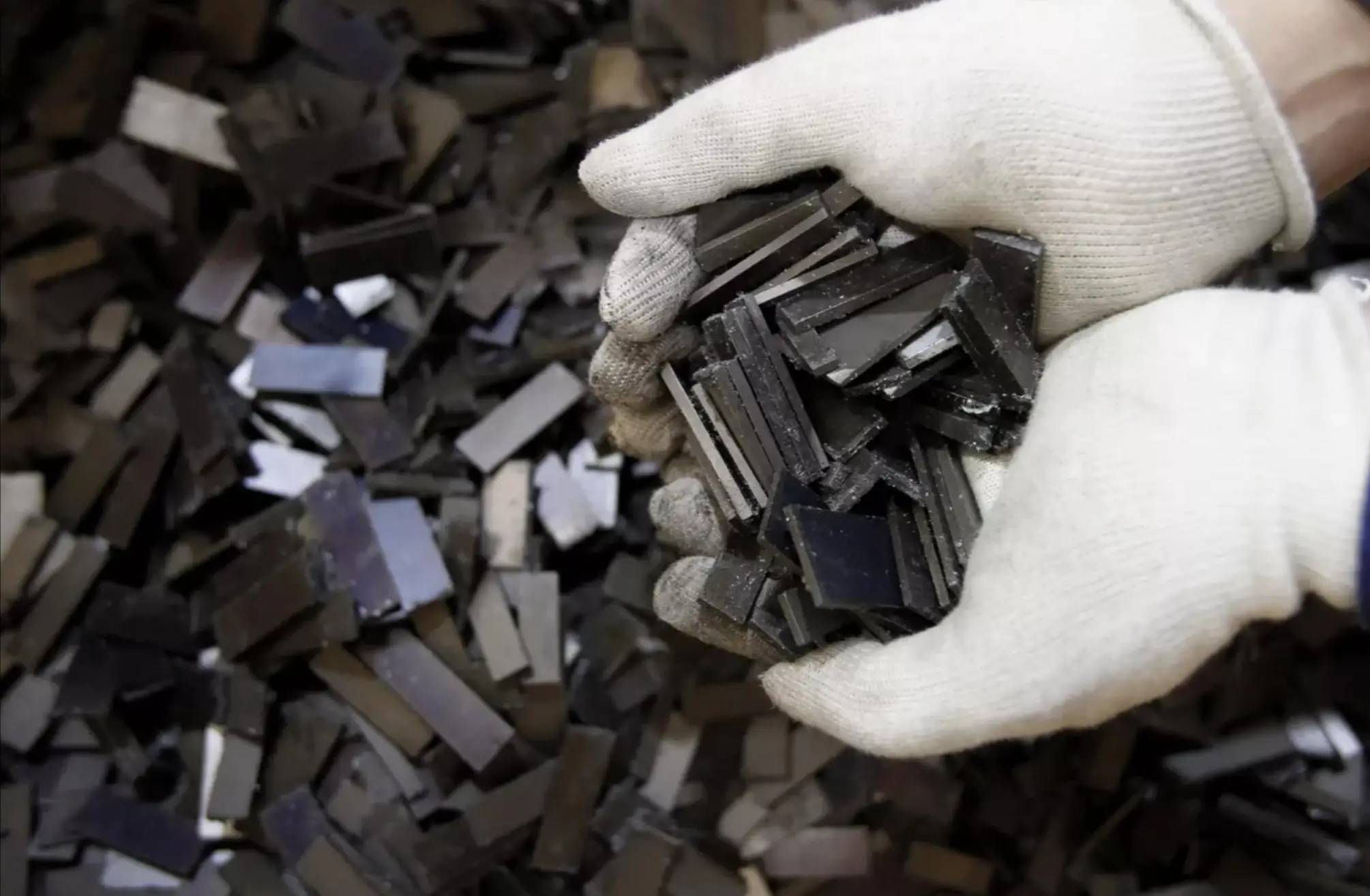
欧洲8国集体反对美国加征关税 ,坚决捍卫主权。
Sou Hu Cai Jing· 2026-01-18 06:12
Core Viewpoint - The U.S. tariff threat is fundamentally an economic tool to coerce territorial sovereignty issues, deviating from international law principles and the approach to allies [2] Group 1: U.S. Tariff Actions - The Trump administration announced a 10% tariff on goods from 8 countries starting February 1, increasing to 25% on June 1, until a "complete and thorough purchase of Greenland" agreement is reached [2] - The use of tariffs as a weapon represents a shift in U.S. foreign policy, turning ally relationships into coercive tools [2] Group 2: European Response - Eight European countries quickly formed a united front to defend national sovereignty and dignity against U.S. coercion [4] - Swedish Prime Minister Kristersson stated that Sweden "will not be extorted," emphasizing that the decision regarding Greenland belongs to Denmark and its people [4] - Danish Deputy Prime Minister Poulsen condemned the U.S. threat as "completely unacceptable," reaffirming the importance of international law and territorial sovereignty for global peace [4] Group 3: Major European Powers' Stance - French President Macron criticized the U.S. tariff threat as "unacceptable," promising a coordinated European response to defend European sovereignty [6] - The German government initiated consultations with European partners to take appropriate countermeasures [6] - British Prime Minister Starmer described the U.S. actions as "completely wrong," asserting that the future of Greenland should be decided by Denmark and its people [6] Group 4: EU's Support and Trade Relations - The EU's strong backing adds confidence to the eight countries, indicating a potential restructuring of transatlantic trade relations [8] - EU Commission President von der Leyen and European Council President Costa issued a joint statement highlighting that U.S. tariffs would damage transatlantic relations and reiterating solidarity with Denmark and the people of Greenland [8] - The European Parliament has suspended the approval process for a previously agreed EU-U.S. trade agreement, with calls for the activation of EU anti-coercion tools in response to U.S. bullying [8] Group 5: Historical Context and Implications - Historical experiences show that tariff bullying can backfire, as seen during the Great Depression with the Smoot-Hawley Tariff Act, which led to a global trade collapse [10] - The collective resistance from the eight European countries is not only to defend their sovereignty and economic interests but also a strong opposition to unilateralism and hegemonic behavior [10] - In today's deeply integrated global economy, adherence to international law and respect for national sovereignty through equal dialogue is essential to avoid escalating trade conflicts and maintain the stability of the global trade system [10]
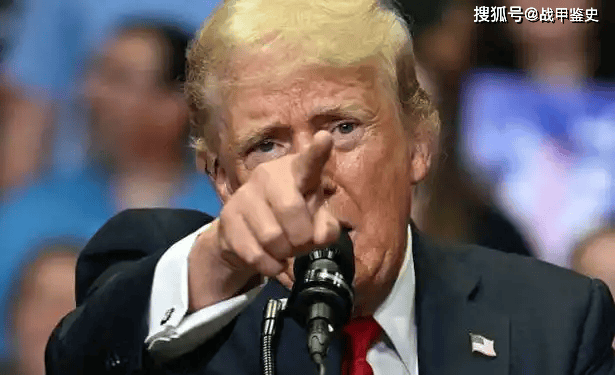
特朗普紧急发文直言美国要完,中国或成其自救关键,这背后有何玄机?
Sou Hu Cai Jing· 2026-01-17 22:43
Core Viewpoint - The ongoing debate over tariffs in the U.S. has intensified following President Trump's urgent statement, which warns of dire consequences if the Supreme Court rules against his administration's tariff policies [1][5]. Group 1: Tariff Policy Overview - Since 2025, the Trump administration has utilized the International Emergency Economic Powers Act to impose "minimum baseline tariffs" on major trading partners, including China, bypassing Congress [3][5]. - The legality of these tariffs has been challenged by 12 states and several companies, leading to a ruling by the Federal Circuit Court that deemed the policies unlawful, with the case now escalated to the Supreme Court [5][7]. Group 2: Economic Implications - Trump has indicated that an unfavorable Supreme Court ruling could result in tariff refunds amounting to hundreds of billions of dollars and exacerbate corporate investment pressures, potentially costing the U.S. economy trillions [7][10]. - The U.S. economy remains heavily reliant on global trade, with the trade volume between the U.S. and China reaching $688.3 billion in 2024, highlighting the importance of this relationship for economic growth [9][10]. Group 3: U.S.-China Trade Relations - The deep integration of U.S. and Chinese economies means that any adjustments in trade policies will have widespread implications, affecting employment and investment in the U.S. [17][18]. - Recent discussions between the U.S. and China have led to a gradual reduction in tariff pressures, providing a pathway for improved business conditions and demonstrating the feasibility of cooperative solutions [17][18]. Group 4: Future Considerations - The U.S. government is urged to consider a more pragmatic approach to its tariff policies, balancing domestic and international economic interests to avoid exacerbating financial pressures [10][18]. - The ongoing judicial proceedings and evolving U.S.-China trade relations will continue to shape the future of U.S. trade policy, with significant implications for both domestic and global economic stability [18].
突发特讯!已经摊牌了,特朗普通告全球:谁不支持美国拿下格陵兰岛,我就给谁加税
Sou Hu Cai Jing· 2026-01-17 22:22
Core Viewpoint - The article discusses the implications of President Trump's threats regarding Greenland, linking territorial claims to economic coercion through tariffs, which raises concerns about international relations and the integrity of alliances [1][3][9]. Group 1: Economic Coercion and Territorial Claims - Trump's rhetoric connects Greenland's territorial status with potential tariff penalties, indicating a shift from trade policy to using tariffs as a tool for geopolitical leverage [1][3]. - The approach reflects a broader strategy where non-compliance with U.S. interests incurs economic consequences, exemplifying a transactional view of international relations [3][7]. Group 2: Internal U.S. Policy Discrepancies - On the same day as Trump's statements, a U.S. congressional delegation in Copenhagen emphasized the importance of alliances, contrasting sharply with the White House's unilateral stance [5]. - This dissonance highlights the complexity within U.S. foreign policy, where traditional diplomatic frameworks clash with a more aggressive, self-serving approach from the executive branch [5][7]. Group 3: International Reactions and Consequences - The threats from Trump test the resilience of international norms and relationships, sending a warning to all nations about the potential disregard for established rules in favor of U.S. interests [7][9]. - The global response to these actions will determine whether such coercive tactics can be normalized, potentially undermining the credibility of the U.S. and its alliances [9].
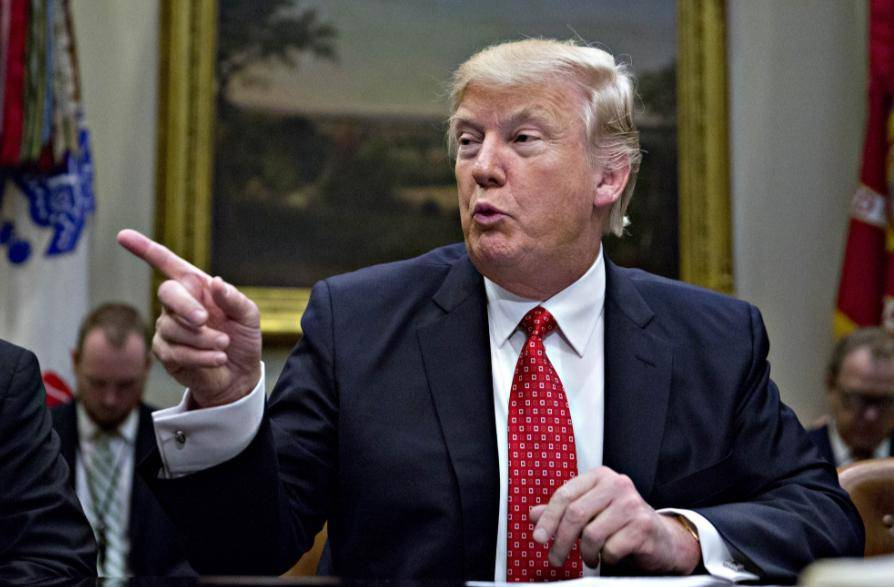
突发特讯!直接摊牌,特朗普通告全球:谁不支持美国拿下格陵兰岛,我就给谁加税,引发全球关注
Sou Hu Cai Jing· 2026-01-17 07:50
Core Viewpoint - The article discusses the geopolitical implications of Trump's statement regarding Greenland, indicating a shift from traditional trade disputes to using tariffs as a tool for territorial expansion and geopolitical leverage [1][10]. Group 1: Geopolitical Context - Greenland is strategically important due to its resources and location, with the U.S. showing increasing interest in acquiring it, particularly under Trump's administration [3][10]. - Denmark and Greenland have firmly rejected the notion of selling the island, emphasizing the right of its people to determine their future [5][10]. Group 2: International Reactions - European countries have shown support for Denmark by increasing military presence near Greenland while also seeking dialogue with the U.S. to avoid a complete fallout [6][10]. - U.S. Congress members have taken steps to mitigate tensions with Denmark, indicating internal dissent regarding Trump's approach to foreign relations [7][10]. Group 3: Implications for International Relations - Trump's strategy of linking tariffs to territorial claims challenges the principles of national sovereignty and international order, raising concerns about the future of global alliances [10][13]. - The situation reflects a broader trend of unilateralism and power politics, which could undermine trust and cooperation among nations [10][11].

特朗普明抢石油,加拿大转向中国,总理宣布访华,马克龙口风变了
Sou Hu Cai Jing· 2026-01-17 07:45
Core Viewpoint - Trump's ambitions regarding Venezuelan oil resources have become increasingly evident, indicating a desire for the U.S. to control these resources through forceful means [1][3]. Group 1: U.S. Actions and Strategies - Trump revealed plans for Venezuela to supply 30 to 50 million barrels of oil to the U.S. at international market prices, with profits to be distributed by Trump [1]. - A meeting was held at the White House with 17 U.S. oil companies, discussing a potential $100 billion investment in Venezuela's oil infrastructure, which could lead to U.S. control over Venezuelan oil resources [3]. - Trump pressured Venezuela to reduce oil export cooperation with countries like China, emphasizing that heavy oil sales must prioritize the U.S. market [3]. Group 2: China's Response and Strategic Adjustments - In response to U.S. actions, Chinese refining companies have shifted focus to Canada, as Alberta's heavy oil is similar to Venezuela's, providing a strategic alternative [5]. - The completion of the Trans Mountain Expansion (TMX) project in May 2024 will enable Alberta's oil to be exported to Asian markets, enhancing China's energy security [5][7]. - Since the U.S.-China trade war, China has ceased importing oil from the U.S. and has significantly increased imports from Canada, with 64% of TMX pipeline oil now going to China [7]. Group 3: Canada and European Reactions - Concerns have been raised about Canada potentially becoming a "strategic vassal" of the U.S. due to its proximity and economic ties, especially given Trump's aggressive stance [7][9]. - Canada's Prime Minister is set to visit China, marking the first visit in eight years, indicating a desire for greater international cooperation and reduced reliance on the U.S. [9]. - European leaders, particularly French President Macron, have criticized U.S. unilateralism and warned against a new form of colonialism, suggesting a potential shift in European attitudes towards U.S. policies [9].
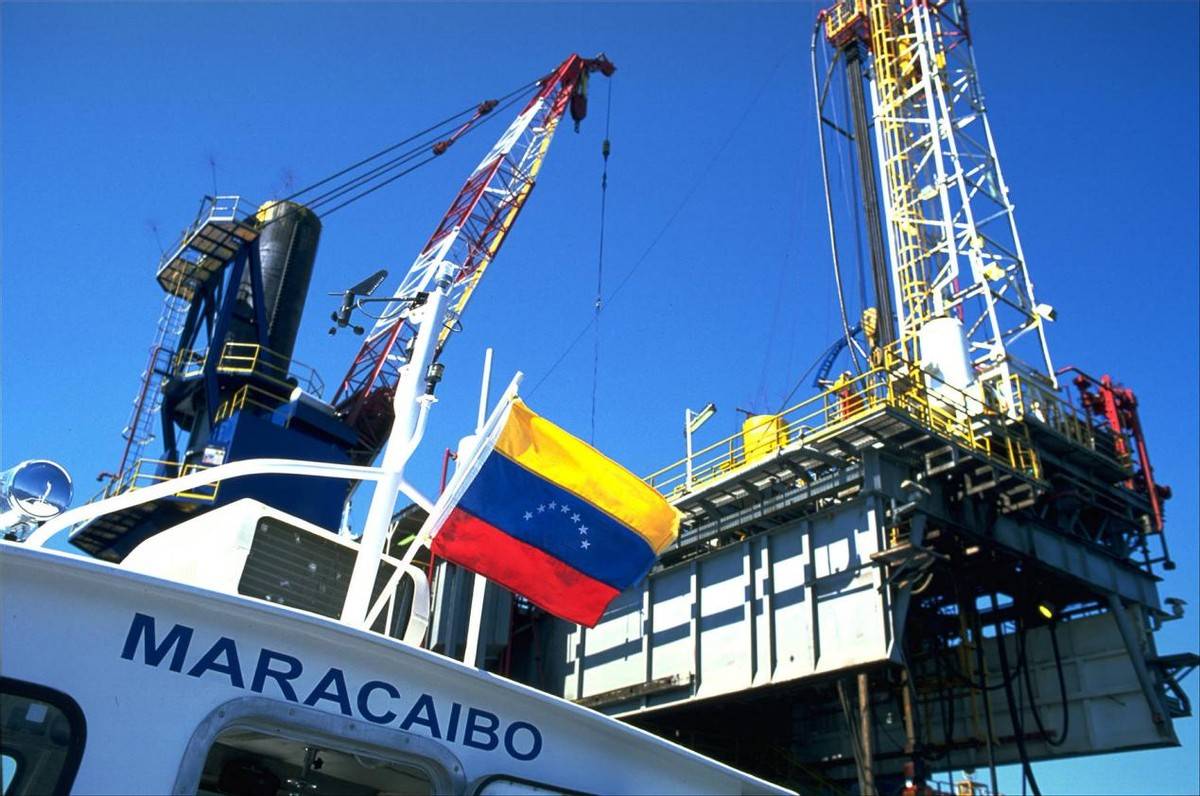
“中方同77国集团坚定站在一起”
Xin Lang Cai Jing· 2026-01-17 00:13
Group 1 - The Chinese government congratulates Uruguay on assuming the presidency of the "Group of 77 and China" for 2026, expressing hopes for enhanced unity and cooperation under Uruguay's leadership [1][3] - The "Group of 77 and China" is recognized as a significant force in safeguarding the common interests of developing countries and improving the global governance system, playing an irreplaceable role in international affairs [3] - The Chinese government emphasizes the importance of multilateralism and collective cooperation, particularly in the context of current global instability and the need for developing countries to unite against unilateralism and bullying [3] Group 2 - The Chinese government anticipates that under Uruguay's leadership, the "Group of 77 and China" will further consolidate cooperation, uphold the authority of the United Nations, and prioritize development issues on the international agenda [1][3] - The remarks from the UN Secretary-General during the handover ceremony highlight the shared values of multilateralism and cooperation, reflecting the international community's consensus against unilateral actions [3]
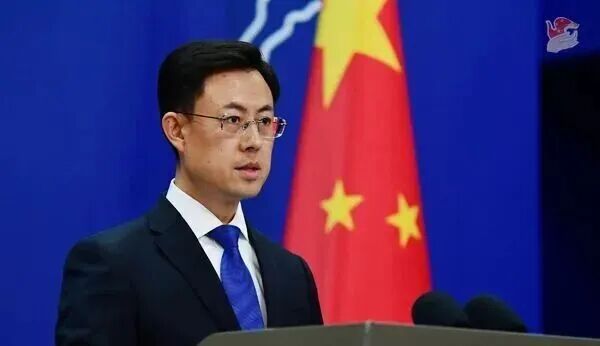
中国关键时刻力挺伊朗!美对相关国家加征25%关税,外交部强硬回应
Sou Hu Cai Jing· 2026-01-16 19:26
Core Viewpoint - The article discusses the impact of the U.S. imposing a 25% tariff on all countries trading with Iran, highlighting the psychological warfare in global trade and the need for countries to reassess their trade strategies in response to U.S. unilateral actions [1][3]. Group 1: U.S. Trade Policies - The U.S. has engaged in "long-arm intervention," undermining WTO rules and causing unprecedented trade friction due to unilateral tariffs over the past five years [3][5]. - Historical precedents show that U.S. tariffs, such as those on steel and aluminum in 2018, have led to retaliatory measures from allies like the EU, resulting in a global trade "offensive and defensive" battle [5][7]. Group 2: Global Responses - China has firmly opposed U.S. trade bullying, calling for a collective effort to uphold multilateral trade order, signaling a strong stance against U.S. tariffs [5][11]. - Other countries, including India, have also expressed their intent to prioritize national interests over U.S. pressures, indicating a shift towards unity among emerging economies [9][11]. Group 3: Economic Implications - The International Monetary Fund reported that global trade growth fell to its lowest in nearly a decade in 2023, attributing this decline to unilateral tariffs and sanctions [11][13]. - The article suggests that the current trend of unilateralism could lead to a fragmented global economy, where countries must tighten their economic belts [11][13]. Group 4: Emerging Trends - Countries in Southeast Asia and Latin America are enhancing their self-sufficiency in technology, energy, and trade, recognizing the importance of cooperation over reliance on a single dominant power [13][15]. - Leaders from various nations, including Brazil and South Africa, are advocating for regional trade cooperation and diversifying partnerships to strengthen their economic resilience [15][16]. Group 5: Future Outlook - The article posits that the essence of global trade is mutual benefit, and the increasing resistance to U.S. unilateralism may lead to a more balanced international trade environment [17][18]. - The trend towards multilateral cooperation is seen as essential for maintaining economic stability and fairness in global trade [18].