
平台经济

Search documents
市场监管总局:流量管控纳入直播电商监管
Sou Hu Cai Jing· 2026-01-07 09:39
转自:北京日报客户端 直播间运营者、直播营销人员、直播营销人员服务机构因违法被通报,直播电商平台经营者应对相关主 体及时采取限制流量等处置措施。而数字人主播等人工智能生成内容也将纳入监管,避免新技术成为生 成或传播虚假信息的"挡箭牌"。1月7日,市场监管总局召开专题新闻发布会,对《网络交易平台规则监 督管理办法》《直播电商监督管理办法》进行解读。 禁止平台利用规则不合理"罚款" 市场监管总局网监司司长朱剑桥表示,2025年以来,总局会同有关部门聚焦平台规则等问题部署开展了 约谈整改和排查整治,"仅退款""全网最低价"等平台规则中存在的制定随意、规则滥用、执行不透明问 题得到了初步纠治。 为进一步推动平台规则公正透明,保障平台经济各方合法权益,市场监管总局会同国家网信办制定出台 了《网络交易平台规则监督管理办法》。针对社会各界反映强烈的平台"仅退款"、平台"罚款"、"会员 降权"等问题,《办法》明确禁止平台利用规则不合理限制平台内经营者自主经营、收取不合理费用、 不合理"罚款"、减损会员权益等行为,以保障平台内商家自主经营,维护消费者合法权益。 平台修改重要规则应提前15日公示 此外,按照要求,平台应当持续公示 ...


市场监管总局:禁止平台利用不合理规则限制经营者自主经营
Xin Hua Cai Jing· 2026-01-07 09:11
Core Viewpoint - The State Administration for Market Regulation (SAMR) has introduced the "Regulations on the Supervision and Management of Online Trading Platforms" to enhance transparency and fairness in platform governance, addressing issues such as arbitrary rule-making and abuse of rules [1][2]. Group 1: Platform Responsibilities - The regulations focus on enhancing procedural transparency, requiring platforms to publicly disclose rule-making processes, solicit public opinions, and establish transitional periods for significant changes [1]. - The regulations emphasize fair execution of rules, mandating the establishment of complaint rights and dispute resolution mechanisms to prevent arbitrary enforcement and rule abuse [2]. - The regulations specifically prohibit platforms from imposing unreasonable restrictions on merchants, charging unjust fees, and diminishing member rights, thereby protecting the autonomy of platform operators and consumer rights [2]. Group 2: Social Governance and Oversight - The regulations encourage a multi-party governance mechanism, promoting the publication of compliance reports by platforms, expert evaluations by regulatory bodies, and assessments by third-party organizations to foster a collaborative oversight environment [2].
剑指平台“仅退款”“会员降权” 网络交易平台新规出台
Xin Lang Cai Jing· 2026-01-07 08:59
Core Viewpoint - The article discusses the recent release of the "Network Transaction Platform Rules Supervision and Management Measures" by the State Administration for Market Regulation and the National Internet Information Office, aimed at regulating the rules of online transaction platforms to protect the rights and interests of all parties involved in online transactions [1][2]. Group 1: Key Aspects of the New Regulations - The regulations focus on enhancing transparency in platform governance by requiring platforms to publicly disclose rule-making and modification processes, ensuring participation and awareness of merchants and consumers [1][2]. - The regulations emphasize fair execution of rules, including the establishment of complaint rights and dispute resolution mechanisms to prevent arbitrary enforcement and abuse of rules [2][3]. - The regulations specifically prohibit unreasonable restrictions on merchants' autonomy, excessive fees, and penalties, aiming to protect the rights of both merchants and consumers [2][3]. Group 2: Implementation and Communication - The regulations mandate continuous public disclosure of platform rules, requiring clear and accessible content, with specific timelines for public notice before rule implementation [3]. - Platforms are required to solicit public opinions on rule changes and must provide justifications for any opinions not adopted, ensuring transparency in the decision-making process [3]. - The regulations encourage regular communication and consultation with stakeholders to gather feedback on rules that significantly impact various parties [3][4].
不得强制商家“仅退款”“运费险” 专家解读网络交易平台新规
Yang Shi Xin Wen· 2026-01-07 06:00
Core Viewpoint - The newly announced "Regulations on the Supervision and Management of Online Trading Platform Rules" by the State Administration for Market Regulation and the National Internet Information Office aims to establish clear responsibilities for platform operators in formulating, executing, and managing rules, effective from February 1 [1][5]. Group 1: Responsibilities and Regulations - The regulations require platform operators to create a comprehensive and effective rule management system to ensure fair execution and proper dispute resolution [1]. - The rules cover service agreements between platform operators and users, as well as various trading and governance rules, which are essential for maintaining order in the online trading market [1][5]. Group 2: Prohibitions on Platform Practices - The regulations prohibit platforms from forcing merchants to adopt "only refund" policies or mandatory value-added services like shipping insurance, which can increase costs for merchants [6][8]. - Platforms are also barred from imposing unreasonable fees on merchants, including duplicate charges or fees for services not rendered [10]. Group 3: Transparency and Fairness - The regulations emphasize the need for transparency in rule-making, requiring platforms to publicly solicit opinions when formulating or modifying rules and to document the rationale for any opinions not adopted [11][12]. - Platforms must ensure that rules are easily accessible and understandable for both merchants and consumers, addressing issues of clarity and visibility [11]. Group 4: Dispute Resolution and Consumer Protection - The regulations mandate that platforms provide clear reasons when taking actions against merchants, such as warnings or service terminations, and must offer convenient channels for appeals [14]. - In handling disputes, the regulations aim to balance the burden of proof between consumers and merchants, addressing concerns about dishonest consumer behavior [16].

宁夏务实高效谋划“怎么干”
Xin Lang Cai Jing· 2026-01-06 02:56
Group 1 - The meeting emphasized the implementation of fair competition policies, with a focus on creating a fair and just development environment for business entities by 2026 [1] - There will be an upgrade in the cultivation strategy for business entities, including reforms in deregistration processes and enhanced protection of intellectual property and trade secrets [1] - Increased regulatory efforts will be directed towards the platform economy, specifically targeting live streaming platforms and related entities to address issues that undermine fair competition and harm the rights of merchants and consumers [1] Group 2 - The meeting highlighted the importance of safety regulation in the "three products and one specialty" sector, stressing the need for detailed implementation [2] - There will be initiatives to enhance food safety, strengthen drug market regulation, and manage industrial product production licenses, ensuring the safety of people's lives and property [2]
家电“旧地图”换道宠物“新蓝海”,一个“外行”厂长在拼多多的转型路
Feng Huang Wang Cai Jing· 2026-01-05 13:11
Core Insights - The article highlights the challenges faced by traditional manufacturers in the small appliance industry and how they can leverage e-commerce platforms like Pinduoduo to innovate and transform their business models [1][2][6]. Group 1: Traditional Manufacturing Challenges - Traditional manufacturers are often trapped in high-cost, low-margin production models, making it difficult to adapt to market changes [1][2]. - The lengthy product development cycles and complex distribution channels hinder responsiveness to consumer feedback, leading to missed opportunities for innovation [2][4]. - The rise of e-commerce has intensified competition in low-barrier industries like small appliances, resulting in further pressure on profit margins due to product homogeneity [2][4]. Group 2: Innovative Solutions through E-commerce - The case of a small appliance manufacturer pivoting to the pet care market illustrates how Pinduoduo's platform can provide valuable market insights through user feedback, enabling manufacturers to identify new opportunities [3][4]. - By analyzing consumer behavior on Pinduoduo, the manufacturer was able to develop a pet warming bowl that addressed emotional and practical needs of pet owners, thus tapping into a new market segment [4][6]. - The use of existing product lines and minimal modifications allowed for a cost-effective approach to innovation, akin to software development practices [5][6]. Group 3: Competitive Environment and Support - Pinduoduo fosters a fair competitive environment where products can succeed based on quality and consumer value rather than just low pricing, allowing manufacturers to achieve profitability through effective product differentiation [7][8]. - The platform's proactive support for successful products, including marketing and promotional assistance, enhances the ability of manufacturers to scale their operations [8]. - The transformation story of the manufacturer exemplifies how traditional manufacturing capabilities can be effectively combined with new platform mechanisms to drive growth and innovation in the industry [8].

家电“旧地图”换道宠物“新蓝海”,一个“外行”厂长在拼多多的转型路
凤凰网财经· 2026-01-05 12:55
Core Viewpoint - The article highlights the transformation of traditional manufacturing, particularly in the small appliance sector, through innovative approaches enabled by e-commerce platforms like Pinduoduo, which allow manufacturers to adapt to market demands and consumer preferences more effectively [1][14]. Group 1: Challenges of Traditional Manufacturing - Traditional manufacturers face significant operational challenges, including high management costs, long product development cycles (6 to 12 months), and complex distribution channels that dilute consumer feedback [2][4]. - The existing operational model in traditional manufacturing limits innovation and responsiveness, trapping manufacturers in a cycle of low margins and high costs [2][4]. Group 2: New Opportunities through E-commerce - The rise of e-commerce platforms has created new opportunities for traditional manufacturers to connect directly with consumers, reducing intermediary costs and enabling faster market feedback [2][13]. - Pinduoduo's user feedback system serves as a valuable market research tool, allowing manufacturers to identify consumer pain points and innovative product uses [5][7]. Group 3: Case Study of Transformation - The case of the pet warming bowl illustrates how a traditional manufacturer leveraged existing product lines and consumer insights from Pinduoduo to innovate without incurring high costs [10][11]. - The product modifications were minimal yet effective, focusing on enhancing functionality based on user feedback, which led to significant sales success (8,000 units daily) [11][13]. Group 4: Competitive Environment and Support - Pinduoduo provides a fair competitive environment where products can succeed based on quality and consumer value rather than just low pricing, allowing manufacturers to achieve profitability through effective product offerings [14][15]. - The platform's supportive culture encourages collaboration between manufacturers and the platform, facilitating growth and market presence for quality products [15].

平台企业合规方可持续
Xin Lang Cai Jing· 2026-01-04 22:08
Core Viewpoint - The tax authorities have exposed three tax-related violations involving platform enterprises, marking the first time such cases have been publicly disclosed. This highlights the need for regulatory measures to ensure compliance within the platform economy [1]. Group 1: Tax Violations and Compliance - Some platform enterprises have deviated from compliant development, engaging in practices such as creating false financial flows, fabricating business chains, and disguising purchase trajectories to evade taxes and issue false invoices [1]. - The actions of a few enterprises that evade taxes create unfair competitive advantages, leading to a scenario where compliant businesses are at a disadvantage, ultimately distorting the development ecology of the platform economy [1]. Group 2: Challenges and Regulatory Responses - The rise of tax violations in the platform economy can be attributed to two main factors: the unique characteristics of platform transactions, which are primarily online and dispersed across the country, and the lack of awareness among some enterprises regarding their tax obligations [2]. - To address the challenges posed by the platform economy, it is essential to break down information barriers and reduce information asymmetry. The implementation of the "Internet Platform Enterprises Tax Information Reporting Regulations" requires platforms to report operator identity and income information to tax authorities [2]. - Over 7,000 domestic and foreign platforms have complied with tax information reporting obligations, indicating a high level of overall compliance among internet platform enterprises [2]. Group 3: Future Outlook - With the improvement of management systems, practices such as misclassifying platform income or fabricating business activities will increasingly be subject to legal scrutiny. The development of a tax administration system based on big data and artificial intelligence will expose any attempts at tax evasion [3]. - The future of the platform economy relies on operating within a legal framework and transparent rules to ensure sustainable and high-quality growth [3].
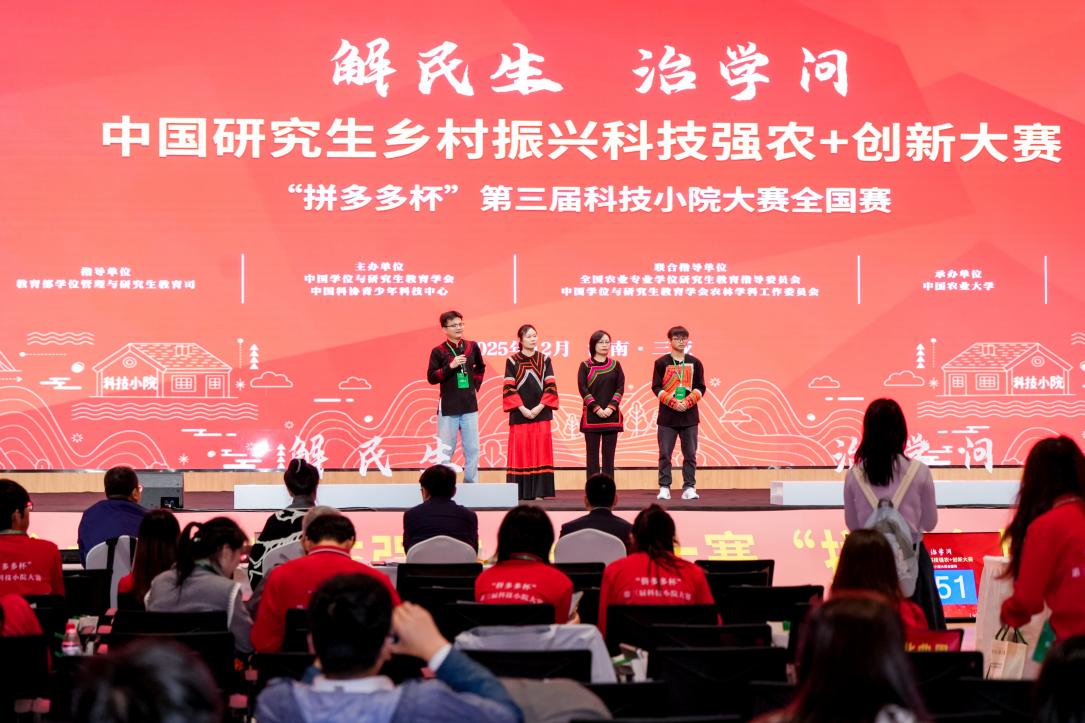
从麦田到竹林,“拼多多杯”第三届科技小院大赛交出兴农答卷
Zhong Guo Jing Ji Wang· 2026-01-04 09:08
Group 1 - The "Pinduoduo Cup" Third Technology Small Courtyard Competition concluded successfully in Sanya, focusing on transforming classroom theories into innovative solutions for agricultural and rural issues, supporting rural revitalization and agricultural strength [1][3] - A total of 247 teams from 87 graduate training institutions participated, with 22 teams advancing to the national finals, and six teams winning first prize [1][3] - Pinduoduo has been a key supporter of the competition since 2020, contributing to project implementation and agricultural product sales connections, with plans to continue this support through a "100 billion support" initiative [3][12] Group 2 - The technology small courtyards have expanded to over a thousand villages since their inception in 2009, emphasizing the importance of addressing real problems for local communities [3][12] - The competition introduced a new format with five tracks focusing on technology-driven agriculture, youth assistance, digital benefits, entrepreneurship, and multi-dimensional integration, enhancing the engagement of participating teams [10][13] - The "Academician Flying Team" was introduced to provide on-the-ground evaluations, increasing the credibility of the competition and allowing for direct interaction between students and farmers [10][13] Group 3 - The Hebei Quzhou Liu Village Technology Small Courtyard successfully established a company to address low profitability in high-quality wheat cultivation, creating a complete supply chain from planting to product sales [4][5] - The Sichuan Ebian Bamboo Technology Small Courtyard developed a production model that increased bamboo shoot yields from 100 pounds to 500 pounds per acre, while also training over 500 local farmers [7][8] - Pinduoduo's support through e-commerce channels has significantly boosted sales, with the Liu Village Technology Small Courtyard selling over 20,000 bread products, generating approximately 150,000 yuan in revenue [5][8] Group 4 - Pinduoduo aims to provide comprehensive support for technology small courtyards, focusing on funding, talent cultivation, and market connections, to enhance agricultural productivity and rural development [12][15] - The competition has effectively trained students in connecting production with market demands, allowing them to navigate previously inaccessible parts of the supply chain [15] - The integration of technology small courtyards with rural revitalization efforts is expected to yield greater contributions to local economies and agricultural innovation [15]
以爱为翼,护航青少年成长之路
Huan Qiu Wang· 2026-01-04 02:06
Core Viewpoint - The rapid development of the platform economy has led to an increase in new employment forms such as delivery workers and ride-hailing drivers, who face challenges in balancing work and family life, particularly in supporting their children's education and development [1] Group 1: Project Implementation and Support - The "Partner Program" initiated in 2023 aims to provide professional services focusing on youth guidance and support for low-income families and children of migrant workers across over 2,000 key communities in China [1] - The program includes social workers and volunteers who strive to help young people, especially those in new employment forms, to focus on their work without worrying about their children's well-being [1] Group 2: Case Studies of Support Services - In Shaanxi Province, a project called "Dream Station" was launched to transform a delivery worker's rest area into a study space, providing children with a conducive environment for homework assistance [2][3] - The project includes academic tutoring and emotional support, helping children like Chen Xiaoye express their feelings about their parents' work through art [3][4] Group 3: Tailored Educational Approaches - The "Partner Program" customizes learning plans for children, such as providing structured tutoring sessions that address specific academic challenges, like math for a child named Xiaohua [4] - Innovative teaching methods, including gamification and real-life applications, have shown positive results in improving children's academic performance and self-confidence [4] Group 4: Cultural Integration and Community Engagement - The program also focuses on integrating children from migrant families into their new environments through cultural activities, such as traditional crafts, which help build social connections [6][8] - Children like Xiaolong, who initially felt like outsiders, have transformed into community contributors by participating in local cultural practices and sharing their skills with peers [8][9]