
技术平权

Search documents
品牌破界向未来 上汽荣威“唱响”中国品牌好声音
Zhong Guo Jin Rong Xin Xi Wang· 2025-05-15 03:09
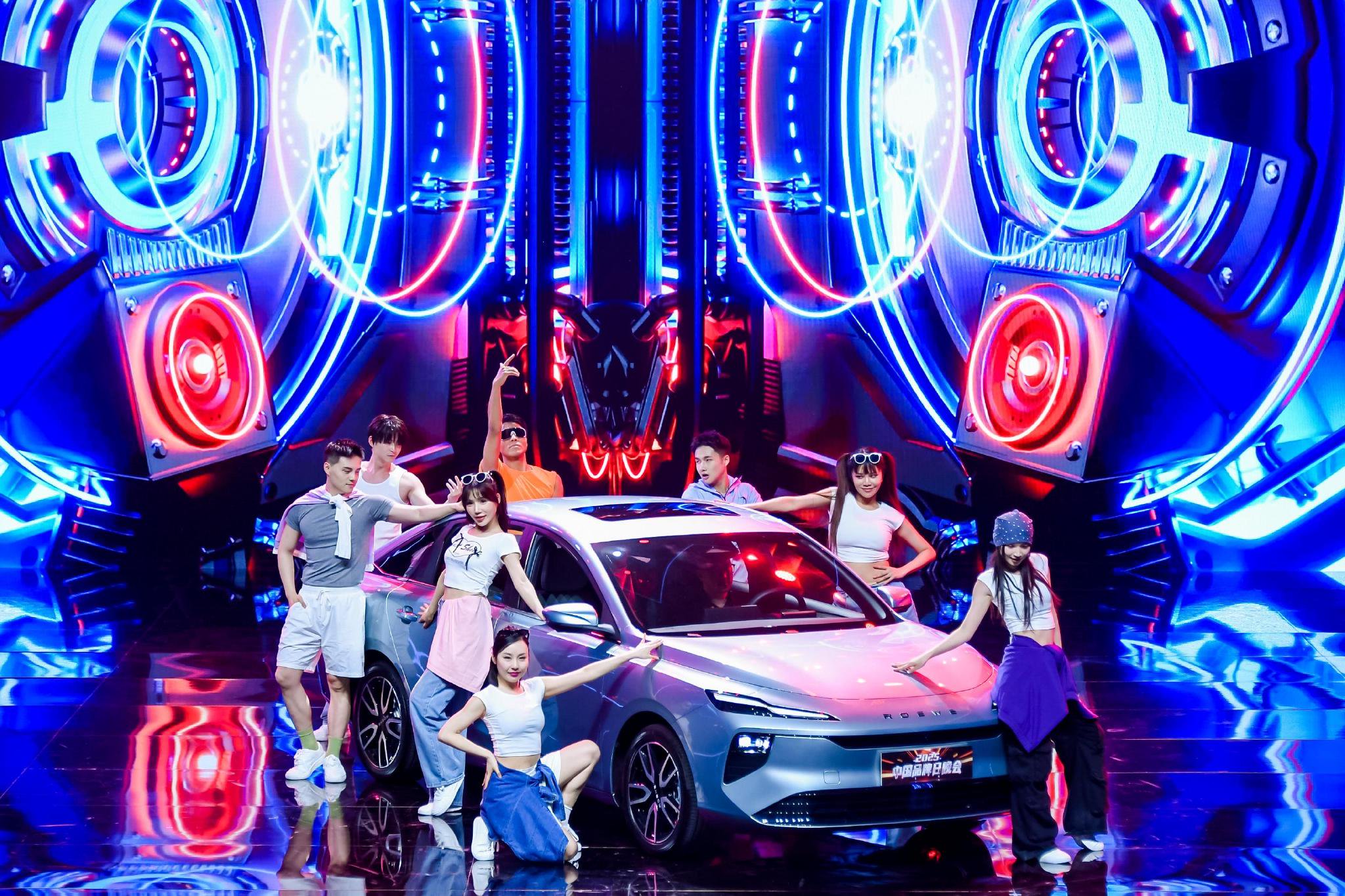
Core Viewpoint - The event showcased the launch of the Roewe pure electric D6, emphasizing the brand's commitment to "technological equality" and its competitive strength in the domestic market [1][4][7]. Group 1: Product Launch and Market Response - The Roewe pure electric D6 was launched at a promotional price of 79,800 yuan, addressing the essential needs of Chinese families for electric sedans [4]. - The vehicle's features include spaciousness comparable to B-class cars, a safety certification from the China Automotive Technology and Research Center, a 116.9% range achievement rate, and an energy consumption of 9.125 kWh per 100 kilometers [6][7]. Group 2: Technological Innovation - The D6 incorporates advanced technologies such as CTB battery integration and a unified thermal management system, contributing to its recognition in the industry [7][9]. - The vehicle achieved a Guinness World Record for the lowest energy consumption for a production electric sedan on the Qinghai-Tibet Highway [7]. Group 3: Brand Philosophy and Market Positioning - Roewe aims to create "good cars for the people," focusing on user insights and addressing the gap between performance and pricing in the electric vehicle market [6][12]. - The brand's new philosophy includes "Decent, Value, Trust," aiming to elevate the value offered to Chinese families through design, performance, and service [12]. Group 4: Corporate Strategy and Future Outlook - SAIC Group has invested nearly 150 billion yuan in core smart electric technologies over the past decade, resulting in over 26,000 valid patents [9]. - The company is transitioning from being a follower to a creator of new standards in the automotive industry, with a focus on making high-quality electric mobility accessible to the masses [9][14].


中国汽车产业实现“双千万”历史性跨越
Zhong Guo Xin Wen Wang· 2025-05-15 01:37
Core Insights - The Chinese automotive industry has achieved a historic milestone with both production and sales exceeding 10 million units for the first time in history during the first four months of the year, marking a year-on-year growth of over 10% [1][2] - This achievement signifies a substantial shift from being a "follower" to becoming a "leader" in the automotive sector [2] Industry Performance - In the first four months, the production and sales of new energy vehicles (NEVs) reached 4.429 million and 4.3 million units respectively, reflecting year-on-year growth of 48.3% and 46.2%, with NEVs accounting for 42.7% of total new car sales [4] - Exports of automobiles totaled 1.937 million units, with NEV exports reaching 642,000 units, a year-on-year increase of 52.6% [4] Driving Factors - **Technology**: The concept of "technological equality" is reshaping the automotive market, with L2 level smart driving penetration expected to reach 57.3% in new passenger cars by 2024. The rapid application of new technologies in domestic NEV models is significantly enhancing vehicle performance and stimulating market demand [7][8] - **Policy**: The "Two New" policy, which includes large-scale equipment updates and trade-in incentives, is crucial for boosting domestic automotive consumption. Predictions indicate that this policy could lead to over 6.5 million vehicle updates in 2024 [9] Regional Developments - The automotive industry is reshaping regional competitiveness, with cities like Chongqing leveraging automotive growth to enhance their economic standing, while Anhui has surpassed Guangdong in production volume, producing 761,700 vehicles in the first quarter, with NEVs increasing by 83% [10][12] - The competitive landscape is evolving, with government measures aimed at reducing "involution" among domestic automakers to promote healthy industry development [13]
美股科技股逆势狂飙:英伟达沙特百亿订单引爆算力军备赛,特斯拉五月累涨18%背后的技术估值重构
Sou Hu Cai Jing· 2025-05-14 11:10
Core Viewpoint - The U.S. stock market is experiencing structural differentiation, with the Dow Jones Industrial Average declining due to traditional industrial sectors, while the Nasdaq Composite Index rises on strong technology stock performance, indicating a continued market preference for high-growth sectors [1] Group 1: Technology Sector Performance - Major technology stocks, particularly Nvidia, saw significant gains, with Nvidia's stock price surging 5.63% on May 13, raising its cumulative increase for May to 19.7% and pushing its market capitalization above $3 trillion [1][2] - Tesla's stock also continued its strong performance, rising 4.93% and surpassing an $800 billion market cap, despite a 9.2% year-over-year revenue decline and a 70% drop in net profit reported for Q1 2025 [4] Group 2: Strategic Partnerships and Investments - Nvidia's stock surge is linked to a major strategic partnership with Saudi Arabia's Public Investment Fund (PIF), where Nvidia will supply advanced chips for a 500 MW data center, involving a multi-billion dollar investment aimed at supporting Saudi Arabia's AI strategy [2][6] - The establishment of the AI company Humain in Saudi Arabia aims to create a comprehensive ecosystem for AI model development, data center operations, and industry applications, with plans to deploy hundreds of thousands of Nvidia GPUs over five years [2][6] Group 3: Market Dynamics and Future Outlook - The strong performance of technology stocks is closely tied to macroeconomic policies, with expectations of a shift in Federal Reserve monetary policy and recent adjustments to AI chip export regulations opening new market opportunities for companies like Nvidia [5][6] - The ongoing AI strategy in the Middle East is reshaping the global technology supply chain, with Saudi Arabia collaborating with companies like AMD and Qualcomm to form a trillion-dollar regional AI ecosystem [5][6] Group 4: Investment Sentiment and Valuation Concerns - Despite the optimism surrounding technology stocks, there are concerns about high valuations, with the S&P 500 technology sector's price-to-earnings ratio reaching 32, close to 2021 peak levels, while earnings growth expectations have been revised down from 15% to 9% [7] - The potential for a market correction exists if U.S. 10-year Treasury yields exceed 4.5%, which could pressure technology stock valuations by 10%-15% [7] Group 5: Sustainability and Technological Integration - The integration of technology and sustainability is emerging as a new investment narrative, exemplified by Nvidia's collaboration on a data center that utilizes liquid cooling and renewable energy, achieving a Power Usage Effectiveness (PUE) of below 1.05, a 40% improvement over traditional data centers [8]


惊爆价7.98万起,电动家轿“卷王” 荣威纯电D6燃爆泉城
Qi Lu Wan Bao· 2025-05-14 08:00
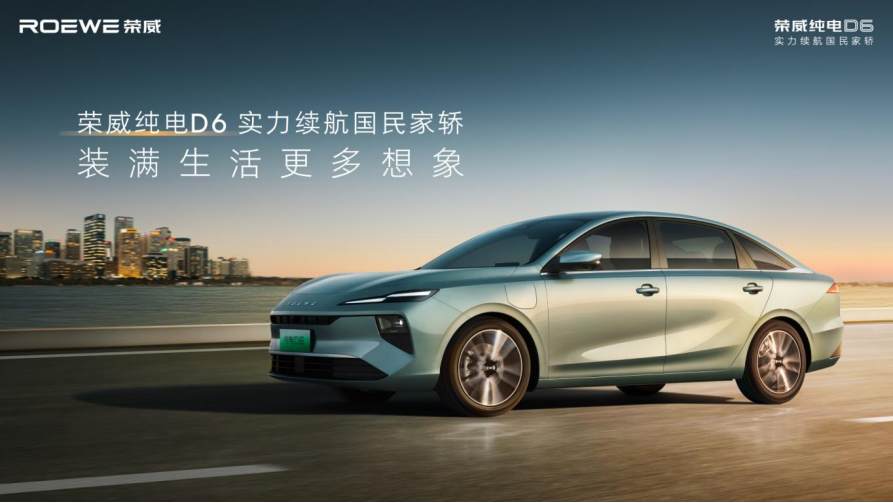
Core Viewpoint - The launch of the Roewe Pure Electric D6 at the 2025 Shanghai Auto Show marks a significant entry into the A+ sedan market, offering competitive pricing and advanced safety features [1][12]. Group 1: Product Features - The Roewe Pure Electric D6 is available in six configurations, with a starting price of 99,800 yuan, and a promotional price of 79,800 yuan for deliveries completed by the end of June [1]. - The vehicle offers two battery range options of 450 km and 520 km, utilizing advanced CTB battery integration technology and a comprehensive thermal management system [1][3]. - The D6 boasts an impressive energy consumption rate of 9.125 kWh per 100 km, achieving a Guinness World Record for the lowest energy consumption of a production electric sedan on the Qinghai-Tibet Highway [3]. Group 2: Design and Space - The D6 features a sleek design that combines aerodynamic performance with aesthetic appeal, providing a spacious interior with a 72.8% space utilization rate, comparable to B-class vehicles [5][7]. - The vehicle includes a large trunk capacity of 560L + 158L and 29 storage compartments, enhancing practicality for family travel [7][8]. Group 3: Safety and Reliability - The D6 has undergone rigorous safety testing, surpassing national standards, and has been awarded the "TOP Electric Safety Comprehensive Challenge" certificate [10]. - The vehicle is equipped with a zero self-ignition battery, which has passed eight severe tests, ensuring high safety standards for family use [10].
享道出行完成超13亿元人民币C轮融资,已正式启动港股IPO计划
IPO早知道· 2025-05-12 03:16
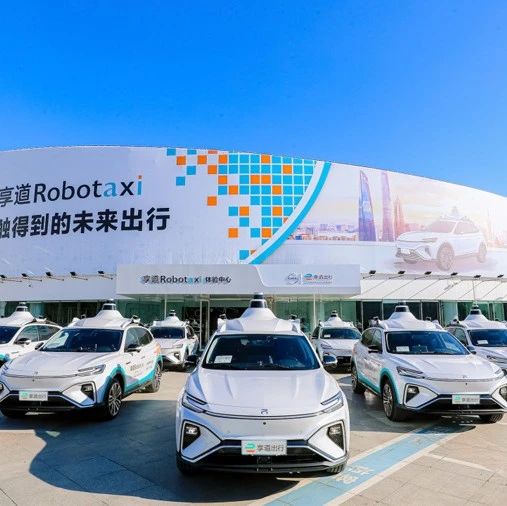
Core Viewpoint - Xiangdao Mobility has completed a C-round financing of over 1.3 billion RMB, marking the largest single financing amount in China's mobility industry in the past three years. The company has officially launched its Hong Kong IPO plan, with notable investors including Alibaba and CATL in previous rounds, and this round supported by industrial funds and local governments [2]. Group 1: Financing and Growth Strategy - The three rounds of financing correspond to the company's development stages: data empowerment, technology breakthroughs, and ecosystem construction, showcasing a strategic foresight in capturing industry opportunities [2]. - The company aims to deepen technology-driven initiatives, enhance service quality, and expand into diverse scenarios following the completion of the C-round financing [4]. Group 2: Business Operations - In personal mobility, Xiangdao Mobility's ride-hailing service has established a network in nearly 100 cities, with an average compound growth rate of nearly 30% during the 14th Five-Year Plan period [3]. - In corporate mobility, the brand "Xiangdao Car Rental" operates in over 150 cities with a fleet of more than 25,000 vehicles, serving over 5,000 corporate clients, including over 300 Fortune 500 companies [3]. - The Robotaxi service, launched in 2021, has completed over 330,000 orders, with more than 48,000 operational points and a total distance exceeding 2.5 million kilometers [3]. Group 3: Future Developments - Xiangdao Robotaxi is a key component of SAIC Group's smart mobility ecosystem, with plans to develop an L4-level Robotaxi fleet in Shanghai, aiming for a scale of 200 vehicles by 2026 [4]. - The company is focused on promoting sustainable and high-quality commercial operations of Robotaxi, advocating for "technology equity" to make advanced technology accessible to the public [4].
在上海车展找到汽车新消费的密钥
Zhong Guo Qi Che Bao Wang· 2025-05-06 02:26
Group 1 - The 2025 Shanghai International Automobile Exhibition reflects the hot automotive consumption in China, showcasing new technologies and products while highlighting new consumer characteristics such as a shift from "price wars" to "technology wars" [2] - McKinsey's report indicates that consumers are increasingly favoring hybrid and range-extended vehicles due to their convenience and ability to alleviate range anxiety, marking a significant trend in automotive consumption [7][9] - The exhibition emphasizes the importance of "scene-based" applications in creating differentiated products, driven by the rising wave of "technology equality" among consumers [5][11] Group 2 - The theme of the exhibition is centered around intelligent driving, with numerous brands showcasing advanced autonomous driving systems, including BYD's "Heavenly Eye" and NIO's third-generation NAD system [3][4] - Major automotive brands like Volkswagen and Mercedes-Benz presented their latest intelligent connected vehicles, with Volkswagen showcasing over 50 models, including 7 global debuts [3] - The collaboration between Huawei and automakers, such as the launch of the "SAIC尚界" brand, highlights the integration of technology and automotive sectors, aiming for significant market impact [18] Group 3 - The exhibition features a variety of new energy vehicles, with companies like Buick and Chery presenting plug-in hybrid models that combine electric and fuel efficiency [7][12] - Innovations in charging technology were prominent, with BYD's "Megawatt Flash Charge" and Huawei's 1.5MW solution demonstrating significant advancements in charging speed and efficiency [14][15] - The introduction of hydrogen fuel cell vehicles by various manufacturers indicates a growing interest in alternative energy solutions for long-distance travel [15] Group 4 - The event showcased a diverse range of products catering to various consumer needs, from family-oriented vehicles to high-performance luxury cars, reflecting the industry's response to evolving consumer preferences [11][12] - The presence of numerous technology companies at the exhibition underscores the critical role of tech in the automotive ecosystem, with firms like Bosch and Intel highlighting their contributions to automotive intelligence [17][19] - The collaboration between automotive manufacturers and tech companies is seen as a key strategy to meet rapidly changing consumer demands and to lead the automotive market [19]



邓承浩:深蓝不做华为第六界,只做“最佳CP”
Jing Ji Guan Cha Bao· 2025-05-01 05:16
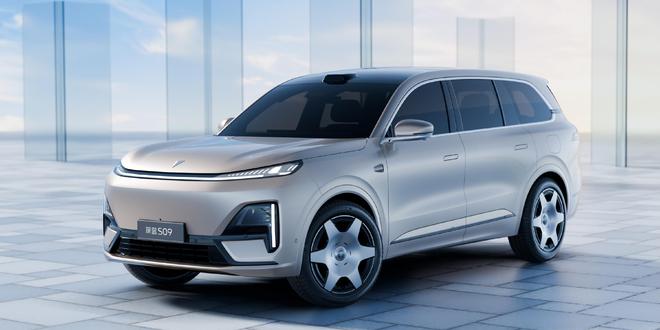
Core Insights - Deep Blue Automotive has launched its new mid-to-large luxury SUV, the Deep Blue S09, with a price range of 239,900 to 309,900 yuan, marking its first entry into the 300,000 yuan market [2] - The collaboration with Huawei aims to leverage its technology while maintaining independent research and development, with a focus on user needs and cost-effective solutions [3][4] - The company is targeting the family-oriented market, emphasizing spaciousness and practicality in the S09, which features a flexible seating design and advanced driving assistance systems [3][5] Company Strategy - Deep Blue Automotive aims to differentiate itself from competitors like Li Auto by adopting a "dislocated competition" strategy, pricing the S09 200,000 yuan lower than the Li Auto L9 [3] - The company emphasizes a user-driven approach, focusing on essential features rather than excessive technology, which helps keep costs manageable [3][4] - The S09 is designed to meet the needs of family users, addressing common pain points such as space limitations in the third row and trunk [3][4] Market Position - Deep Blue Automotive has become the leading brand in new energy vehicle sales among state-owned enterprises in China, with ambitions to further scale its operations [5] - The company plans to target both domestic and international markets, setting a sales goal of 80,000 units for 2025, with a significant contribution expected from its factory in Thailand [5][6] - The marketing strategy for overseas markets will leverage existing channels of the Changan Group, utilizing a dual-brand approach in Europe [5][6]

比亚迪(002594):BYD的全球SHENZHEN时刻
Tai Ping Yang Zheng Quan· 2025-04-30 12:02
Investment Rating - The report maintains a "Buy" rating for BYD (002594) with a target price based on the last closing price of 355.00 [1][4]. Core Insights - BYD's Q1 2025 revenue reached 170.36 billion yuan, a year-on-year increase of 36.35%, with net profit attributable to shareholders at 9.155 billion yuan, up 100.38% year-on-year [4][5]. - The gross margin for Q1 2025 significantly improved to 20.1%, an increase of 3.1 percentage points from the previous quarter, indicating a positive trend in unit profitability [4][5]. - The company is focusing on high-end market penetration and international expansion, with Q1 2025 sales of new energy vehicles reaching 1,000,800 units, a 59.8% increase year-on-year, and overseas sales growing by 110% [5][6]. Financial Performance - The report forecasts BYD's revenue for 2025-2027 to be 932.68 billion yuan, 1,089.46 billion yuan, and 1,280.35 billion yuan, respectively, with growth rates of 20.02%, 16.81%, and 17.52% [6][8]. - The net profit for the same period is projected to be 53 billion yuan, 64 billion yuan, and 80 billion yuan, with year-on-year growth rates of 32%, 21%, and 26% [6][8]. - The report highlights a strong commitment to R&D, with Q1 2025 R&D expenses at 14.223 billion yuan, a 34% increase year-on-year, and total R&D investment exceeding 190 billion yuan [6][8]. Market Position and Strategy - BYD is enhancing its global presence with the launch of new factories in Uzbekistan and Thailand, and plans for additional facilities in Brazil and Hungary [5][6]. - The company is also expanding its high-end brand matrix, with significant sales growth in its premium brands [5][6]. - The introduction of the "BYD SHENZHEN" specialized vehicle transport ship marks a significant milestone in BYD's international logistics capabilities [5][6].
2025上海车展:福瑞泰克ODIN平台再升级,发布"智享全民版" 行泊一体解决方案
Ge Long Hui· 2025-04-28 08:24
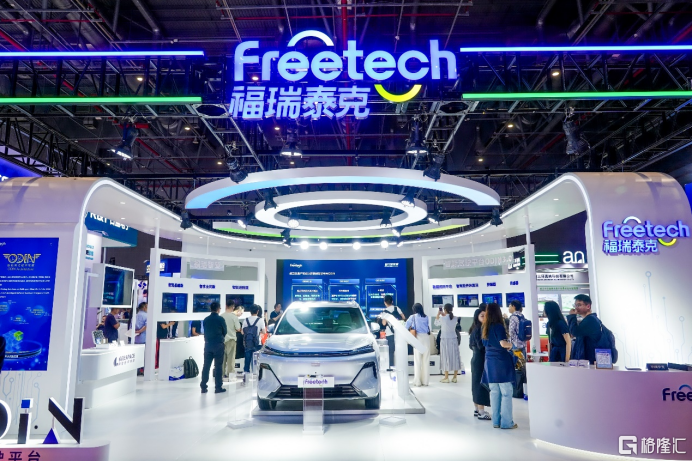
Core Insights - The article highlights the launch of advanced driving assistance technologies and new products by Furuitek at the 2025 Shanghai International Auto Show, emphasizing their commitment to intelligent driving solutions and market demands [1][2][4] Group 1: Product Launch and Features - Furuitek introduced the ADC25-J "Smart Enjoyment Universal Version" solution, which supports L2.9 level integrated driving and parking assistance, enabling end-to-end CNOA assistance on highways and urban roads [2][4] - The "Smart Enjoyment Universal Version" integrates Furuitek's self-developed ODIN3.0 platform capabilities, showcasing the company's extensive production experience and technological advancements in domain control [4][10] - The company unveiled high-resolution camera modules and radar products, including the AVC31, SVM30, and FVM83/84, which enhance detail capture and driving safety [7][9] Group 2: Technological Advancements - Furuitek's ODIN3.0 platform represents a significant evolution from previous versions, focusing on AI-driven innovations and efficient engineering deployment [10][14] - The company is advancing 4D imaging technology, achieving pedestrian detection over 200 meters and improving angular resolution to 0.1° even in adverse weather conditions [15][16] - Furuitek's satellite radar technology, enhanced by AI, provides comprehensive 360° perception and supports multiple operational modes, showcasing the company's unique system solution capabilities [16][18] Group 3: Market Position and Vision - Since its establishment in 2016, Furuitek has provided intelligent protection for over 3 million users, validating 40 billion kilometers of safe mileage and reducing driving safety risks by 47% [7] - The company emphasizes the importance of user trust and safety, aiming to make intelligent driving assistance technology accessible and affordable for the public [7][18] - Furuitek is committed to continuous exploration in intelligent driving technology, aligning with user demands for improved travel experiences [18]
香麻了 比亚迪宋Pro DM-i限时钜惠,杀入9万级 手慢无
Qi Lu Wan Bao· 2025-04-28 07:29
Core Insights - BYD's Song Pro DM-i is launching a promotional campaign offering significant subsidies, making the price as low as 92,800 yuan, thus enhancing accessibility for consumers seeking high-quality electric vehicles [1][15] - The vehicle features the "Heavenly Eye C" driving assistance system, equipped with 29 sensors, enhancing safety and convenience across various driving scenarios [3][5] - The Song Pro DM-i boasts the lowest fuel consumption in its class, with a NEDC fuel consumption of only 3.79L/100km and a comprehensive range of 1,400 km, showcasing its advanced technology [7][15] Pricing and Subsidies - The promotional campaign includes a manufacturer replacement subsidy of up to 6,000 yuan, combined with local trade-in subsidies starting from 4,000 yuan, significantly lowering the purchase price [1] - The effective price point of 92,800 yuan positions the Song Pro DM-i as a competitive option in the A-class SUV market [1][15] Technology and Features - The Song Pro DM-i is equipped with BYD's fifth-generation DM technology, which includes a dedicated 1.5L efficient engine and a power-type blade battery, contributing to its low energy consumption [7] - The vehicle is designed with a comprehensive safety system, including multiple airbags and advanced monitoring systems, ensuring a high level of protection for passengers [8] Market Positioning - The Song Pro DM-i has achieved significant sales success, becoming the top-selling A-class SUV and contributing to the cumulative sales of the Song family surpassing 2 million units [13] - The vehicle's competitive pricing and advanced features are expected to reshape the A-class SUV market landscape, reinforcing BYD's position as a leading choice for mainstream Chinese families [15]
