流量经济

Search documents
带货爆卖两千万,蹭妈星二代扇了全网一巴掌
3 6 Ke· 2025-05-14 04:00
Core Viewpoint - The article discusses the controversy surrounding Wang Yichen, the daughter of the famous children's show host Jin Guizi, who faced criticism for allegedly "riding on her mother's coattails" during a live-streaming sales event. Wang Yichen defended herself by emphasizing the hard work of her mother and her own efforts in the live-streaming business, highlighting the dynamics of generational privilege in the context of the current flow economy [1][9][19]. Summary by Sections Live Streaming and Sales Performance - Wang Yichen's live-streaming account "Jin Guizi's Baby" achieved significant sales, with total sales reaching between 10 million to 25 million yuan (approximately 1.4 million to 3.5 million USD) over 30 days, conducting 13 live sessions with total sales volume between 250,000 to 500,000 units [4][6]. - The account has over 2 million followers, categorizing her as a "mid-tier influencer," while her mother Jin Guizi has 6.5 million followers but lower sales performance [6][7]. Public Reaction and Controversy - Wang Yichen's response to accusations of "riding on her mother's fame" sparked a divided public opinion, with some supporting her perspective on generational resource transfer, while others criticized her for promoting a distorted value system that equates success with inherited privilege [9][11][12]. - The controversy reflects broader societal concerns about fairness and the perception of privilege in the influencer economy, where the advantages of being a "celebrity offspring" are often scrutinized [11][19]. Implications for the Influencer Economy - The article suggests that the current influencer economy is characterized by a focus on generating controversy for visibility, with some influencers intentionally creating provocative content to gain attention [13][14]. - The discussion around Wang Yichen's situation highlights the tension between leveraging familial connections and the need for personal merit in maintaining audience trust and engagement [19][20].


演出经济如何成为“抢不走的GDP”
Jing Ji Ri Bao· 2025-05-10 22:12
Core Insights - The surge in music festivals and concerts during the "May Day" holiday reflects a shift in consumer demand from material satisfaction to emotional value, highlighting the importance of "self-investment" among young people [1][2] - The performance economy is recognized for its significant spillover effects, with cities leveraging music events to enhance their cultural tourism landscape, leading to increased hotel bookings and local economic activity [2][3] - There is a growing need for the performance economy to evolve from a focus on "star power" to "content creation," ensuring that each city develops its unique cultural offerings to sustain long-term growth [2][3] Group 1 - The number of orders for food, accommodation, and entertainment packages related to music festivals and concerts increased by 180% year-on-year during the "May Day" holiday [1] - Major music festivals in cities like Beijing, Chengdu, and Wuhan have significantly boosted local tourism and cultural activities [1] - The cross-city attendance rate for large concerts was 64.2% last year, with 41.5% of attendees staying for two days and 37.0% staying for three days or more [1] Group 2 - Smaller cities are experiencing a rise in music events, such as the Huluguo Music Festival in Chuzhou and the Peach Music Carnival in Yining, which are driving local hotel bookings and revealing new market potential [2] - The performance economy is referred to as "walking GDP," emphasizing its potential to generate substantial economic activity [2] - Cities are challenged to transform their performance economy into a sustainable competitive advantage rather than relying solely on transient star power [2] Group 3 - Initiatives like "fan pick-up services" and local food stalls at music festivals are being implemented to enhance visitor experiences and stimulate spending [3] - The goal is to convert fleeting "traffic" into lasting emotional connections with cities, encouraging visitors to return [3] - Collaborative efforts among various sectors are essential to transform the current "performance heat" into a lasting "cultural heat" for economic growth [3]
颜宁公开打假,为何总有人热衷于“造神”?
Hu Xiu· 2025-05-10 04:34
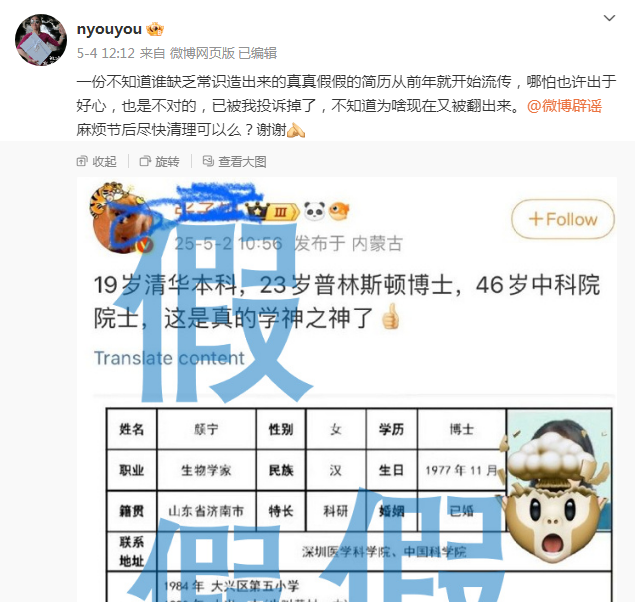
Core Viewpoint - The article discusses the issue of fabricated resumes and exaggerated claims about scientists, particularly focusing on the case of Chinese Academy of Sciences academician Yan Ning, who publicly refuted a false resume that has been circulating since 2021 [1][2][3]. Group 1: Issue of Fabricated Resumes - Yan Ning criticized the circulation of a false resume that exaggerated her achievements and referred to her as "the god of learning," emphasizing the importance of respecting facts even in praise [1][2][3]. - The article highlights that even well-intentioned exaggerations can mislead the public and create a false narrative about scientists [2][3]. Group 2: Impact on Scientists and Society - The phenomenon of exaggerating scientists' accomplishments can lead to confusion and misrepresentation, affecting both the individuals involved and the public's perception of science [5][6]. - The article draws parallels with other cases, such as academician Fu Tingdong and Peking University teacher Wei Dongyi, who also faced similar issues of exaggerated claims about their contributions [5][6]. Group 3: Call for Accountability - There is a need for stricter regulation and accountability from social media platforms and relevant authorities to prevent the spread of false information and protect the integrity of scientific achievements [7][8]. - The article suggests that the issue of exaggeration is not limited to the scientific community but is prevalent across various fields, including education, literature, and government [8][9].
谁在消费胖东来:当善意经营遭遇恶意围猎
商业洞察· 2025-05-08 09:05
以下文章来源于秦朔朋友圈 ,作者梁云风 秦朔朋友圈 . 秦朔朋友圈是由中国著名媒体人、财经观察家秦朔牵头创立的一个新媒体与专业服务品牌,包括微信公 众号、微博、视频节目、音频节目等。内容聚焦于经济、金融和商业领域,关注重点为全球和中国财经 商业热点、企业家精神、创新与发明创造、商业文明探索等。 作者: 梁云风 来源:秦朔朋友圈 01 2025 年以来,河南零售巨头胖东来频繁陷入舆论漩涡,多起事件揭示其成为恶意蹭流量的"重灾 区" 。 5 月 1 日,浙江 嘉兴 一家名为 "胖都来"的线下购物商场开业。该商场名称引发争议,不少网 友质疑这是在碰瓷"胖东来"。 对此, 该公司解释称, "胖"寓意丰盈、富足、美好,"都( d ū)"取自集团董事长的姓氏, " 名字只是符号,品质才是关键 " 。 但明眼人都明白, "胖都来" 与 "帅师傅"一样,是典型的 试图通过 "符号混淆" 的 商标擦边与 商业投机 。 且 "胖都来"社交账号宣传中多次暗示与胖东来的关联,如开业视频邀请明星造势, 进一步坐实蹭流量嫌疑。 从法律角度看, "胖都来"与"胖东来"仅一字之差,且同属零售业,消费者极易混淆,涉嫌商标 侵权及不正当竞争 。 ...

1.4亿流量到来之后……
Xin Jing Bao· 2025-05-06 09:07
Group 1 - The core issue highlighted is the phenomenon of "passive fame," where individuals unexpectedly gain massive attention and the associated negative consequences, contrasting with those who actively manage their public personas [3][4] - The case of the blogger "Dafu" illustrates the dangers of sudden virality, leading to personal privacy invasions and mental distress due to public scrutiny and online harassment [3][4] - The media's role in exacerbating these issues is emphasized, as traditional ethical standards regarding consent and privacy are often overlooked in pursuit of sensational stories [5][7] Group 2 - The article suggests that platforms should take responsibility for the distribution of content, advocating for improved protections for original creators and better mechanisms for handling copyright complaints [7][8] - It calls for media self-regulation, proposing the creation of guidelines for reporting on ordinary individuals who gain sudden fame, to respect their privacy and avoid sensationalism [7][8] - The need for public awareness and critical thinking is stressed, encouraging individuals to engage with viral content thoughtfully rather than contributing to a culture of sensationalism and online violence [8]
“商圈+文旅”点燃消费新引擎,奏响假期文旅狂欢曲
Qi Lu Wan Bao Wang· 2025-05-05 09:13
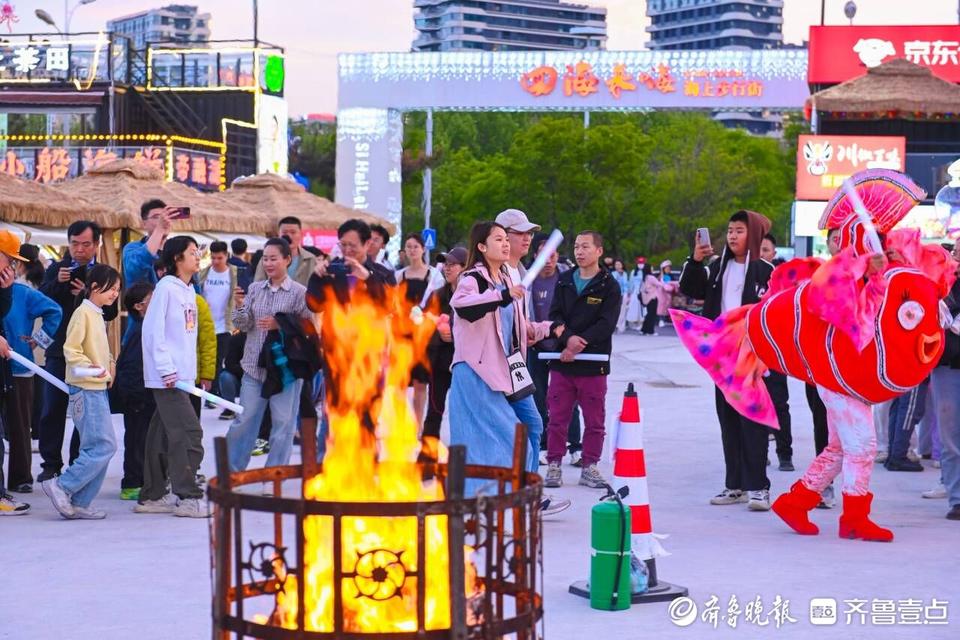
Core Insights - The article highlights the integration of commerce and tourism in Qingdao's West Coast, particularly in the Yinjuzhijiao area, which is becoming a new growth engine for cultural and tourism consumption [1][8]. Group 1: Event Highlights - The "Happy Bay Music Market" opened on May 1, featuring live performances and attracting over 20,000 visitors in a single day during the holiday period [3][8]. - The "Four Seas Come to Hi" pedestrian street launched with an "Ocean of Fluorescence" theme, offering immersive experiences such as bonfire parties and interactive light shows [5][6]. Group 2: Infrastructure and Development - Happy Bay, a 245,000 square meter commercial complex, includes over 30 well-known dining brands and various entertainment options, creating a comprehensive consumption ecosystem [3][5]. - The upcoming Ling Shan Bay commercial complex, set to start in 2025, will feature a 27,000 square meter shopping center with an expected annual sales of 260 million yuan and create 500 new jobs [8]. Group 3: Economic Impact - The integration of cultural and tourism elements into commercial areas has significantly boosted consumer activity, with events like the Ling Shan Bay Festival expected to attract over 100,000 visitors in 2024 [8][9]. - The local government has implemented initiatives to enhance the business environment, resolving over 500 enterprise issues and facilitating connections between banks and businesses [8].
“一日店长”流量狂欢局,有人倒贴几千元“打工”
3 6 Ke· 2025-05-05 02:05
Core Viewpoint - The "One-Day Store Manager" trend is gaining popularity in various retail sectors, leveraging high-profile individuals to attract consumers, but it faces growing criticism and potential market saturation [8][9][26]. Group 1: Overview of the "One-Day Store Manager" Trend - The "One-Day Store Manager" concept originated in Japan, initially involving celebrities serving as temporary store managers to create buzz and drive sales through fan engagement [9]. - This trend has expanded to include influencers, KOLs, and even ordinary consumers, with various brands adopting this model to enhance foot traffic and sales [9][10]. - The model has seen significant growth since 2023, driven by emotional and aesthetic consumerism, and is expected to continue evolving [9][10]. Group 2: Impact on Brands and Sales - Brands like Xiangpiaopiao and other new tea drink companies have utilized the "One-Day Store Manager" strategy to attract younger consumers, often featuring attractive influencers to draw crowds [10][12]. - Data from tea brand Shuyi Shao Xian Cao indicates that a recent event led to a 100% increase in daily sales and a 240% year-over-year growth [12]. - The cost-effectiveness of this model is appealing to brands, as it allows for broader reach at a lower expense compared to traditional celebrity endorsements [12]. Group 3: Consumer Reactions and Market Saturation - As the "One-Day Store Manager" events proliferate, consumer sentiment is shifting from curiosity to fatigue, with some expressing annoyance at the lack of professional service [8][26]. - Critics argue that the focus on aesthetics over service quality may alienate loyal customers and diminish the overall shopping experience [28][30]. - The trend may face a decline as consumers grow weary of the repetitive nature of these events, prompting brands to seek new marketing strategies [30].

“生态游”“乡村游”“研学游”……文旅市场“百花齐放” 开启沉浸式新体验
Yang Shi Wang· 2025-05-02 06:29
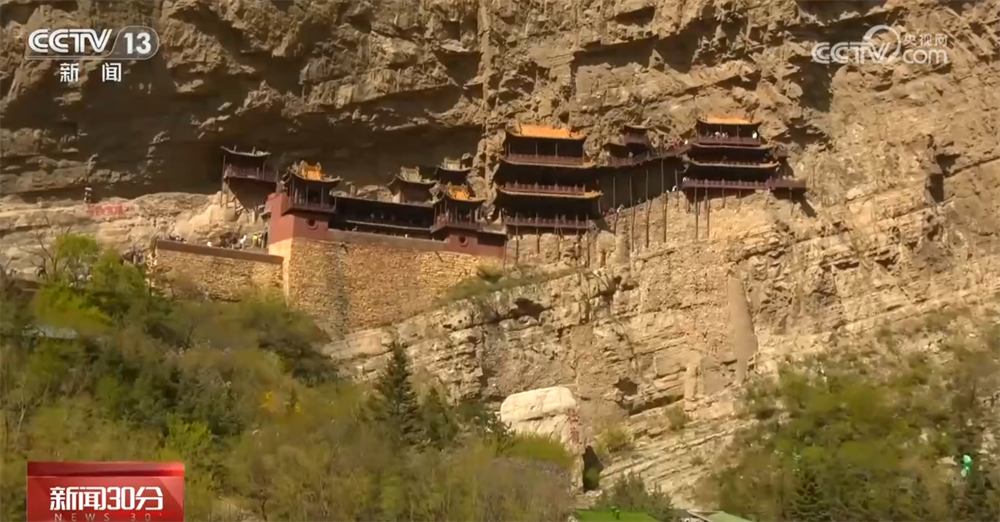
Group 1: Domestic Tourism Surge - The domestic tourism market has significantly heated up during the "May Day" holiday, with scenic spots experiencing a peak in visitor flow [1] - Various regions have actively launched unique activities that integrate cultural tourism, enriching the holiday experience for visitors [1] Group 2: Scenic Spot Highlights - In Shanxi, the Hengshan and Xuankong Temple welcomed a peak in visitors, implementing staggered reservations and extending opening hours to enhance visitor experience [1] - The Xuankong Temple has a daily limit of 3,260 tickets to protect its wooden structure, and tickets for the "May Day" holiday were sold out [3] - In Henan, the Laojun Mountain scenic area saw nearly 30,000 reservations on the first day of the holiday, with cultural performances attracting many visitors [5] - Hunan's Tianmen Mountain attracted both domestic and international tourists with its illuminated natural scenery and unique attractions [7] Group 3: Innovative Tourism Experiences - In Hunan's Changde, visitors enjoyed close encounters with animals and unique experiences like helicopter rides at the Wild Animal World, attracting thousands of visitors [8][10] - Jiangsu's Suzhou introduced a "textile + cultural tourism" project, combining local industry with tourism, offering visitors a unique experience in the countryside [13][15] - In Lianyungang, students participated in immersive maritime exploration activities aboard a cruise ship, learning about navigation and safety [18][20] Group 4: Cultural and Technological Integration - In Hebei, the Shanhaiguan scenic area showcased a blend of traditional lion dance and technology with interactive performances featuring smart robotic dogs, attracting significant visitor engagement [22][24]
从“农村追城市”到“城市寻乡村”,广东这里“出圈”了!
21世纪经济报道· 2025-04-24 08:21
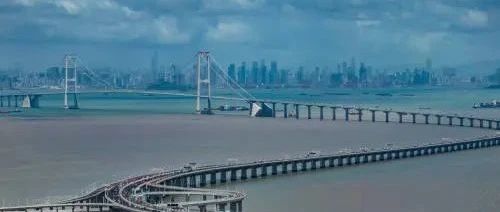
Core Viewpoint - The article highlights the transformation of rural areas in Zhongshan, particularly in the villages of Cai Kou and Yong Mo, driven by the opening of the Shen-Zhong Channel, which has shifted the focus from labor export to tourism development [1][2]. Group 1: Economic Transformation - The opening of the Shen-Zhong Channel has turned Cai Kou from a labor-exporting village into a tourist destination, attracting over 584,000 visitors in 2024, with 63,900 visitors during the Spring Festival [3][6]. - Yong Mo village has developed 15 national and provincial cultural tourism brands and has become a provincial-level all-region tourism demonstration area [1][2]. - The "Hundred Million Thousand Project" has led to 17 villages in Zhongshan achieving collective incomes exceeding 100 million yuan, with 43 villages surpassing 5 million yuan [2][7]. Group 2: Tourism and Cultural Integration - Cai Kou has created a comprehensive industry chain by integrating local resources, including rice branding and coffee culture, leading to a price increase for its rice from 2.5 yuan to 20 yuan per jin [3][6]. - Yong Mo village leverages its historical and cultural resources, such as the Zheng Guanying Residence, to enhance tourism and has seen a visitor increase to approximately 800,000 [4][6]. - The article emphasizes the importance of enhancing tourism service quality and developing unique tourism products to meet diverse visitor needs [6][8]. Group 3: Infrastructure and Development Strategies - Both villages are focusing on improving infrastructure, including environmental upgrades and road construction, to create a clean and orderly village environment [6][8]. - Yong Mo village has renovated over 190 farmhouses, significantly improving the village's appearance, and is upgrading old factories to activate idle land resources [6][7]. - The article discusses the need for Zhongshan to enhance its tourism reception capacity, especially during peak seasons, to accommodate the growing number of visitors [7][8].
老板当网红,本质上是一场豪赌
创业邦· 2025-04-04 10:11
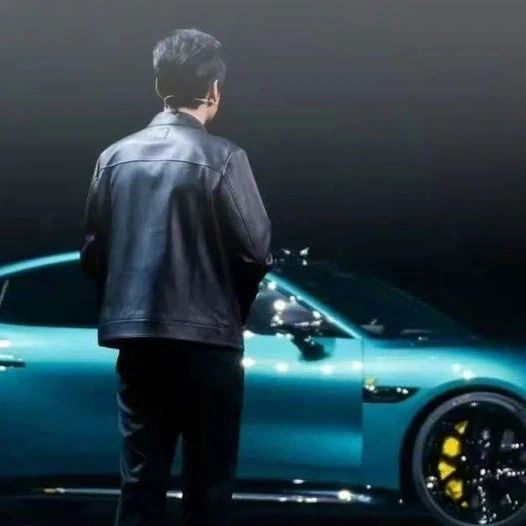
Core Viewpoint - The article discusses the negative impact of a recent traffic accident involving Xiaomi's car, which has led to a significant decline in Xiaomi's stock price and market value, highlighting the risks associated with the deep personal branding of its founder, Lei Jun [3][32][43]. Group 1: Incident and Public Reaction - A traffic accident involving Xiaomi's SU7 has resulted in a market value loss of over 120 billion HKD in recent days [3]. - The public's reaction to Lei Jun's delayed response to the incident has been mixed, with some praising his honesty while others express disappointment in his silence [9][11]. - The incident has sparked discussions about the dangers of excessive reliance on personal branding in corporate strategy, as seen in the backlash against Lei Jun [13][31]. Group 2: Branding Strategy and Its Risks - Xiaomi's branding strategy has heavily relied on Lei Jun's personal image, which has become a core asset for the company [15][30]. - The "Participation Three-Three Rule" developed by Xiaomi emphasizes creating popular products, engaging fans, and leveraging social media for marketing [16]. - While this strategy has led to significant marketing savings and brand loyalty, it also exposes the company to high risks, particularly when the founder's image is called into question [31][43]. Group 3: Comparison with Other Companies - The article draws parallels between Xiaomi's situation and past incidents involving other companies like Tesla, where founder Elon Musk faced similar public scrutiny following accidents [39][40]. - Both Lei Jun and Musk have utilized dramatic narratives and personal branding to engage consumers, but this approach can lead to severe backlash when trust is broken [41][43]. Group 4: Lessons and Future Implications - The backlash against Lei Jun serves as a warning for companies to reduce dependency on personal branding and focus on building institutional resilience [43]. - The article suggests that as public trust in personal brands can be fragile, companies should prioritize product safety and corporate governance to maintain long-term value [43].