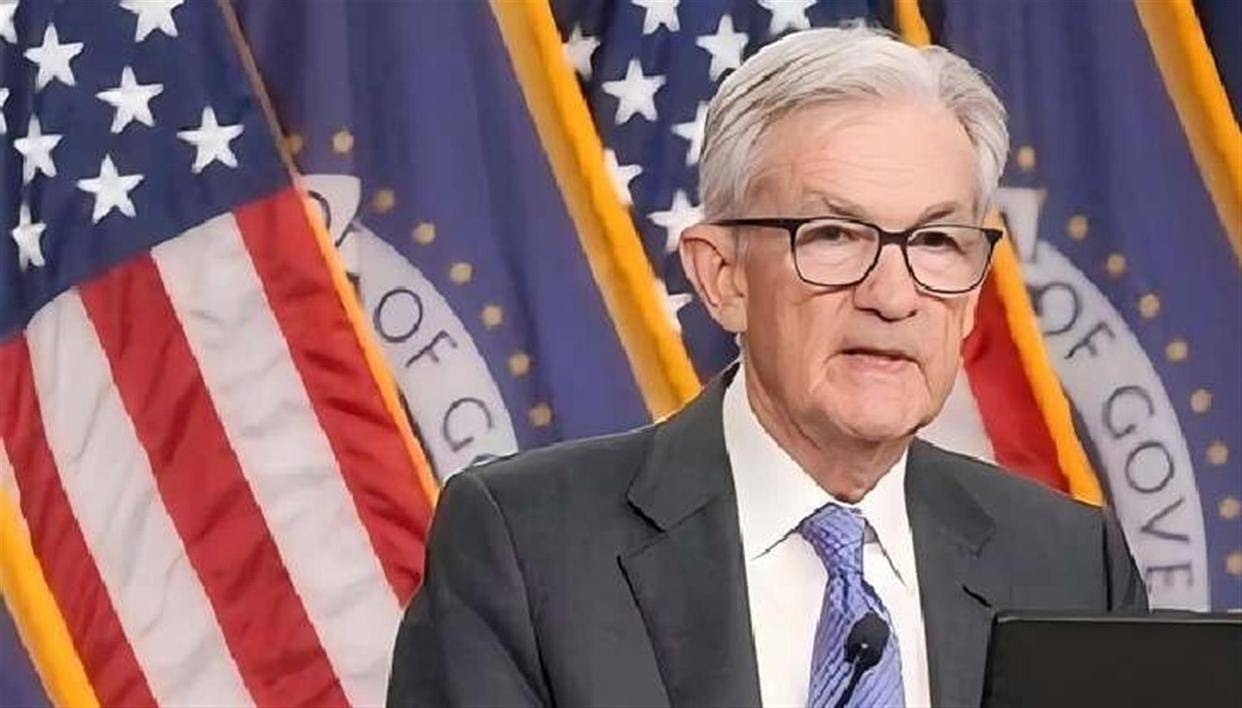
美国优先

Search documents
“美国优先”撞上北极秩序 格陵兰岛风波升级
Xin Lang Cai Jing· 2026-01-16 00:32
北约迎来"承压测试" 1月14日,在格陵兰岛努克一家餐厅里,人们通过电视观看丹麦外交大臣拉斯穆森和格陵兰岛自治政府 外长莫茨费尔特在美国华盛顿结束同美方官员会晤后举行的新闻发布会。视觉中国供图 1月14日,美国副总统万斯和国务卿鲁比奥在华盛顿与到访的丹麦外交大臣拉斯穆森和格陵兰岛自治政 府外长莫茨费尔特举行会谈。就在会谈前几个小时,美国总统特朗普再次威胁要"接管"格陵兰岛。会晤 过后,拉斯穆森表示,不尊重丹麦领土完整和格陵兰人民自决权的观点"完全不可接受",双方仍存 在"根本性分歧"。 特朗普自2025年重返白宫以来,多次扬言要让美国得到丹麦自治领地格陵兰岛。这座冰封的世界第一大 岛,为何成为美国紧盯的目标?围绕格陵兰岛展开的博弈,又将会如何发展?中青报·中青网记者专访 中国社会科学院美国研究所副研究员张一飞进行解读。 美国对格陵兰岛觊觎已久 特朗普1月14日在社交媒体发文,称美国需要得到格陵兰岛"以维护国家安全",这对美国正在建设的"金 穹"导弹防御系统至关重要。他还宣称,北约应"引领我们得到它",若格陵兰岛在美国手中,"北约将变 得更加强大和高效"。 格陵兰岛大部分位于北极圈内,连接北极、加拿大西北航道与 ...


特朗普急发帖喊话,称美国快撑不住了,现在全指望中国拉他一把
Sou Hu Cai Jing· 2026-01-15 20:23
Core Viewpoint - The potential Supreme Court ruling on tariffs could significantly impact the U.S. economy and its international standing, with former President Trump expressing extreme concern about the implications of such a decision [1][2][16]. Group 1: Economic Implications - If the Supreme Court rules that the tariffs imposed on numerous countries are unconstitutional, the U.S. may face demands for refunds amounting to hundreds of billions of dollars [1]. - Companies have adjusted their supply chains and manufacturing locations in response to tariffs, and a ruling against these tariffs could lead to the U.S. being liable for indirect losses incurred by these businesses [1][16]. - The U.S. fiscal situation could worsen significantly if multiple countries demand refunds simultaneously, potentially leading to a financial crisis [1][16]. Group 2: Political Dynamics - Trump's rhetoric aims to pressure the Supreme Court by suggesting that the nation could face dire consequences, reflecting a rare instance of a former president openly threatening judicial independence [2][4]. - The internal divisions within the Supreme Court, between liberal and conservative justices, could lead to unpredictable outcomes regarding the ruling on tariffs [4][24]. Group 3: International Relations - The U.S. is experiencing a breakdown of its traditional alliances, with actions perceived as unilateralism causing discontent among allies [6][8]. - The potential for China to play a stabilizing role in U.S. economic recovery is being discussed, as both nations are economically intertwined, with significant trade dependencies [8][19][21]. - The ongoing geopolitical tensions and the need for crisis management mechanisms between the U.S. and China are highlighted as essential to avoid further escalation [30][31]. Group 4: Systemic Challenges - The U.S. governance structure, designed for checks and balances, may hinder swift decision-making in times of crisis, leading to potential paralysis in addressing urgent economic issues [9][34][36]. - The current political climate, characterized by extreme polarization, complicates the ability of the U.S. to respond effectively to international challenges [10][42]. - The systemic risks facing the U.S. economy are compounded by structural issues, including a rising national debt and declining trust among allies [16][42].
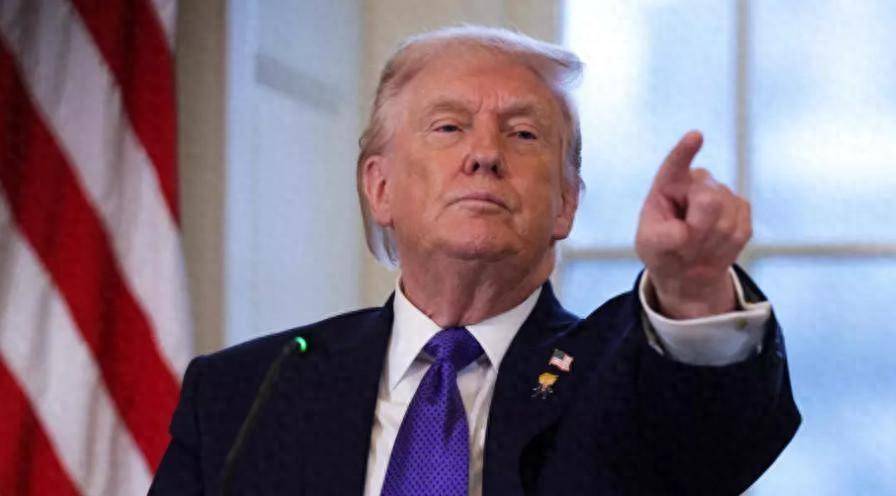
新华网国际看点|美新一届政府执政近一年,给世界带来了什么?
Xin Hua She· 2026-01-15 13:52
Core Viewpoint - The new U.S. government has intensified political polarization and governance disorder, prioritizing "America First" over international norms, leading to global instability and uncertainty [2][3]. Foreign Policy - The U.S. government has adopted extreme unilateralism and alliance restructuring, withdrawing from international agreements like the Paris Accord and the WHO, resulting in fragmented global governance [2][3]. - The U.S. is implementing "Monroe Doctrine 2.0," threatening Latin American countries with military intervention while attempting to undermine China-Russia cooperation [3][4]. - The U.S. is pushing for "de-globalization" and "friend-shoring," causing disruptions in global supply chains and increasing logistics and production costs, which ultimately burden American consumers [3][4]. - The new national security strategy emphasizes a transactional approach to alliances, requiring allies to share defense responsibilities and aligning them with U.S. economic and security interests [4][5]. Economic Policy - The U.S. government has enacted significant tax cuts and expanded oil and gas production, projected to increase the deficit by $3.3 trillion over the next decade [3][4]. - Tariff policies have created high uncertainty, leading to negative impacts on global supply chains and market volatility [4][5]. Military Strategy - The U.S. military strategy is characterized by a withdrawal from regions like the Middle East and Europe, focusing resources on the Western Hemisphere and the Indo-Pacific, which may exacerbate local tensions [3][4]. Domestic Policy - The government has initiated drastic administrative reforms, including significant layoffs and budget cuts in various federal agencies, leading to a historic government shutdown and declining public trust [8][9]. - Immigration policies have become more extreme, resulting in the largest-scale deportations in U.S. history, which may negatively impact labor supply and GDP [8][9]. - Social and educational policies have intensified divisions between "red" and "blue" states, exacerbating cultural conflicts [9][10]. Overall Governance Characteristics - The governance style of the U.S. government is described as "bulldozer governance," marked by extreme unilateralism, strong administrative control, economic bullying, strategic contraction, and populist governance [12][13]. - The government acknowledges the end of the unipolar era and is shifting towards a new isolationist realism, focusing on maintaining dominance in the Western Hemisphere and the Indo-Pacific [13][14]. Future Policy Directions - In 2026, the U.S. is expected to prioritize national security in domestic policies, emphasizing "Western Hemisphere first" and using economic tools as leverage in trade negotiations [14][15]. - The government aims to control resources and political security in the Western Hemisphere, potentially leading to increased tensions with regional countries [15][16].

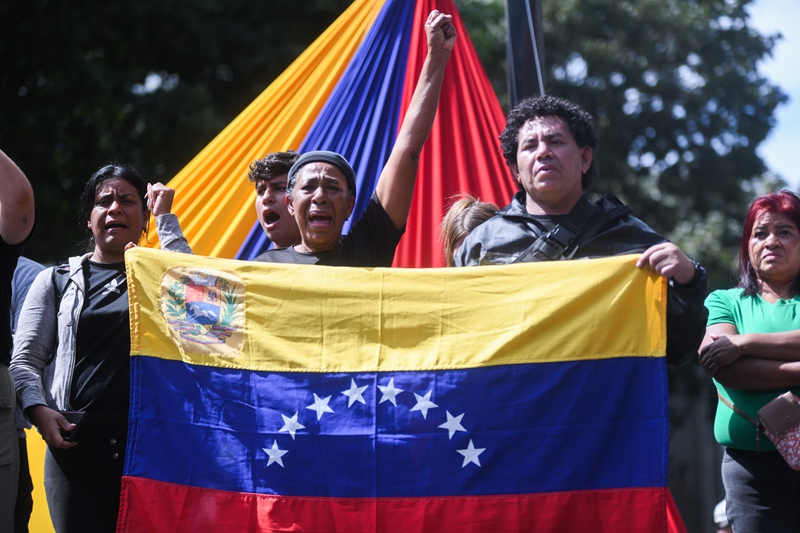
加拿大8年来首次访华!被美国逼到墙角后,转头来抱中国大腿?
Sou Hu Cai Jing· 2026-01-15 12:11
加拿大为何访华? 近期,有两个大消息炸了锅。一个是美国跟丹麦闹掰,核心是抢格陵兰岛。 这篇国际评论,主要来分析加拿大为何要访华? 最近国际圈的瓜是一个比一个劲爆:特朗普挥着关税大棒怼伊朗,还盯着格陵兰岛流口水,连邻居加拿大都被他逼得转头找中国,这连环大戏简直比电视剧 还刺激。 今天咱就用大白话,把这几件事的来龙去脉捋清楚,看完保证你通透。 另一个更狠,特朗普在前一天发社交动态放话,谁跟伊朗做生意,再想跟美国打交道就得交25%的高额关税,这简直是逼全世界二选一。 说句实在的,这事儿跟贸易半毛钱关系没有,就是特朗普团队里的鹰派在借题发挥,拿伊朗当靶子,推行他们那套"美国优先"的威权主义,也就是外界说 的"唐罗主义"。 为啥突然怼伊朗?表面上是说伊朗镇压示威者闹出了人命,特朗普甚至放话要考虑军事干预。 但咱心里都清楚,美国想收拾伊朗不是一天两天了,几十年前就有这心思,没成事儿就是因为伊朗这块骨头太硬。 就说去年前后,美国和以色列轮番对伊朗动手,也没占到啥便宜,可见伊朗的抗压能力有多强。 到了2026年一开年,局势更乱了。委内瑞拉那边乱糟糟的,美国还在格陵兰岛问题上步步紧逼,大家都在猜:下一个被美国"开刀"的会是谁? ...
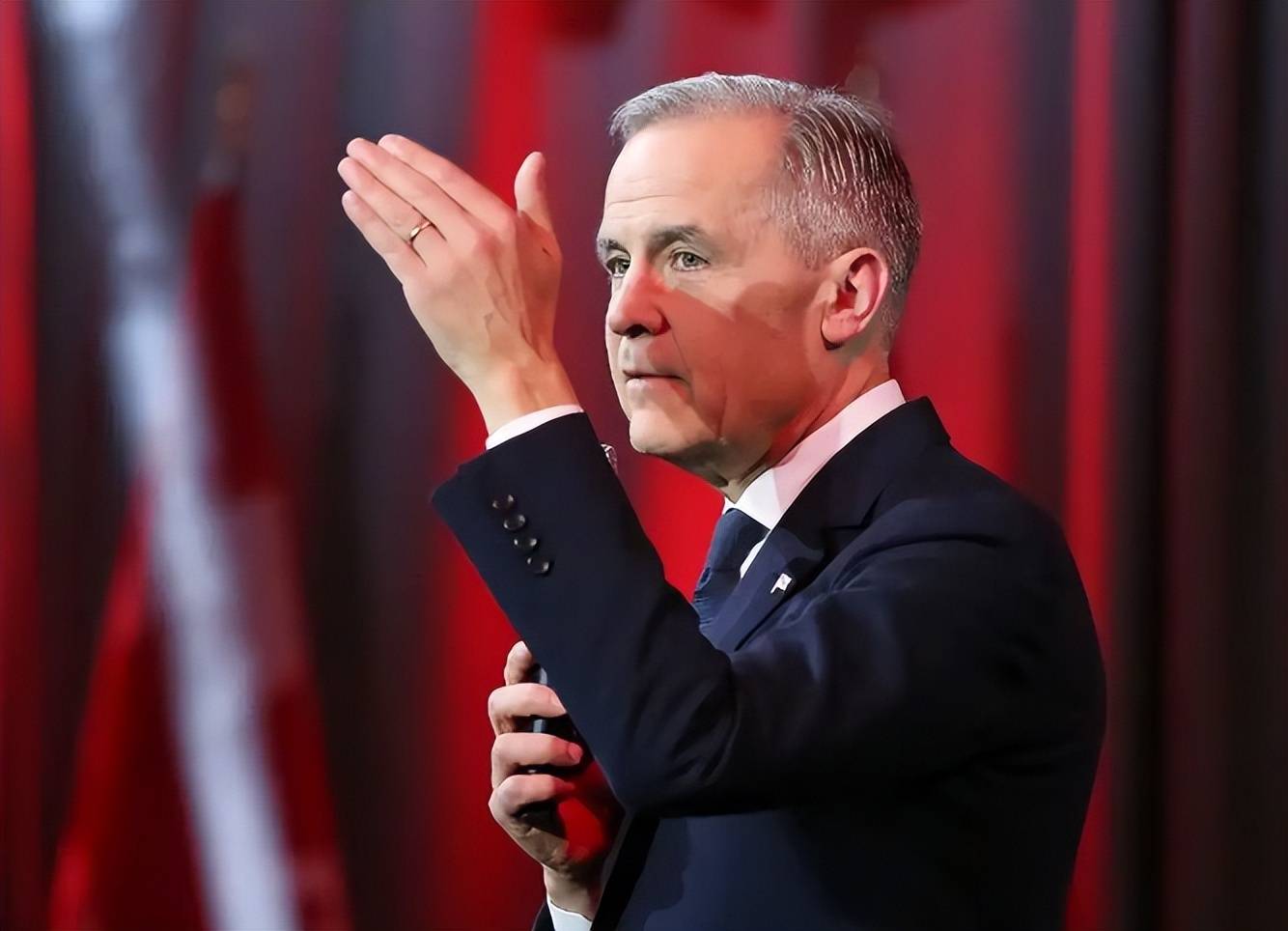
特朗普紧急发文,直言美国可能“要完”,中国或成为其自救的关键
Sou Hu Cai Jing· 2026-01-15 12:11
Group 1 - Trump's recent social media post suggests that if the Supreme Court rules against his tariff policy, the U.S. economy could face severe consequences [1][3] - The tariff policy, implemented through an executive order, has faced legal challenges from multiple states and corporations, claiming it violates the Constitution by bypassing Congress [3][5] - If the Supreme Court rules against the tariffs, the U.S. government may have to refund hundreds of billions of dollars in tariffs and additional costs incurred by businesses, potentially exceeding one trillion dollars [3][5] Group 2 - Analysts suggest that China could play a crucial role in alleviating the situation, as the U.S. relies heavily on Chinese imports, particularly in the electronics sector where two-thirds of chips come from China [7][8] - A ruling against the tariffs could prompt the U.S. to adjust its strategy and collaborate with China, potentially avoiding significant refunds and allowing U.S. companies to benefit from the Chinese market [8][10] - Previous trade talks between the U.S. and China have shown that cooperation can ease pressures on businesses, indicating a mutual benefit in reducing tariffs [10][12] Group 3 - The potential ruling could have broader implications, affecting not only U.S.-China relations but also the global supply chain, with other countries like the EU also expressing concerns over U.S. tariffs [14][16] - Trump's approach to tariffs appears to be short-sighted, as legal challenges threaten the foundation of his manufacturing strategy, highlighting the need for dialogue with China [16][18] - The current economic climate necessitates a reevaluation of unilateral trade policies, emphasizing the importance of cooperation for global economic stability [18]
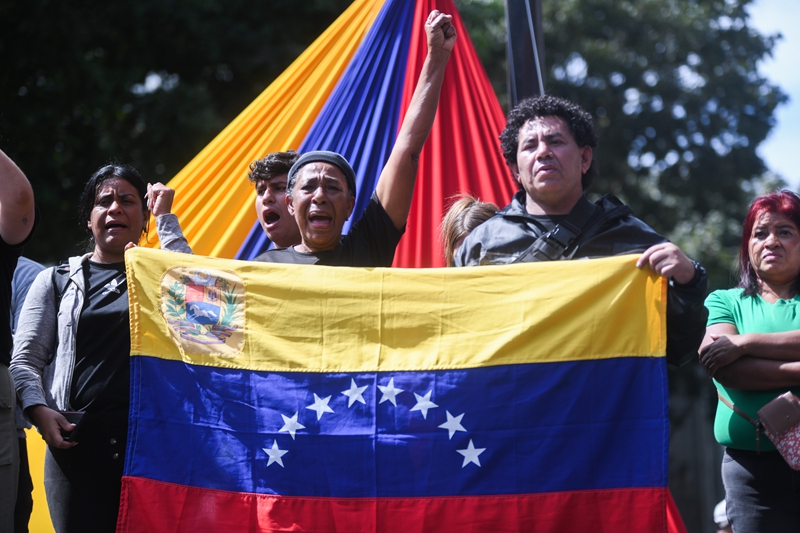
美新一届政府执政近一年,给世界带来了什么?
Xin Hua Wang· 2026-01-15 09:28
Core Viewpoint - The new U.S. government has intensified political polarization and governance disorder, prioritizing "America First" over international norms, leading to global instability and uncertainty [1] Foreign Policy - The U.S. government has adopted extreme unilateralism and alliance restructuring, withdrawing from international agreements like the Paris Accord and the WHO, resulting in fragmented global governance [2][3] - The implementation of "Monroe Doctrine 2.0" or "Tangro Doctrine" involves military interventions in Latin America while attempting to undermine China-Russia cooperation [2][4] - The U.S. has emphasized transactional relationships with allies, demanding greater defense responsibilities and linking economic and security issues [3][11] Economic Policy - The U.S. continues to enforce hegemonic interventions and tariffs, causing supply chain disruptions and increased costs for consumers, which are expected to lead to a $3.3 trillion deficit over the next decade [2][3] - The government's focus on "de-globalization" and "friend-shoring" has resulted in localized supply chain paralysis and rising logistics costs [2][3] Military Strategy - The U.S. military strategy shows a trend of strategic contraction, reallocating resources from the Middle East and Europe to focus on the Western Hemisphere and the Indo-Pacific [2][3] - The new national security strategy prioritizes the Western Hemisphere, indicating a shift in military focus and potential reallocation of U.S. military resources [3][12] Domestic Policy - The government has implemented drastic administrative reforms, including significant layoffs and budget cuts, leading to a historic government shutdown and a decline in public trust [7][8] - Immigration policies have become more extreme, resulting in the largest-scale deportations in U.S. history, which may negatively impact GDP by 1-4.9% due to labor shortages [7][8] - The administration's approach to education and social issues has exacerbated divisions between "red" and "blue" states, leading to increased cultural conflicts [7][9] Overall Governance Characteristics - The governance style is characterized as "bulldozer-style," marked by extreme unilateralism, strong administrative control, economic bullying, strategic contraction, and populist governance [11][16] - The U.S. government acknowledges the end of the unipolar era and is shifting towards a new isolationist realism, focusing on protecting its core interests while viewing China as a primary competitor [11][16]
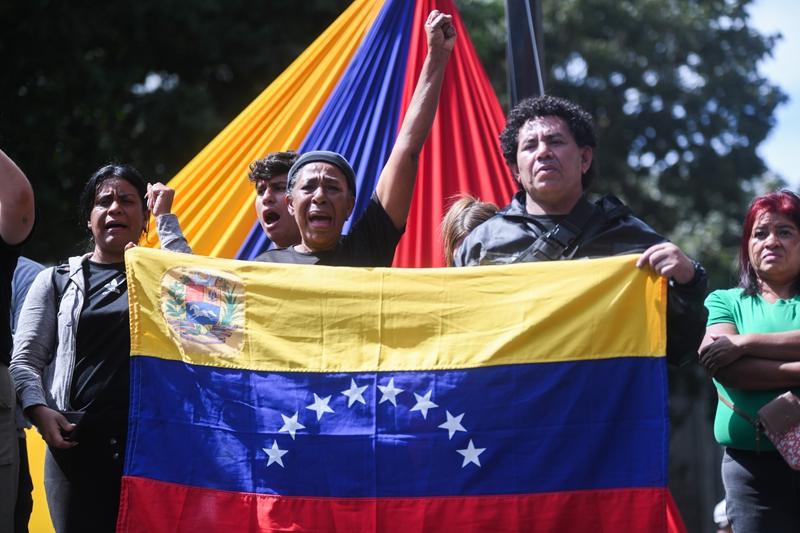
新华网国际看点丨美新一届政府执政近一年,给世界带来了什么?
Xin Hua She· 2026-01-14 14:27
Core Viewpoint - The new U.S. government has intensified political polarization and governance disorder, prioritizing "America First" over international norms, leading to global instability and uncertainty [1][12]. Foreign Policy - The U.S. government has adopted extreme unilateralism and alliance restructuring, withdrawing from international agreements like the Paris Accord and the WHO, resulting in fragmented global governance [1][2]. - The implementation of "Monroe Doctrine 2.0" or "Tangro Doctrine" involves military interventions in Latin America while attempting to undermine China-Russia cooperation [2][4]. - The U.S. has emphasized transactional relationships with allies, demanding greater defense responsibilities and linking economic and security issues [3][12]. Economic Policy - The U.S. continues to impose tariffs and engage in hegemonic interventions, causing supply chain disruptions and increased costs for consumers, which are expected to lead to a $3.3 trillion deficit over the next decade [2][12]. - The government's focus on "de-globalization" and "friend-shoring" has resulted in local supply chain paralysis and rising logistics and production costs [2][12]. Military Strategy - The U.S. military strategy shows a trend of strategic contraction, reallocating resources from the Middle East and Europe to focus on the Western Hemisphere and the Indo-Pacific, exacerbating local tensions [2][3]. Domestic Policy - The government has implemented drastic administrative reforms, including significant layoffs and budget cuts, leading to a historic government shutdown and a decline in public trust [8][9]. - Immigration policies have become more extreme, resulting in the largest-scale deportations in history, which may shrink U.S. GDP by 1-4.9% due to labor shortages [8][9]. - Social and educational policies have intensified divisions, particularly between "red" and "blue" states, exacerbating cultural conflicts [8][10]. Overall Assessment - The global perception of the U.S. government is largely negative, with significant concerns over unpredictability, retreat from multilateral cooperation, and the transactional nature of alliances [5][6][12].
特朗普紧急发文,直言:美国可能会完蛋,中国已是他的最大救星
Sou Hu Cai Jing· 2026-01-14 12:37
Group 1 - The core issue facing the U.S. is the uncertainty surrounding the tariff case, which has significant implications for the economy and international standing [1][7][9] - The U.S. is heavily reliant on China for rare earth elements, which are crucial for modern technology and military applications, and the domestic rare earth industry has stagnated [20][22] - The upcoming visit to China in April is seen as a potential opportunity for Trump to resolve trade disputes and seek cooperation in critical areas like rare earths and chips [22][24] Group 2 - The EU's recent shift in policy towards China, opting for a "minimum price commitment" instead of high tariffs, undermines U.S. efforts to pressure China and complicates the situation for American car manufacturers [11][13] - The internal divisions within NATO and the EU's prioritization of their own interests over U.S. directives indicate a decline in U.S. influence on the global stage [18][29] - The ongoing U.S.-China competition is centered on the control of rare earths and chips, which are essential for maintaining technological and economic advantages [18][20]
贸易逆差降至2009年以来最低水平,特朗普关税初见端倪
Sou Hu Cai Jing· 2026-01-14 11:06
Group 1 - The U.S. trade deficit unexpectedly narrowed to $29.4 billion in October, the lowest level since June 2009, primarily due to a sharp decline in imports and moderate growth in exports [1] - U.S. imports fell by 3.2% to $331.4 billion, with goods imports dropping 4.5% to $255 billion, marking the lowest level since June 2023 [1] - The decline in imports is attributed to the impact of tariffs imposed by the Trump administration, which have increased import costs and forced companies to adjust their supply chains [1] Group 2 - The significant drop in pharmaceutical imports, which fell by $14.3 billion to the lowest level since July 2022, is a major contributor to the overall decline in imports [1] - The decrease in consumer goods imports by $14 billion, the lowest since June 2020, indicates weakening domestic consumer demand in the U.S. [1] - The uncertainty surrounding tariffs has led to fluctuations in U.S. trade data, but the long-term trend suggests a potential "declining cycle" for the trade deficit [1] Group 3 - The reduction in the U.S. trade deficit is a complex situation for China, presenting both risks and opportunities, as China's manufacturing capabilities span across various sectors [8] - China's competitive pricing allows for significant exports, with projections indicating that it will produce one-third of the world's industrial goods by 2024 and achieve a trade surplus exceeding $1 trillion by 2025 [8] - The decrease in U.S. trade deficit and dollar liquidity could negatively impact global trade dynamics, particularly affecting China's export potential [10] Group 4 - The trade protectionism under the Trump administration aims to fragment globalization, pushing companies to relocate production to regions like Southeast Asia and Mexico, which may lead to a loss of manufacturing orders for China [6] - The shrinking trade deficit could lead to a decline in globalization, making it more challenging for countries like China to maintain previous levels of dollar earnings from exports [14] - The reliance on the U.S. dollar as a global currency is critical, and any reduction in U.S. trade deficits could diminish the liquidity that supports global trade [9][10]

刚对中俄划下红线,48小时后,特朗普反手就清理自家国库,美联储行长收到战书
Sou Hu Cai Jing· 2026-01-13 16:38
Core Viewpoint - The article discusses the simultaneous domestic and foreign policy actions taken by President Trump, highlighting a strategic approach to consolidate power both internationally and within the U.S. government, particularly targeting the Federal Reserve and its leadership [1][3][11]. Foreign Policy Actions - The U.S. government has adopted aggressive measures against the Maduro regime in Venezuela, signaling a strong stance against Chinese and Russian influence in Latin America, which is perceived as a threat to U.S. geopolitical interests [3][4]. - Trump's declaration that the Western Hemisphere is the U.S.'s "exclusive playground" reflects a modern interpretation of the Monroe Doctrine, aimed at preventing foreign powers from encroaching on U.S. interests in the region [4][6]. - The U.S. military strategy appears to be a "fake withdrawal" from Germany while simultaneously expanding military presence in the Middle East and increasing naval operations in the Asia-Pacific region [4][6]. Domestic Policy Actions - Trump initiated a significant purge of federal prosecutors shortly after taking office, aiming to eliminate obstacles within the judicial system, particularly those involved in investigations related to the Capitol riots [6][7]. - A criminal investigation into a $130 million renovation project at the Federal Reserve was launched, coinciding with the Fed's refusal to lower interest rates, indicating a political maneuver to exert pressure on Fed Chairman Powell [7][9]. - The investigation's focus on a relatively small budget item within a larger project is seen as a tactic to leverage political influence over the central bank's monetary policy decisions [9]. Implications for Institutional Independence - Powell's response to the investigation highlights concerns over the political motivations behind it, suggesting a serious threat to the independence of the Federal Reserve, which could undermine the credibility of U.S. institutions [9][10]. - The ongoing political pressure on the Fed and the judicial system raises alarms about the erosion of the rule-based multilateral trade system and the independence of international financial institutions [10][11]. - The decline in the dollar's share of global foreign exchange reserves to 58% in 2023, the lowest in 25 years, reflects growing international skepticism towards U.S. monetary policy and a shift towards alternative currencies in global trade [10][11].