能源转型

Search documents
以传播之力赋能产业之兴,全球光储行业新媒体联盟正式成立,期货日报与近百家媒体现场见证
Qi Huo Ri Bao Wang· 2025-11-22 01:53
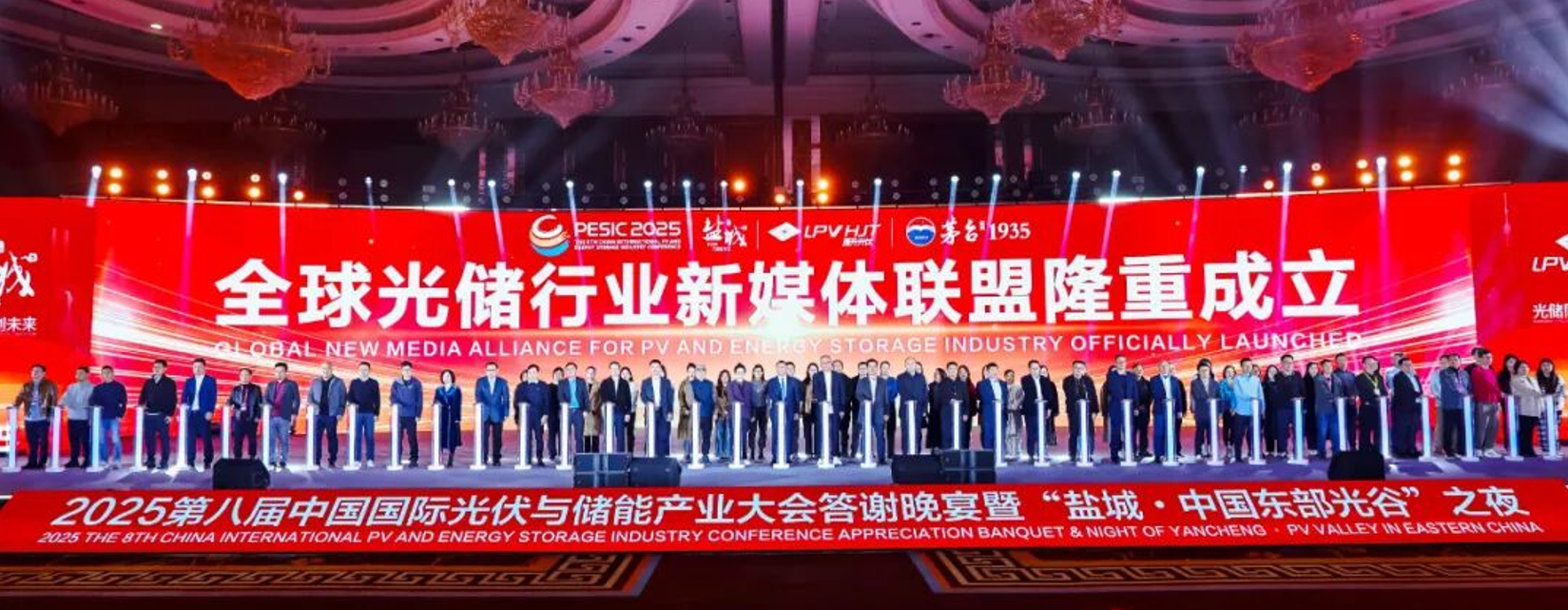
Core Viewpoint - The establishment of the Global Photovoltaic and Energy Storage Industry New Media Alliance aims to enhance the communication and influence of the photovoltaic and energy storage industry, aligning with China's dual carbon strategy and promoting high-quality development in the sector [2][6]. Group 1: Industry Development and Challenges - The photovoltaic and energy storage industry in China has become a significant representation of the country's technological strength and industrial competitiveness, playing a crucial role in global energy transition [2]. - Despite rapid growth, the industry faces challenges such as fragmented communication, insufficient penetration of quality content, and weak international discourse [2]. Group 2: Alliance Objectives - The alliance aims to anchor its efforts in national strategy, reinforcing the public discourse around energy transition and the strategic significance of the photovoltaic and energy storage industry [3]. - It seeks to leverage the unique advantages of new media to promote a healthy development ecosystem within the industry, emphasizing innovation and integrity [4]. - The alliance intends to integrate industry resources to create a cohesive promotional framework, enhancing the overall effectiveness and brand influence of the industry [4]. Group 3: Interactive and International Engagement - The alliance promotes the establishment of regular interactive platforms to facilitate mutual upgrades between media and the industry, ensuring a continuous flow of communication and support [5]. - It emphasizes the importance of telling China's story on the global stage, showcasing the technological advantages and resilience of the photovoltaic and energy storage sector to enhance China's voice in the global energy landscape [6].

国际能源署IEA:能效2025研究报告(英文版)
Sou Hu Cai Jing· 2025-11-21 23:50
Core Insights - The International Energy Agency (IEA) projects a global energy efficiency improvement of 1.8% in 2025, an increase from 1% in 2024, with significant advancements expected in China and India, while the US and EU are expected to see declines below 1% [23][24][42] - Despite the anticipated improvements, the global energy intensity progress remains below the COP28 target of 4% annual improvement by 2030, with an average of 1.3% since 2019 [24][41] Global Trends - Energy intensity improvement is expected to rise to 1.8% in 2025, with China and India showing potential recoveries at 3.5% and over 4% respectively, while the US and EU are projected to fall below 1% [42][60] - Four key trends hindering faster progress include industrial energy demand growth, lagging policies behind technological advancements, increased cooling-related electricity demand, and rising electricity demand outpacing renewable supply [29][41] End-Use Sectors - In the industrial sector, energy intensity improvement has slowed to under 0.5%, with two-thirds of global final energy demand growth since 2019 concentrated in this area [29][30] - The building sector has seen nearly 60% of new constructions adhere to energy efficiency standards, with renovation investments increasing over 20% since 2019 [2] - In the appliance sector, energy efficiency standards for air conditioners and refrigerators have a coverage rate of 90%, while cooking appliances lag at 40% [2] Policy and Investment - Over 250 new energy efficiency policies were implemented globally in 2025, covering over 85% of global energy demand, with significant activity in the EU and Asia-Pacific regions [31][38] - Global investments in energy efficiency are projected to reach nearly USD 800 billion in 2025, with China, the US, and the EU accounting for two-thirds of this investment [31][44] - The efficiency sector employed nearly 18 million people in 2024, with a 6% increase from the previous year, but faces ongoing labor and skills shortages [32][45] Energy Policy Priorities - Energy efficiency has played a crucial role in reducing greenhouse gas emissions by 20% over the past 15 years and has helped avoid a 20% increase in fossil fuel imports in IEA countries [33][35] - Efficiency actions have reduced household energy bills by up to 20% in advanced economies, and several major economies are linking efficiency policies to energy affordability [34][36]

G20峰会首次在非洲大陆举行,美国缺席
Huan Qiu Shi Bao· 2025-11-21 22:52
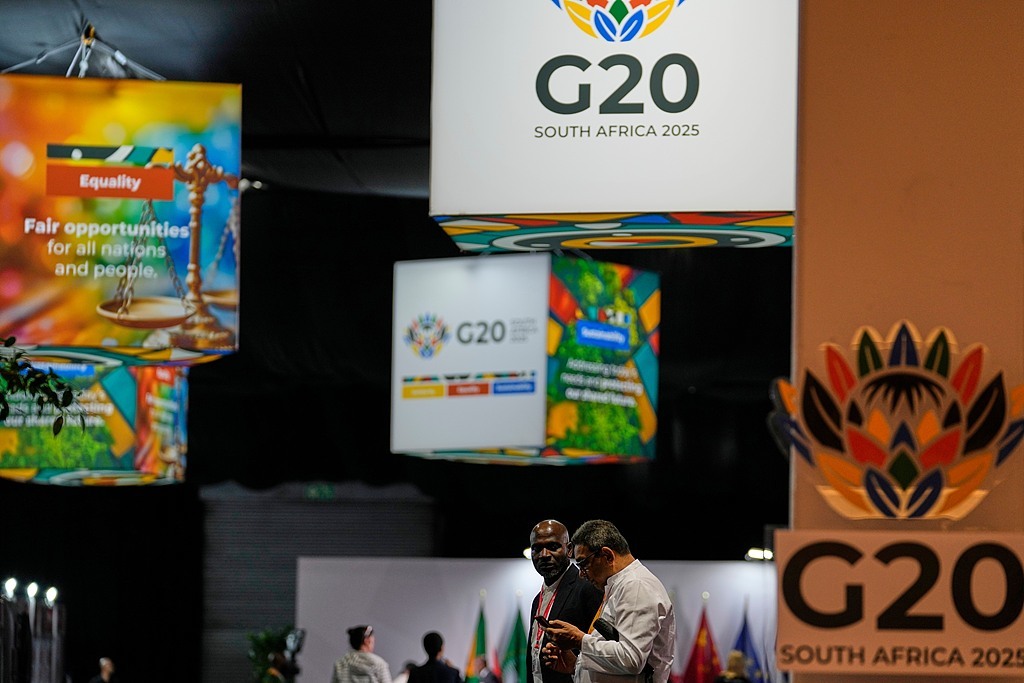
Group 1 - The G20 summit will take place in Johannesburg, South Africa, on September 22-23, with the theme of "Unity, Equality, Sustainability," marking the first time the summit is held on the African continent [1] - South African President Ramaphosa stated that the U.S. changed its stance at the last minute and expressed a desire to participate in the summit, welcoming U.S. involvement in any form [3] - The U.S. government plans to send only a diplomatic official to confirm its upcoming presidency and prepare for next year's summit, according to White House Press Secretary Levitt [3] Group 2 - South African officials reported that the U.S. advised against passing any joint statements at the summit, suggesting that the absence of the U.S. would hinder consensus [4] - Multi-national leaders, including German Chancellor Merz, expressed hope for a joint declaration despite uncertainties regarding the outcomes [4] - The summit will focus on three main agendas: achieving inclusive and sustainable economic growth, building resilience in disaster response and climate change, and establishing fairness in critical mineral sectors [4]
英国气候特使:中英深化气候能源合作有四个重点方向
Sou Hu Cai Jing· 2025-11-21 18:44
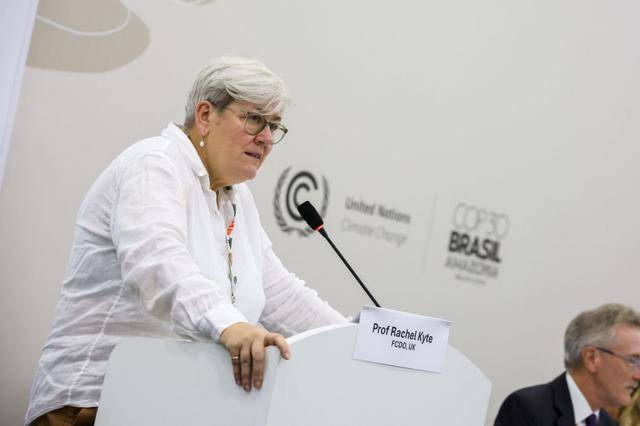
Core Viewpoint - The cooperation in climate and energy sectors can stabilize geopolitical situations and drive global progress, even amidst complex geopolitical environments [12] Group 1: UK Climate Diplomacy - The UK has returned to the forefront of global climate diplomacy with the appointment of Rachel Kyte as the UK climate envoy, a role previously abolished by the last government [2] - The UK delegation at COP30 is focusing on climate financing, particularly in supporting developing countries to adapt to and mitigate climate change [3] - The UK has initiated a proposal with 83 parties to the Paris Agreement, including the EU, to develop a "fossil fuel exit roadmap" [3] Group 2: Climate Goals and Challenges - Significant progress has been made in addressing climate change, with the Paris Agreement being the most effective global framework, shifting the temperature trajectory from over 4°C to 2.6°C [4] - The UK's net-zero economy is projected to grow by 10% between 2023 and 2024, while China's clean energy sectors are becoming crucial economic pillars [4] - The current trajectory is off course for the 1.5°C target, with increasing costs of delayed transitions manifesting in damaged infrastructure and productivity losses [4][5] Group 3: Financing and Cooperation - Climate financing remains a contentious issue in negotiations, with a need to move beyond binary debates on funding sources to a more diversified "all sources model" [7] - The urgency of climate action is emphasized, linking it to economic security and resilience, and the necessity of strategic use of multilateral platforms like G20 and COP [8] - The UK and China have significant opportunities for collaboration in green finance, carbon market development, electricity market reform, and nature-based solutions [10][11] Group 4: Complementary Strengths - The UK excels in market design, regulatory innovation, and financial architecture, while China leads in the scale and speed of renewable energy deployment [11] - The UK has successfully closed its last coal-fired power station, demonstrating a commitment to clean energy through clear policy signals and market reforms [11] - Both countries share the responsibility of aiding developing nations in energy transitions, promoting inclusivity and resilience in global transformations [11]
宁德时代曾毓群:不仅要做世界第一,更要让世界尊重
DT新材料· 2025-11-21 16:05
Core Insights - The lithium battery industry is entering the TWh era in 2024, one year ahead of previous predictions [2] - The industry faces significant challenges, including a lack of true innovation and a focus on short-term profits rather than long-term quality [3][4] - A long-term approach is essential for high-quality development over the next 15 years [4] Group 1: Industry Characteristics and Responsibilities - Lithium batteries are part of the energy sector and must contribute to energy transition [6] - The demand for batteries is increasing due to the electrification of energy consumption and the rise of new energy vehicles, which have surpassed a 50% penetration rate in China [6][9] - Energy storage is crucial for grid stability, with electrochemical storage being the most economical and reliable option for short-duration needs [7] Group 2: Innovation and Technology - The lithium battery industry is technology-intensive, requiring continuous breakthroughs to expand development space [10] - The complexity of lithium battery technology is highlighted by the intricate interactions at the particle level within the battery [10][11] - There is a significant potential for innovation, but the industry suffers from severe homogenization and insufficient disruptive innovations [12][13] Group 3: Manufacturing and Profitability - The lithium battery sector is a manufacturing industry with inherent low-profit margins, especially in a competitive environment like China [14] - A reasonable profit expectation is necessary for sustainable growth, emphasizing quality and technological iteration [14][16] - Long-term reliability and lifecycle management are critical for maintaining competitiveness, as significant technological iterations occur within a 3 to 5-year cycle [16] Group 4: Industry Self-Regulation and Quality Development - The Chinese lithium battery industry has achieved a leading global position, but there is a need to focus on high-quality development [17] - Establishing strong industry self-regulation and adhering to long-termism is vital for building a respected and sustainable lithium battery sector [17]

阿尔及利亚与德国深化能源合作
Shang Wu Bu Wang Zhan· 2025-11-21 15:22
Core Viewpoint - Algeria and Germany are intensifying strategic cooperation in the energy sector, focusing on hydrogen, renewable energy, and low-carbon technologies [1][2] Group 1: Strategic Cooperation - A high-level Algerian delegation met with Frank Wetzel, Secretary of State at the German Ministry of Economy and Energy, to discuss energy collaboration [1] - The discussions centered on two key projects: the Algeria-Europe Green Hydrogen Alliance (ALTEH2A) and the Southern Hydrogen Corridor (SoutH2 Corridor) [1] Group 2: Key Areas of Focus - The talks emphasized four main areas: application of low-carbon emission technologies, establishment of a green hydrogen production and transportation system, planning for the commercialization of hydrogen, and support for Algeria's national plan to achieve 15,000 MW of photovoltaic capacity by 2035 [1] - Both parties plan to extend cooperation to technical training, capacity building, and knowledge transfer to support Algeria's energy transition and sustainable development [2] Group 3: Current Projects and Initiatives - Algeria is currently advancing the construction of a 50 MW semi-industrial green hydrogen demonstration plant in Arzew, which has received funding support from the German government and the EU [2] - To attract more investment and enhance the green hydrogen industry chain, Algeria is optimizing its legal and regulatory frameworks and initiating specialized talent training programs at universities [2] - Algeria aims to become a reliable supplier of clean energy to Europe, leveraging its abundant solar and wind resources, mature energy infrastructure, and direct access to European gas pipelines [2]
中国超级煤田:面积近台湾省,预测储量6690亿吨,够全国用几十年
Sou Hu Cai Jing· 2025-11-21 10:24
Core Insights - The article discusses the significance of the Shen Dong coalfield in China, highlighting its vast reserves and strategic importance for national energy security [2][7][21] - It emphasizes the transformation of coal from a traditional energy source to a modern, technologically advanced industry that can coexist with environmental sustainability [14][20][23] Group 1: Historical Context - In the 1980s, China faced significant energy shortages that hindered economic growth, making coal a highly sought-after resource [4][5] - The discovery of the Shen Dong coalfield in 1985 marked a turning point, leading to its rapid development and integration into the national energy strategy [5][9] Group 2: Development and Technological Advancements - Shen Dong coalfield has proven reserves of 2.236 billion tons and a predicted total of 6.69 billion tons, with high-quality coal that is easy to transport and suitable for open-pit mining [7][10] - The coalfield transitioned from manual labor to automated mining, achieving a 100% automation rate in coal extraction, significantly increasing efficiency [10][12] Group 3: Environmental Initiatives - The coalfield has implemented innovative ecological practices, such as the "three phases and three circles" model for environmental protection, ensuring sustainable mining operations [15][18] - By 2025, the vegetation coverage in the mining area increased from 3% to 64%, demonstrating successful ecological restoration efforts [20] Group 4: Future Directions - Shen Dong is exploring new energy pathways, including solar power, gas power generation, and carbon capture, aligning with China's dual carbon goals [21][23] - The coalfield serves as a model for resource-rich cities globally, showcasing that traditional energy sources can be modernized and made environmentally friendly [23]

港华智慧能源"零碳智慧3期"类REITs成功发行
Ge Long Hui· 2025-11-21 09:59
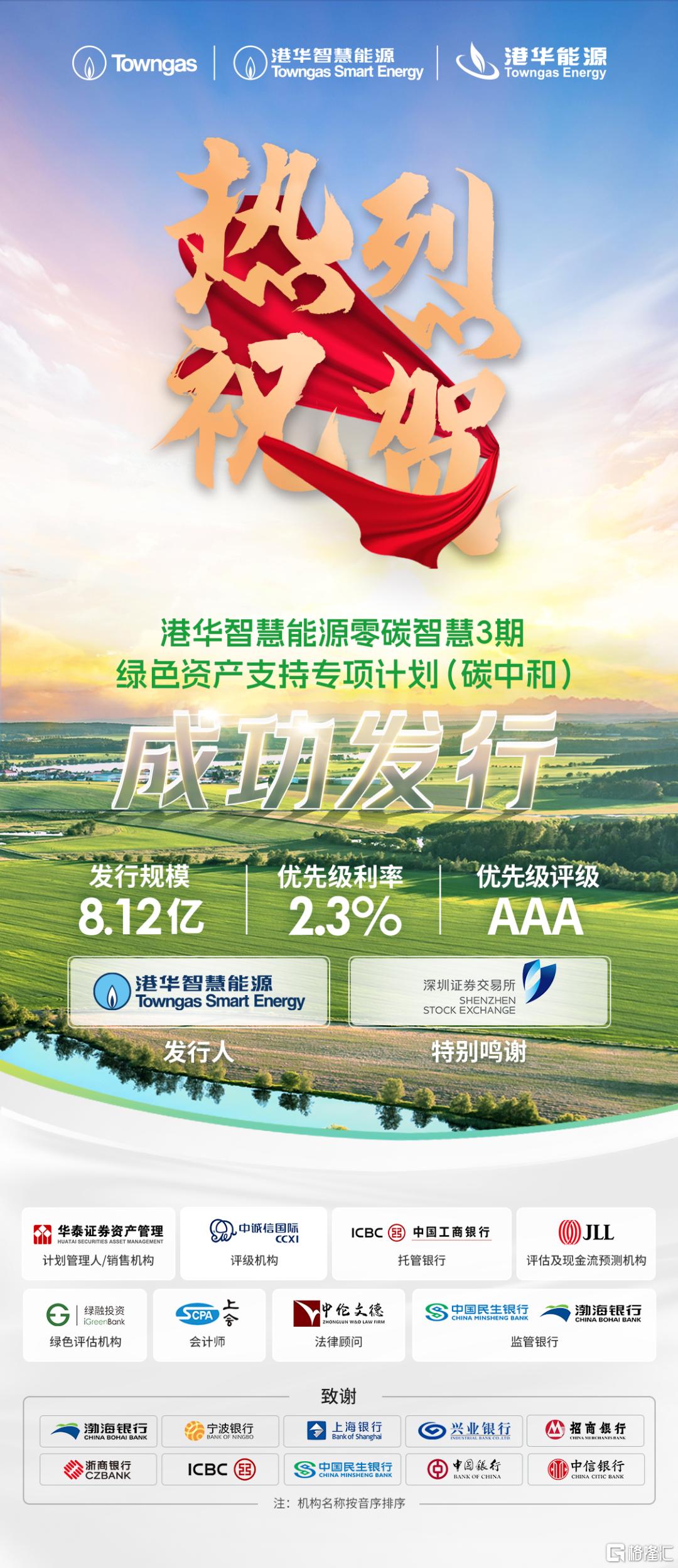
Towngas 27 411 - 7 中 十 日 FC 优先级评级 港华智慧能源于2025年11月11日在深圳证券交易所成功发行"零碳智慧3期绿色资产支持专项计划(碳中和)"。此次发行规模为8.12亿元人民币,优先级票面 利率为2.3%,是2025年内的第二次发行,也是50亿元储架额度内的第三期发行。本期产品获得商业银行、龙头券商、信托、国有投资机构和外资机构等 多元化金融机构的积极认购,彰显了市场对公司卓越的资产运营能力、前瞻性的综合能源战略的信心。 (1) 港华智慧能源 (1) Towngas Smart Energy > 灌华能源 港华智慧能源零碳智慧3期 绿色资产支持专项计划(碳中和) T 规模 优先级利率 :10 注化知善能源 港华智慧能源紧抓全球能源转型机遇,持续深化可再生能源战略布局。截至2025年6月,公司光伏累计并网规模达2.6GW,持续巩固行业领先地位。储能 高速增长,售电业务持续扩张至八个重要省份,显示出强劲的增长潜力与规模化推进势头。 港华智慧能源致力发展成为绿色智慧能源之领先企业,大力发展"能源即服务"(Energy as a Service, EaaS),构建集投资、建设、运维于一 ...
全球风能理事会(GWEC)首席执行官Ben Backwell:中国风电行业的“增长故事”为全球能源转型提供可靠借鉴
Xin Hua Wang· 2025-11-21 09:13
Core Insights - The Beijing International Wind Energy Conference and Exhibition (CWP 2025) highlighted China's significant role in global energy transition, particularly in wind energy growth, which is crucial for addressing climate change [1] - Ben Backwell, CEO of the Global Wind Energy Council (GWEC), emphasized that 2024 will be a critical year for China's wind power industry, maintaining strong growth during the transition to market rules [1] - China's stable policy environment and large market scale have enabled the establishment of a robust supply chain, creating a complete industrial ecosystem that serves as a model for other countries [1] Group 1 - China aims for non-fossil energy consumption to exceed 30% of total energy consumption by 2035, with wind and solar power capacity reaching over six times that of 2020, targeting 3.6 billion kilowatts [2] - The global renewable energy capacity needs to triple to about 11.2 terawatts, requiring an annual addition of 1.2 to 1.5 terawatts, with China's new targets playing a crucial role in achieving global goals [2] - The transition from coal to renewable energy in China serves as a proof of concept for global energy transition, instilling confidence in the feasibility of such a shift [2] Group 2 - New industrial clusters are emerging in different regions as many Chinese companies establish factories in the Middle East, Latin America (e.g., Brazil), and India, leading to a more diversified supply chain [3] - The GWEC encourages collaboration between Chinese companies and European firms to promote global industrialization, create job opportunities, and enhance energy security in various regions [3]
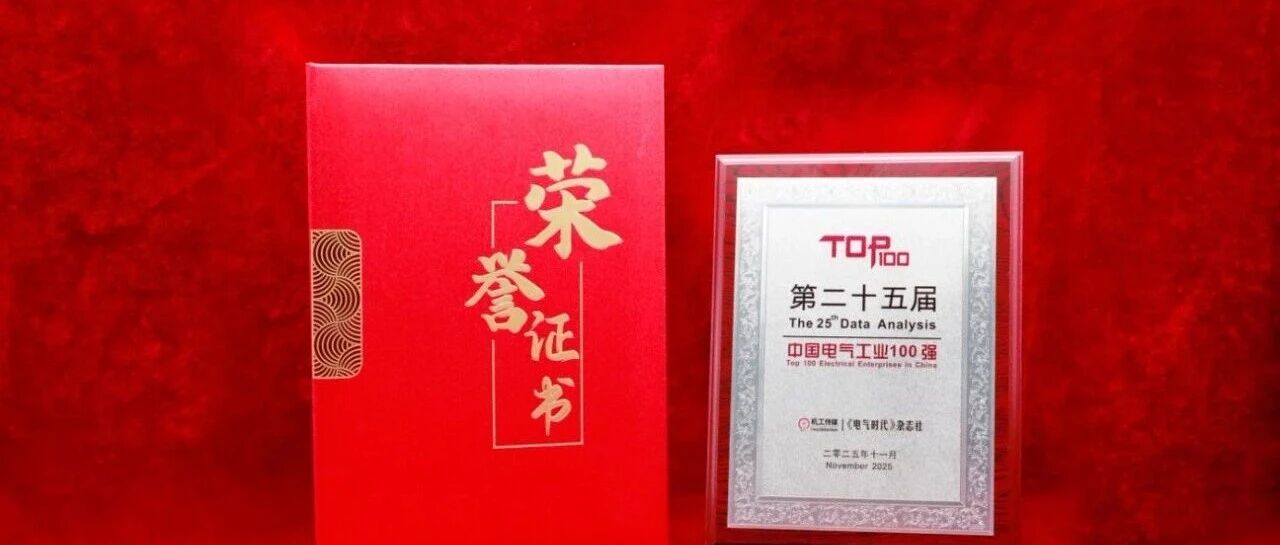
海博思创荣膺“中国电气工业100强” 引领储能产业高质量发展
海博思创· 2025-11-21 08:18
Core Viewpoint - The article highlights the recognition of Haibo Sichuang as one of the "Top 100 Chinese Electrical Industry" companies, emphasizing its strong performance and technological foundation in the energy storage sector [1][3]. Group 1: Industry Overview - The "Top 100 Chinese Electrical Industry" ranking has been established for 25 years and serves as a significant reference for observing trends and structural changes in China's electrical equipment manufacturing industry [3]. - The forum is organized by the Machinery Industry Information Research Institute and has broad industry recognition, indicating the credibility of the evaluation process [3]. Group 2: Company Performance - In 2024, Haibo Sichuang achieved an operating revenue of 8.27 billion yuan, reflecting a year-on-year growth of 18.44%, showcasing strong growth resilience [4]. - In the first three quarters of 2025, the company reported an operating revenue of 7.91 billion yuan, marking a year-on-year increase of 52.23% [4]. - The company has deployed over 45 GWh of energy storage systems across more than 400 projects globally, demonstrating its strong operational capabilities and market acceptance [4]. Group 3: Strategic Positioning - Haibo Sichuang has focused on the energy storage sector for 14 years, evolving from demonstration applications to large-scale development [3]. - The company has developed a diversified application model in independent energy storage stations, integrated energy systems, and various other sectors, exploring innovative business models [3]. - With five intelligent manufacturing bases across China, the company has established a nationwide production network, ensuring efficient delivery and management of large-scale energy storage systems [4].