AI泡沫

Search documents
Stock market today: Dow futures jump as US-China trade war cools
Fortune· 2025-10-26 22:52
U.S. stocks signaled another rally on Sunday night after the Trump administration negotiated a framework for a trade deal with China that should avoid mutual assured destruction.Treasury Secretary Scott Bessent offered rough outlines of an agreement that include China easing rare earth export restrictions and buying “significant” amounts of U.S. soybeans in exchange for President Donald Trump removing his threat of adding 100% tariffs on China. Trump and Chinese President Xi Jinping are scheduled to meet Th ...


给出100美元目标价!英伟达(NVDA.US)“唯一的空头”:这不是我第一次看到泡沫
智通财经网· 2025-10-26 13:38
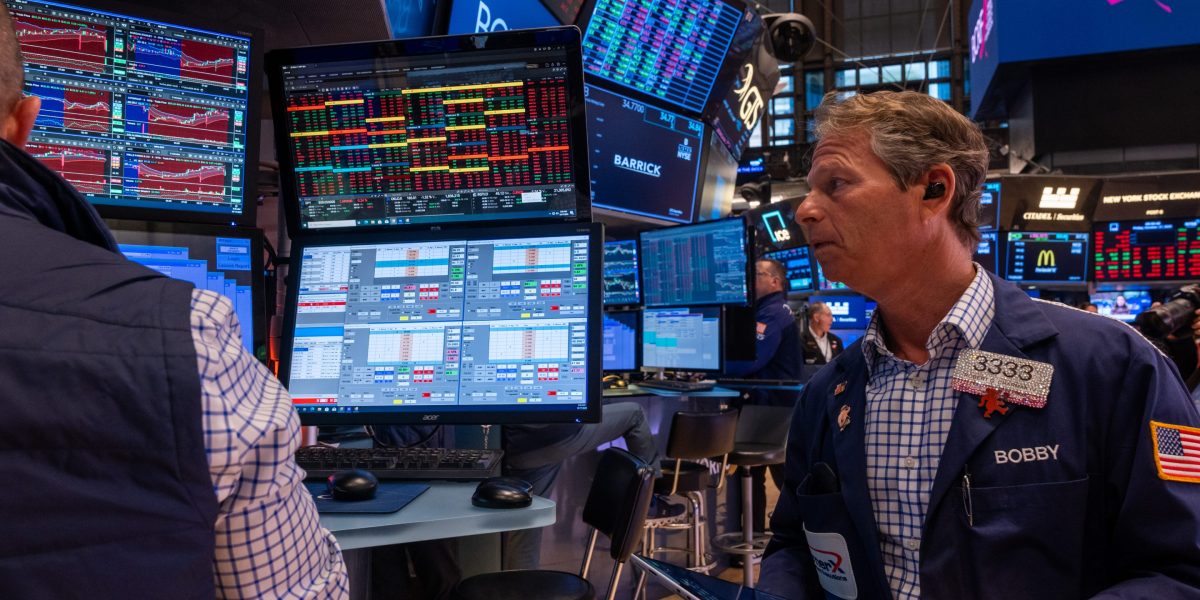
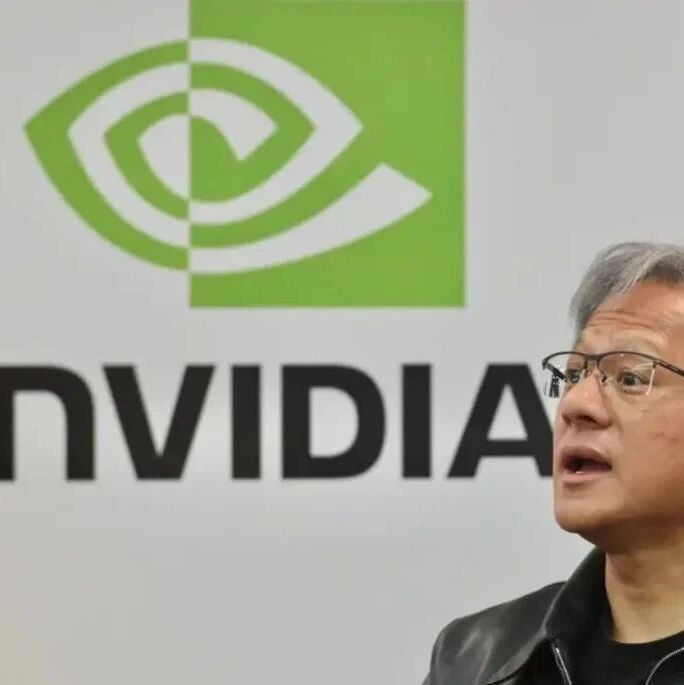
Core Viewpoint - A unique "sell" rating for Nvidia (NVDA.US) has been issued by analyst Jay Goldberg from Seaport Global Securities, contrasting with the general bullish sentiment on Wall Street [2][4]. Group 1: Analyst's Perspective - Goldberg expresses skepticism about the AI hype, comparing the current situation to the dot-com bubble of the early 2000s, warning that a slowdown in capital expenditures could lead to a rapid market reversal [3][5]. - He highlights that Nvidia's impressive growth is largely driven by substantial capital spending from a few tech giants, including Microsoft, Alphabet, Amazon, Meta, Oracle, and OpenAI, which collectively contribute to Nvidia's market valuation of $4.5 trillion [5][6]. - Goldberg's target price for Nvidia is set at $100, significantly lower than the average target price of $220 from other analysts, indicating a potential downside of 55% [2][4]. Group 2: Market Dynamics - The expected capital expenditures from the five listed companies are projected to approach $400 billion by 2025, with OpenAI committing over $1 trillion [6]. - Goldberg warns that the actual returns from these massive investments have been limited, drawing parallels to the telecom infrastructure boom during the dot-com era, where companies like Cisco saw their stock prices soar based on anticipated internet traffic, only to suffer significant declines when expectations were not met [7][10]. - He questions the sustainability of Nvidia's stock price, suggesting that the market's belief in the AI chip's scarcity may limit further price increases, as there are few upward drivers left [11]. Group 3: Broader Market Sentiment - Despite Goldberg's bearish outlook, the majority of Wall Street analysts remain optimistic, with 73 out of 80 analysts rating Nvidia as a "buy" and only 6 holding a "hold" view [17]. - Some analysts, like Jim Awad from Clearstead Advisors, argue that the AI sector is still in its early stages and Nvidia plays a crucial role in driving economic and market momentum [18]. - The most optimistic analyst, Frank Lee from HSBC, recently raised Nvidia's rating to "buy" with a target price of $320, citing strong demand for AI accelerators [19].

给出100美元目标价!英伟达“唯一的空头”:这不是我第一次看到泡沫
华尔街见闻· 2025-10-26 10:43
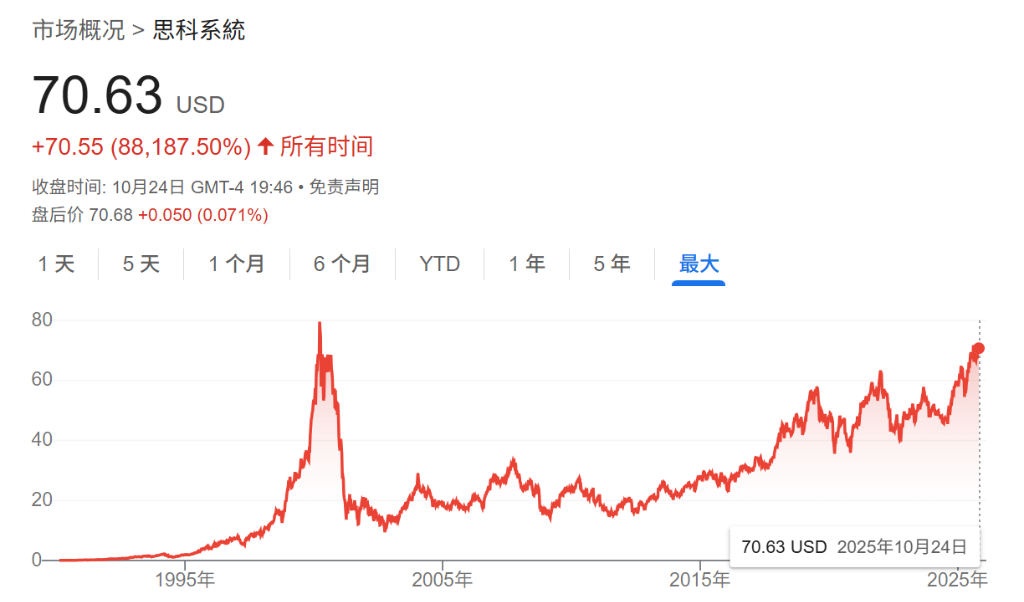
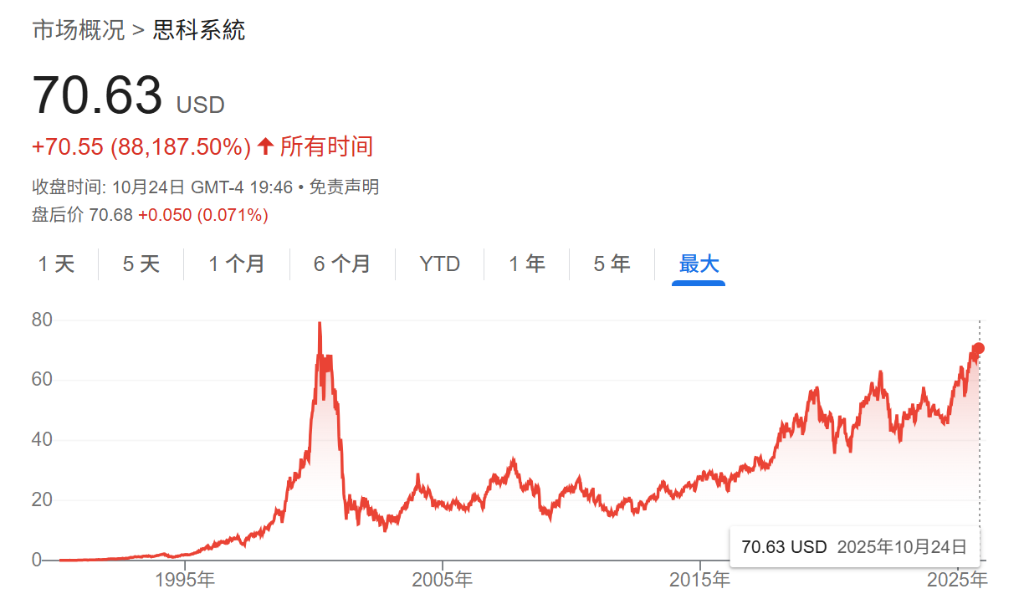
在华尔街对英伟达的狂热追捧中,一位分析师正在逆流而行。 在覆盖英伟达的80名分析师中,Seaport Global Securities分析师Jay Goldberg给出了唯一的"卖出"评级,并将目标价定在100美元。 "围绕AI的所有炒作,我都持怀疑态度," Goldberg在接受彭博采访时表示,"这不是我第一次看到泡沫。" 历史重演?剑指科网泡沫 在Goldberg看来,当前英伟达的惊人增长,主要依赖于少数几家科技巨头的巨额资本支出。微软、Alphabet、亚马逊、Meta、甲骨文以及OpenAI这六家公司 正在争相建设AI基础设施,它们的采购需求造就了英伟达高达4.5万亿美元的市值。 2025年,这五家上市公司预计资本开支将接近4000亿美元,OpenAI也承诺投入逾1万亿美元。 然而,Goldberg提醒投资者关注这些巨额投入迄今为止所产生的实际回报有多么有限。 他认为, 这种模式与科网泡沫时期的电信基础设施建设非常相似,当时思科等公司的股价因预期中的互联网流量而飙升,但当预期未能立即兑现时,股价便遭 受重创。二十多年后,思科的股价仍未回到2000年的高点。 他将当前的局面类比为2000年前后的科网泡 ...
给出100美元目标价!英伟达“唯一的空头”:这不是我第一次看到泡沫
美股IPO· 2025-10-26 10:20
Seaport Global分析师Jay Goldberg认为,当前英伟达的惊人增长,主要依赖于少数几家科技巨头的巨额资本支出。但巨额投入迄今 为止所产生的实际回报非常有限。这种模式与科网泡沫时期的电信基础设施建设非常相似,"出于很大程度上的心理原因,我们将建起 所有这些AI设施。在某个时候,支出将会停止,然后整个体系都会崩溃,我们将迎来一次重置。" 在华尔街对英伟达的狂热追捧中,一位分析师正在逆流而行。 在覆盖英伟达的80名分析师中,Seaport Global Securities分析师Jay Goldberg给出了唯一的"卖出"评级,并将目标价定在100美元。 "围绕AI的所有炒作,我都持怀疑态度," Goldberg在接受彭博采访时表示,"这不是我第一次看到泡沫。" 他将当前的局面类比为2000年前后的科网泡沫,并警告称,一旦支撑高估值的巨额支出放缓,市场格局可能会迅速逆转。 这一立场与市场的普遍乐观情绪形成鲜明对比,目前华尔街分析师的平均目标价约为220美元,预示着还有18%的上涨空间。 历史重演?剑指科网泡沫 在Goldberg看来,当前英伟达的惊人增长,主要依赖于少数几家科技巨头的巨额资本支出。 ...

给出100美元目标价!英伟达“唯一的空头”:这不是我第一次看到泡沫
Hua Er Jie Jian Wen· 2025-10-26 03:16
Core Viewpoint - Seaport Global Securities analyst Jay Goldberg is the only one among 80 analysts covering Nvidia to issue a "sell" rating, setting a target price of $100, expressing skepticism about the current AI hype and drawing parallels to the dot-com bubble [1][2]. Group 1: Analyst's Perspective - Goldberg compares the current situation to the telecom infrastructure boom during the dot-com bubble, warning that once the massive spending that supports high valuations slows down, the market landscape could quickly reverse [2][3]. - He highlights that Nvidia's remarkable growth is primarily driven by substantial capital expenditures from a few tech giants, including Microsoft, Alphabet, Amazon, Meta, Oracle, and OpenAI, which collectively are expected to spend nearly $400 billion by 2025 [3]. - Goldberg emphasizes that the actual returns from these massive investments have been limited so far, similar to the expectations that led to Cisco's stock price surge during the dot-com era [3][6]. Group 2: Market Dynamics - Goldberg questions the sources of incremental power needed for new data centers, suggesting that the accumulation of leverage around data center development could lead to a chain reaction if a seemingly insignificant company fails [7]. - Despite his "sell" rating, Goldberg admires Nvidia and its CEO Jensen Huang, clarifying that his rating indicates he expects Nvidia's performance to lag behind peers like Broadcom, Qualcomm, and AMD [7]. Group 3: Broader Market Sentiment - Concerns about an AI bubble are not isolated to Goldberg; other market voices, including Goldman Sachs CEO David Solomon, have drawn comparisons to the dot-com bubble, and a recent Bank of America survey indicated a record high of respondents believing AI stocks are in a bubble [8]. - Despite Goldberg's warnings, the prevailing sentiment on Wall Street remains bullish, with 73 out of 80 analysts giving Nvidia a "buy" rating, and some analysts projecting significant future demand for AI accelerators [9].
金价快速上涨后迎来回调,后市怎么看?
Ge Long Hui· 2025-10-26 01:25
Core Viewpoint - The recent surge in gold prices has attracted significant market attention, but a sharp decline of over 6% in a single day raises concerns about future price movements [1][2]. Short-term Analysis - Short-term pressure on gold prices is evident due to technical overbought conditions and changes in the macro environment [1]. - Trading congestion indicates that both short-term and long-term gold positions are at 100% historical percentiles, historically leading to price corrections [1]. - Gold prices have increased by 30% in less than two months, reaching the upper limit of short-term gains over the past five years, with historical data suggesting an average pullback of 4% following such rapid increases [1]. - The World Gold Council's GRAM model indicates that over 50% of the gold price increase from August to September 2025 is attributed to unexplained residual factors, which historically correlate with reduced price increases in the following month [1]. Recent Market Dynamics - The recent sharp decline in gold prices is primarily driven by technical corrections and changes in macroeconomic narratives [2]. - Factors such as easing expectations around US-China trade tensions, potential ceasefire negotiations in Ukraine, and alleviation of the US government shutdown crisis have diminished gold's appeal as a safe-haven asset [2]. Medium to Long-term Outlook - The long-term bullish outlook for gold remains intact, driven by expectations of interest rate cuts, geopolitical risks weakening the dollar, and persistent government deficits [4]. - The over-reliance on deficit monetization since the 2008 financial crisis has led to a continuous depreciation of the dollar against physical assets, increasing long-term demand for gold as an alternative asset [4]. - Central bank gold purchases have accelerated post-Ukraine war, contributing to the decoupling of gold from the dollar and US Treasury yields [4]. - In a low-growth global environment, gold is positioned as a key asset to combat stagflation, with the potential for a prolonged bull market if technological advancements fail to address distribution issues [4]. - The historical trend of declining gold's market share relative to dollar-denominated assets since the 1980s continues to underpin the medium-term perspective on gold [4].
三大股指期货齐涨 英特尔绩后走高 美国9月CPI重磅来袭
Zhi Tong Cai Jing· 2025-10-24 12:45
Market Movements - US stock index futures are all up, with Dow futures rising by 0.16%, S&P 500 futures up by 0.33%, and Nasdaq futures increasing by 0.50% [1] - European indices show a decline, with Germany's DAX down by 0.11%, UK's FTSE 100 down by 0.06%, France's CAC 40 down by 0.57%, and the Euro Stoxx 50 down by 0.20% [2][3] - WTI crude oil prices increased by 0.60% to $62.16 per barrel, while Brent crude rose by 0.55% to $66.35 per barrel [3] Economic Data and Predictions - The upcoming US CPI report is highly anticipated, with economists predicting a month-over-month increase of 0.4% and a year-over-year increase of 3.1% [4] - Core CPI, excluding food and energy, is expected to rise by 0.3% month-over-month and remain at 3.1% year-over-year [4] - The Federal Reserve is expected to lower interest rates, with a 98.9% probability of a 25 basis point cut in the October meeting [5] Company News - Goldman Sachs expresses skepticism about an AI bubble, stating that while some warning signs exist, the US tech sector is not currently in a bubble [6] - Intel reports Q3 revenue of $13.7 billion, a 3% year-over-year increase, and a significant turnaround with an adjusted EPS of $0.23, exceeding market expectations [10] - Ford faces a potential $2 billion profit impact due to a fire at a core supplier for its F-150 model, but the company still reported strong Q3 earnings [11] - Procter & Gamble's Q1 net sales reached $22.39 billion, surpassing expectations, driven by strong demand for its products despite price increases [12] - Sanofi's Q3 revenue was €12.43 billion, a 2.3% year-over-year increase, with strong demand for its Dupixent drug [12] - Eni's Q3 revenue was €20.5 billion, with a net profit of €865 million, leading to a 20% increase in its stock buyback plan [13]


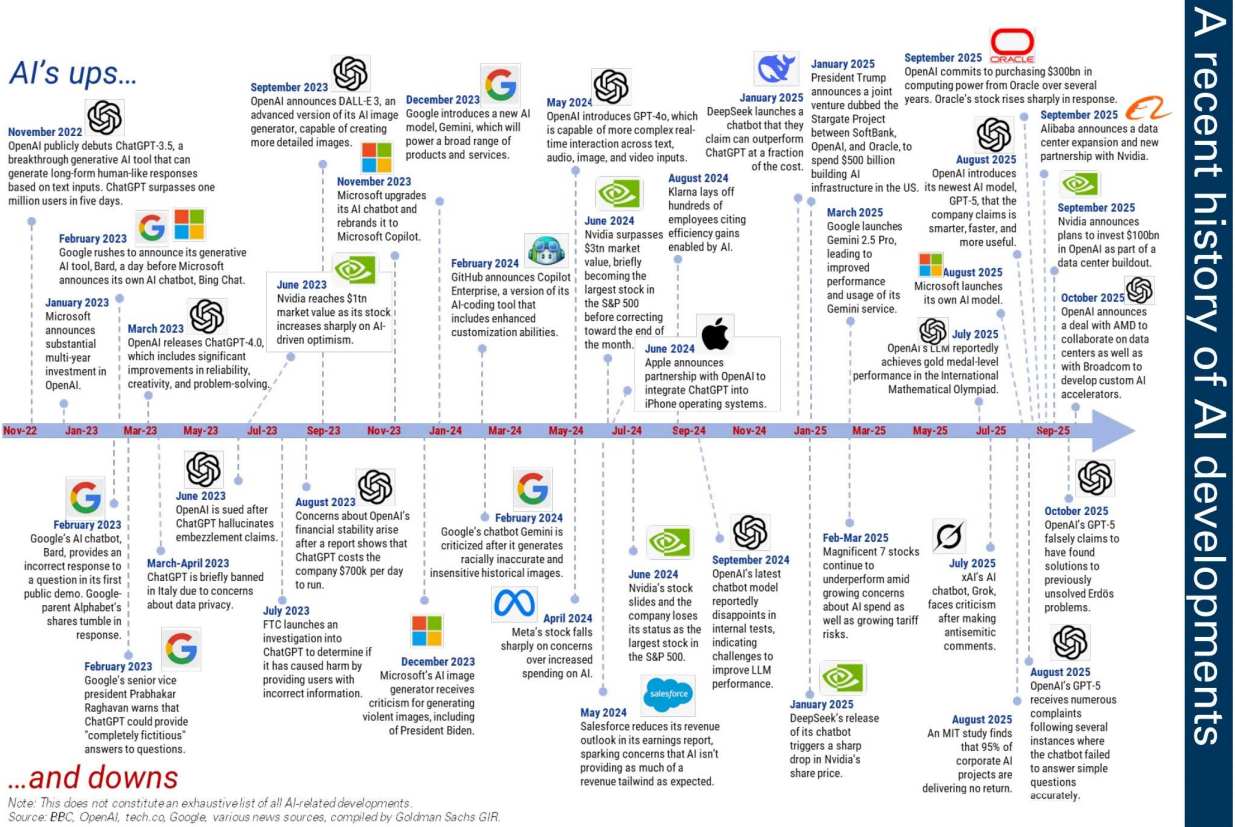
1999狂欢重演?华尔街延用互联网时代战术对付AI泡沫
硬AI· 2025-10-24 12:40
Core Viewpoint - Large investors are shifting strategies reminiscent of the late 1990s, moving funds from AI giants like Nvidia to more reasonably valued software, robotics, and Asian tech stocks, seeking "second-line winners" in the AI ecosystem [2][3]. Historical Reference - Historical context shows that during the internet bubble from 1998 to 2000, hedge funds successfully navigated the market by employing a rotation strategy, outperforming the market by approximately 4.5% per quarter [5]. Investment Strategy - Investors are adopting a "sell shovels" logic, focusing on benefiting from the AI data center and chip procurement wave rather than directly investing in major companies like Amazon and Microsoft [7]. - Specific companies such as IT consulting firms and Japanese robotics groups are favored for their potential to earn from AI giants [7]. Bubble Concerns and Diversification - Despite strong earnings backing major AI stocks, some investors see elements of a bubble, warning of potential overcapacity in data centers reminiscent of the telecom industry's fiber optic boom [9]. - To hedge against potential downturns in AI stocks, some investors are diversifying into European and healthcare assets [10].

美股前瞻 | 三大股指期货齐涨 英特尔绩后走高 美国9月CPI重磅来袭
Zhi Tong Cai Jing· 2025-10-24 11:57
Market Overview - US stock index futures are all up ahead of the market opening, with Dow futures up 0.16%, S&P 500 futures up 0.33%, and Nasdaq futures up 0.50% [1] - European indices are showing slight declines, with Germany's DAX down 0.11%, UK's FTSE 100 down 0.06%, France's CAC40 down 0.57%, and the Euro Stoxx 50 down 0.20% [1] Oil Prices - WTI crude oil is up 0.60% at $62.16 per barrel, while Brent crude oil is up 0.55% at $66.35 per barrel [2] Economic Data - The US September CPI report is highly anticipated, with economists predicting a month-on-month increase of 0.4% and a year-on-year increase of 3.1%, which is a 0.2 percentage point rise from August [3] - Core CPI, excluding food and energy, is expected to rise 0.3% month-on-month and remain at 3.1% year-on-year, consistent with August [3] - The potential for market volatility is heightened due to the lack of recent economic reports caused by government shutdowns [3] Federal Reserve Outlook - Economists expect inflation to remain elevated due to tariffs increasing goods prices, but BlackRock's strategist believes the CPI data will not alter the Fed's decision in the upcoming meeting [4] - The probability of a 25 basis point rate cut in the October meeting is 98.9%, and 96.1% for December [4] AI Sector Insights - Goldman Sachs expresses skepticism about the AI bubble, stating that while some warning signs exist, the tech sector has not yet entered a bubble phase [5] - The firm highlights the significant cash flow generation and stock buybacks by the "Magnificent Seven" tech companies, which were not common during previous bubbles [5] Banking Sector - The US banking system's reserves have fallen below $3 trillion for the second consecutive week, impacting the Fed's asset reduction strategy [6] - Analysts expect the Fed to halt the reduction of its $6.6 trillion balance sheet in the upcoming meeting [6] Treasury Yield Impact - The 10-year US Treasury yield is at a critical point, with potential movements depending on the CPI data release [7] - Higher-than-expected inflation could lead to a significant rise in yields, while lower-than-expected inflation could initiate a new bull market in equities [7] Gold Market - The ongoing US government shutdown is likely to extend, increasing uncertainty and boosting demand for gold as a safe haven [8] Company-Specific News - Google (GOOGL) has secured a deal with Anthropic for up to 1 million AI chips, valued at several billion dollars, enhancing its position in the AI infrastructure market [9] - Intel (INTC) reported Q3 revenue of $13.7 billion, a 3% year-on-year increase, and a significant turnaround with an adjusted EPS of $0.23, exceeding expectations [10] - Ford (F) faces a $2 billion profit impact due to a fire at a key supplier for its F-150 model, but reported strong Q3 earnings with an adjusted EPS of $0.45 [11] - Procter & Gamble (PG) exceeded Q1 sales expectations with $22.39 billion, driven by strong consumer demand despite price increases [12] - Sanofi (SNY) reported Q3 revenue of €12.43 billion, a 2.3% year-on-year increase, driven by strong sales of its Dupixent drug [12] - Eni (E.US) announced a 20% increase in its stock buyback plan to €18 billion due to improved cash flow and profit performance [13] - Newmont Mining (NEM) reported Q3 revenue of $5.52 billion, a 19.7% year-on-year increase, but saw a decline in stock price due to lower production levels [13]
“AI泡沫声”四起,高盛不信谣
Zhi Tong Cai Jing· 2025-10-24 09:32
随着人工智能(AI)相关公司估值飙升、大规模的AI投资以及AI生态系统的日益闭环,有关AI泡沫的担忧再度浮现。 AI投资的狂热程度史无前例。据报道,全球十家尚未盈利的AI初创公司在过去12个月内估值合计暴增近1万亿美元,创下史上最快的财富膨胀速度。与此同 时,今年以来,它们共同吸引了超过2000亿美元的风险投资资金,占美国VC全年投资总额的三分之二。但是,它们几乎全部处于亏损状态。 AI泡沫的担忧再次浮现,可以说比以往任何时候都更为强烈,许多涉及AI领域的公司的估值显著上升,对AI建设的投资持续大量增加,以及AI生态系统日 益呈现循环性,模型公司、基础设施提供商和超大规模企业相互之间签署协议,这些协议模糊了客户、供应商和容量提供商之间的界限。在这些事态发展和 日益加剧的担忧背景下,即大型科技股的上涨可能掩盖了更广泛市场中的疲软迹象,关于AI泡沫的担忧是否合理成为了市场的焦点话题。 此前,美国大型银行公布了创纪录的季度业绩——交易活动与应收均创下新高,部分动力来自于人工智能(AI)热潮。然而,多位华尔街高管却警告称,AI行 业可能正陷入过度狂热之中。与此同时,英国央行与IMF总裁克里斯塔利娜.格奥尔基耶娃本月也 ...