
绿色低碳转型

Search documents
我国天然气行业发展韧性足 深化改革仍是主线
Zhong Guo Neng Yuan Wang· 2025-09-12 02:21
Core Insights - The global natural gas market is expected to gradually stabilize in 2024 amidst geopolitical conflicts, price fluctuations, and green transitions [1] - China, as the largest natural gas importer and consumer, has made significant achievements in consumption growth, supply security, and infrastructure development, while also showcasing distinctive features in system reform, technological innovation, and low-carbon integration [1] Group 1: Market Performance and Consumption - In 2024, China's natural gas consumption is projected to grow by 7.3% year-on-year, increasing its share in the primary energy consumption structure to 8.8%, highlighting the critical role of natural gas in energy transition [2] - The consumption structure is continuously optimizing, with significant growth in urban gas, industrial fuel, and power generation sectors, particularly in the transportation sector where LNG heavy truck sales have reached record highs [2] - Domestic natural gas exploration has achieved breakthroughs, with new proven geological reserves exceeding 1.6 trillion cubic meters and production reaching 246.5 billion cubic meters, with unconventional gas production surpassing 100 billion cubic meters for the first time, accounting for 44.5% of total production [2] Group 2: Technological Innovation - The industry has seen substantial advancements in technology, including breakthroughs in deep drilling, electric fracturing equipment, and seabed seismic exploration systems, with a focus on domestic production [3] - The integration of artificial intelligence with the oil and gas industry is accelerating, promoting a deep transition towards intelligent and green operations [3] - Innovative models for multi-energy collaboration and low-carbon utilization, such as "natural gas + green electricity" and "hydrogen blending," are being demonstrated across various sectors [3] Group 3: Institutional Innovation and Market Dynamics - The natural gas industry is advancing market-oriented reforms, with significant progress in the "X+1+X" market system across the industry chain [4] - The competitive bidding system for mining rights has deepened, with over 70 companies now registered for mining rights, fostering a multi-competitive landscape [4] - The establishment of the National Pipeline Network Group has led to the basic formation of a "national network," enhancing operational efficiency and market participation [4] Group 4: Pricing Mechanisms and Downstream Market - The report indicates an expanding market-oriented pricing range for gate station prices, with most gas sources now subject to market pricing [5] - The Shanghai and Chongqing natural gas trading centers are experiencing continuous growth in trading volume, enhancing price discovery and resource allocation capabilities [5] - The revised "Natural Gas Utilization Management Measures" aims to prioritize natural gas for civil use, efficient industries, and low-carbon sectors, while restricting inefficient and high-consumption projects [5] Group 5: Future Outlook and Challenges - The natural gas industry is expected to face new opportunities and challenges under the dual requirements of high-quality development and energy security, with a projected consumption growth of 2%-3% this year [6] - The industry anticipates a continuous increase in domestic production, with unconventional gas's share expected to rise further [6] - The implementation of the "Energy Law of the People's Republic of China" will provide a solid legal foundation for future reforms, focusing on market-oriented mineral rights transfer and price linkage mechanisms [6] Group 6: Green Transition and International Cooperation - The green low-carbon transition is set to accelerate, with technologies like CCUS, hydrogen blending, and biogas seeing large-scale applications [7] - Infrastructure smart construction and digital transformation will be key to enhancing operational efficiency and safety [7] - China aims to actively participate in global natural gas governance, promoting long-term agreements and trade diversification to enhance international resource control and influence [7]
电力装备行业稳增长工作方案来了,涉及风电光伏、核电等
Di Yi Cai Jing· 2025-09-12 01:35
Core Viewpoint - The "Power Equipment Industry Stabilization and Growth Work Plan (2025-2026)" aims to enhance the development of traditional and renewable energy equipment, ensuring a steady growth in revenue and production while promoting international cooperation and technological innovation [1][2]. Group 1: Goals and Objectives - The plan sets a target for an average annual revenue growth of around 6% for traditional power equipment and a 7% growth for advanced manufacturing clusters in the power equipment sector [1]. - Key enterprises are expected to achieve an average annual revenue growth of 10% [1]. Group 2: Work Measures - Improve equipment supply quality by implementing major technological breakthroughs and enhancing the safety and reliability of products [2]. - Expand domestic demand through major energy projects, promoting the development of wind and solar energy, and advancing nuclear power projects [2][3]. - Actively explore international markets by participating in global energy transitions and enhancing cooperation in renewable energy sectors [3]. - Accelerate the application of innovative power equipment through supportive policies and demonstration projects [4]. Group 3: Industry Environment and Standards - Optimize the industry environment by promoting self-discipline and healthy competition among power equipment manufacturers [4]. - Strengthen the standard system in the power equipment sector to enhance product quality and facilitate large-scale equipment updates [5]. Group 4: Green and Intelligent Transformation - Promote the integration of new information technologies with power equipment to drive green upgrades and digital transformation [6]. - Encourage the recycling and reuse of renewable energy equipment components to enhance sustainability [6]. Group 5: Industry Chain Collaboration - Support advanced manufacturing clusters in the power equipment sector to stabilize industry growth and promote collaboration among enterprises [6]. - Implement financial support measures, including tax incentives and innovative financial services, to facilitate high-quality development in the industry [6].
“十四五”能源成就企业谈丨向海图强筑脊梁
Sou Hu Cai Jing· 2025-09-11 20:40
Core Viewpoint - China National Offshore Oil Corporation (CNOOC) has successfully implemented its "14th Five-Year Plan," achieving significant milestones in energy security, green transformation, and technological innovation, with confidence in meeting all targets by the end of the year [2][3]. Group 1: Energy Security and Production Growth - CNOOC has completed its oil and gas reserve increase and production "seven-year action plan" two years ahead of schedule, contributing over 70% of the national crude oil increase last year [4]. - The company has made breakthroughs in deep-water exploration and development, enhancing its understanding of marine resources and achieving significant discoveries in previously unexplored areas [4][5]. - CNOOC's integrated collaboration has led to record production levels, with the Bohai Oilfield aiming to exceed 40 million tons this year and the South China Sea East Oilfield surpassing 20 million cubic meters annually [5]. Group 2: Green Development Initiatives - CNOOC has achieved year-on-year reductions in energy consumption and carbon emissions since the start of the "14th Five-Year Plan" [6][7]. - The company has implemented a comprehensive green development strategy, focusing on carbon reduction, pollution control, and energy structure transformation [7][8]. - Major projects, such as the offshore oilfield shore power project, have been completed, and the company has exceeded national energy efficiency targets in refining and chemical sectors [9]. Group 3: Technological Innovation and New Energy Development - CNOOC has received national awards for its technological advancements in deep-water gas field development and oil and gas exploration [11]. - The company has developed key technologies and equipment, enhancing its capability to convert marine resources into tangible production [11][12]. - CNOOC is actively investing in strategic emerging industries, with a 21.8% increase in investment in these sectors, and is focusing on digital transformation and artificial intelligence applications [12].


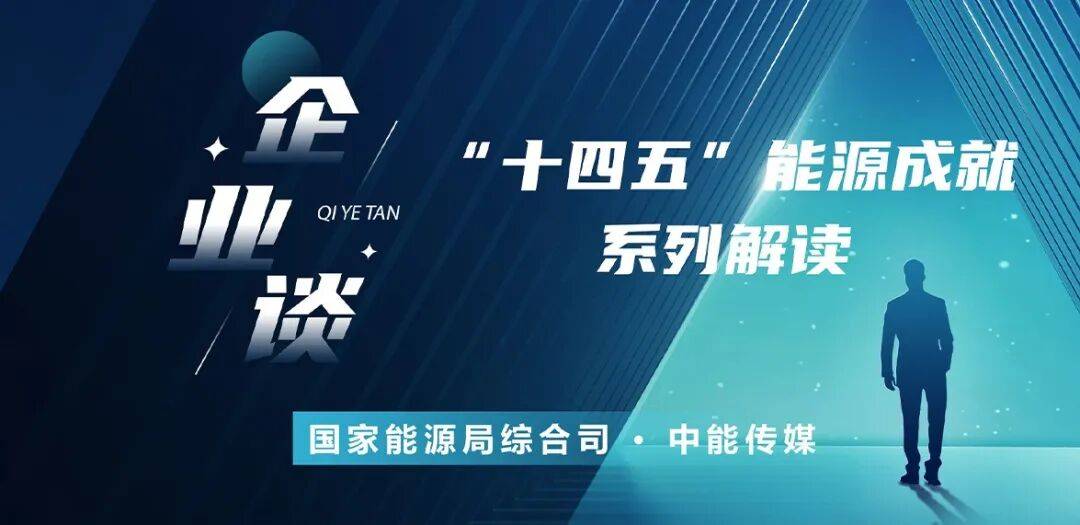
美团旅行联合中饭协起草行业可持续发展标准 洲际集团国内7成门店开启“低碳住”
2 1 Shi Ji Jing Ji Bao Dao· 2025-09-11 14:28
Core Insights - The China Hotel Association launched the "Accommodation Enterprises ESG Management System Requirements" at the Service Trade Fair, recognized by the Ministry of Commerce, with Meituan Travel as a key contributor [2][4] - The association emphasizes the accommodation and catering industry as crucial for expanding domestic demand and promoting consumption, focusing on green transformation and high-quality development [2][4] Group 1 - The association aims to enhance the industry's "green" content and lead high-quality transformation through standardization, promoting AI and new consumption development [2][4] - Meituan Travel is actively involved in the development of ESG standards and encourages hotels to adopt "low-carbon stays," aiming to create a replicable green low-carbon solution for the industry [5][7] Group 2 - Meituan Travel plans to launch "low-carbon stays" in June 2024, allowing consumers to reduce carbon emissions by opting out of disposable toiletries, with each order potentially reducing CO2 emissions by 203.2 grams [7] - Currently, Meituan Travel has partnered with 400,000 hotels, achieving 2.57 million "low-carbon stays" and reducing carbon emissions by 460 tons [7][9] - The China Hotel Association, along with major hotel groups and enterprises, initiated the "Beijing Initiative for Sustainable Development of Accommodation Enterprises," focusing on ESG governance and digital transformation [9] Group 3 - The service trade sector is vital for international trade and economic cooperation, with ongoing developments in digitalization, intelligence, and greening processes [9] - Meituan Travel aims to leverage its digital capabilities to foster a green hospitality ecosystem and promote sustainable development in the industry [9] - As of now, Meituan Travel has 69 flagship online stores for five-star hotels and has established partnerships with 32 hotel groups, including major brands like InterContinental and Marriott [9]

绿电点亮新“铝途”:中铝集团达茂旗120万千瓦新能源项目全容量并网
Xin Hua Wang· 2025-09-11 12:24
Core Viewpoint - The successful full-capacity grid connection of the 1.2 million kilowatt renewable energy project by Baotou Aluminum Industry marks a significant step for China Aluminum Group in its green and low-carbon transformation journey [1][2]. Group 1: Project Overview - The project involves a comprehensive "source-network-load-storage integration" system, which includes self-supplied thermal power, off-site renewable energy, direct supply of green electricity to the park, distributed photovoltaics, the grid, energy storage, and electrolytic aluminum load [1]. - The total investment in the project exceeds 5 billion yuan, comprising 1 million kilowatts of wind power and 200,000 kilowatts of solar power, along with smart energy control systems and related storage facilities [1]. Group 2: Environmental Impact - The project is expected to generate an average annual electricity output of approximately 3.5 billion kilowatt-hours, saving 1.249 million tons of standard coal and reducing carbon dioxide emissions by about 3 million tons each year [2]. - By adopting a "self-generated and self-used" model, the project provides stable and clean green electricity to Baotou Aluminum, significantly lowering electricity costs and enhancing the company's market competitiveness [2]. Group 3: Future Plans - China Aluminum Group plans to leverage the full-capacity grid connection of the renewable energy project as an opportunity to advance its green initiatives, focusing on low-carbon, low-cost operations, and digital transformation [2]. - The company aims to continuously optimize its industrial layout and structure, promoting the deep integration of green energy with the smelting industry [2].

塔牌集团:未来公司仍将聚焦水泥主业,加快推进企业绿色低碳转型
Zheng Quan Ri Bao Wang· 2025-09-11 11:44
Core Viewpoint - The company, Taipai Group, emphasizes its commitment to the cement industry while accelerating its green and low-carbon transformation to enhance competitiveness and solidify its regional leadership advantage [1] Group 1: Cement Business Focus - The company will continue to focus on its core cement business and accelerate the green low-carbon transformation [1] - The company aims to strengthen the development and management of solid waste disposal through cement kiln collaboration, leveraging its advantageous production line locations [1] Group 2: Regional Advantages - The Huizhou Longmen production base is strategically located closer to the Pearl River Delta, which reduces solid waste transportation distances and benefits from the region's strong economic foundation [1] - The Meizhou production base has a unique advantage in the harmless disposal of aluminum ash due to limestone quality issues [1] Group 3: Expansion of Solid Waste Disposal - The company plans to broaden the sources and channels for solid waste, expand the range and types of disposal, reduce intermediate links, and enhance disposal capacity to increase revenue and profit from the environmental protection industry [1] - The goal is to create a larger and more sustainable new industry with significant revenue and profit scale [1] Group 4: Emerging Industry Development - The company will accelerate the development of emerging industries to cultivate new growth points [1] - It will explore potential industrial investments through investment funds and the secondary market, accumulating industry knowledge and experience relevant to its development goals [1] - The company intends to proceed cautiously in this development process, aligning with its actual situation to mitigate investment risks [1]

中行北京分行与京投公司在服贸会期间达成战略合作
Xin Jing Bao· 2025-09-11 07:29
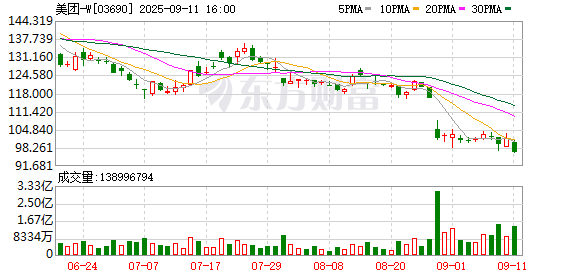
Core Points - China Bank Beijing Branch signed a strategic cooperation agreement with Beijing Infrastructure Investment Co., Ltd. with an intended cooperation amount of 120 billion yuan [1][3] - The collaboration aims to enhance financial services in line with Beijing's urban development and strategic layout, contributing to high-quality economic growth [3] Group 1: Strategic Cooperation - The agreement focuses on deepening the strategic partnership between China Bank Beijing Branch and Beijing Infrastructure Investment Co., Ltd. [3] - Both entities will leverage their respective advantages and resources to collaborate on areas such as capital construction, green finance, technological innovation, digital transformation, and low-carbon transition [3] Group 2: Organizational Roles - China Bank Beijing Branch is committed to supporting the construction of Beijing's "Four Centers" and enhancing financial service supply [3] - Beijing Infrastructure Investment Co., Ltd. plays a crucial role in financing and managing infrastructure projects, particularly in capital rail transit, aiming to develop a world-class rail transit group [3]
上海绿电消费大户调研:需多元采购,将光伏建设融入产业发展
Xin Lang Cai Jing· 2025-09-11 03:30
Core Insights - Shanghai has engaged in green electricity cooperation with 16 provinces, conducting over 180 inter-provincial green electricity transactions since 2025, with a total transaction volume of 7.6 billion kilowatt-hours, accounting for 90% of Shanghai's total green electricity consumption of 8.39 billion kilowatt-hours [3] - High green electricity consumption enterprises face challenges regarding cost and availability, necessitating a comprehensive approach to green electricity purchasing strategies alongside carbon reduction goals [3] - The demand for green electricity is rising among major consumers, leading to a supply-demand imbalance in Shanghai [3] Group 1: Green Electricity Consumption Trends - The top 100 enterprises in China for green electricity consumption are primarily from energy-intensive industries, with Baowu Steel, JinkoSolar, and Covestro leading the list [4] - Baowu Steel's green electricity trading volume has increased annually, with approximately 1.132 billion kilowatt-hours in 2022, 2 billion kilowatt-hours in 2023, and projected 2.2 billion kilowatt-hours in 2024 [4] Group 2: Corporate Strategies for Green Electricity - Covestro aims for net-zero emissions by 2035, with green electricity being crucial for this goal, despite a slight decrease in green electricity usage ratio at its Shanghai facility [6][10] - Covestro's Shanghai facility consumed around 1 billion kilowatt-hours annually, with green electricity usage exceeding 40% in 2023 but dropping to 31% in 2024 [6] - To ensure stable green electricity supply, Covestro is diversifying its procurement strategies, including engaging with various power companies and participating in different types of green electricity transactions [7] Group 3: Energy Efficiency and Renewable Energy Integration - Companies are encouraged to enhance energy efficiency and integrate renewable energy sources, such as solar power, to increase green electricity usage [8][10] - Covestro has implemented digital transformation to optimize energy use and reduce carbon emissions, achieving stable energy consumption while increasing production capacity [9] - The construction of self-owned solar power facilities is a strategy to gradually increase green electricity usage, with Baowu Steel planning significant solar projects [10] Group 4: Market Dynamics and Policy Support - Shanghai is actively working to meet the growing demand for green electricity by introducing external resources and expanding local resources, with plans for significant renewable energy projects [14] - The city aims to achieve a solar power installation capacity of 10 million kilowatts by 2030, currently reaching 5.5 million kilowatts [14] - Innovative applications, such as integrating solar power with industrial development and urban ecology, are being promoted to enhance local green electricity supply [14]


多个新品种在上期所挂牌交易
Jin Rong Shi Bao· 2025-09-11 03:10
Core Viewpoint - The launch of futures and options for newsprint paper, fuel oil, asphalt, and pulp at the Shanghai Futures Exchange marks a significant step in enhancing risk management tools for the paper industry and promoting sustainable development [1][2][3]. Group 1: Industry Significance - The paper industry is a crucial part of China's light industry, with a production and consumption volume of 136 million tons in 2024, maintaining its position as the world's largest producer and consumer for 16 consecutive years [1]. - The introduction of newsprint paper futures and options is timely, providing essential financial instruments for upstream and downstream enterprises, thereby strengthening the industry's risk resilience [1][2]. - The new products are expected to stimulate green transformation in the paper industry and enhance international competitiveness, contributing to the establishment of "China prices" and attracting global resources [1][2]. Group 2: Market Development - The launch of these new futures and options is part of a broader strategy to enrich and improve the multi-layered derivative system in the market, catering to the refined and diversified needs of enterprises [2]. - The futures market has demonstrated effective risk management capabilities during market volatility, indicating a mature investor structure and strong contract continuity [2]. - The addition of newsprint paper and pulp options will further enhance the risk management framework within the paper industry, providing companies with more flexible hedging tools [2][3]. Group 3: Strategic Implications - The introduction of newsprint paper futures and options is seen as a milestone in supporting the green and low-carbon transformation of the paper industry, enhancing the risk management level across the pulp and paper supply chain [3]. - The Shanghai Futures Exchange aims to continuously expand its product offerings and improve efficiency, thereby supporting high-quality development in the real economy [3].
市人大常委会专题询问生态文明建设工作
Hang Zhou Ri Bao· 2025-09-11 02:09
Group 1 - The city government has set specific goals for environmental quality improvement, green low-carbon transformation, and ecological safety protection, aiming for no heavy pollution days and achieving 100% compliance with water quality standards [1][2] - The government is committed to completing environmental inspection feedback, promoting blue sky, clear water, and clean land initiatives, and implementing ecological civilization regulations [2][3] - The relationship between ecological protection and economic development is emphasized as both opposing and mutually reinforcing, with a focus on high-level protection and high-quality development [2][3] Group 2 - Air quality improvement is a priority, with PM2.5 levels reduced from 70 µg/m³ in 2013 to 30 µg/m³ in 2024, maintaining national air quality standards [3] - The city plans to enhance management of small water bodies by categorizing them and establishing a three-tier management mechanism to ensure effective oversight [3][4] - The city has achieved full coverage of waste classification in 93 streets and 5,271 communities, with plans to strengthen grassroots efforts and improve waste disposal standards [4]