人民币国际化

Search documents
游戏结束,中国囤储2308吨黄金!赶在访华前,特朗普试探中方口风
Sou Hu Cai Jing· 2026-02-12 11:53
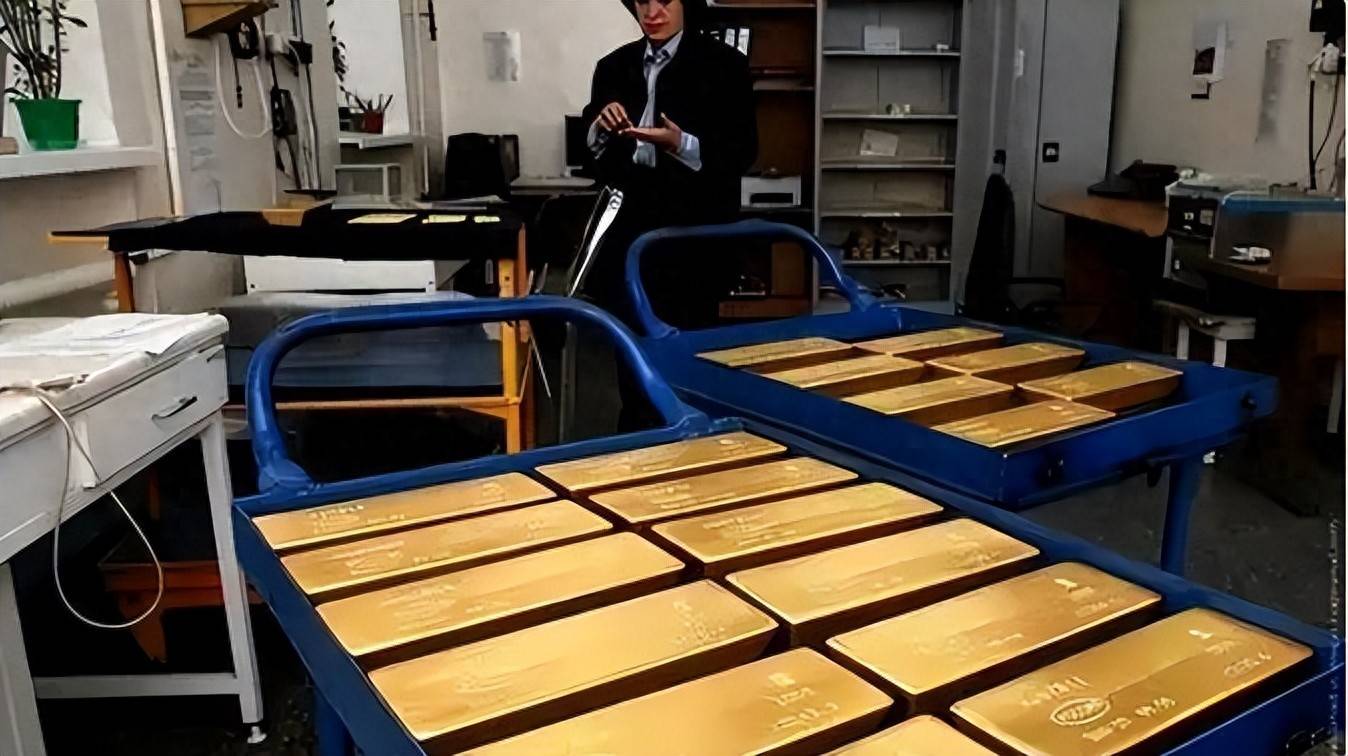
Group 1 - China's gold reserves have quietly increased to 2,308 tons, prompting concern in the U.S. government, particularly from Treasury Secretary Mnuchin, who sent officials to gauge the situation [1][3][5] - The strategic selling of U.S. Treasury bonds by China has nearly halved its holdings from over $1.3 trillion to below $700 billion, indicating a calculated withdrawal from U.S. debt [3][5][7] - This selling trend aligns with the U.S.-China trade tensions and reflects a systematic response to U.S. actions, showcasing China's strategic financial maneuvering [5][9][11] Group 2 - The U.S. faces a significant debt crisis, with national debt exceeding $38 trillion, which is over 120% of GDP, raising concerns about fiscal sustainability [15][17][23] - The loss of the U.S.'s AAA credit rating by major rating agencies has eroded confidence in U.S. debt, leading to fears of potential asset confiscation due to political actions [17][19][21] - As China accumulates gold, it signals a shift in global capital flows, emphasizing the importance of gold as a stable asset in an uncertain world [13][19][25] Group 3 - China's strategy includes not only selling U.S. bonds but also building a new asset framework that bypasses the dollar, such as establishing offshore gold trading and introducing RMB-denominated gold futures [27][29][31] - This new system aims to enhance the credibility of the RMB by linking it to tangible gold reserves, contrasting with the diminishing trust in the dollar [29][31][33] - The ongoing geopolitical tensions and the U.S.'s financial mismanagement have led to a re-evaluation of asset security, with gold emerging as a critical hedge against instability [19][25][35] Group 4 - The U.S. response to China's financial maneuvers has been characterized by contradictory statements, revealing underlying anxiety about the shifting balance of power in global finance [40][42][50] - The U.S. is struggling to revitalize its industrial base to support the dollar, facing challenges from domestic political strife and a hollowed-out manufacturing sector [42][44][48] - The ongoing asset reallocation by China is a rational decision based on national interests, indicating a fundamental change in the rules of the financial game [48][52][54]

工商银行近期业务合作与股价表现分析
Jing Ji Guan Cha Wang· 2026-02-12 11:18
Group 1 - The core viewpoint of the article highlights that Industrial and Commercial Bank of China (ICBC) has made significant progress in business cooperation and internationalization, while its A-share stock price is under pressure [1][2]. Group 2 - Recent events include ICBC successfully assisting Malayan Banking Berhad in issuing its first Panda bond of 3 billion RMB with a 2-year term, which enhances financial cooperation between China and Malaysia and promotes the internationalization of the RMB [2]. - ICBC signed a comprehensive strategic cooperation agreement with CITIC Group to strengthen collaboration in comprehensive finance and technological innovation [2]. - A working seminar was held by ICBC focusing on financial services to promote consumption and expand domestic demand, involving discussions with government departments, industry associations, and business representatives [2]. - ICBC implemented dynamic limit management for its "Ruyi Gold Accumulation" business and suspended non-trading day precious metal repurchase during the Spring Festival to enhance risk control [2]. Group 3 - The recent stock performance of ICBC shows that its A-share price closed at 7.18 RMB on February 12, 2026, down 1.51% for the day, with a 5-day cumulative decline of 1.64% and a year-to-date decline of 9.46% [3]. - On February 12, 2026, there was a net outflow of approximately 300 million RMB from major funds, while retail investors showed slight inflows, indicating significant short-term selling pressure [3]. - The technical analysis indicates that the stock price is in a consolidation phase, with current support around 7.18-7.20 RMB and resistance at 7.30-7.32 RMB; the MACD indicator shows slight improvement, but trading volume remains low, indicating insufficient rebound momentum [3]. Group 4 - A market analysis report from February 9, 2026, indicates that the news sentiment regarding ICBC is neutral to slightly positive, but lacks major catalysts; the technical outlook suggests a short-term rebound is needed, with an expected price range of 7.22-7.35 RMB [4].

中方持续大规模抛售美债,贝森特:不希望与中国脱钩
Sou Hu Cai Jing· 2026-02-12 11:07
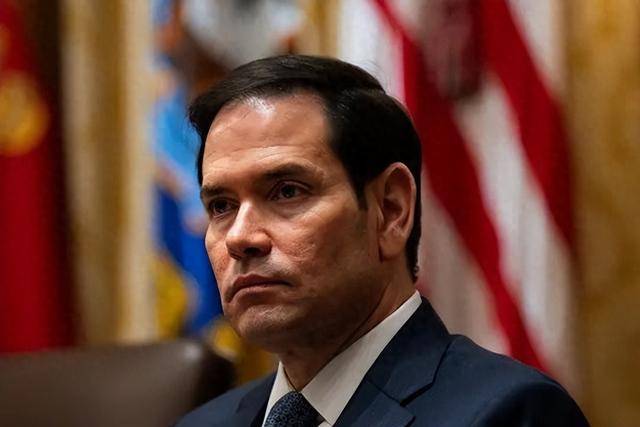
Group 1 - China has significantly reduced its holdings of U.S. Treasury bonds, dropping to $682.6 billion, the lowest level since the 2008 financial crisis [1][3] - The reduction in U.S. Treasury holdings reflects China's strategic judgment regarding international order and wealth security, indicating a shift in capital allocation [3][5] - The U.S. Treasury Secretary's comments about not wanting to decouple from China highlight the tension in U.S.-China relations, as the U.S. seeks to maintain stability amid China's withdrawal from U.S. debt [1][14] Group 2 - China's strategy includes increasing gold reserves and promoting the use of its currency in international markets, signaling a clear stance against U.S. financial dominance [5][20] - The continuous reduction of U.S. Treasury holdings over nine months is a strategic arrangement rather than a temporary reaction, indicating a long-term shift in investment strategy [7][9] - The U.S. faces rising Treasury yields and increasing interest payments, which could lead to a larger fiscal bubble and undermine confidence in U.S. debt [16][22] Group 3 - The geopolitical landscape has changed, with China diversifying its foreign reserves to mitigate risks associated with U.S. financial policies and potential asset freezes [12][16] - The U.S. government's attempts to attract investments back from allies may face challenges, as global economic interdependence complicates the reallocation of capital [18][20] - China's focus on expanding its influence in global finance through initiatives like the Belt and Road and enhancing currency swap mechanisms reflects a strategic move to establish a new financial order [20][22]
特朗普不甘地承认,自己9年前犯下一个大错,他这次不会重蹈覆辙
Sou Hu Cai Jing· 2026-02-12 04:00
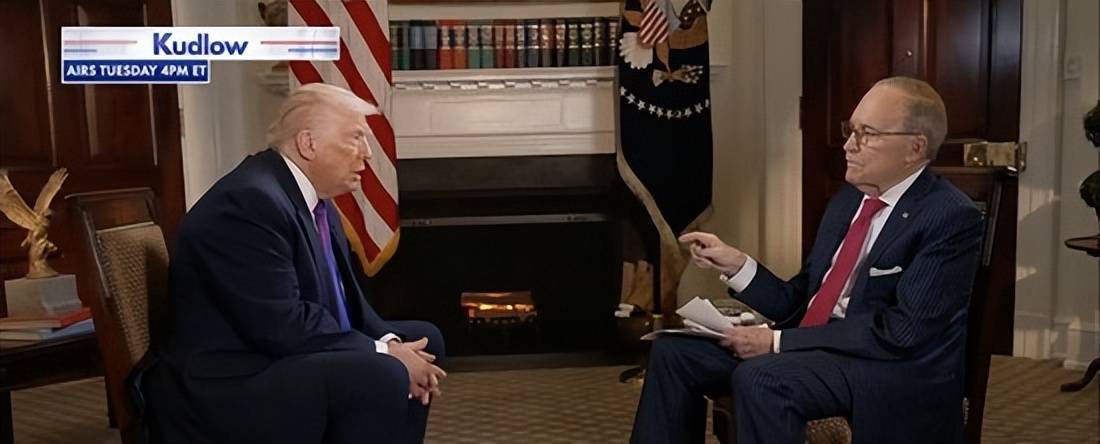
沃什之所以能被特朗普选为美联储下任主席的候选人,背后必定是他在一些关键问题上做出了妥协和承诺。特朗普一贯选人的标准就是听话,要求提名者必 须与他的观点高度一致。至于美联储的事务,沃什若想顺利获得提名,必须在一些核心问题上迎合特朗普,至少在口头上作出明确的承诺,否则根本不可能 进入特朗普的视野。特朗普显然希望美联储继续维持低利率政策,为美国经济刺激计划提供货币政策支持。如果沃什上任后真按照特朗普的意愿制定货币政 策,那么美元很可能会进入震荡贬值的周期。贬值会带来通胀的风险,不仅美国国内经济会受到影响,全球其他国家持有的美元外汇储备也会缩水。这可能 促使一些国家加速去美元化的进程,减少美元在外汇储备和国际贸易结算中的比重,从而进一步削弱美元的国际货币地位。 特朗普近日回忆起自己在第一任期内犯下的一个大错,并发誓这次绝不会重蹈覆辙。他提到,自己当初提名鲍威尔担任美联储主席,完全是基于财政部长的 建议,事实上他对鲍威尔的印象并不好。他甚至毫不避讳地说:那是个错误,真是个大错误。说完对鲍威尔的批评,他又转向了自己近日提名的美联储下任 主席人选——凯文·沃什,言辞恳切地夸奖沃什,认为他会做得非常出色。 特朗普这番公开认错 ...
资讯早班车-2026-02-12-20260212
Bao Cheng Qi Huo· 2026-02-12 02:10
投资咨询业务资格:证监许可【2011】1778 号 期货研究报告 资讯早班车-2026-02-12 一、 宏观数据速览 专业研究·创造价值 1 / 15 请务必阅读文末免责条款 期货研究报告 二、商品投资参考 综合 | 发布日期 | 指标日期 | 指标名称 | 单位 | 当期值 | 上期值 | 去年同期值 | | --- | --- | --- | --- | --- | --- | --- | | 2026-01-19 | 2025/12 | GDP:不变价:当季同比 | % | 4.5 | 4.8 | 5.4 | | 2026-01-31 | 2026/01 | 制造业 PMI | % | 49.3 | 49.0 | 49.1 | | 2026-01-31 | 2026/01 | 非制造业 PMI:商务活动 | % | 49.4 | 50.1 | 50.2 | | 2026-01-15 | 2025/12 | 社会融资规模:当月值 | 亿元 | 22075 | 35299 | 28537 | | 2026-01-15 | 2025/12 | M0:同比 | % | 10.2 | 11.5 | 13.0 | ...
美债成了烫手山芋?中国加速抛售美债,美专家:中国用新抛售方式
Sou Hu Cai Jing· 2026-02-11 21:01
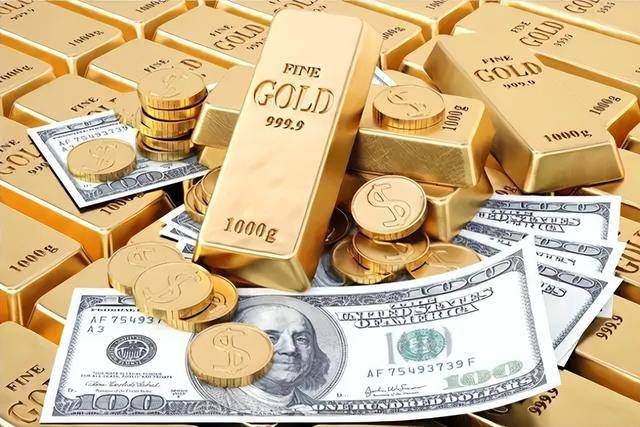
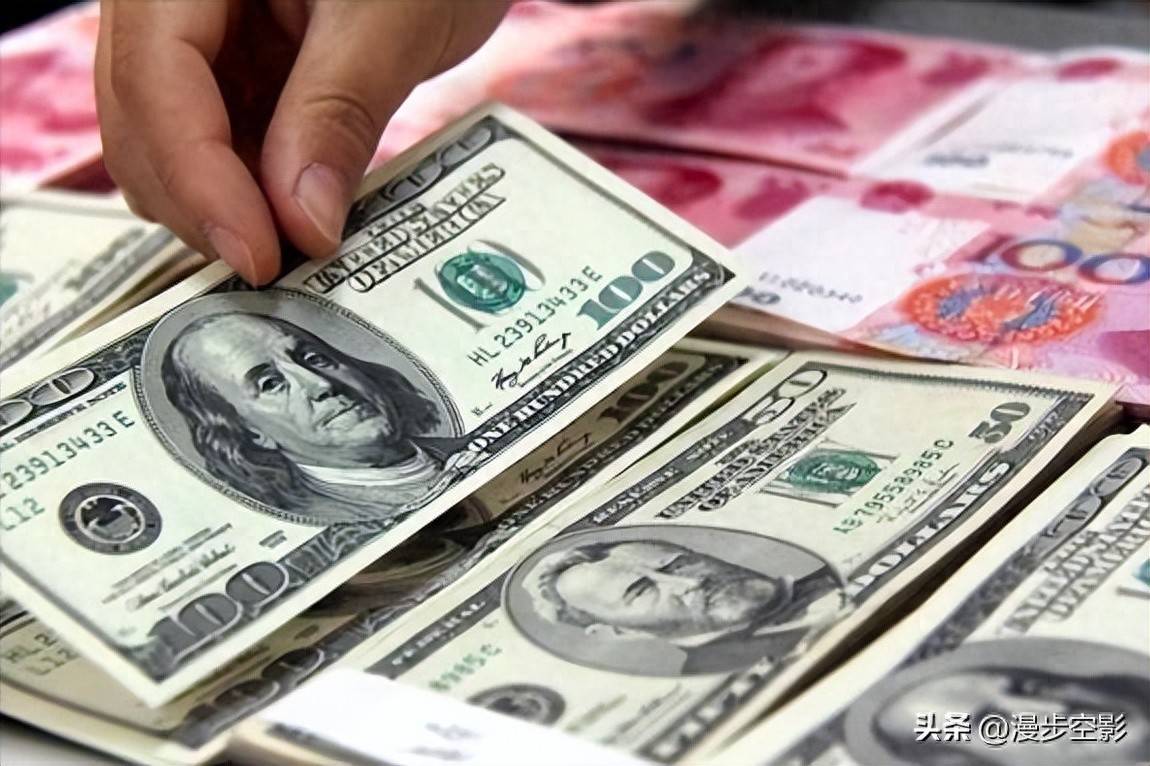
全球持有美债的总规模已经冲上了9.36万亿美元的高位,乍一看,这仿佛是一场全球资本的饕餮盛宴。 然而,在这虚假繁荣的泡沫之下,曾稳坐美国最大债主交椅的中国,其持仓量却已悄然滑落至6826亿美元。 这一数字,不仅不仅击穿了心理防线,更是创下了自2008年金融危机以来的历史新低,面对这一决绝的去库存行动,美国财政部前官员惊呼:"他们用了一 种新方式,我们想拦都拦不住。" 一边是全球看似疯狂的买入浪潮,一边是中国头也不回的离场背影,这高达万亿级别的债务缺口背后,究竟暗藏着怎样惊心动魄的金融博弈? 2013年,彼时中国手中的美债规模还是1.3万亿美元的庞然大物,傲视群雄,而截至2025年11月,这一数字已定格在6826亿美元。 十年光阴,资产腰斩,这绝非简单的减持套现,而是一场经过精密计算、步步为营的战略大撤退,更让华尔街精英们坐立难安的,是那如同鬼魅般难以捉摸 的数据波动。 2025年2月,中国短暂增持,仿佛给市场吃了一颗定心丸;然而3月风云突变,立马掉头狂抛189亿;到了7月,更是单月挥刀狠砍257亿。 这种"进一退二、虚实相生"的战术手法,直接导致美联储引以为傲的监测系统彻底失灵,真正让大洋彼岸的专家们感到脊背 ...
美国担心的事情发生了!俄罗斯大量黄金涌入中国,美元霸权完了?
Sou Hu Cai Jing· 2026-02-11 13:25
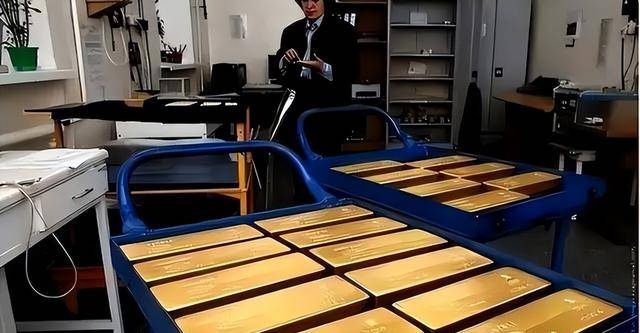
制裁压力下俄罗斯把黄金当成了主心骨 2022年西方冻结俄罗斯几千亿美元外汇资产以后,俄罗斯央行直接把黄金储备当成最靠谱的底牌。几年 下来,实物黄金存量一直稳在2300多吨,2025年底还有2326吨左右。 金价一路猛涨,俄罗斯手里这些金条账面价值直接翻倍,2025年一年就增值1300多亿美元,差不多把被 冻结的损失补回一大半。 以前大家总觉得黄金不灵活,变现麻烦,可真到关键时候才发现,只有金条谁也动不了。俄罗斯央行基 本没怎么大卖,而是把黄金死死攥在手里,当成战略缓冲。 俄罗斯一下子从中国黄金供应国第11位冲到第7位,排在瑞士、加拿大、南非、澳大利亚和吉尔吉斯斯 坦后面。 交易主要集中在下半年,10月9.3亿美元,11月9.61亿美元,12月单月10吨、13.5亿美元,三个 月就把全年大部分量给吃掉了。 这些金条基本都是标准金锭,纯度999.9,交易方式也越来越直接,用人民币和卢布结算的比例明显增 加,彻底绕开了美元和SWIFT。 与此同时,中俄石油贸易也在悄悄变样。 俄罗斯卖给中国的原油比布伦特便宜三成多,其中一部分货款直接用黄金抵扣。俄罗斯拿到黄金就能买 关键物资,中国把黄金直接计入储备,两边都觉得这笔账 ...
香港加速建设国际黄金交易中心:张德熙称“黄金大时代已经到来”
Sou Hu Cai Jing· 2026-02-11 08:23
Core Viewpoint - The chairman of the Hong Kong Gold Exchange, Zhang Dexi, stated that "the golden era has arrived," emphasizing Hong Kong's historical background, institutional advantages, and innovative capabilities in accelerating the establishment of an international gold trading center [1] Group 1: Development of Hong Kong Gold Market - Hong Kong is advancing the construction of an international gold trading center to enhance its role in global gold pricing and as a hub [1] - A cooperation agreement was signed between the Financial Services and the Treasury Bureau and the Shanghai Gold Exchange on January 26, aiming to establish a central settlement system for gold in Hong Kong [1] - The agreement outlines the establishment of the "Hong Kong Precious Metals Central Settlement System Limited," fully owned by the Hong Kong government, with participation from Shanghai in governance and risk management [1] Group 2: Operational Aspects - The Hong Kong Central Settlement System is expected to enter trial operation within this year, which is seen as a crucial infrastructure to improve clearing efficiency, reduce counterparty risk, and facilitate cross-border flows [1] - The Hong Kong Gold Exchange emphasizes strict management and service capability requirements for qualified members, with some institutions already disclosing their qualifications and numbers [1] Group 3: Market Implications - The implementation and trial operation of the central settlement system are anticipated to enhance the transparency and efficiency of the Hong Kong gold market, attracting both domestic and international institutions [2] - This development is expected to support the internationalization of the Renminbi and enhance China's influence in international gold pricing [2] - Future growth will depend on institutional details, infrastructure integration, and the cooperation of market participants [2]

野村中国首席经济学家陆挺荣膺“2025年度十大宏观经济学家”
Xin Lang Cai Jing· 2026-02-11 05:19
Core Viewpoint - The "Top Ten Macroeconomists of 2025" list has been announced, highlighting the need for proactive fiscal policies and moderate monetary easing to support China's economy amid challenges, aiming for high-quality development and effective macroeconomic coordination [1][2]. Group 1: Economic Context - China's economy is under pressure but is moving towards improvement and quality enhancement, with a more proactive fiscal stance and moderately loose monetary policy [1][2]. - Macroeconomic policies are being coordinated to enhance efficiency and precision, contributing to stable economic performance and new achievements in high-quality development [1][2]. Group 2: Focus Areas of Macroeconomists - Macroeconomists are focusing on new productive forces, boosting domestic demand, risk mitigation, and long-term growth strategies [1][2]. - They aim to clarify development logic amid changing circumstances and guide macroeconomic direction [1][2]. Group 3: Selection Process - The selection of the "Top Ten Macroeconomists" was conducted by a panel that evaluated candidates based on five dimensions: professionalism, influence, innovation, foresight, and activity level, with results determined through voting and consideration of the candidates' output and foresight [3]. Group 4: Notable Economist Insights - Lu Ting, Chief Economist at Nomura China, emphasizes that high-quality development requires boosting consumption and cleaning up existing debt [4]. - He advocates for a multi-faceted approach to enhance China's asset securitization rate, highlighting the importance of RMB internationalization and corporate globalization [4]. - Lu also discusses the need for long-term enhancement of consumer spending power and addresses China's pricing challenges and potential policy solutions [4].
暴涨800%!白宫收到噩耗:普京找到出路,西方最大的王牌瞬间失灵
Sou Hu Cai Jing· 2026-02-11 05:18
Hello,大家好呀!欢迎来到老闫侃时事。就在不久前,2025年的海关数据一公布,立刻在国际金融圈掀起了不小的波澜:中国从俄罗斯进口的实物黄金总 量达到了惊人的25.3吨。也许你一时没有感受到这个数字的震撼,但如果告诉你,这个数字比去年同期暴涨了800%,你是否会察觉到一种异样的气息正在 蔓延? 在这一时刻,俄罗斯为什么急于把其手中压箱底的硬通货黄金送往中国?这25吨黄金的东流背后,究竟隐藏着怎样的深层动机?而当全球央行持有的黄金总 值首次超越美债时,我们是否正目睹一个旧时代的落幕?今天,老闫带大家一同剖析这背后的深刻原因,看透其中的地缘博弈与金融暗战。 黄金东流背后的保命符 让我们将时间倒回到2025年,当一箱箱沉甸甸的黄金穿过严密的安保运输线,从俄罗斯的金库跨境流入中国时,这一幕背后,实际上是俄罗斯在经历了多次 惨痛教训后,所做出的最务实的选择。过去几年,俄罗斯也曾信任过美元,手中握有大把美元资产,可结果呢?西方国家的一纸制裁令,毫不犹豫地宣布冻 结。 这一记重击让俄罗斯彻底清醒:原来,那些躺在银行账户里的数字,只是别人手中的把柄。于是,俄罗斯开始了一场彻底的资产置换。既然美元不可靠,那 就换成谁都无法控 ...