多边合作

Search documents
6月全球制造业PMI升至49.5%
Sou Hu Cai Jing· 2025-07-06 03:47
Group 1 - The global manufacturing Purchasing Managers' Index (PMI) for June is reported at 49.5%, an increase of 0.3 percentage points from the previous month, indicating a slight recovery trend but still below the expansion threshold of 50% [1] - The manufacturing sector in Asia is operating in the expansion zone with a PMI of 50.7%, up 0.3 percentage points from last month, contributing positively to global economic recovery [1] - The Americas, Africa, and Europe are all in the contraction zone, with PMIs of 48.6%, 49.7%, and 48.8% respectively, although all regions show varying degrees of improvement compared to the previous month [1] Group 2 - The analysis suggests that the global economic recovery continues to face downward pressure, with uncertainty being a common theme among countries discussing recovery paths [2] - Strengthening multilateral cooperation and solidifying the foundation of global market demand is identified as a key direction for ensuring stable global economic recovery [2]
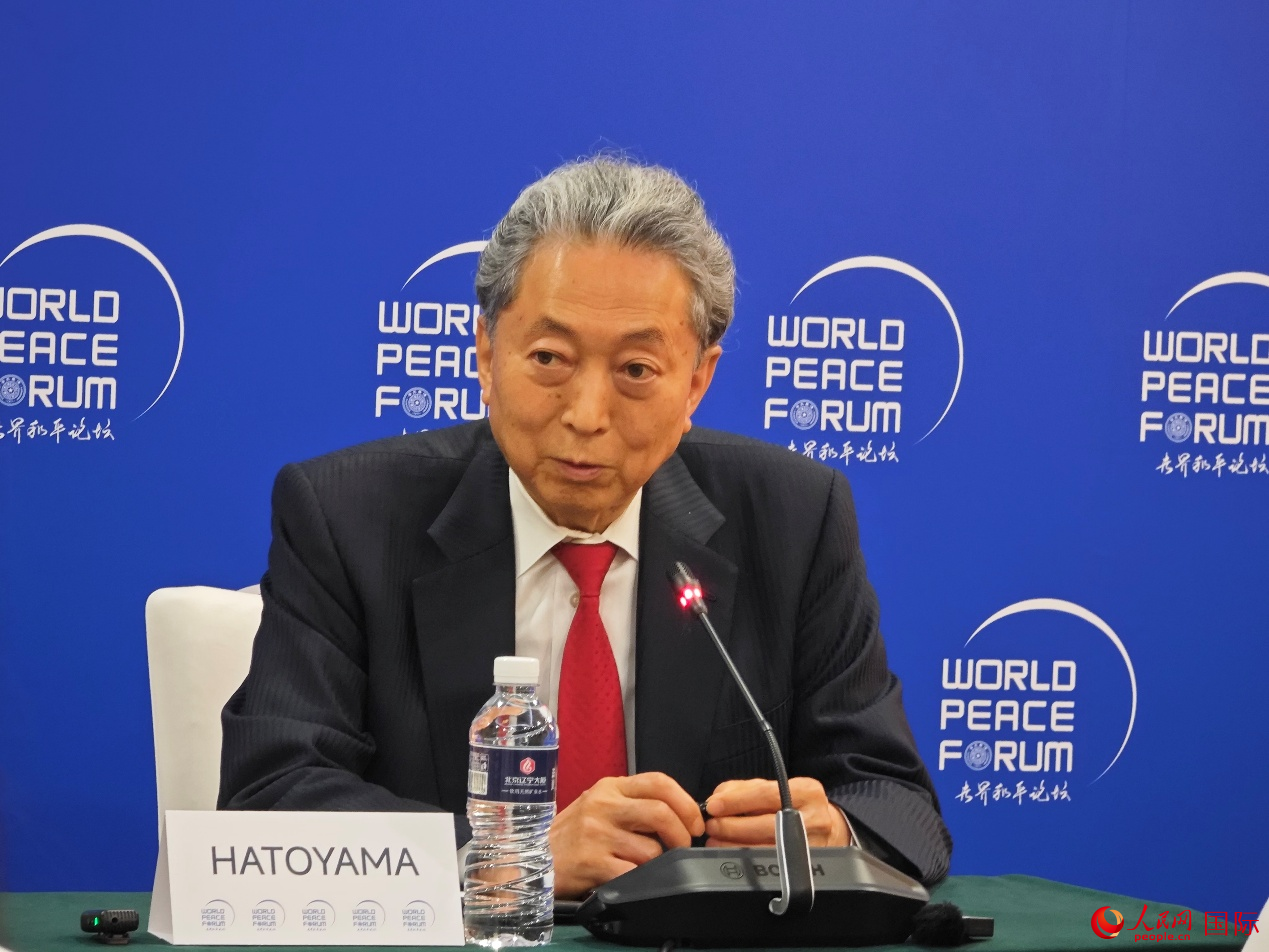
日本前首相鸠山由纪夫:日本应积极开展多边合作 期待日中关系向好发展
人民网-国际频道 原创稿· 2025-07-05 04:31
Group 1 - The core viewpoint is that Japan's economy needs to reduce its dependence on the United States and actively engage in multilateral cooperation, particularly with China [1][4] - Former Prime Minister Yukio Hatoyama emphasized the need for Japan to transform its economy by significantly increasing investment in education to enhance productivity [3] - Hatoyama proposed expanding multilateral cooperation through initiatives such as the China-Japan-Korea Free Trade Area, RCEP, and CPTPP, especially in the field of digital trade [3] Group 2 - Hatoyama expressed optimism about the improving atmosphere in Japan-China relations and the potential for further economic development between the two countries [4] - He suggested that Japan should join the Asian Infrastructure Investment Bank and participate in the Belt and Road Initiative [3]

南美崛起,欧洲试探,全球贸易新棋局
Sou Hu Cai Jing· 2025-07-04 07:19
Group 1 - The core viewpoint of the article highlights the significance of the free trade agreement between Mercosur and EFTA as a strategic response to global economic challenges, aiming to reshape future global trade dynamics [1][8] - The agreement represents a proactive strategy for Mercosur, allowing South American countries to diversify trade partnerships and enhance economic modernization amidst internal and external pressures [3][4] - EFTA's decision to sign the agreement reflects its adaptability to global economic fluctuations, seeking to secure investment safety and stabilize export markets through collaboration with developing countries [4][6] Group 2 - The agreement underscores the challenges faced in the long-stalled EU-Mercosur negotiations, with the rapid signing of the EFTA deal potentially pressuring the EU to reassess its negotiation strategies [4][6] - The evolving international trade environment, characterized by protectionism and geopolitical tensions, necessitates diverse regional economic cooperation models, exemplified by the Mercosur-EFTA agreement [6][8] - The collaboration signals a commitment to multilateral cooperation and shared standards, which is crucial for both regions as they navigate the complexities of the global economy [6][8]
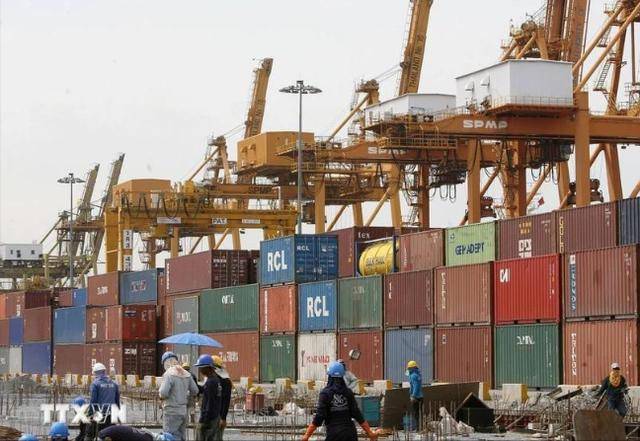
南共市峰会:推动机制改革 加快自贸谈判
Xin Hua She· 2025-07-03 23:38
Group 1 - The 66th summit of the Southern Common Market (Mercosur) was held in Buenos Aires, focusing on mechanism reforms, accelerating free trade negotiations, and coordinating positions on global issues to promote regional integration and multilateral cooperation [1] - Brazil has taken over the rotating presidency of Mercosur for a six-month term, with President Lula emphasizing five key areas: enhancing internal and external trade, addressing climate change, promoting technological development, combating transnational organized crime, and strengthening citizen rights [1] - Argentina's President Milei called for a shift in Mercosur's approach from a "protective shield" to an "offensive spear" to better engage with global markets, indicating a potential independent push for external openness if reforms are not achieved within Mercosur [1] Group 2 - The founding four countries of Mercosur, along with Switzerland, Norway, Iceland, and Liechtenstein, have completed free trade agreement negotiations, following the completion of negotiations with the European Union in December 2022 [2] - Mercosur was established by Argentina, Brazil, Paraguay, and Uruguay in 1995, with Bolivia officially joining in 2023, and includes associate countries such as Chile, Peru, Colombia, Ecuador, Guyana, Suriname, and Panama [2]
英国央行行长贝利:必须重返多边合作进程。
news flash· 2025-07-01 14:14
Core Viewpoint - The Governor of the Bank of England, Andrew Bailey, emphasized the necessity of returning to a multilateral cooperation process to address global economic challenges [1] Group 1 - The importance of multilateral cooperation in tackling economic issues was highlighted by the Bank of England's leadership [1] - Bailey's remarks suggest a shift towards collaborative approaches among nations to enhance economic stability [1] - The call for renewed multilateral efforts indicates a recognition of the interconnectedness of global economies [1]
950亿欧元?欧盟对美“翻脸”了,局势生变,中方通告全球!
Sou Hu Cai Jing· 2025-06-30 11:48
Core Viewpoint - The European Union (EU) is preparing to implement retaliatory tariffs against the United States, targeting $95 billion worth of American goods, in response to ongoing trade tensions and to secure a better trade agreement [1][3]. Group 1: EU's Trade Strategy - The EU is coordinating its stance internally to prepare for potential retaliatory measures against the U.S. before the July 9 deadline for trade negotiations [1]. - The proposed tariff list includes items such as Boeing aircraft, automobiles, and bourbon whiskey, aimed at countering Trump's "reciprocal tariffs" [3]. - EU officials express that a passive approach is politically unfeasible, indicating a shift towards a more aggressive trade strategy [3]. Group 2: Global Trade Implications - The ongoing trade war between the U.S. and EU could lead to significant global economic repercussions, including a potential loss of $6.75 trillion in global GDP if the tariff conflict escalates [5]. - The trade dispute is seen as a precursor to a broader restructuring of global economic order, with the U.S. high tariff policies negatively impacting both its own growth and European economies [7]. - China's position as a stable and cooperative market is highlighted as a counterbalance to the uncertainties created by U.S.-EU trade tensions [7].
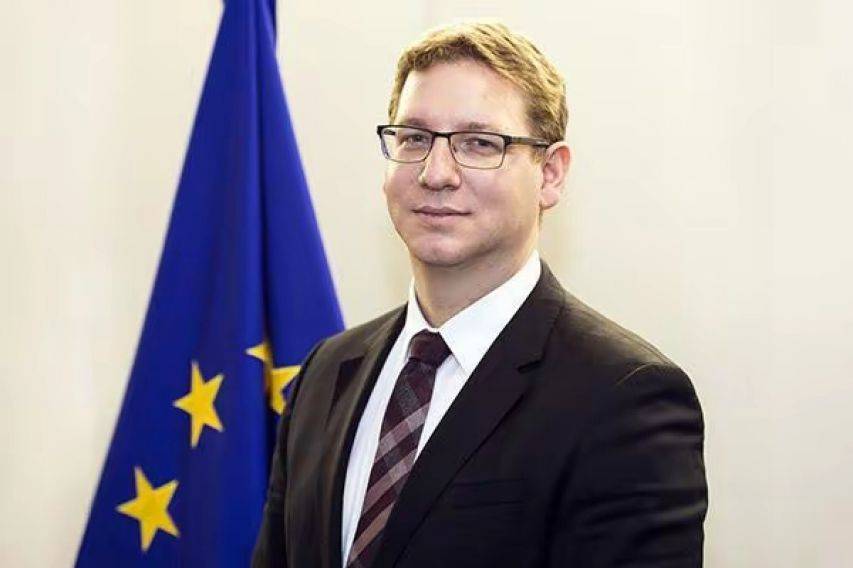
“两国务实合作帮助玻利维亚提升工业能力”——访玻利维亚能源部能源规划与发展副部长韦拉斯克斯
Ren Min Ri Bao· 2025-06-29 21:47
Core Insights - Bolivia's Deputy Minister of Energy Planning and Development, Velasquez, expressed admiration for China's impressive development, particularly in the energy sector and renewable energy utilization [1] - The collaboration between Bolivia and China in energy and infrastructure projects is expected to enhance Bolivia's industrial capabilities and environmental protection [1][2] Group 1: Renewable Energy Development - China is recognized as a global leader in renewable energy generation, making significant advancements in solar, wind, and hydropower technologies [2] - The increase in renewable energy's share in electricity production is crucial for sustainable development, aligning with China's dual carbon goals [1] Group 2: Bilateral Cooperation - Recent years have seen an upgrade in Bolivia-China cooperation, with Bolivian products like beef and quinoa being exported to China, and infrastructure projects such as hydropower stations being developed with Chinese assistance [1] - Velasquez highlighted the importance of technical and experience sharing from China, which has helped Bolivia enhance its industrial capacity [1][2] Group 3: Multilateral Cooperation - Velasquez participated in a training program organized by Chinese ministries, emphasizing the importance of multilateral cooperation in addressing global challenges [2] - The "China-Latin America Cooperation Action Plan (2025-2027)" reflects China's commitment to supporting the development of Latin American countries [2]
亚投行十周年:全球嘉宾共议“互联互通”升级版 多边合作注入新动能
Zhong Guo Xin Wen Wang· 2025-06-28 11:29
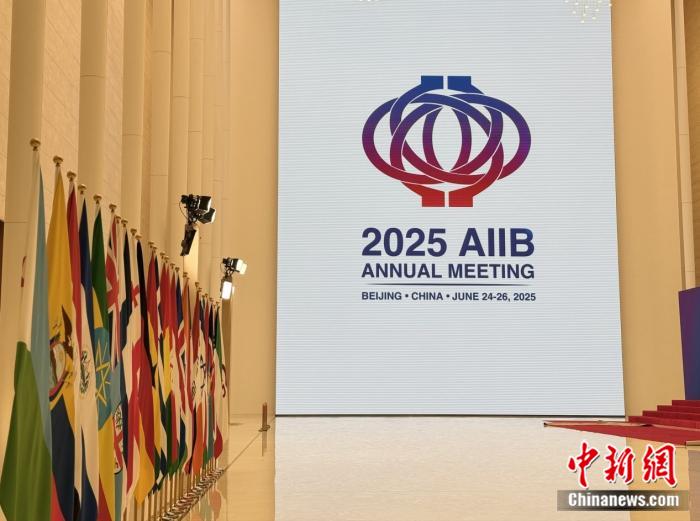
6月24日至26日,亚洲基础设施投资银行第十届理事会年会在北京举行。中新网黄方 摄 中新网6月28日电(记者 黄方 赵丽) 6月24日至26日,亚洲基础设施投资银行(以下简称:"亚投行")第十届 理事会年会在北京举行。本届年会以"互联助力发展,合作共创繁荣"为主题,聚焦数字化转型、绿色融 资、私营资本动员、跨境合作与多边伙伴关系等全球关注的议题,汇聚来自成员国政府、国际组织、企 业和学术界代表,共同探讨未来基础设施建设的方向。 作为由中国倡议设立的新型多边开发银行,亚投行自2015年成立以来,成员从57个创始国扩展至110 个,累计带动超过2000亿美元资金投入全球基础设施项目,逐步成长为推动全球可持续发展的关键力 量。 中国发改委:中国与亚投行合作推动绿色低碳与互联互通 国家发展改革委外资司副司长华中在论坛发言中指出,亚投行作为21世纪成立的新型多边金融机构,在 推动全球基础设施互联互通和经济可持续发展方面取得显著成果,特别是在国际合作模式创新上展现了 独特优势。 自2019年起,中国国家发展改革委与亚投行在主权贷款合作方面已启动三期合作,涵盖20个项目,总贷 款额达60亿美元。华中介绍,这些项目重点聚焦绿 ...
G20第三次协调人会议闭幕 多项议题达成共识 美国代表缺席
news flash· 2025-06-27 18:33
Core Points - The G20 third coordination meeting concluded with significant consensus on key issues such as multilateral cooperation, climate change, debt sustainability, and social equity [1] - The meeting emphasized adherence to the principles of the United Nations Charter and international law, focusing on achieving sustainable development goals and promoting a more equitable, inclusive, and resilient global governance system [1] - The absence of the U.S. delegation raised concerns among some participants regarding global inclusive cooperation [1]
亚投行十年关键词:“朋友圈”翻倍,多边合作共赢
Bei Jing Shang Bao· 2025-06-24 14:07
Core Viewpoint - The Asian Infrastructure Investment Bank (AIIB) has significantly contributed to infrastructure development in Asia over the past decade, with a focus on promoting connectivity and economic integration among member countries [1][4][5]. Group 1: AIIB's Establishment and Growth - AIIB was proposed in 2013 to address infrastructure deficits in Asia, with its founding members signing the agreement in 2014 [3]. - The bank officially commenced operations in January 2016, with a legal capital of $100 billion [3]. - As of June 2025, AIIB has expanded its membership from 57 to 110 countries, covering 81% of the global population and 65% of global GDP [4][5]. Group 2: Project Financing and Impact - AIIB has approved 320 projects with a total financing amount exceeding $60 billion, mobilizing over $200 billion in capital for infrastructure projects [5][7]. - Notable projects include the upgrade of Bangladesh's power distribution system, benefiting 12.5 million rural residents, and the Mumbai Metro Line 4, which reduced traffic by 35% [6][7]. - AIIB's financing has also supported projects in China, such as a $250 million loan for natural gas infrastructure in Beijing [6][7]. Group 3: Future Directions and Strategic Focus - AIIB aims to continue its focus on traditional infrastructure while also addressing digital infrastructure needs and climate change [8][9]. - By 2024, 67% of AIIB's approved financing will be related to climate change, reflecting a commitment to sustainable development [9]. - The bank's new leadership under the incoming president, Zou Jia Yi, will emphasize multilateral cooperation and sustainable infrastructure development [9][10].