
消费补贴

Search documents
资金抄底了120亿
表舅是养基大户· 2025-07-07 13:34
Market Overview - Today's trading volume was below 1.3 trillion, a decrease of 200 billion, primarily due to the implementation of new quantitative regulations, leading to cautious behavior among market participants [1] - The market is currently experiencing a "burning money war" among major food delivery platforms, with Alibaba, Meituan, and JD.com showing significant stock price declines at the market open [3][4] Company Performance - Meituan experienced the largest decline among the three companies, dropping over 4%, while Alibaba and JD.com fell by 2.5% and 1.7%, respectively [3][4] - Despite the initial declines, Meituan's stock showed resilience, with a recovery after half an hour of trading [4] - The market has already factored in the impact of the "burning money" strategy, with Alibaba and Meituan's stock prices down 30% and 35% from their highs over the past four months [7] Investment Trends - There was a notable net inflow of over 12 billion from southbound funds, marking the first time since May 27 that net purchases exceeded 10 billion [5] - The market is advised to maintain a balanced investment approach, considering the potential for a prolonged battle among internet giants and the need for a higher margin of safety in dividend stocks [7] Industry Insights - The competition among internet giants is primarily for traffic entry points, with Tencent being highlighted as the strongest player in this regard, showing a rebound of over 1% today [8] - The recent surge in tea beverage companies, driven by subsidies, has resulted in significant stock price increases for brands like Nayuki and Heytea, with gains of up to 11.04% [12][13] Sector Analysis - The electricity sector is gaining attention due to record-high power loads, with the national grid reaching 1.465 billion kilowatts, a year-on-year increase of nearly 150 million kilowatts [20] - The public utility ETF has recovered to break even, indicating a potential undervaluation in the electricity sector, which has lagged behind other dividend sectors [21][22]


淘宝闪购日活用户超2亿:日订单超8000万,非餐饮订单超1300万
IPO早知道· 2025-07-07 04:41
Core Viewpoint - Taobao Flash Sale has launched a 500 billion subsidy plan to enhance consumer spending and create business growth opportunities for merchants, significantly increasing daily order numbers and active users [1][3]. Group 1: Order Growth - Taobao Flash Sale has achieved over 80 million daily orders, with non-food orders exceeding 13 million and daily active users surpassing 200 million [1]. - The daily order count increased from 40 million at the end of May to 60 million by the end of June, and reached 80 million by July 2 [2][1]. Group 2: Subsidy Impact - The 500 billion subsidy plan is set to directly benefit consumers and merchants over the next 12 months, stimulating domestic consumption and expanding market capacity [3]. - The combination of Taobao Flash Sale's online capabilities and Ele.me's strong supply chain has led to a rapid increase of nearly 20 million daily orders due to the subsidy effect [3].

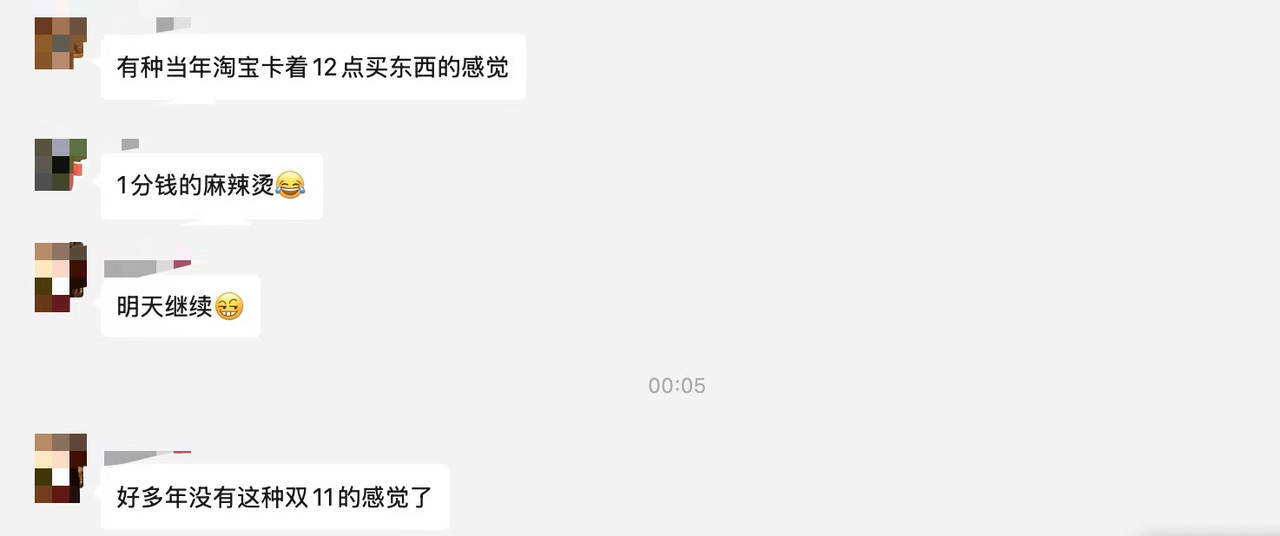
大额券满天飞10块钱过一天,网友:卡着12点买东西的感觉回来了
Sou Hu Cai Jing· 2025-07-06 08:38
Core Insights - The article highlights the surge in consumer activity on food delivery platforms due to significant promotional discounts and coupons, leading to record order volumes over the weekend [6][16]. Group 1: Consumer Behavior - Consumers are actively engaging with various platforms to take advantage of substantial discounts, with some reporting they managed to secure three meals for just 10 yuan [1][3]. - The excitement around these promotions has led to a busy weekend for consumers, reminiscent of past online shopping frenzies [3][8]. Group 2: Platform Performance - Major platforms like Meituan and Taobao are aggressively issuing large amounts of discount coupons, resulting in a historic peak in order volumes, with Meituan reporting over 1.2 billion orders on July 5 [6][16]. - Meituan experienced server issues due to the overwhelming number of orders, indicating the high demand and engagement from users [6][12]. Group 3: Delivery Operations - Delivery personnel are facing increased workloads, with reports of riders completing numerous orders in a single morning, reflecting the heightened demand for food delivery services [10][12]. - The platforms are implementing supportive measures for delivery riders to manage the surge in orders effectively [12]. Group 4: Competitive Landscape - The competitive environment among e-commerce giants is intensifying, with significant financial resources being allocated to attract consumers through promotional activities [16]. - Taobao has initiated a 50 billion yuan subsidy plan, which has already led to a substantial increase in order volumes for both restaurant and small business sectors [16].

新一轮消费补贴再次“点燃”暑期消费热情
Yang Guang Wang· 2025-07-06 03:25
Group 1 - The third batch of consumer goods replacement funds has been allocated, aiming to stimulate summer consumption through targeted policies [1] - Jinan city has launched a new round of automobile consumption subsidies, with a maximum claim of 8,500 yuan available for consumers [1] - The sales of home appliances, particularly air conditioners, are experiencing a peak due to rising temperatures and the new funding [1][2] Group 2 - National and provincial subsidy policies have significantly boosted the consumer market, with air conditioning units previously priced around 4,000 yuan now available for approximately 3,000 yuan after subsidies [2] - Guangxi is promoting over 2,000 events in July and August to enhance consumption in various sectors, including food, accommodation, and entertainment [2][3] - Cultural and tourism departments in Guangxi are organizing large-scale promotional activities, including over 10 major performances and special discount cards for tourists [3]
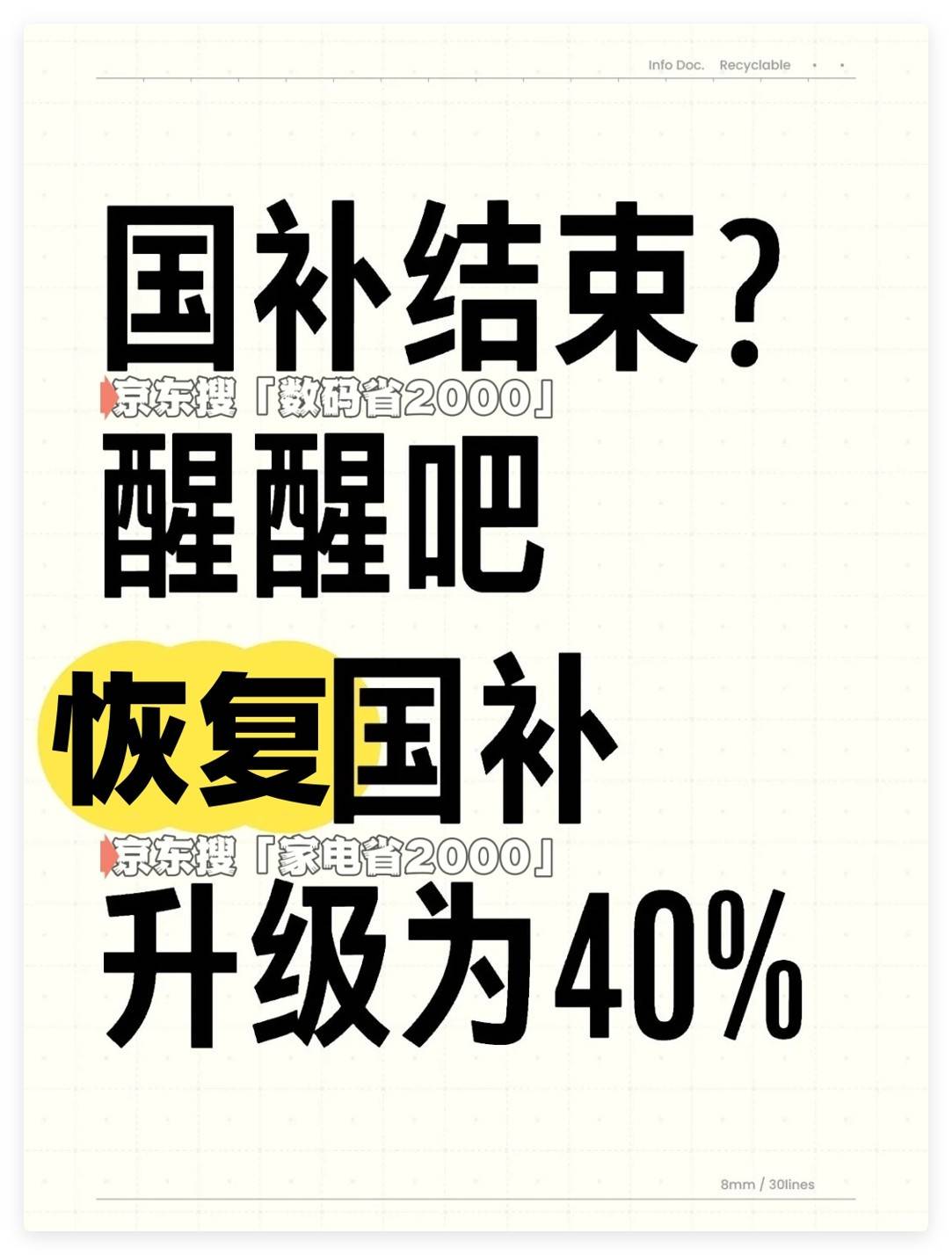
国补政策延续正式官宣!第二批1380亿补贴7月启动,全国统一截至2025年底
Sou Hu Cai Jing· 2025-07-02 07:57
Core Insights - The article discusses the recent clarification from the National Development and Reform Commission (NDRC) and the Ministry of Finance regarding the continuation of the national subsidy program, which has been extended with an additional 138 billion yuan to stimulate consumer spending [1][3]. Group 1: Subsidy Program Details - The initial 300 billion yuan subsidy fund was quickly consumed, with over 150 billion yuan used by the end of May 2025, prompting urgent funding adjustments [3]. - The new round of subsidies will be distributed in two batches of 138 billion yuan, scheduled for July and October 2025 [3][4]. - The subsidy program will prioritize high-efficiency appliances and electronics, with specific incentives for energy-efficient products and a variety of new categories added [4]. Group 2: Consumer Guidance - Consumers are advised to act quickly to secure subsidies, especially for high-demand items like air conditioners and electric vehicles, as funds are expected to deplete rapidly [6]. - The article provides specific instructions for accessing subsidies through the JD app, emphasizing the importance of early action due to limited availability [1][6]. - It highlights potential pitfalls for consumers, such as invalid invoices and the risk of price inflation, urging careful verification of purchase conditions [6]. Group 3: Market Impact and Future Outlook - The article suggests that the subsidy program is crucial for maintaining market stability and consumer confidence, especially in light of recent price drops exceeding 40% for certain products [3][4]. - The ongoing subsidy program is set to conclude by December 31, 2025, marking the end of this consumer support initiative [8]. - The urgency for consumers to participate in the subsidy program is emphasized, as the remaining funds are expected to be exhausted before the official end date [8].

促消费反内卷 淘宝闪购500亿补贴用户和商家
news flash· 2025-07-02 00:45
淘宝闪购7月2日宣布启动规模高达500亿元的补贴计划,将在12个月直补消费者及商家共500亿,通过发 放大额红包、免单卡、官方补贴一口价商品等方式给消费者带来优惠、便捷的服务和体验,进一步激发 消费活力,同时上线店铺补贴、商品补贴、配送补贴、免佣减佣等措施,促进商家生意增长,以技术和 商业模式创新,构建高效协同的大消费平台,并以巨大流量反哺线下商业和服务业。上线两个月,淘宝 闪购联合饿了么日订单已突破6000万单。(第一财经) ...
放大招!民企盛帆百万消费补贴惠及60余名员工
Sou Hu Cai Jing· 2025-06-30 12:44
对于正面临大额消费支出的盛帆员工来说,该项政策可谓雪中送炭。公共关系中心的马理成于上个月步 入婚姻殿堂,当他收到集团发放的1.5万元消费补贴时颇为感慨:"本来压力很大的,消费补贴的到账让 我真切地感受到公司对我小家庭的关怀。" 发放消费补贴超过100万元,提供按揭支持达260万元,撬动消费超过600万元。以上各项亮眼数据,源 自于武汉盛帆集团的一项创新举措:针对员工推出消费补贴政策,将购房、买车、装修、结婚、子女教 育等全部纳入补贴范畴,最高补贴额度可达2万元。 消费补贴,堪称中国经济最近一年里最热门的关键词之一。今年1月8日,财政部、发改委宣布,为刺激 消费、拉动经济,2025年将实施史上力度最大的消费品补贴,而盛帆集团推出的具有企业特色的消费补 贴政策甚至比国补要更早一些。 情系员工,赋能消费,共担社会责任,消费补贴政策彰显了盛帆的责任和智慧。下半年,盛帆集团计划 继续发放1000万元按揭支持促消费,提升员工幸福感,助力社会迈向更美好的消费新时代。 转自:中华网生活 除了直接发放资金补贴外,集团还为员工的大额消费提供5-20万元的按揭支持。盛帆女篮总经理赵飞飞 一个月前结婚,筹备婚礼让他的积蓄所剩无几。面 ...

以补贴提振消费,关键是要调节消费结构失衡
Sou Hu Cai Jing· 2025-06-26 14:44
Group 1 - The article highlights two new trends in consumer behavior: the expansion of subsidies for mobile phones and home appliances, which has created a rotation effect compared to last year's policies, and a shift in macroeconomic policy focus from investment to consumption, with consumption's impact on economic growth potentially surpassing that of investment [2] - The estimated budget for the "trade-in" policy in 2024 is around 170 billion yuan, which is expected to increase retail sales growth by over 1 percentage point, with the most significant impacts seen in the home appliance, furniture, and automotive sectors [2] - For 2025, the central and local governments are expected to allocate approximately 330 billion yuan for "trade-in" subsidies, which could enhance retail sales growth by about 0.7 percentage points [2] Group 2 - The report indicates that the proactive fiscal policy for 2025 will manifest in three dimensions: a budget deficit rate exceeding 3% for the first time, unprecedented government bond issuance, and a structural optimization where the central government takes on more debt to alleviate local fiscal pressures [3] - There are concerns regarding the potential cessation of national subsidies; however, it is suggested that fiscal support is likely to continue in a low inflation environment, with consumption expected to align closely with nominal GDP growth in the second half of the year [3] - The current consumer landscape is characterized by both the introduction of policies to stimulate consumption and a cautious consumer sentiment driven by economic expectations, raising questions about how to effectively boost consumer spending [3] Group 3 - Key issues affecting consumption include a low overall consumption rate among Chinese residents, a low proportion of service consumption in total spending, and significant regional disparities in consumption levels [3] - Recommendations for improving consumption include enhancing social security, optimizing supply systems, and implementing targeted measures for different income groups to address their specific constraints [3][4] - Suggestions for reform include increasing state-owned enterprise contributions to social security, raising urban and rural pension benefits, and expanding the "trade-in" policy to include service consumption to maximize its effectiveness [4]
纺织服装行业2025年中期策略报告:补贴助力消费回暖,关注关税未来变化-20250626
Great Wall Securities· 2025-06-26 11:36
Core Views - The report highlights that increased consumer subsidy policies across various regions are expected to stimulate market vitality and promote sustained terminal demand recovery [2][67] - The 618 shopping festival saw a 15% year-on-year increase in total e-commerce sales, indicating a shift towards a "long cycle + strong wave" promotional model [2][79] - Despite a temporary easing of global trade tensions, the textile manufacturing industry may still face impacts from potential future tariff escalations [2][99] Market Review - As of June 20, 2025, the textile and apparel industry has seen a slight increase of 0.12%, outperforming the Shanghai Composite Index by 2.36 percentage points [9] - The textile manufacturing sub-industry has decreased by 8.41%, while the accessories sub-industry has surged by 23.16%, significantly outperforming the market [10][9] Industry Overview - The report notes that consumer confidence has stabilized, with per capita GDP reaching 95,700 yuan in 2024, and a GDP growth rate of 5.0% [31][28] - Retail sales in May 2025 showed a significant increase, with total retail sales reaching 4,132.6 billion yuan, up 6.4% year-on-year [35] Mid-term Investment Strategy - The report emphasizes the importance of consumer subsidy policies and the gradual recovery of terminal demand, particularly in the brand apparel and home textile sectors [71][67] - Leading companies in the home textile sector, such as Luolai Life and Mercury Home Textile, are expected to benefit from ongoing subsidy policies [72] Investment Recommendations - Recommended stocks include Chao Hong Ji, Huali Group, Xingye Technology, Mercury Home Textile, Luolai Life, Semir Apparel, and Baoxiniang, focusing on companies with strong brand and product capabilities [2] Company Performance - In Q1 2025, the textile manufacturing sub-industry reported a revenue increase of 0.73% and a net profit increase of 11.38% [57] - Key companies like Chao Hong Ji and Huali Group have shown significant stock price increases of 151.80% and 12.34% respectively [16][66] Global Trade Dynamics - The report indicates that while the recent tariff conflicts have eased, the textile manufacturing industry remains vulnerable to future trade tensions [99] - Companies with high export ratios, such as Huali Group and Bailong Oriental, have established overseas production capacities to mitigate tariff impacts [99][102]


建筑材料行业跟踪周报:适当关注战略性基建项目主题-20250622
Soochow Securities· 2025-06-22 13:04
Investment Rating - The report maintains an "Accumulate" rating for the construction materials industry [1] Core Views - The construction materials sector has shown a decline of 1.42% in the past week, underperforming the CSI 300 and the Wind All A Index, which declined by 0.45% and 1.07% respectively [4] - The report suggests that strategic infrastructure projects in the central and western regions may become a focus for investors, particularly in areas like hydropower and major construction projects [4] - The real estate sector is nearing a clearing phase, leading to improved supply dynamics, which may benefit leading companies in the industry [4] Summary by Sections 1. Industry Trends - The construction materials sector has experienced a price drop in cement, with the national average price at 356.8 RMB/ton, down 3.3 RMB/ton from the previous week and 36.0 RMB/ton from the same period last year [4][20] - The average cement inventory level is at 66.4%, a slight decrease of 0.1 percentage points from last week but an increase of 2.7 percentage points year-on-year [25] 2. Bulk Construction Materials Fundamentals 2.1 Cement - The average shipment rate for cement is 44.0%, down 1.7 percentage points from last week and 4.3 percentage points year-on-year [25] - The report anticipates that the cement industry will maintain a higher profit margin compared to last year due to improved supply-demand balance and ongoing policy support for domestic demand [12][19] 2.2 Glass Fiber - The report indicates that the profitability of glass fiber remains resilient, with demand in wind power and thermoplastics continuing to grow [13] - The industry is expected to see a gradual recovery in supply-demand balance, benefiting leading companies with strong product structures [13] 2.3 Glass - The glass sector is facing weak terminal demand, with inventory levels remaining high and price pressures expected to increase as the market enters a seasonal downturn [14] - The report recommends focusing on leading companies like Qibin Group, which may benefit from industry capacity reductions and diverse business growth [15] 3. Renovation and Building Materials - The report highlights the positive impact of government policies aimed at boosting domestic demand and consumption, particularly in the renovation sector [16] - Companies with strong growth intentions and those benefiting from government subsidies are recommended for investment consideration [16]