
现房销售

Search documents
合肥首个豪宅现房范本 红达天映集聚地段+产品+服务的所见即所得
Xin Lang Cai Jing· 2025-06-05 03:08
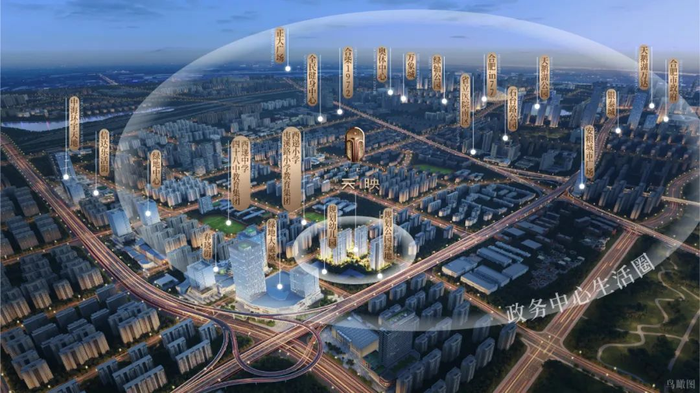
转自:推广 在房地产行业的发展历程中,销售模式的变革往往预示着市场的深刻转型。现房销售,这一备受热议的 概念,如今正逐渐站上舆论的制高点。 日前,在国新办举行的新闻发布会上,一句"加快出台与房地产发展新模式相适配的系列融资制度" 引 发了各界的高度关注。所谓 "新模式",在 2023 年住建部部长倪虹就曾公开提出开展现房销售试点,以 推动房地产行业向更为稳健、可持续的新发展模式平稳过渡。2024 年全国两会期间,倪虹再次强调要 有力有序推进现房销售。 01 政务东的"孤品逻辑" 合肥政务区,这片仅以1% 的土地承载着城市 70% 顶配资源的区域,一直是高端居住与资源汇聚的核心 地带。而政务东作为政务区资源外溢的首选之地,早已成为塔尖圈层所公认的优质板块。红达天映更是 政务东板块内最后一块住宅用地,其 "绝版性" 赋予了项目在尚未开盘时便拥有了 "资产锚点" 的独特属 性。 (红达天映区位图) 红达天映由红达与丰宏两大品牌合力打造,体现了对合肥土地的深度理解和尊重。合肥正处于快速发展 阶段,政务东板块作为新兴高端居住区,融合了全市优质市政资源和深厚人文底蕴。随着政务区提质扩 容,政务东应运而生,承接了合肥顶流板 ...

每周精读 | 2025年1-5月中国房企销售业绩、新增货值TOP100发布(5.24-6.1)
克而瑞地产研究· 2025-06-02 01:40
Core Insights - The article discusses the current state and trends in the Chinese real estate market, highlighting sales performance and inventory management among top real estate companies [2][3][5]. Group 1: Sales Performance - In May 2025, new home sales remained stable month-on-month, with the top 100 real estate companies experiencing a 3.5% increase in performance compared to the previous month [2]. - The market remains concentrated among leading firms, with over 60% of the top sales companies not resuming land acquisitions in the first five months of 2025 [3]. Group 2: Inventory Management - A study on inventory management for 2024 indicates that typical real estate companies have nearly 30% of their inventory in completed projects, analyzing inventory scale, structure, and investment intensity [5]. - The report on the 2025 stock of residential land reveals significant disparities in inventory levels and construction progress across cities, suggesting that special bond storage needs further refinement [5]. Group 3: Land Market Trends - The land market continues to focus on controlling volume and improving quality, with a decrease in transaction area year-on-year but an increase in transaction value as of May 2025 [13]. - Weekly land transaction amounts saw a significant increase, with a near doubling in transaction value, while the premium rates have returned to their highest levels of the year [14].

住房巨变:改造22万个老小区,抛弃期房,破3米层高,消灭25%公摊
Sou Hu Cai Jing· 2025-05-31 22:19
Group 1: Real Estate Market Changes - The pace of demolition and construction of high-rise buildings has slowed, with resources focusing on urban renewal of old neighborhoods built over 20 years ago, including upgrades like elevator installations and infrastructure improvements [1] - As of now, 280,000 old neighborhoods have been renovated, with 130,000 elevators installed and 3.8 million parking spaces added, alongside the updating of approximately 500,000 kilometers of underground pipelines [1] - The Ministry of Housing and Urban-Rural Development has mandated that all urban old neighborhoods built before 2000 will undergo renovation, affecting around 220,000 neighborhoods and approximately 39 million households [1] Group 2: Policy Changes in Real Estate Sales - The cancellation of the pre-sale system has been officially implemented in Xinyang, Henan, requiring all new real estate projects to be sold only after completion, increasing pressure on developers [3] - This shift to selling completed homes is expected to stabilize housing prices by limiting new project launches and reducing land supply, benefiting ordinary homebuyers [3][4] - The new regulations also aim to improve housing quality by eliminating the "high turnover" model that led to many low-quality pre-sold homes, ensuring that only developers who focus on quality remain in the market [4] Group 3: Market Dynamics and Consumer Preferences - The focus of the real estate market is shifting from new home supply to the second-hand housing market, as the core driving force for price increases changes [4] - Future housing options will cater to diverse consumer needs, including renovated old neighborhoods, affordable housing, and improved quality in new homes, reflecting a shift towards prioritizing living conditions over speculative investments [6] - Homebuyers are increasingly valuing the residential attributes of properties rather than seeking profit from price fluctuations, indicating a fundamental change in purchasing motivations [6]
行业透视|现房销售一旦落地,对代建市场有何影响?
克而瑞地产研究· 2025-05-29 09:17
Core Viewpoint - The shift towards selling completed properties is fundamentally changing the funding model for real estate companies, leading to a significant decline in investment returns and a push towards light-asset development strategies [2][4][5] Group 1: Impact of Current Housing Sales - The current housing sales model necessitates developers to have sufficient self-funding, resulting in longer development cycles and decreased capital turnover [5][6] - This shift is prompting companies to adjust their business portfolios, with a noticeable move towards light-asset operations such as construction management [5][6] - Over 100 real estate companies have engaged in project management, with 49 establishing independent management platforms, indicating a growing trend towards specialized construction management [5][6] Group 2: Land Transaction Trends - The decline in land transactions and the need for local government financing will lead to an increased proportion of residential construction management projects [7][8] - Despite a decrease in land acquisition, the overall scale of the construction management market is expected to remain stable, with a focus on commercial projects [7][8] Group 3: Market Penetration by City Tier - The penetration rate of construction management is expected to rise, particularly in first-tier cities, while second-tier cities will stabilize and third- and fourth-tier cities may decline [9][10] - First-tier cities have historically low penetration rates, but this is expected to increase as companies seek to engage in local government projects to optimize land resources [10] Group 4: Changes in Construction Management Models - The trend towards "small equity operation" in construction management is increasing, necessitating adjustments in payment structures and timelines [12] - Companies are facing challenges related to funding pressures and extended return cycles, requiring a re-evaluation of payment rules linked to project milestones [12] Group 5: Intensifying Competition in Construction Management - The construction management sector is experiencing intensified competition, with a potential for a "second" round of industry reshuffling as new entrants gain market share [13][14] - Companies must enhance their service capabilities and operational efficiency to remain competitive, leveraging digital tools to improve project delivery [14][15] - Establishing long-term partnerships with local government platforms is crucial for aligning interests and ensuring project success [16]

现房销售需顺势而为
Zheng Quan Ri Bao· 2025-05-27 16:26
Core Viewpoint - The transition from pre-sale to actual housing sales is gaining momentum in China's real estate market, driven by government policies and market demand, indicating a shift towards a new sales model that emphasizes immediate availability and quality assurance for buyers [1][2]. Group 1: Current Market Trends - Since May, three key developments have sparked discussions on actual housing sales: new regulations in Henan province mandating actual sales for newly developed properties, the national financial regulatory authority's commitment to introduce financing systems compatible with new real estate models, and many companies promoting actual housing as a selling point [1]. - Over 30 provinces have introduced supportive policies for actual housing sales since the end of 2022, with cities like Hefei and Zhengzhou initiating pilot programs, and regions like Hainan and Xiong'an fully implementing actual sales [1]. - The proportion of actual housing sales in the residential market has increased from 12.7% in 2020 to 30.8% in 2024, reflecting a growing acceptance of this sales model [1]. Group 2: Benefits for Buyers - Actual housing sales provide a significant advantage for buyers by allowing them to see the property before purchase, thus avoiding issues related to off-plan sales such as discrepancies in property condition and delays in delivery [2]. - This model enhances the sense of security for buyers, as they can enjoy immediate occupancy and associated amenities, while also accelerating inventory turnover [2]. - The visible quality of homes can lead to a premium in core urban areas, where actual housing may command higher prices due to perceived value [2]. Group 3: Challenges for Developers - The shift to actual housing sales tests developers' comprehensive capabilities, including their development models, cash flow management, and product quality [2]. - The cash flow impact is significant, as the return on investment is delayed by 2 to 3 years compared to pre-sale models, necessitating a shift in financing strategies from short-term to long-term [2]. - Developers must abandon speed-focused strategies in favor of meticulous management and product enhancement, establishing a quality control system throughout the development process [2]. Group 4: Necessary Support Measures - To address potential challenges such as increased buyer costs and longer capital recovery periods for developers, supportive policies are essential [3]. - A dual-track system of "actual sales + pre-sales" should be established, with tailored measures for different cities, such as tax incentives for buyers in areas with high inventory [3]. - Diverse financing channels should be developed, including specialized loans for actual housing projects and adjustments to tax policies to alleviate financial burdens on developers [3].
全面推行现房销售,为什么是信阳?
Sou Hu Cai Jing· 2025-05-26 00:57
Core Viewpoint - The city of Xinyang in Henan has become the first in China to fully implement a "current housing sales" policy, which requires that properties must be completed and pass inspection before they can be sold, effectively overturning the traditional pre-sale model [1][3]. Group 1: Policy Changes - The new policy mandates that newly sold land must be sold as completed properties, meaning developers can only sell homes after they are built and inspected [3]. - Existing projects that have already started construction can still sell under the old pre-sale rules, creating a transitional phase for the market [3]. - This shift aims to reduce risks for homebuyers, as it minimizes the chances of unfinished projects and fraud [3]. Group 2: Market Conditions - Xinyang's real estate market is under significant pressure, with new home sales area expected to decline by 7.8% in 2024, and real estate investment plummeting by 16.2% [4]. - The city faces a severe population issue, with a net outflow of 2.79 million people, leading to a situation where one in three residents is leaving for work elsewhere [4]. - The number of newborns has drastically decreased from 89,000 in 2019 to just 37,000 in 2023, indicating a demographic crisis [4]. Group 3: National Trends - Over 30 provinces and cities across China have begun experimenting with current housing sales since late 2022, indicating a growing trend [6]. - The proportion of current housing sales nationwide has surged from 10% in 2020 to 32% by February 2025, marking a ten-year high [7]. - However, the transition to widespread current housing sales faces challenges, particularly due to the financial strain on developers, as construction timelines extend from two years to four or five years [7]. Group 4: Market Dynamics - The shift from a "seller's market" to a "buyer's market" is evident, with an increasing inventory of unsold homes leading to longer sales cycles [9]. - In Xinyang, the inventory turnover period is projected to be 20 months, with a significant increase in the number of second-hand homes listed for sale [9]. - The current housing sales model may lead to price differentiation, with premium properties in major cities seeing price increases, while weaker markets may experience accelerated market clearing [10].
瑞达期货纯碱玻璃产业日报-20250521
Rui Da Qi Huo· 2025-05-21 09:30
Report Industry Investment Rating - Not provided Core Viewpoints of the Report - For soda ash, on the macro - level, the national economy maintained stable growth in April. Fundamentally, soda ash device fluctuated slightly, with supply decreasing narrowly due to planned maintenance in Qinghai and expected maintenance in the middle and late period. Downstream demand was tepid, with more wait - and - see sentiment, mainly replenishing inventory at low prices. High inventory pressure persisted, suppressing price increases. It is recommended to short on rallies for soda ash [2]. - For glass, on the supply side, the overall profit of glass made from natural gas, coal, and oil decreased slightly due to falling spot prices while production remained stable. On the demand side, there was a lack of positive news, and demand remained weak. Some original sheet enterprises might operate flexibly and offer discounts to avoid high - inventory pressure. The futures price was close to the production cost, and cost support might work in the short - term. It is recommended to buy on dips for glass [2]. Summary by Related Catalogs Futures Market - The closing price of the soda ash main contract was 1,288 yuan/ton, up 8 yuan; the closing price of the glass main contract was 1,034 yuan/ton, up 9 yuan. The price difference between soda ash and glass was 254 yuan/ton, down 1 yuan [2]. - The position volume of the soda ash main contract was 1,465,721 hands, down 32,407 hands; the position volume of the glass main contract was 1,484,264 hands, up 1,681 hands [2]. - The net position of the top 20 soda ash traders was - 270,580, up 10,693; the net position of the top 20 glass traders was - 164,811, up 6,861 [2]. - The exchange warehouse receipts of soda ash were 2,317 tons, down 453 tons; the exchange warehouse receipts of glass were 3,568 tons, down 10 tons [2]. - The price difference between the September and January soda ash contracts was 9 yuan, up 3 yuan; the price difference between the September and January glass contracts was - 54 yuan, up 2 yuan [2]. Spot Market - The price of North China heavy soda ash was 1,320 yuan/ton, unchanged; the price of Central China heavy soda ash was 1,400 yuan/ton, unchanged [2]. - The price of East China light soda ash was 1,400 yuan/ton, unchanged; the price of Central China light soda ash was 1,335 yuan/ton, unchanged [2]. - The price of Shahe glass sheets was 1,076 yuan/ton, unchanged; the price of Central China glass sheets was 1,130 yuan/ton, unchanged [2]. - The basis of soda ash was 40 yuan/ton, up 4 yuan; the basis of glass was 51 yuan/ton, down 7 yuan [2]. Industry Situation - The operating rate of soda ash plants was 80.27%, down 7.47 percentage points; the operating rate of float glass enterprises was 75%, down 0.24 percentage points [2]. - The in - production capacity of glass was 15.63 million tons/year, up 0.11 million tons; the number of in - production glass production lines was 222, unchanged [2]. - The inventory of soda ash enterprises was 168.75 tons, down 2.45 tons; the inventory of glass enterprises was 68,082,000 weight boxes, up 522,000 weight boxes [2]. Downstream Situation - The cumulative value of the newly started area of real estate was 12,996.46 million square meters, up 6,382.46 million square meters; the cumulative value of the completed area of real estate was 13,060.27 million square meters, up 4,296.27 million square meters [2]. - From January to April, the state - owned land use right transfer income was 934 billion yuan, a year - on - year decrease of 11.4% [2]. Industry News - Guangdong encourages local governments to support farmers in buying houses in cities by issuing housing subsidies, housing vouchers, etc [2]. - Shantou plans to supply 161.4 hectares of housing land and renovate 58 old communities in 2025 [2]. - Shanghai's housing and urban - rural construction and management commission investigated the housing provident fund situation of some enterprises [2].
国联民生证券:推荐产品品质好、运营效率高、融资能力强的优质房企
智通财经网· 2025-05-21 02:51
Core Viewpoint - The report from Guolian Minsheng Securities highlights the importance of the current housing sales model in the real estate sector, predicting that various regions will gradually implement pilot policies and supporting measures for current housing sales, which can help stabilize housing prices and mitigate delivery risks [1] Group 1: Institutional Changes - The evolution of China's housing system has transitioned through three stages: "welfare housing - pre-sale of commercial housing - pilot current housing sales." The pre-sale system has effectively addressed housing shortages and financing challenges, supporting long-term rapid development of the real estate industry [1] - The shift in policy focus towards "ensuring delivery and preventing risks" has led to the gradual promotion of the current housing sales system, with 6 provinces and 32 cities already issuing relevant details since 2024 [1] Group 2: Current Status - Since 2021, the proportion of current housing sales in the total sales area of commercial residential properties has been on the rise, reaching 32.7% in Q1 2025, an increase of 22.5 percentage points from the low point in 2020 [3] - Several regions have introduced measures to support current housing sales, including financing support, tax reductions, and simplified approval processes, with expectations for further measures to encourage current housing sales [3] Group 3: Impact of Current Housing Sales - Current housing sales are expected to delay the conversion of land to housing, reducing new supply and stabilizing housing prices, particularly in lower-tier cities with longer inventory digestion periods [4] - The current housing sales model may lead to a decrease in land auction enthusiasm and a decline in land prices, prompting developers to consider thicker safety margins when acquiring land [4] - The model requires higher product quality, operational efficiency, and financing capabilities from developers, potentially accelerating industry consolidation [4]




经济日报:有力有序推行现房销售
news flash· 2025-05-20 23:28
Core Viewpoint - The implementation of immediate housing sales is an important exploration in constructing a new model for real estate development, but it poses challenges for real estate companies in terms of cash flow and operational capacity [1] Group 1: Transition from Pre-sale to Immediate Sale - Transitioning from the pre-sale system to immediate housing sales may require a transitional period, and a one-size-fits-all approach is not suitable [1] - The real estate industry needs to find a balance between promoting immediate sales and ensuring stable development for companies [1] Group 2: Financial Support and Regulation - Increased financial support for real estate developers is necessary; with more ample development funds, companies will face less pressure and be more motivated to promote immediate sales [1] - The promotion of immediate sales should be combined with strengthened regulation of pre-sale funds to prevent fund diversion and delivery risks, thereby protecting the rights of homebuyers [1]
有力有序推行现房销售
Jing Ji Ri Bao· 2025-05-20 22:49
Core Viewpoint - The recent measures implemented in Xinyang, Henan Province, mandate that newly developed residential properties must be sold as completed units, marking a significant shift from the traditional pre-sale system in China's real estate market [1][3]. Group 1: Current Market Dynamics - The shift to completed unit sales is driven by a changing supply-demand relationship in the real estate market, transitioning from a seller's market to a buyer's market, leading to increased competition among developers [2][3]. - The pre-sale system has been criticized for contributing to poor construction quality and delivery risks, as developers often lack incentives to enhance quality once they receive payment upfront [1][2]. Group 2: Benefits of Completed Unit Sales - Completed unit sales provide greater protection for buyers, ensuring that what they see is what they get, thus safeguarding their rights [1][2]. - This sales model compels developers to focus on quality and shift from rapid construction to more refined operations, potentially leading to a higher standard of housing [2][3]. Group 3: Policy Support and Implementation - The national housing and urban-rural development meeting in 2024 emphasized the need for reform in housing sales, advocating for the promotion of completed unit sales and improved regulation of pre-sale funds [3]. - Financial support for developers is crucial to facilitate the transition to completed unit sales, as it alleviates the pressure on their cash flow and encourages participation in this new model [3].