
第四次工业革命

Search documents
聚光灯再次投向英伟达(NVDA.US)! 华尔街盛赞“极佳”业绩与展望
智通财经网· 2025-05-29 13:34
艾夫斯在报告中写道:"我们始终坚信,随着这场由'推动全球人工智能发展芯片'的英伟达所引领的第 四次工业革命的推进,英伟达在未来几年内有望实现4万亿美元市值,最终迈向5万亿美元市值。" 智通财经APP获悉,今早,英伟达(NVDA.US)发布第一季度财报业绩,股价飙涨近6%。即便是考虑到 近期美国对中国实施的出口管制,华尔街机构仍不吝溢美之词,纷纷盛赞英伟达远超预期的业绩与展 望,认为其表现堪称非凡。当下的世界仿佛属于英伟达,人们都生活在它的时代浪潮之中。 截至发稿,英伟达在盘前交易中上涨5.56%,有望重新夺回市值最高公司的桂冠。美国超微公司 (AMD.US)、迈威尔科技(MRVL.US)和博通(AVGO.US)等其他半导体企业的股价也纷纷跟涨。 Wedbush Securities分析师丹·艾夫斯(Dan Ives)形容该季度业绩"稳健",即便将中国市场因素纳入考量, 有关需求的评论依然"非常积极"。 美国银行分析师维维克·阿雅(Vivek Arya)也上调了目标价(从160美元升至180美元),并表示,鉴于人工 智能需求如今纳入了来自主权国家的庞大需求,他认为英伟达具备每股10美元的长期盈利潜力。 杰富瑞分 ...

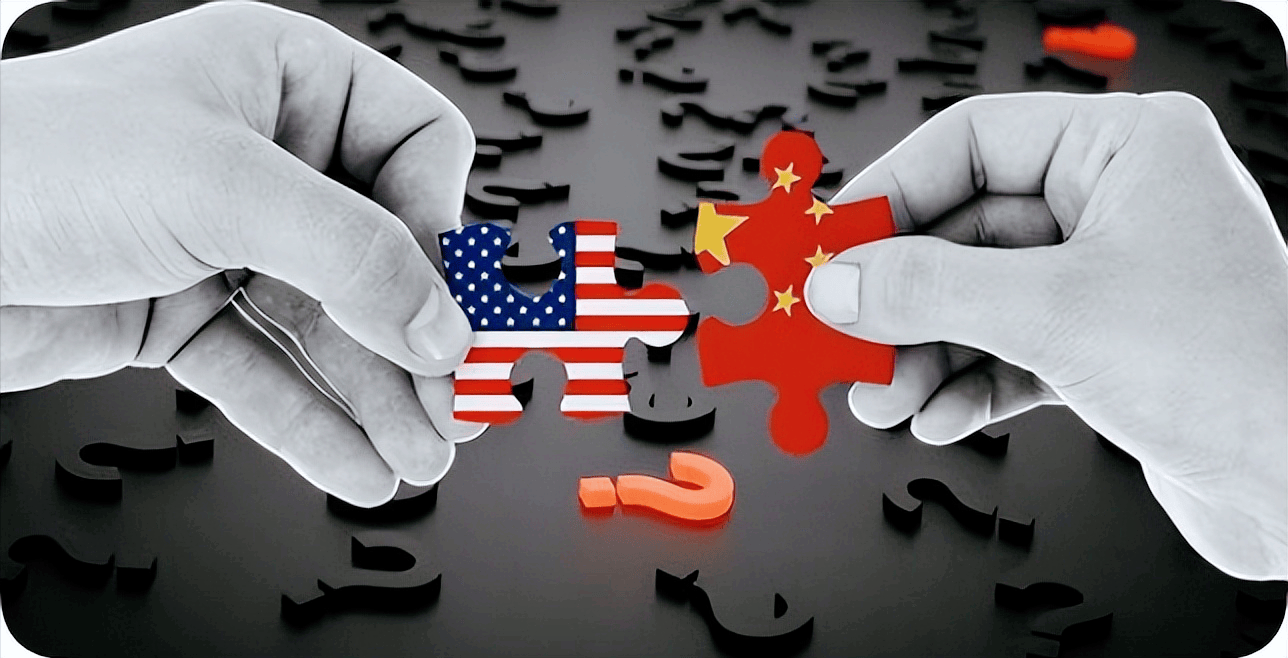
中美关税战暂缓,稀有金属管制为什么不放开?
Sou Hu Cai Jing· 2025-05-20 03:04
Core Viewpoint - The ongoing trade negotiations between China and the U.S. reveal a complex interplay of tariffs and resource control, particularly concerning rare metals, which are critical for modern industries and military applications [1][3][5]. Group 1: Tariff and Trade Dynamics - The U.S. has canceled 91% of tariffs on Chinese imports, but retains a 10% "base tariff" on key sectors like semiconductors, indicating a strategic approach to maintain leverage in technology [3]. - China's rare earth exports have significantly decreased, with a 37% year-on-year drop in the first four months of 2025, and exports of tungsten to the U.S. have reached zero [3][5]. - The trade negotiations are not merely about tariffs but represent a broader "resource war," where control over rare metals is seen as crucial for technological and military supremacy [3][5]. Group 2: Strategic Importance of Rare Metals - Rare metals such as tungsten, tellurium, and indium are essential for various high-tech applications, including military hardware and renewable energy technologies [5][9]. - China holds a dominant position in the global supply of these metals, with 72% of tungsten, 83% of rare earths, and 95% of indium reserves, giving it significant leverage in negotiations [5][9]. - The strategic value of these metals is underscored by their critical roles in advanced military systems, such as the guidance systems of intercontinental missiles and components of fighter jets [5][9]. Group 3: Future Resource Strategies - China is implementing a comprehensive strategy to secure its resource supply chain, including establishing strategic reserves and controlling the entire production process from mining to processing [9]. - The country is actively investing in overseas mining operations to ensure a steady supply of critical materials, which could further enhance its bargaining power in future negotiations [9]. - The ongoing developments suggest that while tariffs may be paused, the underlying competition for resource control will continue to intensify, impacting global supply chains and geopolitical dynamics [1][9].

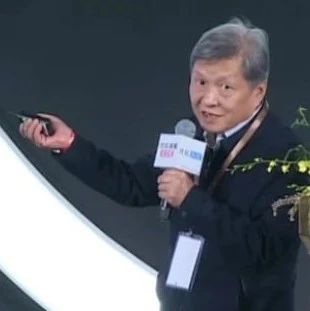
福耀科技大学校长发问:如果梁文锋读博士,还有今天的DeepSeek吗?
第一财经· 2025-05-17 10:53
Core Viewpoint - The article emphasizes the need for a transformation in university education to keep pace with societal changes and technological advancements, particularly in the context of the Fourth Industrial Revolution and artificial intelligence [2][3][4]. Group 1: Education Reform - The current educational system is criticized for being outdated and not aligning with the rapid changes in society and technology [3]. - The president of Fuyao University, Wang Shuguo, argues that traditional education methods are insufficient and advocates for allowing students to explore their potential without unnecessary constraints [3][4]. - There is a call to break down barriers between universities and society, promoting direct dialogue and collaboration to foster innovation and practical skills [3][4]. Group 2: Role of Technology - The rapid development of technologies, including AI, is reshaping the educational landscape, with AI potentially outperforming human educators in certain aspects [3][4]. - By 2035, a significant transition from old to new knowledge systems is anticipated, with the next decade expected to produce a wave of talented individuals contributing to societal progress [4]. Group 3: Interdisciplinary Approach - Wang Shuguo highlights the importance of integrating humanities and social sciences with natural sciences, arguing that neglecting the former could lead to detrimental consequences for civilization [4]. - The article stresses that both fields are essential for addressing the challenges posed by new technologies and ensuring their benefits are maximized while minimizing harm [4].
大学校长发问:如果梁文锋读博士,还有今天的DeepSeek吗?
Di Yi Cai Jing· 2025-05-17 08:41
Group 1 - The core idea is that the traditional university education model is outdated and needs to adapt to the rapid changes brought by the Fourth Industrial Revolution and new technologies like artificial intelligence [1][2] - The president of Fuyao University, Wang Shuguo, emphasizes that the role of universities should shift from merely imparting knowledge to enabling students to transform that knowledge into practical skills [2][3] - There is a call for breaking down barriers between universities and society, advocating for direct dialogue and collaboration to foster innovation and technological advancement [2][3] Group 2 - Wang Shuguo predicts that by 2035, a transition from old knowledge systems to new ones will be largely completed, with the next decade expected to produce a significant number of talented individuals contributing to societal progress [3] - The relationship between humanities and sciences is highlighted as crucial, with a warning against neglecting social sciences, which play a vital role in addressing the implications of new technologies [3]

向儒安:三化引领 质赢未来:探索工程机械行业高质量发展新路径
工程机械杂志· 2025-05-16 03:01
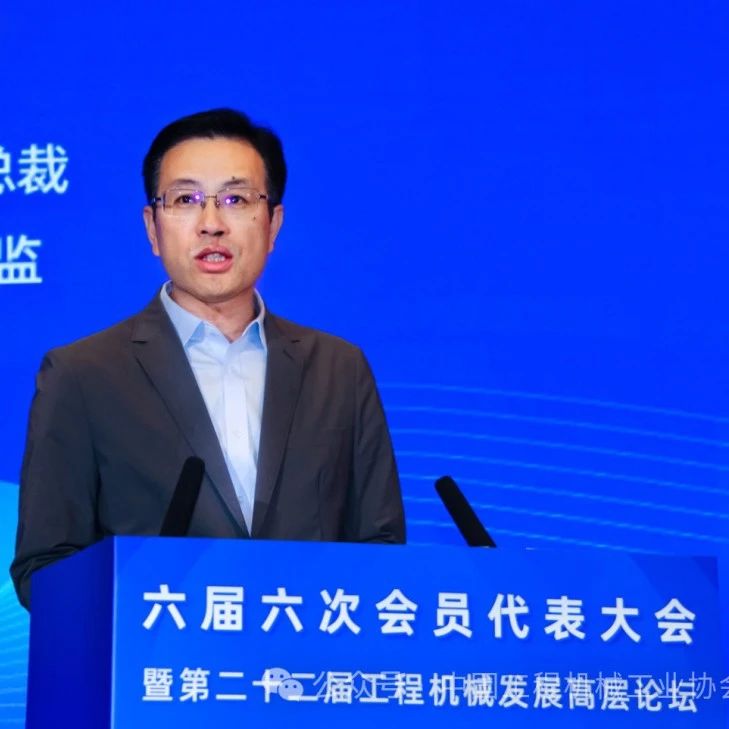
Core Viewpoint - The engineering machinery industry is currently facing more opportunities than challenges, driven by the Chinese Dream and the dual revolutions of the Fourth Industrial Revolution and the Third Energy Revolution [3][4]. Group 1: Industry Opportunities - The Chinese market is the largest single market globally, presenting significant potential for growth [3]. - The rapid development of new technologies, such as AI, is reshaping global development patterns, while the Third Energy Revolution is expected to create new economic growth engines [3]. Group 2: Industry Challenges - The industry faces challenges from global changes, including geopolitical instability and rising protectionism, which have weakened global growth momentum [4]. - The current era is characterized by uncertainty and complexity, leading to potential "black swan" and "gray rhino" events [4]. - The transition of the Chinese economy is causing market downturns and intensified competition, making traditional high-margin business models less viable [4]. Group 3: Strategic Initiatives - The company has proposed a new strategy focusing on globalization, digitalization, and low-carbon development to explore new paths for high-quality development in the engineering machinery sector [4][5]. - Globalization efforts include establishing a sustainable global operating capability with over 400 overseas subsidiaries and a localization rate of nearly 70% for overseas personnel [6][7]. - Digital transformation is viewed as a critical strategic shift, with initiatives to enhance smart manufacturing and product innovation [7][8]. Group 4: Digitalization and Smart Manufacturing - The company has completed the smart manufacturing upgrade of all traditional factories, achieving a leading position in the industry [8][9]. - Smart products and operational efficiencies are being developed through comprehensive data collection and analysis, exemplified by the "excavator index" as an economic indicator [9][10]. Group 5: Low-Carbon Development - The company is committed to becoming a leader in low-carbon and electric products, with significant advancements in electric machinery and related technologies [10][11]. - A dual approach to low-carbon development focuses on product electrification and the expansion of renewable energy sectors, including wind, solar, and hydrogen [11]. Group 6: Quality and Safety in Development - High-quality development emphasizes safety, with a focus on efficiency, brand value, and long-term sustainability [12][14]. - The company advocates for a collective industry commitment to quality, aiming to elevate the standards of Chinese engineering machinery on a global scale [19][20].

从车厘子到光伏电站,中拉经贸让“地球两端”不再遥远
Di Yi Cai Jing· 2025-05-15 14:11
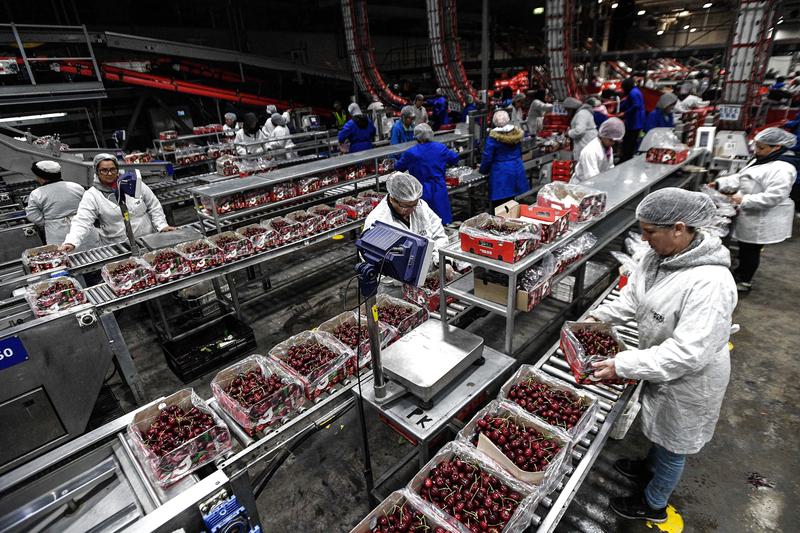
Core Insights - China has become the second-largest trading partner for Latin America and the Caribbean, with a strong focus on agricultural products such as Ecuadorian shrimp, Chilean cherries, and Brazilian beef [1][8] - The recent China-Latin America and Caribbean Countries Forum held in Beijing resulted in over 100 cooperation projects for the next three years, indicating a deepening economic relationship [1][3] Trade Dynamics - The trade volume between China and Latin America reached $518.467 billion in 2024, with imports from Latin America amounting to $241.466 billion, reflecting a 46% increase over five years [8] - Chilean cherries have become a significant import, with exports to China exceeding $3.091 billion in 2024, over 90% of which are directed to the Chinese market [4][5] Emerging Opportunities - The cooperation between China and Latin America is shifting towards emerging sectors such as renewable energy and artificial intelligence, driven by China's advancements in these areas and Latin America's interest in participating in the Fourth Industrial Revolution [3] - The establishment of the "Belt and Road" initiative has further strengthened infrastructure cooperation, with significant projects like the Bogotá Metro and the construction of the Chancay Port in Peru enhancing trade logistics [9][10][11] Agricultural Products - Latin American agricultural products are increasingly popular in China, with Chile being the second-largest source of fresh fruit imports, particularly cherries, which benefit from seasonal advantages [4][5] - Peru's unique products, such as the Amaryllis flower, have gained traction in the Chinese market, supported by favorable trade agreements that reduce tariffs on imports [5] Future Prospects - The expansion of visa-free travel for citizens of Brazil, Argentina, Chile, Peru, and Uruguay starting in 2025 is expected to facilitate greater people-to-people exchanges and enhance bilateral cooperation [13] - The ongoing trade relationship is projected to continue growing, with trade volumes expected to surpass $510 billion in 2024, doubling since the establishment of the China-Latin America Forum [13]
全球前驱体市场:2024-2031稳步增长,中国市场规模扩张占比将超26%
QYResearch· 2025-05-14 08:56
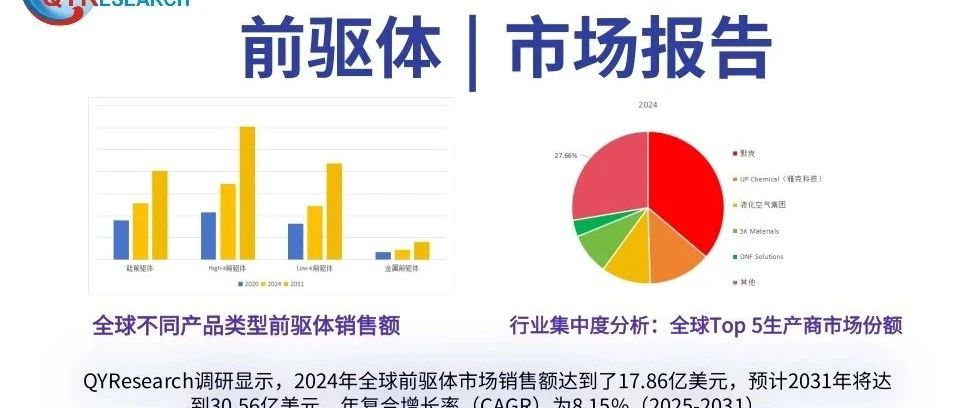
Core Viewpoint - The precursor market in the semiconductor industry is experiencing significant growth driven by increasing demand for high-purity and high-stability materials essential for advanced chip manufacturing processes [1][5]. Group 1: Current Status of the Precursor Industry - The production of semiconductor precursors requires highly specialized technology and knowledge across chemical synthesis, materials science, and semiconductor processes [3]. - Rapid innovation is necessary as the semiconductor industry evolves quickly, necessitating close collaboration between precursor manufacturers and semiconductor producers to meet new demands [3]. - Quality control is critical, with manufacturers needing to establish strict systems to ensure the purity, stability, and consistency of precursors [3]. - There is a growing demand for customized precursors tailored to specific processes and applications, requiring manufacturers to work closely with clients [3]. Group 2: Development Trends of Precursors - There is an increasing requirement for high purity and stability in precursors due to the shrinking size and enhanced performance of semiconductor devices [4]. - New types of precursors are being developed to meet the needs of next-generation semiconductor devices, including those for two-dimensional materials and novel memory applications [4]. - The trend towards atomic layer deposition (ALD) necessitates the development of more precise precursors to achieve higher atomic layer control and film uniformity [4]. - Precursors must be adaptable to both high-temperature and low-temperature applications, with a focus on developing suitable low-temperature precursors for film growth [4]. Group 3: Global Precursor Market Analysis - The global precursor market is projected to reach $1.786 billion in sales by 2024 and $3.056 billion by 2031, with a compound annual growth rate (CAGR) of 8.15% from 2025 to 2031 [7]. - The Chinese precursor market is expected to grow from $380.21 million in 2024 (21.28% of the global market) to $812.66 million by 2031 (26.59% of the global market) [7]. - Taiwan is currently the largest consumer market for precursors, with a projected market share of 28.58% in 2024, followed by South Korea and mainland China [7]. - Europe is the largest production region for precursors, holding a 50.32% market share in 2024, while mainland China is expected to experience the fastest growth [7]. Group 4: Product and Application Insights - High-k precursors are expected to hold a significant market share, projected to reach 38.62% of revenue by 2031 [10]. - The PVD/CVD/ALD applications are anticipated to account for approximately 91.99% of revenue in 2024, with a CAGR of about 8.34% in the coming years [10]. Group 5: Key Manufacturers - Major global precursor manufacturers include Merck, UP Chemical, Air Liquide, SK Materials, DNF, SoulBrain, and others [13][17]. - The report provides insights into the production capacity, sales volume, revenue, and market share of these key players [15].
英伟达(NVDA.US)、微软(MSFT.US)领衔!Wedbush发布“定义AI未来30强”科技股名单
智通财经网· 2025-05-12 03:01
Core Viewpoint - Wedbush identifies 30 technology companies that will define the future landscape of artificial intelligence (AI), including major players from both the US and China, such as Apple, Nvidia, Alibaba, and Baidu [1] Group 1: AI Investment and Market Dynamics - The AI investment wave, estimated at $2 trillion, began with the emergence of ChatGPT in late 2022, with Nvidia being the dominant force in the AI chip market [1] - Analysts estimate that for every $1 spent on Nvidia, an economic multiplier effect of $8 to $10 is generated across other tech ecosystems [2] - The initial phase of AI deployment is centered around Nvidia chips and cloud service giants, with Microsoft leading the cloud services sector [2] Group 2: Key Companies in AI Revolution - The report categorizes companies into six major categories, including: - **Hyperscale Computing Companies**: Microsoft, Google, Amazon, Oracle [4] - **Software Companies**: Palantir, Salesforce, IBM, ServiceNow, Snowflake, Adobe, Pegasystems, MongoDB, C3.ai, Elastic, Innodata, SoundHound AI [4] - **Consumer Internet Companies**: Apple, Meta, Alibaba, Baidu [5] - **Cybersecurity Companies**: Palo Alto Networks, Zscaler, CyberArk [6] - **Autonomous Driving and Robotics Companies**: Tesla, Oklo [7] - **Semiconductor and Hardware Companies**: Nvidia, AMD, TSMC, Broadcom, Micron Technology [8] Group 3: Future Outlook and Trends - The software sector is encouraged to join the AI revolution, with a significant increase in AI use cases expected by 2025, marking a transition to enterprise-level AI consumption [8] - The growth of AI use cases is anticipated to drive a technological transformation led by software and chips, influencing tech development beyond 2025 [9]

基石资本董事长张维:中美有“代差”的硬科技产业是未来投资方向
Zhong Guo Ji Jin Bao· 2025-04-29 14:39
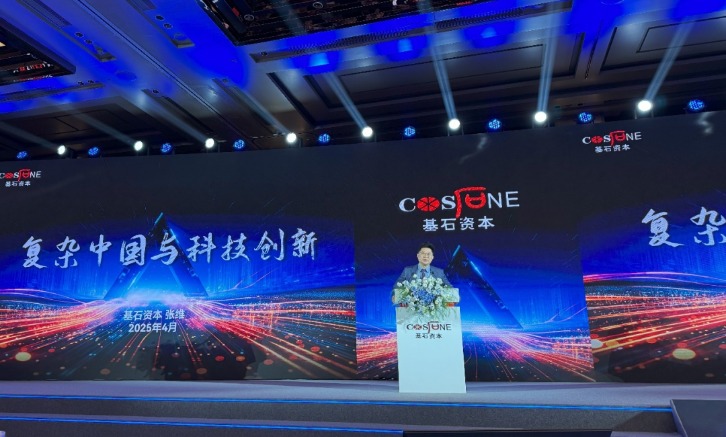
日前,由基石资本主办的"2025中国苏州企业家峰会——变局"在苏州举行。大会上,基石资本董事长张 维以《复杂中国与科技创新》为题进行了主旨演讲。 张维表示,宇树科技机器人的巨大成功,体现了中国低成本、高效率、快速响应的大规模制造能力,这 几乎是全世界所独有的。用国外学者的说法,中国是世界唯一的制造业超级大国。但中国在"卡脖子"产 业方面与国际先进水平还存在差距。 中美之间的科技差距,正是科技创新的方向,也是投资的方向。张维说,基石资本的投资策略,科技进 步是主线,中美有代差存在"卡脖子"问题的硬科技产业是投资方向。会在其中寻找标杆企业,寻找有优 秀企业家掌舵的企业。 长期关注并多次公开评论新能源汽车产业,张维在此次大会上再度进行点评。张维给出了新能源汽车下 半场的预判,他总结为"五杰对一雄",即国内的传统汽车品牌比亚迪、奇瑞、吉利,科技与消费电子巨 头华为和小米,以及海外造车新势力特斯拉。 作为硬科技投资大咖,张维表示,真正"做多中国"的本质不在于买卖股票,而是创造有利于创新创业的 社会环境,推动经济发展与科技进步。他认为,要通过建立良好的法治体系和产权机制,最大限度地调 动全社会的能动性,激发和保护企业家精 ...




基石资本张维,最新发声
Zhong Guo Ji Jin Bao· 2025-04-29 13:46
Group 1: Investment Direction and Strategy - The core investment direction is in hard technology industries where there is a "gap" between China and the U.S., particularly in sectors facing "bottleneck" issues [1][9] - The investment strategy of the company focuses on technological advancement as the main line, seeking benchmark enterprises led by outstanding entrepreneurs [9][10] - The company emphasizes the importance of creating a favorable social environment for innovation and entrepreneurship, rather than merely trading stocks [2][13] Group 2: Manufacturing and Export Achievements - China is recognized as the world's only manufacturing superpower, with a manufacturing output accounting for 35% of the global total, significantly surpassing the U.S., Japan, and Germany [5][6] - In 2023, China became the world's largest automobile exporter, and in 2024, integrated circuits became the largest single export product, reaching an export value of $159.5 billion [3][5] - Despite the growth in chip exports, China still faces a significant trade deficit in integrated circuits, indicating a low self-sufficiency rate in high-end chips [3][6] Group 3: New Energy Vehicle Market Outlook - The future landscape of the new energy vehicle market is summarized as "Five Giants vs. One Hero," identifying key players such as BYD, Chery, Geely, Huawei, Xiaomi, and Tesla [11][12] - Current production capacity in the domestic new energy vehicle sector exceeds demand, with a utilization rate of only 54% [11] - The company believes that as the new energy vehicle industry matures, efficiency and cost-effectiveness will become critical for survival [11][12] Group 4: Technological Innovation and Market Dynamics - The company highlights the historical opportunity for China's technology industry due to macroeconomic changes and the ongoing fourth industrial revolution [7][8] - There is a significant development space in information technology in China, with the sector's market share at 15.62% compared to the U.S. at 23.49% [10] - The company has invested in various sectors, including AI, robotics, and semiconductor industries, to capitalize on the opportunities presented by technological advancements [10]