
贸易保护主义

Search documents
【展望二〇二六】推动全球经济在调整中前行
Sou Hu Cai Jing· 2026-02-08 23:18
从制造业看,中国物流与采购联合会数据显示,2025年全球制造业采购经理指数(PMI)均值为 49.6%,较2024年上升0.3个百分点,表明全球制造业恢复力度虽仍然偏弱,但略好于上年。特别是2025 年12月,全球制造业PMI为49.5%,连续10个月运行在49%至50%的区间内,显示出全球制造业复苏动 能持续小幅放缓,维持弱势复苏格局。 区域表现方面呈现明显分化趋势。2025年12月,亚洲制造业PMI升至51%以上,非洲制造业PMI也升至 50%以上,欧洲和美洲制造业PMI则均在50%以下,特别是美洲制造业PMI降至48%以下,显示出美洲 制造业弱势进一步下行。这种区域分化预示,2026年全球经济发展将面临不平衡的挑战。 通胀出现明显缓和。联合国贸发会议最新报告指出,全球通胀已从2021年至2023年的高峰回落,2025年 全球通胀率约为3.4%。这一趋势为各国央行提供了更多政策空间,但价格水平依然处于高位,生活成 本上升继续侵蚀低收入群体的购买力。其中,食品、能源和住房价格的累计涨幅仍然显著。 贸易方面,2025年全球贸易在不利政策环境下仍然实现3.8%的增长,表现好于预期。然而这背后存在 关税政策带来的 ...
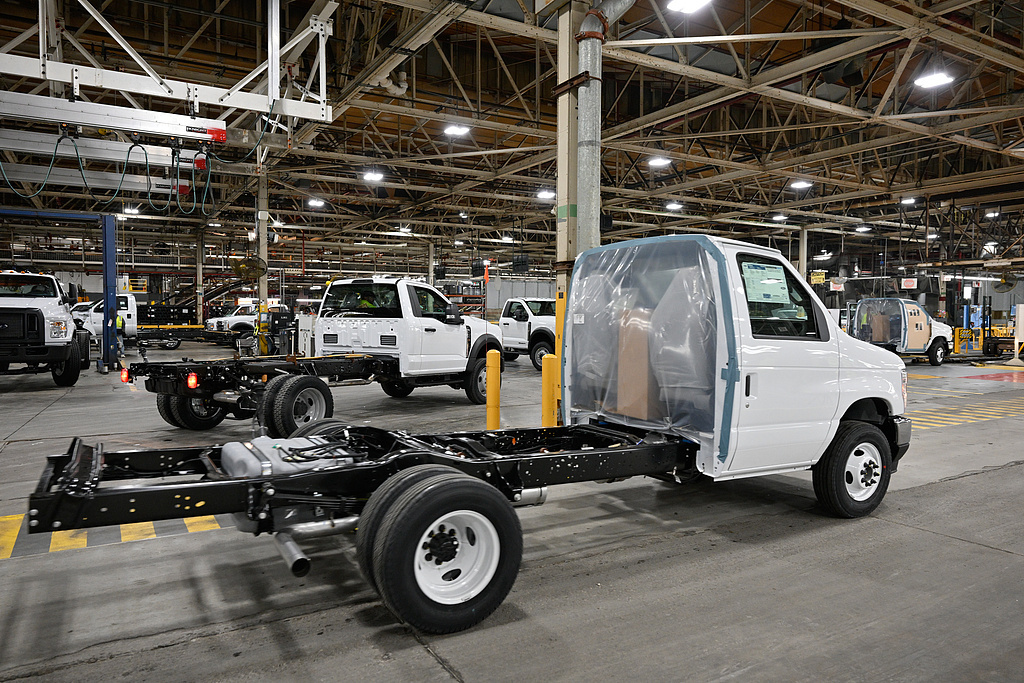
财经观察:加征关税近一年,美制造业陷困局
Huan Qiu Shi Bao· 2026-02-08 23:00
Core Viewpoint - The anticipated manufacturing resurgence in the U.S. due to tariffs has not materialized, with manufacturing employment declining and investment in the sector decreasing significantly [1][2]. Group 1: Manufacturing Employment and Economic Indicators - U.S. manufacturing employment has fallen to its lowest point since the end of the pandemic, with a loss of 68,000 jobs over the past year and over 200,000 jobs lost since 2023 [1]. - The factory activity index has contracted for 26 consecutive months, indicating a persistent decline in manufacturing activity [2]. - Despite a recent increase in the PMI index from 47.9 to 52.6, analysts caution that this improvement may be temporary due to ongoing uncertainties in trade policies [2]. Group 2: Impact of Tariffs on Manufacturing - Tariffs have led to a 20% decrease in capital spending for new manufacturing plants, counteracting government efforts to encourage industrialization [2]. - The imposition of tariffs has raised costs for foreign intermediate goods, forcing companies to increase prices and leading to layoffs [2]. - High tariffs on semiconductors and other advanced manufacturing inputs have disproportionately affected high-tech industries, resulting in significant job losses [4]. Group 3: Investment Climate and Global Trends - The uncertainty surrounding U.S. trade policies has led to a stagnation in investment, with many executives labeling the past year as one of investment paralysis [3]. - Other countries are moving forward with trade agreements independent of the U.S., potentially undermining the competitiveness of American industries [3]. - Major companies like Volkswagen have paused significant investment plans in the U.S. due to the adverse effects of tariffs and an unpredictable trade environment [6]. Group 4: Skills and Workforce Challenges - The U.S. manufacturing sector is facing a shortage of skilled labor, with a reported shortfall of 600,000 factory workers and 500,000 construction workers [9]. - The transition from manufacturing to R&D and marketing has led to a decline in essential manufacturing skills, complicating efforts to revitalize the sector [7][9]. - The need for skilled labor and engineers is critical for the success of any manufacturing resurgence, but the development of such talent requires time and investment [10].

中国赢得关键裁决 有力守护全球经贸秩序
Xin Lang Cai Jing· 2026-02-08 04:02
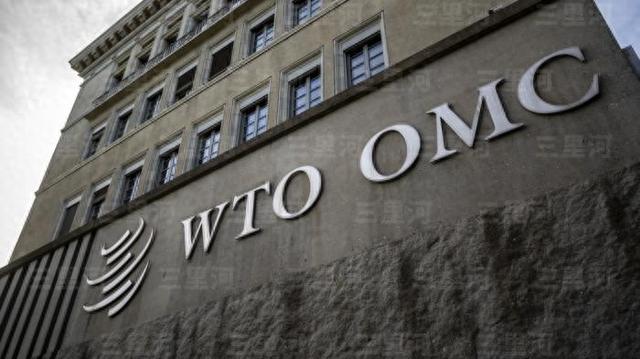
Core Viewpoint - The World Trade Organization (WTO) ruled in favor of China in a dispute against the U.S. regarding the Inflation Reduction Act, stating that U.S. clean energy subsidies violate WTO rules and ordering the U.S. to eliminate these subsidies [1][4]. Group 1: Legal and Trade Implications - The ruling represents a significant legal victory for China, highlighting that U.S. actions violate the principle of national treatment and the WTO's prohibition on import substitution subsidies [4]. - This case serves as a precedent for other members, enhancing the confidence of developing and least developed countries in the multilateral trading system [4]. - The ruling demonstrates China's ability to leverage international trade rules to protect its interests, providing effective support for future trade protection cases [4]. Group 2: Impact on Clean Energy Industry - The victory preserves fair competition for China's clean energy industry in overseas markets, which has been facing challenges from trade protectionism [5]. - The ruling supports China's ongoing efforts in green manufacturing and renewable energy, reinforcing its leading position in these sectors [5]. - The decision is seen as a countermeasure against the rising trend of green protectionism, emphasizing that green goals should not serve as a pretext for discriminatory subsidies [6]. Group 3: Global Trade Dynamics - The U.S. response to the ruling has been to deny the validity of the decision, claiming that existing WTO rules do not address issues like overcapacity [6]. - The U.S. approach undermines the collaborative potential of the global clean energy supply chain, potentially leading to increased trade disputes [6]. - The ruling is viewed as a necessary step to curb the spread of green protectionism, advocating for fair and rule-based green development [6].
20万股民彻夜难眠!千亿中国“新能源”巨头,遭欧盟调查!
Sou Hu Cai Jing· 2026-02-06 09:16
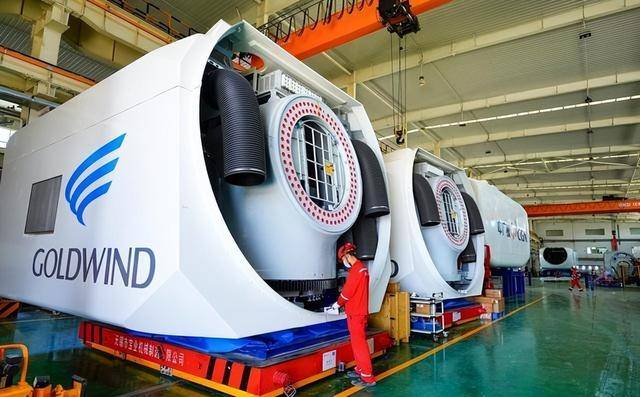
2026年2月4日,对于盯着盘面的朋友来说,这天过得真叫人心惊肉跳。A股这边的金风科技看着还算稳 当,微涨不到0.5%。谁能想到,真正的"大雷"埋在了港股收盘那会儿。 下午4点一过,金风科技H股突然大跳水,一口气跌没了6%还多。咱们算算账,这家公司A股加港股的 总市值可是1036亿元。这么一摔,背后那20万股东,今晚怕是心里七上八下,觉都睡不踏实了。 事出反常必有妖。坏消息是从大洋彼岸传来的:欧盟正式宣布要调查金风科技。他们给出的理由还是老 一套,怀疑金风科技拿了政府补贴,"扭曲"了欧洲市场。 外交部的回应特别提气。发言人直接点破:欧盟这么频繁地挥舞单边经贸大棒,搞歧视性限制,释放的 信号就是保护主义。这坏的是欧盟自己的形象,冷的是中国企业去投资的心。 针对中国风电企业,欧盟这回干的事,像极了"过河拆桥"。 风电出口欧洲,本质上是咱们帮他们搞建设。中国企业助力欧洲能源转型,贡献摆在那里。现在反手就 是一个调查,让人心里发凉。这调查要是拖到2027年秋季才出结果,悬在头上的剑才最吓人。最坏的结 果,可能要求剥离资产、限制业务,甚至设计门槛把中国企业挡在门外。 据欧盟中国商会的消息,这几年欧方这种折腾,已经让中国 ...

加行利率不变美加压制加元
Jin Tou Wang· 2026-02-06 02:44
加拿大2025年四季度经济产出停滞,失业率维持6.8%高位,内需疲软叠加出口萎缩拖累基本面。美国 当前对加拿大平均关税升至5.9%,已导致其出口萎缩。 美联储近期释放鹰派信号,推动美元指数反弹(2月3日涨0.67%收于97.635),压制加元走势。市场对美联 储降息预期推迟至2026年6月,年内预计降息54个基点。2024年10月以来美加利差扩大1个百分点致加元 贬值1%,虽近期利差边际收敛,但加拿大疲软基本面难以转化为支撑。 加元与国际原油价格相关性达0.7,原油出口是其核心支撑。前期中东地缘紧张推高WTI原油至65美元/ 桶上方,为加元提供短期支撑;但2月以来美伊谈判缓和,WTI原油四连跌累计超5%,现价回落至62美 元/桶,削弱加元支撑。 中长期看,IEA预测2026年全球原油需求仅增0.8%,叠加美国拟重启委内瑞拉原油进口,加剧供应过剩 压力;不过加拿大总理计划访亚推动原油出口多元化,有望缓解加元中长期贬值压力。 今日(2026年2月6日),加元汇率窄幅震荡,多空博弈明显。1月28日,加拿大央行连续第二次维持基准 利率2.25%不变(银行利率2.5%、存款利率2.20%),符合市场预期。央行表示,全球 ...
欧盟对中企不当调查损人不利己
Jing Ji Ri Bao· 2026-02-05 22:08
Group 1 - The European Union has initiated an investigation against a Chinese wind power company under the Foreign Subsidies Regulation (FSR), citing concerns over government subsidies distorting competition in the EU market, which signals a protectionist stance that harms Chinese companies and affects the EU's investment environment and market credibility [1] - The FSR, implemented in 2023, aims to review the impact of foreign subsidies on fair competition in the EU market; however, the investigation appears to disproportionately target Chinese firms, deviating from the claimed principles of non-discrimination and transparency [1] - The FSR investigation is causing significant harm to Chinese enterprises operating in Europe, with complex procedures, lengthy timelines, and high compliance costs leading to uncertainty and limiting fair participation in EU public procurement [1] Group 2 - The global economic recovery is struggling, and the EU urgently needs new growth drivers; the wind power and renewable energy sectors are key areas for Sino-European cooperation and are vital for the EU's economic development and green transition [2] - China's rapid development in the renewable energy sector is attributed to a complete and efficient industrial chain, increased investment in technological innovation, cost advantages from scale, and efficiency improvements driven by market competition, contributing positively to Europe's energy transition and economic growth [2] - Maintaining an open market and adhering to non-discrimination and transparency principles align with the long-term interests of both China and the EU, and the continued unilateral use of trade tools by the EU could undermine the foundation of cooperation between the two economies [2]
欧委会对中国风电企业启动《外国补贴条例》深入调查,中方:强烈不满
Shang Wu Bu Wang Zhan· 2026-02-05 14:54
欧方相关调查泛化"外国补贴",存在立案证据不足、程序不透明等诸多问题,是典型的以"公平竞 争"之名行"保护主义"之实。2025年1月,商务部经调查,已依法认定欧方相关做法构成贸易投资壁垒。 欧方不仅没有纠正,反而在错误的道路上越走越远。 2月4日,商务部新闻发言人就欧委会对中国风电企业启动《外国补贴条例》深入调查答记者问。 中国风电等绿色产业企业依靠持续的技术创新、完善的产业体系和充分的市场竞争,为全球应对气 候变化提供优质绿色产品,作出积极贡献。欧方滥用调查,不仅严重干扰中欧产业互利合作,影响中国 企业赴欧投资的信心,还将迟滞自身乃至全球绿色转型的进程。 有记者问:近日,欧委会宣布,根据《外国补贴条例》(FSR),对中国风电企业启动深入调查。 请问中方对此有何评论? 中方一贯主张通过对话协商解决分歧,反对将经贸问题政治化、泛安全化。我们敦促欧方立即纠正 错误做法,慎用FSR单边调查工具,为中欧合作创造公平、公正、可预期的市场环境。中方将密切关注 后续进展,并采取必要措施坚决维护中国企业正当权益。 答:中方注意到有关情况。近期,欧方频繁使用《外国补贴条例》调查工具对中国企业发起调查, 还将对风电、安检设备企业 ...
特朗普牵头,31国赴美同谋反华,中国风电巨头被查,林剑反将一军
Sou Hu Cai Jing· 2026-02-05 11:40
最近,在美国牵头下,欧盟、英国、韩国等31国赴美开了一个会,叫"关键矿产盟友伙伴俱乐部",这场 会的目标很明确,就是要打造一条"去中国化"的关键矿产供应链,那它们为什么要这么做? 美国人给出了解释,说如果有"一国占据某一行业的绝对优势地位",就可能通过向市场大量倾销,这样 一来,其他国家的相关产业就会遭到毁灭性打击,这潜台词就是,在美国看来,中国有摧毁全球任何国 家稀土产业的能力,这是在通过渲染所谓的中国威胁,来团结盟友。 其实明眼人都能看出来,这就是美国的借口。中国从来没有故意向市场倾销稀土,一直都是按照市场规 律正常出口,而且中国一直都是负责任的大国,从来不会用资源去卡其他国家的脖子。 美国这么说,本质上就是想拉拢盟友,一起打造自己的关键矿产供应链,摆脱对中国的依赖,同时遏制 中国的发展,保住自己的霸权地位。 为了实现这个目的,美国还准备了一套所谓的"组合拳"。第一个办法,就是想在这31个盟友之间,搞关 键矿产的零关税。 意思就是,这些国家之间互相买卖稀土等关键矿产,不用交关税,这样一来,它们之间调运资源就更方 便、更便宜了,不用因为交税而增加成本,能更快地搭建起它们自己的供应链。 第二个办法,就是给这些 ...
观察者网对话王帆教授:中美博弈,美国会输在这两点
Xin Lang Cai Jing· 2026-02-05 05:51
观察者网"2026答案秀·思想者春晚"于2026年1月17日、18日在全平台直播,外交学院前院长王帆从可口 可乐的故事讲起,全面解读了中美关系的过去和未来。 会后,观察者网新闻中心主编与王帆教授就中美关系等问题,展开了更为深入的对话。中国作为"第一 工业国",具有怎样的优势,试图"再工业化"的美国能否如愿?对于中美博弈的前景,王帆指出"封闭斗 不过开放,阻断打不过联通"。 王帆教授在"2026答案秀·思想者春晚"上演讲 观察者网:非常感谢来到观察者网"2026答案秀·思想者春晚"。我是2009年回国的,当时就在思考回国 之后会怎样。我的判断是,中美关系肯定会恶化,但同时判断中国一定能赢。 为什么呢?因为当时中国制造业增加值,已经是世界第二,按趋势来说,马上就能成为世界第一,果然 2010年就实现了。我判断的依据是,人类在真正进入现代工业社会后,"第一工业国"没有输过,比如失 败者德国、苏联没有真正成为第一工业国,英国由于自己规模的局限,自然地把"第一工业国"让给了美 国,世界地位的滑落也将成为必然。 但在当年,我也不敢公开"中国不会输"的判断,甚至到2018年打贸易战,我在小范围里面讲了讲,仍有 人怀有疑问。 ...

商务部回应欧方对中国风电企业启动外国补贴条例深入调查
Zhong Guo Zheng Quan Bao· 2026-02-04 20:29
发言人指出,欧方相关调查泛化"外国补贴",存在立案证据不足、程序不透明等诸多问题,是典型的 以"公平竞争"之名行"保护主义"之实。2025年1月,商务部经调查,已依法认定欧方相关做法构成贸易 投资壁垒。欧方不仅没有纠正,反而在错误的道路上越走越远。 发言人说,中国风电等绿色产业企业依靠持续的技术创新、完善的产业体系和充分的市场竞争,为全球 应对气候变化提供优质绿色产品,作出积极贡献。欧方滥用调查,不仅严重干扰中欧产业互利合作,影 响中国企业赴欧投资的信心,还将迟滞自身乃至全球绿色转型的进程。 ● 新华社北京2月4日电 商务部新闻发言人4日表示,欧方频繁使用《外国补贴条例》调查工具对中国企业发起调查,还将对风 电、安检设备企业的调查升级为深入调查,具有明显针对性和歧视性,中方对此高度关切,强烈不满。 有记者问:近日,欧委会宣布,根据《外国补贴条例》(FSR),对中国风电企业启动深入调查。请问 中方对此有何评论?商务部发言人对此作出回应。 发言人表示,中方一贯主张通过对话协商解决分歧,反对将经贸问题政治化、泛安全化。我们敦促欧方 立即纠正错误做法,慎用FSR单边调查工具,为中欧合作创造公平、公正、可预期的市场环境 ...