绿色低碳

Search documents
约5.8亿辆!世界骑行日“骑”乐无穷
Xin Hua She· 2025-09-17 13:01
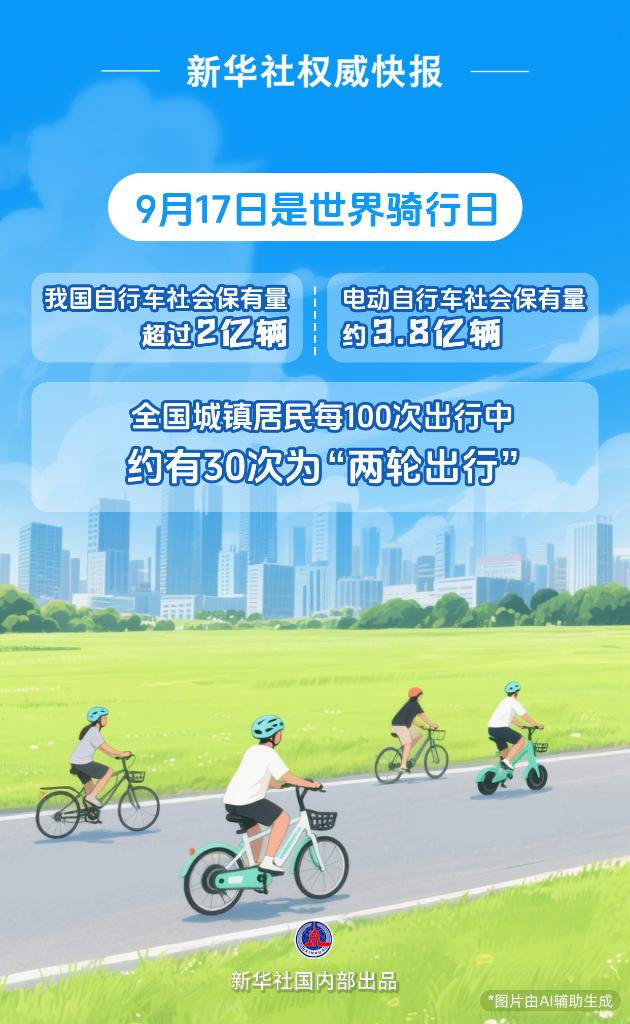
Core Insights - The article highlights the significance of cycling and electric bicycles in China, emphasizing their environmental benefits and the growing market for these vehicles [1][2][3] Group 1: Market Overview - China's total bicycle and electric bicycle ownership is approximately 580 million, with over 200 million bicycles and around 380 million electric bicycles [1] - Urban residents in China engage in "two-wheel travel" about 30 times out of every 100 trips [1] Group 2: Environmental Impact - Daily carbon emissions reduced by "two-wheel travel" in China are approximately 10,000 tons, equivalent to saving about 6.6 million liters of gasoline based on an 8-liter fuel consumption per 100 kilometers [2] - Electric bicycles contribute to reducing harmful pollutants like PM2.5, aiding in energy conservation and improving air quality [2] Group 3: Technological Advancements - China has made significant advancements in bicycle manufacturing, particularly in the production of gear shifters, which were previously dominated by foreign manufacturers [2] - The country now possesses its own brand of gear shifters, overcoming previous technological barriers [2] Group 4: Export Growth - In the first seven months of the year, China exported 29.863 million bicycles, marking a year-on-year increase of 10.3% [3] - The export value reached $1.654 billion, reflecting a 4.7% increase, while the total export value of components was $2.086 billion, up by 14.2% [3] Group 5: Future Outlook - The bicycle industry in China is positioned for further growth, driven by green initiatives, innovation, and an open market approach [3]
新华鲜报丨约5.8亿辆!世界骑行日“骑”乐无穷
Xin Hua Wang· 2025-09-17 12:54
Core Insights - The current social ownership of bicycles and electric bicycles in China is approximately 580 million units, with over 200 million bicycles and about 380 million electric bicycles. Urban residents make approximately 30 out of every 100 trips using two-wheeled transportation [1] - Cycling is recognized as a green, low-carbon, and healthy mode of transport, producing virtually no carbon dioxide emissions [3] Environmental Impact - Daily carbon emissions reduced by two-wheeled transportation in China amount to approximately 10,000 tons, equivalent to saving about 6.6 million liters of gasoline based on an 8-liter fuel consumption per 100 kilometers. Electric bicycles also significantly reduce harmful pollutants like PM2.5, contributing to lower energy consumption and improved air quality [4] Industry Development - China is a major bicycle manufacturing country, with significant advancements in technology. The country has overcome previous barriers in producing bicycle gear systems, which were predominantly manufactured by foreign companies. Now, domestic brands have developed their own gear systems [4] - Technological innovations have made cycling more appealing, with advancements such as lightweight 3D-printed titanium alloy frames, smart goggles that adjust to light conditions, and bicycles equipped with navigation and heart rate monitoring features [5] Export Growth - In the first seven months of this year, China exported 29.863 million bicycles, a year-on-year increase of 10.3%. The export value reached $1.654 billion, up 4.7%, while the total export value of components was $2.086 billion, reflecting a 14.2% increase [5] Future Outlook - The bicycle industry in China is poised for further growth, driven by a focus on green initiatives, innovation, and openness to international markets [5]

超600亿!两地储能项目集中签约
行家说储能· 2025-09-17 11:27
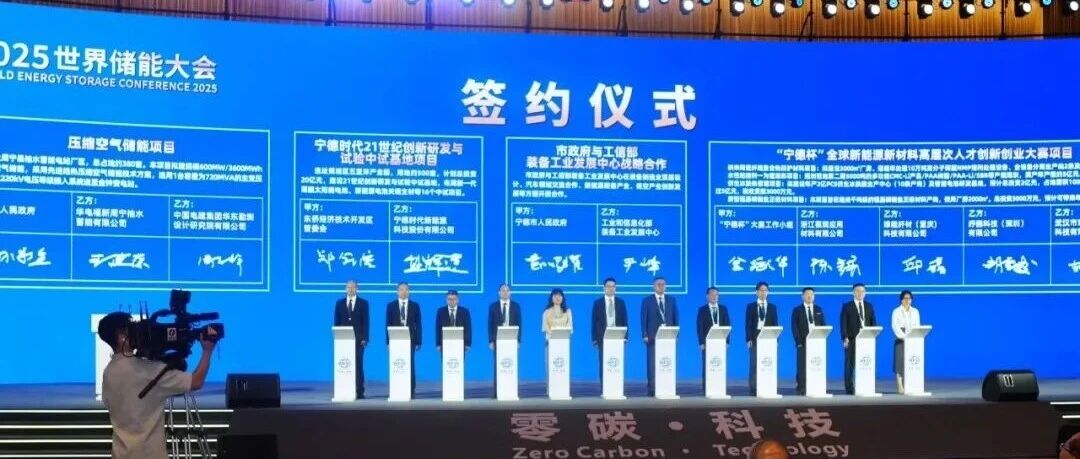
Key Points - The article highlights two significant energy storage events that have garnered industry attention, including the signing of 22 projects with a total investment of 36.7 billion yuan at the World Energy Storage Conference in Ningde and 54 projects with an investment of 30.155 billion yuan in Yulin [1][2][7] Group 1: Ningde Projects - At the World Energy Storage Conference in Ningde, 22 new industrial projects were announced, with a total expected investment of 36.7 billion yuan, including 14 manufacturing projects, 2 research projects, and 6 technology innovation projects [2] - Key projects include: - A 200MW/400MWh independent energy storage power station in Zherong County, with an investment of 500 million yuan [4] - A 200MW/400MWh independent energy storage project in Shouning, with a planned investment of 500 million yuan and an expected annual output value of 150 million yuan [5] - A low-carbon smart integrated zero-carbon park demonstration project in Fu'an, with an investment of 4 billion yuan [5] - A new generation of energy battery production line project in Biaocheng, with a total investment of 6.5 billion yuan and an expected annual output value of 20 to 25 billion yuan [6] Group 2: Yulin Projects - In Yulin, 54 key projects were signed, attracting a total investment of 30.155 billion yuan [7] - Among these, 15 projects related to the hydrogen energy industry chain were signed, accounting for 10.427 billion yuan, or one-third of the total investment [9] - Notable projects include: - The Shenmu Chun'anrui independent energy storage power station project, with a capacity of 200MW/400MWh [9]

服贸会展示能源新未来:园区不断归“零” CCUS与氢能成焦点
Zhong Guo Neng Yuan Wang· 2025-09-17 02:52
Group 1: Event Overview - The 2025 China International Service Trade Fair (CIFTIS) is being held at Shougang Park in Beijing, showcasing innovations in green energy, circular economy, and new materials [1] - The event features a focus on environmental services, with companies presenting cutting-edge technologies and solutions for green low-carbon development [1] Group 2: Key Technologies and Innovations - Solid-state batteries showcased at the event demonstrate stable power supply even after being cut, highlighting advancements in battery safety [6] - BOE's "zero-carbon house" converts sunlight into electricity, representing a revolutionary shift from energy consumption to energy production [1][4] - Huawei's liquid-cooled ultra-fast charging technology aims to address long charging times for electric vehicles, with a charging station capable of delivering "one kilometer per second" [5] Group 3: Major Industry Players - China's major oil companies, including Sinopec, PetroChina, and CNOOC, are transitioning from traditional oil and gas suppliers to comprehensive energy service providers, focusing on hydrogen energy and CCUS technologies [2][3] - Sinopec has showcased its latest achievements in hydrogen energy, CCUS, geothermal, wind and solar green electricity, and biofuels [2] - CNOOC has implemented over 400 energy-saving and low-carbon projects since the 14th Five-Year Plan, achieving energy savings of 1.04 million tons of standard coal and reducing carbon emissions by 3.15 million tons of CO2 equivalent [2] Group 4: Zero-Carbon Solutions - The "Zero-Carbon Park Solution Pavilion" features over ten companies presenting comprehensive zero-carbon solutions, including distributed photovoltaic power systems [7] - Beijing Huamao Center achieved 100% green electricity operation in 2024, reducing carbon emissions by 24,000 tons [8] - The AI-powered waste incineration system presented by Chaoyang Environmental Group addresses long-standing technical challenges in the industry [7] Group 5: Market Trends and Future Outlook - The event reflects a shift from showcasing technologies to facilitating transactions, with green technologies becoming more accessible and tradeable [9] - Companies are transforming green productivity into tradeable and replicable solutions, breaking down technologies into modular components for global buyers [9]



小米科技董事长雷军:智能引擎 提升金砖“含金量”
Sou Hu Cai Jing· 2025-09-17 01:56
Core Viewpoint - Xiaomi's market share in BRICS countries reached 16.7% in the first half of the year, highlighting the company's growth potential in emerging markets [3][4] Group 1: Innovation and Technology - Xiaomi is leveraging AI to conduct over 10 million simulation tests to identify the optimal alloy formula for its automotive production, showcasing its commitment to integrating AI into manufacturing [4] - The company emphasizes the importance of innovation, smart empowerment, and green transformation for achieving high-quality development in the context of a new industrial revolution [3][7] Group 2: Global Collaboration and Market Expansion - Xiaomi aims to collaborate with partners in BRICS and other emerging markets to adapt product development, manufacturing, and services to local market needs, facilitating the local implementation of global technology [5] - The company is accelerating its international expansion, with plans to enter the home appliance market in Africa and Latin America this quarter [5] Group 3: Sustainable Development - Xiaomi has implemented renewable energy solutions, such as solar power, in its factories to create a green supply chain and enhance energy efficiency [7] - The company is developing its own electric vehicle, the SU7, which features a highly efficient motor and battery management system, achieving a power consumption of only 11.5 kWh per 100 kilometers [7]

绿色低碳相关产业受到关注
Orient Securities· 2025-09-17 01:45
Investment Rating - The industry investment rating is maintained as "Positive" [5] Core Viewpoints - The green low-carbon related industries, including green methanol, bio-aviation fuel, and green polyester, are gaining market attention due to their vast market potential and the need for sustainable development [8] - The green polyester sector is particularly favored as new technologies are expected to drive rapid growth, allowing for the replacement of virgin materials and opening up significant new market opportunities [8] Summary by Sections Investment Recommendations and Targets - The report recommends buying shares of Wan Kai New Materials (301216), which is well-positioned in the green polyester industry. Other recommended stocks include Sinopec (600028), Hengli Petrochemical (600346), Rongsheng Petrochemical (002493), Wanhua Chemical (600309), and Huayi Group (600623) due to expected recovery in the petrochemical and chemical sectors driven by "anti-involution" policies. Additionally, it suggests buying shares of pesticide formulation companies such as Runfeng Co., Ltd. (301035), Guoguang Co., Ltd. (002749), and Hailier (603639) [3]




九牧集团出席2025金砖国家新工业革命伙伴关系论坛,同台小米雷军
Sou Hu Cai Jing· 2025-09-17 01:11
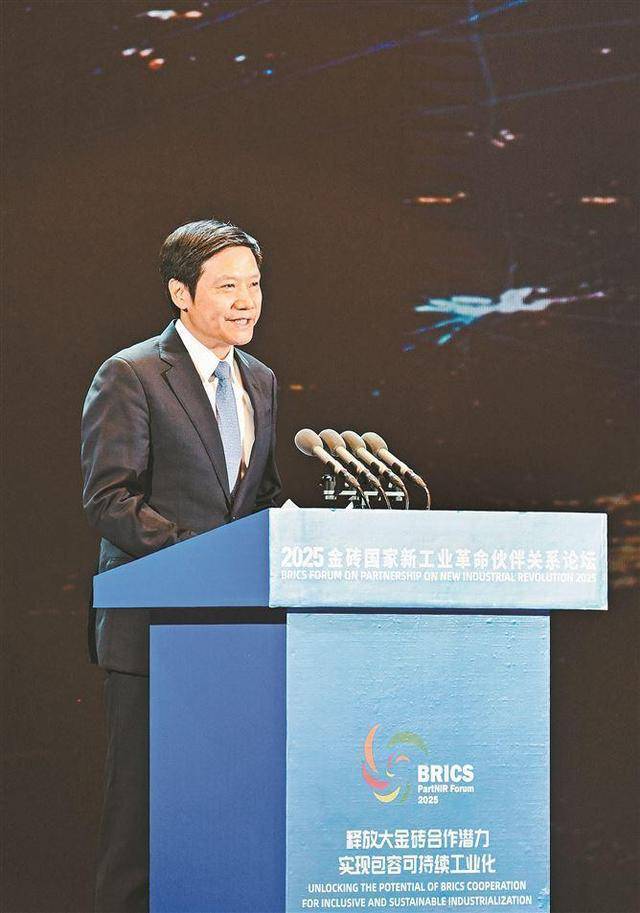
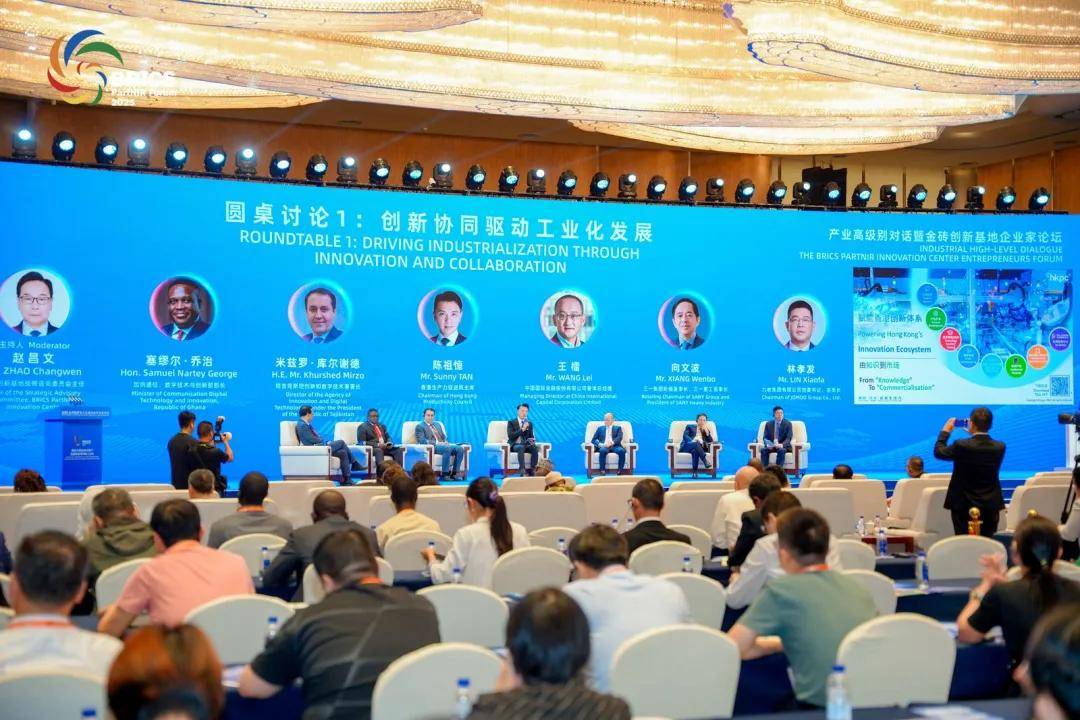
9月16日,2025金砖国家新工业革命伙伴关系论坛在厦门隆重开幕。作为行业唯一企业代表,九牧集团董事长与中国移动杨杰、小米集团雷军、360集团周 鸿祎、三一重工向文波等知名企业家共同受邀出席本次论坛开幕式。当天下午,九牧集团还受邀参加"产业高级别对话暨金砖创新基地企业家论坛",分享 九牧在新型工业制造领域的创新成果与实践经验,这为全球新型工业化进程贡献中国智慧和九牧方案。 据悉,本次论坛主题为"释放大金砖合作潜力 实现包容可持续工业化",由工业和信息化部、福建省人民政府共同主办,金砖国家新工业革命伙伴关系创 新基地、厦门市人民政府、福建省工业和信息化厅、工业和信息化部国际经济技术合作中心共同承办。 为落实习近平主席关于推动"大金砖合作"高质量发展的重要指示精神,本次论坛聚焦人工智能、绿色低碳、数字经济、产业创新等领域,为国内外政产学 研搭建交流平台,促进各国产业政策对接协调,助力企业拓展合作机会,吸引了包括巴西、俄罗斯等新老金砖国家和哈萨克斯坦、古巴、尼日利亚等伙伴 国共34个国家政府部门和产业界代表,以及联合国工业发展组织、新开发银行等有关国际组织代表齐聚鹭岛共谋未来。 在以"创新协同驱动工业化发展"为主题 ...
山东发布标志性产业链技术需求
Da Zhong Ri Bao· 2025-09-17 01:02
Core Insights - The event "2025 Advanced Technology Achievements Transformation Shandong Tour (Weifang)" was held on September 16, focusing on collaboration between key universities and local industries [2] - A total of 348 technology demands from Shandong's emblematic industrial chains were released, with over 70% (272 items) related to key core technologies [2] - The technology demands cover advanced materials and new energy equipment, aiming to overcome industrial bottlenecks through joint R&D, technology introduction, and talent sharing [2] - There are 52 demands related to digital transformation and intelligent upgrades, including solutions for smart factories, AI quality inspection, and digital twins [2] - Additionally, 24 demands focus on green low-carbon and safety improvements in key sectors like steel and chemicals, promoting sustainable industrial development [2] - The event also facilitated the establishment of technology transfer centers and awarded cooperation units for talent recruitment and employment [2]
中国—东盟建筑科技展:搭建国际交流桥梁共享区域合作发展新机遇
Zhong Guo Jing Ji Wang· 2025-09-17 00:36
Core Viewpoint - The China-ASEAN Construction Technology Expo showcases innovations and future cooperation in the construction sector, emphasizing smart construction, digital applications, and green low-carbon initiatives [1] Group 1: Event Overview - The expo is part of the 2025 China-ASEAN Construction Ministers' Roundtable Meeting, themed "Building the Future Together" [1] - It features seven exhibition areas, including smart construction and urban development, highlighting collaborative achievements between China and ASEAN [1] - Over 60 companies participated, with 41 from China, including several Fortune 500 and leading industry firms, and 22 from ASEAN countries [1] Group 2: Company Focus - China Gas - China Gas is the largest and earliest city gas enterprise in Guangxi, with nearly 15,000 kilometers of pipeline and over 3 million users [2] - The company aims to extend its services beyond gas supply to home living services, showcasing innovations in home comfort and safety [2] - The company signals its intention to expand into Southeast Asian markets, aligning with Guangxi's role as a gateway for cooperation with ASEAN [2]
2025年智能马桶行业趋势:从功能革新向“静、净、省”场景升级
艾瑞咨询· 2025-09-17 00:06
Core Insights - The article emphasizes the evolution of smart toilets from basic flushing tools to comprehensive home smart terminals that integrate comfort, hygiene, intelligence, energy efficiency, and safety. The industry is moving towards personalized, intelligent, and convenient user experiences, with a focus on three core trends: quiet operation, cleanliness, and energy conservation [1]. Group 1: User Pain Points - Users face several pain points with current smart toilets, including inadequate cleaning and flushing performance, especially in high-rise buildings or low water pressure environments. Some products are noisy during operation, disturbing family members at night [2]. - There is insufficient splash and odor prevention in many entry-level or traditional products, leading to hygiene issues and poor air quality in bathrooms [2]. - Health and safety concerns are prominent, with issues such as water quality degradation in storage tanks and potential electric shock risks from inadequate waterproofing [2]. - The convenience of use is lacking, with some products having non-adjustable sensor lid functions that lead to frequent misactivations [2][4]. Group 2: New Consumer Trends - The rise of smart home technology has made smart toilets a key product for bathroom upgrades, with consumers focusing on comfort, convenience, and hygiene. Over 50% of users consider multi-temperature water and seat adjustments essential, particularly in winter [5]. - Nearly 44% of users prioritize the reliability and timeliness of automatic flushing, while about 32% are concerned with the sensitivity of sensor lids, especially among the elderly and those with mobility issues [5]. - Hygiene is a core concern, with 53% of users emphasizing the importance of features that reduce bacterial residue, such as antibacterial coatings and foam shields [5]. Group 3: Advancements in Smart Toilets - Smart toilets are entering a new phase characterized by quieter operation, enhanced cleanliness, and energy efficiency. Innovations include siphon and vortex silent flushing systems, lid closing noise reduction, and night mode features that significantly lower noise levels [6][8]. - The built-in foam shield technology effectively addresses traditional pain points related to aesthetics, space usage, and hygiene, with nearly 90% of users focusing on this feature during purchase decisions [9]. - Energy-saving technologies are becoming a focal point, with dual-flush systems intelligently adjusting water usage based on waste type, and temperature controls that reduce energy consumption by 30%-50% [10]. Group 4: Case Studies of Innovation - The industry is witnessing significant technological breakthroughs aimed at enhancing user experience, particularly in cleanliness and noise reduction. Traditional flushing methods are being challenged by new systems that promise silent and thorough cleaning [11][12]. - JOMOO Group has pioneered a flip-flush technology that utilizes smart motors and non-spray structures, achieving ultra-quiet operation at 38 decibels and a 99% odor removal rate, thus redefining user experience in smart toilets [12].