资产配置

Search documents
A股结构性行情纵深发展 FOF基金提供新解题思路
Jiang Nan Shi Bao· 2025-10-15 13:22
Core Viewpoint - The A-share market has shown significant structural trends this year, leading to increased interest in FOF products, particularly those aimed at stable asset appreciation, as investors face challenges in timing, selection, and allocation [1] Group 1: FOF Product Overview - FOF products offer a wide range of asset selection, allowing for effective risk hedging through low correlation among different assets, thereby smoothing portfolio volatility and enhancing the investment experience [1] - The ICBC Value Stable 6-Month Holding Mixed (FOF) fund focuses on global asset allocation, diversifying investments across equities, commodities, and bonds to mitigate risk [2][3] - The fund maintains an equity position of around 20% since its inception, reflecting its "fixed income +" strategy aimed at achieving stable returns while controlling volatility [1][2] Group 2: Performance Metrics - As of September 30, the ICBC Value Stable 6-Month Holding Mixed (FOF) fund achieved a year-to-date return of 7.19%, significantly outperforming its benchmark of 2.11% [2] - The fund ranks favorably among its peers over various time frames, including 8th out of 69 in the past year and 6th out of 32 over three years [2] Group 3: Dynamic Adjustment Strategy - The fund exhibits flexible dynamic adjustment capabilities, frequently altering its internal structure while maintaining a stable overall equity position [3] - Adjustments include reducing small-cap fund exposure and increasing allocations to value and overseas QDII funds, as well as adapting to market fluctuations by reallocating to A-shares and Hong Kong stocks [3] Group 4: Investment Strategy and Management - The fund employs a "core + satellite" strategy, with over 80% of its top ten holdings in stable core positions, primarily in pure bond products and external bond QDII funds [4] - The successful performance of the fund is attributed to the collaboration of fund managers and a robust FOF research system, focusing on absolute returns and risk management [4][5] Group 5: Historical Performance Data - The ICBC Value Stable 6-Month Holding Mixed (FOF) fund has shown varying net value growth rates from 2022 to 2024, with rates of -1.34%, -1.72%, and 4.95% respectively, compared to benchmark returns of 0.71%, 3.23%, and 8.30% [6]
黄金基金ETF(518800)午后涨超2%,市场关注避险需求与配置价值
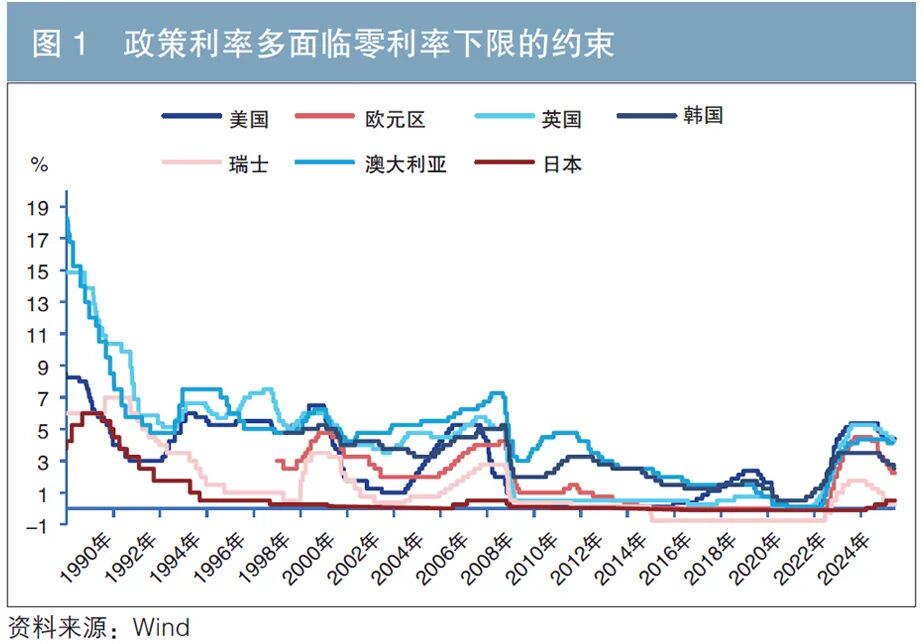
Mei Ri Jing Ji Xin Wen· 2025-10-15 13:18
Group 1 - Gold plays a significant role in asset allocation as a diversification and risk-hedging tool, with optimal allocation averaging 18% from 1972 to 2014, particularly yielding an annual return of 16.2% when inflation exceeds 5% [1] - In the current environment of high global debt, low real interest rates, and geopolitical uncertainty, gold's strategic value as a non-correlated asset is highlighted, shifting asset allocation paradigms from "fixed income+" to "gold+" [1] - The core logic for gold's price increase is linked to the re-evaluation of dollar credit, particularly post-Ukraine crisis, where insufficient safe-haven assets and doubts about the Federal Reserve's credibility are significant factors [1] Group 2 - The Gold ETF (518800) holds physical gold contracts traded on the Shanghai Gold Exchange, directly corresponding to the physical gold stored in the exchange's vaults, making investment in the ETF equivalent to direct investment in physical gold [1] - The price movements of the Gold ETF closely follow the AU9999 spot contracts, which represent domestic gold prices, with a requirement that at least 90% of the fund's assets must be held in physical gold [1]
冲上热搜!金价狂飙!有人净赚100万
Sou Hu Cai Jing· 2025-10-15 12:57
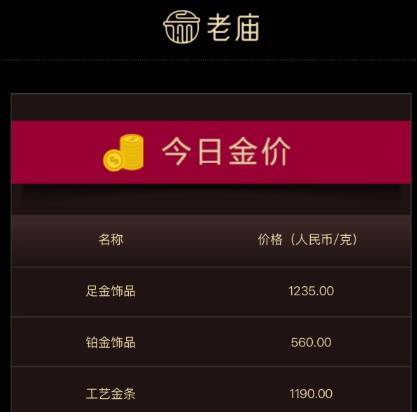
Core Viewpoint - International gold prices have reached historic highs, with COMEX gold surpassing $4200 per ounce and London spot gold exceeding $4180 per ounce, reflecting a significant upward trend in the market [1][6]. Price Movements - As of October 15, COMEX gold peaked at $4205.8 per ounce, marking a maximum increase of 1.02%, while London spot gold reached $4186.8 per ounce with a maximum increase of 1.09% [1]. - Since the beginning of October, gold prices have surged over $300, representing an approximate 8% increase [1]. Domestic Market Impact - The rise in international gold prices has led to an increase in domestic gold jewelry prices, with notable price hikes for major brands: Chow Tai Fook's gold jewelry price rose from 1215 RMB per gram to 1235 RMB, a 20 RMB increase; Chow Sang Sang's price increased from 1213 RMB to 1227 RMB, a 14 RMB increase; and Lao Feng Xiang's price went from 1206 RMB to 1230 RMB, a 24 RMB increase [1][2]. Investment Trends - The current gold price surge has prompted increased activity in both investment and recovery markets, with reports of long queues at gold exchange points and a significant rise in customer inquiries for gold recovery services [5]. - A notable case involved a man in Yantai who sold 2 kilograms of gold bars, netting a profit of over 1 million RMB, highlighting the lucrative nature of gold investments amid rising prices [5]. Future Price Predictions - Investment institutions remain optimistic about gold prices, with Morgan Stanley predicting prices could reach $4500 per ounce by the second half of 2026, while Goldman Sachs has raised its forecast for December 2026 from $4300 to $4900 per ounce, indicating a potential 23% increase [6][7]. - Factors supporting this bullish outlook include continued central bank purchases and inflows into gold ETFs, which are expected to contribute significantly to price increases [7].

从“选人”到“配置”,浦银安盛张川谈工业化时代的FOF破局
2 1 Shi Ji Jing Ji Bao Dao· 2025-10-15 11:32
Core Viewpoint - The global market is entering a critical policy window, with a focus on potential interest rate cuts from the Federal Reserve, while investors are exploring multi-asset allocation strategies to convert risks into wealth opportunities [1] Group 1: Market Outlook - Zhang Chuan, head of FOF business at Puyin Ansheng Fund, expresses a long-term positive outlook on A-shares and Hong Kong stocks, driven by AI computing power and industrial capital expenditure, despite potential short-term volatility [1][8] - The long-term liquidity of overseas equity assets may improve in the context of the Fed restarting its rate cut cycle, although the US stock market may enter a consolidation phase after continuous upward movement [1][9] - Gold is expected to face short-term upward pressure but is projected to rise in the long term due to global economic uncertainties, geopolitical conflicts, and ongoing central bank purchases [1][8] Group 2: Investment Philosophy - Zhang emphasizes a systematic investment philosophy focused on risk management before asset allocation, aiming to provide sustainable and stable returns in a low-interest-rate environment [2][5] - The transition from a "heroic era" of asset management to a systematic and industrialized approach is highlighted, with a focus on multi-asset allocation as a key growth area for asset management institutions [3][4] Group 3: Asset Allocation Framework - A four-step asset allocation framework is proposed: asset selection and positioning, strategic asset allocation, tactical adjustments, and attribution iteration, aimed at creating a transparent and efficient investment experience [7][8] - The framework categorizes assets into "winning assets" (e.g., bonds) that provide safety and "odds assets" that enhance portfolio sharpness, balancing volatility [6][8] Group 4: Current Market Positioning - The current market is viewed as a "period of resonance improvement" between Chinese and American liquidity, leading to an overweight position on A-shares, Hong Kong stocks, and overseas equities [8][9] - Caution is advised regarding bond assets, which are seen as lacking short-term directional opportunities, while US Treasuries are viewed with skepticism due to liquidity and quota constraints [9]
博时基金2025年四季度投资联席会明日重磅开启,共同探讨“乐观其势 力展其长”
Quan Jing Wang· 2025-10-15 09:31
Group 1 - The core event is the "Optimistic Trends and Long-term Strategies" investment conference hosted by Bosera Fund on October 16, 2025, focusing on macro trends and asset allocation strategies for the fourth quarter [1] - The conference will feature both morning and afternoon sessions, gathering insights from internal and external experts to provide deep insights and forward guidance for investors [1] Group 2 - The morning session will focus on macroeconomic strategies, featuring presentations from leading economists on topics such as the current economic landscape and future asset allocation directions for 2026 [2] - Key discussions will include monetary policy directions and industry investment outlooks, with insights from analysts on sectors like pharmaceuticals, retail, and chemicals [2] Group 3 - The afternoon session will delve into the "Fixed Income Plus" strategy, with presentations from Bosera Fund's mixed asset investment team on new macro paradigms and systematic investment applications [3] - Specific topics will include the role of convertible bonds in "Fixed Income Plus" strategies and practical applications in technology, manufacturing, and new consumption sectors [3] - The overall aim of the conference is to provide valuable references for investors' asset allocation and investment decisions in the second half of the year [3]

现货黄金突破4200美元,银行积存金门槛一年四涨
2 1 Shi Ji Jing Ji Bao Dao· 2025-10-15 07:53
Core Viewpoint - The price of gold has reached new highs, with spot gold exceeding $4,200 per ounce and domestic gold jewelry prices rising significantly, indicating a strong demand and market interest in gold investments [1][3][5]. Group 1: Gold Price Trends - As of October 15, spot gold prices have increased by over 1%, with multiple instances of surpassing $4,200 per ounce [1]. - The price of gold has shown a remarkable increase since the beginning of 2023, with a year-to-date rise of over 55%, reaching a historical high of 960 yuan per gram [5]. - The gold jewelry market is experiencing strong performance, with brands like Chow Tai Fook reporting prices exceeding 1,000 yuan per gram, leading to consumer concerns about affordability [6]. Group 2: Bank Adjustments and Consumer Behavior - In response to rising gold prices, banks are frequently raising the minimum purchase thresholds for gold accumulation products, with China Bank increasing the minimum from 850 yuan to 950 yuan, marking the fourth adjustment this year [3][11]. - Other banks, such as Ningbo Bank and Industrial and Commercial Bank of China, have also raised their minimum purchase amounts, reflecting a trend among financial institutions to manage the influx of retail investors [11][12]. - Many ordinary investors are shifting their strategies, with some opting to wait for potential price corrections before purchasing gold, indicating a cautious approach amidst the price surge [9]. Group 3: Market Outlook and Investment Strategies - Analysts suggest that the current environment remains favorable for gold investment, driven by factors such as inflation expectations, geopolitical uncertainties, and seasonal demand from countries like India and China [14][15]. - Despite the bullish outlook, there are warnings about potential short-term corrections, with suggestions for investors to adopt a strategy of "buying on dips" rather than chasing high prices [14][15]. - The recommended allocation for gold in an investment portfolio is around 7%, emphasizing the importance of balanced asset distribution to mitigate risks associated with speculative investments [15].
金价继续狂飙!一男子变现2公斤金条净赚100万
Sou Hu Cai Jing· 2025-10-15 03:14
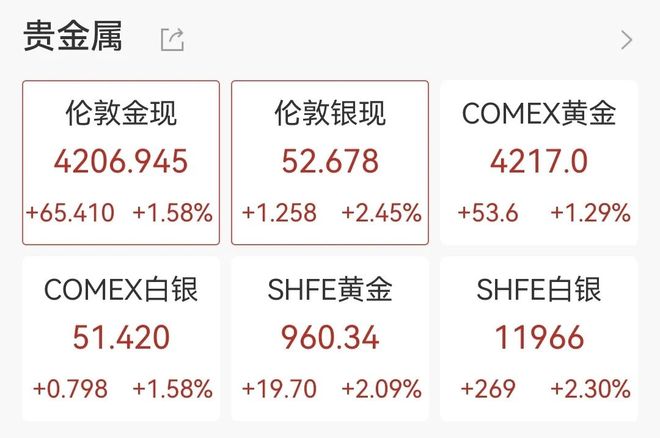
Group 1 - Gold prices reached a historical high, with futures hitting $4200 per ounce and spot gold reaching $4179.92 per ounce, marking an increase of 0.88% and nearly 0.9% respectively [1] - The price of gold jewelry has surged, with brands like Lao Miao and Chow Tai Fook reporting prices of 1235 RMB per gram, reflecting the rising gold market [1][2] - A notable case involved an individual selling 2 kilograms of gold bars for a profit of over 1 million RMB, highlighting the lucrative nature of gold investments as prices have increased by over 57% this year [2] Group 2 - Investment institutions have raised their gold price forecasts, with predictions suggesting that gold could reach $4200 per ounce in the coming months, and Morgan Stanley forecasting $4500 per ounce by mid-2026 [3][4] - Goldman Sachs has increased its forecast for gold prices in December 2026 from $4300 to $4900 per ounce, indicating a potential upside of approximately 23% [4] - Central bank purchases and inflows into gold ETFs are expected to support gold prices, with projections of monthly purchases of 80 tons and 70 tons in 2025 and 2026 respectively [4]
告别“躺平”利息,你的存款或许可以“动”起来了!
Zhong Guo Ji Jin Bao· 2025-10-15 00:37
Core Viewpoint - The current market environment post-National Day indicates a shift in investment strategies, with a diminishing safety net from bond markets and increasing difficulty in equity markets, necessitating a focus on asset allocation and risk management [1] Bond Market Analysis - The risk-free returns in the bond market are being reshaped due to the onset of a Federal Reserve rate cut cycle and a simultaneous loosening of domestic interest rates, leading to lower yields on 10-year government bonds [1] - The reliance on high coupon rates for stable returns is becoming less viable, indicating a thinner safety cushion for pure bond assets [1] Equity Market Analysis - The investment difficulty in equity markets is rising, characterized by high volatility and rapid rotations, making it challenging to achieve returns by betting on a single sector [1] - The traditional stock-bond balancing effect is weakening, suggesting a need for diversified asset allocation strategies [1] Investment Product Overview - The upcoming 富国智悦稳健 90-day holding period mixed FOF (A class: 025509, C class: 025510) aims to address the current market challenges by combining high-quality pure bond funds with multi-asset allocations to enhance returns [1] - This FOF will be managed by experienced multi-asset fund manager Zhang Ziyan, with a focus on fostering rational investment habits through a 90-day holding period [1] Asset Allocation Strategy - The FOF employs a "core + satellite" strategy, using bonds as the core to stabilize the base while flexibly allocating a small portion to other assets for enhanced returns and risk diversification [5] - Potential allocations include: - Equities (5%-30%): To capture potential gains during economic recovery and market optimism, benefiting from the complementary risk characteristics of stocks and bonds [7] - Commodities (up to 10%): Primarily focusing on gold ETFs as a hedge against market uncertainties [7] - Overseas investments (up to 20%): Utilizing QDII funds to invest in global markets, thereby reducing reliance on a single economy and capturing unique industry advantages [7] Performance Metrics - The偏债混合型FOF index has shown a cumulative increase of 29.5% from January 2019 to June 2025, outperforming various other indices, indicating a favorable risk-return profile [1] - The FOF product is gaining traction among conservative investors, with its scale increasing from 26.6 billion to 51 billion in the first half of the year, reflecting a nearly 92% growth [7] Fund Manager Profile - Zhang Ziyan, the proposed fund manager, has 14 years of experience in the securities industry and 6 years in fund management, demonstrating a strong track record in asset allocation and fund selection [9] - His previous fund, 富国智浦稳进 12-month holding period FOF, has significantly outperformed its benchmark, showcasing his effective execution of a "stable foundation, moderate enhancement" strategy [9][12]

告别“躺平”利息,你的存款或许可以“动”起来了!
中国基金报· 2025-10-15 00:32
Core Insights - The bond market's risk-free returns are being reshaped due to the onset of the Federal Reserve's interest rate cut cycle and a simultaneous loosening of domestic interest rates, making traditional bond investments less attractive [1][2] - The equity market is experiencing increased investment difficulty characterized by high volatility and rapid rotations, making it challenging to rely solely on a single asset class for returns [3][4] Bond Market Analysis - The safety net provided by pure bond assets is diminishing, indicating a narrowing space for stable returns from high coupon rates [2] - The proposed investment strategy emphasizes a high allocation to fixed income assets, particularly short-duration, high-grade credit bonds, to mitigate volatility and manage interest rate risks effectively [5][6] Investment Strategy - The 富国智悦稳健90天持有期混合型FOF (A类: 025509, C类: 025510) is designed to address current market challenges by combining a solid fixed income foundation with diversified asset allocation to enhance returns [3][9] - The fund employs a "core + satellite" strategy, using bonds as the core to stabilize the portfolio while allocating a portion to equities and commodities for additional yield and risk diversification [9][10] Performance Metrics - The 万得偏债混合型FOF指数 has shown a cumulative increase of 29.5% from January 2019 to June 2025, outperforming various other indices, indicating a favorable risk-return profile for fixed income-focused strategies [5][11] Fund Management - The fund will be managed by Zhang Ziyan, a seasoned fund manager with 14 years of experience, who will focus on dynamic asset allocation and selecting top-performing sub-funds [12][18] - Historical performance of Zhang's other funds demonstrates a strong ability to navigate market fluctuations, with notable outperformance during periods of market stress [15][17]

专辑丨长端利率突破2%后的市场运行规律——基于跨国比较的经验研究
Xin Lang Cai Jing· 2025-10-14 23:01
Core Viewpoint - The article discusses the market dynamics following the long-term interest rates breaking below 2%, highlighting the asymmetric characteristics of this decline in developed economies and suggesting a potential shift towards a prolonged period of market fluctuations rather than a continuous downward trend [1][2]. Group 1: Long-term Interest Rate Trends - The global low-interest-rate environment has led to a rare long-term bull market in China's bond market, with the 10-year government bond yield dropping from 2.8% to below 2.0% in 2023, and even reaching 1.6% on January 6, 2025 [2]. - Historical data indicates that the decline in long-term interest rates in developed economies shows significant asymmetry, with the time taken to drop from 3% to 2% being shorter than from 2% to 1% [3]. - Japan's experience during the 1998 Asian financial crisis exemplifies this pattern, where the 10-year bond yield fell rapidly below 2% and 1%, followed by a prolonged period of fluctuation between 1% and 2% for seven years [3]. Group 2: Mechanisms of Rate Fluctuations - The rebound in interest rates during periods of fluctuation can be triggered by three main mechanisms: tightening monetary policy, better-than-expected economic data, and the siphoning effect from equity markets [4]. - Long-term interest rates face strong resistance when approaching the 1% threshold, often requiring specific catalysts such as major economic crises or significant external shocks to break below this level [5]. Group 3: Constraints on Long-term Rates - The zero lower bound on policy interest rates constrains monetary policy effectiveness, as negative interest rates have not been widely adopted due to their adverse effects on bank profitability and financial stability [6][8]. - The rigidity of the term premium, which compensates for risks associated with long-term bonds, limits further declines in long-term interest rates, as it is influenced by structural factors and market expectations [10][11]. Group 4: Implications for Investment Strategies - As long-term interest rates drop below 2%, institutional investors may be forced to adjust their asset allocation strategies, often increasing their exposure to riskier assets or seeking higher yields through cross-border investments [12][14]. - The article suggests that the traditional analysis framework for bond markets may need to be revised, focusing more on financial institutions' asset-liability matching and central bank balance sheet operations rather than solely on traditional economic variables [18][19].