
银发经济

Search documents
广交会观察:中企拓展“银发经济”新赛道
Zhong Guo Xin Wen Wang· 2025-11-03 17:03
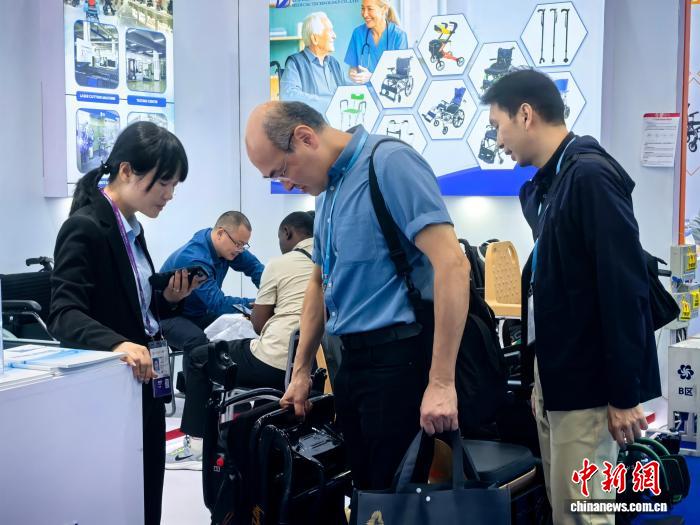
中新社广州11月3日电 (记者张璐)一体式爬楼轮椅、腕式睡眠监测仪、AI移动辅助机器人......在第138届 中国进出口商品交易会(以下简称"广交会")第三期展会上,众多中国企业推出多款功能多样、安全可靠 的适老产品,拓展"银发经济"新赛道。 11月3日,第138届广交会第三期在广州举行,中国适老产品吸引境外采购商。中新社记者张璐摄 万伟杰表示,公司近年致力拓展银发经济市场,研发生产多款医疗电生理产品。目前,公司已拥有50多 项专利,产品远销160多个国家和地区。 中国医药保健品进出口商会统计数据显示,2025年上半年,中国医疗器械进出口总额达410.9亿美元, 同比增长1.1%。其中,出口总额为241.0亿美元,同比增长5.0%。数据显示,中国医疗器械在全球市场 具有竞争力。 11月3日,第138届广交会第三期在广州举行,中国适老产品吸引境外采购商。中新社记者张璐摄 本届广交会第三期以"美好生活"为主题,涵盖时尚、家用纺织品、玩具及孕婴童、文具、健康休闲等五 大板块,设立21个展区,参展企业超1.2万家。 走进贵阳鑫恒泰实业有限公司展位,一款全新的智能爬楼轮椅吸引众多境外采购商驻足观摩。该公司营 销总监朱 ...

仲量联行发布进博会特别观察:开放聚能兴动能之城,产业地产创共赢新篇
Sou Hu Cai Jing· 2025-11-03 11:42
东方网记者柏可林11月3日报道:第八届中国国际进口博览会即将在上海开幕。本届进博会展览面积超 43 万平方米,4108 家境外企业携 461 项新产品、 新技术、新服务集中亮相,为全球企业链接中国超大规模市场、释放消费潜力搭建核心平台。在此背景下,仲量联行结合展会核心亮点与产业实践,发布 《第八届进博会特别观察》,深度解读开放深化趋势下城市能级提升、产业协同发展与商业地产转型的机遇。 进博会成为产业与商业地产深度耦合的"连接器" 仲量联行认为,进博会已成为探索商业地产与产业需求深度耦合的生动实践载体。无论是消费品展区旗舰经济释放的零售空间需求、装备展区新质生产力 落地催生的专业化载体需求,还是医疗展区生命科学及健康医疗板块所体现的地产发展态势,均在加速商业空间与产业升级的精准适配,形成"产业需求 牵引空间升级、空间优化反哺产业发展" 的良性循环。 仲量联行中国区研究部总监姚耀指出,本届进博会传递的"开放深化"信号,推动投资中国的产业新方向与产业需求驱动空间升级的趋势契合,而贴合需求 的商业地产,正是全球企业扎根中国、链接市场的核心落地桥梁。它已跳出后端配套的传统定位,成为企业布局中国时的前端关键考量 —— 既 ...


国开行山东分行:6.04亿元资金支持山东发展银发经济
Zhong Guo Jin Rong Xin Xi Wang· 2025-11-03 11:40
Group 1 - The core viewpoint emphasizes the importance of pension finance as a key component of the financial sector, with the National Development Bank Shandong Branch actively supporting the elderly care industry and silver economy through policy-driven financial services [1][2] - Since 2025, the National Development Bank Shandong Branch has issued pension loans totaling 604 million yuan, demonstrating its commitment to financing elderly care projects [1] - The construction of the Qushan Elderly Care Service Center in Jinan, covering an area of approximately 43,300 square meters, will add over 800 elderly care beds, addressing the infrastructure needs in the Tianqiao District [1] Group 2 - In Dezhou, the National Development Bank Shandong Branch is financing the construction of the Yuehu Elderly Care Service Center, which will cover 10,600 square meters and provide 240 new elderly care beds, enhancing local elderly care services [1] - The collaboration between the National Development Bank Shandong Branch and GoerTek Inc. focuses on developing age-friendly smart wearable devices, which will support the elderly care sector and promote high-quality development in manufacturing [2] - The National Development Bank Shandong Branch aims to leverage its role as a policy financial institution to support the high-quality development of the elderly care industry and address pension challenges in Shandong [2]

围绕消费生活新趋势导入新平台,第八届进博会完成布展
Sou Hu Cai Jing· 2025-11-03 10:40
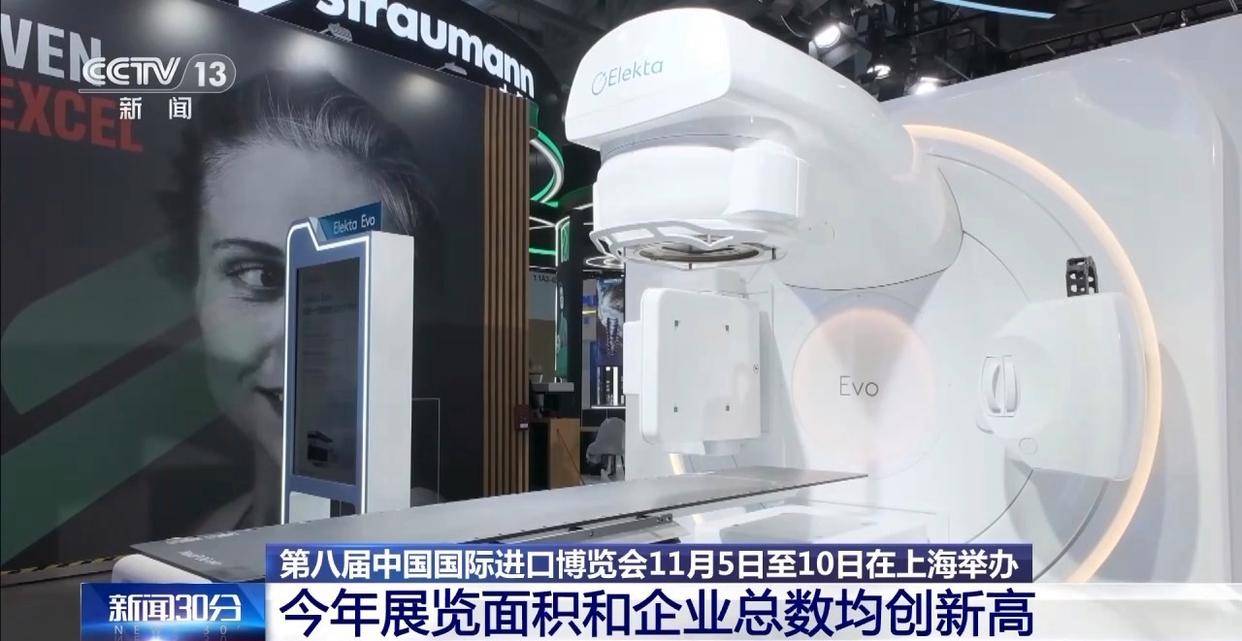
Group 1 - The 8th China International Import Expo will be held in Shanghai from November 5 to 10, with all exhibition areas completed and service facilities ready [1] - This year's exhibition area exceeds 430,000 square meters, with over 4,000 participating companies, marking a historical high in both exhibition area and total number of exhibitors [1] - 290 Fortune 500 and industry-leading companies are participating, showcasing over 400 new products, technologies, and services [1] Group 2 - The expo features various themes such as the silver economy, ice and snow economy, sports economy, and digital consumption, reflecting new consumer trends [3] - The "silver" theme has expanded from the medical exhibition area to consumer goods, highlighting a comprehensive approach to health and lifestyle [3] Group 3 - A total of 67 countries and international organizations are participating in the national exhibition, with Nigeria, Sweden, and Colombia serving as first-time guest countries [5] - Kyrgyzstan is also participating for the first time [5] Group 4 - Nearly 3,000 volunteers will provide on-site services, with over 1,700 directional signs and 21 translation service desks set up to enhance the visitor experience [6] - The dining area has been expanded to accommodate 18,700 seats, with an additional 3,000 chairs provided [6] Group 5 - 35 comprehensive service areas have been established to offer professional support in customs policy, legal consultation, and intellectual property protection, facilitating overseas companies entering the Chinese market [8]
东海证券晨会纪要-20251103
Donghai Securities· 2025-11-03 09:24
Key Insights - The report highlights a significant improvement in industry profitability, with a focus on sectors such as non-bank financials, transportation, electronics, coal, and power equipment showing notable quarterly net profit growth [8][21]. - The automotive seating business of the company has turned profitable for the first time in Q3 2025, driven by increased orders from key models [12][15]. - The company has adjusted its profit forecasts for 2025-2027, expecting net profits of 4.12 billion, 8.10 billion, and 11.54 billion respectively, reflecting a positive outlook on new project production schedules [15][20]. Group 1: Industry Overview - The global asset review indicates mixed performance in stock markets, with the Nikkei 225 leading gains, while commodity prices showed volatility, particularly in oil and gold [6]. - The manufacturing PMI for October 2025 was reported at 49.0%, indicating a contraction influenced by trade tensions, while the non-manufacturing PMI slightly improved to 50.1% [21][24]. - The report notes that the construction industry is expected to see a rise in activity due to government investment initiatives, with a significant increase in the business activity expectation index [21][24]. Group 2: Company-Specific Insights - The company reported a Q3 2025 revenue of 56.00 billion, with a net profit of 0.97 billion, marking a 97% increase quarter-on-quarter [11][12]. - The integration of the subsidiary, Gramer, has shown significant operational improvements, particularly in the European market, despite a decline in revenue [14]. - The company is focusing on cost reduction and efficiency improvements to counteract industry pressures, maintaining its leading position in the global headrest market [13][15]. Group 3: Financial Performance - The company’s Q3 2025 results showed a significant recovery in profitability, with a gross margin of 15.72%, reflecting a year-on-year increase [12]. - The report indicates that the company’s cash flow has been impacted by cyclical challenges, with a notable decline in operating cash flow [32]. - The company’s net profit for Q3 2025 was significantly boosted by the reduction in raw material costs and improved operational efficiencies [31][32].
工商银行“1+2+3+N”养老服务体系助力银发经济高质量发展
Xin Hua Cai Jing· 2025-11-03 09:01
Core Viewpoint - The Industrial and Commercial Bank of China (ICBC) is committed to enhancing its investment in pension finance and developing a comprehensive service ecosystem to support the high-quality development of the silver economy [1] Group 1: Pension Financial Service System - ICBC has established a "1+2+3+N" pension financial service system, which includes one government-oriented service plan and three supporting plans for pension enterprises, individual pensions, and comprehensive financial services [1] - The bank aims to support the national pension security system, silver economy development, resident pension wealth, elderly-friendly society, and the informatization of elderly work [1] Group 2: Service Accessibility and Convenience - ICBC is enhancing service accessibility by launching the "Hundred-Thousand-Million Project," which aims to create 100 flagship pension financial outlets, 1,000 benchmark pension financial outlets, and 10,000 ordinary pension financial outlets [1] - Within a year, ICBC has established 6,400 various outlets, with 41% of its outlets now capable of providing pension financial services, and is expected to meet its target a year ahead of schedule [1] Group 3: Human-Centric Service Teams - ICBC has formed three teams to inject a human touch into its service system, including at least one "pension service consultant" at each outlet, retired employees as "pension service experience volunteers," and a "youth volunteer team" for community outreach [2] - The bank has collected over 1,500 valuable suggestions from these volunteers to optimize processes and products [2] Group 4: Diverse Financial Products - ICBC offers a variety of pension service products to meet diverse needs, including the "ICBC Pension" service for corporate annuities, managing over 1.7 trillion yuan in corporate annuities [2] - The bank has introduced "Pension REITs" services to address financing challenges for pension institutions and created a free, secure "Silver Industry Cloud" platform for government, institutions, and individuals [2] Group 5: Localized Service Initiatives - ICBC Chengdu Branch has developed a comprehensive pension financial service model tailored to local needs, managing the largest scale of entrusted pension business in the region, accounting for about 30% of the market [3] - The branch has created a series of themed activities in collaboration with local governments and communities, enhancing customer engagement and receiving widespread acclaim [3]

打造银龄时尚生活圈,王府井推出老年人专属文化消费活动
Bei Jing Ri Bao Ke Hu Duan· 2025-11-03 08:06
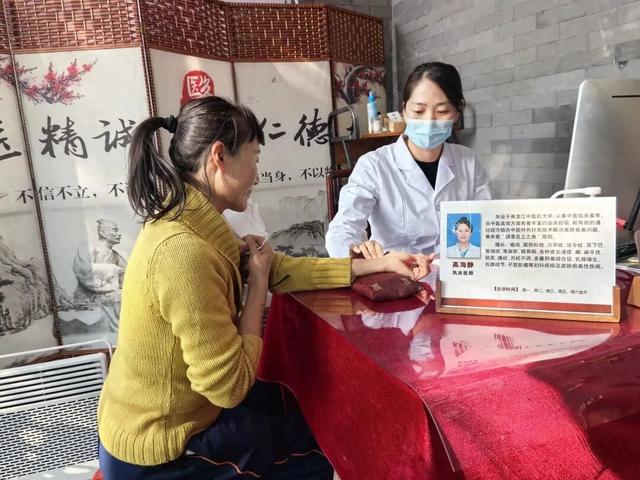
Core Insights - The Wangfujing shopping district has launched a series of cultural consumption activities specifically targeting the elderly, addressing their health, daily consumption, and spiritual needs, thereby creating a fashionable lifestyle circle for seniors [1][3]. Health Initiatives - Free medical consultations are being offered at the Beijing Tongrentang Wangfujing Traditional Chinese Medicine Hospital, attracting elderly individuals seeking health services [1]. - The JD Health Checkup Center has introduced exclusive packages for seniors, while the Tongrentang store offers innovative herbal tea tasting events [1][3]. Discounts and Offers - Major shopping centers in the Wangfujing area, such as Lisheng Sports Mall and Oriental New World, are providing special discounts on daily necessities for elderly customers [3]. Cultural Activities - The "Yuxun Jingxi" interactive experience area in the Gongmei Building allows seniors to engage in traditional craftsmanship, such as making cloisonné, with professional guidance [3][5]. - A series of Peking opera performances is scheduled at the Jixiang Theater, starting from October 29, with shows every weekend until the end of the year, attracting many elderly opera enthusiasts [5]. Economic Context - The elderly consumer market, referred to as the "silver economy," is becoming a significant growth point in the consumption market, prompting the Wangfujing district to extend its fashionable and high-quality positioning into this sector [5].


围绕消费生活新趋势导入新平台 第八届进博会完成布展
Yang Shi Xin Wen· 2025-11-03 07:49
Core Points - The 8th China International Import Expo will be held in Shanghai from November 5 to 10, with all exhibition preparations completed and service facilities ready [1] - This year's expo features participation from 290 Fortune 500 and industry-leading companies, showcasing over 400 new products, technologies, and services [1] - The exhibition area exceeds 430,000 square meters, with over 600 new exhibitors added compared to last year, setting historical records for both exhibition area and total number of exhibitors [1] Group 1 - The expo will highlight new consumer trends, including the silver economy, ice and snow economy, sports economy, and automotive tourism, integrating digital and health consumption platforms [1] - The national exhibition includes participation from 67 countries and international organizations, with Nigeria, Sweden, and Colombia serving as first-time guest countries [1] Group 2 - Nearly 3,000 volunteers will provide on-site services, with over 1,700 directional signs and 21 translation service stations established [2] - The venue will feature 35 comprehensive service areas offering professional support on customs policy, legal consultation, and intellectual property rights, facilitating easier market entry for overseas exhibitors [2]
昂立教育:孵化“快乐公社”文娱品牌、收购国际旅行社拓展银发经济产品矩阵
Cai Jing Wang· 2025-11-03 04:33
Core Viewpoint - The aging population is leading to the emergence of the silver economy as a mainstream sector, prompting the company to strategically invest in this area [1] Group 1: Company Strategy - The company is incubating a brand focused on entertainment called "Happy Community" to cater to the silver economy [1] - The acquisition of Shanghai Leyou Yutu International Travel Agency Co., Ltd. is aimed at expanding the service offerings and product matrix in the silver economy sector [1] - The company aims to leverage the synergy between its education and silver economy businesses to enhance the implementation and sustainable development of its silver strategy [1] Group 2: Financial Performance - For the period from January to September 2025, the company achieved a revenue of 1.081 billion yuan, representing a year-on-year growth of 12.03% [1] - The net profit attributable to the parent company reached 46 million yuan, showing a significant year-on-year increase of 141.11% [1]

深度观察·做好金融“五篇大文章”丨养老+金融 守护“夕阳红”
Ren Min Ri Bao· 2025-11-03 04:31
Core Insights - The article emphasizes the importance of elderly healthcare and pension services, highlighting the role of pension finance in providing better services for the aging population [1] - It discusses the development of a multi-tiered pension insurance system as outlined in the national economic and social development plan [1] Financial Product Optimization - The introduction of flexible commercial pension insurance products has made it easier for individuals to invest in their retirement, with options starting as low as 100 yuan per month [5][6] - The growth in the number of young people purchasing pension insurance indicates an increasing awareness of the need for retirement planning [6] Long-term Care Insurance - Long-term care insurance has been effective in alleviating the financial burden on families caring for disabled elderly individuals, with significant monthly payouts helping to cover care costs [8][10] - The implementation of long-term care insurance has reached nearly 190 million people, with over 100 billion yuan in funds raised [10] Community and Home-based Elderly Care - Community-based elderly care services are gaining popularity, providing a supportive environment close to family, which helps reduce feelings of loneliness among seniors [13][14] - Financial institutions are exploring new service models to enhance home-based elderly care, integrating various healthcare services to improve care quality [15] Financial Support for Elderly Care Facilities - Low-cost credit funding has significantly supported the construction of elderly care facilities, allowing for more affordable services for seniors [16][17] - The collaboration between various financial institutions and social organizations is crucial for the sustainable development of elderly care services [18]
