
体验经济

Search documents
免税经济新战场:谁在定义“购物+旅游”的未来?
Sou Hu Cai Jing· 2025-10-16 12:31
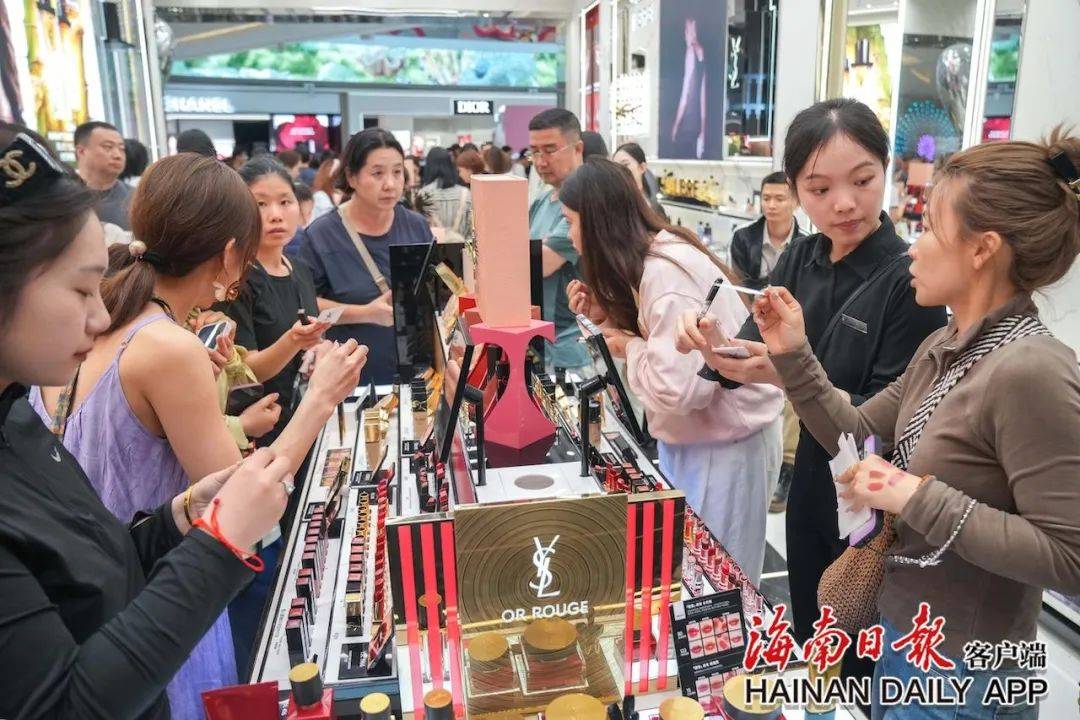
Core Insights - The integration of duty-free economy and cultural tourism is becoming a new driving force for activating consumption potential and promoting industrial upgrades in China [1][2][3] - The shift from policy-driven growth to endogenous growth dynamics is a key challenge for sustainable development in this sector [1] Group 1: Economic Context - The duty-free economy and cultural tourism are deeply intertwined, reflecting a significant trend of consumption upgrade from basic needs to quality, personalized, and emotional consumption [2] - Duty-free shopping is facilitating the return of high-end overseas consumption, while cultural tourism adds new cultural and emotional value to shopping experiences [2] - The experience economy is exemplified by duty-free shopping as a core component of tourism retail complexes, enhancing consumer engagement and extending the consumption chain [2] Group 2: Regional Practices - Hainan serves as a model for the integration of duty-free shopping and tourism, with significant sales growth since the implementation of the new duty-free policy in July 2020 [3][5] - The "duty-free +" model in Hainan incorporates shopping into travel itineraries, transforming the region from a "shopping paradise" to a "tourism consumption destination" [3] Group 3: Urban Development - Major cities like Beijing, Shanghai, and Guangzhou are establishing city-based duty-free stores, which cater to both domestic and international travelers, enhancing urban tourism [5] - The Guangzhou North Station's duty-free complex aims to become a cultural and leisure commercial center, integrating duty-free economy with urban development strategies [5] Group 4: Challenges and Opportunities - The industry faces challenges such as homogenization of products and cultural experiences, leading to superficial engagement from consumers [6] - There is a risk of imbalance between shopping and cultural tourism experiences, with consumers potentially focusing too much on shopping [6] - The reliance on tax incentives poses a challenge for market resilience, necessitating improvements in service quality and supply chain management [6] Group 5: Future Directions - The industry should aim to create a multiplier effect by embedding duty-free shopping within cultural contexts, such as setting up boutique duty-free stores in historical districts [7] - Optimizing product offerings to highlight local characteristics and encouraging domestic brands to enter duty-free channels can enhance the appeal [7] - Policy innovations are needed to promote regional coordination and development, particularly in underrepresented areas [7]

开封旅游杀疯了,酒店业却还没准备好
3 6 Ke· 2025-10-16 00:33
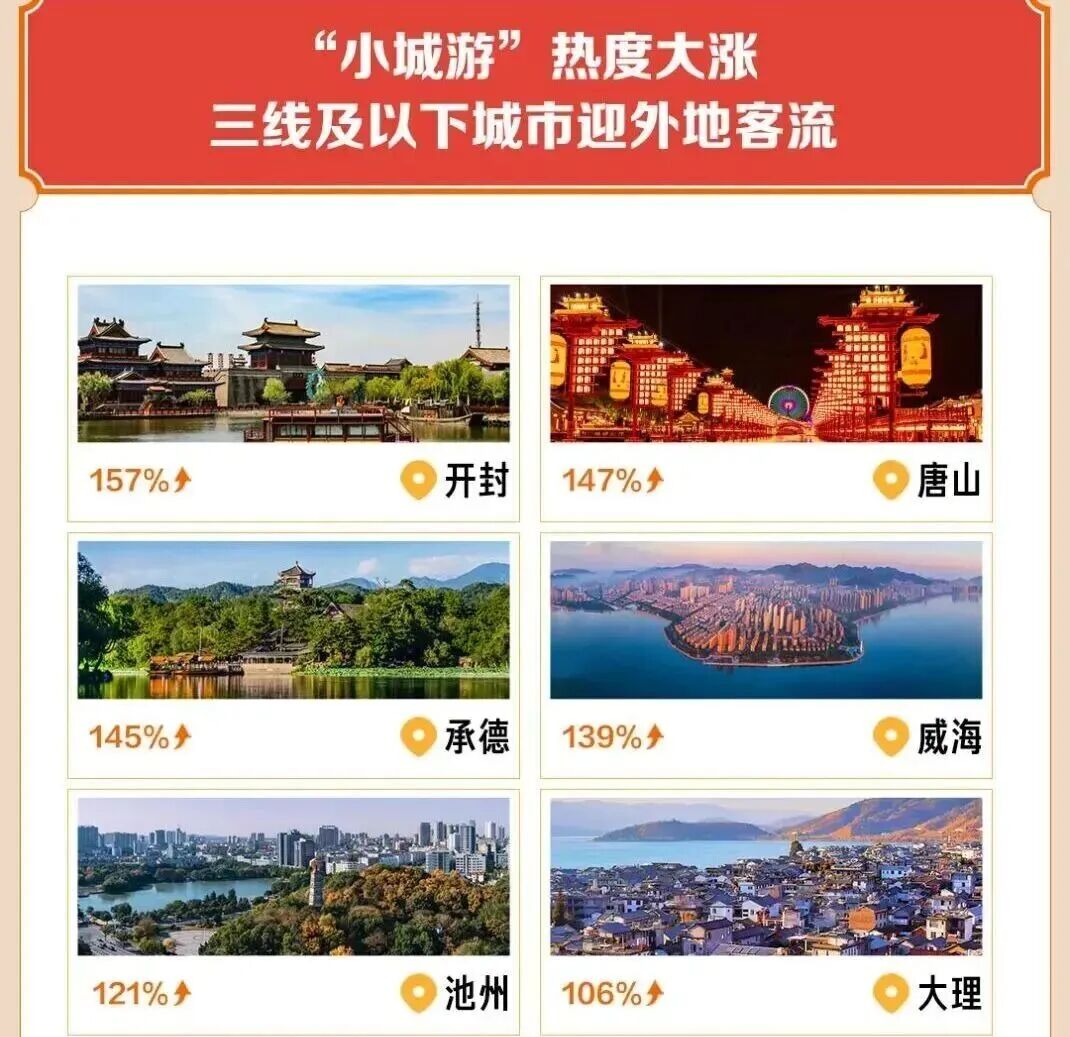
Core Insights - Kaifeng is emerging as a strong contender in the tourism and hospitality sector in Henan, surpassing Luoyang with impressive statistics such as 7.83 million tourists, 5.48 billion yuan in tourism revenue, and a 36% increase in orders during the National Day holiday [1] - The influx of visitors has created unprecedented opportunities for the hotel market in Kaifeng, but it has also led to a rapidly changing competitive landscape [1] Group 1: Market Performance - Kaifeng's hotel orders surged by 66% during the summer, with high-star hotels seeing a 19% increase in two-night stays [2] - During the National Day holiday, the growth rate of homestay orders reached 269%, while accommodation group orders increased by 157% [3] - Hotel prices in Kaifeng have skyrocketed, with increases ranging from 5 to 40 times in some cases [4] Group 2: Supply and Demand Dynamics - The hotel market is experiencing rapid expansion, with approximately 4,526 new rooms added in 2024 and another 2,347 in the first half of 2025, leading to a total room count nearing 28,000 [7] - The number of homestays has also grown significantly, with over 2,100 officially registered and nearly 3,000 when including unregistered ones [7] - Despite high occupancy rates during peak seasons, structural issues are emerging, such as oversupply of budget hotels and a lack of high-quality accommodations [8][10] Group 3: Challenges in the Hospitality Sector - There is a coexistence of oversupply and insufficient quality supply, with a high occupancy rate of over 70% in August but a decline in average occupancy to about 60% during the National Day holiday [12] - Many new hotels and homestays lack unique design and quality, leading to a homogenized market that may result in a price war and declining service quality [10][12] - The market is facing a disconnect between price signals and user experience, with many consumers dissatisfied with the quality of service despite high prices [13][15] Group 4: Future Trends - The hotel market in Kaifeng is expected to evolve towards rationality and differentiation, with a growing demand for mid-to-high-end hotels that offer quality and experience [20][22] - The trend of chain hotels is becoming mainstream, as many investors prefer established brands to mitigate risks and enhance competitiveness [24][26] - Prices are likely to become more rational, with the extreme price fluctuations seen in peak seasons becoming less common [27][28]
又一巨头倒下!疯狂关店11万家,为什么我们都不愿意逛商场了?
Sou Hu Cai Jing· 2025-10-14 12:35
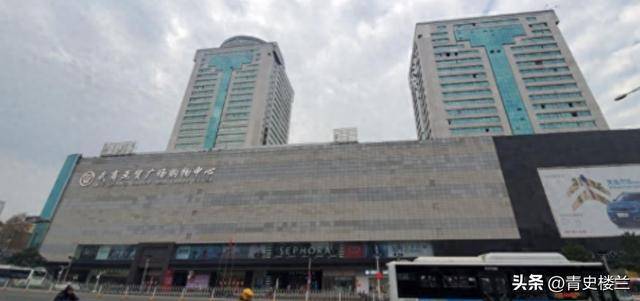
Core Insights - The retail industry, particularly shopping malls, is facing significant challenges, with a notable decline in foot traffic and increasing closures of large shopping centers across China [1][12][14] Group 1: Decline in Shopping Malls - Wuhan's Wushang Yamao Plaza, a landmark for 28 years, closed due to severe losses from dwindling customer traffic, reflecting a broader trend where 21 large malls shut down in 2022 [1] - National average daily foot traffic in shopping malls dropped from 47,000 in 2015 to 20,000 in 2023, indicating a significant decline in consumer engagement [2][10] - By mid-2025, over 17,000 physical stores closed across various sectors, with projections suggesting a total of 110,000 closures [12] Group 2: Market Saturation and Consumer Behavior - The oversupply of shopping malls is evident, with 447 sampled commercial locations reporting over 9,400 vacant units, leading to an overall vacancy rate of 9.1%, surpassing the 5% breakeven threshold [14] - In Wuhan's Wuchang business district, eight large shopping centers within a 3-kilometer radius contribute to the saturation, making it difficult for individual malls to attract customers [16] - Consumers find shopping malls increasingly monotonous, with similar brand offerings and layouts across different locations, reducing the incentive to visit multiple malls [17] Group 3: Impact of E-commerce - The rise of e-commerce has significantly impacted traditional retail, with online prices often undercutting physical stores, leading to a preference for online shopping [19][21] - The cost disparity between online and offline retail is highlighted, with physical store operational costs rising, such as rental prices in Shanghai's Wujiaochang area increasing by 175% from 2015 to 2024 [27] - Consumers are becoming more price-sensitive, favoring value over brand loyalty, which further challenges traditional retail models [29] Group 4: Successful Adaptations - Some retail formats, like Sam's Club, have thrived by offering unique products and high membership retention rates, with an average annual spending of 13,000 yuan per member, five times that of regular supermarkets [31] - Innovative service models, such as those employed by Pang Donglai, which include extensive customer services, have resulted in high customer loyalty and increased foot traffic [34] - The future of shopping malls lies in transforming them into experiential spaces that focus on social interaction and leisure rather than just retail, as seen in successful examples like Tai Sheng Plaza in Shandong [36][39]
体验经济崛起“十一”酒店市场价稳、人旺、“更会玩”
Zhong Guo Jing Ying Bao· 2025-10-13 12:19
Core Insights - The "Super Golden Week" during the Mid-Autumn Festival and National Day in 2025 saw a significant boost in the tourism and hotel industry, with hotels becoming a key indicator of consumer recovery [1][3][8] Hotel Industry Performance - The hotel industry experienced stability during the "Golden Week," with controlled price increases in high-demand areas, indicating a rational pricing strategy and high occupancy rates [1][6] - Huazhu Group reported over 10.55 million guests at its hotels during the holiday, a 36% increase year-on-year, with foreign guests increasing by 75% [1][6] - The overall occupancy rate exceeded 80%, peaking on October 3 with over 8,100 hotels fully booked, particularly in popular cities like Beijing and Chengdu [1][3] New Hotel Openings and Strategies - Huazhu Group's high-end brand, Huajian Tang, opened a new hotel in Beijing, marking a strategic expansion into the high-end hotel market [2][6] - The brand aims to provide an immersive urban vacation experience, reflecting a trend towards structural upgrades in the hotel industry [2][6] Emerging Trends in Travel and Accommodation - The "Super Golden Week" led to a surge in bookings for hotels in second and third-tier cities, driven by unique local experiences and events [3][4] - Music festivals and sports events significantly boosted hotel bookings, with some locations seeing increases of over 200% [3][4] Shift in Consumer Behavior - More than 30% of office workers opted for staggered travel, extending the holiday experience and alleviating peak demand pressures [4][5] - The night tourism economy gained traction, with a 200% increase in searches for night activities, indicating a shift in consumer preferences towards experiential travel [5][6] Experience Economy and Market Dynamics - The hotel industry is witnessing a shift towards high-end, personalized, and culturally immersive experiences, as consumers seek more than just accommodation [6][7] - Huajian Tang's expansion and the success of other high-end hotels reflect the growing demand for unique cultural experiences among new middle-class consumers [6][7] Conclusion - The "Super Golden Week" highlighted a more mature and layered tourism market, with consumers becoming more discerning and seeking emotional and cultural connections through their travel experiences [8]

“双节”浙江文旅日均用电量同比增长56.32%
Zhong Guo Xin Wen Wang· 2025-10-11 13:36
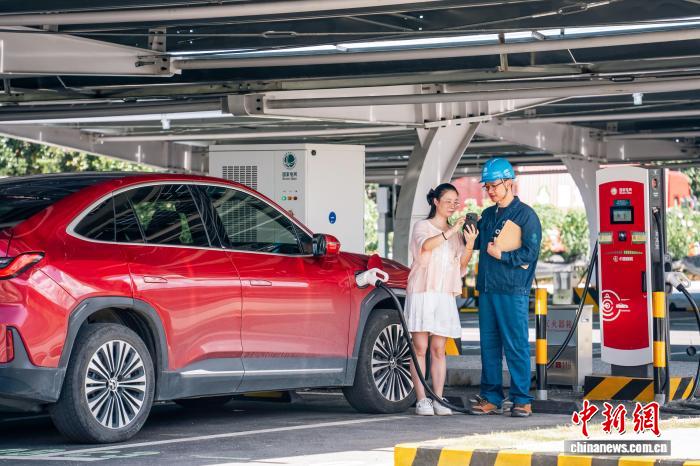
Core Insights - During the National Day and Mid-Autumn Festival holiday period, Zhejiang Province's cultural and tourism market electricity consumption reached 1.571 billion kilowatt-hours, with a daily average increase of 56.32% compared to the same period in 2024, significantly outpacing the overall provincial electricity consumption growth by 22.86 percentage points [1][2]. Group 1: Electricity Consumption Breakdown - The electricity consumption in the shopping sector accounted for 41.52% of the total, with a daily average increase of 60.16%, contributing 43.28% to the growth of cultural and tourism electricity consumption [1]. - The accommodation sector saw a daily average increase of 67.78%, driven by a surge in electricity usage in homestays, which increased by 89.98% [2]. - The entertainment sector's electricity consumption increased by 69.56%, with daily growth rates in cultural exhibitions and leisure activities exceeding 66% [2]. Group 2: Travel and Mobility Insights - The total electricity consumption in the travel sector reached 571 million kilowatt-hours, with a daily average increase of 46.08%, contributing 17.92 percentage points to the overall growth in cultural and tourism electricity consumption [4]. - Road travel dominated with 58.04% of the electricity consumption in the travel sector, showing a daily average increase of 58.67%, largely due to the "free highway passage" policy [5]. - The number of cross-regional trips in Zhejiang reached 167 million, accounting for 6.9% of the national total, indicating a strong demand for travel during the holiday [4].
第五届华强「超V趣乐季」,一场与消费者的情绪共振!
Sou Hu Cai Jing· 2025-10-11 09:43
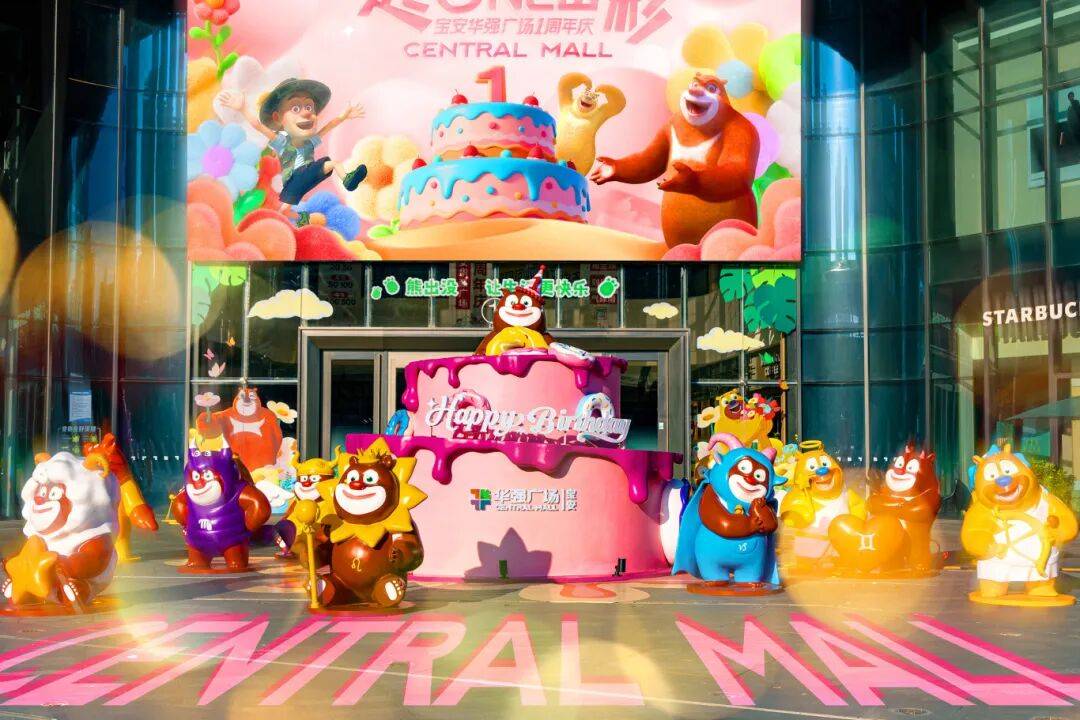
Core Insights - The current consumer market values experiences over material goods, with consumers willing to pay for emotional resonance and unique memories [1] - The fifth "Super V Fun Season" by Huqiang captures this trend by integrating national IPs, city premieres, cultural circles, and anniversaries to create a multi-touchpoint emotional supply space [1][3] Group 1: Experience Economy - The experience economy is driving consumers to seek emotional connections and memorable moments, transforming commercial activities into deep dialogues with consumers [3][4] - Huqiang Commercial leverages city-level IP premieres and exclusive performances to reshape commercial spaces into social hotspots, effectively driving foot traffic and online engagement [3][4] Group 2: Cultural Integration - The integration of local culture and consumer interests is key, with events like the "Boonie Bears" zodiac exhibition and traditional performances enhancing the emotional connection with consumers [4][5] - The use of traditional art forms during celebrations creates a unique immersive experience, blending modern and traditional elements [4][5] Group 3: Emotional Engagement - Anniversary celebrations feature giant cakes shared with consumers, enhancing the sense of belonging and participation through ritualistic experiences [6][7] - The "balloon rain" event at shopping centers surprises consumers with gifts, fostering emotional interactions and closer connections [7] Group 4: Fan Economy - The rise of fan economy and social circles is evident, with events like fan support gatherings and themed activities attracting large crowds and driving significant traffic [8][10] - Innovative events that combine gaming and cultural elements, such as the "King of Glory" city competition, create new consumption scenarios by engaging diverse consumer groups [8][10] Group 5: Family and Youth Engagement - Family-oriented activities, such as youth sports events and hands-on cultural experiences, cater to the growing demand for quality family time and educational engagement [10][12] - Events designed for children not only enhance their experiences but also strengthen family bonds through shared activities [12] Group 6: Membership and Loyalty - Huqiang Commercial emphasizes the importance of membership systems for long-term consumer engagement, offering various benefits to enhance loyalty and belonging [13][14] - Regular consumer research and exclusive member events foster deeper emotional connections between consumers and the brand [14] Group 7: Future Strategies - The company plans to introduce more cross-industry collaborations and innovative experiences, continuously reshaping the social attributes and experiential value of commercial spaces [14]
“双节”期间浙江文旅日用电量同比劲增56%
Xin Hua Cai Jing· 2025-10-11 09:41
Core Insights - The tourism and cultural market in Zhejiang Province experienced a significant increase in electricity consumption during the recent National Day and Mid-Autumn Festival holiday, with a total of 1.571 billion kWh used, reflecting a year-on-year growth of 56.32% [1] Group 1: Electricity Consumption by Sector - The breakdown of electricity consumption in the tourism and cultural sectors shows that shopping accounted for 41.52%, travel 36.35%, accommodation 17.63%, and entertainment 4.51% [1] - The shopping sector led the growth with a total electricity consumption of 652 million kWh, achieving a year-on-year increase of 60.16%, contributing 43.28% to the overall growth in tourism-related electricity consumption [1] Group 2: Detailed Analysis of Shopping Sector - Within the shopping sector, large supermarkets, clothing retail, convenience stores, and other retail accounted for 73.05%, 15.66%, 3.26%, and 8.03% of electricity consumption, respectively [2] - Large supermarkets saw a year-on-year increase in electricity consumption of 59.60%, significantly driving the growth in the shopping sector [2] - Other retail categories also experienced substantial growth, with clothing retail, convenience stores, and other retail increasing by 58.44%, 62.70%, and 67.91% year-on-year, indicating diverse consumer demands [2] Group 3: Impact of Weather on Electricity Consumption - The average maximum temperature in Zhejiang during the holiday reached 33.35°C, an increase of 11.2°C compared to the previous year, contributing to the rise in electricity consumption across various sectors [2] - The accommodation sector's total electricity consumption reached 277 million kWh, with a year-on-year increase of 67.78%, driven by a surge in homestay electricity usage, which increased by 89.98% [2] Group 4: Travel Sector Insights - The total electricity consumption in the travel sector during the holiday was 571 million kWh, with a year-on-year growth of 46.08%, directly contributing to a 17.92 percentage point increase in overall tourism-related electricity consumption [3] - The distribution of electricity consumption by travel mode showed that road travel accounted for 58.04%, with a year-on-year increase of 58.67%, largely due to the "free highway passage" policy [3] Group 5: Performance Across Regions - All 11 cities in Zhejiang experienced a year-on-year increase in tourism-related electricity consumption exceeding 50%, showcasing a vibrant and diverse tourism landscape [4] - Lishui, Zhoushan, and Jinhua led the growth with year-on-year increases of 64.79%, 63.81%, and 62.29%, respectively [4]
体验经济崛起 “十一”酒店市场价稳、人旺、“更会玩”
Zhong Guo Jing Ying Bao· 2025-10-10 21:25
Core Insights - The "Super Golden Week" during the Mid-Autumn Festival and National Day in 2025 saw a significant boost in the tourism and hotel industry, with hotel occupancy rates exceeding 80% and a notable increase in guest numbers [1][3][8] Hotel Industry Performance - Huazhu Group reported over 10.55 million guests during the holiday period, a 36% increase year-on-year, with foreign guests rising by 75% [1] - The overall hotel occupancy rate peaked at over 80%, with more than 8,100 hotels fully booked on October 3 [1] - High-end hotels in popular cities like Beijing, Chengdu, and Hangzhou experienced high demand, leading to limited availability [1] New Developments in High-End Hotels - Huazhu Group launched its high-end cultural resort brand, Huajian Tang, in Beijing, marking a strategic expansion into the high-end hotel sector [2] - The brand aims to provide an immersive urban vacation experience, reflecting a trend towards structural upgrades in the hotel industry [2] Emerging Trends in Tourism - The holiday period saw a surge in bookings for lesser-known destinations, with some areas experiencing a doubling of orders for accommodations [3] - Events like music festivals and sports competitions significantly boosted hotel bookings, with some locations seeing increases of up to 260% [3] Travel Behavior Changes - Over 30% of office workers opted for staggered travel, extending the holiday experience and alleviating peak demand pressures [4] - Domestic flight volumes increased by 20%, while outbound travel grew by 30% during the holiday [4] Night Economy and Outbound Travel - The night economy gained traction, with a 200% increase in searches for night activities, highlighting its role in attracting tourists [5] - Outbound travel saw a significant rise, with hotel bookings in popular destinations like Japan and Thailand increasing dramatically [5] Shift Towards Experience Economy - The hotel industry is witnessing a shift towards high-end, personalized, and culturally immersive experiences, driven by consumer demand for unique travel experiences [6][7] - Huajian Tang's expansion exemplifies this trend, focusing on local culture and modern aesthetics [6] Conclusion on Market Maturity - The "Super Golden Week" reflects a more mature and layered tourism consumption market, with consumers seeking emotional, cultural, and social experiences rather than just accommodation [8]
双节一线城市消费账本:京深客单价降,广州“最会花钱”
Sou Hu Cai Jing· 2025-10-10 14:16
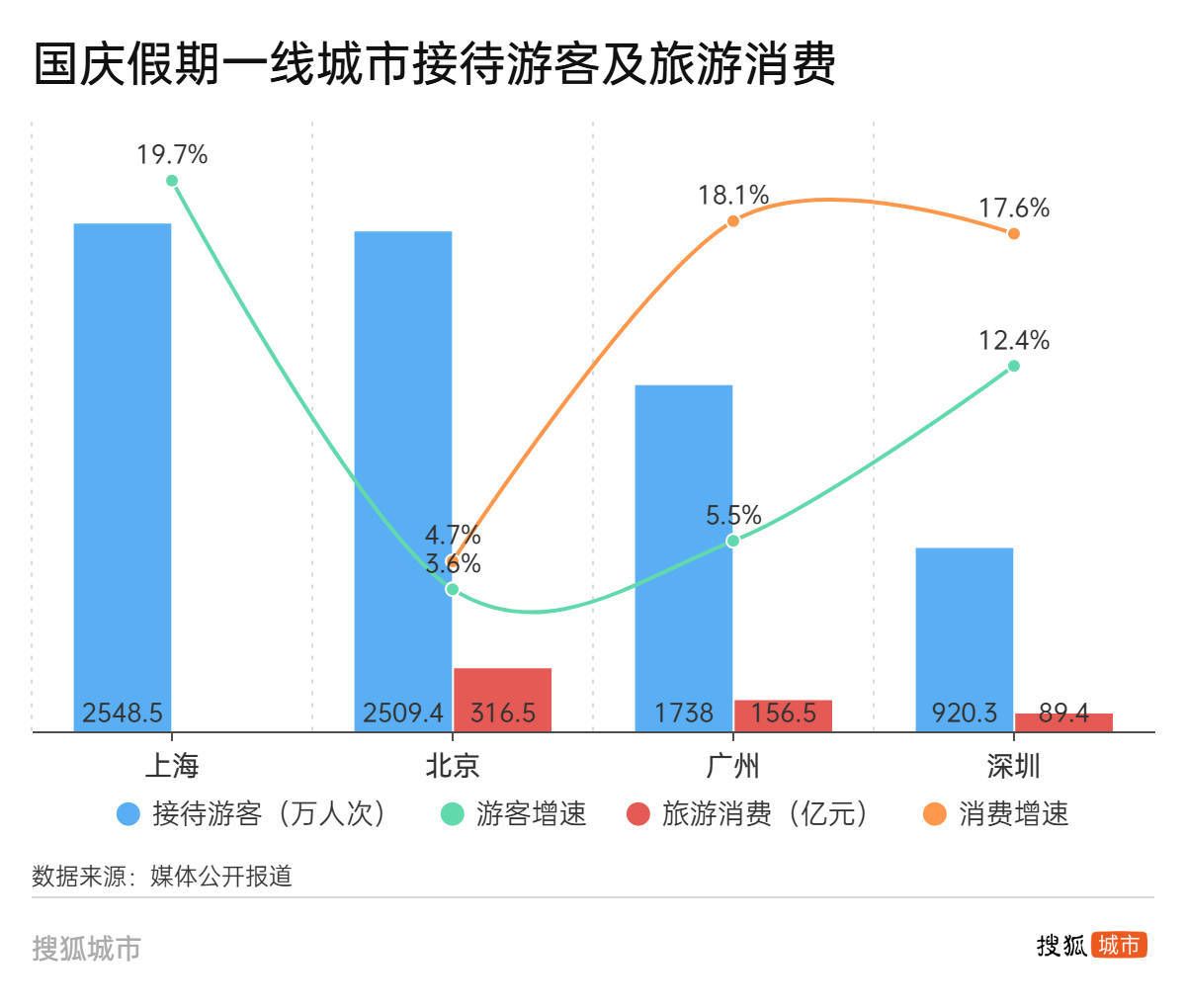
Core Insights - The overlapping of National Day and Mid-Autumn Festival provided a unique opportunity to observe consumer vitality in China's first-tier cities, with all four cities reporting a positive overall consumption performance during the eight-day holiday [1] - While total visitor numbers and consumption amounts increased, there was a nuanced differentiation in per capita spending, with Beijing and Shenzhen experiencing declines, while Guangzhou showed a slight increase [1][5] Group 1: Visitor Statistics - Shanghai received 25.485 million visitors, a year-on-year increase of 19.7%, making it the leading city in terms of visitor numbers [5] - Beijing followed closely with 25.094 million visitors, a 3.6% increase, while Guangzhou welcomed 17.38 million visitors, up 5.5% [5] - Shenzhen had over 9.2 million visitors, marking a 12.4% increase [5] Group 2: Consumption Data - Beijing led in total tourism spending with 31.65 billion yuan, a 4.7% year-on-year increase [5] - Guangzhou reported 15.65 billion yuan in spending, an 18.1% increase, while Shanghai's total payment volume reached 79.6 billion yuan, reflecting a 3% increase [5] - Per capita spending in Beijing decreased to 157.66 yuan, down 20 yuan from last year, while Shenzhen's per capita spending fell to 121.43 yuan, a decline of 11.3 yuan [5] Group 3: City-Specific Trends - Guangzhou's per capita spending increased slightly from 111.63 yuan to 112.56 yuan, indicating resilience supported by strong sectors like gold, automobiles, and real estate [6] - Beijing's holiday theme revolved around "events and culture," with significant increases in hotel bookings and cultural performances, showcasing a vibrant cultural economy [9][11] - Shanghai emphasized "fusion" and "international flair," with high-end events and art exhibitions driving sales growth in key commercial areas [13][14] - Shenzhen focused on "new" and "trendy" experiences, with innovative attractions like the ice world and immersive dining experiences appealing to younger consumers [16] Group 4: Year-to-Date Retail Performance - Shanghai's retail sales reached 1.0926 trillion yuan in the first eight months, a 3.7% year-on-year increase, positioning it for a strong annual performance [21] - Beijing's retail sales totaled 866.1 billion yuan, down 5.1%, indicating a need for recovery strategies [21] - Guangzhou's retail sales were approximately 723.7 billion yuan, up 4.9%, but faced challenges from changing consumer behaviors [21] - Shenzhen's retail sales were about 856 billion yuan, lagging behind Chengdu, which has seen rapid growth in consumption [21][22]
“双节”消费新浪潮,释放破局新活力
Ren Min Wang· 2025-10-10 07:29
Core Insights - The recent National Day and Mid-Autumn Festival holiday showcased a significant shift in consumer behavior, moving from traditional physical spaces to a "digital-physical integration" model, reflecting a transformation in the value chain of holiday economies [1] Group 1: New Consumption Trends - The application of technologies such as 5G, AI, and big data has diversified and smartened consumption scenarios, moving beyond mere product transactions to a more multifaceted and intelligent approach [1] - Cross-industry integration has emerged as a notable feature, breaking down industry boundaries and creating new consumer experiences through the integration of various technologies and resources [1] - The experience economy has injected new momentum into holiday consumption, as evidenced by high foot traffic at flagship stores, such as over 65,000 visitors in a single day at a store in Zhengzhou [1] Group 2: Emotional and Experiential Consumption - Emotional consumption and self-satisfying consumption are driving changes in consumption patterns, with multi-dimensional scenarios enhancing consumer engagement and loyalty [2] - The holiday period highlighted a "scene activation" characteristic, where cultural experiences, technological interactions, and emotional connections redefined consumption scenarios, encouraging active participation from consumers [2] - Innovative activities, such as 3D printing DIY mooncakes and interactive games using AR technology, have demonstrated how cultural scenarios can enhance product value and stimulate latent demand [2] Group 3: Service and Consumer Environment - Various regions have improved service guarantees to ensure a safe and comfortable holiday experience for consumers, contributing to a stable and orderly tourism market [3] - The film industry saw a surge in box office revenue, with the National Day holiday generating 1.835 billion yuan in ticket sales from October 1 to 8, indicating a strong consumer interest in entertainment [3] - The holiday consumption market serves as a vital window for observing economic conditions, with diverse new scenarios and demands emerging, highlighting the vast potential of China's large-scale market [3]