
国内国际双循环

Search documents
提振消费做大市场 商务部将打出政策组合拳
Xin Lang Cai Jing· 2026-01-11 21:22
Group 1 - The core viewpoint of the article emphasizes the strengthening role of consumption as the "main engine" for economic growth in the first year of the 14th Five-Year Plan, with a focus on boosting domestic consumption and building a strong domestic market [1][2] - The Ministry of Commerce plans to implement a special action to boost consumption by 2026, creating the "Buy in China" brand, fostering new growth points in service consumption, and optimizing policies for replacing old consumer goods [1][2] - The article highlights the importance of integrating domestic and international markets, enhancing the modern market and circulation system, and promoting innovative development in retail to support economic growth [1][3] Group 2 - The article outlines measures for expanding high-level opening-up, including promoting trade innovation, enhancing the "Export China" brand, and developing service trade to facilitate trade and investment integration [3][4] - It emphasizes the need for a coordinated approach to expand service sector openness while ensuring a robust risk management system to safeguard supply chain security [4] - The dual focus on "openness" and "security" aims to create a stable and predictable environment for domestic and international businesses, ultimately supporting deeper interaction between domestic and international markets [4]
加快建设金融强国!万亿公募巨头发声
券商中国· 2026-01-11 09:39
Core Viewpoint - The article emphasizes the importance of the Chinese asset management industry in the context of the "14th Five-Year Plan," highlighting its role in supporting high-quality economic development and the need for innovation in financial services [1]. Group 1: Political Guidance - The "14th Five-Year Plan" is a critical period for advancing Chinese-style modernization and building a strong financial nation, with a focus on integrating the spirit of the Party's 20th Central Committee into corporate actions [2]. - The company aims to enhance its high-quality development through deepening party leadership and aligning its operations with national strategies, emphasizing the importance of serving the real economy and capital market [2]. Group 2: Focus on Core Responsibilities - The plan calls for improving the inclusiveness and adaptability of capital market systems, which is essential for enhancing service quality and supporting new productive forces [3]. - The company recognizes the significance of developing equity funds to optimize investor structure and market efficiency, positioning it as a core strategy for product development [3]. Group 3: Stability and Long-term Investment - A stable and healthy capital market is crucial for national financial security, with long-term funds playing a key role in mitigating short-term volatility [4]. - The company is committed to promoting a "long money, long investment" ecosystem to enhance market stability and support rational and value-based investment practices [4]. Group 4: International Competitiveness - The company aims to enhance international competitiveness and create a more open and inclusive capital market, aligning with the national strategy for high-level openness [5]. - It has historically led in launching domestic equity QDII funds and participating in various cross-border investment initiatives, establishing a significant presence in the Hong Kong market [5]. Group 5: Contribution to Key Financial Areas - The company is focused on developing "five major areas" of finance: technology finance, green finance, inclusive finance, pension finance, and digital finance, as a means to support high-quality economic development [6]. - It aims to build capabilities that align with these areas, enhancing its investment research capabilities to support technological and industrial innovation [6]. Group 6: Enhancing Financial Services - The company is committed to improving the diversity, adaptability, and accessibility of its services in inclusive finance, with a focus on enhancing customer experience [7]. - It has served over 220 million clients, reflecting a 58% growth over the past five years, and is transitioning towards a buyer advisory model to better meet client needs [7].


深刻理解我国五年规划的作用机制和重要优势(深入学习贯彻习近平新时代中国特色社会主义思想)
Ren Min Wang· 2026-01-09 01:27
Core Viewpoint - The article emphasizes the importance of the Five-Year Plan in guiding China's economic and social development, highlighting its evolution from a directive plan under a planned economy to a strategic framework in a socialist market economy, which reflects the country's political advantages and strategic intentions [1][22]. Consensus Mechanism - The consensus mechanism aims to create widely accepted plans and goals, enhancing participation from various stakeholders in the planning process [1]. - It involves a systematic approach to gather opinions from multiple parties, including government departments, experts, and the public, to ensure that the planning reflects diverse interests and needs [2][3]. Scientific Consensus - Scientific consensus is crucial for effective planning, requiring respect for natural, economic, and social laws, and involves extensive research and expert consultations to inform planning decisions [2]. - The National Development and Reform Commission has conducted over 200 major research projects to support the formulation of the "14th Five-Year Plan," resulting in substantial documentation and insights [2]. Political Consensus - Political consensus is achieved through the involvement of various stakeholders in the planning process, ensuring that the planning reflects the interests of different groups and enhances the quality of the plan [3]. - The central leadership, including Xi Jinping, plays a significant role in guiding the planning process, ensuring that it aligns with national development goals [3]. Social Consensus - Social consensus is built by actively soliciting input from the public and various social groups, making the planning process more inclusive and reflective of societal needs [5]. - The "14th Five-Year Plan" involved extensive public engagement, receiving over 3 million suggestions from citizens, which were incorporated into the planning process [5]. Guiding Mechanism - The guiding mechanism clarifies the direction of stakeholder actions and resource allocation, aligning them with national strategic goals [7]. - It emphasizes the importance of public knowledge dissemination to shape societal expectations and encourage active participation in the planning process [7][8]. Balancing Mechanism - The balancing mechanism addresses key relationships, such as government versus market, domestic versus international, and short-term versus long-term, to enhance coordination and sustainability in development [14][15]. - It aims to ensure that economic growth is balanced with ecological protection and social equity, reflecting a comprehensive approach to national development [18][19]. Regional Development Strategy - The article discusses the importance of regional development strategies, such as the coordinated development of major regions, to address disparities and promote balanced economic growth across different areas [20]. - It highlights initiatives like the Beijing-Tianjin-Hebei integration and the Yangtze River Economic Belt as examples of strategic regional planning [20]. Conclusion - The Five-Year Plan serves as a critical tool for China's sustained economic growth and social stability, demonstrating a unique approach to governance that combines market efficiency with government oversight [22]. - The ongoing evolution of the planning mechanism reflects China's commitment to adapting its strategies to meet both domestic and global challenges [22].
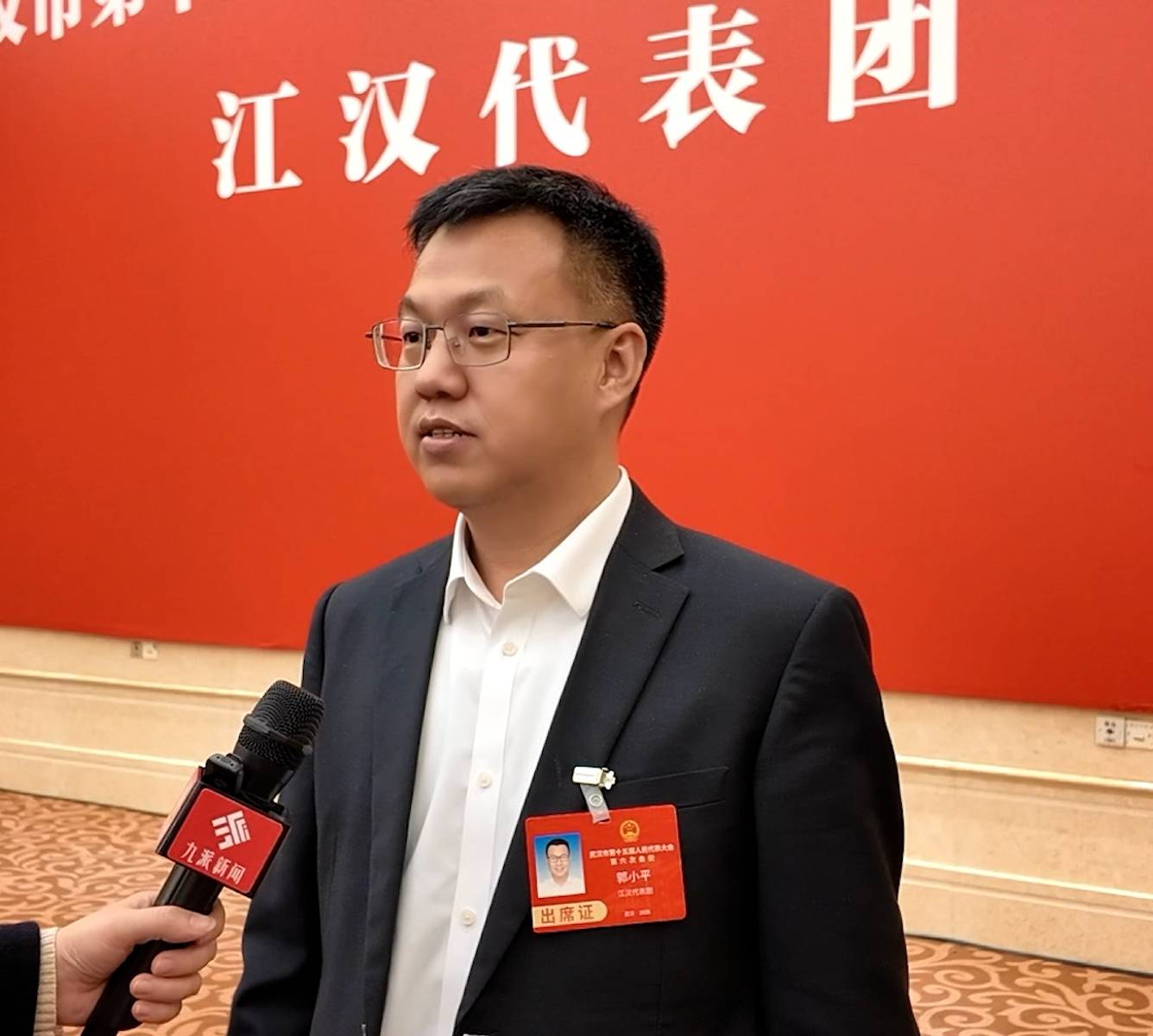
区长说两会|专访武汉市江汉区区长郭小平:打造世界级消费地标,用城市更新促产业转型
Sou Hu Cai Jing· 2026-01-08 20:53
Core Insights - The report from the Wuhan municipal government emphasizes a practical approach to development, focusing on concrete projects and data-driven strategies for the upcoming year [2] Group 1: Economic Development and Transformation - Jianghan District has a significant proportion of its economy based on traditional commerce and logistics, which presents challenges for transformation [4] - The district is leveraging new economic models such as first-store economy, live-streaming economy, and platform economy to accelerate the transformation of commerce and logistics [4] - During the 14th Five-Year Plan period, over 100 new first stores were added annually, including the first Ritz-Carlton hotel in Central China and the first duty-free store in the city [4] Group 2: E-commerce and Retail Growth - In the previous year, online retail sales in Jianghan achieved over 30% growth, while multi-modal transport and logistics services saw a 10% revenue increase, and total import and export volume grew by 45.5% [5] - Plans for 2026 include developing a world-class consumer landmark centered around the Wushang commercial circle and enhancing the international consumption environment [5] Group 3: Logistics and Infrastructure - The Wuhan Multi-Modal Transport Service Center was inaugurated, serving as a key platform for reducing logistics costs and enhancing connectivity among various transport modes [7] - Jianghan aims to create a comprehensive service platform integrating data, finance, and transactions to support logistics and trade enterprises [7] Group 4: Urban Renewal and City Planning - In 2025, Jianghan District completed urban renewal plans that included seven areas and 58 projects, with eight old residential communities renovated and ten complete communities established [9] - The district plans to focus on urban renewal as a key strategy in 2026, aiming to enhance cultural and industrial hubs while transforming the central business district into a comprehensive innovation and legal services area [9]
江苏企业“走出去”有更多确定性!90份跨境投资税收指南更新发布
Sou Hu Cai Jing· 2026-01-08 03:58
Group 1 - The National Taxation Administration of China has updated and released 90 Country (Region) Investment Tax Guides, covering tax systems of 85 countries (regions) with significant recent changes, and added guides for five new countries, bringing the total to 115 [1][3] - The Tax Guides aim to provide a comprehensive overview of tax systems in investment destinations, helping enterprises going abroad to understand tax regulations and improve compliance, thereby mitigating tax risks [3][5] - The updated guides are part of the "Tax Road" cross-border service brand, which also includes monthly updates through products like "Global Tax News" to keep enterprises informed about tax policies in host countries [3][5] Group 2 - The release of the updated Tax Guides is expected to provide more certainty for Jiangsu enterprises going abroad, supporting the development of Jiangsu's outward-oriented economy and high-level opening-up [6] - Jiangsu has launched the "Tax Road·Su Fu Da" sub-brand for cross-border tax services, implementing 14 tax service measures to establish a comprehensive tax service system for cross-border investments [5][6] - The initiative aligns with the national strategy of high-level opening-up and aims to leverage Jiangsu's geographical advantages and strong economic position in the Belt and Road Initiative [5]

人民日报和海南日报评论员连线对话:擦亮自贸港建设的“中国特色”
Hai Nan Ri Bao· 2026-01-08 03:32
Core Viewpoint - The construction of Hainan Free Trade Port marks a significant milestone in China's reform and opening-up strategy, emphasizing a higher level of openness and integration with global markets [2][5]. Group 1: Hainan Free Trade Port Development - The full island closure of Hainan establishes it as a special customs supervision area, facilitating smoother trade and regulatory processes between Hainan and both domestic and international markets [2][3]. - The first week of the closure saw the addition of 1,972 new foreign trade registered enterprises, indicating a rapid increase in trade activity and business engagement [2]. - The new customs regulations have significantly reduced the number of required declaration items from 105 to approximately 35, expediting the customs clearance process [2]. Group 2: Strategic Positioning and National Integration - Hainan's development is closely tied to national strategies, serving as a "testing ground" for innovative policies that can be replicated nationwide [3][4]. - The region has become a strategic intersection for international and domestic trade, with 86 countries allowed visa-free entry and investments from 176 countries [3]. - Hainan's role as a support point for inland enterprises to integrate into the new development framework is highlighted by successful case studies from companies in Henan and Sichuan [3][4]. Group 3: Institutional and Policy Innovations - Hainan is leveraging institutional openness to foster a diverse industrial ecosystem, including advancements in aircraft maintenance and medical services [4][5]. - The region has introduced nearly 200 aircraft maintenance operations, positioning itself within the global aviation repair industry [5]. - The establishment of a comprehensive policy framework for institutional openness aims to align with international high-standard trade rules, enhancing Hainan's global competitiveness [5].
长春机场2025年客货运量双创历史新高
Zhong Guo Min Hang Wang· 2026-01-07 06:42
Core Insights - Changchun Airport is projected to achieve significant milestones in 2025, with a total of 119,000 flight takeoffs and landings, transporting 17.759 million passengers and handling 107,000 tons of cargo, marking record highs for both passenger and cargo volumes with year-on-year growth of 0.9% and 8.0% respectively [1] Group 1: Operational Performance - The airport's performance reflects a high-quality development trend, contributing robustly to the revitalization of Jilin Province amidst a challenging external environment and intense market competition [1] - Changchun Airport has successfully navigated challenges such as high-speed rail competition by enhancing airline collaboration, optimizing route networks, and conducting precise market assessments, leading to a counter-cyclical growth in passenger and cargo throughput [1] Group 2: Route Network Optimization - The optimization of the route network is identified as a core engine for growth, with the airport increasing flight frequencies to major domestic cities such as Beijing, Shanghai, Guangzhou, and others, while also enhancing direct flight ratios to long-distance destinations [2] - The airport has expanded its international and regional routes, restoring and launching 13 new international passenger routes, surpassing the number of international routes compared to the same period in 2019 by 14% [2] - During the suspension of operations at Yanji Airport, Changchun Airport coordinated with industry authorities to facilitate the transfer of capacity to maintain service on routes to South Korea, resulting in a 144% year-on-year increase in available seats on these routes [2] Group 3: Future Development Goals - Changchun Airport aims to leverage development opportunities to establish itself as a regional aviation hub, focusing on building a modern route network that is extensive, well-connected, and robustly supported, thereby enhancing its strategic role in regional economic and social development [3]
人民日报:擦亮自贸港建设的“中国特色”
Ren Min Ri Bao· 2026-01-07 01:53
Core Viewpoint - The construction of Hainan Free Trade Port is a significant decision made by the Central Committee of the Communist Party of China, aimed at deepening reform and opening up in the new era [2] Group 1: Hainan Free Trade Port Overview - The full island closure of Hainan has established it as a special customs supervision area, facilitating trade with the world and mainland China while ensuring risk control [2] - On the first day of closure, a company in Hainan imported 3,558 tons of calcium carbonate, with customs declaration processes significantly streamlined, reducing required data from 105 to less than 35 items [2] - In the first week post-closure, Hainan added 1,972 new foreign trade registered enterprises, indicating faster customs clearance and broader access [2] Group 2: Strategic Importance - Hainan's development is closely linked to the national development strategy, serving as a "testing ground" for innovative institutional reforms and a "crossroad" for international and domestic economic circulation [3] - Hainan has become a strategic point for many inland enterprises to integrate into the new development pattern, leveraging policies like duty-free processing to expand their markets [3][4] Group 3: Regional Cooperation - Hainan is enhancing cooperation with regions like the Guangdong-Hong Kong-Macao Greater Bay Area and the Yangtze River Economic Belt, establishing industrial parks that facilitate inter-regional collaboration [4] - The construction of Hainan Free Trade Port is not an isolated effort but is deeply integrated with national development, creating a ripple effect across various provinces [4] Group 4: Institutional Innovation - Hainan is leading with institutional-type openness, fostering a diverse industrial ecosystem, including significant advancements in the global aviation maintenance industry [5] - The establishment of a policy framework for institutional openness positions Hainan as one of the most open regions in the domestic market, aiming to align with international high-standard trade rules [5] Group 5: Global Context - The full island closure marks a milestone in China's efforts to expand high-level openness, responding to global challenges like protectionism with a commitment to multilateralism and inclusivity [5] - Hainan Free Trade Port is envisioned as a key gateway for China's new era of openness, showcasing the advantages of the socialist system with Chinese characteristics [5]
湾区速评丨一亿人次新奔赴 “桥”见融合加速度
Yang Shi Xin Wen Ke Hu Duan· 2026-01-06 11:59
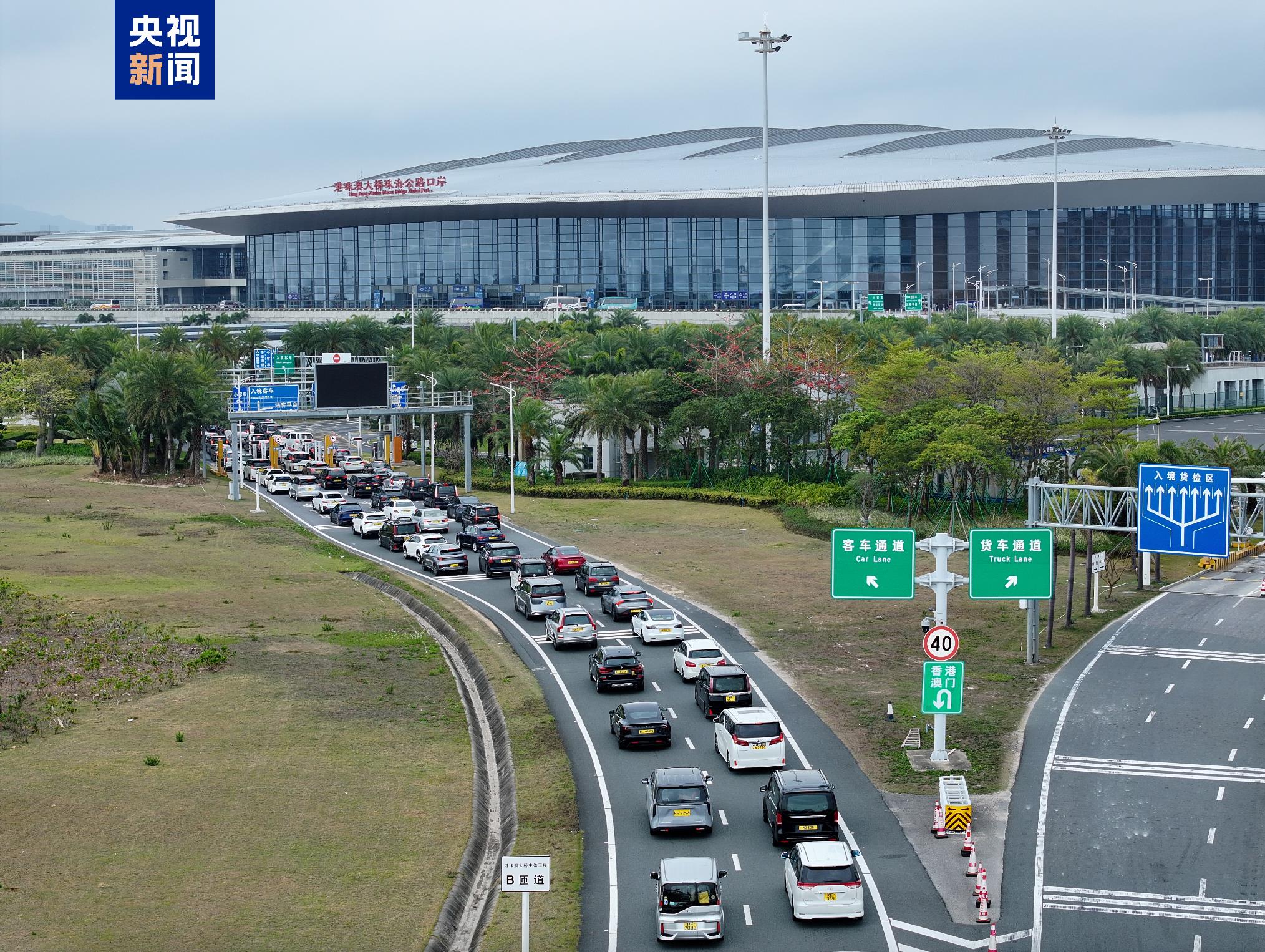
Core Viewpoint - The Hong Kong-Zhuhai-Macao Bridge has significantly enhanced connectivity among the Guangdong-Hong Kong-Macao Greater Bay Area, marking a historic milestone with over 100 million travelers crossing since its opening, indicating a shift in regional dynamics and strategic considerations for cross-border integration [1][3]. Group 1: Travel and Connectivity - The travel time from Hong Kong to Zhuhai and Macao has been reduced from 3 hours to approximately 45 minutes, extending the living radius of residents and redefining their lifestyle [3]. - The number of travelers crossing the bridge has surged, with the first 50 million crossings taking over 5 years, while the next 50 million took only about 1 year and 8 months, showcasing rapid growth in cross-border movement [3][4]. Group 2: Policy and Economic Integration - Policies such as "Northbound vehicles from Macao," "Northbound vehicles from Hong Kong," and "Southbound vehicles from Guangdong" have facilitated self-driving travel for residents, promoting tourism, work, and property investment in the Bay Area [5]. - The bridge serves as a critical link for international travelers, with projections indicating over 569,000 foreign travelers will use the bridge by 2025, reflecting a 28.7% year-on-year increase [7]. Group 3: Economic Impact - The bridge has transformed into a vital international logistics artery, with total import and export volume through the Zhuhai port expected to exceed 1.2 trillion yuan by the end of 2025 [8]. - Cross-border e-commerce exports have seen a remarkable increase of 99.2% in the first three quarters of 2025, positioning the port as the second-largest cross-border direct purchase export port in China [8].
泓德基金:人民币走强有利于中国权益资产定价
Xin Lang Cai Jing· 2026-01-06 07:44
Market Performance - The domestic equity market continued to strengthen last week, with major broad-based indices generally rising around 3%, and both the Wind All A and CSI 2000 indices reached new highs for the year [1][5] - The average daily trading volume increased to a high level of 2.2 trillion yuan, driven primarily by the cyclical sector led by non-ferrous metals [1][5] - In the Hong Kong market, the Hang Seng Index and Hang Seng Technology rose by 0.5% and 0.4%, respectively [1][5] Currency Exchange Rate - The Chinese yuan has significantly appreciated against the US dollar this year, particularly after the Busan talks in late November, which eased bilateral relations [1][6] - The offshore yuan exchange rate even briefly surpassed the 7 yuan mark, attracting significant investor attention [1][6] - As of the end of November, China's official foreign exchange reserves were approximately 3.35 trillion USD, an increase of over 140 billion USD since the beginning of the year [6] Impact on Export and Import Companies - The appreciation of the yuan means that Chinese export goods have become more expensive in the international market, posing challenges for export-oriented companies, especially those in labor-intensive industries that rely on price advantages [2][6] - Export companies receiving payments in USD will find that converting to yuan results in lower amounts, potentially reducing profits, which raises concerns about exchange losses for companies with high export ratios in Q4 [2][6] - Conversely, companies that need to import raw materials, energy, components, and high-end equipment will benefit from a stronger yuan, as it reduces procurement costs and can enhance profit margins [2][6] Trade Balance and Economic Strategy - China's long-term trade surplus has been a source of friction with other economies, particularly the US and Europe [3][7] - The proactive balancing of trade is seen as beneficial for creating a more favorable international economic environment [3][7] - The central government's focus on domestic circulation and expanding domestic demand is a key task for high-quality economic development in the coming year [3][7] Bond Market Outlook - In the bond market, short- to medium-term interest rates declined while long-term rates saw slight increases, with secondary capital bonds showing little change [3][7] - The bond market is expected to remain within a narrow range, supported by stable year-end liquidity and potential new monetary policies from the central bank [3][7] - Despite current economic pressures, there is a possibility of a simultaneous bull market in both stocks and bonds in the near future [3][7]