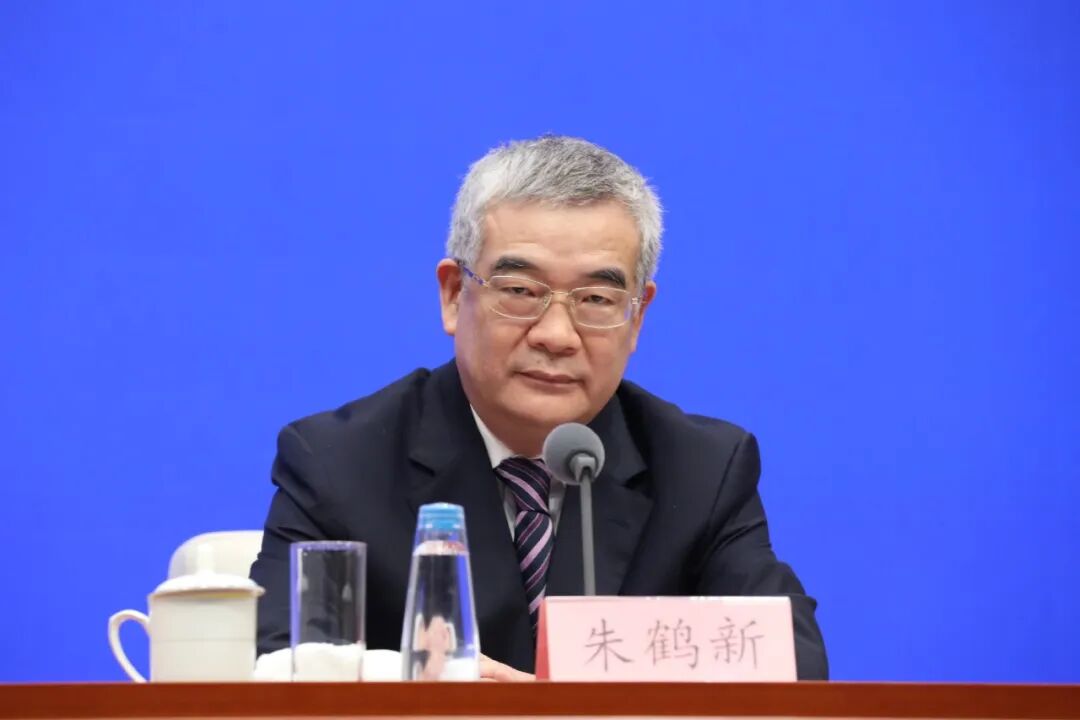
外汇市场

Search documents
今年前8个月我国外汇市场累计成交超过200万亿元
Xin Hua Wang· 2025-10-02 07:31
Core Insights - The State Administration of Foreign Exchange (SAFE) reported that the total turnover of China's foreign exchange market (excluding foreign currency pairs) reached 24.08 trillion yuan (approximately 3.38 trillion USD) in August 2025 [1] - In the first eight months of this year, the cumulative turnover of China's foreign exchange market amounted to 203.23 trillion yuan (approximately 28.33 trillion USD) [1] - As of the end of June this year, there were 703 banks and 115 non-bank institutions participating in the interbank foreign exchange market, including 296 foreign institutions, covering major currencies [1]
外汇局,最新报告!
Zheng Quan Shi Bao· 2025-10-01 05:37
Core Insights - The report from the State Administration of Foreign Exchange indicates that China's current account is expected to remain balanced in the second half of 2025, with cross-border investment and financing likely to improve steadily [2] - As of June 2025, China's total external debt was $2.4368 trillion, showing a slight decrease of 0.6% from March 2025, with a stable debt scale and currency structure [2][7] Trade Performance - In the first half of 2025, China's current account surplus was $294.1 billion, remaining within a reasonable range, with total goods trade volume increasing by 2% year-on-year [4] - Goods exports reached $1.7 trillion, a 7% increase year-on-year, while imports were $1.2 trillion, down 4% year-on-year [4] - Service trade showed robust growth, with total service imports and exports rising by 6% year-on-year, and travel income increasing by 42% to $24.3 billion, marking a historical high for the same period [4][5] Foreign Investment and Debt - By June 2025, China's foreign financial assets exceeded $11 trillion, while liabilities were over $7.2 trillion, resulting in a net foreign asset of $3.8 trillion, a 16% increase from the end of 2024 [7] - Direct investment in China accounted for 51% of total foreign liabilities, while securities investment made up 30%, reflecting a rising trend [7] Future Outlook - The report anticipates that the external environment will remain complex, with potential pressures from trade protectionism and geopolitical conflicts, but China's economic fundamentals are strong enough to support stable international payments [9] - The foreign exchange management department plans to expand reforms and facilitate cross-border trade and investment, while also enhancing monitoring to mitigate external risks [10]
瑞达期货宏观市场周报-20250926
Rui Da Qi Huo· 2025-09-26 09:39
Report Summary 1. Investment Rating The report does not provide an overall industry investment rating. 2. Core Views - A-share market: A-share major indices generally rose this week, with the Science and Technology Innovation 50 Index surging over 6%. Most stock index futures increased, and large-cap blue-chip stocks performed well. The market was in a state of multiple vacuums of performance, policies, and macro data, with less disturbance from domestic and foreign news. Investor sentiment was cautious due to approaching holidays, resulting in a random walk pattern and a slight decline in trading activity. It is recommended to buy on dips [9][14]. - Bond market: Treasury bond futures declined across the board this week. The "supply - strong, demand - weak" pattern in August economic data may continue, pressuring third - quarter economic growth and providing some support for the bond market. However, in the absence of incremental positive factors, the market is sensitive to negative news. The uncertainty of the new public bond fund regulations continues to disrupt, and bearish sentiment dominates. It is expected that Treasury bond futures will continue to fluctuate weakly in the short term, and it is recommended to watch cautiously [9]. - Commodity market: The Wind Commodity Index rose 4.59%. Gold fell from its historical high due to the rising dollar but has long - term upward potential in a globally loose liquidity environment. Crude oil's trend was volatile due to geopolitical conflicts, and long - term supply pressure remains. The commodity index is expected to fluctuate widely, and it is recommended to mainly watch [9]. - Foreign exchange market: The euro - dollar exchange rate declined. Strong US economic data and hawkish signals from some Fed officials dampened the expectation of interest rate cuts, leading to a short - term rebound of the dollar. The euro was suppressed by the dollar's rebound. It is recommended to watch cautiously [9][13]. 3. Summary by Directory 3.1 This Week's Summary and Next Week's Allocation Suggestions - **Monetary policy**: China's central bank net injected 9406 billion yuan in the open market this week. The September LPR quotes remained stable, with the 1 - year and over - 5 - year varieties at 3.0% and 3.5% respectively. The current economic downward pressure has increased, but previous policies are still taking effect. The Fed's 25 - basis - point interest rate cut in September provides more room for China's monetary policy. If the third - quarter fundamentals continue to weaken, there may be a new round of reserve requirement ratio and interest rate cuts in the fourth quarter [14]. - **Capital market**: As mentioned above, A - shares and stock index futures performed well, while Treasury bond futures declined [9][14]. 3.2 Important News and Events - **Domestic**: President Xi Jinping announced China's new national independent contributions at the UN Climate Change Summit. Premier Li Qiang attended the High - level Meeting on the Global Development Initiative and met with the President of the European Commission [16]. - **International**: The US lowered the tariff on EU cars to 15% and exempted some EU products from tariffs. There were differences within the Fed on future monetary policy paths. The OECD raised the global economic growth forecast for 2025. The Bank of Japan maintained the interest rate at 0.5% and announced the reduction of ETF and real estate investment trust holdings [18]. 3.3 This Week's Domestic and Foreign Economic Data - **China**: The central bank's open - market net injection was 9406 billion yuan. The 9 - month LPR remained stable. The year - on - year growth rate of total social electricity consumption in August was 5% [14][19]. - **US**: The initial jobless claims in the week ending September 20 decreased to 218,000. The annualized quarterly rate of real GDP in the second quarter was revised up to 3.8%. The core PCE price index was slightly higher than expected [13][19]. - **EU**: The September consumer confidence index improved slightly, but the manufacturing PMI declined [13][19]. - **Germany**: The September manufacturing PMI was lower than expected, and the October Gfk consumer confidence index improved [19]. - **France**: The September manufacturing PMI was lower than expected [19]. - **UK**: The September manufacturing PMI was lower than expected [19]. 3.4 Next Week's Important Economic Indicators and Economic Events - Multiple important economic data will be released next week, including China's September official manufacturing PMI, the UK's second - quarter GDP annual rate final value, Germany's September unemployment rate, the US's September ADP employment, and the unemployment rate, etc. [81]

8月外汇市场平稳运行
Ren Min Ri Bao· 2025-09-23 03:33
Core Viewpoint - The foreign exchange market in China is operating smoothly, with a balance between supply and demand, as indicated by the recent data released by the State Administration of Foreign Exchange (SAFE) [1] Group 1: Foreign Exchange Data - In August, banks settled foreign exchange transactions amounting to 211.8 billion USD and sold 197.1 billion USD, reflecting a stable market operation [1] - From January to August, banks accumulated a total of 1,588.6 billion USD in settlements and 1,576.5 billion USD in sales [1] Group 2: Cross-Border Payments - In August, banks recorded foreign-related income of 638.3 billion USD and foreign payments of 635.0 billion USD, with cumulative figures from January to August showing 5,189.3 billion USD in income and 5,066.5 billion USD in payments [1] - The non-bank sector's cross-border receipts and payments reached 1.3 trillion USD in August, marking an 8% year-on-year increase [1] Group 3: Market Stability - The foreign exchange market is characterized by active trading, with a net inflow of cross-border funds amounting to 3.2 billion USD in August and a surplus of 14.6 billion USD in bank settlements and sales [1] - The net inflow from goods trade remains stable, while foreign investment in domestic stocks and bonds shows a net buying trend, with seasonal declines in service trade and investment income outflows [1]
朱鹤新:我国外汇市场运行平稳 活力和韧性都在增强
Jin Rong Shi Bao· 2025-09-23 02:01
Core Insights - Since the beginning of the "14th Five-Year Plan," China's foreign exchange sector has effectively coordinated development and security, steadily advancing high-level openness, which provides strong support for constructing a new development pattern [1] Group 1: International Balance of Payments - China's international balance of payments has become more stable, with a reasonable ratio of current account surplus to GDP [1] - By the end of July, foreign institutions and individuals held over 10 trillion yuan in domestic stocks, bonds, and deposits [1] Group 2: Cross-Border Capital Flows - In 2024, China's cross-border capital flow scale is projected to reach 14 trillion USD, a 64% increase from 2020, with an average annual growth rate 8 percentage points higher than during the "13th Five-Year Plan" [2] - The trading volume in the foreign exchange market is expected to be 41 trillion USD in 2024, a 37% increase from 2020, indicating sufficient capacity to accommodate various transactions [2] Group 3: Foreign Exchange Market Resilience - The ratio of enterprises using foreign exchange hedging has increased from 17% in 2020 to around 30%, while the proportion of the renminbi in cross-border trade has risen from 16% to nearly 30% [2] - The macro-prudential management system of the foreign exchange market is gradually improving, with a richer toolbox for counter-cyclical adjustments [2] Group 4: Future Outlook - The long-term positive fundamentals of China's economy and steady progress in high-level openness lay a solid foundation for a stable international balance of payments [3] - The foreign exchange reserve has remained stable above 3 trillion USD, exceeding 3.2 trillion USD in recent years, serving as an important stabilizer for the national economy [4]
国家外汇局局长朱鹤新:人民币在跨境贸易中占比升至近30%
Sou Hu Cai Jing· 2025-09-23 01:17
Core Insights - The foreign exchange market in China has shown stability and resilience since the start of the 14th Five-Year Plan, with the RMB's share in cross-border trade increasing from 16% to nearly 30% [1][4] Group 1: Cross-Border Transactions - The scale of cross-border receipts and payments in China is projected to reach 14 trillion USD in 2024, representing a 64% increase from 2020, with an average annual growth rate 8 percentage points higher than during the 13th Five-Year Plan [3] - In the first eight months of this year, cross-border receipts and payments grew by 10% year-on-year, indicating sustained activity in cross-border trade and investment [3] Group 2: Foreign Exchange Market Development - The foreign exchange trading volume is expected to reach 41 trillion USD in 2024, a 37% increase from 2020, with both spot and derivative trading experiencing growth [3] - As of June this year, 703 banks and 115 non-bank institutions, including 296 foreign institutions, are participating in the interbank foreign exchange market [3] Group 3: Market Stability and Future Outlook - The RMB exchange rate has become more flexible, functioning as an "automatic stabilizer" for the macro economy and international payments, with the proportion of corporate foreign exchange hedging rising from 17% in 2020 to around 30% [4] - The long-term positive fundamentals of the Chinese economy and steady progress in high-level opening-up are expected to support a stable balance of international payments, enhancing the resilience of the foreign exchange market [4]

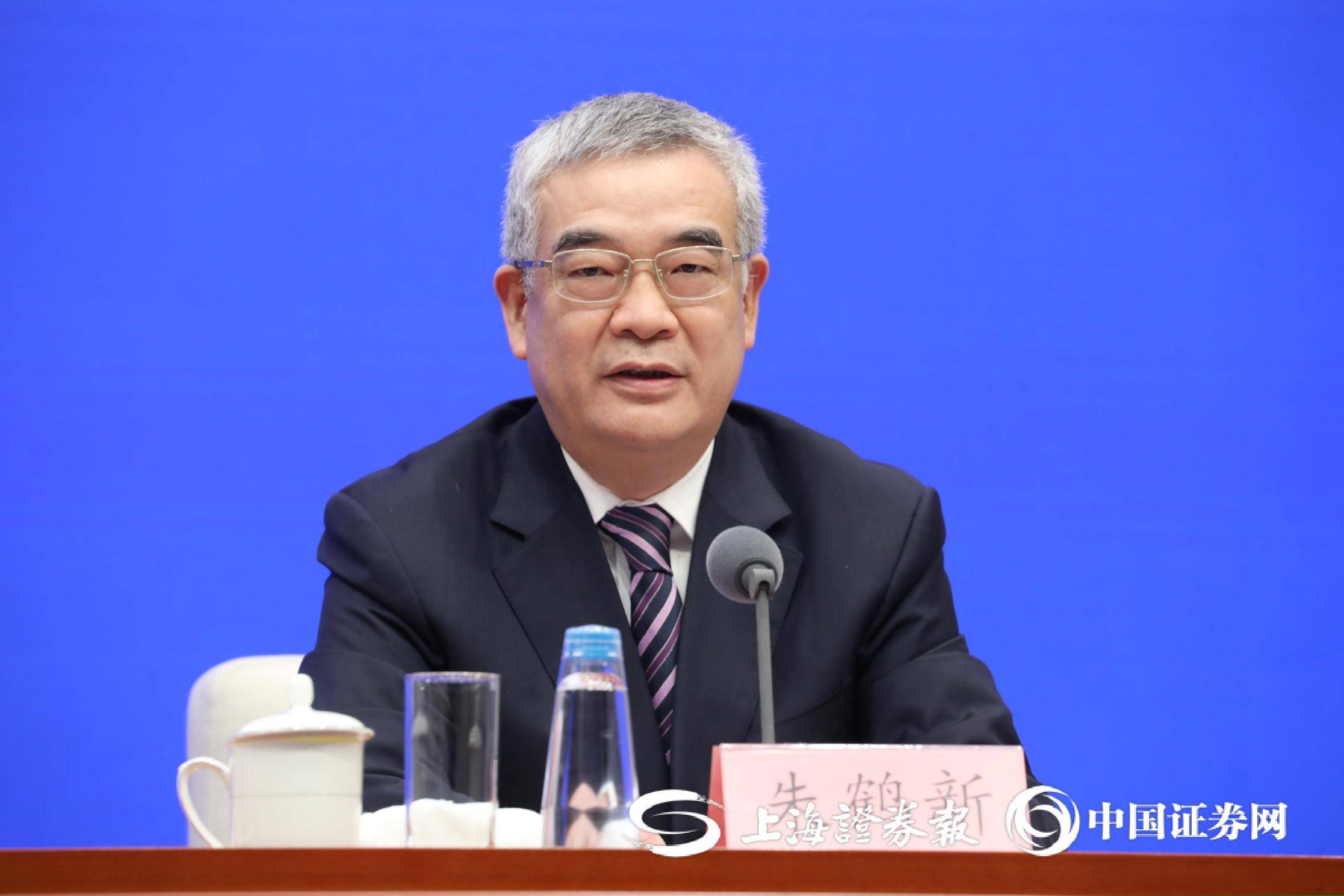
国家外汇局:我国外汇市场运行平稳 不论是活力还是韧性都在增强
Sou Hu Cai Jing· 2025-09-23 00:57
Core Insights - The foreign exchange market in China has shown stability and resilience during the "14th Five-Year Plan" period, with significant improvements in its functionality and depth [3][4]. Group 1: Market Performance - The cross-border receipts and payments in China are projected to reach $14 trillion in 2024, a 64% increase from 2020, with an average annual growth rate 8 percentage points higher than during the "13th Five-Year Plan" [3]. - The trading volume in the foreign exchange market is expected to be $41 trillion in 2024, a 37% increase from 2020, with both spot and derivative trading growing simultaneously [3]. Group 2: Market Structure and Participants - As of June 2023, there are 703 banks and 115 non-bank institutions participating in the interbank foreign exchange market, including 296 foreign institutions [3]. - The infrastructure for trading, clearing, and payment mechanisms has been continuously improved, effectively reducing transaction costs and settlement risks [3]. Group 3: Market Stability and Future Outlook - The ratio of corporate foreign exchange hedging has increased from 17% in 2020 to around 30%, while the proportion of the renminbi in cross-border trade has risen from 16% to nearly 30% [4]. - The long-term positive fundamentals of the Chinese economy and the steady progress of high-level opening-up are expected to support a stable international balance of payments [4]. - The foreign exchange reserves have remained stable above $3.2 trillion for nearly two years, serving as a crucial stabilizer for the national economy [5].
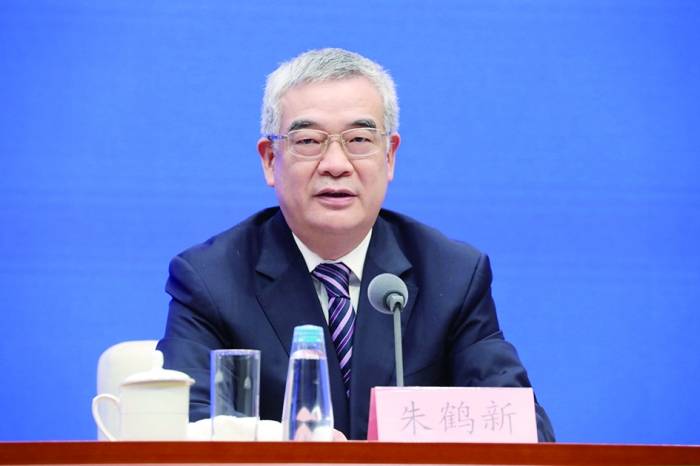
影响市场重大事件:潘功胜回应美联储降息,综合运用多种货币政策工具保持流动性充裕;证监会:更好发挥中长期资金压舱石作用,吸引更多源头活水
Mei Ri Jing Ji Xin Wen· 2025-09-22 22:56
Group 1: Monetary Policy and Financial Stability - The People's Bank of China emphasizes a proactive monetary policy to maintain liquidity and prevent systemic financial risks, especially in response to the Federal Reserve's interest rate cuts [1] - The China Securities Regulatory Commission (CSRC) aims to enhance the role of long-term funds as stabilizers in the market, improving cross-border investment facilitation to attract global capital [2][6] - The State Administration of Foreign Exchange reports that the use of the Renminbi in cross-border trade has increased from 16% to nearly 30%, indicating a strengthening of the foreign exchange market [3] Group 2: Support for Enterprises and Financing - The Financial Regulatory Bureau has expanded the coverage of the no-repayment renewal loan policy, impacting loans totaling 9.4 trillion yuan, to alleviate financial pressure on small and medium-sized enterprises [4] - As of July, foreign institutions and individuals held over 10 trillion yuan in domestic stocks, bonds, and deposits, reflecting a robust international balance of payments [5] Group 3: Market Confidence and Investment Trends - The CSRC reports that foreign investment in A-shares has reached a market value of 3.4 trillion yuan, indicating an expanding capital market [6] - Private equity funds have increased their positions to a new high for the year, with the stock private equity position index rising to 78.04%, showing strong market confidence [9] Group 4: Industry Support and Resource Management - A joint initiative by five departments, including the Ministry of Industry and Information Technology, aims to stabilize the steel industry by accelerating the development of key iron ore projects and supporting long-term agreements for raw materials [10]
外汇市场活力和韧性增强 应对外部风险挑战底气更足
Sou Hu Cai Jing· 2025-09-22 22:20
Core Insights - The People's Bank of China and the State Administration of Foreign Exchange reported that China's cross-border capital flows have remained generally balanced despite high volatility in international markets, with the RMB exchange rate performing steadily against major currencies [1][2] - The cross-border receipts and payments scale is projected to reach $14 trillion in 2024, a 64% increase from 2020, with an average annual growth rate during the 14th Five-Year Plan period being 8 percentage points higher than the previous period [1] - The ratio of enterprises using foreign exchange hedging has increased from 17% in 2020 to around 30%, and the RMB's share in cross-border trade has risen from 16% to nearly 30% [1] Market Resilience - The international balance of payments has remained fundamentally balanced during the 14th Five-Year Plan, with the current account surplus to GDP ratio staying within a reasonable range [2] - Foreign exchange reserves have consistently remained above $3 trillion, stabilizing at over $3.2 trillion in recent years, serving as a crucial stabilizer for the national economy and finance [2] - The State Administration of Foreign Exchange has facilitated nearly $4.6 trillion in trade-related foreign exchange receipts and payments since the beginning of the 14th Five-Year Plan [2] Policy Initiatives - The foreign exchange authority has implemented reforms to enhance the efficiency of trade foreign exchange receipts and payments, as well as to promote high-level openness in cross-border trade and investment [2] - Efforts to improve the convenience of cross-border investment and financing have led to nearly $300 billion in related transactions during the 14th Five-Year Plan [2] - The foreign exchange business reform has included over 23,000 quality clients from small and medium-sized enterprises, private enterprises, and foreign-funded enterprises, with cumulative transactions exceeding $500 billion [2]
超10万亿元!国家外汇局透露
Shang Hai Zheng Quan Bao· 2025-09-22 21:47
Core Insights - The foreign exchange market in China has shown resilience and vitality, with significant growth in cross-border capital flows and foreign investments [1][3][5] Group 1: Foreign Exchange Market Performance - As of July, foreign institutions and individuals held over 10 trillion yuan in domestic stocks, bonds, and deposits, with the RMB's share in cross-border trade rising to nearly 30% [1][5] - The cross-border capital flow is projected to reach 14 trillion USD in 2024, a 64% increase from 2020, with an average annual growth rate during the "14th Five-Year Plan" period 8 percentage points higher than the previous period [3][4] - The trading volume in the foreign exchange market is expected to be 41 trillion USD in 2024, a 37% increase from 2020, indicating a deepening market with sufficient capacity for various transactions [3][4] Group 2: Market Structure and Functionality - The foreign exchange market has become more complete and deepened, with 703 banks and 115 non-bank institutions participating, including 296 foreign institutions [3][4] - The infrastructure for trading, clearing, and payment has improved, effectively reducing transaction costs and settlement risks, thereby better serving the real economy [3][4] Group 3: Stability and Management - The RMB exchange rate has shown increased flexibility, acting as an automatic stabilizer for the macro economy and international balance of payments, with the corporate foreign exchange hedging ratio rising from 17% in 2020 to around 30% [4][5] - The macro-prudential management system for the foreign exchange market is gradually improving, with enhanced counter-cyclical adjustment tools to manage external risks [4][5] Group 4: Future Outlook - The long-term positive fundamentals of the Chinese economy and steady high-level opening-up are expected to support a stable international balance of payments [4][6] - The foreign exchange reserve has remained stable above 3 trillion USD, providing a strong foundation for economic stability and growth [6]