数智技术

Search documents
京东工业2025合作伙伴大会“落地”广州 以数智供应链助力商家挖掘新增长路径
Guang Zhou Ri Bao· 2025-05-29 15:14
Group 1 - The "2025 Partner Conference" held in Guangzhou aims to enhance digital transformation opportunities for Guangdong's manufacturing industry and related enterprises, focusing on expanding online sales channels and improving market competitiveness [2] - The Guangdong Provincial Department of Commerce emphasizes the unique advantages of JD.com in promoting supply and demand matching in the manufacturing supply chain, aiming to support Guangdong's foreign trade enterprises in their transformation and domestic sales expansion [2][3] - The conference serves as a platform for partners to explore future growth paths in the industrial products sector [2] Group 2 - The traditional distribution model for industrial products is increasingly inadequate to meet the demands of new industrialization, prompting many foreign trade brands to shift focus to the domestic market due to global market slowdowns and changing trade policies [3] - Shenzhen Huashengchang Technology Co., Ltd. highlights the importance of JD.com's supply chain capabilities in establishing efficient connections to customers, enhancing the value provided to enterprise users [3][4] - Huashengchang anticipates a significant growth in domestic sales, projecting a 200-300% increase this year, driven by rising consumer recognition of domestic brands [4] Group 3 - JD Industrial has served over 10,000 key enterprises, 2.6 million small and medium-sized enterprises, and a vast number of consumers, creating a comprehensive channel system that covers large enterprises, SMEs, individual consumers, and overseas clients [5] - The company has aggregated over 120,000 manufacturers, distributors, and agents, covering approximately 57.1 million SKUs, and plans to enhance its product categories in various industrial sectors by 2025 [5] - JD Industrial has introduced a support system for self-operated and POP merchants, including logistics resources, flexible warehousing models, and various training and diagnostic services [5]

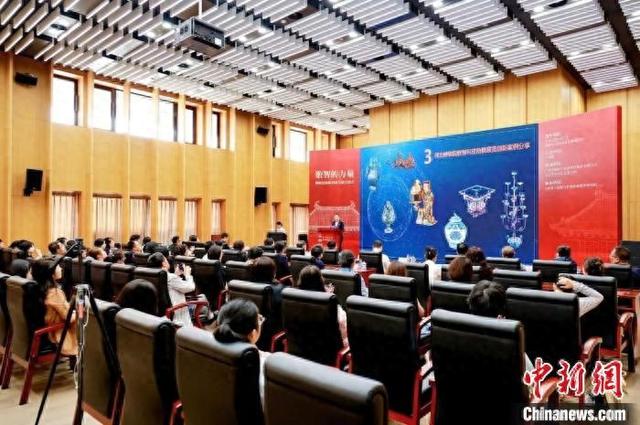
专家业者共论博物馆展陈创新如何更好借助数智力量
Zhong Guo Xin Wen Wang· 2025-05-29 13:21
Core Viewpoint - The conference "The Power of Digital Intelligence - Innovation and Development Exchange Conference for Museum Exhibitions" focused on the innovative application of digital intelligence technology in museum exhibitions, aiming to accelerate the digital and intelligent transformation of museums for high-quality development [1][5]. Group 1: Digital Technology Application - The Chengdu Museum has actively utilized digital technology in various exhibitions to enhance the expression and depth of cultural relics, improving accessibility and experience for visitors [3]. - The ongoing exhibition "Seeing the Yin Shang" at the Capital Museum showcases the use of digital technology to reunite artifacts and provide clear insights into their history through digital means [3]. - The Shanxi Provincial Institute of Ancient Architecture and Colored Sculpture Protection highlighted the use of digital technology to reveal details in murals and ancient architecture, creating an immersive viewing experience that replicates the historical context [3]. Group 2: Industry Collaboration and Future Directions - The conference served as a high-level dialogue platform for the museum and cultural heritage sectors, sharing case studies and ideas to provide new insights for the digital transformation of the industry [5]. - The future direction for the museum industry includes deepening the application of digital intelligence technology, promoting exhibition innovation, and optimizing visitor experiences [5].
数智技术加快文化出海
Jing Ji Ri Bao· 2025-05-28 18:37
Group 1 - The State Council of China has issued policies to promote the high-quality development of cultural exports, aiming to cultivate internationally competitive cultural enterprises and facilitate the global expansion of cultural products and services [1] - The 2025 Cultural Power Construction Summit Forum highlighted the role of digital technology in transforming the cultural industry, emphasizing the need for government and market collaboration to address challenges and seize opportunities in cultural trade [1] - Pop Mart has established a presence in over 80 major global cities, showcasing the international recognition of its intellectual property (IP) value, which is a core driver of its growth [1] Group 2 - Huasheng Fantawild has developed an internal AI content generation platform, enhancing the quality and efficiency of animation and film content creation through the application of AI technology in various stages of production [2] - The company aims to deepen its focus on the cultural tourism technology industry and enhance digital applications to create more cultural products [2]
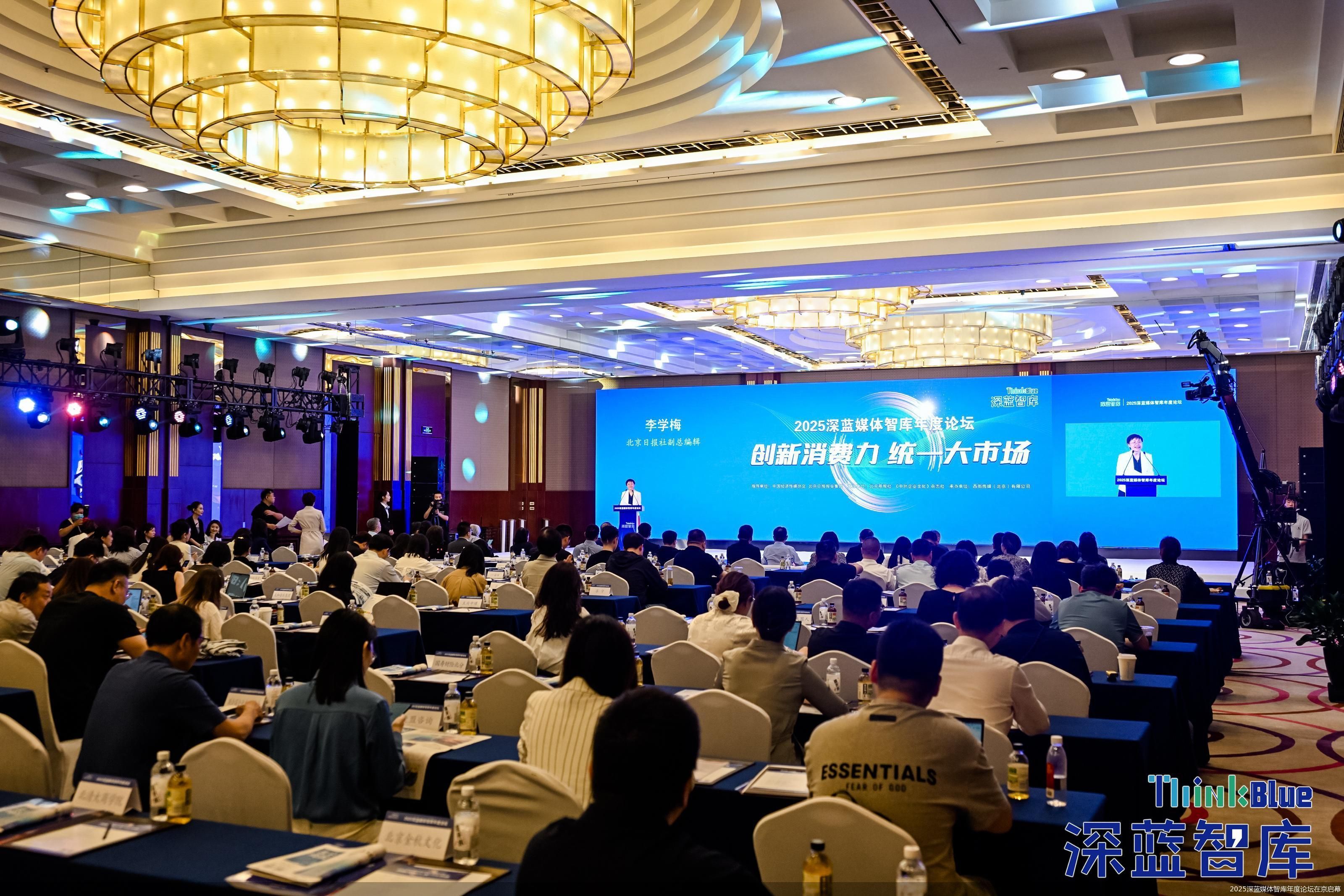
2025深蓝媒体智库年度论坛在京启幕:四份报告聚焦产业发展 跨界力量共话创新消费
Bei Jing Shang Bao· 2025-05-28 09:36
Group 1 - The forum focused on "Innovative Consumption Power and Unified Market," featuring a main forum and three specialized forums on tourism, wine culture, and the catering industry, highlighting high-quality development paths in these sectors [3][17] - Deep Blue Think Tank released six annual reports covering hot topics such as consumer finance, humanoid robots, and cultural export, providing valuable insights for industry development [3][14] - The forum gathered hundreds of guests from various sectors to explore practical solutions for boosting consumption, activating the private economy, and promoting innovative integration [3][17] Group 2 - Beijing's Commerce Bureau emphasized the city's role in leading high-quality national consumption market development, with over 20 policy measures to be released soon to stimulate consumption [7] - The keynote speech by Tsinghua University's Internet Industry Research Institute highlighted the transformative impact of AI and data on consumption, stressing the importance of a credible data space for new consumption models [9] - The launch of the "Deep Blue Think Tank Innovation Manufacturing Research Base" aims to focus on intelligent manufacturing and technological innovation, enhancing collaboration among various sectors [11] Group 3 - The four annual thematic reports released include insights on humanoid robots, cultural IP export, consumer power, and financial innovation, providing data-driven recommendations for policy-making and corporate strategy [14] - The dialogue on how finance can stimulate domestic demand revealed a shift from single-scene consumption credit to an ecosystem service model, integrating various sectors to support consumption [14] - The forum served as a high-end platform for exchanging ideas and experiences, addressing frontier issues in consumption, tourism, wine, and catering industries, and showcasing the responsibilities of media think tanks in the new era [17][18]
全球工商界呼吁维护全球产供链安全稳定 2025年全球贸易投资促进峰会在京举行
Jin Rong Shi Bao· 2025-05-28 01:39
Group 1 - The global economy is entering a new period of turmoil and transformation due to rising unilateralism and protectionism, necessitating collaboration among the global business community to maintain a stable and efficient global industrial and supply chain [1][3] - The 2025 Global Trade and Investment Promotion Summit emphasized the importance of embracing the digital and intelligent era for mutual development, with a record number of international participants from 48 countries and regions [1][2] Group 2 - The "Beijing Initiative" released at the summit includes six key areas: building a collaborative digital system, sharing technological benefits, promoting trade liberalization, enhancing green transformation, fostering healthy AI development, and deepening global business cooperation for sustainable development [2] - Trade protectionism is making the global economy more vulnerable, with tariffs disrupting normal trade order and increasing global volatility, as highlighted by the president of the New Development Bank [3][4] Group 3 - The importance of resilient and vibrant global supply chains is underscored, with a call to avoid decoupling and trade wars, which have no winners and hinder economic development [3][4] - The rapid development of digital and intelligent technologies is seen as a significant opportunity for economic growth and industrial upgrading, with potential to reshape global productivity and competitiveness [5][6]
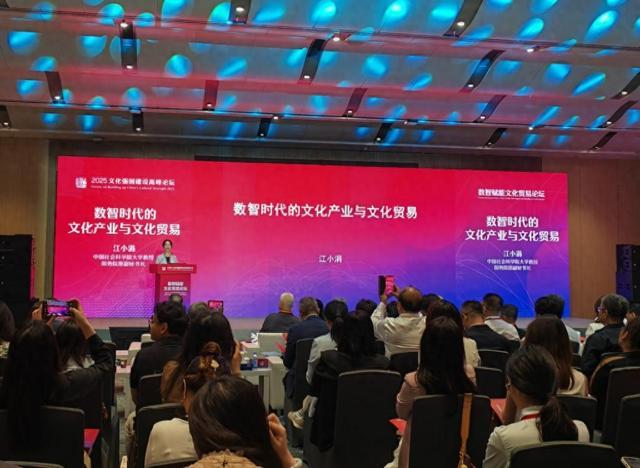
中国社会科学院大学教授、国务院原副秘书长江小涓: 数智技术推动文化产业发展
Shen Zhen Shang Bao· 2025-05-27 20:03
Core Viewpoint - The speech by Jiang Xiaojun emphasizes that digital intelligence technology is transforming the cultural industry and trade, creating vast opportunities for growth and innovation in cultural exports [1][2]. Group 1: Impact of Digital Intelligence on Cultural Industry - Digital intelligence technology is driving changes across the entire cultural industry chain, significantly promoting its prosperity and development [1]. - The efficiency of extracting, processing, and generating cultural elements has been greatly enhanced, giving cultural products an inherent global appeal [1]. - The case of the domestic 3A game "Black Myth: Wukong" illustrates the potential of high-quality cultural products in the international market, with one-third of its players being overseas [1]. Group 2: Cultural Trade Forms - Jiang Xiaojun identifies four forms of cultural trade that should be emphasized for collaborative development: 1. Cross-border sales of cultural products, exemplified by Pop Mart's overseas revenue accounting for about 40% [2]. 2. Attracting foreign consumers to experience cultural services in China. 3. Cultural producers operating commercially abroad. 4. A dual cross-border model involving both producers and consumers [2]. Group 3: Challenges in AI-Assisted Creation - The rise of AI-assisted creation is rapidly enhancing creative capabilities, with AI learning from vast amounts of cultural works and generative AI changing the way cultural products are created [1]. - However, challenges remain, such as the lack of high-quality Chinese cultural materials, as many large models primarily rely on internet content, which may not adequately represent the richness of Chinese cultural classics [1].
数智赋能共绘文化贸易新图景
Xin Hua Wang· 2025-05-27 14:57
Group 1 - The forum highlighted the transformative impact of digital intelligence on the cultural industry, promoting its prosperity and providing vast development space for cultural trade [3] - Innovation is fundamental to cultural trade, encompassing literary, artistic, technological, and operational innovations [3] - Chinese companies are shifting from "borrowing boats to go to sea" to "building boats to go to sea," with successful examples in animation, gaming, trendy toys, and theme parks [3][4] Group 2 - Companies like Bubble Mart are focusing on global operations, leveraging IP as a core driver to connect with global consumers [3] - 37 Interactive Entertainment has expanded its business to over 200 countries, integrating Chinese cultural elements into game development and operations [4] - The forum featured discussions on digital cultural trade expansion, revitalizing traditional IPs, and the dual empowerment of brands and culture [5] Group 3 - Online literature has emerged as a global cultural trendsetter, with Chinese online literature entering a new phase of global IP co-creation [5] - Traditional cultural industries are revitalizing through digital technologies, creating new models and immersive experiences [5] - The forum included a policy roundtable discussing the latest measures to support high-quality cultural trade development [6] Group 4 - The forum announced the "2025-2026 National Cultural Export Key Enterprises and Key Projects," with 404 enterprises and 121 projects recognized [8]


中国文化出海从“卖产品”到“卖生态”,数智技术重塑文化贸易新格局
2 1 Shi Ji Jing Ji Bao Dao· 2025-05-27 13:50
Group 1 - The core viewpoint of the articles emphasizes the transformative role of digital technology in reshaping the cultural industry and international trade, highlighting the emergence of new cultural narratives and business models in the digital age [1][3][9] - The total cultural trade volume in China reached 1.4 trillion yuan in 2024, with digital elements like online games and audiovisual content accounting for over 370 billion yuan, representing 25.8% of the total [3] - The global cultural trade has seen rapid growth, with exports exceeding 2 trillion USD in recent years, and digital services now comprise over half of global service trade [3][9] Group 2 - Chinese companies are transitioning from single-point cultural content exports to a more systematic approach, integrating various elements of cultural trade [2][8] - Companies like Bubble Mart have experienced significant growth, with revenues in the Americas and Europe increasing approximately ninefold and sixfold respectively in Q1 of this year [6][7] - The cultural industry is increasingly focusing on localization and international collaboration, as seen in Bubble Mart's strategies to engage local artists and celebrate regional festivals [7][8] Group 3 - The integration of digital technology in cultural heritage preservation has been exemplified by projects like "Digital Dunhuang" and "Digital Forbidden City," which have made significant progress in digitizing cultural artifacts [4][5] - Companies like 37 Interactive Entertainment have successfully expanded globally, with overseas revenue reaching 5.722 billion yuan, accounting for about one-third of total revenue [5][6] - The shift from "product output" to "system output" reflects a broader trend in the cultural industry, where companies are now focusing on comprehensive service offerings and supply chain integration [8][9] Group 4 - The Guangdong-Hong Kong-Macao Greater Bay Area is emerging as a key hub for cultural industry exports, supported by various government initiatives and policies aimed at fostering a stable business environment [9] - The establishment of national cultural trade bases aims to provide policy support, legal assistance, and financial backing to facilitate cultural enterprises' international expansion [9]
数智赋能推动文化产业“出圈”又“出海”
Zhong Guo Xin Wen Wang· 2025-05-27 13:48
Group 1 - High-quality development in cultural trade is essential for building a cultural powerhouse, with digital technology driving unprecedented changes and opportunities in the cultural industry [1] - The 2025 Cultural Powerhouse Construction Summit Forum highlighted the new landscape of cultural trade under the influence of digital technology, with representatives from government, academia, think tanks, and enterprises participating [1] - Digital technology enhances the production, transaction, creation, and service models in the cultural industry, improving efficiency and facilitating better matching between large platforms and individual creators [1][2] Group 2 - The core of contemporary cultural trade is international trade related to digitalization, which is crucial for the construction of a cultural powerhouse [2] - The Palace Museum has embraced new technologies since 1999, achieving 52% digitization of its collection and collaborating with Tencent on projects to protect and revitalize cultural heritage [2] - Chinese companies are shifting from product exports to system exports, requiring capabilities in supply chain integration, delivery resilience, market awareness, and compliance [2] Group 3 - Companies are the main application subjects of digital technology, enhancing competitiveness and innovation across production, management, and marketing [3] - The Chinese gaming industry is expanding globally, with companies integrating AI into various stages of game development and operation to improve efficiency and quality [3] - The theme park industry, exemplified by companies like Huaqiang Fantawild, is leveraging digital technology to create high-tech attractions and promote cultural exchange [3]
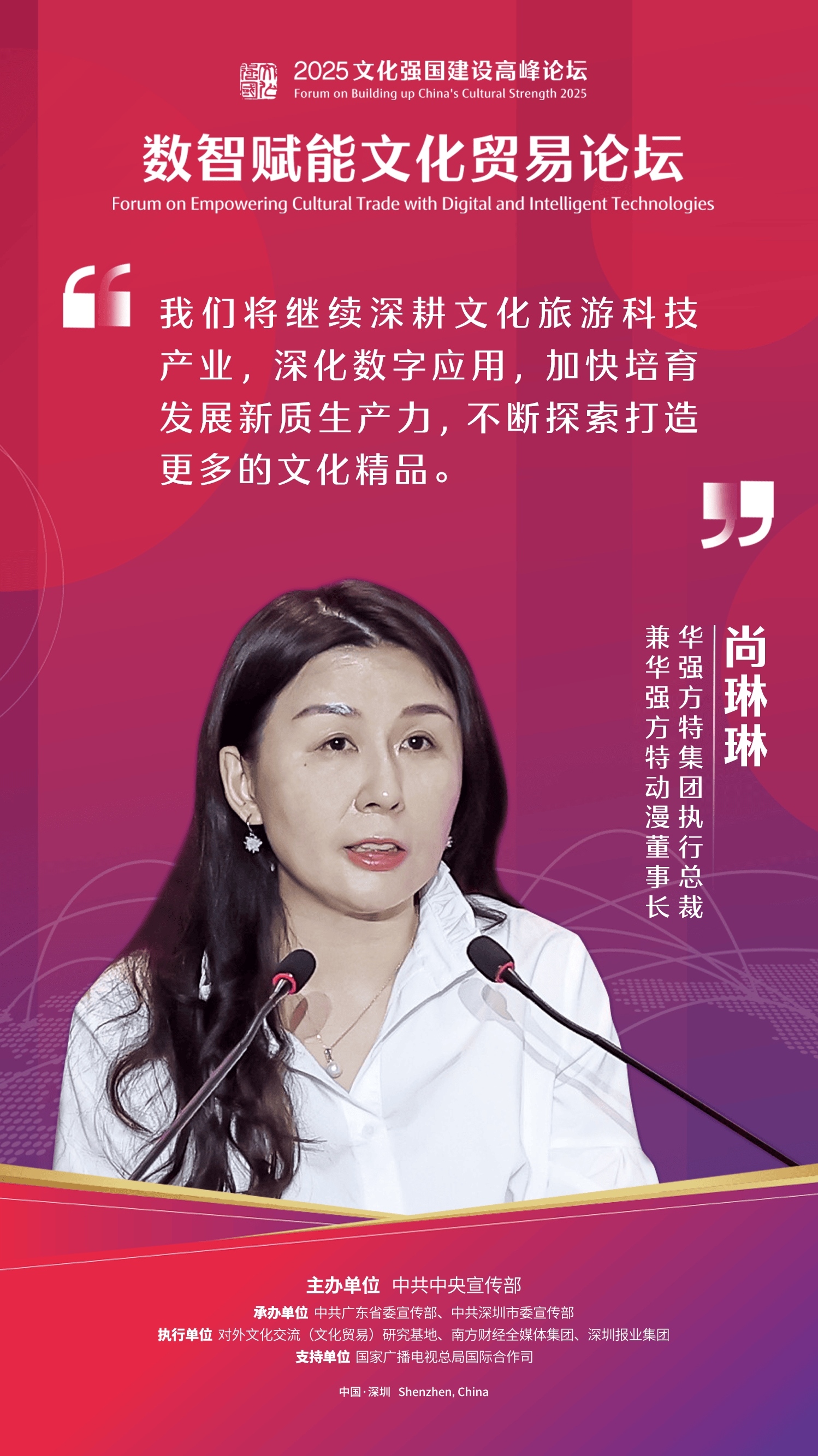
华强方特集团执行总裁兼华强方特动漫董事长尚琳琳:文化与科技融合,国民动画IP引领主题乐园“出圈”又“出海”
Sou Hu Cai Jing· 2025-05-27 09:50
Group 1 - The core viewpoint is that cultural trade is entering a new phase driven by digital intelligence technology, which has become a crucial engine for content creation, global dissemination, and the integration of consumption scenarios [1] - The company has over 20 years of experience in the cultural tourism industry and has successfully created the well-known national IP "Boonie Bears," with total box office exceeding 8.5 billion yuan [5] - The animation works have been distributed in over 130 countries and regions, with films screened in more than 70 countries, setting records for Chinese films' overseas distribution [5] Group 2 - The company operates over 40 theme parks nationwide, ranking second globally in visitor reception, only behind Disney [5] - The company is one of the earliest in China to engage in digital 3D production and has continuously invested in technology research and development, creating various software and plugins to enhance production efficiency [5] - AI technology is widely applied in multiple stages of content creation, including concept design, character and scene design, and model building, significantly improving the quality and efficiency of animation and film content [5][6] Group 3 - The company is among the few globally with full industry chain development and operation capabilities for theme parks, as well as the ability to export complete theme park solutions [6] - The company has completed overall designs for theme parks in countries like Ukraine and Nigeria and has exported complete theme park solutions to the Middle East, pioneering the export of Chinese intellectual property theme parks [6] - The company plans to continue deepening its engagement in the cultural technology industry, enhancing digital applications, and exploring the creation of more cultural products [6]