能源革命

Search documents
“含绿量”不断提升!能源发展“十四五”成绩瞩目
Yang Shi Wang· 2025-10-13 08:05
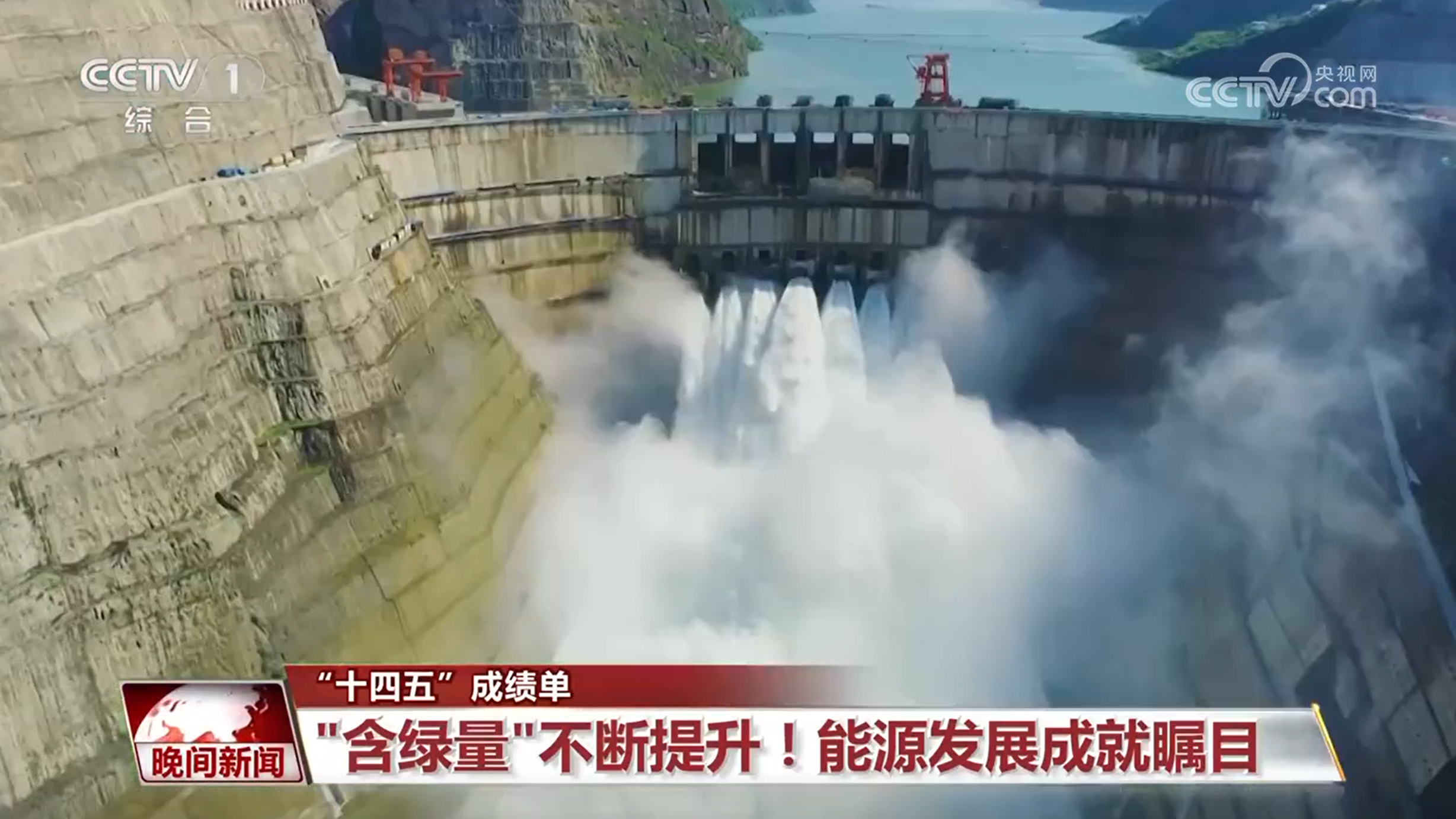
Core Insights - The "14th Five-Year Plan" emphasizes the importance of renewable energy as a key component for national energy security and economic stability [1][3][8] Group 1: Renewable Energy Development - During the "14th Five-Year Plan" period, China has built the world's largest and fastest-growing renewable energy system, with new energy storage capacity reaching approximately 95 million kilowatts, a nearly 30-fold increase over five years [3] - The proportion of renewable energy generation capacity has increased from 40% to around 60% [3] Group 2: Energy Consumption and Supply - The "14th Five-Year Plan" has seen energy consumption increase by 1.5 times compared to the total of the previous five years, while maintaining a stable energy self-sufficiency rate of over 80% [5] - The development of green energy has led to a significant shift in energy consumption, with one-third of electricity now generated from renewable sources [5] Group 3: Infrastructure and Technological Advancements - China has established the world's largest electric vehicle charging network, with two charging stations for every five electric vehicles, enhancing energy infrastructure [7] - The "14th Five-Year Plan" has positioned China as a global leader in renewable energy technologies and low-carbon development [8]

保供应、强民生、转低碳 能源强国之路越走越宽广
Yang Shi Wang· 2025-10-13 08:02
Core Insights - The "14th Five-Year Plan" emphasizes the importance of renewable energy as a crucial component for national energy security and economic development [1][3][13] Group 1: Renewable Energy Development - China has built the world's largest and fastest-growing renewable energy system during the "14th Five-Year Plan" period, with new energy storage capacity reaching approximately 95 million kilowatts, a nearly 30-fold increase over five years [5] - The proportion of renewable energy generation capacity has increased from 40% to around 60% [5] - The "Shagao Desert" has emerged as a new frontier for renewable energy construction, adding over 130 million kilowatts of installed capacity [7] Group 2: Energy Supply and Consumption - Energy consumption in China during the first four years of the "14th Five-Year Plan" has increased by 1.5 times compared to the total increase during the "13th Five-Year Plan" [9] - Despite high demand, China's energy supply and security have remained stable, with a self-sufficiency rate consistently above 80% [9] - The development of a robust electric vehicle charging network has been achieved, with the largest network globally, providing two charging stations for every five electric vehicles [11] Group 3: Future Outlook - With over 1.4 billion people's energy security effectively guaranteed, China is positioned as a global leader in renewable technology and green low-carbon development [13] - The path for high-quality energy development in China is expected to broaden significantly in the future [13]
每3度电就有1度是绿电 我国能源含“绿”量不断提升
Yang Shi Xin Wen· 2025-10-13 04:49
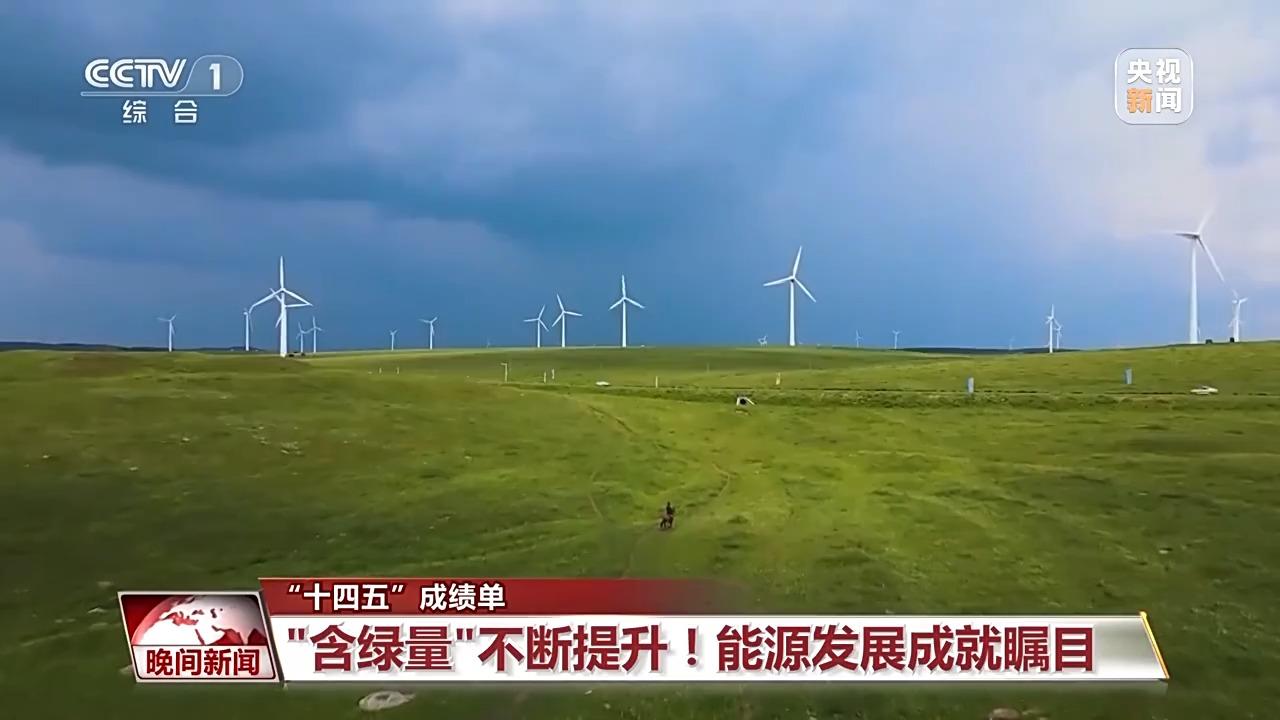
Core Insights - The "14th Five-Year Plan" emphasizes the importance of renewable energy as a crucial component for national energy security and economic stability [1][9] - China has established the world's largest and fastest-growing renewable energy system, with significant increases in installed capacity and energy supply resilience [3][4] Group 1: Renewable Energy Development - During the "14th Five-Year Plan" period, China's renewable energy capacity has grown significantly, with new energy storage installations reaching approximately 95 million kilowatts, a nearly 30-fold increase over five years [3] - The share of renewable energy generation capacity has increased from 40% to around 60% [3] - The "Shago Desert" has emerged as a new frontier for renewable energy construction, adding over 130 million kilowatts of installed capacity [4] Group 2: Energy Consumption and Supply - The overall electricity consumption in China has increased, with the growth in energy consumption during the first four years of the "14th Five-Year Plan" reaching 1.5 times the total growth during the "13th Five-Year Plan" [4] - Despite the rising demand, China's energy supply and security have remained stable, with a self-sufficiency rate consistently above 80% [4] Group 3: Infrastructure and Technological Advancements - China has built the world's largest electric vehicle charging network, with two charging stations for every five electric vehicles [6] - Efforts have been made to overcome challenges in power transmission in remote and high-altitude areas, exemplified by the "Xinjiang Power Transmission to Chongqing" project [7] Group 4: Global Leadership in Energy Transition - With over 1.4 billion people benefiting from enhanced energy security, China is recognized as a global leader in renewable energy technology and low-carbon development [9] - The country is positioned as a significant driver of global energy transition efforts [9]
“十四五”成绩单 | 央视新闻 保供应、强民生、转低碳 能源强国之路越走越宽广
国家能源局· 2025-10-13 04:35
Core Viewpoint - The article emphasizes the significant advancements in China's renewable energy sector during the "14th Five-Year Plan" period, highlighting the transition towards a clean, low-carbon, and efficient energy system that ensures energy security and supports economic growth [2][4]. Group 1: Renewable Energy Development - China has constructed the world's largest and fastest-growing renewable energy system, with new energy storage capacity reaching approximately 95 million kilowatts, a nearly 30-fold increase over five years, and the share of renewable energy generation capacity rising from 40% to around 60% [6]. - The "Shagao Desert" has emerged as a new frontier for renewable energy construction, adding over 130 million kilowatts of installed capacity, transforming previously barren land into an "energy oasis" [8]. Group 2: Energy Supply and Consumption - During the "14th Five-Year Plan," energy consumption in China increased by 1.5 times compared to the total consumption during the "13th Five-Year Plan," while maintaining a stable energy self-sufficiency rate of over 80% [10]. - The country has effectively addressed challenges in electricity transmission in weak grid areas and high-altitude regions, exemplified by the "Xinjiang Power to Chongqing" project, which can transmit electricity over 2,000 kilometers in just 0.007 seconds [10]. Group 3: Infrastructure and Electric Vehicles - China has built the world's largest electric vehicle charging network, with two charging stations for every five electric vehicles, enhancing the energy infrastructure [12]. Group 4: Global Leadership in Energy Transition - With over 1.4 billion people's energy security effectively guaranteed, China is recognized as a global leader in renewable technologies and low-carbon development, positioning itself as a key driver of the global energy transition [14].
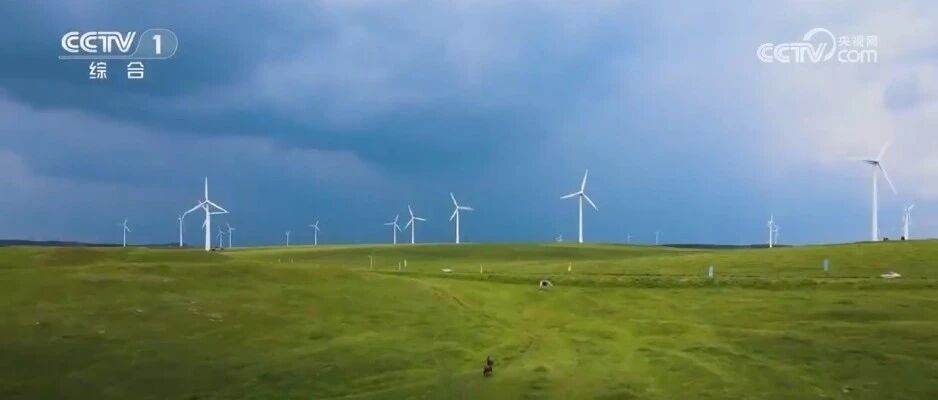
“十四五”成绩单 | 保供应、强民生、转低碳 能源强国之路越走越宽广
Yang Shi Wang· 2025-10-13 01:35
Core Insights - The "14th Five-Year Plan" emphasizes the importance of renewable energy as a key component of national energy security and economic development [1][3] - China has established the world's largest and fastest-growing renewable energy system during the "14th Five-Year Plan" period, with significant increases in installed capacity and energy supply resilience [5][9] Group 1: Renewable Energy Development - The installed capacity of new energy storage reached approximately 95 million kilowatts, growing nearly 30 times over five years, with renewable energy generation capacity increasing from 40% to around 60% [5] - The "Shago Desert" has become a new frontier for renewable energy construction, adding over 130 million kilowatts of installed capacity, transforming previously barren land into an "energy oasis" [7] - Offshore wind power and distributed solar energy have emerged as new engines for energy transition, contributing to a greener energy consumption pattern [7] Group 2: Energy Supply and Infrastructure - Energy consumption in China increased significantly, with the growth in the first four years of the "14th Five-Year Plan" reaching 1.5 times the total increase during the "13th Five-Year Plan" [9] - The energy self-sufficiency rate has remained stable at over 80%, ensuring robust energy supply and resilience despite high demand [9] - China has built the world's largest electric vehicle charging network, with two charging stations for every five electric vehicles, enhancing energy infrastructure [11] Group 3: Global Leadership in Energy Transition - Over 1.4 billion people's energy security has been effectively guaranteed, with China leading globally in renewable technology and low-carbon development [13] - The path towards high-quality energy development in China is expected to expand further, positioning the country as a significant driver of global energy transition [13]
字节跳动入局锂电赛道:一场科技巨头与能源革命的碰撞
Sou Hu Cai Jing· 2025-10-12 02:07
Core Insights - ByteDance's entry into the lithium battery sector is a strategic move driven by policy benefits, technological collaboration, and ecological logic, aiming for long-term energy positioning rather than short-term profits [2][3] Group 1: Policy and Market Demand - The lithium battery industry is experiencing a dual-driven growth pattern under China's "dual carbon" goals, with a significant increase in demand for electric vehicle batteries and energy storage solutions [4] - In the first nine months of 2025, global lithium battery shipments reached 1758 GWh, a year-on-year increase of 142.3%, with China accounting for 70% of this volume [4] - ByteDance is targeting a core market worth hundreds of billions as the energy structure shifts from fossil fuels to renewable energy over the next decade [4] Group 2: Technological Synergy - ByteDance's AI algorithms and big data capabilities are well-suited to address the efficiency bottlenecks in lithium battery research and development [5] - The company has established an AI research lab in collaboration with the Chinese Academy of Sciences, significantly reducing the time required for material screening from months to hours [5] Group 3: Ecological Closure - The lithium battery initiative is crucial for ByteDance to enhance its "digital services + physical hardware" ecosystem, addressing its own energy needs while extending its commercial boundaries [6] - The company aims to reduce electricity costs by 15%-20% through a planned 200 MWh energy storage microgrid, which will also meet carbon reduction requirements [6] Group 4: Competitive Landscape - ByteDance's entry into the lithium battery market has intensified competition, leading to a multi-polar game involving traditional battery giants, internet peers, and emerging startups [7][8] - Unlike other tech giants, ByteDance is directly engaging in lithium battery R&D and production, aiming for solid-state battery pilot production by 2026 [9] Group 5: Industry Trends and Recommendations - The lithium battery industry is transitioning from single-material competition to a model emphasizing technological integration and scene reconstruction [12] - Key trends include the need for interdisciplinary innovation, the evolution of batteries into energy hubs, and the importance of global competition and localization [13][14][15] - Recommendations for traditional battery giants include enhancing algorithm capabilities and exploring new application scenarios, while emerging companies should focus on niche areas to build technological barriers [18]
SNEC 2025国际储能与氢能大会暨展览会金秋沪上盛大启幕,引领能源变革
鑫椤锂电· 2025-10-11 07:40
Core Viewpoint - The SNEC 2025 International Energy Storage and Hydrogen Energy Conference and Exhibition aims to promote global cooperation and innovation in the energy storage and hydrogen sectors, addressing key challenges and opportunities in the industry [1][27]. Event Overview - The event will take place from October 9-12, 2025, at the Kerry Hotel and the Shanghai New International Expo Center [1]. - The opening ceremony featured numerous distinguished guests, including officials from various energy and technology sectors, highlighting the importance of collaboration in advancing energy solutions [3][4]. Key Initiatives - The launch of the "Global New Energy Empowerment Center" aims to create an international platform for resource sharing and industry collaboration, focusing on project development, capital introduction, and technology incubation [6]. - The "Global Energy Storage and Battery Council" was established to foster global cooperation and sustainable development in the energy storage and battery industries [8]. Innovation and Competitions - The "First Global Energy Storage Multi-Innovation Challenge" was initiated to encourage global innovators to explore new applications and solutions in energy storage and hydrogen integration [10]. - A "Global Energy Storage and Battery Leaders" selection event was held to recognize outstanding contributions to the industry [12]. Technical Forums and Discussions - The conference will host high-level technical forums on critical topics such as energy storage materials, safety standards, and hydrogen production technologies [14]. - Specialized seminars will focus on investment and sustainable development in the energy sector, facilitating connections between industry and capital [14]. Exhibition Highlights - The SNEC 2025 exhibition will showcase a comprehensive view of the energy storage and hydrogen industry, featuring leading companies across the entire supply chain [16][20]. - The event will attract international delegations and procurement teams, enhancing global collaboration and showcasing cutting-edge technologies [20][22]. Conclusion - The SNEC 2025 event is positioned as a catalyst for innovation and collaboration in the energy sector, aiming to accelerate the commercialization of new technologies and promote a sustainable energy future [27].
中国为什么要疯狂发展绿电?仅仅是因为我们没石油么?
Sou Hu Cai Jing· 2025-10-06 12:57
Core Viewpoint - China is aggressively developing green energy not solely due to oil scarcity but to establish a new commercial logic and lead a global energy revolution [3][9]. Investment in Green Energy - In 2024, China's clean energy investment is projected to reach $675 billion, accounting for 34% of global investment, maintaining its position as the world's largest investor in this sector [1]. - The investment in the energy sector during the "14th Five-Year Plan" period exceeded 15 trillion yuan, with over 60% allocated to green energy [1]. Energy Supply and Strategy - China's oil supply system is mature, with strong ties to major oil-producing countries, reducing the risk of supply disruptions [3]. - The country has become a dominant player in the global oil market, influencing the survival of oil-producing nations [3]. Importance of Electricity in Industry - Electricity costs account for approximately 8% of industrial costs, significantly impacting a country's global competitiveness [5]. - In the aluminum industry, electricity costs can represent up to 40% of total costs, highlighting the critical role of electricity in determining industry viability [5]. Future of Energy and AI - The future of industries such as robotics, electric vehicles, and AI will heavily depend on electricity, with AI training currently consuming 1.5% of global electricity, projected to rise to 3% in five years [5][6]. - Mastery of green electricity will be crucial for future global leadership [5]. Solar Power Production - In 2024, China is expected to export 235.9 GW of solar panels, equivalent to approximately 7.355 million barrels of oil, showcasing its capacity as a new "energy exporter" [6]. - The sustainability of solar power means that one solar panel can provide energy for 25 years, equating to about 184 billion barrels of oil over its lifetime [6]. Global Energy Dynamics - As green energy production scales up, the cost of green electricity may approach zero, diminishing the competitiveness of traditional energy sources like oil and gas [9]. - The shift towards green energy could lead to the collapse of the oil dollar system, ushering in an era dominated by electricity and potentially the "electric yuan" [9]. Technological Advancements - China has developed high-voltage transmission technology that minimizes energy loss, enabling efficient electricity delivery across vast distances [11]. - These technologies are expected to be exported to other countries as part of the Belt and Road Initiative [11].
深挖地心的秘密:苏联深井的地狱之声、液体黄金和能源革命……
Hu Xiu· 2025-10-05 12:06
Core Viewpoint - A company has developed a revolutionary technology that may soon enable drilling through the Earth's crust, which is linked to many secrets about the Earth and energy stories [1] Group 1 - The company is involved in a project that could significantly advance drilling technology [1] - The development of this technology is expected to uncover various geological secrets [1] - The implications of this technology extend to energy-related narratives [1]
海外对冲基金突然给AI提示风险了,A股科技股怎么走?
Sou Hu Cai Jing· 2025-10-05 03:14
Group 1 - The core viewpoint is that hedge funds are warning about the risks associated with AI, suggesting that the current AI speculation is nearing its peak and exhibiting characteristics of historical bubbles [1] - Hedge funds are optimistic about commodities like uranium and copper as a hedge against risks stemming from potential overvaluation of AI giants due to optimistic capital expenditure depreciation [1][3] - The trend of bubble formation is not limited to leading companies like Nvidia; a basket of the least profitable companies in the U.S. has risen by 120% since April [1] Group 2 - The AI sector is experiencing significant risks, particularly due to the rising energy costs which could impact profitability and lead to a potential bubble burst [3] - The current bull market in U.S. stocks is primarily driven by seven major tech stocks, and rising energy costs could negatively affect their earnings, increasing the risk of a bubble [3] - The A-share market in China is still in the early stages of AI development, with no signs of a bubble yet, and energy costs are being effectively controlled [4] Group 3 - China's energy costs remain stable, with significant investments in AI data centers in regions like Xinjiang, where electricity costs are half that of eastern regions [4] - If the U.S. AI bubble were to burst, it would negatively impact China's AI sector, but this is expected to be a temporary phenomenon due to the vast commercial application prospects in China [5]