
智能制造

Search documents
远东传动:持续聚焦主业提升核心竞争力
Sou Hu Cai Jing· 2025-11-25 01:12
Core Viewpoint - The company emphasizes its commitment to investor relations and market value management, focusing on core business development and expanding into smart manufacturing and the new energy vehicle market [2] Group 1: Company Performance and Strategy - The company is dedicated to enhancing its core competitiveness by extending its industrial chain and investing in research and innovation [2] - Since its listing, the company has maintained annual cash dividends, totaling 1.285 billion yuan, with a dividend payout ratio exceeding 90% [2] Group 2: Investor Relations and Market Dynamics - The company actively manages investor relations and information disclosure to encourage long-term investment and reward shareholder support [2] - Stock price fluctuations are influenced by various factors, including the company's profitability, development prospects, macroeconomic policies, financial regulations, speculative market behavior, and investor sentiment [2]

几千台机器人像一个交响乐团,谁是未来工厂的主角?
Bei Jing Ri Bao Ke Hu Duan· 2025-11-24 23:29
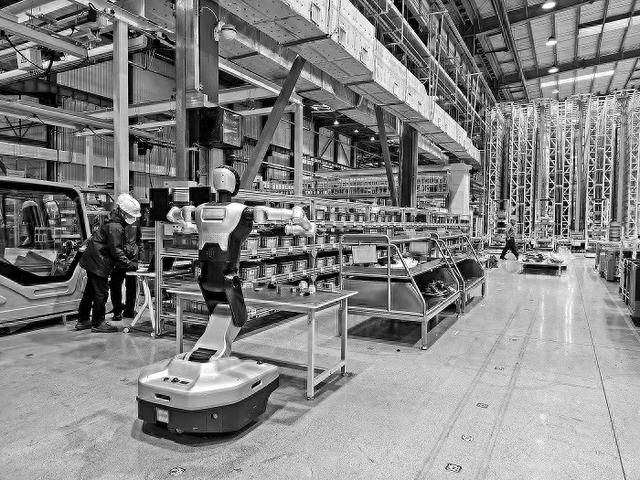
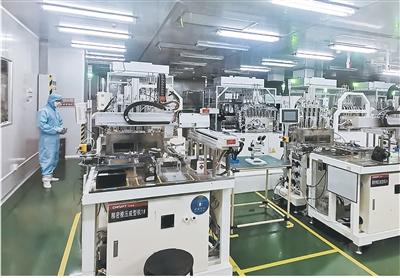
Core Viewpoint - Zoomlion Heavy Industry Science and Technology Co., Ltd. has achieved significant advancements in intelligent manufacturing, particularly in the excavator production process, showcasing a new model of shared manufacturing in the construction machinery industry [3][7]. Group 1: Intelligent Manufacturing Achievements - The company has implemented a fully automated production line in its earth-moving machinery park, capable of producing an excavator every six minutes, utilizing 280 industrial robots and nearly 300 AGVs [2][3]. - The earth-moving machinery park is recognized as a "leading intelligent factory" by the Ministry of Industry and Information Technology, marking a significant milestone in the company's smart manufacturing journey [3][7]. - The facility can efficiently produce over 70 different models of excavators and allows for cross-product collaboration with cranes, pump trucks, and aerial work vehicles, establishing a new shared manufacturing model in the industry [3][7]. Group 2: Technological Innovations - The introduction of dual-column flipping robots has reduced the time to flip heavy components from 20 minutes to as fast as 3 minutes, enhancing safety and efficiency in the assembly process [5][6]. - The use of automated adhesive application has improved the uniformity of glue application, reducing the time required from 3 minutes with two workers to just 1 minute with one robot [5][6]. - The company has developed a unique fully automated track laying device, showcasing its commitment to innovation in manufacturing processes [5][6]. Group 3: Supply Chain and Operational Efficiency - The establishment of a "1-hour supply chain ecosystem" has significantly reduced emergency order response times from 48 hours to just 4 hours, leading to an 82% decrease in downtime due to material shortages and saving over 50 million yuan annually [7]. - The intelligent production lines in the earth-moving machinery park have achieved a 100% data collection rate for key processes, indicating a high level of operational efficiency [7]. Group 4: Future Developments - The company is investing in humanoid robot development, leveraging its expertise in heavy machinery to enhance automation in various manufacturing scenarios [9][10]. - The integration of AI and machine learning into the manufacturing process aims to create a self-evolving intelligent manufacturing paradigm, enhancing flexibility and efficiency [10][11]. - The future workforce will require skills in digital tools, human-robot collaboration, and data analysis, as the role of workers shifts from manual tasks to overseeing automated processes [11].


长株潭,工业重镇“霸得蛮”
Ren Min Ri Bao Hai Wai Ban· 2025-11-24 23:08
Core Viewpoint - Hunan's industrial enterprises are focusing on R&D innovation during the "14th Five-Year Plan" period, enhancing product service quality and optimizing production processes to achieve significant advancements in the industrial chain [7][10]. Group 1: Industrial Transformation - Hunan's industrial sector is undergoing significant transformation through technological upgrades, intelligent modifications, and green reforms, revitalizing traditional industries [8]. - The automation and intelligence in production processes have reduced the need for manual labor by over 50% in companies like Xiangtan Steel Group, enhancing product performance and market recognition [8][9]. - Xiangtan Steel has successfully developed over 100 high-end steel varieties, achieving full specification coverage and gaining recognition from major clients [9]. Group 2: Economic Impact - In 2023, Xiangtan City initiated 448 "three reforms and one expansion" projects, with completed projects generating over 37 billion yuan in new annual output value and over 1.9 billion yuan in new tax revenue [10]. - Completed projects have improved overall production efficiency by over 20% and significantly reduced pollution emissions [10]. Group 3: R&D and Innovation - Hunan's industrial and information technology department reports an average annual growth of 7% in industrial added value from 2021 to 2024, surpassing the national average [11]. - The province is fostering a high-tech manufacturing environment, with a focus on smart manufacturing and continuous R&D investment, which is crucial for future growth [14][17]. - Companies like Hunan Saidelete Satellite Technology are prioritizing R&D, with over 75% of their workforce dedicated to research, showcasing the importance of innovation in the industrial landscape [15]. Group 4: Collaboration and Future Directions - The collaboration among industry players is essential for overcoming challenges and achieving technological advancements, as seen in the efforts of companies like CRRC Zhuzhou Electric Locomotive [12][13]. - Hunan aims to enhance its industrial economy by focusing on smart, green, and integrated development, thereby creating a new growth trajectory for its industrial sector [17].
国泰海通|计算机:AI点亮灯塔工厂,引领智能制造新范式
国泰海通证券研究· 2025-11-24 12:10
Core Insights - The article emphasizes the evolution of lighthouse factories as key carriers of new productive forces and new industrialization, driven by AI and the "14th Five-Year Plan" [1][3] - It highlights the increasing influence of AI on lighthouse factories, positioning AI+ manufacturing as a top-level driver for the development of these factories [2][3] Group 1: Lighthouse Factory Development - Lighthouse factories have transitioned from being technology models to global smart manufacturing hubs, representing the highest level of global smart manufacturing [2] - The assessment focus of lighthouse factories has evolved from single-point applications of Industry 4.0 to comprehensive operational upgrades that include sustainability, supply chain resilience, talent systems, and customer orientation [2] - The latest lighthouse factories have significantly improved key performance indicators such as labor productivity and delivery cycles, with AI applications reducing defect rates, energy consumption, and production cycles [2] Group 2: Policy and Market Dynamics - The Chinese government has integrated digitalization, networking, intelligence, and greening into the main line of manufacturing development, viewing smart and lighthouse factories as important carriers of new productive forces [3] - Local governments are providing financial subsidies, pilot demonstrations, and industrial funds to cultivate lighthouse factories, creating a complete policy chain from diagnosis to demonstration [3] - The industry layout of lighthouse factories in China is extending into high-tech fields, with core operational indicators significantly surpassing the global average [3] Group 3: Domestic Industry Collaboration - Domestic industrial software and automation vendors are becoming the core drivers of the lighthouse factory ecosystem, focusing on industrial software, automation control, industrial internet, and AI models [3] - These companies are providing comprehensive capabilities from "factory operating systems" to scenario-based solutions, enhancing the digital foundation of lighthouse factories [3]
【新思想引领新征程·非凡“十四五”】我国加快建设现代化产业体系
Yang Shi Wang· 2025-11-24 12:06
央视网消息(新闻联播):习近平总书记指出,现代化产业体系是现代化国家的物质技术基础,必须把 发展经济的着力点放在实体经济上,为实现第二个百年奋斗目标提供坚强物质支撑。 "十四五"期间,我国以科技创新为引领、以实体经济为根基,加快建设现代化产业体系,为中国式现代 化注入澎湃动力。 广袤大地,中国产业新动能处处涌动着蓬勃生机。 今年前三季度,规模以上高技术制造业增加值同比增长9.6%,工业机器人产量增长近30%,无人机制造 销售收入增长近70%,新兴产业茁壮成长,人工智能、脑机接口等前沿技术加速布局,推动创新"势 能"向经济"动能"不断转化。 当前,各地正紧锣密鼓谋划"十五五"产业发展新图景。湖南省拿出500亿元为全省189万中小企业注入资 金支持,重点聚焦钢铁石化、轨道交通等13条重点产业链。在安徽,正加快布局实施"千家场景"行动, 向量子科技等前沿领域企业主动敞开大门,将释放超过1000个政府机关应用场景,让创新技术加速迭代 落地。 "十五五"规划建议把建设现代化产业体系,巩固壮大实体经济根基放在战略任务的首要位置。锚定这一 方向,不断以创新绘就产业新篇,以实干筑牢强国根基,为全面建设社会主义现代化国家提供坚 ...
AI点亮灯塔工厂,引领智能制造新范式
Haitong Securities International· 2025-11-24 11:42
Investment Rating - The report recommends a positive investment outlook on the AI-enabled manufacturing sector, particularly focusing on industrial software and automation companies that facilitate the digital transformation of lighthouse factories [3]. Core Insights - The report emphasizes that lighthouse factories are evolving into key carriers of new productivity and industrialization, driven by AI and the "14th Five-Year Plan" [1]. - It highlights the significant role of domestic industrial software and automation vendors in this ecosystem, which are becoming the core driving force behind the development of lighthouse factories [1]. Summary by Sections 1. From Technical Benchmark to Ecological Leadership - Lighthouse factories are recognized as the most advanced factories globally, representing the highest level of smart manufacturing [7]. - The focus of lighthouse factories has shifted from single-point applications of Industry 4.0 to comprehensive operational upgrades, emphasizing customer-centricity, production efficiency, supply chain resilience, sustainability, and talent development [10][12]. - The application of AI technologies is increasingly significant, with generative AI and predictive maintenance technologies notably reducing defect rates, energy consumption, and production cycles [16]. 2. Policy and AI Dual Empowerment - National policies are driving the rapid development of lighthouse factories, with a focus on digitalization, networking, intelligence, and green development [35]. - As of September 2025, China has 85 lighthouse factories, accounting for 42.29% of the global total, showcasing its leadership in this sector [20][22]. - The distribution of lighthouse factories in China shows a trend of coastal concentration with inland regions catching up, supported by local government initiatives [39][42]. 3. Domestic Industrial Software and Automation Vendors as Key Drivers - Hikvision is highlighted for its "Hikvision Guanlan" model, which empowers smart IoT scenarios and supports the transformation of leading factories into lighthouse factories [54]. - The report discusses the significant advancements made by various companies, including Dahua Technology, Zhongkong Technology, and others, in enhancing supply chain collaboration and digital transformation [54][56].



雷军个人超1亿港元增持小米股票 小米汽车预计全年交付超40万辆
Sou Hu Cai Jing· 2025-11-24 11:16
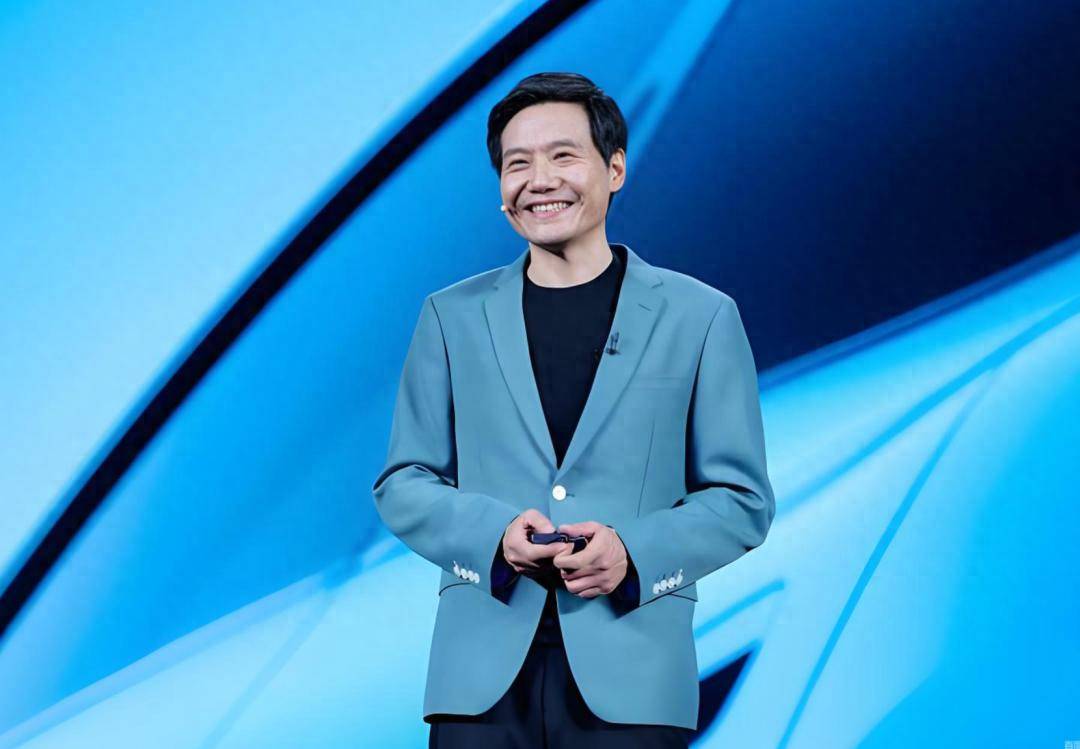
Core Viewpoint - Xiaomi Group's founder and CEO Lei Jun has invested over HKD 100 million to increase his stake in the company, signaling confidence in its future growth amidst recent stock price fluctuations [2][4]. Group 1: Stock Buyback and Shareholding - Lei Jun's shareholding in Xiaomi has increased to 23.26% following his purchase of 2.6 million shares [2]. - Xiaomi has conducted significant stock buybacks, repurchasing 21.5 million shares for over HKD 800 million on November 20 and 21 [2]. - Since the beginning of 2025, Xiaomi's total buyback amount has exceeded HKD 2.3 billion, positioning it among the top tech stocks in Hong Kong for buyback activity [4]. Group 2: Financial Performance - Xiaomi reported a revenue of CNY 113.12 billion for Q3 2025, a 22.3% increase from CNY 92.5 billion in the same period last year [2]. - The operating profit for the same quarter reached CNY 15.11 billion, marking a 150.1% increase from CNY 6.04 billion year-on-year [2]. - The operating profit margin has reached 13.4%, the highest level in recent years [2]. Group 3: Automotive Business - Xiaomi's electric vehicle segment generated revenue of CNY 28.3 billion in Q3 2025, with an additional CNY 700 million from other related income [4]. - For the first time, Xiaomi's automotive and AI innovation business achieved a positive operating profit of CNY 700 million in a single quarter [4]. - The company aims to deliver over 400,000 vehicles in 2025, having recently celebrated the production of its 500,000th vehicle [5][7].
调研速递|伟星股份接待光大证券等3家机构 冬装补单带动接单向好 海外产能占比18.48%
Xin Lang Cai Jing· 2025-11-24 11:15
Core Viewpoint - The company, Zhejiang Weixing Industrial Development Co., Ltd., reported improved order intake driven by winter clothing replenishment, while maintaining a cautious outlook on overall industry demand [1] Group 1: Order Intake and Production Capacity - Recent order intake has improved due to increased demand for winter clothing replenishment, although the overall industry sentiment requires further observation of winter clothing consumption performance [1] - The company operates overseas production bases in Bangladesh and Vietnam, both showing positive development. The Vietnam industrial park has seen rapid revenue growth and significant improvement in operating losses, although capacity ramp-up will take time. As of the first half of 2025, overseas production capacity accounted for 18.48% of total capacity, with plans for further enhancement through technological upgrades and global production layout [1] Group 2: Financial Performance - The company recorded a foreign exchange net loss of 22.8585 million yuan in the first three quarters, influenced by international exchange rate fluctuations. The overall gross margin has improved this year due to product and customer structure optimization and advancements in smart manufacturing [2] Group 3: Competitive Advantages and Tariff Impact - The company differentiates itself from international leader YKK by focusing on a "product + service" model, emphasizing comprehensive service for clients. It has developed advantages in product diversity, fashion, innovation, and supporting capabilities, while enhancing production efficiency through smart and flexible manufacturing systems to respond quickly to market demands [3] - The direct impact of tariffs on the company is limited, as its products are primarily delivered to clients' own or designated garment processing enterprises, with minimal direct exports to Europe and the U.S. However, changes in end-consumer country tariffs and the international trade environment may indirectly affect the textile and apparel industry [3]


雷军,1亿港元增持小米
Zheng Quan Shi Bao· 2025-11-24 11:10
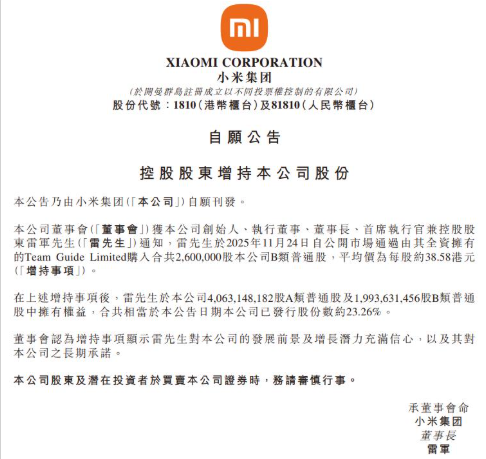
Core Viewpoint - Xiaomi Group's founder and CEO Lei Jun has invested over HKD 100 million to increase his stake in the company, reflecting confidence in its future despite recent stock price declines [1][4]. Group 1: Stock Buyback and Personal Investment - Lei Jun purchased 2.6 million shares at an average price of approximately HKD 38.58 per share, raising his ownership to 23.26% [1]. - Xiaomi has repurchased 21.5 million shares over two days, with total expenditures exceeding HKD 800 million [3]. Group 2: Financial Performance - For Q3 2025, Xiaomi reported total revenue of RMB 113.1 billion, a year-on-year increase of 22.3% [6]. - The mobile and AIoT segment generated RMB 84.1 billion, a 1.6% increase year-on-year, while the smart electric vehicle and AI segment reached RMB 29 billion, marking a record high with a 199.2% year-on-year growth [6]. - Adjusted net profit for Q3 was RMB 11.3 billion, a significant increase of 80.9% year-on-year [6]. Group 3: Innovations and Future Goals - The smart electric vehicle and AI segment achieved its first quarterly operating profit of RMB 700 million [7]. - Xiaomi's CEO announced the production of the 500,000th vehicle, emphasizing commitments to safety, delivery, technological innovation, and the integration of AI with smart manufacturing [7]. - The company aims to meet its annual delivery target of 350,000 vehicles by the end of the week [7].

雷军,1亿港元增持小米
证券时报· 2025-11-24 11:06
Core Viewpoint - Xiaomi Group's recent stock buybacks and significant investments by its founder indicate confidence in the company's future despite a decline in stock price [1][3][4]. Group 1: Stock Buybacks and Investments - Xiaomi Group's founder, Lei Jun, invested over 100 million HKD to purchase 2.6 million shares at an average price of approximately 38.58 HKD per share, increasing his ownership to 23.26% [1]. - The company repurchased 21.5 million shares over two days, with a total expenditure exceeding 800 million HKD [3]. Group 2: Financial Performance - For Q3 2025, Xiaomi reported total revenue of 113.1 billion RMB, reflecting a year-on-year growth of 22.3% [5]. - The mobile and AIoT segment generated revenue of 84.1 billion RMB, a growth of 1.6% year-on-year, while the smart electric vehicle and AI innovation segment reached a record high of 29 billion RMB, growing by 199.2% [5][6]. - Xiaomi's adjusted net profit for Q3 was 11.3 billion RMB, marking an 80.9% increase year-on-year [6]. Group 3: Electric Vehicle Business - Xiaomi's smart electric vehicle segment achieved a quarterly operating profit for the first time, with earnings of 700 million RMB [6]. - The company announced the production of its 500,000th vehicle, emphasizing a commitment to safety, delivery, and technological innovation [6].
