
智能制造

Search documents
诺基亚计划投资40亿美元扩大在美研发与制造能力;小鹏汽车制造基地首台陆地航母陆行体量产试制车下线丨智能制造日报
创业邦· 2025-11-23 03:32
Group 1 - Nokia plans to invest $4 billion to expand its R&D and manufacturing capabilities in the United States, with approximately $3.5 billion allocated for R&D and $500 million for capital expenditures in Texas, New Jersey, and Pennsylvania [2] - The first large-capacity all-solid-state battery production line in China has been established, capable of mass production of automotive-grade all-solid-state batteries with over 60 ampere-hours [2] - China successfully launched the Communication Technology Test Satellite No. 21, which will be used for satellite communication, broadcasting, and data transmission [2] Group 2 - The world's largest "Hualong One" nuclear power base, the Fujian Zhangzhou Nuclear Power Unit 2, has successfully connected to the grid for the first time, marking significant progress in the batch construction of "Hualong One" [3] - The first mass production prototype of Xiaopeng Motors' land aircraft carrier has rolled off the production line, indicating the imminent mass production phase of this innovative vehicle [2]



刚刚!小米回应“汽车工厂内电池产线起火”
Zheng Quan Shi Bao· 2025-11-23 03:09
Core Viewpoint - Xiaomi has addressed rumors regarding a fire incident at its automotive battery production line, clarifying that the event was due to operational errors during equipment debugging and did not involve any design or manufacturing defects in the batteries [2] Financial Performance - Xiaomi Group reported a total revenue of RMB 113.1 billion for Q3 2025, marking a year-on-year increase of 22.3% [3] - The revenue from the mobile and AIoT segment was RMB 84.1 billion, up 1.6% year-on-year, while the smart electric vehicle and AI innovation segment reached a record high of RMB 29 billion, growing by 199.2% [3] - Adjusted net profit for Q3 was RMB 11.3 billion, representing a significant year-on-year increase of 80.9% [3] - The smart electric vehicle and AI innovation segment achieved its first quarterly operating profit, with operating income of RMB 700 million [3] Production Milestones - Xiaomi's founder and CEO Lei Jun announced the production of the 500,000th vehicle, emphasizing the company's commitment to safety, delivery, and technological innovation [4] - The company aims to complete its annual delivery target of 350,000 vehicles within the week following the announcement [4]

刚刚!小米回应“汽车工厂内电池产线起火”
证券时报· 2025-11-23 03:06
Core Viewpoint - Xiaomi has clarified that a recent incident involving a battery production line fire was due to operational errors during equipment debugging, not due to any design flaws or manufacturing defects in the batteries [1][5]. Group 1: Incident Clarification - The fire incident at Xiaomi's battery production line was caused by a collision between a battery pack and equipment during manual debugging, leading to a minor short circuit [1]. - Xiaomi emphasized that the incident did not affect the overall production process or product quality, as all battery packs meet national standards [1]. - The company confirmed that circulating videos related to the incident were misrepresented and pertained to earlier testing phases, which have since been resolved [1]. Group 2: Financial Performance - In Q3 2025, Xiaomi reported total revenue of RMB 113.1 billion, a year-on-year increase of 22.3% [5]. - The smartphone and AIoT segment generated RMB 84.1 billion, a growth of 1.6%, while the smart electric vehicle and AI innovation segment reached a record high revenue of RMB 29 billion, up 199.2% [5]. - Xiaomi's adjusted net profit for Q3 was RMB 11.3 billion, marking an 80.9% increase year-on-year [5]. Group 3: Electric Vehicle Business - Xiaomi's smart electric vehicle and AI innovation segment achieved its first quarterly operating profit of RMB 700 million [6]. - The company announced the production of its 500,000th vehicle, indicating a new starting point for its automotive business [6]. - Xiaomi aims to complete its annual delivery target of 350,000 vehicles within the week [6].

作为人才大国,怎么看待技能人才动态需求(读者点题·共同关注)
Ren Min Ri Bao· 2025-11-23 02:45
Core Viewpoint - The apparent contradiction regarding the abundance and shortage of skilled talent in China can be reconciled by understanding that while there is a large pool of skilled workers, specific market demands create dynamic shortages in certain areas [1][2]. Group 1: Current Talent Landscape - China has over 72 million high-skilled workers, making it a leading country in terms of talent resources and R&D personnel [1]. - Despite the large number of skilled workers, there are significant gaps in specific skill sets due to rapid labor mobility, insufficient compensation, and limited growth opportunities in certain sectors [2]. Group 2: Market Demand Dynamics - The rapid development of new technologies such as artificial intelligence and big data has created a demand for roles like AI trainers and cloud network operators [3]. - Emerging industries, such as low-altitude economy and smart manufacturing, are generating new talent requirements, exemplified by the need for drone flight planners [4]. - The diversification of consumer needs has led to a demand for specialized skills, such as travel photography and home renovation management [5]. Group 3: Government Initiatives - The government is implementing various measures to enhance skill development, including the "Skill China Action" and high-skilled talent cultivation plans [6]. - Policies are being introduced to reform skill evaluation systems and promote lifelong vocational training, aiming to align talent supply with market needs [6]. Group 4: Industry Adaptation - Educational institutions are adjusting their curricula to better align with market demands, fostering closer ties between academia and industry [7]. - The integration of talent supply chains with industry and innovation chains is accelerating, enhancing the relevance of training programs [7]. Group 5: Market Response and Opportunities - The job market is responding to the demand for skilled talent with rising wages for in-demand positions, reflecting the dynamic nature of employment opportunities [8]. - The evolving job market is prompting individuals and families to reassess career paths, aligning personal development with market needs [8].
作为人才大国 怎么看待技能人才动态需求(读者点题·共同关注)
Ren Min Ri Bao· 2025-11-22 21:48
Core Viewpoint - The apparent contradiction regarding the abundance and shortage of skilled talent in China can be reconciled by understanding that while there is a large pool of skilled workers, specific market demands create dynamic shortages in certain areas [1][2]. Group 1: Current Talent Landscape - China has over 72 million high-skilled workers, making it a leading country in terms of talent resources and R&D personnel [1]. - Despite the large number of skilled workers, there are significant gaps in specific skill sets due to rapid labor mobility, insufficient compensation, and limited growth opportunities in certain sectors [2]. Group 2: Market Demand Dynamics - The rapid development of new technologies such as artificial intelligence and big data has created a demand for roles like AI trainers and cloud network operators [3]. - Emerging industries, such as low-altitude economy and smart manufacturing, are generating new talent requirements, exemplified by the need for drone flight planners [4]. - The diversification of consumer needs has led to a demand for specialized skills, such as travel photography and home renovation management [5]. Group 3: Government Initiatives - The government is implementing various measures to enhance skill development, including the "Skill China Action" and high-skilled talent cultivation plans, alongside reforms in vocational training and skill evaluation systems [6]. - Policies are being introduced to guide companies in establishing skill-oriented compensation structures and to promote vocational competitions [6]. Group 4: Industry and Educational Responses - Educational institutions are adjusting their curricula to better align with market needs, fostering closer ties between schools and enterprises to enhance practical training [7]. - The integration of talent supply chains with industry and innovation chains is accelerating, reflecting a proactive approach to addressing skill shortages [7]. Group 5: Market Reactions and Future Outlook - The job market is responding to the demand for skilled talent with rising wages for in-demand positions, indicating a shift in societal attitudes towards career planning [9]. - The "14th Five-Year Plan" emphasizes the importance of respecting labor and knowledge, aiming to stimulate innovation and create a vibrant environment for talent utilization [9].
蓝色起源公司计划建造新型运载火箭;软银拟向俄亥俄州工厂投资30亿美元,为OpenAI数据中心生产设备丨智能制造日报
创业邦· 2025-11-22 03:12
Group 1 - OpenAI announced a partnership with Foxconn to advance the design of next-generation AI infrastructure hardware and prepare for domestic manufacturing in the U.S. OpenAI will share insights on emerging hardware needs in the AI industry to assist Foxconn's hardware design and development [2] - SoftBank plans to invest up to $3 billion to retrofit an electric vehicle factory in Lordstown, Ohio, to produce equipment for OpenAI's upcoming data center [2] - Blue Origin announced plans to build a new heavy-lift rocket, named "New Glenn 9x4," which will have more engines and a larger payload fairing compared to its existing "New Glenn 7x2" rocket [2] Group 2 - The 2025 World Intelligent Manufacturing Conference will be held in Nanjing from November 27 to 29, featuring a theme of "Digital Intelligence Driving New Quality Leadership." The event aims to create a global platform for intelligent manufacturing exchange and cooperation [3] - The conference will gather nearly 2,000 attendees, including academicians, entrepreneurs, and international organization leaders, and will feature a new session for the National Intelligent Manufacturing Committee [3] - The International Intelligent Manufacturing Alliance will release the top ten technological advancements in intelligent manufacturing for 2025 and a global cooperation development initiative [3]


贵州:工业挑大梁筑牢发展底盘
Sou Hu Cai Jing· 2025-11-22 03:05
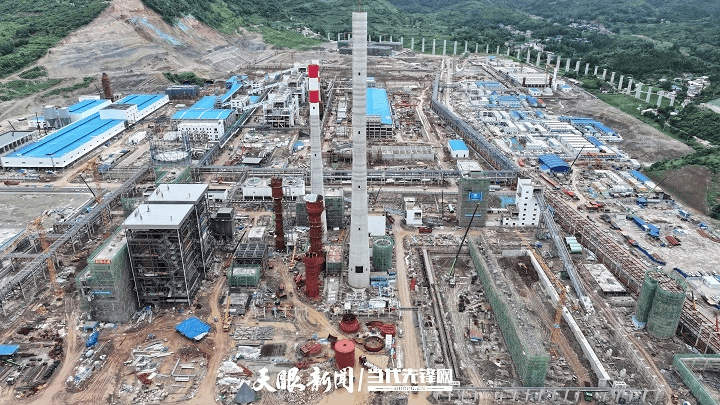
Group 1 - The Guizhou Wengfu Jiangshan New Materials and Electronic Chemicals Phase I project is set to commence production in November, with an expected new output value capacity of 4.5 billion yuan, effectively supplementing Guizhou's basic elements such as chlorine, alkali, and silicon [1] - The largest single open-pit phosphate mine in China, Wengfu Phosphate Mine, will achieve deep processing and value enhancement through the project [1] - Guizhou's industrial contribution to economic growth has increased from 17.1% in 2020 to a projected 36.7% in 2024, with a 7.0% year-on-year growth in industrial added value in the first three quarters of this year [3] Group 2 - The Bijie Phosphate-Coal-Chemical Integration Project, the largest investment project in Guizhou's history, is progressing rapidly, with a maximum daily excavation of 250,000 cubic meters, aiming for a total output value of 120 billion yuan and creating over 14,000 jobs [5] - Guizhou has built 96 renewable energy projects with an installed capacity of 5.81 million kilowatts, ranking first in the province [5] - The white liquor industry in Guizhou is undergoing a cyclical adjustment, with a focus on digital brewing to enhance international competitiveness [6][8] Group 3 - The successful launch of the AS700 manned airship by China Aviation Industry Group demonstrates advancements in airship technology and its application in complex terrains [9][11] - The RoboBus, developed by Guizhou Hankeisi, has been delivered to the Yiwu Global Digital Trade Center, showcasing autonomous driving capabilities and contributing to the digital twin system [11] - High-tech industry investment in Guizhou accounted for 10.0% of total investment, with a year-on-year increase of 0.9 percentage points, and a 18.1% growth in high-tech manufacturing value added [13] Group 4 - Guizhou Aerospace Technology Development Co., Ltd. has successfully entered the supply chains of major global civil aviation engine manufacturers, showcasing the strength of "Made in China" [14] - The implementation of RFID technology in China Railway Guizhou's freight car manufacturing has significantly improved operational efficiency and management precision [16] - Guizhou has completed data classification and evaluation for key industries, with nearly 4,000 enterprises adopting cloud services, indicating a strong push towards digital transformation [18]
新华财经早报:11月22日
Xin Hua Cai Jing· 2025-11-22 01:30
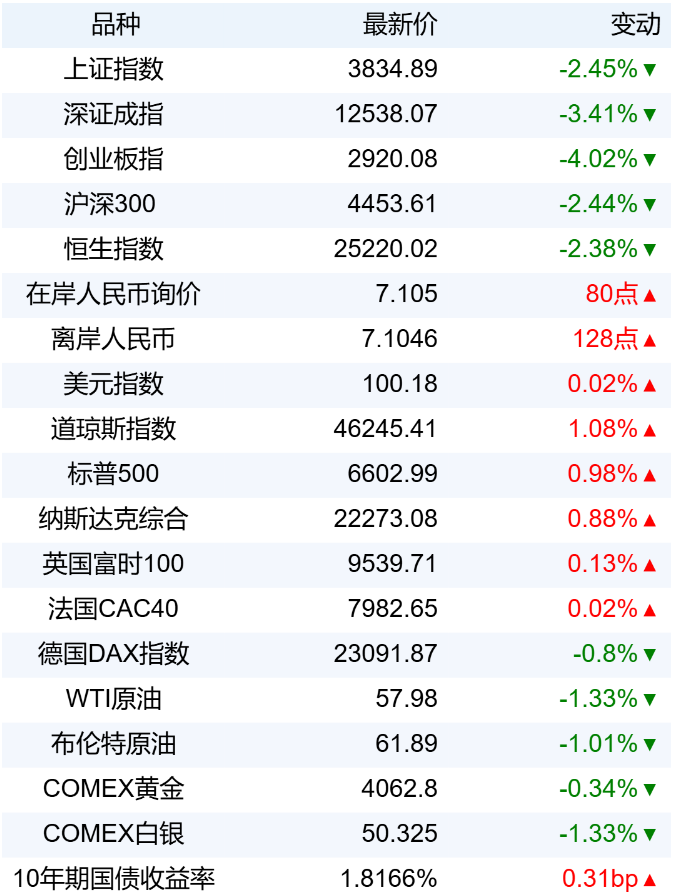
Group 1: Foreign Investment and Economic Development - In the first ten months of 2025, 53,782 new foreign-invested enterprises were established in China, representing a year-on-year increase of 14.7% [1] - The actual utilized foreign capital amounted to 621.93 billion RMB, showing a year-on-year decrease of 10.3% [1] - The manufacturing sector attracted 161.91 billion RMB in foreign investment, while the service sector received 445.82 billion RMB [1] Group 2: Corporate Developments - 17 entities, including central and local state-owned enterprises and private companies, signed contracts for 8 specialized integration projects in fields such as new materials and artificial intelligence [1] - China Merchants Bank announced the approval of its financial asset investment company, becoming one of the first joint-stock banks to establish such a company [1] - The company Sany Heavy Industry signed a contract worth approximately 1.339 billion RMB for a European offshore wind farm project [4] Group 3: Agricultural and Industrial Policies - The Ministry of Agriculture and Rural Affairs emphasized the need for comprehensive regulation of pig production capacity to ensure high-quality development of the pig industry [1] - The China Iron and Steel Association is promoting efficient, green, and sustainable development of the steel supply chain through enhanced industry collaboration and smart manufacturing [1] Group 4: Market Performance - The Shanghai Composite Index closed at 3,834.89, down 2.45% [3] - The Shenzhen Component Index fell by 3.41% to 12,538.07 [3] - The Hang Seng Index decreased by 2.38% to 25,220.02 [3]
石钢公司加快数字工厂建设——智能生态驱动转型升级
Jing Ji Ri Bao· 2025-11-21 22:15
Core Insights - The company has adopted a green and efficient electric furnace short-process steelmaking method, which reduces emissions of sulfur dioxide and particulate matter by over 75% compared to traditional long-process methods [1] - The company has established a "digital factory" with 60 intelligent scenarios, recognized as a benchmark for green transformation and intelligent manufacturing in the special steel industry [1][7] Intelligent Production Transformation - The integration of industrial automation and information technology has led to a highly efficient and intelligent production environment, significantly reducing the workforce needed for operations [2][3] - The company has developed a special steel bar finishing robot system, supported by national key research programs, which has streamlined operations from requiring over 10 workers to just 3 [2][3] Data Management Enhancement - The company has implemented an integrated "smart" system that enhances production management, allowing for dynamic and efficient coordination across various production stages [4] - The use of this system has resulted in a 31% increase in the proportion of high-efficiency products [4] Customer-Centric Approach - The company utilizes big data and deep learning technologies to create accurate user profiles for real-time customer demand analysis and forecasting, improving marketing efficiency and reducing costs [5] Environmental Efficiency - The company has achieved significant reductions in pollution and energy consumption, with a 75% reduction in pollutant emissions and a 30% decrease in electricity consumption per ton of steel compared to traditional electric furnaces [6] - The implementation of smart short-process electric furnace technology has enabled efficient resource utilization and waste water "zero discharge" [6][7] Recognition and Future Outlook - The company has been recognized as a national "green factory" in 2023 and awarded as a benchmark for dual-carbon best practice energy efficiency in 2024 [7] - The focus on high-precision green steel products positions the company as a leader in the green transformation and high-quality development of the special steel industry [7]
机器人产业迈上质量跃升台阶
Jing Ji Ri Bao· 2025-11-21 22:15
从春晚宇树机器人扭秧歌,到人形机器人参加半程马拉松比赛,再到近期小鹏机器人里是否藏真人引发 讨论,今年以来,机器人话题热度持续高涨。这从侧面反映出近年来我国机器人产业发展势头强劲。 人工智能技术的飞速发展,为机器人产业质量跃升提供广阔机遇。"机器人作为智能装备的典型代表, 其战略意义愈发凸显。它不仅是推动科技自立自强、发展新质生产力的关键抓手,更是促进制造业数字 化转型,发展智能制造、绿色制造,实现产业模式变革的核心引擎。"徐念沙认为,机器人产业正成为 提升人民生活品质、建设美丽中国的重要支撑。 当前,智能机器人成为全球竞相加快布局发展的重要领域。国家制造强国建设战略咨询委员会副主任苏 波表示,"十五五"时期是智能机器人快速发展的重要战略机遇期,全球新技术革命将深入演进,新一代 人工智能技术快速迭代智能制造,成为引领全球制造业发展变革的核心驱动力。 "十五五"时期是我国机器人产业向"质量引领"转型的关键阶段。我国将推动机器人产业与人工智能等新 技术深度融合。同时,围绕机器人的细分场景需求,加速产品创新和迭代。徐念沙表示,在这一关键时 期,要加快标准研制,加强质量管理,开展品牌建设,全面提升产业核心竞争力和影响 ...
