
地缘政治

Search documents
X @外汇交易员
外汇交易员· 2025-11-12 06:17
Supply Chain Strategy - General Motors (GM) has instructed its suppliers to remove components sourced from China from their supply chains [1] - The ultimate goal is for GM to completely move its supply chain out of China to avoid geopolitical disruptions [1] - GM has set a deadline of 2027 for some suppliers to end procurement relationships with China [1] - The directive was initially issued in 2024 and has become more urgent due to escalating US-China trade tensions [1] Leadership Change - John Roth, Cadillac Global Vice President, has been appointed as President of General Motors China [1]

市场主流观点汇总-20251112
Guo Tou Qi Huo· 2025-11-11 23:30
Report Overview - The report objectively reflects the research views of futures and securities companies on various commodity varieties, tracks hot varieties, analyzes market investment sentiment, and summarizes investment driving logic [1] Market Data Commodities - From November 3 to November 7, 2025, PTA rose 1.70% to 4664.00, aluminum rose 1.41% to 21625.00, and other commodities also had different changes. Gold fell 0.07% to 921.26, and some commodities like palm oil, copper, etc., declined [2] A - shares - From November 3 to November 7, 2025, the Shanghai - Shenzhen 300 rose 0.82% to 4678.79, while the CSI 500 fell 0.04% to 7327.91 [2] Overseas Stocks - From November 3 to November 7, 2025, the Hang Seng Index rose 1.29% to 26241.83, while the Nasdaq Index fell 3.04% to 23004.54 [2] Bonds - From November 3 to November 7, 2025, the yield of China's 2 - year treasury bond changed from 2.84 to 1.43, and the 10 - year treasury bond yield decreased by 0.7 bp to 1.81 [2] Foreign Exchange - From November 3 to November 7, 2025, the euro - US dollar exchange rate rose 0.25% to 1.16, and the US dollar index fell 0.18% to 99.55 [2] Commodity Views Macro - financial Sector Stock Index Futures - Strategy views: Among 9 institutions, 3 are bullish, 1 is bearish, and 5 expect a sideways trend. Bullish logic includes long - term domestic policy support, the start of the global AI cycle, improved global capital market sentiment, and the likely easing of Sino - US trade relations. Bearish logic includes better - than - expected US employment and manufacturing, decline in China's PMI, high A - share valuation, and increased risk - aversion sentiment [4] Treasury Bond Futures - Strategy views: Among 7 institutions, 2 are bullish, 0 are bearish, and 5 expect a sideways trend. Bullish logic includes weak fundamentals supporting the bond market, the stock - bond seesaw effect, and central bank net investment. Bearish logic includes inflation repair, increased government bond issuance, and potential market sentiment disturbance [4] Energy Sector Crude Oil - Strategy views: Among 8 institutions, 1 is bullish, 3 are bearish, and 4 expect a sideways trend. Bullish logic includes OPEC's suspension of production increase, short - term interruption of Russian oil, expected end - year risk - asset trading, and cost - price support. Bearish logic includes unexpected US inventory build - up, tight dollar liquidity, expected global inventory build - up, and rising production from new oil fields [5] Agricultural Products Sector Rapeseed Oil - Strategy views: Among 8 institutions, 3 are bullish, 1 is bearish, and 4 expect a sideways trend. Bullish logic includes unexpected decline in rapeseed oil inventory, low inventory and low operating rate of domestic oil mills, and un - resumed domestic rapeseed crushing. Bearish logic includes lack of Chinese demand for Canadian rapeseed, weakening aquaculture demand, expected increase in imports, and potential impact of improved Sino - Canadian relations [5] Non - ferrous Metals Sector Copper - Strategy views: Among 7 institutions, 2 are bullish, 2 are bearish, and 3 expect a sideways trend. Bullish logic includes the expected end of the US government shutdown, slow recovery of overseas copper mines, consumption boost from the "15th Five - Year Plan", and long - term demand from emerging sectors. Bearish logic includes shrinking US manufacturing PMI, rising US dollar index, increasing domestic inventory, and high copper prices suppressing traditional consumption [6] Chemical Sector Glass - Strategy views: Among 7 institutions, 0 are bullish, 4 are bearish, and 3 expect a sideways trend. Bullish logic includes decreased inventory of key enterprises, low - price valuation support, stable and slightly rising spot prices, and long - term policy support. Bearish logic includes weak terminal demand, sufficient industry capacity, high - inventory dragging down prices, and consumption - season pressure [6] Precious Metals Sector Gold - Strategy views: Among 7 institutions, 2 are bullish, 1 is bearish, and 4 expect a sideways trend. Bullish logic includes concerns about the Fed's independence and US fiscal situation, geopolitical uncertainty, increased risk - aversion due to the US government shutdown, and high probability of December interest - rate cut. Bearish logic includes eased Sino - US trade relations, hawkish Fed remarks, strong US service data, and lack of clear bullish factors [7] Black Metals Sector Iron Ore - Strategy views: Among 8 institutions, 0 are bullish, 4 are bearish, and 4 expect a sideways trend. Bullish logic includes decreased global shipments, rising basis during price decline, and increased blast - furnace operating rate. Bearish logic includes continuous over - seasonal inventory build - up at ports, significant increase in arrivals, difficult de - stocking of downstream products, decreased molten iron production, and increased negative - feedback pressure on steel mills [7]
因成员计划赴俄参加会议被批“叛国”,德国选择党反驳
Huan Qiu Shi Bao· 2025-11-11 22:56
Group 1 - The core issue revolves around the planned visit of four members of the Alternative for Germany (AfD) party to Russia, which has faced strong criticism from other German political parties, labeling it as detrimental to national interests and even as "treason" [1][2] - The AfD members, including European Parliament member Neuhoff and Saxony state party chairman Urban, aim to attend a conference in Sochi discussing EU relations with BRICS countries, asserting the need to maintain communication channels [1][2] - Criticism from the Christian Social Union (CSU) and Christian Democratic Union (CDU) highlights concerns that the AfD is becoming a tool for Russia's hybrid warfare against Germany and Europe, given their previous visits to Russia [1] Group 2 - Neuhoff defends the trip as an opportunity to engage in discussions about the future of EU-BRICS relations, arguing that critics lack understanding of geopolitics and are leading Germany towards marginalization [2] - Urban emphasizes that sanctions against Russia have significantly harmed Germany, and if the AfD were to assume government responsibility, they would immediately lift these sanctions [2]
HERALD HOLD发盈喜 预期中期股东应占净溢利约4200万港元至4700万港元
Zhi Tong Cai Jing· 2025-11-11 09:00
Core Viewpoint - Herald Hold (00114) anticipates a net profit attributable to shareholders ranging from HKD 42 million to HKD 47 million for the six months ending September 30, 2025, compared to HKD 27.2 million for the same period ending September 30, 2024 [1] Financial Performance - The expected increase in profit is primarily driven by net realized and unrealized gains from trading securities amounting to approximately HKD 13 million, up from HKD 10 million for the six months ending September 30, 2024 [1] - The company also expects a one-time after-tax gain of approximately HKD 15 million from the sale of two land parcels located in Shanghai [1] Management Outlook - Despite the anticipated strong performance in the first half of the fiscal year, management expresses significant concern regarding the company's performance in the second half of the fiscal year [1] - This cautious outlook is attributed to ongoing geopolitical tensions and increased competitive pricing pressures within the industry [1]
马斯克为何想建晶圆厂?
半导体芯闻· 2025-11-10 10:56
Core Viewpoint - Tesla's CEO Elon Musk announced plans to build a large-scale chip factory, driven by concerns over chip shortages and geopolitical factors, aiming to surpass TSMC's production capacity [2][3] Group 1: Reasons for Building the Chip Factory - Geopolitical concerns are a significant factor, as Musk has expressed worries about the concentration of semiconductor production in Taiwan [3] - Tesla is considered a "second-tier customer" by TSMC, resulting in less support and production flexibility compared to first-tier clients like Apple [3] - The anticipated growth in AI chip demand necessitates the establishment of a TeraFab, which would exceed TSMC's Gigafab capacity of over 100,000 wafers per month [2] Group 2: Potential Benefits of the New Factory - The new factory would allow Tesla to customize key design and manufacturing processes, enhancing vertical integration and maximizing output efficiency [4] - There is speculation about a potential joint venture between Tesla and Intel to establish a new foundry, as Tesla may consider significant investments in Intel [4] Group 3: Challenges and Market Reactions - Analysts question whether Tesla can successfully adopt a system product company + IDM model, which even Apple has hesitated to fully embrace [5] - Some industry observers express skepticism about Musk's ability to replicate his success in automotive and aerospace manufacturing within the semiconductor sector [5]


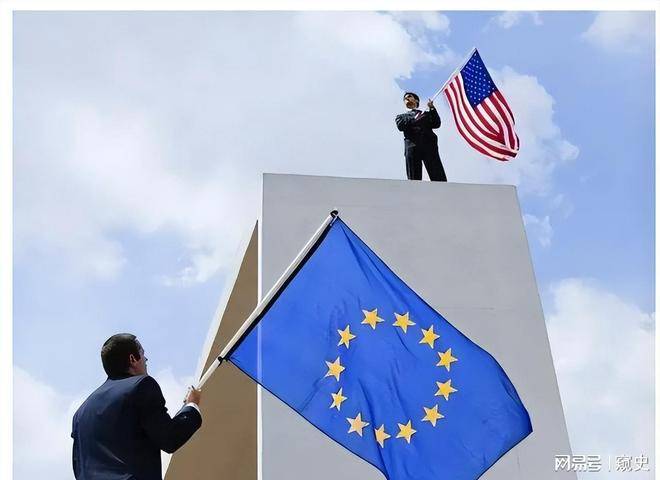
欧洲回过味儿了:卖掉乌克兰,锅甩给美国,与俄和好
Sou Hu Cai Jing· 2025-11-10 10:40
到2025年底,欧洲的局势愈发难以掩盖。曾在北约和欧盟活跃的意大利前大使,突然在俄罗斯媒体上发 表言论,称"俄罗斯是在北约的逼迫下才作出回应"。她的话如同一颗石子投入水中,激起了广泛的反 响。 到了2025年夏天,欧洲对乌克兰的资金支持逐渐显现疲态。7月以后,援助款项到位变得异常缓慢。到 了10月的欧盟峰会,各国在如何动用俄罗斯被冻结资产的问题上展开了激烈争论。法国和德国的态度明 显拖沓,欧洲的团结意志正在被现实问题慢慢蚕食。 战争带来的代价和国内压力不断加剧。打仗总是要付出代价,这场战争对欧洲的经济负担尤为沉重。德 国的工业电价飙升了两倍,荷兰、比利时的通胀率飙升至10%,许多制造业企业开始迁往美国避难。为 这种变化并非一蹴而就。自战争爆发以来,匈牙利总理欧尔班一直被视为"顽固分子",他对向乌克兰提 供军援持保留态度。2023年底,斯洛伐克更换了新政府,新政府上台后立即叫停了对乌克兰的军援。捷 克也逐渐感受到压力,在2024年不得不开始后退。原本被视为个别现象的国家转变,实际上已经逐渐成 为了"连锁反应"。这些中东欧国家的改变,更多是在现实压力下做出的务实选择。 表面上,各国依旧装作团结一致,但背后却有越来 ...
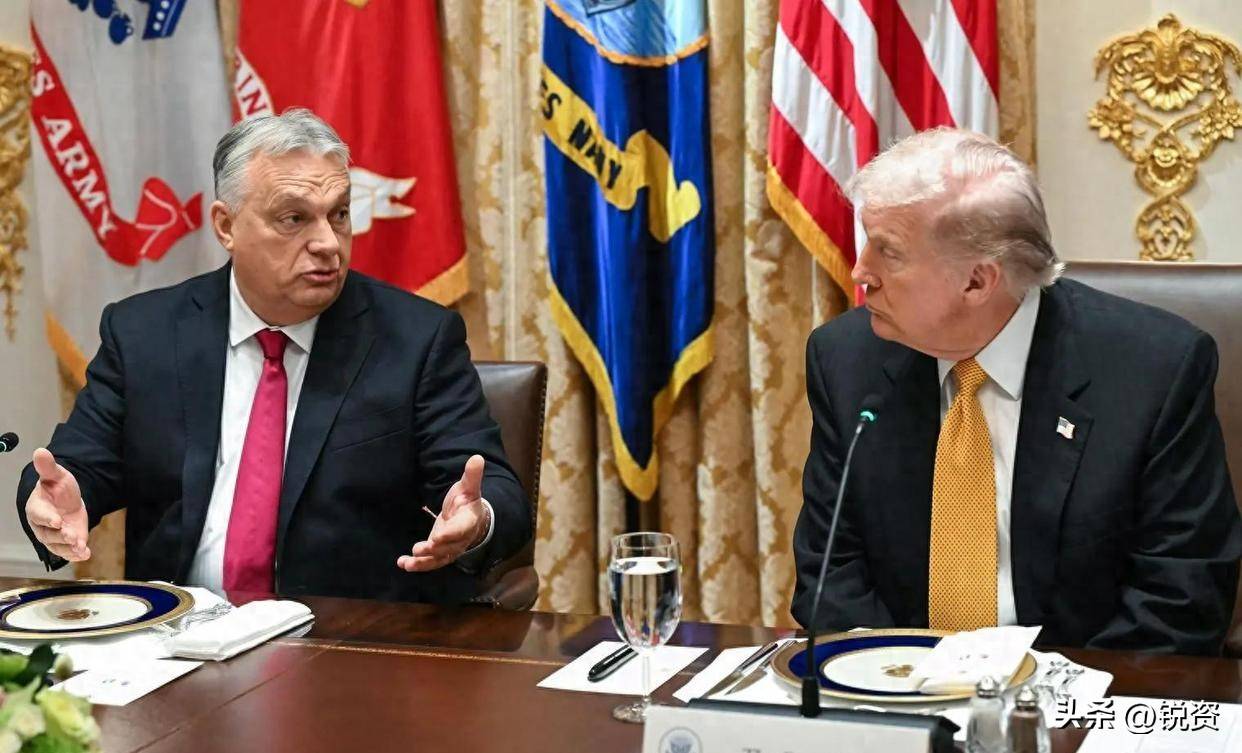
永久豁免!美国单独豁免俄对匈供能,取消核制裁,背后原因不简单
Sou Hu Cai Jing· 2025-11-10 08:43
Core Points - The U.S. has granted Hungary a complete exemption from sanctions on Russian energy supplies, particularly through the "Turkish Stream" gas pipeline and the "Druzhba" oil pipeline, as well as lifting sanctions on the Paks II nuclear power plant project [1][3][5] - Hungary's reliance on Russian energy makes these pipelines crucial for its energy security, with the "Turkish Stream" supplying nearly 40% of Hungary's gas imports, especially during peak winter demand [3][5] - The lifting of sanctions is seen as a strategic move by the Trump administration to strengthen ties with Hungary while maintaining some level of energy connection with Russia [6][12] Energy Sector - The "Turkish Stream" pipeline meets a significant portion of Hungary's energy needs, while the "Druzhba" pipeline is vital for the refining industry and other key sectors [3][5] - The exemption from sanctions allows Hungary to avoid the risk of secondary sanctions from the U.S. while continuing to import energy from Russia, which is critical for its economy [3][5] - The Paks II nuclear project aims to increase the share of nuclear energy in Hungary's energy mix from 50% to 60%, reducing dependence on fossil fuels [5][10] Geopolitical Implications - Hungary's exemption reflects its long-standing opposition to EU sanctions on Russian energy, potentially encouraging other Eastern European countries to seek similar exemptions [5][10] - The potential for a renewed U.S.-Russia dialogue, with Hungary acting as a mediator, could reshape the geopolitical landscape in Eastern Europe [6][8][12] - The interaction between the U.S. and Hungary highlights the complex dynamics of international politics, where strategic interests often outweigh long-term sanctions [12]
大越期货沪铜周报-20251110
Da Yue Qi Huo· 2025-11-10 02:39
Report Summary 1. Report Industry Investment Rating No information provided. 2. Core Viewpoints - Last week, Shanghai copper fluctuated and declined. The main contract of Shanghai copper fell 1.23% to close at 85,940 yuan/ton. Geopolitical factors and US tariffs affected copper prices. There were still global uncertainties. Force majeure in Indonesian copper mines and the sharp rise of precious metals stimulated the increase of copper prices. Domestically, it was the off - season for consumption, and the downstream consumption willingness was average. In the industrial end, domestic spot trading was normal, mainly for rigid demand. The LME copper inventory was 135,900 tons, slightly increasing last week, and the SHFE copper inventory decreased by 1,105 tons to 115,035 tons compared with last week [4]. - In terms of supply - demand balance, it was in a tight balance in 2024 and would be in surplus in 2025 [12]. 3. Summary by Directory 3.1 Market Review - Last week, the main contract of Shanghai copper fell 1.23% to close at 85,940 yuan/ton. Geopolitical and tariff factors affected prices. Force majeure in Indonesian mines and the rise of precious metals stimulated price increases. Domestically, it was the consumption off - season, and downstream consumption willingness was average. Industrial spot trading was mainly for rigid demand. LME copper inventory slightly increased, and SHFE copper inventory decreased by 1,105 tons to 115,035 tons [4]. 3.2 Fundamental Analysis - **PMI**: No specific content provided [10]. - **Supply - Demand Balance**: In 2024, it was in a tight balance, and in 2025, it would be in surplus. The Chinese annual supply - demand balance table showed the production, import, export, apparent consumption, actual consumption, and supply - demand balance of copper from 2018 - 2024 [12][15]. - **Inventory**: Exchange inventory was in the process of destocking, and bonded area inventory remained at a low level [16][19]. 3.3 Market Structure - **Processing Fee**: The processing fee was at a low level [22]. - **CFTC Position**: CFTC non - commercial net long positions flowed out [24]. - **Futures - Spot Price Difference**: No specific content provided [27]. - **Import Profit**: No specific content provided [30]. - **Warehouse Receipt**: No specific content provided.
从昔日的资源受限,到今天掌握科技命脉,中国凭什么这么“刚”?
Sou Hu Cai Jing· 2025-11-09 16:41
Group 1: China's Dominance in Key Elements - China dominates the global production of critical elements, with a 99% share in gallium, over 70% in magnesium, tungsten, and natural graphite, and 69% in rare earth elements [1][2] - In 2024, China's share of global production in key elements for the electronic manufacturing industry is projected to exceed 90% [3] - The importance of these elements is significant, as gallium is essential for 5G communication and artificial intelligence, while rare earth elements are crucial for missile guidance systems [5] Group 2: Global Dependency on Chinese Supply - The global electronic manufacturing industry heavily relies on Chinese supply chains, with 90% of solar cells depending on Chinese gallium and 70% of lithium battery anode materials relying on Chinese natural graphite [5] - A reduction in Chinese exports could severely impact industries such as renewable energy and defense technology, leading to potential disruptions in production efficiency [5] Group 3: China's Export Control Strategy - China's export controls are a strategic choice to ensure domestic industry stability amid rising global demand and geopolitical risks [6] - The measures are also a response to Western attempts to reduce dependency on Chinese critical elements, exemplified by the U.S. blocking Chinese acquisitions of overseas rare earth mines [7] Group 4: Implications of Export Controls - Export controls may drive domestic companies towards technological innovation and higher value-added production, moving away from low-end exports that have historically resulted in environmental damage [9] - These measures could lead to a restructuring of global supply chains, with Western countries attempting to increase local mining efforts, though facing challenges in cost and technology [9] - China's actions may also influence global resource governance rules, shifting the balance of power in resource distribution and allowing China to set new standards [11]

国联期货能化估值策略周报:强弱分化延续,不可过分看空-20251109
Guo Lian Qi Huo· 2025-11-09 13:08
Group 1: Report Industry Investment Rating - The investment rating for crude oil is cautiously bullish, with Brent crude expected to be in the range of 63 - 69 [3] Group 2: Core Viewpoints of the Report - The overall strength of energy - chemical products is polyester > pure benzene - styrene = methanol - polyolefins. The strategy of "long PX and PTA, short methanol - polyolefins" can still be held cautiously, but beware of the impact of valuation improvement and year - end settlement liquidation, and do not be overly bearish [4] - For crude oil, EIA inventory shows that the apparent demand for US oil has rebounded, there is a small inventory build - up, refineries have unexpectedly reduced their operating rates, and the apparent demand for gasoline has declined with continued inventory drawdown. Seasonal demand decline is阶段性 completed. The current crack spreads for gasoline and diesel are good, and the market will then shift its focus to heating oil demand. The reduction of the Saudi - Asia premium has weakened market sentiment. Geopolitical factors remain the marginal driver [4] - In the polyester industry, PX operating rate has increased, while TA and EG operating rates have decreased. The operating rates of polyester and its downstream industries have increased steadily and continuously exceeded expectations, and the industrial chain inventory has rebounded. Maintenance factors may continue to support TA processing fees, and factors such as a more relaxed external environment and a late Chinese New Year may support the downstream demand of polyester. The upward elasticity of the industrial chain is maintained [4] - In the pure benzene - styrene industry, the downstream demand for pure benzene has increased steadily, with obvious improvement in nylon. The supply side has moderate support such as the conversion of disproportionation profit to loss, low BZN valuation, and better gasoline reforming profit than aromatics. The visible inventory has increased. The downstream PS of styrene has continued to improve, but EPS in the north has entered the off - season. The downstream export orders have increased, but it may still be weaker than pure benzene [4] - In the methanol - polyolefins industry, the decline in methanol has led to a rebound in MTO profit. Attention should be paid to whether the maintenance plan will be implemented. The expectation of non - Iranian supply reduction continues, Iranian shipments may remain at a high level, and East China ports may continue to receive Iranian supplies. The impact of domestic gas restrictions remains to be observed. This chain may still perform weakly, but the price decline has improved the valuation. Be wary of the impact of hedge position liquidation [4] - The US liquidity environment is under test again. The US Treasury plans to auction a total of $125 billion in Treasury bonds of various maturities next week, and about $40 billion in investment - grade corporate bonds are expected to be issued. November 11 is a holiday for US Veterans Day, and the bond market will be closed [4] Group 3: Summary by Directory 01 Energy - Chemical Weekly Market Performance - The report mentions "Energy - chemical futures weekly performance", but no specific performance data is provided in the given content [10][12] 02 Crude Oil Data Tracking - **Crude oil weekly inventory**: Not detailed in the given text [18] - **Refined oil weekly inventory**: Not detailed in the given text [21] - **Refinery capacity utilization**: Not detailed in the given text [24][27] - **Oil product crack spreads**: Not detailed in the given text [30] - **Net long positions (affected by government shutdown in data update)**: Not detailed in the given text [33] 03 Energy - Chemical Industry Chain Data Tracking - **Industry chain inventory, operating rate, and processing fee percentile overview**: Data for various products such as PX, PTA, BZ, EB, EG, MA, PE, PP, and PVC are provided, including inventory, inventory percentile in the past three years, operating rate, operating rate percentile in the past three years, processing fee or profit, and processing fee percentile in the past three years [38] - **Aromatic chain basis seasonality**: Not detailed in the given text [39][41] - **Olefin chain basis seasonality**: Not detailed in the given text [43] - **Aromatic chain inventory seasonality**: Not detailed in the given text [45] - **Olefin chain inventory seasonality**: Not detailed in the given text [48][51] - **Aromatic chain operating rate seasonality**: Not detailed in the given text [55] - **Olefin chain operating rate seasonality**: Not detailed in the given text [56][59] - **Aromatic chain profit/processing fee seasonality**: Not detailed in the given text [62] - **Olefin chain profit/processing fee seasonality**: Not detailed in the given text [65][68]