
合作共赢

Search documents
中国越买越少,美国盟友先扛不住了,主动上门劝中方回心转意
Sou Hu Cai Jing· 2025-08-25 03:53
Group 1 - Canada and the US are facing unprecedented economic pressure due to strained relations with China, particularly affecting Canada's canola industry, which is vital for its agriculture and has an annual value of CAD 43 billion [1][2] - The implementation of electric vehicle tariffs by Canada, following the US, has led to China imposing anti-dumping duties on Canadian agricultural products, significantly impacting the market [1][2] - The loss of the Chinese market poses a serious threat to Canada's agricultural competitiveness, especially if Australia begins to capture more market share in canola [2] Group 2 - The US agricultural sector, particularly soybean farmers, is also suffering from the trade war, with significant inventory buildup due to a lack of orders from China [4] - The trade relationship between the US and China is increasingly tense, leading traditional allies like Canada and the EU to reassess their economic ties with China [6] - China's response to the trade tensions emphasizes adherence to international rules and the consequences of unilateral actions, highlighting the need for fair and cooperative trade practices [6][7] Group 3 - The ongoing trade conflict illustrates the detrimental effects of political maneuvering and tariff wars, resulting in a lose-lose situation for farmers in Canada and the US while China maintains its market interests [8]


竞争残酷,价格战惨烈,咋办?让任正非告诉你:如何驾驭价格竞争
Sou Hu Cai Jing· 2025-08-24 02:15
Core Viewpoint - The current market is experiencing intense price wars across various industries, leading to unsustainable pricing that raises concerns about quality and profitability [1] Group 1: Price Wars and Industry Impact - Many industries, including food delivery and electric vehicles, are engaged in fierce price competition, resulting in prices that are often unreasonably low [1] - The example of a dish priced at 50-60 yuan, when it should reasonably be 100-200 yuan, illustrates the irrationality of current pricing strategies [1] - In the electric vehicle sector, some brands are reportedly selling cars at a loss, with costs exceeding 200,000 yuan but prices dropping to around 100,000 yuan [1] Group 2: Strategies for Coping with Price Competition - Companies must adopt effective business models and strategies to navigate the competitive landscape, as highlighted by Huawei's approach [4] - Huawei emphasizes the importance of product, technology, and performance leadership, alongside robust marketing and optimization of mature products to maintain market dominance [4] - The focus should be on building competitive advantages in technology, quality, cost, and service to foster a positive cycle of growth [4] Group 3: The Dangers of Zero-Sum Thinking - Viewing competitors as enemies leads to a zero-sum mentality, which is detrimental to long-term success and industry health [9] - The belief that one company's gain is another's loss can trap businesses in a narrow mindset, hindering overall industry growth [9][10] - A collaborative approach, where companies recognize mutual benefits, is essential for sustainable industry development [10] Group 4: The Importance of Cooperation - Cooperation and win-win strategies are vital for maintaining industry health and avoiding destructive price wars [12] - Companies should focus on enhancing quality, reducing costs, and improving services rather than engaging in price-cutting tactics that harm the entire industry [12][13] - Maintaining reasonable profit margins and avoiding market disruption is crucial for long-term survival and success [12]
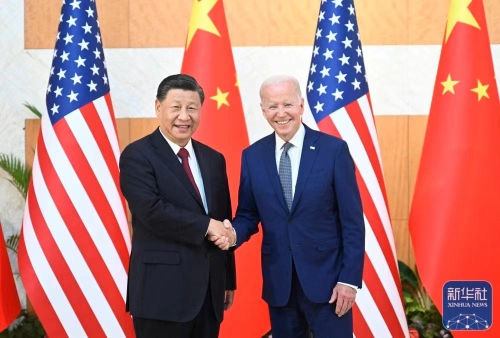
习近平同美国总统拜登在巴厘岛举行会晤
Xin Hua She· 2025-08-22 08:44
Group 1 - The meeting between Chinese President Xi Jinping and U.S. President Joe Biden focused on strategic issues in Sino-U.S. relations and major global and regional problems [2][4][11] - Xi emphasized the need for both countries to explore a correct way to coexist and to find the right direction for the development of bilateral relations, aiming to return to a healthy and stable development track [2][5] - Both leaders agreed on the importance of maintaining strategic communication and regular consultations between their diplomatic teams [13] Group 2 - Xi highlighted that the Taiwan issue is a core interest of China and a fundamental political basis for Sino-U.S. relations, urging the U.S. to adhere to the One China policy [7][8] - The leaders discussed the importance of mutual respect and cooperation, emphasizing that competition should be constructive rather than adversarial [9][12] - Xi pointed out that both countries have shared responsibilities to manage differences and prevent misunderstandings from escalating into conflict [12][13] Group 3 - The two leaders acknowledged the significance of cooperation on global challenges such as climate change and food security, agreeing to enhance dialogue and collaboration in these areas [12][13] - Xi reiterated that the U.S. should respect China's development path and not seek to change China's political system, while Biden affirmed that the U.S. does not support Taiwan independence [8][12] - Both sides recognized the need for ongoing communication to ensure that their relationship remains stable and beneficial for both nations and the world [11][13]
中国驻美使馆举办抗日战争暨世界反法西斯战争胜利80周年影像和艺术展
Zhong Guo Xin Wen Wang· 2025-08-22 01:11
Core Points - The event commemorates the 80th anniversary of the victory in the Chinese People's War of Resistance against Japanese Aggression and the World Anti-Fascist War, highlighting the importance of international cooperation for peace [1][2] - Chinese Ambassador to the U.S., Xie Feng, emphasized the historical partnership between China and the U.S. in fighting against fascism and the need for continued collaboration for global peace and justice [1] - The exhibition is part of the "Echoes of Peace" cultural exchange series, aiming to deepen cooperation through a media platform that integrates thought, art, and technology [2] Group 1 - The event was organized by the Chinese Embassy in the U.S. and China Central Television, showcasing art and historical images to reflect on the past and promote peace [1][2] - Over 200 attendees from various sectors in the U.S. participated, including artists and youth musicians who performed pieces symbolizing friendship and peace [2] - The event featured speeches from notable figures, including the Vice Minister of the Publicity Department and the Chairman of the U.S.-China Aviation Heritage Foundation, reinforcing the message of unity against fascism [2]
王毅外长结束对阿富汗访问,外交部介绍具体情况
Huan Qiu Wang· 2025-08-21 07:43
Core Viewpoint - The Chinese Foreign Minister Wang Yi's recent visit to Afghanistan emphasizes China's commitment to equal treatment of all nations and support for Afghanistan's development and stability [1] Group 1: Diplomatic Engagement - Wang Yi met with Afghan Prime Minister Akhund and Interior Minister Sirajuddin, and held talks with Afghan Foreign Minister Muttaqi [1] - The sixth China-Afghanistan-Pakistan Foreign Ministers' Dialogue was attended by Wang Yi, highlighting the importance of trilateral cooperation [1] Group 2: Policy Stance - China advocates for equal treatment among nations, asserting that every country, including Afghanistan, has the right to development and revitalization [1] - The Chinese government supports the Afghan government in maintaining stability, focusing on development, combating terrorism, and fostering friendly relations with neighbors [1] Group 3: Regional Cooperation - Since the resumption of the China-Afghanistan-Pakistan trilateral dialogue in 2022, positive progress has been made [1] - China expresses willingness to deepen mutual trust with Afghanistan and Pakistan, emphasizing understanding and support on core interests [1] - The three parties agreed to enhance communication at all levels, strengthen strategic trust, and promote regional peace, stability, and prosperity through dialogue and cooperation [1]
王毅外长8月18日抵达印度,三年来首次正式访印,这又意味着什么?
Sou Hu Cai Jing· 2025-08-21 06:30
Core Points - The article discusses India's shift in diplomatic stance towards China following the imposition of high tariffs by the United States, which has forced India to reconsider its position and seek cooperation with China [1][3][9] - The visit of Chinese Foreign Minister Wang Yi to India is seen as a significant turning point, bringing essential supplies that India desperately needs, such as fertilizers and rare earth materials [11][25] - The article highlights the dual standards in U.S. foreign policy, which has left India feeling vulnerable and compelled to mend ties with China [7][9][41] Summary by Sections Economic Impact - The U.S. has imposed an additional 25% tariff on Indian goods, leading to a total tariff burden of up to 50%, which poses a severe threat to India's export-dependent economy [5][9] - India's reliance on exports makes the high tariffs particularly damaging, pushing the country into a corner where it feels pressured to seek alternatives [5][25] Diplomatic Shift - India's foreign policy has shifted dramatically from mocking China to extending an olive branch, indicating a pragmatic approach to international relations [3][13] - The Indian government has publicly acknowledged Taiwan as part of China, reversing its previous stance, which signifies a significant diplomatic recalibration [15][19] Bilateral Cooperation - India has proposed to resume border trade with China, which had been suspended for five years, indicating a desire to improve economic ties and stabilize relations [17][19] - The establishment of new communication mechanisms, including a boundary expert group and a general-level dialogue, aims to enhance cooperation and reduce the risk of military misunderstandings [21][23] Strategic Calculations - The Modi government recognizes the unsustainable nature of prolonged military expenditure and the need for economic cooperation with China to support domestic growth [25][29] - The article emphasizes that the relationship between India and China is evolving from crisis management to proactive cooperation, which could redefine regional dynamics [35][39] Future Outlook - The article suggests that the improvement in Sino-Indian relations could lead to greater stability and prosperity in Asia, benefiting both nations and countering external forces that seek to create division [41][43] - The shift towards cooperation based on mutual interests rather than ideological alignment is seen as a hallmark of future international relations [47]

东营市工业产品检验与计量检定中心年均检验检测突破1万批次
Qi Lu Wan Bao Wang· 2025-08-15 09:23
Core Insights - The Dongying Industrial Product Inspection and Measurement Center has achieved significant growth by focusing on "technology empowerment + precise services," leading to a 67% increase in business revenue over the past five years, with annual inspection and testing exceeding 10,000 batches and calibration surpassing 160,000 units [1] Group 1: Technical Platform Development - The center has strengthened its technical capabilities by adding 2,715 parameters for 280 new products and 106 calibration capabilities, enhancing its market competitiveness [3] - The center has established itself as a preferred supplier for major clients like Yantai Jereh and Shanghai Shenkai by offering advanced testing services, including PR2 tests for wellhead valves [3] Group 2: Service Optimization - The center provides comprehensive "one-stop" services to regional chemical leader Huatai Chemical Group, resulting in all seven subsidiaries signing technical service agreements [4] - The center has implemented a "zero-distance" support model, assisting companies in building energy measurement management systems and reducing operational costs [4] Group 3: Marketing and Client Expansion - The center has adopted an all-staff marketing approach, leading to successful bids for projects with major companies like China National Petroleum Corporation and Shandong Molong [6] - The center has customized testing cycle optimization plans for clients, ensuring precise and reliable testing data [6] Group 4: Market Development and Collaboration - The center has expanded its market presence in Hebei, achieving a 40% year-on-year growth in inspection services [7] - The center has established deep cooperation with universities and leading enterprises, enhancing its service offerings and meeting diverse client needs [10] Group 5: Future Strategic Goals - The center aims to expand its business scope from provincial to national and international levels, transitioning from single testing services to comprehensive solutions and high-value technical services [11]

涵养共赢思维(人民论坛)
Ren Min Ri Bao· 2025-08-14 21:56
Group 1 - The article emphasizes the importance of collaboration over competition, highlighting how businesses can benefit from sharing resources and customer bases rather than viewing each other solely as competitors [1][2] - It discusses the successful partnership between Chongqing Dazhu District and Sichuan Anyue County, which transformed their previously competitive relationship into a cooperative one, leading to increased industry scale and brand enhancement [1] - The article points out that the Chinese market is large enough to accommodate numerous businesses thriving together, and that a broader perspective can unlock new opportunities for growth and innovation [2][3] Group 2 - The article mentions Huawei's strategy of not manufacturing cars but instead focusing on information and communication technology to assist car manufacturers, showcasing a model of mutual empowerment among businesses [2] - It highlights the phenomenon of "involution" in some industries, which stems from a limited mindset that restricts collaboration and growth, suggesting that a shift in thinking is necessary for broader market engagement [2] - The narrative draws a parallel to the film "Nezha," illustrating the need for collective effort in overcoming challenges within industries, reinforcing the idea of unity in driving progress [3]
中美关税大战赢家出炉,人民日报喜讯通告全球,特朗普指定接班人
Sou Hu Cai Jing· 2025-08-11 09:50
Core Viewpoint - The ongoing trade war between China and the United States has resulted in China emerging as the clear winner, contrary to initial expectations that the U.S. would benefit from imposing tariffs [1][9]. Economic Performance - In the first half of this year, China's economic growth rate reached 5.3%, significantly outperforming the U.S., which only achieved a growth rate of 1.25% during the same period [3][5]. - The high tariffs imposed by the U.S. have led to rising prices for goods and materials, negatively impacting American consumers and businesses, resulting in a cycle of inflation and job losses [5][9]. Global Trade Dynamics - Many countries are reducing their reliance on the U.S. market due to high tariffs, leading to increased economic collaboration among nations, which may marginalize the U.S. in global trade [5][9]. - China's market is described as the fastest-growing incremental market globally, providing opportunities for economic growth despite reduced access to the U.S. market [5][7]. Strategic Resources - China holds a significant advantage in rare earth elements, crucial for high-tech industries, which the U.S. cannot easily replace, undermining the effectiveness of U.S. tariffs [7][9]. Political Implications - The early announcement of a successor by President Trump suggests a lack of confidence in the current trade strategy and potential political fallout from the ongoing trade war [7][9]. - The article emphasizes that the trade war has not only failed to suppress China's growth but has also highlighted the ineffectiveness of U.S. hegemonic policies in the current global landscape [9].
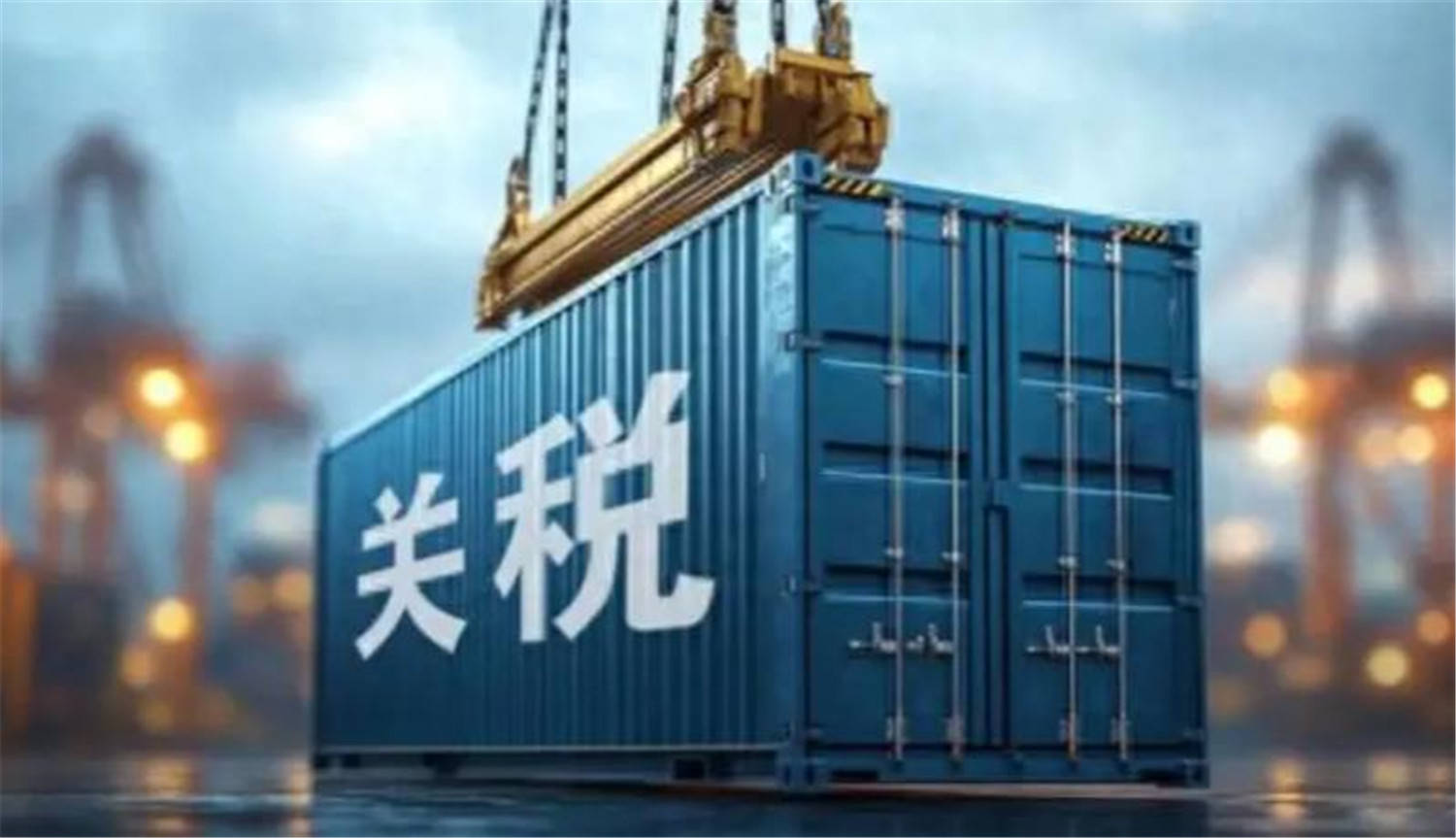
特朗普威胁无效,50%关税生效前48小时,中方为巴西送去五年大单!各国已经收到信号
Sou Hu Cai Jing· 2025-08-11 06:22
Core Viewpoint - The imposition of a 50% punitive tariff by the U.S. on Brazilian goods has created a tense situation in Brazil, but China's timely support with a five-year trade agreement has provided a significant boost to Brazil's economy and altered the global trade dynamics [1][3][4]. Group 1: U.S. Tariff Impact - The U.S. tariff, effective August 6, targets 35.9% of Brazil's exports to the U.S., including key products like coffee beans and beef, which could lead to significant economic losses for Brazil, estimated at 175 billion Brazilian Reais annually [3][4]. - The tariff is perceived as a political maneuver by the U.S. to influence Brazil's internal politics, particularly regarding investigations into former President Bolsonaro [3][4]. Group 2: Brazil's Response - Brazilian President Lula has publicly denounced the tariff as politically motivated and has indicated the possibility of retaliatory measures against U.S. agricultural and industrial products [4][5]. - Brazil's agricultural sector has highlighted the U.S. dependency on Brazilian exports, advocating for WTO intervention and seeking alternative markets to mitigate the impact of the tariffs [5]. Group 3: China's Support - China has stepped in to support Brazil by granting export qualifications to 183 Brazilian coffee companies, potentially generating over $5 billion in annual exports to China [5][7]. - The collaboration includes logistical support through direct shipping routes and financial assistance via currency risk management, enhancing the trade relationship between China and Brazil [7]. Group 4: Global Trade Dynamics - The situation reflects a broader shift in global trade, with China's actions countering U.S. unilateralism and promoting a more cooperative trade environment among developing nations [8][10]. - The evolving relationship between China and Brazil serves as a model for South-South cooperation, moving beyond simple trade to deeper strategic collaboration [8][10].
