城乡融合

Search documents
钱包鼓了!产业旺了!广东城乡CP的“融合力”从何而来?
Nan Fang Du Shi Bao· 2025-11-21 07:19
Core Insights - The article highlights the significant progress made in Guangdong's urban-rural integration and economic development during the "14th Five-Year Plan" period, emphasizing the reduction of income disparity between urban and rural residents [2][4]. Economic Development - The income ratio between urban and rural residents in Guangdong decreased from 2.49 in 2020 to 2.29 in the first three quarters of 2025, with rural income growth consistently outpacing urban income growth [2]. - In 2024, the GDP of 57 counties and cities in Guangdong reached 1.8 trillion yuan, with an average annual growth rate of 4.9% since 2022 [3]. Infrastructure Improvement - As of October 2024, the total length of rural roads in Guangdong exceeded 180,000 kilometers, equivalent to circling the Earth's equator 4.5 times, facilitating efficient transportation of agricultural products [2]. - Guangdong became the first province in China to achieve full optical network coverage in villages with more than 20 households, enhancing digital infrastructure for farmers [2]. Policy Initiatives - Guangdong implemented a series of policies to promote orderly industrial transfer, allocating 70.5 billion yuan for supporting industrial transfer platforms in less developed regions [4]. - The province created 12 national-level advantageous characteristic industrial clusters and 24 national modern agricultural industrial parks during the "14th Five-Year Plan" [4]. Support Mechanisms - A new round of targeted assistance began in late 2022, with over 162 billion yuan invested in collaborative support across six cities in the Pearl River Delta [4]. - The province's support included 156 provincial agencies assisting 57 counties and five key old revolutionary base areas, completing over 1,100 key assistance tasks [5].
四川县域经济“十四五”画像 从“金字塔型”迈向橄榄型
Si Chuan Ri Bao· 2025-11-21 00:19
Core Viewpoint - The economic development of counties in Sichuan is transitioning from an unbalanced structure to a more balanced "olive-shaped" model, with significant growth in the middle-tier counties and a reduction in the number of lower-tier counties [4][6]. Economic Growth - The average GDP of counties (cities, districts) in Sichuan is projected to reach 35.37 billion yuan in 2024, an increase of 8.81 billion yuan from 2020 [3]. - The number of counties with an economic total exceeding 60 billion yuan will rise to 27 by 2024, up from 14 in 2020 [5]. - The number of counties with GDP below 20 billion yuan is expected to decrease from 106 in 2020 to 78 in 2024 [6]. Structural Changes - The economic structure is evolving from a "pyramid" shape to an "olive" shape, indicating a healthier distribution of economic strength among counties [4][6]. - The number of counties with GDP between 20 billion and 60 billion yuan has increased by 15, now totaling 78, which constitutes 42.6% of all counties in Sichuan [6]. Development Strategies - The provincial government is implementing a strategy of "grasping the strong, strengthening the middle, and uplifting the weak" to foster county-level economic development [7][9]. - Specific policies are being tailored for each county to support industrial development and infrastructure, with a focus on creating "single champions" in niche markets [7][8]. Future Outlook - The next five years will focus on maintaining growth across all 183 counties, ensuring that no county is left behind [10][12]. - The development strategy will continue to emphasize innovation and collaboration among counties with complementary industries [10][11].

重庆万盛:财政支持“加码” 让“邮运通”成为城乡融合“纽带”
Sou Hu Cai Jing· 2025-11-19 07:45
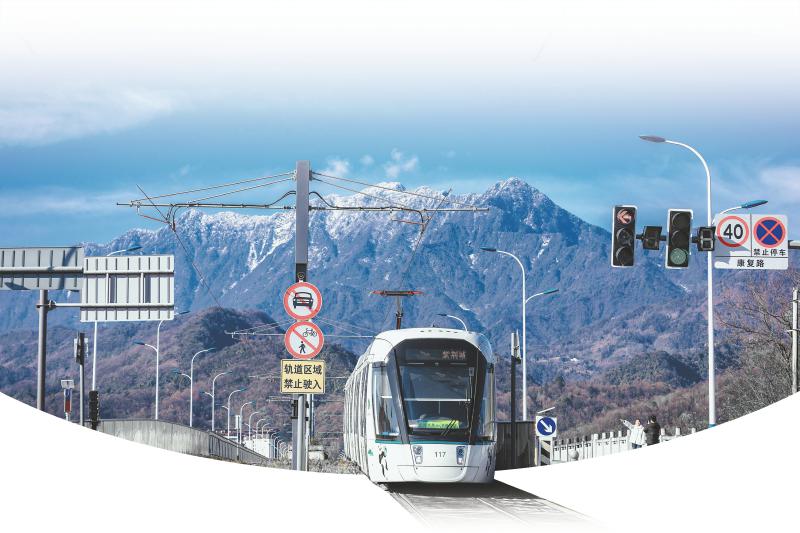
Core Viewpoint - The "Youyun Tong" model, integrating logistics, rural e-commerce, and inclusive finance, is being strongly supported by the Wansheng Economic Development Zone's financial policies to enhance rural revitalization and urban-rural integration [1][5]. Group 1: Financial Support and Policy Implementation - The Wansheng Economic Development Zone's financial bureau has implemented targeted support policies to boost the development of the "Youyun Tong" model, creating a four-tier logistics network to facilitate the flow of agricultural products to urban areas and industrial goods to rural areas [1]. - The China Postal Savings Bank's Wansheng branch is focusing on optimizing business processes to enhance financial services for rural revitalization, with an emphasis on "financial services sinking" to village-level convenience service stations [3]. Group 2: Collaborative Financial Services - The postal bank is aligning its services with the financial needs of rural industries by identifying target customers based on a "region + industry + scale + demand" model, focusing on strong villages and high-quality farmers [5]. - Activities such as "Postal and Financial Assistance for Revitalization" are being conducted to create village-level cooperation platforms that integrate logistics, payment services, and inclusive finance into a one-stop service [5]. Group 3: Future Development and Strategic Goals - The Wansheng Economic Development Zone plans to continue leveraging financial support to enhance the "Youyun Tong" model, aiming to convert policy advantages into tangible support for the rural economy and promote the flow of financial resources to rural areas and specialized industries [5].

浙江深化新时代“千万工程” 绘就共同富裕新图景
Xin Hua She· 2025-11-19 06:57
Core Insights - The article discusses the "Ten Million Project" in Zhejiang, which aims to promote rural revitalization and common prosperity through urban-rural integration and development [1][10] - The project has evolved over 20 years and is now a model for rural revitalization, focusing on reducing disparities and enhancing living conditions in rural areas [1][3] Group 1: Urban-Rural Integration - The "Ten Million Project" has been a key initiative in Zhejiang, with continuous support from provincial leadership to ensure its implementation and demonstration [3] - The project emphasizes the development axis connecting county towns, central towns, and key villages to facilitate spatial optimization and resource integration [3][4] - As of now, Zhejiang has announced 87 provincial development axes covering 146 central towns and 581 key village clusters, representing 46.4% of the county area and 73.7% of the county's permanent population [5] Group 2: Economic Development and Livelihood Improvement - The integration of urban capital into rural areas has led to significant economic benefits, such as the transformation of idle farmland into profitable ventures like high-end homestays, increasing per capita income [2][4] - The establishment of new agricultural mechanisms has enabled farmers to increase their income significantly, with some initiatives leading to an additional 200 to 300 yuan per pig raised [4] - The project has also fostered a collaborative development model among villages, enhancing local governance and service delivery, resulting in increased operational income for local areas [4][7] Group 3: Rural Environment and Quality of Life - Continuous improvements in rural living conditions have been a focus, with initiatives aimed at enhancing the rural environment and promoting tourism [6][7] - The integration of various sectors such as agriculture, culture, and tourism has led to the emergence of new rural business models, contributing to the overall vibrancy of rural communities [6][8] - Public services have been standardized and extended to rural areas, improving access to education, healthcare, and other essential services, thereby enhancing the quality of life for rural residents [8][9]
北京开启新篇章!12部门一把手发声
Bei Jing Qing Nian Bao· 2025-11-18 03:53
Economic Development - The Beijing Municipal Committee's 13th Plenary Session emphasized the importance of deepening reforms and optimizing the business environment to enhance economic vitality [1] - The city aims to achieve a higher level of open economy and promote the complementary development of various ownership economies [1] Technological Innovation - Beijing plans to accelerate the development of a global technology innovation center, focusing on original innovation and key core technology breakthroughs [2][3] - The city will implement a technology achievement transformation system to support the development of new productive forces [3] Education and Talent Development - The education system will focus on integrating education, technology, and talent development, enhancing the quality of education from basic to higher levels [4][5] - There will be an emphasis on cross-disciplinary training to cultivate innovative talents that meet the needs of the capital's economic and social development [5] Digital Economy - Beijing aims to become a global benchmark city for the digital economy, focusing on high-precision industries and modern service sectors [7][8] - The city plans to develop emerging industries such as artificial intelligence and green advanced energy, targeting trillion-level industry clusters [8] Social Welfare - The city will prioritize employment as a key aspect of people's livelihoods, implementing policies to enhance job creation and social security systems [9][10] - There will be a focus on expanding social insurance coverage and improving the social security system to ensure reliable support for residents [10] Environmental Sustainability - Beijing is committed to building a beautiful city by enhancing pollution prevention and promoting green transformation in production and lifestyle [11][12] - The city aims to improve ecological quality and create a harmonious living environment through sustainable practices [12] Transportation Infrastructure - The transportation system will focus on building a modern, integrated transportation network that prioritizes public transport and optimizes travel efficiency [13][14] - Strategies will be implemented to enhance logistics efficiency and support the high-quality development of urban logistics [14][15] Urban-Rural Integration - The city will promote balanced urban-rural development and implement rural revitalization strategies to enhance agricultural productivity and rural living conditions [16] - Emphasis will be placed on modern agriculture and improving rural governance to ensure sustainable development [16] Cultural Development - Beijing aims to enhance its cultural influence by promoting public cultural services and fostering innovation in the cultural industry [17][18] - The city will focus on developing diverse tourism products and enhancing cultural tourism experiences [18] Health and Well-being - The city plans to improve its healthcare system and promote public health services to enhance the well-being of its residents [19][20] - There will be a focus on providing equitable and high-quality healthcare services across all demographics [20] Heritage Protection - Efforts will be made to strengthen the protection and transmission of historical and cultural heritage, ensuring the preservation of Beijing's unique cultural identity [21][22] - The city will enhance public cultural services and promote the development of a museum city [22] Urban Greenery - Beijing is working on a plan to develop a garden city, enhancing urban green spaces and improving the quality of public parks [23] - The city aims to create a harmonious integration of production, living, and ecological spaces through innovative landscaping [23]

城镇化增速放缓之后,“十五五”城市发展如何破局?
2 1 Shi Ji Jing Ji Bao Dao· 2025-11-17 12:32
Core Insights - China's urbanization rate has reached 67%, indicating a shift towards the later stages of urban development, with a trend of slowing urbanization growth [1][2] - The "14th Five-Year Plan" period saw an average urbanization growth rate drop to 0.78 percentage points due to the pandemic, while the "15th Five-Year Plan" is expected to maintain a growth rate of around 0.7 percentage points, reaching an estimated 71.5% by 2030 [2][3] Urbanization Trends - Historical average annual urbanization rate increases were: 1.44 percentage points during the "9th Five-Year Plan," 1.35 during the "10th," 1.39 during the "11th," 1.48 during the "12th," and 1.31 during the "13th" [2] - The transition from rapid growth to stable development in urbanization is a key focus for the new period, as highlighted in the recent Central Urban Work Conference [2] Quality and Speed of Urbanization - The "15th Five-Year Plan" emphasizes balancing speed and quality in urbanization, with a focus on improving urbanization quality and synchronizing urbanization with citizenization [3][4] Rural-Urban Integration - The integration of rural and urban areas is crucial, with county-level cities becoming key hubs for absorbing rural labor migration [7][9] - The quality of urbanization for agricultural migrants needs improvement, with a focus on providing basic public services based on registered residence [4][6] Structural Optimization - The current urban structure is characterized by a polarization between mega-cities and smaller towns, necessitating a re-evaluation of urban scale and structure [11][12] - From 2010 to 2023, the number of mega-cities increased from 8 to 23, while small cities decreased from 489 to 469, indicating a need for coordinated development [11] High-Quality Urban Development - The shift towards high-quality urban development is a priority, focusing on enhancing urban characteristics, safety, and development atmosphere [13][14] - Urban renewal is identified as a critical strategy for achieving high-quality urban development, emphasizing the need for government support to attract investment and stimulate demand [13][14]

刘小涛在宿迁淮安调研时强调扎实抓好城乡融合区域联动 推动高质量发展和民生改善
Xin Hua Ri Bao· 2025-11-16 23:29
11月15日至16日,省长刘小涛在宿迁市、淮安市调研。他强调,要深入学习贯彻党的二十届四中全 会和习近平总书记对江苏工作重要讲话精神,完整准确全面贯彻新发展理念,发挥比较优势、坚持各扬 所长,做好区域互补、跨江融合、南北联动大文章,扎实推进乡村全面振兴,促进城乡融合发展、区域 协调发展,让现代化建设成果更多更公平惠及广大群众。 随着宿连航道等项目加快推进,宿迁港临港产业发展迅速。刘小涛实地察看港航产贸一体化建设情 况后说,要发挥水运运能大、成本低、绿色安全的优势,进一步加强企业招引、加快要素导入、加速产 业集聚。刘小涛来到京东智慧城,了解一站式科创商办生态社区智慧管理和高铁片区建设情况后说,新 型产业经济集聚片区科技含量高、综合效益强,要精心谋划开发、完善配套服务,打造联系交通、沟通 产业、促进经济的能量场。在苏宿工业园区,刘小涛对南北挂钩合作工作成效表示肯定。他指出,要树 立大格局、强化大统筹,在产业链、供应链、创新链合作上深挖潜力,形成更多互利共赢的新增长点。 刘小涛先后来到长电科技(宿迁)公司、乔海飞机制造公司、荣芯半导体(淮安)公司和中天精品 钢帘线项目、鹏鼎控股淮安园区,与企业负责人深入交流,感谢企 ...
“十五五”时期,新型城镇化怎么“走”?
Jing Ji Guan Cha Wang· 2025-11-14 13:02
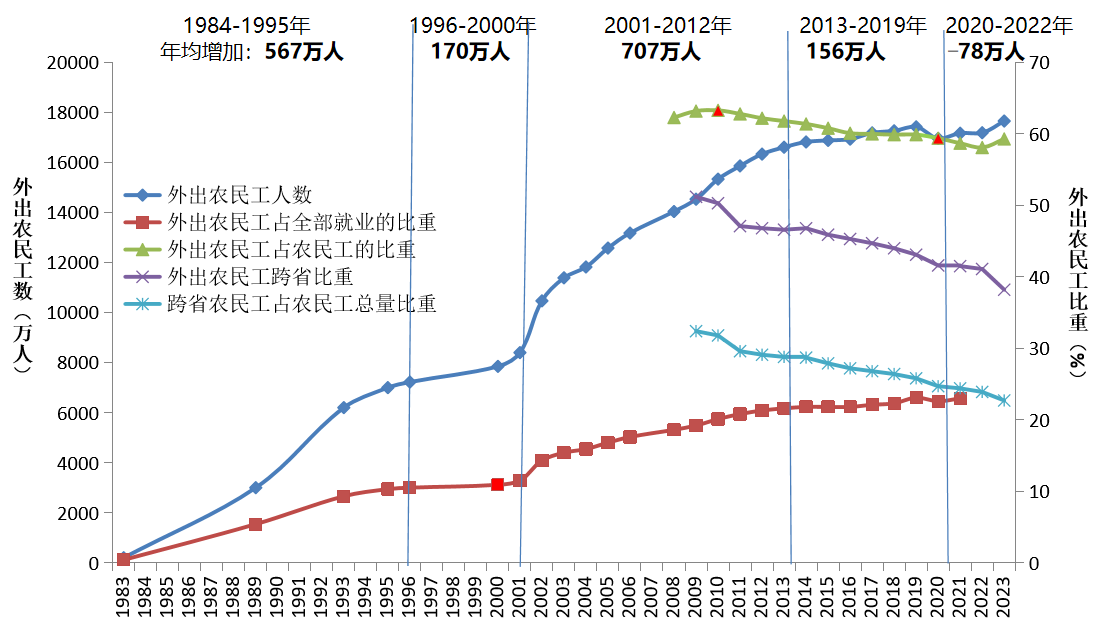
Core Insights - The forum focused on the development of new urbanization during the "14th Five-Year Plan" period, emphasizing the importance of integration across various dimensions such as regional, urban-rural, industrial, digital, green, cultural, and safety aspects [1][2] Urban Agglomeration Construction - Current urban agglomerations and metropolitan areas primarily exist in a physical state, lacking deep economic and social interactions, leading to a dominance of central cities over smaller towns and rural areas [2] - The central government's focus is on promoting integration and collaboration within urban agglomerations rather than mere scale expansion, necessitating a balance between connectivity and differentiation [2][3] Infrastructure and Public Services - Emphasis on improving the connection between new and old infrastructure, addressing issues like "dead-end roads" and ensuring uniform standards across various infrastructures [3] - The importance of enhancing the connectivity of basic public services is highlighted, with a focus on collaborative efforts to share quality resources among cities [3] Urban-Rural Integration - The central government prioritizes urban-rural integration, recognizing the need for cities to support rural development, as rural areas remain the weakest link in modernization efforts [5][6] - Key reforms are needed to facilitate the two-way flow of resources between urban and rural areas, including household registration and land system reforms [6] Population Trends and Predictions - Predictions indicate a continuous decline in rural population, with estimates suggesting a drop from 465 million to 398 million by 2030, and further to 353 million by 2035 [7] - The number of administrative villages is expected to decrease significantly, leading to challenges such as village vacancy and inefficient land use [7] Quality of Urbanization - The relationship between speed and quality in urbanization is crucial, with a focus on improving urbanization quality as a primary goal [7] - Despite a slowdown, urbanization in China is projected to continue, with urbanization rates expected to reach 71.5% by 2030 and 74.6% by 2035 [7]
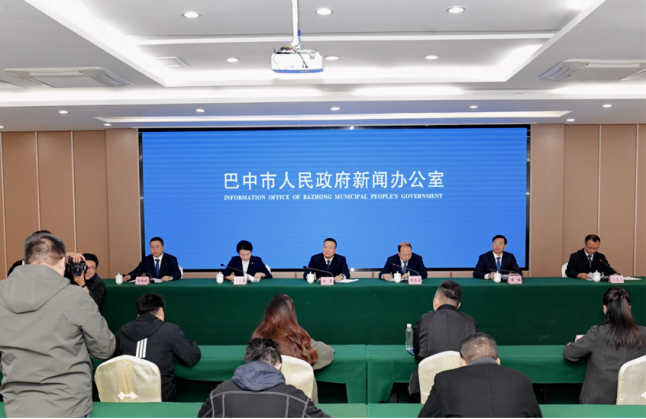
四川巴中:全国革命老区振兴发展示范市建设迈出新步伐
Zhong Guo Fa Zhan Wang· 2025-11-13 04:17
Core Insights - The article highlights the significant achievements of Bazhong City during the "14th Five-Year Plan" period, emphasizing the city's commitment to high-quality development and the implementation of the "One City, Four Districts, Three Areas" development strategy [1][3]. Economic Development - Bazhong's GDP growth rate improved from 15th among 20 revolutionary old districts in 2020 to 2nd in 2024, with the city achieving its best position in nearly a decade [4]. - The local public budget revenue has seen a continuous growth rate for 17 months, while the industrial added value has maintained double-digit growth for 18 months, placing Bazhong in the top tier of provincial rankings [4]. Industrial Development - The city has established a modern industrial system categorized as "5+2+3," focusing on ecological industry and advanced manufacturing [6]. - Key industries include advanced materials, low-altitude economy, and clean energy projects, with significant investments in wind, solar, and hydropower [6]. Urban-Rural Integration - Bazhong has promoted urban-rural integration, enhancing the quality of life in both urban and rural areas, and has seen a 4.34 percentage point increase in urbanization rate since 2020 [8]. - The city has successfully integrated into the "two-hour economic circle" of Chengdu and Chongqing, improving transportation links significantly [8]. Reform and Innovation - The city has implemented measures to create a business-friendly environment, including the introduction of local regulations to optimize services for enterprises [9][10]. - Bazhong has initiated a systematic assessment of various resources to enhance their value and promote economic development [10]. Environmental Sustainability - Bazhong has made strides in ecological development, becoming the first prefecture-level city in Sichuan to establish a national ecological civilization demonstration zone [12]. - The city has developed a GEP accounting system, achieving an ecological system production value of 2,586.36 billion yuan in 2023 [12]. Social Welfare - The city has focused on improving the quality of life for its residents, allocating over 70% of new financial resources to social welfare projects [13]. - Initiatives in education and healthcare have been prioritized, including the establishment of a cloud-based education platform and improved access to medical services [13][14].
踔厉奋发绘新卷 万象武都启华章 ——甘肃陇南市武都区“十四五”高质量发展纪实
Zhong Guo Fa Zhan Wang· 2025-11-12 06:51
Core Insights - The article highlights the significant transformation and development of Wudu District in Longnan City during the "14th Five-Year Plan" period, emphasizing high-quality growth and the successful implementation of various projects [3][4][19]. Economic Development - Wudu District has achieved a remarkable economic milestone with a projected GDP exceeding 20 billion yuan in 2024, marking a 45.81% increase compared to the end of the "13th Five-Year Plan" [3][6]. - The district has implemented 479 key investment projects, with a total investment of 36.835 billion yuan, contributing to its economic growth [6][10]. - Industrial output has doubled, with the total industrial output value rising from 2.8 billion yuan at the end of the "13th Five-Year Plan" to 5.6 billion yuan in 2024 [6][10]. Infrastructure and Urban Development - The area has seen significant urban development, with the built-up area reaching 21.4 square kilometers and an urbanization rate of 50.61% [28]. - Key infrastructure projects include the construction of parks, improved waste management systems, and enhanced public services, contributing to a better living environment for residents [29][30]. Agricultural Advancements - Wudu District has established a robust agricultural system, with 641,300 acres of olive groves and a production capacity of 82,000 tons of olive oil, leading to an economic benefit of 4 billion yuan [10][11]. - The district's agricultural output is supported by a diverse range of crops, including a significant pepper production base recognized nationally [11][10]. Tourism and Cultural Development - The district has experienced a surge in tourism, with 25.964 million visitors in the "14th Five-Year Plan" period, a 108.84% increase year-on-year, generating 16.546 billion yuan in tourism revenue [19][20]. - Wudu District is positioning itself as a national leisure tourism and ecological health center, with various projects aimed at enhancing the tourism experience [18][21]. Social Welfare and Community Development - The district has focused on improving social welfare, with significant investments in education, healthcare, and housing, resulting in increased disposable income for residents [30][31]. - Community initiatives have been implemented to enhance the quality of life, including the establishment of elderly care centers and job creation programs [31][30].