
生态产品价值实现

Search documents
云南宁洱完成碳汇“百笔交易” 交易量达7681.77吨
Zhong Guo Xin Wen Wang· 2025-08-09 14:07
Core Insights - Ning'er County has completed 100 carbon trading transactions, with a total trading volume of 7,681.77 tons and a transaction amount exceeding 260,000 yuan, marking a significant achievement in its carbon trading efforts [1][2] Group 1: Carbon Trading Achievements - The county's carbon trading activities have generated 7,681.77 tons of carbon credits, resulting in over 260,000 yuan in revenue, demonstrating the effectiveness of market mechanisms in promoting ecological protection and economic development [1] - Since being selected as a national forestry carbon sink pilot county in 2022, Ning'er County has been exploring development models for forestry carbon sinks and improving the realization mechanism for ecological product value [1] Group 2: Economic Impact and Community Benefits - 60% of the profits from carbon credits are distributed to local farmers, while the remaining funds are reinvested into carbon sink company operations and related industries, ensuring sustainable management of ecological resources [1] - The carbon sink pilot program has reportedly increased average household income by 2,000 yuan, with villagers benefiting from forest management and the cultivation of under-forest crops [1] Group 3: Future Development Plans - Ning'er County plans to enhance its carbon sink measurement and monitoring systems, establish a carbon-inclusive trading platform, and standardize trading processes to expand the market and improve efficiency [2] - The county aims to diversify applications of carbon sinks, including carbon pledges, carbon tickets, carbon insurance, and various zero-carbon initiatives, transforming carbon resources into economic benefits [2]
“两山”践悟二十载 浙江湖州“绿满金生”闯新路
Zhong Guo Xin Wen Wang· 2025-08-08 16:30
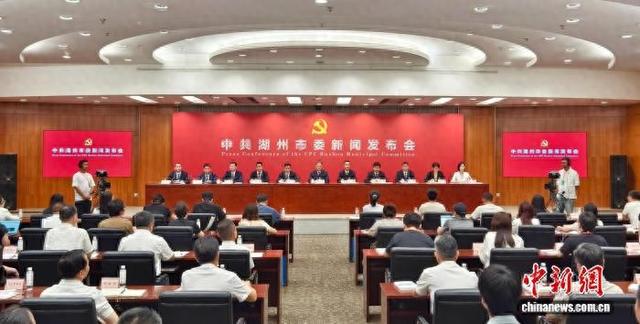
Core Viewpoint - The news highlights the achievements of Huzhou in implementing the "Green Water and Green Mountains are Golden Mountains and Silver Mountains" concept over the past 20 years, showcasing its transformation into a model for ecological civilization and sustainable development [1][2]. Group 1: Ecological Civilization Development - Huzhou has established a comprehensive ecological civilization system over 20 years, including legislation, standards, institutions, digital intelligence, and culture [2]. - The city has received multiple national recognitions, such as the first city-level ecological civilization pilot zone and the first city with full coverage of national ecological civilization construction demonstration areas [2]. - Huzhou has published over 130 ecological civilization standards, with 13 local standards elevated to national standards [2]. Group 2: Environmental Improvements - As of 2024, Huzhou has achieved a 57.03% improvement in PM2.5 concentration and a 56.51% increase in air quality [3]. - The water quality entering Taihu Lake has maintained a Class III standard for 17 consecutive years, with Class II water quality now fully covering the monitoring sections for the first time in 2024 [3]. Group 3: Economic Transformation - Huzhou's energy consumption per unit of GDP has decreased by approximately 48% over the past 20 years, while the number of high-tech enterprises has surged from 58 in 2008 to 2071 in 2024 [5]. - The city has developed a "2+8" high-energy platform system, focusing on emerging industries such as new energy vehicles, semiconductors, and biomedicine [6]. Group 4: Ecological Product Value Realization - Huzhou has created ten methods for realizing the value of ecological products, including accounting and assessment methods, rights trading, and ecological compensation [7]. - The city has been selected as one of the first national pilot areas for ecological product value realization mechanisms in 2024 [7]. Group 5: Social and Economic Equity - The income disparity among urban and rural residents in Huzhou has significantly narrowed to a ratio of 1.53, making it one of the most balanced regions in the country [8]. - Innovative models have been introduced to promote dual income growth for village collectives and farmers, with a focus on attracting young talent to rural areas [8].

金融如何助力唤醒沉睡的生态资源?
Jin Rong Shi Bao· 2025-08-08 07:58
Core Viewpoint - The article discusses the innovative "grass ticket" system in Inner Mongolia, which aims to realize the ecological value of grasslands through modernized operations and financial mechanisms, enhancing the economic benefits of pastoral products while protecting the environment [1][2]. Group 1: Ecological Value Realization - The "grass ticket" system allows local herders to lease their grassland rights to enterprises, which then modernize operations to increase economic value while maintaining ecological integrity [1][2]. - The concept of "grass ticket" can expand to include carbon credits and other ecological products, promoting comprehensive transformation of ecological value [2][3]. - Various financing tools, such as forest carbon credit pledges and water rights pledges, are emerging to facilitate the monetization of ecological resources [3]. Group 2: Case Studies and Financial Mechanisms - The small watershed ecological product value conversion project in Huzhou serves as a model for transforming ecological advantages into economic value, integrating water management with tourism and agriculture [4][5]. - The first loan for ecological product operating rights pledge was issued by a bank for a water ecological project, demonstrating the financial viability of such initiatives [5]. - The carbon credit market is also developing, with projects like the single-tree carbon credit initiative in Guizhou providing additional income for impoverished households [6][7]. Group 3: Challenges and Recommendations - There are still issues with the supporting mechanisms for ecological value realization, including the lack of standardized legal frameworks and unified valuation systems [8][9]. - Experts suggest that improving the ecological product value accounting system and establishing a national information platform are essential for market recognition and transaction facilitation [10][11]. - To stimulate market activity, it is recommended to create an ecological product value assessment mechanism and enhance local ecological product branding [11][12].
让金融活水 润泽绿美山川
Jin Rong Shi Bao· 2025-08-08 07:55
Core Viewpoint - The article emphasizes the integration of ecological protection and high-quality development in Pu'er, showcasing the region's rich ecological resources and the efforts to promote sustainable practices in the tea and coffee industries [2][5][6]. Group 1: Ecological Resources and Cultural Heritage - Pu'er is rich in ecological resources, with 55 types of ecosystems and a forest coverage rate of 68.23%, housing over 5,600 species of plants and 591 species of protected wildlife [1]. - The region is home to 14 ethnic groups, with a minority population of 61.2%, which contributes to a harmonious coexistence of culture and nature [1]. Group 2: Green Development Initiatives - The "brand + base + cooperative + farmer" model is being implemented to transform tea gardens into ecological demonstration sites, promoting a cycle of protection and development [2]. - Local ethnic groups, such as the Blang and Dai, utilize traditional governance systems to manage resources sustainably, reinforcing community-based ecological governance [2]. Group 3: Green Finance Development - The People's Bank of China in Pu'er has established a "policy chain - industry chain - financial chain" mechanism to promote the creation of a green finance demonstration zone [4][5]. - As of March 2025, the green credit balance in Pu'er reached 23.47 billion yuan, an increase of 1.905 billion yuan from the beginning of the year, with a year-on-year growth of 26.29% [5]. - The bank has introduced specialized financial products to support the development of the tea and coffee industries, including loans specifically designed for these sectors [6]. Group 4: Future Directions - The People's Bank of China aims to explore green development paths that integrate biodiversity protection and the realization of ecological product value, focusing on sustainable practices in the region [6].

生态产品价值实现的理论贡献与实践路径
Ren Min Ri Bao· 2025-08-08 01:07
Core Viewpoint - The realization of ecological product value is a significant theoretical innovation in Xi Jinping's ecological civilization thought, emphasizing the transformation of natural wealth into economic value while protecting the environment [2][7]. Group 1: Theoretical Contributions - The concept of ecological product value realization innovatively constructs a pathway for transforming natural capital into economic productivity, integrating ecological protection as an intrinsic driver of economic growth [2][3]. - It marks a cognitive leap from "resource management" to "value management," addressing the externalities of ecological systems through market mechanisms [3][4]. Group 2: Practical Pathways - The establishment of a market-based pricing mechanism for ecological products is essential, requiring a classification of products and tailored strategies for public and commercial ecological goods [16][17]. - The implementation of a multi-faceted ecological compensation mechanism is crucial for incentivizing participation in ecological protection, including both vertical and horizontal compensation agreements [16][17]. Group 3: Economic and Social Integration - Ecological product value realization supports the integration of economic benefits with social equity, ensuring that ecological services are recognized as tradable economic assets [13][14]. - It promotes a new paradigm for regional coordinated development, allowing for innovative compensation mechanisms that align ecological protection with economic incentives [9][14]. Group 4: Technological and Institutional Framework - The integration of advanced technologies, such as blockchain and AI, is transforming the valuation and trading of ecological products, enhancing efficiency and transparency in ecological markets [10][11]. - A robust institutional framework is necessary to support the realization of ecological product value, including clear property rights, standardized valuation systems, and effective governance structures [15][18].

生态产品价值实现的理论贡献与实践路径(深入学习贯彻习近平新时代中国特色社会主义思想·原创性概念标识性概念纵横谈)
Ren Min Wang· 2025-08-07 22:26
Core Viewpoint - The realization of ecological product value is a significant innovation in Xi Jinping's ecological civilization thought, emphasizing the integration of ecological protection and economic development, and providing a pathway for achieving harmonious coexistence between humans and nature [1][2][3]. Group 1: Theoretical Contributions - The concept of ecological product value realization transforms natural capital into economic productivity, allowing for the protection of the environment while generating economic benefits [2][3]. - It introduces the economic category of "products" to convert abstract ecological functions into tradable assets, facilitating the transformation from "green mountains and clear waters" to "golden mountains and silver mountains" [2][3]. Group 2: Economic and Ecological Synergy - The realization of ecological product value signifies a shift from "resource management" to "value management," addressing the externalities of ecological issues through economic development [3][4]. - It promotes a dual transformation of "economic system ecologicalization" and "ecological system economicization," creating a positive feedback loop between economic growth and ecological protection [3][4]. Group 3: Market Mechanisms and Pricing - The scarcity of ecological products, such as clean air and freshwater, is restructured into market signals through property rights and ecological compensation, balancing ecological constraints with economic incentives [4][5]. - A dynamic pricing mechanism is essential for ecological products, utilizing tiered pricing and ecological labels to meet diverse consumer demands while preventing overconsumption [4][5]. Group 4: Institutional Framework and Governance - The realization of ecological product value requires innovative governance structures, combining government regulation with market mechanisms to ensure effective resource allocation and ecological protection [7][8]. - Establishing a comprehensive ecological compensation system is crucial for incentivizing participation in ecological protection, ensuring that both protectors and contributors benefit [18][19]. Group 5: Sustainable Development and Equity - The realization of ecological product value supports the goal of common prosperity by transforming ecological services into tradable economic assets, promoting intergenerational equity and sustainable welfare [15][16]. - It addresses the "ecological paradox" in regional development by enabling ecological capital to be converted into economic benefits, ensuring fair distribution of ecological services among different regions [16][17]. Group 6: Technological Innovation and Digital Transformation - The integration of digital technologies, such as blockchain and AI, enhances the valuation and monitoring of ecological products, facilitating real-time data collection and intelligent market matching [12][13]. - This technological shift supports the transition from traditional economic models to a new paradigm that emphasizes ecological sustainability and efficiency [14][20].
运用系统思维做好“加减乘除”,推动生态产品价值实现
Zhong Guo Huan Jing Bao· 2025-08-04 23:11
Core Viewpoint - Accelerating the realization of ecological product value is a crucial path for transforming ecological advantages into economic advantages, which is essential for the construction of a beautiful China [1] Group 1: Supply Optimization - The realization of ecological product value requires enhancing the supply capacity and system construction of ecological products to form a high-quality and sustainable supply foundation [2] - Key to optimizing supply is increasing both the quantity and quality of high-quality ecological products, ensuring integrated protection and systematic governance of ecological resources [3] - A multi-dimensional supply system should be established, featuring diverse types and levels of ecological products, transitioning from a single and extensive supply to a diversified and refined one [3] Group 2: Cost Reduction - To efficiently convert visible ecological product value into economic value, it is essential to reduce various costs in the transaction process and streamline the value conversion channels [4] - This involves standardizing transaction processes, breaking down information barriers, and enhancing market transaction convenience to stimulate market vitality [5] Group 3: Digital Empowerment - In the digital age, data resources are a new production factor for ecological resource management and value realization, with digitalization and intelligence being key levers for enhancing conversion efficiency [6] - Utilizing digital technologies can amplify the value of ecological products, creating a robust digital infrastructure to support comprehensive and precise ecological assessments [6][7] Group 4: Institutional Barriers - The realization of ecological product value faces institutional and mechanism-related obstacles that need to be addressed through institutional restructuring and mechanism innovation [8] - A unified management coordination mechanism for ecological products should be explored to streamline the entire process from rights confirmation to value conversion, enhancing policy coherence and effectiveness [8]
江西坚定不移走生态优先绿色发展之路
Ren Min Ri Bao· 2025-08-02 22:01
Group 1 - The core viewpoint emphasizes the importance of ecological development and the transformation of ecological advantages into developmental benefits in Jiangxi province, as highlighted by President Xi Jinping during his visit [1] - Jiangxi has a forest coverage rate of 63.35%, with a total forestry output value nearing 700 billion yuan [1] - The province is accelerating the construction of a national ecological civilization pilot zone and exploring pathways for realizing the value of ecological products [1] Group 2 - Chongyi County has a high forest coverage rate of 87.32% and is piloting sustainable forest management, improving average annual growth rates for both coniferous and broadleaf forests [2] - The average annual growth rate for pine forests increased from 0.72 cubic meters to over 1 cubic meter per mu, while broadleaf forests improved from 0.3 cubic meters to 0.5 cubic meters per mu [2] - Jiangxi is recognized as a key province for sustainable forest management trials, promoting a cooperative model between state-owned and collective forests [2] Group 3 - In Wan'an County, the oil tea industry is thriving, with government subsidies facilitating the expansion of processing facilities and improvements in production techniques [3] - Jiangxi accounts for over 25% of the national output of camellia oil, with initiatives underway to enhance quality and brand influence [4] - The provincial government aims to increase the income of 2 million households by over 3,000 yuan each by the end of the year through the promotion of the oil tea industry [4] Group 4 - Jiangxi is advancing the quality upgrade of specialty forestry industries, including oil tea and bamboo, through the establishment of a 10,000 mu forestry industry technology demonstration park [5] - The park is successfully trialing high-value forest products, such as edible fungi, leveraging technology and talent [5] Group 5 - Jiangxi is implementing a "green book" system to support new project developments, allowing companies to secure financing based on forestry operating rights [6] - Since June 2024, Jiangxi has issued forestry operating rights certificates, attracting capital into eco-tourism and forest health industries [6] - The province has issued a total of 38.707 billion yuan in forestry-related loans, with cumulative transaction values for ecological products exceeding 138 billion yuan [6][7]

滨州博兴:以创新制度与多元举措,打造资源节约集约利用示范标杆
Qi Lu Wan Bao· 2025-07-30 04:24
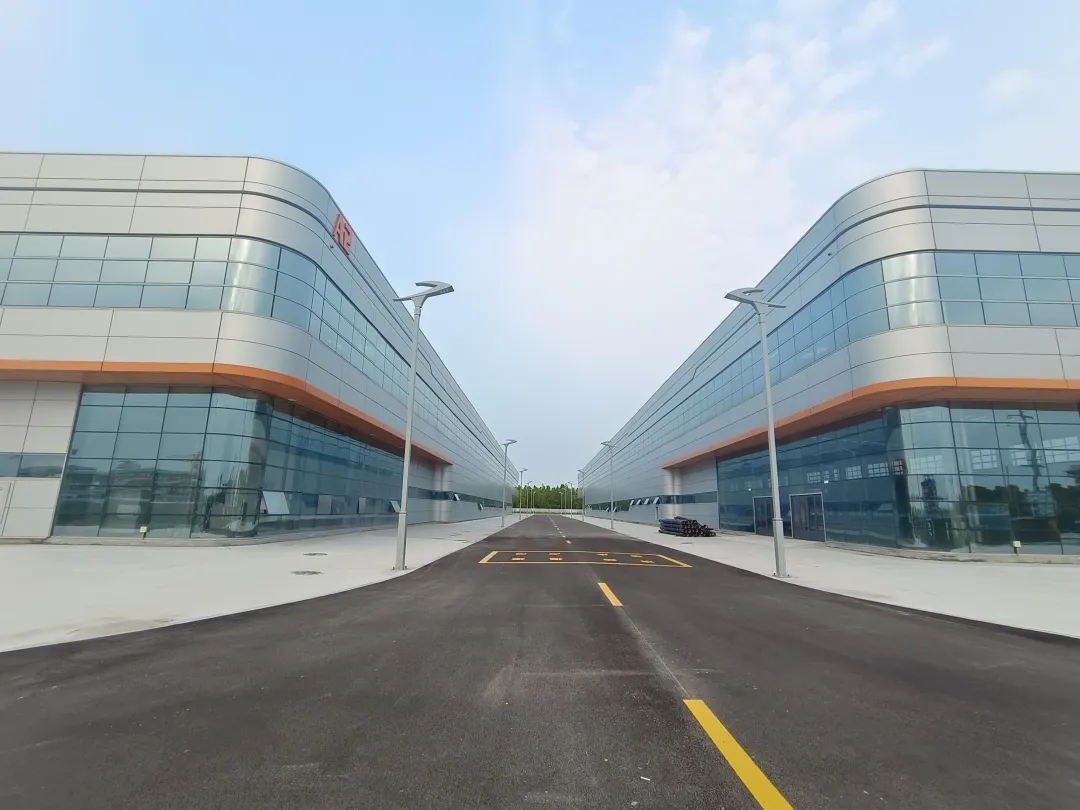
Core Viewpoint - The article highlights the innovative measures and solid actions taken by Binzhou's Boxing County in Shandong Province to explore a new path for resource conservation and high-quality development, positioning itself as a national model for resource-saving and intensive utilization [1] Group 1: Land Intensive Utilization - Boxing County has addressed issues of land idleness and low efficiency by revitalizing land resources, particularly through the transformation of 443 acres of idle land into the Huanghe Zhigu Industrial Park, increasing the project’s floor area ratio from 0.6 to 1.02 [2] - The county has implemented strict land supply standards, requiring an investment intensity of no less than 3 million yuan per acre and an average tax revenue of no less than 200,000 yuan per acre, resulting in the supply of 2,091 acres of land and the construction of 670,000 square meters of standard factories over three years [2] Group 2: Industrial Green Transformation - Boxing County has made significant investments in ecological restoration, such as the 1.5 billion yuan project for the ecological governance of the Mada Lake National Wetland Park, which improved water quality from Class V to Class III and attracted over 200 bird species [3] - The county's fishery industry has adopted a circular economy model in the Qiaozhuang Town Fishery Circular Industrial Park, achieving a 100% raw material utilization rate and over 90% water savings through a three-stage purification process [3] Group 3: Energy Structure Optimization - The Huanghe Zhigu Industrial Park utilizes rooftop solar panels, ground-source heat pump systems, and energy storage devices, providing stable green electricity at a cost 0.15 yuan lower per kilowatt-hour than grid electricity, resulting in an annual reduction of 12,000 tons of carbon emissions [4] - The proportion of renewable energy in the county has reached 35%, an increase of 23 percentage points compared to 2020 [4] Group 4: Institutional Innovation - Boxing County has introduced flexible land transfer policies, allowing enterprises to choose land transfer periods of 10 to 50 years, which reduces land costs and encourages resource-saving practices [7] - The county has implemented a digital monitoring model for farmland protection, leading to a 42% decrease in natural resource violation cases over the past three years [7] - The county is exploring the establishment of a GEP (Gross Ecosystem Product) accounting system to quantify ecological services such as wetland carbon sinks and water source conservation [7]
因地制宜拓宽生态产品价值实现路径 咱这儿的碳汇能生金(美丽中国)
Ren Min Ri Bao· 2025-07-29 21:55
Group 1: Carbon Sink Projects in Guizhou - The single-tree carbon sink project in Congjiang County, Guizhou, allows villagers to monetize the carbon absorption of individual trees, effectively linking ecological value to economic benefits [2][3] - As of 2024, 7,962 households participated in the project, collectively earning nearly 12 million yuan from carbon sink revenues, with each tree generating approximately 3 yuan annually [3] - The project aims to connect poverty alleviation efforts with rural revitalization, directly benefiting impoverished households by purchasing carbon sinks from them [2][3] Group 2: Soil Carbon Sink Initiatives in Fujian - In Huian, Fujian, soil improvement techniques have led to increased crop yields, with sweet melons yielding 400-500 more pounds per acre due to enhanced soil conditions [4][5] - The company Matta provides soil conditioners for free, funded by the carbon credits generated from reduced greenhouse gas emissions during crop production [5] - Soil carbon sinks are a significant component of agricultural carbon sinks, with ongoing research to develop more precise measurement methods for carbon credits [5] Group 3: Marine Carbon Sink Developments in Shandong - The "solid algae gather fish" model in Long Island, Shandong, involves deploying artificial reefs to enhance marine ecosystems, resulting in over 280 tons of carbon sequestration annually [6][7] - The "seaweed carbon loan" product allows marine farms to use future carbon credit revenues as collateral for loans, facilitating the expansion of sustainable aquaculture practices [6][7] - The integration of smart technology in marine farming has improved fish survival rates by 30%, significantly increasing annual catch volumes and generating substantial economic returns for local communities [7]