线上线下融合

Search documents
从云端到地面:爱奇艺造乐园的跨界野心与现实考题
Sou Hu Cai Jing· 2025-10-22 21:47
Core Insights - iQIYI's theme park marks its entry into the offline entertainment market, transitioning from an online content producer to a scene operator, driven by industry evolution and internal needs [1][3] - The theme park project is a strategic move to monetize its IPs and tap into the growing offline entertainment consumption market, which is projected to exceed 80 billion yuan by 2025 [6][9] Group 1: IP Value and Market Dynamics - The urgent need to exploit IP value is a primary driver for iQIYI's theme park initiative, as it seeks to transform its popular IPs into tangible consumer experiences, creating a value loop from content creation to offline experiences and merchandise sales [4][6] - The long video industry is now in a phase of stock competition, with stagnant member growth, prompting iQIYI to explore offline avenues for user engagement and revenue generation [6][9] Group 2: Development Strategy - iQIYI adopts a gradual approach to theme park development, starting with smaller immersive experiences before scaling up to larger parks, thereby minimizing risks associated with cross-industry ventures [6][9] - The first large-scale theme park is set to open in Yangzhou, featuring a blend of IP and digital technology across seven thematic areas, including immersive theaters and interactive experiences [9][12] Group 3: Competitive Landscape - iQIYI's development model differs from established players like Huasheng Fantawild and Chimelong, focusing on a city leisure model rather than destination-based parks, and leveraging digital technology for immersive experiences [12][14] - The reliance on film IPs presents both opportunities and challenges, as the lifecycle of a film's popularity is typically short, which may impact the park's long-term viability [12][13] Group 4: Operational Challenges - iQIYI faces significant challenges in offline operations, lacking the necessary expertise in venue management, equipment maintenance, and customer service, which are critical for theme park success [16][17] - The current theme park offerings are criticized for insufficient integration of IP elements into the visitor experience, highlighting the need for deeper engagement and innovation [16][18] Group 5: Strategic Recommendations - To enhance operational capabilities, iQIYI should consider partnerships with third-party experts and eventually build an in-house team to manage various aspects of theme park operations [17] - Focusing on long-lifecycle IPs and creating immersive experiences that resonate with visitors can help sustain interest and foot traffic [18] - Leveraging digital technologies to create unique experiences and integrating local cultural elements can differentiate iQIYI's offerings in a competitive market [19]



吃预制菜有阴影?叶国富谈西贝事件:我顶罗永浩,他贡献很大
新浪财经· 2025-10-22 11:05
Core Viewpoint - The dialogue between Luo Yonghao and Ye Guofu emphasizes the importance of product quality over the online and offline retail debate, highlighting that good products will sell well regardless of the sales channel [3][6][7]. Group 1: Views on E-commerce and Retail - Ye Guofu believes that the concept of online versus offline retail should be abandoned, focusing instead on the essence of the product. He cites that Miniso's in-store conversion rate is 30%, which is significantly higher than typical e-commerce conversion rates [3][7]. - He recalls that Miniso achieved a revenue of 10 billion in just five years, faster than Alibaba's growth to the same figure, and emphasizes the importance of product quality in driving sales [6][7]. - Ye Guofu acknowledges the rapid growth of e-commerce but insists that retailers must find their own development model, with Miniso successfully balancing both online and offline sales [7]. Group 2: Franchise and Marketing Strategy - Miniso opened its first franchise just three months after its establishment, with Ye Guofu stating that the stores serve as the best advertisement, attracting potential franchisees due to their success [9][10]. - He mentions that franchisees enjoy a gross profit margin of 38%, and the flagship store in Shanghai generated 100 million in nine months, demonstrating the effectiveness of the franchise model without spending on advertising [9][10]. Group 3: IP and Cultural Transformation - Ye Guofu reveals that Miniso has collaborated with over 150 IPs since 2016 and is undergoing a transformation from a retail company to a cultural and creative company, aiming to meet the growing spiritual needs of consumers [10][11]. - He emphasizes the importance of exporting both technology and culture for China's future, aiming to take 100 Chinese IPs global in the next decade [10][11]. Group 4: Views on Industry Collaborations - Ye Guofu expresses strong support for Luo Yonghao's approach to improving the dining experience, advocating for freshly prepared food over pre-packaged options, which he believes consumers are increasingly rejecting [12][14]. - He discusses the collaboration with Yu Donglai, stating that it is a selfless effort to help Yonghui Supermarket improve without any financial gain, highlighting the importance of product quality in retail [15][16]. Group 5: Admiration for Contemporary Entrepreneurs - Ye Guofu identifies three contemporary Chinese entrepreneurs he admires: Ren Zhengfei, Ning Gaoning, and Yu Donglai, praising their contributions to the industry and their unique business philosophies [18].

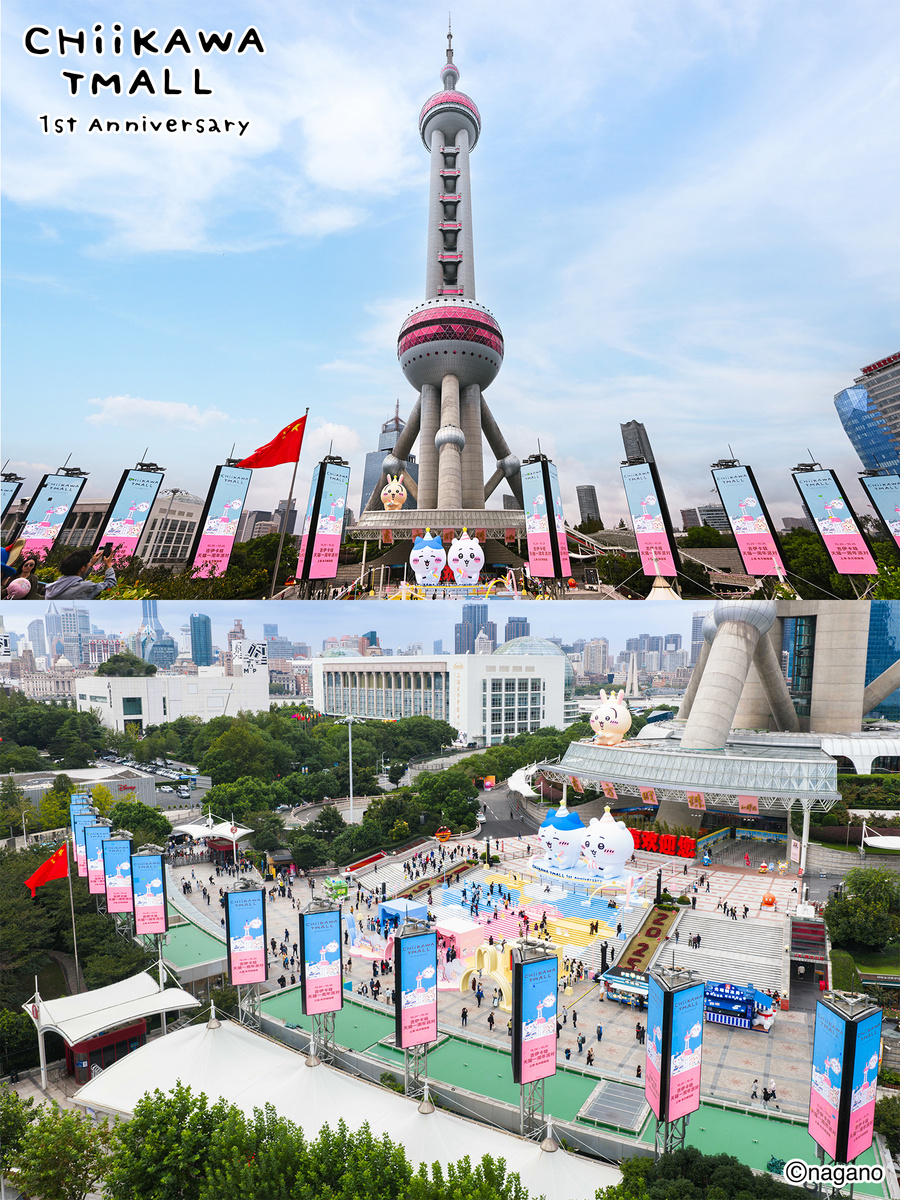
吉伊卡哇天猫周年庆开启,“天猫多一种生活提案”构建IP-商家-用户价值新范式
Sou Hu Wang· 2025-10-22 09:20
Core Insights - The article highlights the successful collaboration between the IP "吉伊卡哇" and various brands, culminating in a one-year anniversary celebration on Tmall, which integrates online and offline experiences to enhance consumer engagement [3][24]. Group 1: Event Overview - The "吉伊卡哇 Tmall One-Year Anniversary Party" was launched to celebrate the brand's entry into Tmall, featuring offline pop-up activities around the Oriental Pearl Tower and collaborations with brands like 优酸乳, 维达, and CASETiFY to create new products and exclusive events [3][5]. - The event took place from October 20 to October 26, 2023, transforming the Oriental Pearl Tower and surrounding areas into a themed experience, attracting numerous visitors for interaction and photo opportunities [10][12]. Group 2: Brand Collaborations - Brands such as 优酸乳 and 维达 launched special products tied to the 吉伊卡哇 characters, aiming to engage younger consumers and stimulate market interest [7][14]. - The collaboration included over 80 new products introduced online, with flagship store sales ranking 14th in Tmall's toy category during the 2024 Double 11 event and 6th in the 2025 618 sales cycle [5][24]. Group 3: Consumer Engagement Strategies - The event utilized a "content-scenario-consumption-emotion" ecosystem to create a closed-loop experience, enhancing the IP's value and consumer connection [24][26]. - Interactive installations and themed experiences were set up at the Oriental Pearl Plaza, encouraging visitor participation and creating memorable engagement points [12][18]. Group 4: Marketing and Sales Impact - The collaboration with Tmall's marketing resources, including 小黑盒 and TMIC, aimed to accelerate product visibility and sales conversion for participating brands [9][24]. - The event's innovative approach combined online marketing with immersive offline experiences, effectively breaking traditional retail boundaries and enhancing brand visibility [26].
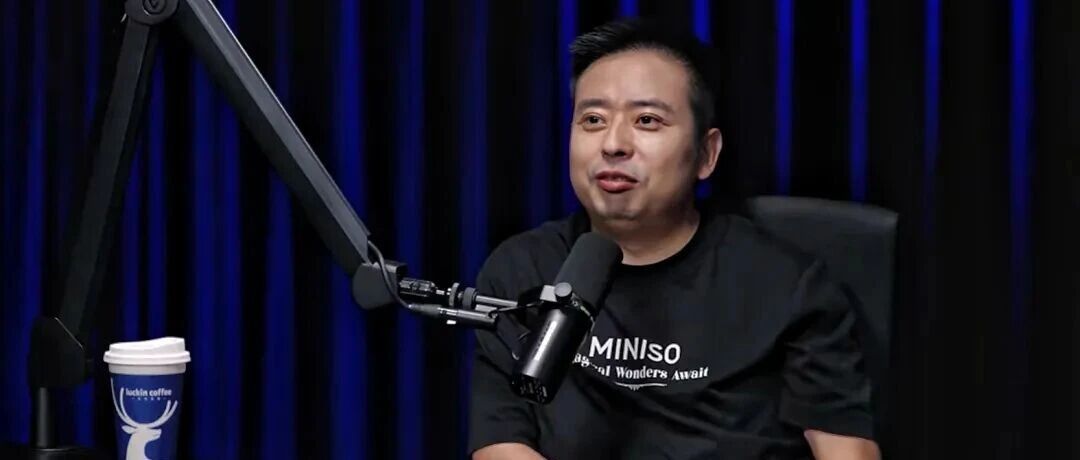
叶国富:要放弃线上线下概念回归产品本质,雷军创业之初只在线上卖,现在小米线下店也开了上万家
Xin Lang Ke Ji· 2025-10-22 06:17
Core Insights - The conversation between Luo Yonghao and Ye Guofu focuses on the retail landscape, particularly the balance between online and offline sales channels [1] Group 1: Retail Strategy - Ye Guofu expresses a strong emotional connection to offline retail, noting that Miniso's online sales account for approximately 10%, while 90% comes from offline sales [1] - Despite the rapid growth of e-commerce and its significant impact on the retail industry, Ye emphasizes the importance of finding a suitable development model for each brand [1] - Miniso has successfully leveraged offline retail while also expanding its online presence, indicating a dual-channel strategy [1] Group 2: Industry Trends - Ye mentions that many online brands, such as Xiaomi, have started to establish offline stores, highlighting a trend where companies recognize the strength of offline traffic [1] - He points out that the essence of business lies in product quality, stating that without good products, a company cannot succeed regardless of the sales channel [1] - Ye advocates for moving beyond the dichotomy of online versus offline, suggesting that the focus should return to the core of product excellence [1]

润本股份(603193):Q3 收入端稳健增长,盈利阶段性承压
Shenwan Hongyuan Securities· 2025-10-21 07:45
Investment Rating - The report assigns an "Outperform" rating to the company, indicating a positive outlook compared to the market performance [6]. Core Insights - The company reported Q3 2025 earnings that fell short of expectations, with revenue of 342 million yuan, a year-on-year increase of 16.67%, and a net profit of 79 million yuan, a decrease of 2.89% due to intensified industry competition, seasonal factors, and cost fluctuations [6]. - For the first three quarters of 2025, revenue reached 1.238 billion yuan, reflecting a year-on-year growth of 19.28%, while net profit was 266 million yuan, up 1.98% [6]. - The sales gross margin for Q3 2025 was 58.27%, slightly improved year-on-year, attributed to product structure upgrades, with average selling prices for mosquito repellent products and baby care products increasing by 12.04% and 7.86%, respectively [6]. - The company is expanding its offline channels and enhancing brand presence through partnerships with major retail chains, including Sam's Club, Walmart, and various convenience stores [6]. - New product launches targeting the youth demographic are part of the company's strategy to capture market demand and drive growth [6]. Financial Summary - Total revenue projections for 2025 are estimated at 1.571 billion yuan, with a year-on-year growth rate of 19.2% [5]. - The forecasted net profit for 2025 is 315 million yuan, reflecting a growth rate of 4.8% [5]. - The company's gross margin is expected to remain stable, with a slight decrease to 57.7% in 2025 [5]. - The return on equity (ROE) is projected to be 13.7% in 2025, with a gradual increase in subsequent years [5].

润本股份(603193):Q3收入端稳健增长,盈利阶段性承压
Shenwan Hongyuan Securities· 2025-10-21 05:44
Investment Rating - The report assigns a rating of "Outperform" to the company, indicating a slight downgrade from previous expectations [2][7]. Core Insights - The company reported Q3 2025 earnings that fell below expectations, with revenue of 342 million yuan, a year-on-year increase of 16.67%, and a net profit of 79 million yuan, a year-on-year decrease of 2.89% due to intensified industry competition, seasonal factors, and cost fluctuations [7]. - The sales expense ratio increased significantly due to investments in the Douyin platform, leading to a decline in net profit margin [7]. - The company is expanding its offline channels and deepening partnerships with major retailers, enhancing brand presence and consumer reach [7]. - New product launches targeting youth demographics are being introduced, including a children's sunscreen and an oil-control acne series, aimed at broadening the consumer base [7]. - The company is focused on the domestic personal care market, leveraging its core product categories to drive growth across both online and offline channels [7]. Financial Summary - Total revenue projections for 2025 are estimated at 1,571 million yuan, with a year-on-year growth rate of 19.2% [6]. - The net profit for 2025 is projected to be 315 million yuan, reflecting a growth rate of 4.8% [6]. - The company’s gross margin is expected to remain stable at around 57.7% for 2025, with a return on equity (ROE) of 13.7% [6].
双十一前vivo再拓渠道,3500家官方授权体验店在美团同步开售新机
Feng Huang Wang· 2025-10-17 13:12
Core Insights - Vivo has launched its flagship X300 series, marking a significant collaboration with Meituan for retail integration, allowing consumers to pre-order online and pick up in-store [1][2] - The partnership aims to enhance the online-to-offline shopping experience, leveraging Meituan's platform to drive sales and improve customer engagement [2][4] Group 1: Strategic Collaboration - Vivo and Meituan have established a strategic partnership to integrate online and offline retail systems, enabling a seamless shopping experience for consumers [1][2] - The collaboration has resulted in the opening of 3,500 authorized Vivo experience stores across 290 cities, facilitating a significant increase in transaction volume and order quantity [1][4] Group 2: Market Trends and Consumer Behavior - The consumer electronics industry is experiencing a strong demand for innovative shopping experiences, with a shift towards online pre-sales and in-store pickups becoming a prevalent trend [2][4] - Vivo's approach focuses on optimizing user experience and exploring new models of online and offline integration to meet evolving consumer needs [2][3] Group 3: Growth Metrics - In the past six months, Meituan's retail business in consumer electronics has seen a 400% increase in the number of partnered digital stores and products, with a doubling of user traffic to brand stores [4] - The collaboration has led to a significant rise in order volume, indicating a successful strategy in driving sales through enhanced online presence and service offerings [4]

双11周期拉长:玩法简化、即时零售与AI成新看点
Cai Jing Wang· 2025-10-14 12:18
Core Insights - The 2025 Double 11 shopping festival has officially begun, with platforms like JD.com starting promotions on October 9, marking the earliest launch in history, and the event will last for 37 days [1][2] - The festival has evolved from a one-day event to a prolonged retail celebration, with a focus on simplified rules and transparent discounts, integrating instant retail and AI technology throughout the operational chain [1][2][6] Extended Promotion Period - The 2025 Double 11 has a record-long promotion period, starting five days earlier than last year, with JD.com and Douyin leading the charge [2] - Platforms are adopting strategies to extend the promotional period to maintain consumer interest, with significant overlap with the "Golden September and Silver October" consumption season [2][3] Simplified Rules and Consumer Experience - This year's Double 11 emphasizes simplified promotional rules, moving away from complex bundling strategies that consumers found frustrating [4] - Key promotional strategies include "official discounts" and "direct price reductions," allowing consumers to enjoy discounts without needing to meet minimum purchase requirements [4][5] New Marketing Strategies - Innovative marketing strategies are being tested, such as JD.com's themed online night markets and interactive live-streaming formats that engage consumers in real-time decision-making [5] - Platforms are increasingly focusing on creating continuous marketing opportunities leading up to the main event, allowing merchants to better prepare [3] Emergence of Instant Retail and AI Integration - Instant retail is becoming a significant trend, with platforms like JD.com and Taobao integrating online and offline shopping experiences to enhance delivery speed and consumer convenience [6] - AI technology is being leveraged to improve operational efficiency, with features like intelligent search and AI-driven live-streaming solutions being introduced to enhance user experience and merchant capabilities [7] Overall Transformation of Double 11 - The Double 11 event is transforming from a mere sales milestone to a comprehensive test of platform ecosystem collaboration, focusing on supply chain optimization, user experience enhancement, and innovative business models [7]


酱香型白酒新势力——“复兴1959”如何破局?
Sou Hu Cai Jing· 2025-10-12 12:52
"复兴1959" 诞生:初心与背景 在这样的市场背景下,"复兴1959" 酱香型白酒应运而生,其诞生背后有着深厚的行业背景和创始人的坚定初心 。创始人刘建辉先 生,一位在白酒经营领域深耕长达 30 余年的资深从业者,对白酒行业有着深刻的理解和洞察。在多年的从业经历中,他见证了白酒 市场的兴衰起伏,也积累了丰富的市场经验和行业资源。 然而,面对当前白酒市场的种种问题,尤其是酱酒市场的竞争激烈和消费者对高性价比产品的渴望,刘建辉先生决心做出改变。他 深知,在这个消费者愈发理性、市场愈发透明的时代,只有真正为消费者着想,提供品质卓越且价格亲民的产品,才能在市场中立 足。于是,"复兴1959" 酱香型白酒项目正式启动,其目标十分明确:打破市场常规,以高品质、高性价比更亲民的酱酒产品,为消 费者带来全新的选择,同时也为陷入困境的酱酒市场注入一股新的活力。 当前的白酒市场,正处于一个复杂且关键的时期。整体市场呈现出下行趋势,竞争愈发激烈,各类问题层出不穷。从数据来看, 2024 年,白酒行业全国 989 家规模以上企业销售收入共计 7963.84 亿元 ,虽然营收有所增长,但背后却是产能过剩、库存高企、价 格倒挂等难题。 ...
最近想上市的公司里,“私域”几乎都是重点项
3 6 Ke· 2025-10-10 08:47
Core Insights - The concept of "private domain" has evolved from a mere operational model to a strategic "growth engine" for companies, as evidenced by its frequent mention in IPO prospectuses [2][3] - Companies are increasingly highlighting user assets as a crucial component of brand valuation, indicating that effective user management will lead to greater growth potential in the capital markets [3] Summary by Sections Private Domain in IPO Prospectuses - Multiple consumer brands preparing for IPOs emphasize "private domain" and related membership operations, showcasing the strategic importance of private domain strategies [5] - Snack brand "Hao Xiang Lai" reported that its members contributed approximately 78% of GMV in the first eight months of 2025, highlighting the significant impact of private domain user assets on revenue growth [2][5] - The mother-and-baby brand "Bu Tong Group" defined "private domain" in its prospectus and demonstrated rapid growth in private domain sales, with revenue increasing from 8.8 million yuan in 2022 to 56.3 million yuan in the first half of 2025 [5][6] Development Stages of Private Domain - The development of private domain can be categorized into three stages: 1. **Official Definition Stage (around 2020)**: The concept of private domain traffic emerged as brands began to establish their own traffic pools [9] 2. **High Growth Stage (2021-2023)**: Brands started to mention "private domain" or "membership operations" in their financial reports, leading to significant performance improvements [10] 3. **Mature Stage (2024-present)**: Private domain strategies are now frequently included in IPO prospectuses, becoming a core growth model for companies [10] Future Trends Reflected in Private Domain Layouts - **Trend 1: Full-domain Operations and Online-Offline Integration**: Brands are increasingly emphasizing the integration of online and offline channels to create a seamless user experience [11][12] - **Trend 2: Organizational and Mechanism Reform**: Companies are adjusting their internal structures to support private domain and full-domain operations, leading to more agile and responsive organizations [13] - **Trend 3: Layered Membership Management**: The future will see a more refined approach to membership management, focusing on clear tier structures and differentiated benefits [14][15] - **Trend 4: Full-link Digital Empowerment**: A comprehensive digital infrastructure is essential for the effective implementation of private domain strategies, enabling real-time collaboration across various business functions [16][18] Conclusion - The emphasis on "private domain operations" is shifting from a marketing tactic to a central theme in corporate growth strategies, with a clear trend towards user-centric, data-driven operations [18]