城市更新

Search documents
东方雨虹(002271.SZ)三季报透视:多重利好共筑业绩拐点
Ge Long Hui· 2025-10-28 03:01
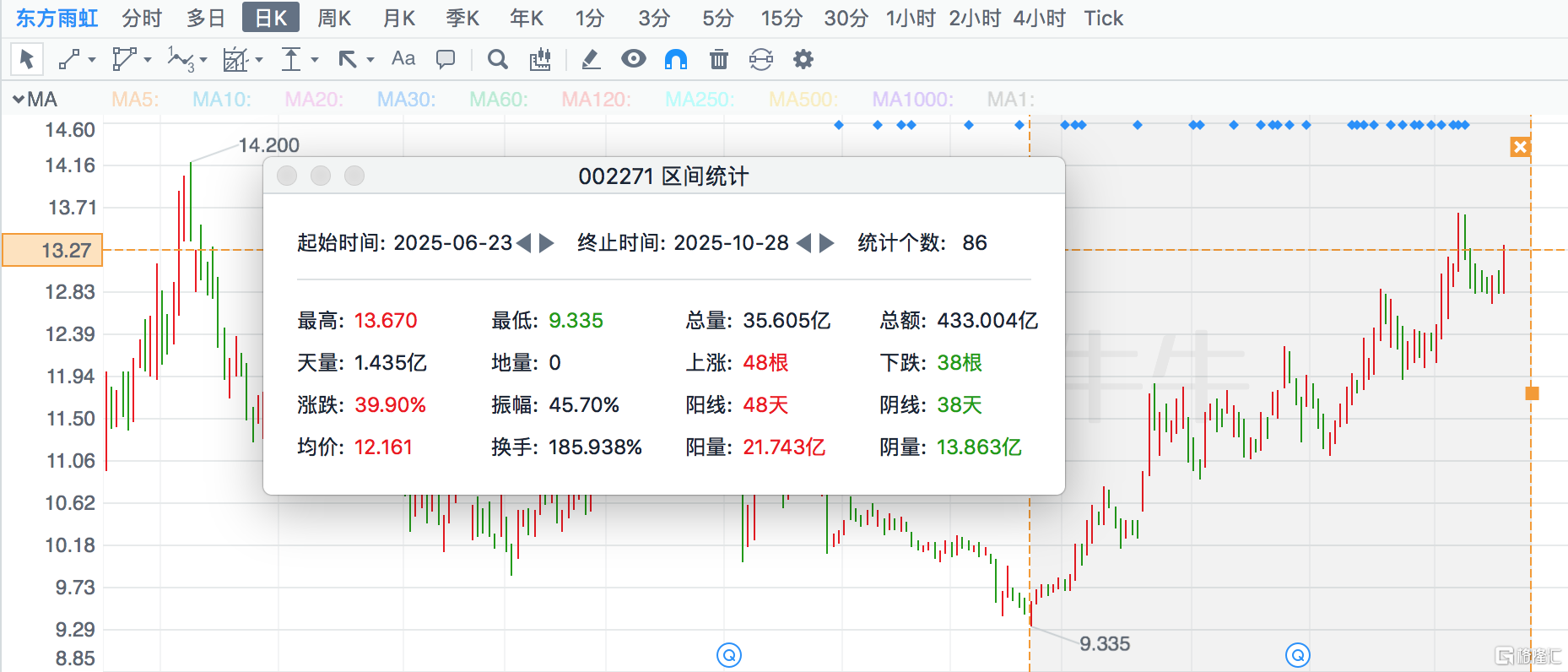
Core Viewpoint - The construction waterproofing industry is showing signs of a turning point with demand, profitability, and valuation reaching a triple bottom after a prolonged adjustment period, with market leader Oriental Yuhong gaining attention as its latest quarterly report indicates improvements in multiple operational metrics [1][4]. Group 1: Positive Signals and Operational Improvements - Oriental Yuhong's Q3 report shows a revenue of 70.32 billion yuan, a year-on-year increase of 8.51%, marking a positive turnaround from previous negative growth [4]. - The company's net profit for Q3 was 2.45 billion yuan, a decrease of 26.58% year-on-year, but the decline has narrowed compared to the previous quarter [4]. - Operating cash flow for the first three quarters reached 4.16 billion yuan, a significant increase of 184.56%, indicating improved cash flow stability [4]. Group 2: Cost Control and Risk Mitigation - The company achieved a reduction in expense ratio to 16.6%, down approximately 2 percentage points year-on-year, demonstrating effective cost control measures [5]. - The high pledge risk of the controlling shareholder has been significantly alleviated, reducing uncertainty for the company's long-term development [5]. Group 3: Growth Strategies and Market Expansion - Oriental Yuhong is implementing a dual strategy of "channel optimization" and "overseas expansion" to reshape its growth logic and valuation system [6]. - The company has shifted from a direct sales model to a retail and engineering channel focus, with retail sales accounting for 37% of total revenue in the first half of 2025 [8]. - Overseas revenue has shown high growth potential, with a year-on-year increase of 42% in the first half of the year [6]. Group 4: Policy Benefits and Competitive Landscape - The construction waterproofing industry is benefiting from favorable policies and an improved competitive landscape, creating favorable conditions for Oriental Yuhong's performance recovery [14]. - The shift in demand from new construction to the substantial stock market, driven by government initiatives like urban renewal, supports the company's focus on renovation and retail business [15]. - The industry is experiencing a consolidation phase, with many smaller companies exiting the market, allowing market share to concentrate among leading firms like Oriental Yuhong [15]. Group 5: Value Logic and Future Outlook - Oriental Yuhong is expected to benefit from three value logics: certainty in overseas business growth, growth potential through dual-channel development, and premium valuation as it transitions to a technology-driven, global operation [17][19][21]. - The company's ongoing investments in technology and brand building are expected to enhance its market influence and profitability, leading to a potential re-evaluation of its market valuation [21]. - With the gradual recovery of demand in the waterproofing industry and the company's strategic positioning, Oriental Yuhong is poised for a significant performance and valuation rebound [22].


给出建筑行业逆势增长的样本答案,中国建筑国际(3311.HK)如何穿越周期?
Ge Long Hui· 2025-10-28 02:17
Core Viewpoint - The recent "14th Five-Year Plan" emphasizes the construction of a modern industrial system, expansion of domestic demand, promotion of regional coordinated development, and high-quality co-construction of the "Belt and Road," which presents structural opportunities for the infrastructure-related industries [1] Group 1: Financial Performance - China State Construction International reported a revenue of 77.7 billion yuan for the first three quarters of 2025, with technology-driven revenue reaching 27.14 billion yuan, a year-on-year increase of 53.2% [1] - The company demonstrated resilience in profitability despite a tightening funding environment and general industry performance decline [1][3] Group 2: Profit Drivers - The improvement in operational quality is attributed to regional deepening, business transformation, and cost control [3] - The company has achieved a significant increase in new contracts in Hong Kong and Macau, with the new contract amount rising from 40.4 billion HKD to 100.1 billion HKD from 2020 to 2024, indicating strong growth momentum [3] - Technology-driven business has become a pillar of growth, with the proportion of new contracts and revenue from technology-driven projects increasing significantly from 19.6% to 48.5% and from 18.9% to 34.9%, respectively, from 2021 to the first three quarters of 2025 [4] Group 3: Strategic Initiatives - The company is focusing on optimizing project structures and improving payment management, with a shift towards government procurement contracts that have shorter payment cycles [5] - The company has successfully implemented MiC technology in various projects, addressing labor shortages and lengthy construction periods in Hong Kong, which aligns with the accelerated development goals of the Northern Metropolis [8][9] Group 4: Future Outlook - The company is well-positioned to benefit from policy incentives and demand expansion in both Hong Kong and mainland markets, particularly with the emphasis on MiC technology in national development strategies [10] - The introduction of the "dual envelope system" for land bidding is expected to enhance the company's profitability by allowing it to leverage its competitive advantages [7] Group 5: Competitive Position - China State Construction International's cost advantages and higher profit margins compared to traditional construction firms reflect its strong technical capabilities and project management skills [14] - The company's stable dividend policy underscores its ability to enhance development quality and value creation, making it an attractive investment target for value investors [14]

标地营造:上海土地储备开发新模式 打破土地前期开发只管“通、平” 复兴岛和大吴淞列为首批试点片区
Jie Fang Ri Bao· 2025-10-28 01:41
Core Insights - The "Mark Land Construction" mechanism is an innovative land reserve reform initiative being piloted in Shanghai's Fuxing Island and Dawusong areas, aiming to create a dynamic, cross-cycle balanced, and continuously value-adding urban construction and operation model [1][4] Group 1: Mark Land Construction Mechanism - The mechanism involves establishing a graded development system for land use, focusing on "standard land" and "benchmark land" [1] - Standard land emphasizes compliance and efficiency, serving as a basic spatial carrier that meets fundamental construction needs, thereby reducing land costs and prices [1][2] - Benchmark land aims for high quality and functionality, providing superior spatial carriers for urban functional enhancement and brand building [1][2] Group 2: Urban Development Strategy - Shanghai is enhancing the standards and capabilities of basic development spaces, moving beyond previous "communication and flatness" requirements [2] - The strategy integrates planning guidance, spatial support, and resource coordination to support industrial development while controlling land prices [2] - The approach includes a comprehensive design that incorporates topographical shaping, green environments, sponge city concepts, and smart facilities to optimize urban quality [2] Group 3: Fuxing Island Case Study - Fuxing Island serves as a typical example of the Mark Land Construction initiative, with plans to transform its landscape and enhance ecological habitats [3][5] - The existing flood control wall will be modified to restore natural landforms, creating spaces for cultural and recreational activities [3] - A high-star hotel is planned for the island, aiming to fill gaps in cultural tourism and enhance the area's skyline [3][5] Group 4: Challenges and Future Directions - Shanghai faces challenges in spatial resource utilization and land development, necessitating a shift from large-scale expansion to quality enhancement [4] - The city aims to address ecological, social, and economic values of land, which have been underutilized in previous development phases [4] - The Mark Land Construction initiative is still in its exploratory phase, with key pilot areas identified to refine implementation mechanisms [4][6] Group 5: Future Vision for Dawusong - Dawusong is identified as a typical old industrial base, with plans to transform it into a demonstration area for ecological quality and innovative functions [6] - The area aims to showcase Shanghai's transition in development methods and urban renewal actions, aligning with modern Chinese standards [6] - The initiative is expected to enhance resource allocation capabilities and promote high-quality urban development to meet public demands for improved living standards [6]
武汉这个公园纳税超13亿元
Chang Jiang Ri Bao· 2025-10-28 00:31
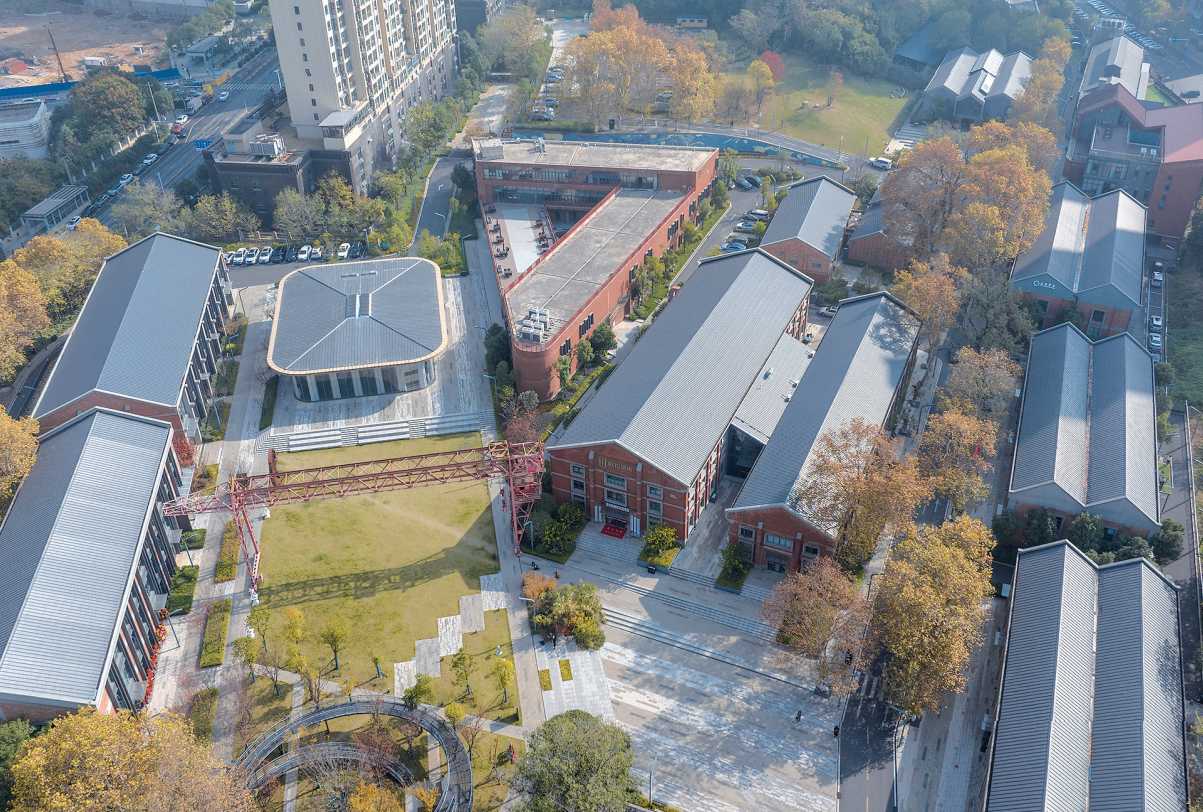
Core Insights - The transformation of the former industrial base into the Huazhong Xiaogui Mountain Financial Culture Park has successfully attracted over 80 financial institutions since its opening in October 2021, generating more than 1.3 billion yuan in tax revenue [4][6] - The park's development aligns with the broader urban planning goals of Wuchang District, aiming to establish a regional financial center [6][7] Group 1: Transformation and Development - The park was established on the site of a former equipment manufacturing base for China Electric Power Construction Corporation, which was operational in the 1970s [4][5] - The decision to transform the old industrial site was made in response to urban development needs, with a focus on creating a high-end capital financial park rather than engaging in real estate [5][6] - The establishment of the Shanghai Stock Exchange Central Base in the park has significantly boosted confidence in its transformation, leading to a near 90% occupancy rate within six months [6][7] Group 2: Urban Renewal and Economic Impact - The Huazhong Xiaogui Mountain Financial Culture Park is part of a larger trend in Wuhan, where multiple old industrial sites are being repurposed into new economic hubs, such as the Hanjiang Bay Artificial Intelligence Industrial Park and the Red T Fashion Industrial Park [8][9] - The city's approach to urban renewal emphasizes the importance of preserving historical industrial sites while enhancing their economic value, contributing to the overall improvement of urban quality and structure [10][12] - The park not only serves as a financial hub but also as a recreational area for local residents, showcasing the dual benefits of urban renewal projects [7][9]
破解城市更新中用地、产权、消防等共性难题江苏三项经验获全国推广
Xin Hua Ri Bao· 2025-10-27 23:23
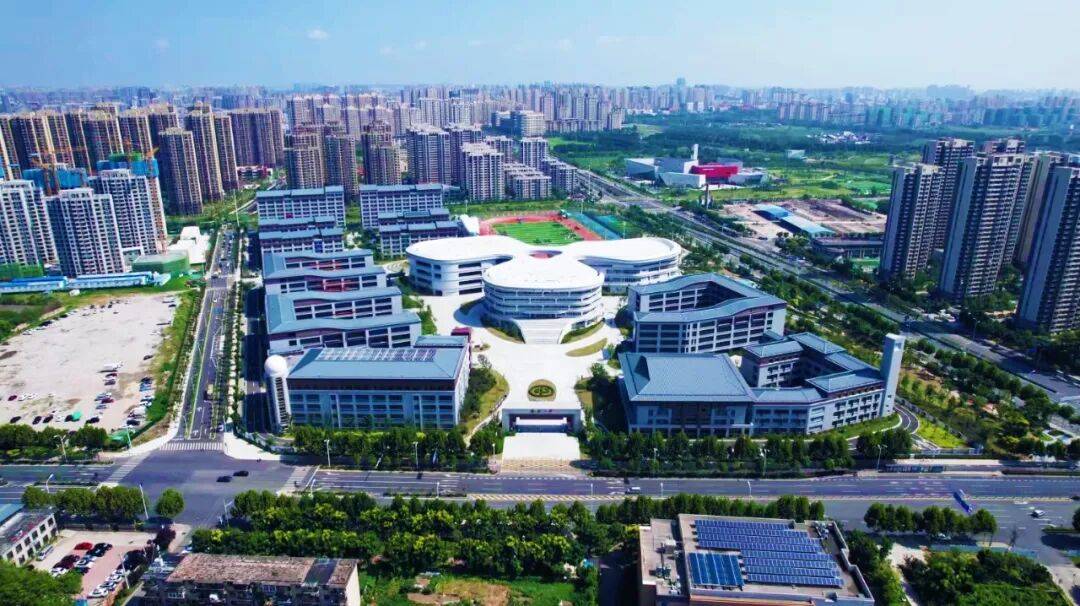
Core Insights - The article discusses the innovative urban renewal practices in Jiangsu, particularly in Nanjing, Changshu, and Nantong, which have been recognized as national models for addressing common challenges in urban renewal [1] Group 1: Urban Renewal Practices - The Shiliu New Village in Nanjing has transformed from a dilapidated area into a modern residential community, accommodating 200 returning residents with improved facilities [2] - The area covers 16,000 square meters and previously housed about 1,500 residents in substandard conditions, with over 40% of homes under 35 square meters [2][3] - The renewal strategy involved community participation and government support, optimizing land use and resource allocation through lifecycle management [2][3] Group 2: Industrial Area Revitalization - Changshu's old industrial area has been successfully transformed into the Yantian Intelligent Manufacturing Industrial Park, with a 100% occupancy rate in its first phase [4][5] - The area, previously characterized by low efficiency and complex land ownership, has seen a collaborative approach among multiple landowners to facilitate redevelopment [4][5] - The new industrial park is expected to significantly increase tax revenue, with two companies alone covering the previous tax output of 3.4 million yuan from 27 businesses [5] Group 3: Fire Safety in Urban Renewal - Nantong has developed a "classification and compensation" mechanism to address fire safety challenges in urban renewal projects, categorizing projects based on their renovation needs [7][8] - The city has introduced a dual framework of local regulations and technical guidelines to support urban renewal, ensuring compliance with modern safety standards while preserving historical buildings [8] - Ongoing projects in Nantong are utilizing these new guidelines to enhance safety measures and facilitate the revitalization of older structures [8]
住建部:全国已有449个城市开展体检工作;信达地产完成发行24亿元公司债 | 房产早参
Mei Ri Jing Ji Xin Wen· 2025-10-27 22:52
Group 1: Urban Development Initiatives - The Ministry of Housing and Urban-Rural Development announced that by 2025, 449 cities in China will conduct urban health checks, focusing on the renovation of old neighborhoods and the construction of complete communities, enhancing the breadth and depth of urban assessments [1] - The Guangzhou Huangpu Wushi Village urban village renovation project has achieved significant progress with the completion of demolition, laying the foundation for the construction of 648 resettlement homes, which will be complemented by public facilities to create a 15-minute living circle [2] Group 2: Real Estate Market Trends - In Hong Kong, the inventory of residential mortgagee properties decreased to 269 units as of September 2025, marking a 10% decline from the previous quarter, ending a five-quarter rising trend, primarily due to a drop in private residential properties [3] - Yuexiu Property's subsidiary plans to issue CNY 2.85 billion green bonds with a 3.30% interest rate, aimed at refinancing maturing offshore debts and financing eligible green projects, reflecting the company's commitment to sustainable development [4] - Xinda Real Estate successfully issued CNY 2.4 billion in corporate bonds, with a subscription multiple of 1.4458, indicating market recognition despite the company's heavy debt burden [5][6]

重庆:城市更新促发展 山城蝶变惠民生
Ren Min Ri Bao· 2025-10-27 22:22
"江流自古书巴字,山色今朝画巨然。"山峦叠翠间,两江交汇处,巴渝大地活力迸发。10月27日至29 日,2025年世界城市日中国主场活动在重庆开展。活动期间,重庆充分展现探索超大城市现代化治理的 经验,与世界城市形成互鉴交流,推动世界城市可持续发展。 城市是现代化建设的重要载体、人民幸福生活的重要空间。作为我国辖区面积和人口规模最大的城市, 近年来,重庆以坚持城市内涵式发展为主线、以推进城市更新为抓手,更好地统筹点上与面上、硬件与 软件、形态与神态、城市能级与产业能级,加快打造创新之城、宜居之城、美丽之城、韧性之城、文明 之城、智慧之城,让群众通过城市更新看到变化、得到实惠。 如今,行走在山城重庆,老旧街区焕发时代新韵,闲置厂房变身文创空间,城市空间在有机更新中持续 提升功能与品质,"重庆开埠遗址公园通过专业化运营提升城市公共空间活力"等22项经验做法列入住房 城乡建设部可复制经验清单向全国推广;塔坪片区老旧小区改造等6个项目入选全国城市更新典型案 例。 以会为媒助合作,共享发展新机遇 单轨穿楼、屋顶马路、新旧交融的城市建筑、设计感十足的桥梁……独特的景观背后,是重庆坚持 以"尊重山水、融合新旧"理念推进城市建 ...
江苏三项经验获全国推广
Xin Hua Ri Bao· 2025-10-27 21:03
Core Insights - The article discusses innovative urban renewal practices in Jiangsu, specifically in Nanjing, Changshu, and Nantong, which have been recognized as national models for addressing common challenges in urban renewal [1][2][6] Group 1: Urban Renewal Practices - Nanjing's Shiliu New Village has transformed from a dilapidated area into a modern residential community, utilizing a collaborative approach involving government support and resident participation [1][2] - The project in Shiliu New Village includes 282 new residential units with a variety of sizes, accommodating 70% of residents who chose to return [2] - The urban renewal strategy in Shiliu New Village emphasizes optimizing land use and resource allocation through comprehensive lifecycle management [1][2] Group 2: Industrial Area Revitalization - Changshu's old industrial area has been successfully transformed into the Yantian Intelligent Manufacturing Industrial Park, with a 100% occupancy rate for its first phase [3][4] - The revitalization involved breaking down land ownership barriers and encouraging multi-owner collaboration for autonomous updates, which has led to increased efficiency and productivity [3][4] - The new industrial park has attracted companies that are planning significant expansions, indicating a positive economic impact [4] Group 3: Fire Safety in Urban Renewal - Nantong has developed a "classification strategy + safety compensation" mechanism to address fire safety challenges in urban renewal projects [6][7] - The city has introduced a technical guideline that categorizes projects and provides tailored solutions to meet modern fire safety standards while preserving historical buildings [6][7] - Nantong's dual framework of local regulations and technical guidelines aims to streamline the approval process and enhance safety in urban renewal efforts [6][7]
重磅!高层再定调房地产!
Sou Hu Cai Jing· 2025-10-27 20:38
Core Insights - The 20th Central Committee's Fourth Plenary Session emphasizes "promoting high-quality development of real estate" alongside people's well-being and common prosperity, indicating a shift from emergency measures to long-term institutional restructuring [1][3] Group 1: Policy Framework - Real estate is now positioned as a core element of "people's quality of life," moving beyond its role as merely an economic engine, with a focus on high-quality development alongside employment, education, and social security [3] - The new policy approach aims to create a new supply-demand cycle, emphasizing product innovation such as green housing and smart communities to stimulate consumption [3] - The integration of land, population, and housing policies is highlighted, with key urban areas like the Yangtze River Delta and Guangdong-Hong Kong-Macau Greater Bay Area likely to pilot mechanisms linking land, finance, and population [3] Group 2: Market Dynamics - Short-term market indicators show a recovery in transaction volumes in core cities due to policies like "recognizing houses but not loans," but there is a K-shaped divergence in market performance, with first-tier cities seeing increased demand while third and fourth-tier cities face inventory pressures [4] - Urban renewal initiatives, particularly the transformation of urban villages, are becoming a new demand driver, with a shift from monetary compensation to a "housing ticket + quality upgrade" model [5] - Long-term survival in the real estate sector will depend on product quality, with a focus on green buildings and prefabricated technologies becoming essential for market entry [6] Group 3: Regional Impacts - In Hefei, significant increases in affordable housing supply are expected, particularly in industrial clusters, to meet the housing needs of new citizens and young people [7] - The emphasis on quality in the commodity housing market will require developers to enhance product design, construction quality, and community amenities, moving away from reliance on location-based price increases [8] - Urban renewal in older districts of Hefei will accelerate, improving living conditions and creating opportunities for the construction and renovation sectors [8] Group 4: Future Outlook - The Fourth Plenary Session marks a turning point for the real estate industry, shifting focus from scale growth to integration with national strategies and public needs, with short-term policies aimed at stabilizing the market and long-term strategies focused on urban renewal and product upgrades [10] - The industry is expected to transition into an oligopoly phase, with a clear policy path that includes urban village renovations to release demand and high-quality housing standards driving industry upgrades [11]
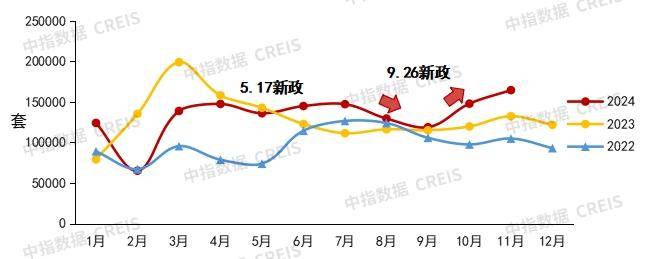
2025年10月城市房价涨幅榜前十深度解析
Sou Hu Cai Jing· 2025-10-27 15:33
Core Insights - The Chinese real estate market is experiencing a new landscape after deep adjustments, with significant price increases in various cities reflecting regional economic development and population movement [1][8] - The top cities in the price increase rankings are primarily driven by strong industrial foundations and innovative ecosystems, with a focus on improving living environments and urban quality [7][8] Group 1: Price Increases by City - Hangzhou leads with a monthly price increase of 6.3%, supported by a diverse economic base including digital economy, biomedicine, and AI, alongside strong demand for improved housing [1] - Hefei follows with a 5.8% increase, driven by the growth of industries such as new energy vehicles and integrated circuits, attracting young tech talent [2] - Chengdu ranks third with a 5.5% increase, benefiting from the development of the Chengyu economic circle and a surge in demand for high-quality housing [4] - Nanjing and Suzhou have increases of 5.2% and 4.9% respectively, with Nanjing's urban development and Suzhou's advanced manufacturing sector contributing to their growth [4] - Wuhan's price increase of 4.7% is fueled by the demand for housing in high-tech zones, while Changsha and Xi'an see increases of 4.5% and 4.3% respectively, supported by industrial upgrades [4][6] - Qingdao and Zhengzhou round out the top ten with increases of 4.1% and 3.9%, driven by their unique industrial strengths and improved transportation links [6] Group 2: Common Characteristics - The cities on the list share strong industrial bases and effective talent policies, which provide lasting momentum for the real estate market [7] - There is a noticeable structural change in housing demand, with a focus on improved housing and high-end talent apartments, while rigid demand is met through affordable rental housing [7] - Cities are enhancing their market stability by regulating speculative behaviors and ensuring a balanced supply of land, contributing to healthy market development [7]