
科技自立自强

Search documents
努力强化科技金融系统性支撑作用
Jin Rong Shi Bao· 2025-09-15 01:23
Core Viewpoint - The article emphasizes the critical role of technology finance in supporting China's modernization and technological advancement, highlighting its importance in addressing challenges and seizing opportunities in the context of a new wave of technological revolution and industrial transformation [1][17]. Group 1: Strategic Importance of Technology Finance - Technology finance is identified as a strategic support for Chinese-style modernization, with higher demands for technological modernization as outlined in the 20th National Congress [2]. - The integration of technology, industry, and finance is essential for achieving high-quality economic development and providing continuous momentum for modernization [2][3]. Group 2: Goals for Building a Technological Power - By 2035, China aims to significantly enhance its technological capabilities, focusing on foundational research, core technology breakthroughs, and cultivating high-level talent [3]. - Financial capital must be directed towards early-stage innovation research and application research to support the transition from technology development to commercialization [3][4]. Group 3: Financial Mechanisms and Structures - The establishment of a comprehensive financial service system that aligns with the characteristics of technological innovation is crucial for addressing financing challenges faced by innovative enterprises [4][5]. - A diversified financial product matrix is necessary to support the entire chain of technology development, from research to industrialization [9][10]. Group 4: Systematic Support and Policy Coordination - Strengthening the leadership of the Party in technology finance and enhancing policy coordination among various financial and technological entities is vital for effective implementation [7][8]. - The creation of a collaborative ecosystem involving technology, finance, and industry is essential for maximizing the effectiveness of technology finance [10][11]. Group 5: Risk Management and Control - Effective risk management strategies must be developed to ensure the sustainable growth of technology finance, including the establishment of a risk control framework [11]. - Proactive measures should be taken to identify and mitigate potential risks in technology finance operations [11]. Group 6: Balancing Long-term and Short-term Goals - A balanced approach between long-term projects and short-term breakthroughs is necessary to optimize financial capital allocation for technological innovation [12][13]. - Different stages of technological innovation require tailored financial support to meet varying needs and risks [14][15].
武汉发展曲线何以昂扬向上
Chang Jiang Ri Bao· 2025-09-15 00:35
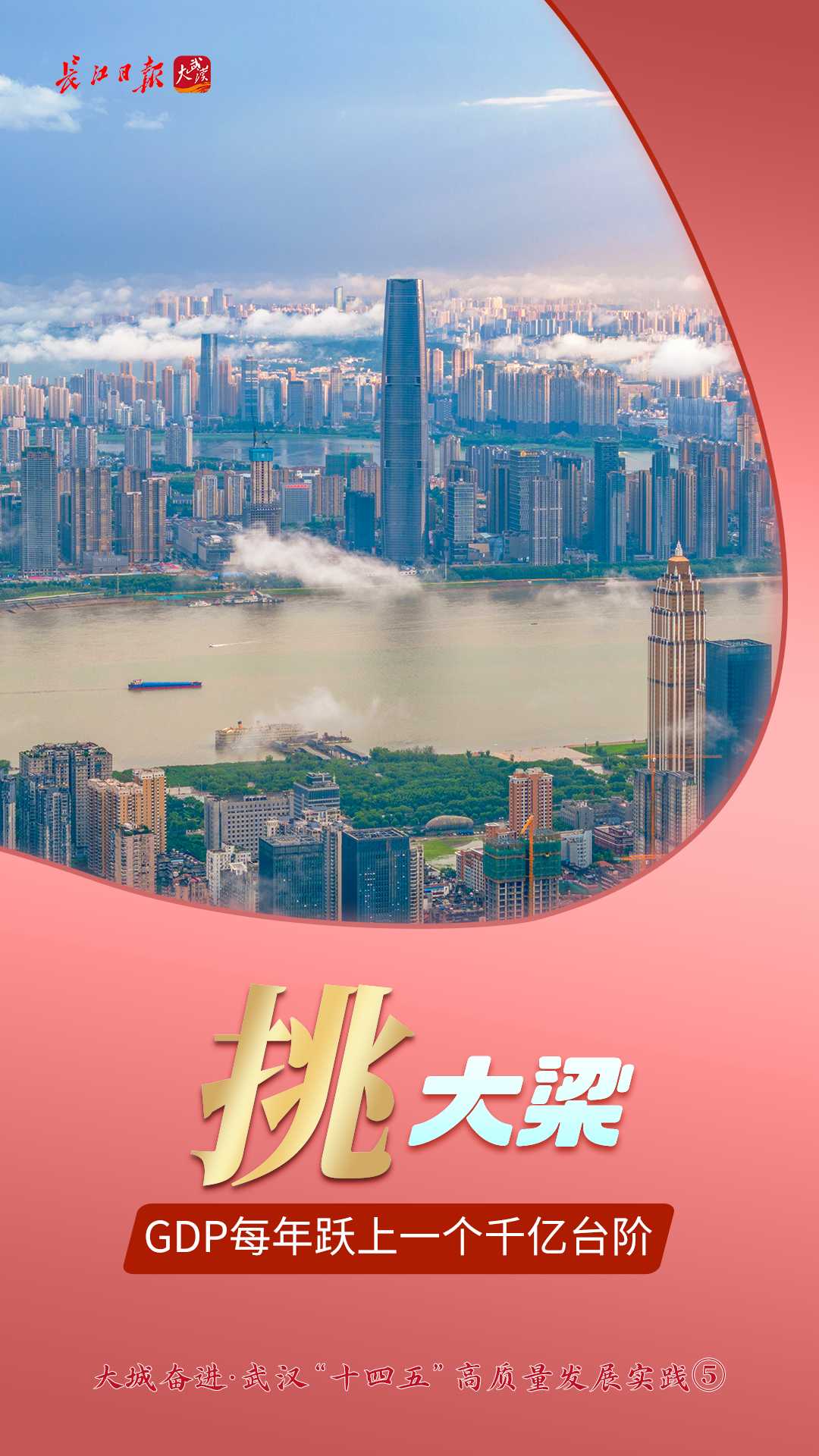
Core Insights - Wuhan's economy has shown significant growth, crossing the 2 trillion yuan mark, making it the first city in Central China to join the "2 trillion club" [4][5] - The city has transitioned from an element-driven growth model to an innovation-driven one during the "14th Five-Year Plan" period, focusing on high-quality development [8][13] - Wuhan's GDP growth rate for 2024 is projected at 5.2%, maintaining its position as the leading city in Central China [5] Economic Performance - Wuhan's GDP reached 17,716.76 billion yuan in 2021, ranking ninth nationally, and increased to 18,866.43 billion yuan in 2022, ranking eighth [4] - In 2023, Wuhan's GDP surpassed 20 trillion yuan, marking a significant milestone [5] - The city achieved a GDP of 10,592.80 billion yuan in the first half of 2024, breaking the 10 trillion yuan barrier for the first time [5] Innovation and Technology - The establishment of the Wuhan Municipal Science and Technology Innovation Bureau signifies a commitment to integrating technology and industry [9] - Key industries such as optical electronics, smart connected vehicles, and health technology are experiencing rapid advancements [9][10] - Wuhan is home to nearly 1,000 AI-related companies, contributing to its rise in the digital economy, which is expected to account for 50% of GDP by 2024 [10][13] Industrial Transformation - The city is witnessing a profound transformation in its industrial structure, with a strong focus on strategic emerging industries [13][14] - The number of private enterprises in Wuhan surpassed 1 million in 2024, with a significant contribution to the city's innovation landscape [13][15] - Urban industrial development is accelerating, with various centers focusing on digital economy and technology innovation [15] Regional Integration - Wuhan's urban circle has effectively integrated into domestic and international dual circulation, enhancing its economic influence in the Yangtze River middle reaches [16] - The economic output of the Wuhan urban circle reached 3.6 trillion yuan, increasing its share of the Yangtze River middle reaches from 23.6% in 2020 to 29% [16]

致敬历史!那些展品背后的星辰大海
Zhong Guo Qing Nian Bao· 2025-09-14 22:43
Core Viewpoint - The article emphasizes the importance of university museums and historical exhibits in reflecting the history, culture, and spirit of higher education institutions in China, showcasing their contributions to national development and scientific progress over the past 70 years [1][2]. Group 1: Historical Contributions - Tsinghua University and Peking University have dedicated exhibition areas that honor the contributions of notable figures in China's scientific history, such as the "Two Bombs, One Satellite" pioneers [3][4]. - The "Beijing No. 1" aircraft, designed and built by students and faculty at Beijing University of Aeronautics and Astronautics, represents a significant achievement in China's aviation history, completing its first flight in 1958 after just 100 days of development [5][7]. Group 2: Educational Impact - University museums serve as educational resources, providing students with insights into the historical context of scientific achievements and encouraging them to inherit the spirit of dedication and innovation from their predecessors [9][12]. - The integration of historical exhibits into educational programs, such as the "Aerospace Spirit" lessons at Beijing University of Aeronautics and Astronautics, aims to inspire students to contribute to national defense and technological advancement [12][13]. Group 3: Scientific Achievements - The article highlights various scientific breakthroughs, including the development of the first Chinese laser typesetting system and the discovery of artemisinin by Tu Youyou, showcasing the universities' roles in advancing technology and medicine [9][11]. - The narrative of self-reliance and innovation is prevalent, with universities like Tsinghua and Beihang University leading in research and development across multiple fields, including aerospace and artificial intelligence [11][13].

国家财政实力持续增强 “十四五”时期民生领域财政投入近百万亿元
Jing Ji Ri Bao· 2025-09-12 22:03
Core Viewpoint - The Chinese government emphasizes the strengthening of fiscal capacity and effectiveness during the "14th Five-Year Plan" period, which is crucial for supporting national governance and meeting public expectations [1][2]. Fiscal Strength and Budget Overview - National general public budget revenue is expected to reach 106 trillion yuan, an increase of 17 trillion yuan or approximately 19% compared to the "13th Five-Year Plan" period [1]. - General public budget expenditure is projected to exceed 136 trillion yuan, an increase of 26 trillion yuan or 24% compared to the "13th Five-Year Plan" period [1]. Economic Policy and Development - Fiscal policy has become more proactive and precise, enhancing macroeconomic regulation to support stable and healthy economic development [1][2]. - The government aims to strengthen counter-cyclical adjustments and coordinate long-term development momentum [1]. Social Welfare and Public Spending - Over 70% of general public budget expenditure is allocated to social welfare, with significant investments in education, social security, healthcare, and housing [2]. - Specific allocations include 20.5 trillion yuan for education, 19.6 trillion yuan for social security and employment, 10.6 trillion yuan for healthcare, and 4 trillion yuan for housing security during the "14th Five-Year Plan" period [2]. Education and Technology Investment - National fiscal education funding is expected to exceed 25 trillion yuan, a growth of about 38% compared to the "13th Five-Year Plan" period [3]. - Fiscal support for technology is projected to reach 5.5 trillion yuan, a 34% increase from the previous period, focusing on basic research and national strategic technology tasks [3]. Fiscal and Tax System Reform - The government is committed to deepening fiscal and tax system reforms to ensure effective budget management and a sound fiscal framework [4][5]. - Key reforms include optimizing revenue and expenditure structures, enhancing the efficiency of fund usage, and improving the tax system to promote social equity and market unity [5]. Future Directions - The government plans to continue advancing fiscal support for innovation and technology, aligning with the strategy for building a strong technological nation [3][6].
财政部重磅发声:财政政策始终留有后手,未来财政政策发力空间依然充足|政策与监管
清华金融评论· 2025-09-12 11:09
Core Viewpoint - The article discusses the achievements and future directions of China's fiscal policy during the "14th Five-Year Plan" period, emphasizing the strengthening of fiscal capabilities, proactive macroeconomic adjustments, and a focus on improving people's livelihoods [3][4][5][6][10]. Group 1: Fiscal Strength and Achievements - National fiscal strength has significantly increased, with general public budget revenue expected to reach 106 trillion yuan, a 19% increase from the "13th Five-Year Plan" period [4]. - General public budget expenditure is projected to exceed 136 trillion yuan, marking a 24% increase, with a focus on optimizing the structure to support major development and livelihood projects [4]. - The fiscal policy has been actively adjusted to enhance economic stability, contributing to an average growth rate of 5.5% over the past four years, with a 30% contribution to global economic growth [5]. Group 2: Focus on People's Livelihoods - The fiscal budget allocates significant resources to education (20.5 trillion yuan), social security and employment (19.6 trillion yuan), healthcare (10.6 trillion yuan), and housing security (4 trillion yuan), totaling nearly 100 trillion yuan for livelihood investments [6]. - Initiatives such as 1 billion yuan for childcare subsidies and 200 million yuan for free preschool education demonstrate a commitment to addressing public concerns [6]. Group 3: Risk Management and Reform - The government has implemented measures to manage local government debt, with nearly 50 trillion yuan allocated for transfers to local governments, ensuring stable fiscal operations [6][8]. - Fiscal reforms focus on optimizing resource allocation, enhancing efficiency, and clarifying responsibilities between central and local governments [7][16]. Group 4: International Cooperation and Global Engagement - The Ministry of Finance is actively involved in international financial cooperation, participating in over 26 multilateral and bilateral financial dialogue mechanisms, and promoting global economic governance reforms [8][42]. - The Asian Infrastructure Investment Bank has reached 110 members and financed over 60 billion USD, showcasing China's commitment to global inclusive development [8]. Group 5: Future Directions - The Ministry of Finance aims to enhance macroeconomic regulation, deepen fiscal reforms, and improve fiscal management to support the goal of building a modern socialist country [9][10]. - The focus will be on expanding domestic demand, supporting technological self-reliance, and ensuring the sustainability of poverty alleviation efforts [20][23][38].

财政部:“十四五”时期全国财政科技支出预计达到5.5万亿元
Zhong Guo Xin Wen Wang· 2025-09-12 10:29
王东伟表示,下一步,财政部将持续加大财政支持力度,着力提升科技投入效能,更好落实创新驱动发 展战略,推动科技强国加快建设。 来源:中国新闻网 编辑:徐世明 广告等商务合作,请点击这里 财政部:"十四五"时期全国财政科技支出预计达到5.5万亿元 中新网9月12日电 国新办12日举行"高质量完成'十四五'规划"系列主题新闻发布会,介绍"十四五"时期 财政改革发展成效。财政部副部长王东伟在会上介绍,中国式现代化要靠科技现代化作支撑,实现高质 量发展要靠科技创新培育新动能。国家财政统筹运用各种政策工具,大力推进高水平科技自立自强,促 进科技创新和产业创新融合发展。 一是在资金投入上"添柴加火"。"十四五"时期,全国财政科技支出预计达到5.5万亿元,比"十三五"时期 增长34%,资金重点投向基础研究、应用基础研究和国家战略科技任务。其中基础研究累计投入达到 7300亿元,年均增长12.3%。财政投入带动全社会研发投入快速增长,投入强度从"十三五"期末的 2.41%提高到2024年的2.68%,研发投入规模稳居世界第二位。 二是在经费使用上"放权松绑"。近几年财政部一直在探索科技经费的管理模式。大的方向是,适应科技 创新 ...
第五届工业母机高质量发展论坛在浙江温岭举行
Zhong Guo Xin Wen Wang· 2025-09-12 07:15
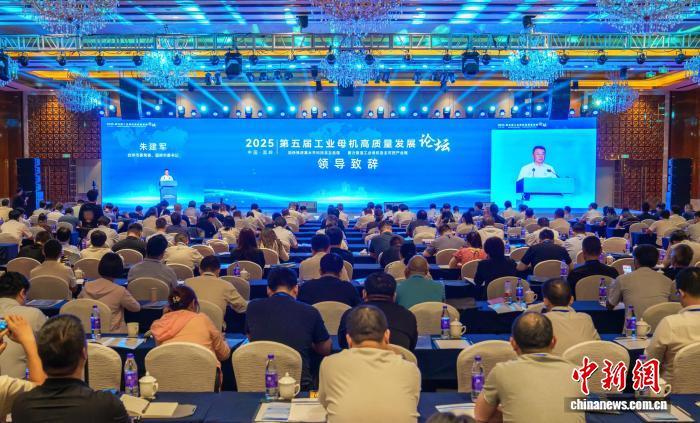
Core Insights - The fifth Industrial Mother Machine High-Quality Development Forum was held in Wenling, Zhejiang, focusing on advancing high-level technological self-reliance and building a controllable industrial chain for industrial mother machines [1][2]. Group 1: Industry Overview - China's industrial mother machine industry has ranked first globally for thirteen consecutive years and has established a complete industrial system, yet it faces challenges such as intensified competition in high-end markets and reliance on external key components [2]. - The Zhejiang Eastern Industrial Mother Machine Cluster, led by Taizhou and including Hangzhou, Ningbo, and Jiaxing, accounts for over 25% of the national revenue, with 15,600 enterprises and aims to achieve national advanced manufacturing cluster status by December 2024 [2]. Group 2: Regional Development - Wenling, as the core area of the Zhejiang Eastern Industrial Mother Machine Cluster, has nurtured over 200 large-scale machine tool enterprises, forming a complete industrial chain ecosystem with a total output value exceeding 30 billion [2][3]. Group 3: Forum Activities - The forum included discussions on new demands in key user fields and technological innovation in the industry, featuring expert reports on advanced topics such as aerospace structure manufacturing and the integration of artificial intelligence with CNC technology [2][3]. - Sub-forums were organized to facilitate industry demand matching and showcase machine tool exhibitions, providing a platform for the transformation of technological achievements and deepening collaborative innovation within the industrial chain [3].
科创板并购潮起:134单!超400亿元!
Shang Hai Zheng Quan Bao· 2025-09-11 14:38
Core Viewpoint - The Shanghai Stock Exchange (SSE) emphasizes its commitment to supporting technological innovation and enhancing the development of new productivity through the Science and Technology Innovation Board (STAR Market), aiming to facilitate a virtuous cycle among technology, capital, and industry for high-quality development [1] Group 1: STAR Market Development - The STAR Market has evolved from a testing ground for capital market services to a demonstration platform for technological innovation, currently hosting 589 listed companies with a total market capitalization exceeding 9 trillion yuan [1] - In the first half of 2025, the STAR Market's overall R&D investment surpassed 84.1 billion yuan, which is 2.8 times its net profit, with a median R&D investment ratio of 12.61%, establishing it as the highest R&D density cluster in the capital market [1] Group 2: Inclusive Reform and Support - The STAR Market has broken traditional barriers by allowing unprofitable hard-tech companies to access capital, with the introduction of a multi-tiered listing standard that includes unprofitable enterprises and special equity structures [2] - Since the implementation of the "1+6" policy, 15 new IPO applications have been accepted, including 4 unprofitable companies, demonstrating the effectiveness of the new reforms [2] Group 3: Tailored Growth Tools - The STAR Market has introduced adaptive reforms to support technology companies, focusing on their unique needs at different stages, including measures for mergers and acquisitions, refinancing, and equity incentives [3] - In 2025, the STAR Market disclosed 134 merger transactions with a total value exceeding 40 billion yuan, surpassing the total of the previous five years [3] Group 4: Comprehensive Service and Ecosystem - The SSE aims to provide full-chain services to support the growth of STAR Market companies, including on-site supervision, tailored training, and proactive problem-solving [4] - The SSE has initiated a "quality improvement, efficiency enhancement, and return focus" campaign, resulting in 408 companies announcing dividend plans totaling over 550 billion yuan in 2025 [5] - The STAR Market has developed a coordinated investment and financing ecosystem, ensuring that funds are directed towards tangible projects while allowing investors to share in the returns [4][5]
国泰海通|计算机:2025H1业绩实现高增,毛利率呈现上行趋势
国泰海通证券研究· 2025-09-11 14:05
Core Viewpoint - The computer industry is expected to maintain a positive growth trend, with significant revenue and profit increases in the first half of 2025, driven by six key sectors: data elements, autonomous driving, AI, cloud computing, fintech, and cybersecurity [1][2]. Summary by Sections Overall Performance - In H1 2025, the total revenue of the computer industry reached 619.68 billion yuan, representing a year-on-year increase of 11.24%. The net profit attributable to shareholders was 13.67 billion yuan, up 29.36% year-on-year, while the non-recurring net profit was 8.01 billion yuan, increasing by 31.01% [2]. - In Q2 2025, the total revenue was 333.77 billion yuan, showing a year-on-year growth of 7.85%. The net profit attributable to shareholders was 10.86 billion yuan, up 13.19%, and the non-recurring net profit was 7.97 billion yuan, reflecting a growth of 5.77% [2]. Margin and R&D - The gross profit margin increased in H1 2025, while the average net profit margin stabilized. The R&D expense ratio decreased, whereas sales and management expenses increased [2]. Sector Performance - The sectors with positive growth in both revenue and net profit include data elements, autonomous driving, AI, cloud computing, fintech, and cybersecurity [3]. - Large-cap companies (market value over 10 billion yuan) showed more stable performance compared to small and mid-cap companies. In H1 2025, large-cap companies had revenue, net profit, and non-recurring net profit growth rates of 17%, 27%, and 22%, respectively. In contrast, mid-cap companies (50-100 billion yuan) experienced declines in these metrics, with revenue down by 10% and net profit down by 607% [3]. - In Q2 2025, large-cap companies continued to perform well, with revenue growth of 13%, net profit growth of 15%, and non-recurring net profit growth of 6%. Mid-cap companies faced further declines, with revenue down by 12% and net profit down by 38% [3].

创业板50指数持续领跑近三轮行情主流宽基指数!全市场规模最大的创业板50ETF(159949)今日盘中再涨超5%
Sou Hu Cai Jing· 2025-09-11 06:25
2025年9月11日,A股市场全线大涨,三大指数集体冲高,创业板50指数盘中一度涨超5%,表现持续亮 眼。光模块、PCB、半导体芯片、液冷服务器等方向领涨,相关个股胜宏科技涨近15%,中际旭创涨近 14%,新易盛涨超12%,天孚通信、指南针等个股跟涨。 相关ETF方面,跟踪创业板50指数规模最大标的——创业板50ETF(159949)盘中涨幅不断走阔,一度涨 至5.40%,市场交投活跃,截至14:05,该基金成交额已超29亿元。 据业内统计,观察历史行情,创业板50指数在2019-2021年(2029.1.1-2021.2.28)的牛市阶段中制霸A股 市场,以224.1%的涨幅位居宽基指数榜首。2024年9.24行情(2024.9.24-10.16),创业板50指数再度以 70.6%的短期涨幅领先。2025年至今(2025.4.8-至今),创业板50指数同样以71.6%的优异表现,涨幅位 列主流宽基指数首位。 华安证券分析指出,当前支撑市场上涨的核心驱动力仍持续存在,市场重回升势:一是决策层对资本市 场的重视态度不变。决策层对资本市场要求从"稳定活跃"到"巩固回稳向好势头"层层递进,重视程度空 前提升,这为微 ...
