国产替代

Search documents
人工智能概念带动港股“开门红” A、H股跨年上涨有望延续|市场观察
Di Yi Cai Jing· 2026-01-04 10:13
博大资本国际行政总裁温天纳称,港股首个交易日延续升势并突破26000点,AI新股上市首日一度翻倍 对市场情绪形成提振,部分企业计划分拆AI业务上市,进一步拉升科技股估值。风险层面则需要关注 全球贸易争端、地缘政治变化(包括委内瑞拉事件影响等)及美股估值处于高位等因素。温天纳预计, 科技股有望继续主导港股行情,资金对中国人工智能商业化及国产替代方向保持热情,行情结构或呈分 化。当前A股整体估值不高,若美股泡沫担忧升温,部分资金或继续回流中国资产。 信达证券策略分析师李畅表示,2025年12月下旬上证指数以"11连阳"收官,主要受风险偏好修复及中证 A500 ETF放量推动。1月2日港股走强,除南下资金布局外,人民币升值及半导体产业催化密集亦构成 利好,或支撑A股节后表现。李畅预计,春节前流动性环境大概率维持宽松,市场或延续偏强格局,春 季行情或呈缓步启动特征,后续指数突破需观察经济数据及居民入场意愿能否同步加速。历史数据显 示,12月及1月经济预期相对平稳,2月至6月波动或加大。资金层面,保险、私募等机构仍有补仓需 求,短期产业趋势强或催化密集的主题占优,但主题持续性需订单或业绩验证,市场中枢显著回升需居 民与 ...
人工智能概念带动港股“开门红”,A、H股跨年上涨有望延续|市场观察
Di Yi Cai Jing· 2026-01-04 09:56
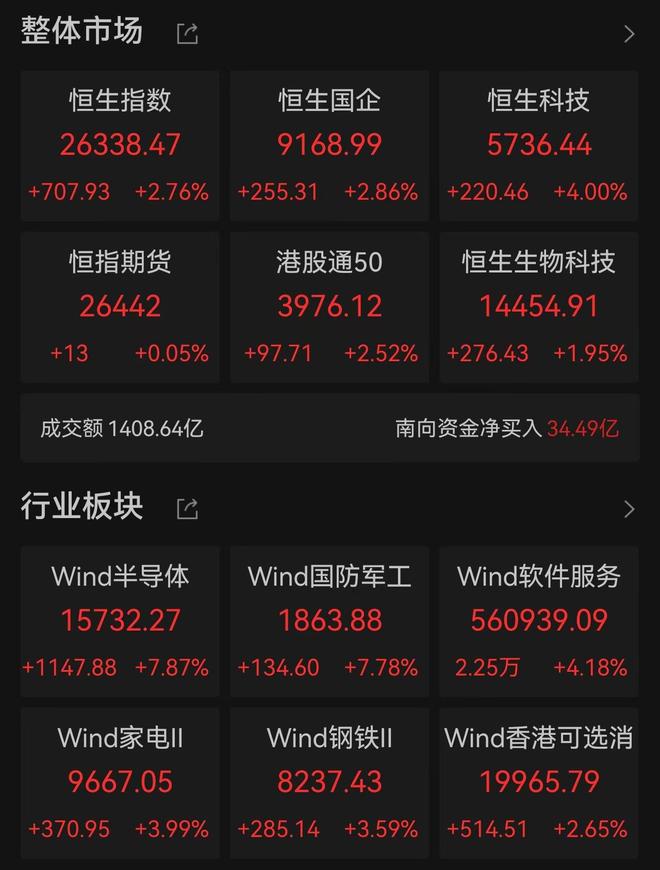
业内人士建议继续聚焦科技股投资。 A股在2025年底迎来"十一连阳",而港股在科技股带领下,2026年1月2日实现了"开门红",恒生指数上 涨2.76%,报收26338点,恒生科技指数上涨4%。 慧研智投投资顾问李谦分析,本轮行情具备"科技牛"特征,港股表现往往领先A股。元旦期间科技、人 工智能、军工航天板块利好密集释放,叠加A股节前十一连阳带动,港股2日显著反弹,科技指数大涨 并反哺A股情绪。2026年行情或更趋机构化,跨年阶段主线仍围绕科技、军工、航天、人工智能展开, 板块轮动或加速,建议操作上维持牛市思维。 光大证券国际策略师伍礼贤向第一财经记者表示,港股大涨预示A股复盘后上涨概率较高。从板块观 察,科技股成为主要向上动力,或对A股相关科技板块产生正面带动。港股收盘站上26000点,该点位 为重要技术区间,1月港股依然有上涨表现的空间。 博大资本国际行政总裁温天纳称,港股首个交易日延续升势并突破26000点,AI新股上市首日一度翻倍 对市场情绪形成提振,部分企业计划分拆AI业务上市,进一步拉升科技股估值。风险层面则需要关注 全球贸易争端、地缘政治变化(包括委内瑞拉事件影响等)及美股估值处于高位等因素。温 ...
华创医药周观点:2025年度医药业绩前瞻 2026/01/04
华创医药组公众平台· 2026-01-04 03:38
Market Overview - The CITIC Pharmaceutical Index decreased by 2.02%, underperforming the CSI 300 Index by 1.44 percentage points, ranking 27th among 30 primary industries [8] - The top ten stocks with the highest gains this week include Duorui Pharmaceutical, Maillande, and Xiangyu Medical, while the top ten stocks with the largest declines include *ST Changyao and Shuyupingmin [8][37] Overall View and Investment Themes - The domestic innovative drug industry is transitioning from quantity logic to quality logic, emphasizing differentiated and internationalized pipelines, with a focus on products that can generate profits [11] - In the medical device sector, there is a notable recovery in bidding volumes for imaging equipment, and the home medical device market is benefiting from subsidy policies [11] - The CXO and life sciences services sector is expected to see a rebound in overseas investment and a bottoming out of domestic investment, indicating a potential upturn in the innovation chain [11] - The specialty raw materials pharmaceutical industry is anticipated to experience a new growth cycle, with a focus on the impact of patent expirations on new product volumes [11] Specific Industry Insights Innovative Drugs - The company has significantly increased its pipeline, with the number of innovative products rising from 3 to 18 since 2022, and plans to launch an average of 5 innovative products annually over the next three years [15][16] - The revenue share from innovative products is expected to exceed 50% by 2025, driven by a robust pipeline and strategic partnerships [15][16] Medical Devices - The orthopedic market is projected to grow due to aging demographics and increased surgery penetration, with domestic companies benefiting from the acceleration of local replacements [17] - The IVD market, particularly in chemiluminescence, is expected to grow rapidly, with domestic brands increasing their market share through competitive pricing and improved product offerings [18] Life Sciences Services - The life sciences services sector is recovering, with demand expected to rise in both domestic and overseas markets, driven by increased investment in biopharmaceuticals [24] - The industry is characterized by low penetration rates and a trend towards domestic substitution, with significant opportunities for growth through mergers and acquisitions [24] Traditional Chinese Medicine and Medical Services - The traditional Chinese medicine sector is expected to benefit from policy changes and an aging population, with a focus on unique therapeutic areas and high-dividend stocks [26][31] - The medical services sector is anticipated to improve due to anti-corruption measures and the expansion of commercial insurance, enhancing the competitiveness of private healthcare providers [26] Investment Recommendations - The company recommends focusing on the pharmacy sector due to the acceleration of prescription outflow and the optimization of competitive dynamics, suggesting that the pharmacy sector is poised for recovery [25] - In the medical device sector, attention is drawn to companies that are well-positioned to benefit from domestic substitution and technological advancements [19]

聚辰股份拟赴港二次上市,前三季净利暴增51%,A股市值逼近200亿
Sou Hu Cai Jing· 2026-01-04 03:33
Core Viewpoint - The company, Jucheng Co., Ltd., is planning a secondary listing in Hong Kong following a significant increase in net profit and market capitalization, aiming to enhance its global strategy and capital strength [1][3][8]. Financial Performance - In the first three quarters of 2025, Jucheng Co., Ltd. achieved a revenue of 933 million yuan, representing a year-on-year growth of 21.29%, while net profit surged by 51.33% to 320 million yuan, significantly outperforming the industry average [4][5]. - The company's dynamic price-to-earnings ratio is approximately 49 times, which is notably lower than the industry average of 120 times, indicating a valuation advantage that may attract international investors [5][6]. Business Strategy - The primary goal of the Hong Kong IPO is to broaden international financing channels and enhance capital operations, which will support overseas business expansion and improve the company's competitive position [3][7]. - Jucheng Co., Ltd. has a diversified product portfolio that includes storage chips, voice coil motor driver chips, and smart card chips, catering to various critical applications across multiple industries [3][4]. Market Context - The timing of the IPO aligns with favorable domestic policies supporting the semiconductor industry, including a national goal for a 40% self-sufficiency rate in key chip areas by 2027 and substantial funding initiatives [6][7]. - The global semiconductor industry is experiencing cyclical fluctuations, which may introduce uncertainties for overseas listings, making the choice of the right issuance window crucial for the company's success [7][8]. Industry Trends - The move towards a secondary listing in Hong Kong reflects a broader trend among semiconductor companies to leverage dual capital platforms for high-quality development and global expansion [8].

昆仑芯启动港股上市:一枚芯片,如何折射百度全栈AI能力?
Sou Hu Cai Jing· 2026-01-04 01:55
Core Viewpoint - Baidu has initiated the listing process for Kunlun Core on the Hong Kong Stock Exchange, marking a significant step for the domestic AI chip company as it enters the capital market amid a booming AI chip industry [1] Group 1: Market Environment - The hardware market environment for Kunlun Core is improving, providing unprecedented strategic opportunities due to the surge in global AI computing power demand and the acceleration of domestic substitution trends [1] - Kunlun Core has achieved a scale deployment of 32,000 units in its domestic computing power cluster and secured nearly 1 billion yuan in orders from China Mobile, positioning itself among the top domestic AI chip companies [1] - IDC forecasts that Kunlun Core will rank second in industry shipments in 2024, indicating strong market recognition of its products [1] Group 2: Technological and Ecological Foundation - Baidu's long-term investment in Kunlun Core has built a solid technological and ecological foundation, with the chip evolving from a single supplier to a platform offering comprehensive solutions including chips, software, and systems [2] - Kunlun Core's growth model is characterized by an internal feedback loop that reduces trial and error costs and ensures alignment with the evolution of large models [2] Group 3: Strategic Collaborations and Projects - A variety of collaborations and projects are in place for Kunlun Core, including partnerships with companies like Southern Power Grid for AI solutions in energy monitoring and with Geely for autonomous driving support [3] - Significant orders include a billion-level order from China Mobile for AI computing devices and a strategic cooperation agreement with Guotai Technology for edge AI computing [3] - The integration of Kunlun Core within Baidu's diversified AI ecosystem enhances its collaborative advantages, with strong support from Baidu's cloud computing and autonomous driving businesses [3]

总投资355亿!晶合四期启动建设
半导体行业观察· 2026-01-04 01:48
Core Viewpoint - The rapid growth of mobile applications, artificial intelligence, and computing power is driving the expansion of the logic process market, with increasing demand for advanced specialty process technology products, particularly in OLED and CIS applications [1][3]. Group 1: Project Development - The fourth phase project of Jinghe Integration has officially started construction with a total investment of 35.5 billion yuan, aiming to enhance the domestic semiconductor industry's technology and supply chain autonomy [1][3]. - The new facility will feature a 12-inch wafer foundry production line with a capacity of 55,000 wafers per month, focusing on 40nm and 28nm processes for CIS, OLED, and logic applications [3][5]. - The project is expected to begin production in Q4 2026 and reach full capacity by Q2 2028, addressing the market's demand for high-performance and high-quality wafer foundry services [3][5]. Group 2: Company Growth and Market Position - Jinghe Integration has grown from one to three factories and from 150nm to 28nm technology, becoming the leading company in the security CIS chip shipment volume [3][5]. - The company is ranked ninth globally and third in mainland China among wafer foundry enterprises, only behind SMIC and Hua Hong Group [4][5]. - According to Frost & Sullivan, Jinghe Integration has the fastest capacity and revenue growth among the top ten global wafer foundry companies from 2020 to 2024 [5]. Group 3: Financial Performance - For the first half of 2025, the company reported a total wafer shipment of 788,400 12-inch wafers, with a revenue of 8.13 billion yuan, reflecting a year-on-year growth of 20% [6]. - The gross margin for the same period was 25.9%, with a net profit of 550 million yuan, showing a significant year-on-year increase of 97% [6]. - The revenue contribution from CIS and PMIC products has increased, with CIS and PMIC accounting for 20.51% and 12.07% of the main business revenue, respectively [6].
研判2025!中国PCB钻针行业产业链、市场规模、企业格局及未来趋势分析:PCB行业景气度提升,带动PCB钻针规模扩张,市场规模突破30亿元[图]
Chan Ye Xin Xi Wang· 2026-01-04 01:10
Core Insights - The PCB drill needle industry is experiencing growth driven by increasing demand in various applications such as consumer electronics, artificial intelligence, and new energy vehicles, with a projected global market size of 4.5 billion yuan in 2024, growing by 15.4% year-on-year [8][11] - China is a key player in the global PCB industry, with a projected market value of 41.213 billion USD in 2024, accounting for 56% of the global total, and expected to grow to 43.73 billion USD in 2025 [8][12] - The industry is undergoing consolidation and technological upgrades, with the top three companies holding a market share of 60.5% by mid-2025, indicating increasing concentration in the market [11][12] PCB Drill Needle Industry Overview - PCB drill needles are essential tools for creating holes in printed circuit boards, facilitating connections between electronic components [2][5] - The industry chain includes upstream raw materials like tungsten carbide powder and cobalt powder, midstream manufacturing, and downstream applications in sectors such as automotive, medical, and industrial [5][6] Market Size and Growth - The global PCB drill needle market is expected to reach 6.2 billion yuan by 2025, with a significant year-on-year growth of 37.8% [8][11] - In China, the PCB drill needle market is projected to grow from 2.521 billion yuan in 2024 to 3.451 billion yuan in 2025, reflecting an 18.9% increase [10][11] Industry Structure - The global PCB drill needle market is dominated by Taiwanese and Japanese companies, with local Chinese firms like Ding Tai High-Tech and Jin Zhou Precision Technology leading with market shares of 28.9% and 20.8%, respectively [12] - The industry is characterized by strong customer loyalty, as PCB manufacturers prefer to establish long-term partnerships with reliable and technologically advanced suppliers [11][12] Development Trends - There is an increasing demand for high-precision and high-performance drill needles due to the evolving requirements of downstream industries [13] - The shift towards high-frequency and composite materials in PCB substrates is driving innovation in drill needle materials and processes [14] - The trend of domestic substitution and global expansion is evident, with Chinese companies enhancing their competitiveness and exploring overseas markets [14]





港股开年狂飙!恒指涨2.76%、恒生科指涨4%,中概股集体爆发,百度单日飙15%,中芯国际获大基金举牌式增持,人民币汇率强势升破6.97
Jin Rong Jie· 2026-01-04 00:29
元旦假期全球资本市场异彩纷呈。 香港股市开年大涨,恒生指数收涨2.76%,恒生科技指数涨4%。"港股GPU第一股"壁仞科技上市首日大 涨超75%;半导体板块涨幅居前,华虹半导体涨超9%,中芯国际涨超5%;科网股上涨,百度集团涨超 9%,网易涨超6%,阿里巴巴、腾讯控股涨超4%。 美股三大指数收盘涨跌不一,纳指高开低走,收跌0.03%,标普500指数微涨0.19%,道指涨0.66%。明 星科技股表现分化,阿斯麦涨近9%,美光科技涨超10%,二者股价均创历史新高。AMD涨超4%,英伟 达涨超1%,谷歌微涨;特斯拉、微软跌超2%,亚马逊跌近2%,Meta跌超1%,苹果微跌。 | 美股指数 [4 | | | | --- | --- | --- | | 道琼斯 | 纳斯达克 | 标普500 | | 48382.39 | 23235.63 | 6858.47 | | +319.10 +0.66% | -0.03% -6.36 | +12.97 +0.19% | | 中国金龙 | 纳指100期货 | 标普500期货 | | 7859.65 | 25394.50 | 6900.50 | | +329.91 +4.38% | ...

黄仁勋都要笑醒了:融资80亿,75亿去理财,拿钱不办事?到底谁是韭菜?
Sou Hu Cai Jing· 2026-01-03 13:34
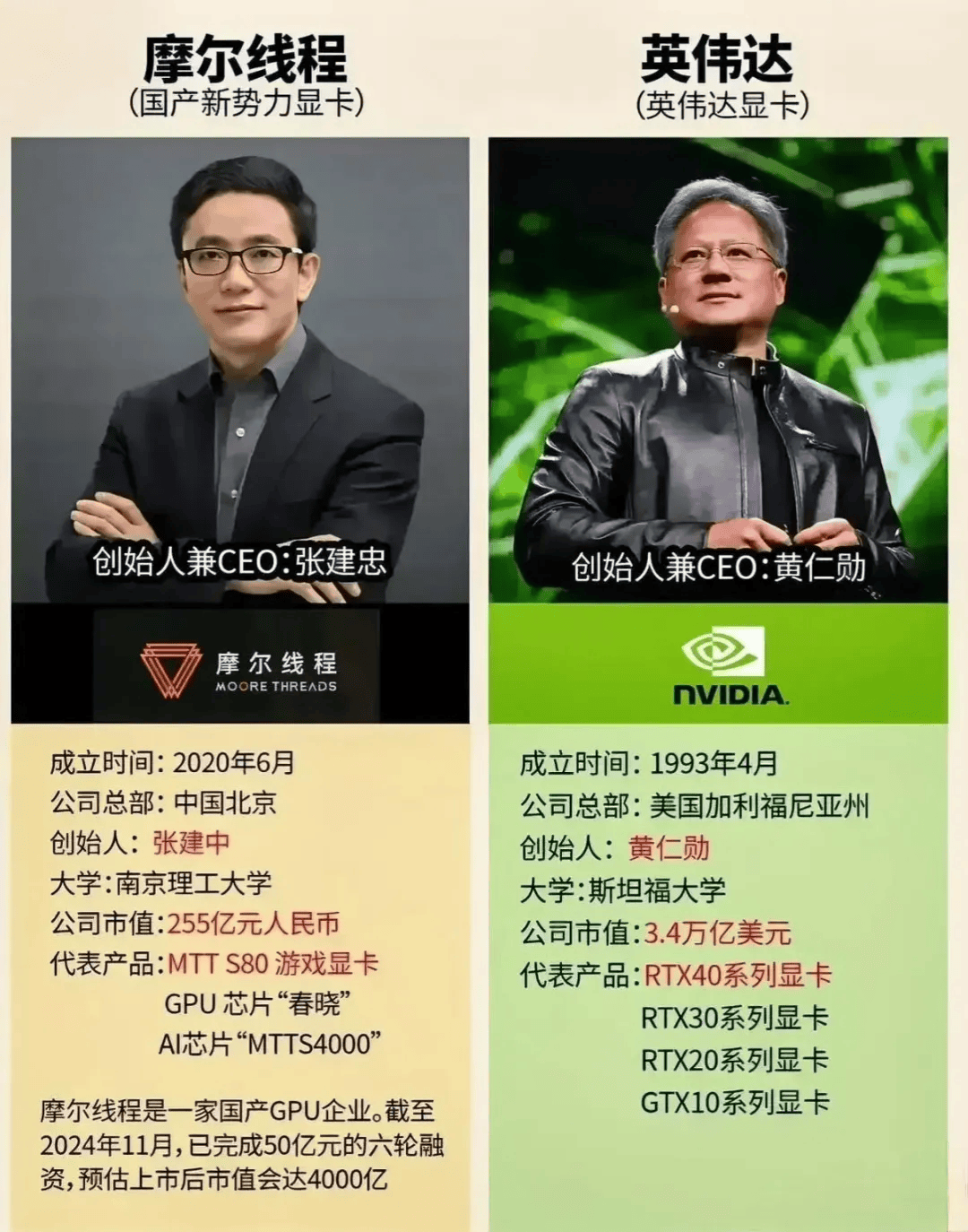
Group 1 - The core issue revolves around the unexpected decision of the company to allocate 7.5 billion for "cash management" shortly after its IPO, raising questions about the appropriateness of such spending [3][5] - The company, established in less than five years, is positioned as "China's first GPU stock," with its founder having a background at NVIDIA, which has attracted significant investor interest [4][5] - The initial public offering (IPO) saw a dramatic surge in stock price, with a 470% increase on the first day and a market capitalization exceeding 440 billion, indicating a market driven more by narrative than fundamentals [5][6] Group 2 - Investor disappointment stems from a perceived disconnect between high expectations for the company and its decision to prioritize cash management over immediate R&D investments [6][9] - The capital market values not just compliance but also the commitment to innovation, and the company's actions have created a sense of dissonance regarding its ambitions to compete with industry leaders like NVIDIA [7][9] - The broader market trend shows a shift where companies may prioritize rapid fundraising over substantial R&D, potentially undermining long-term technological advancement [8][10] Group 3 - The company faces a critical challenge of maintaining investor trust by demonstrating tangible technological progress rather than relying solely on capital to buy time [9][10] - As the excitement fades, the focus will shift to measurable performance indicators, such as computational power and ecosystem maturity, rather than past financial decisions [10] - The ongoing narrative suggests that the real risk lies in over-reliance on market hype without delivering on technological promises, highlighting the need for a clear strategy moving forward [10]
2025 AI芯片激战:巨头竞逐,重划产业版图
Sou Hu Cai Jing· 2026-01-03 12:13
Core Insights - The AI chip industry is undergoing a significant transformation, with a shift from Nvidia's dominance to a more competitive landscape involving multiple players such as AMD, Google, Amazon, and others [5][6][42] - The emergence of domestic Chinese AI chip manufacturers is accelerating, driven by geopolitical factors and increasing local market penetration [8][43][58] - The competition is evolving from a focus on hardware performance to system-level efficiency and ecosystem integration, indicating a shift in industry dynamics [11][47][80] Group 1: Industry Trends - The global AI chip shipment is expected to exceed 10 million units by 2025, with Nvidia currently holding over 90% market share in the GPU segment, but the competitive landscape is changing [7][42] - China's AI chip market is projected to grow at a compound annual growth rate of 53.7% from 2025 to 2029, with the market size expected to increase from 142.54 billion yuan in 2024 to 1.34 trillion yuan by 2029 [8][43] - The competition is intensifying, with Google and Amazon's ASIC chip shipments expected to reach 40% to 60% of Nvidia's GPU shipments by 2025 [9][43] Group 2: Competitive Dynamics - The technological competition has shifted from architecture battles to system-level efficiency, with Nvidia maintaining its lead through a comprehensive solution while Google’s TPU represents a rising ASIC alternative [11][45] - The industry is moving towards ecosystem bundling, with Nvidia still leading but other manufacturers like AMD and Broadcom forming partnerships with major clients like OpenAI [13][80] - Geopolitical factors are increasingly influencing the AI chip landscape, with U.S. policies affecting the presence of American companies in China and boosting local manufacturers [14][81] Group 3: Company Strategies - Nvidia is facing intensified competition, with significant milestones achieved in 2025, including becoming the first company to surpass a $4 trillion market cap and launching new products like the Blackwell chip [17][84] - AMD is aggressively pursuing market share in the GPU space, launching new AI chips and forming a strategic partnership with OpenAI for substantial hardware procurement [20][54] - Broadcom is experiencing rapid growth in the custom AI chip market, with its stock price rising significantly and expected to benefit from the increasing demand for custom solutions [21][55] Group 4: Future Outlook - The AI chip market is anticipated to continue its rapid growth, with predictions of a 300% increase in global AI model training volume by 2026, leading to a 45% growth in the AI chip market, surpassing $80 billion [29][63] - The focus of AI models is shifting from training to application inference, with cost efficiency becoming a critical factor, potentially leading to a surge in demand for low-cost ASIC chips [31][64] - The competition between GPU and ASIC is likely to escalate into an "ecosystem war," with companies like Google and Amazon pushing their self-developed chips into commercial markets [33][65]